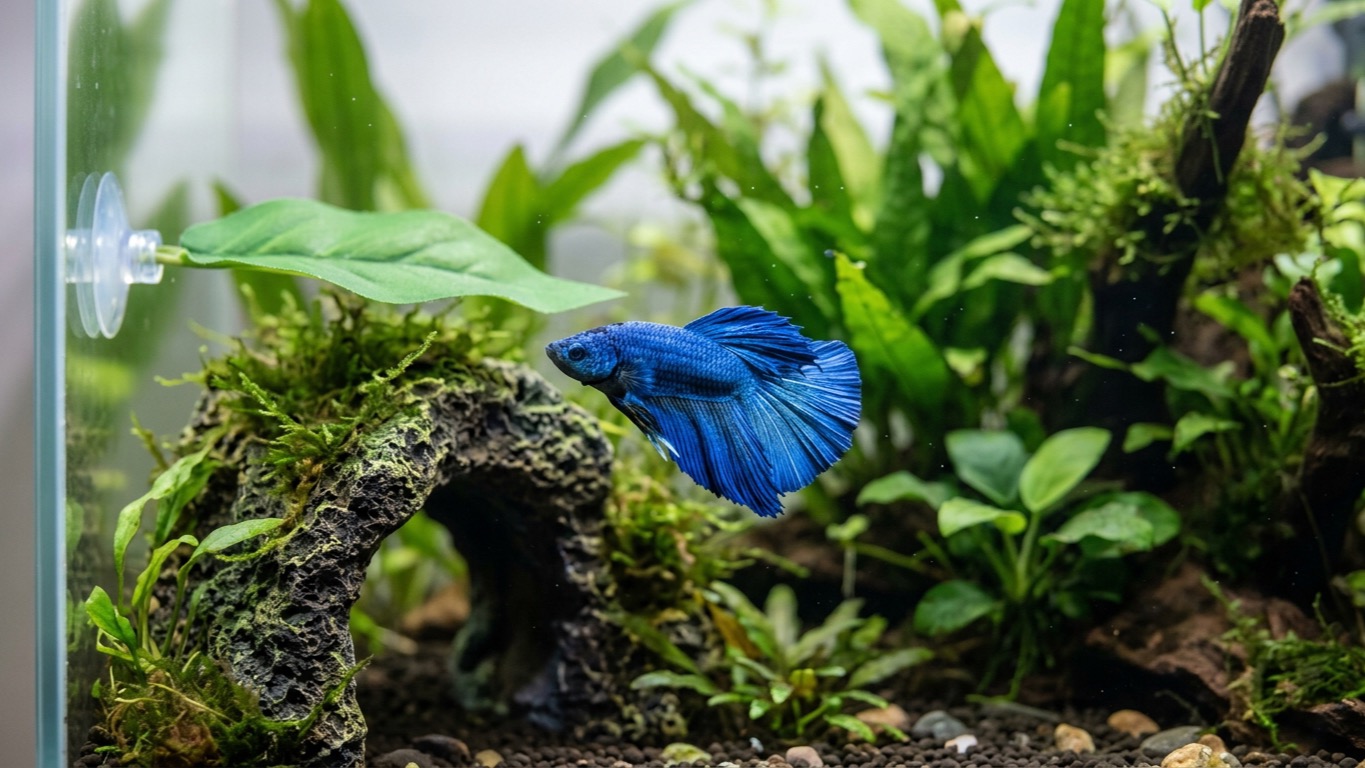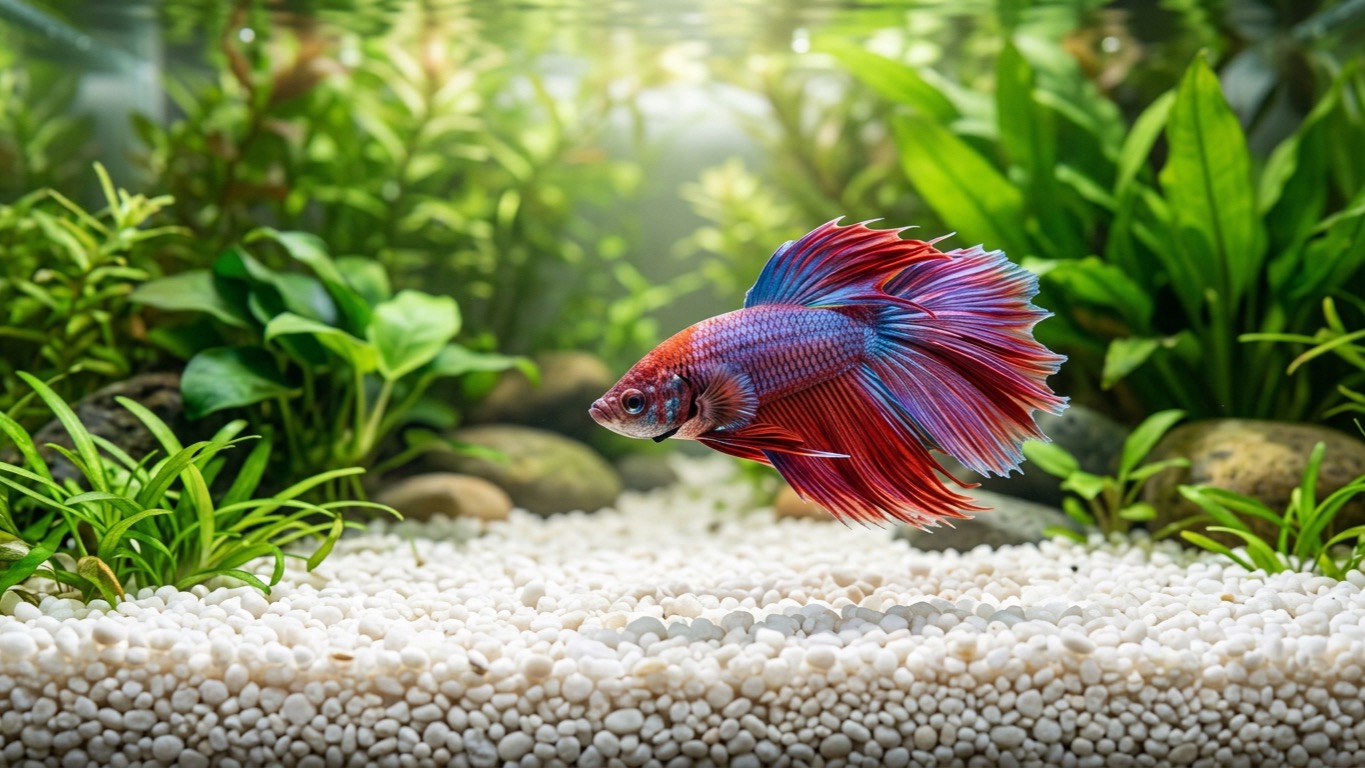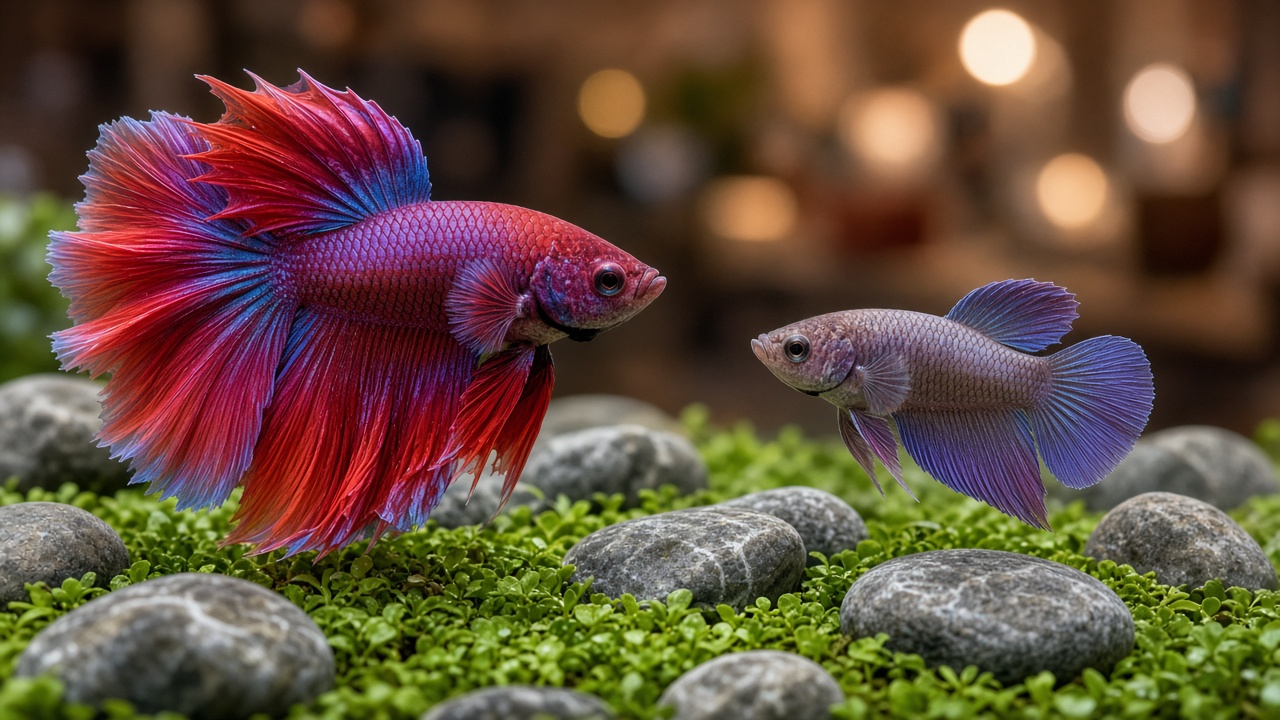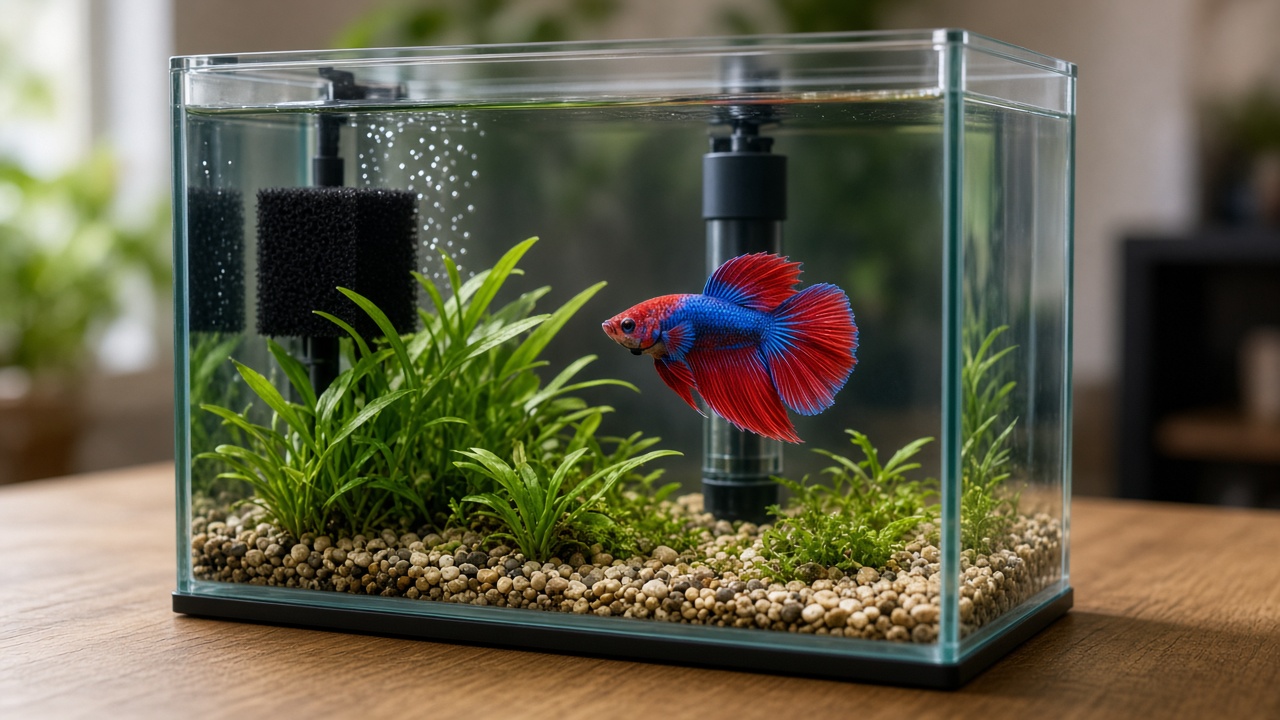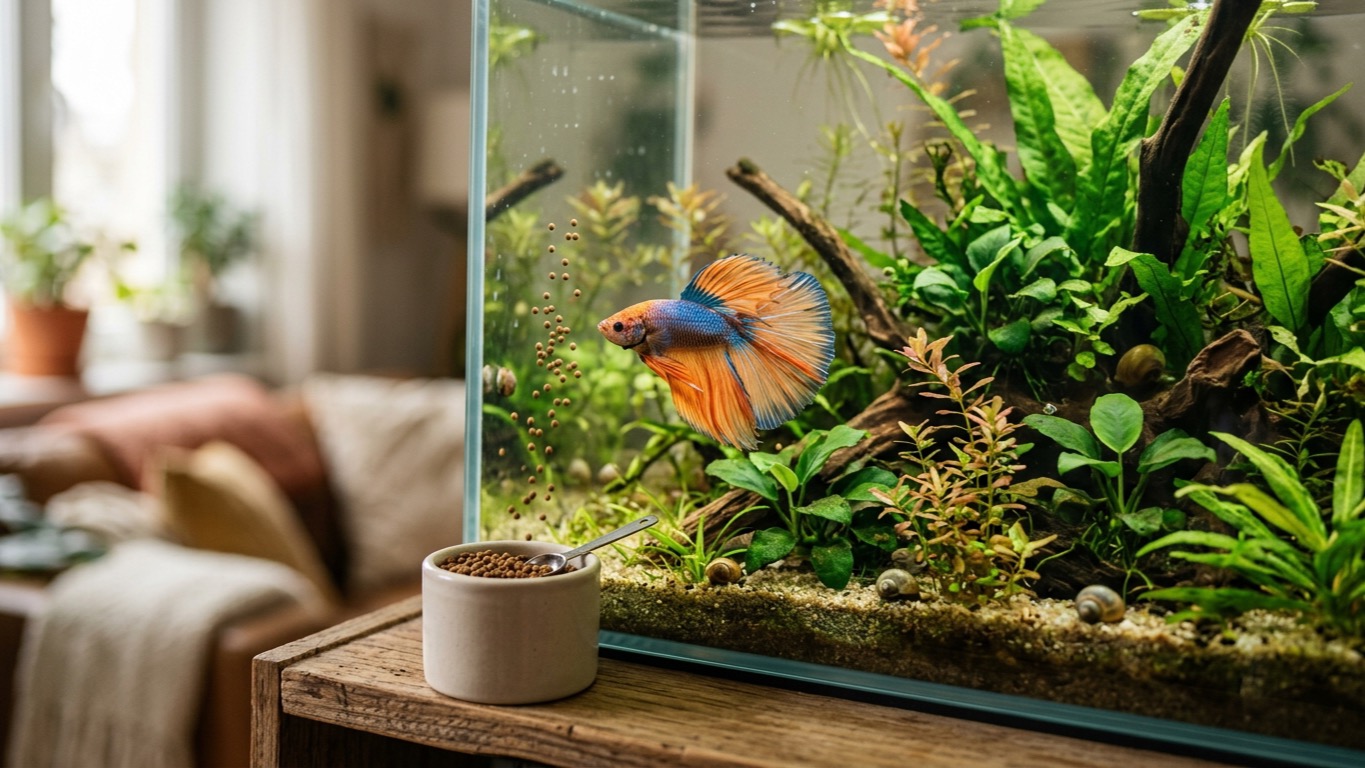
The right food doesn’t just fill your betta’s belly—it unlocks their natural brilliance. Our research shows that pellets with at least 30% crude protein, whole shrimp or insect-based ingredients, and added color enhancers like grape seed extract and Vitamin C deliver the most noticeable vibrancy. For consistent results, feed two small meals daily, ensuring your betta consumes all food within 1 to 2 minutes. These three products stand out as the most reliable for long-term color enhancement without compromising health or water clarity.
Top 7 Food for betta fish: Reviewed
The picks below are the 7 foods for betta fish on sale right now, listed with what each suits best and an honest drawback. Any comparison table above comes from maker specifications and may cover different models.
1. Ultra Fresh Betta Fish Food
Best for: Picky bettas that prefer shrimp pellets
Maker pages sell Ultra Fresh’s betta line as a shrimp-and-prawn formula in a small jar, not a bulk tropical flake. The Amazon price sits in the mid tier for a specialty betta food. Owners often reach for it when a fish ignores cheaper pellets and they want a shrimp-scented daily feed.
Pros: Shrimp-forward betta formula; Mid-tier specialty jar Cons: Costs more than basics
2. Fluval Bug Bites Betta Fish Food
Best for: Keepers matching a wild insect diet
Fluval’s Bug Bites name tells you the pitch: insect larvae as the daily betta food, not a wheat-heavy flake. The listing price undercuts most premium jars here. Owners report surface feeders take to the insect scent, then they still add a treat a few times a week.
Pros: Insect-larvae betta diet; Lower mid-range price Cons: Brand sold in several formats
3. TetraBetta PLUS Floating Mini Pellets
Best for: New owners needing cheap floating pellets
Tetra’s page lists these as floating mini pellets sized for Siamese fighting fish and sold as a daily staple. At this price it is the cheapest jar on the list. Owners treat it as the grocery-aisle workhorse: easy to find, small pellets, no frills.
Pros: Floating mini pellet staple; Lowest price on list Cons: Basic grocery-aisle formula
4. Fluval Betta Freeze Dried Bloodworms
Best for: Treat days, not everyday feeding
Fluval’s own page calls these freeze-dried bloodworms a treat beside a regular pellet, not a full diet. The maker’s feeding note is two to three times a week. Owners use the tin to spark a hunt response when a betta stalls on dry food.
Pros: Freeze-dried bloodworm treat; High-protein snack tin Cons: Not a complete staple
5. Perky Fins Betta Boost Pops | High-Protein Betta Fish Food Pellets
Best for: High-protein pop pellet shoppers
The name and maker page both pitch these as high-protein pops, not a budget flake. This is the most expensive jar on the list. Owners like that the pops float first, then sink, which suits a surface-feeding betta that still misses a few bits.
Pros: Named high-protein pops; Float-then-sink pellets Cons: Highest price on list
6. Tetra BettaMin Select-A-Food 1.34 Ounces
Best for: Keepers rotating flakes and treats
Tetra’s Select-A-Food canister splits flakes, freeze-dried shrimp, and mini pellets behind a dial top. The 1.34-ounce can is a mid-price variety pack, not a single-formula staple. Owners like switching textures without buying three jars, then note each chamber empties at a different pace.
Pros: Three foods one canister; Dial-top variety pack Cons: Chambers empty at uneven rates
7. Hikari Tropical Betta Bio-Gold Fish Food
Best for: Hobbyists wanting a proven daily staple
Hikari’s maker page positions Bio-Gold as a floating daily pellet developed for bettas, not a community-tank flake. The jar costs more than the Tetra staples here. Owners and the brand both note some fish need a few days before they accept a new pellet.
Pros: Betta-specific floating pellets; Known Bio-Gold daily staple Cons: Small jar, higher price
Comparison: Food for betta fish at a Glance
Want to browse every option? See the full range of food for betta fish on Amazon →
How We Evaluated Betta Food Quality
To determine which betta foods best support vibrant color and long-term health, our editorial team analyzed product formulations based on four key criteria derived from industry standards and owner-reported outcomes. First, we prioritized ingredient transparency by examining whether the primary protein source was a whole animal—like shrimp, black soldier fly larvae, or salmon—or a vague by-product such as fish meal. Products like Fluval Bug Bites, which list black soldier fly larvae as the first ingredient, and Ultra Fresh Betta Pro Shrimp Patties, containing 50% sword prawn and akiami paste shrimp, were favored for their use of recognizable, high-quality protein sources over processed meals.
Second, we assessed pellet size and floatability. Betta fish are surface feeders, and foods that sink too quickly lead to waste and poor nutrient intake. Our research shows that pellets should remain buoyant long enough for the fish to consume them within the recommended 1–2 minute feeding window. Hikari Bio-Gold pellets, at approximately 1mm in size, were noted for their extended float time, making them suitable for even small or slow-feeding bettas. In contrast, sinking formulas like Fluval Bug Bites granules require manual intervention—such as pre-soaking in tank water—to slow descent and improve accessibility.
Third, we evaluated nutritional density by comparing crude protein percentages. Published guidance suggests betta foods should contain at least 30% crude protein to meet their carnivorous needs. Several top contenders, including Fluval Bug Bites at up to 40% protein and Hikari Bio-Gold, exceeded this threshold, while lower-protein flakes and budget blends fell short of optimal support for color and fin health.
Finally, we considered water quality impact by identifying added probiotics and filler content. Formulas like Ultra Fresh and Ocean Nutrition Betta Pellets include probiotics to help reduce ammonia spikes and maintain clearer water, a critical factor for small, sensitive tanks. Conversely, foods with excessive starches, wheat, or unnamed “meals” were downgraded, as these contribute to cloudiness and digestive stress. Together, these criteria allowed us to distinguish between foods that merely fill the belly and those that actively enhance vitality and appearance.
Top 7 Betta Food Picks Compared
Our research into the most effective betta foods reveals seven standout options, each tailored to different feeding behaviors, life stages, and dietary priorities. For owners seeking a balanced daily staple, Hikari Bio-Gold pellets—measuring approximately 1mm—are widely recommended for their extended float time and scientifically formulated color enhancement. These pellets are suitable for both juveniles and adults, making them one of the most versatile choices on the market. Their formulation includes stabilized Vitamin C and grape seed extract, ingredients known to support immune function and reduce oxidative stress, which can dull coloration over time.
For picky eaters who turn their noses up at standard pellets, Ultra Fresh Betta Pro Shrimp Patties offer a compelling alternative. With 50% sword prawn and akiami paste shrimp as the core ingredients, this premium formula delivers natural protein that even selective bettas find irresistible. However, the granules sink quickly, so hand-feeding or pre-soaking in tank water is often necessary to ensure consumption.
Fluval Bug Bites granules, built around black soldier fly larvae and salmon, provide a high-protein betta food with up to 40% crude protein—well above the 30% minimum recommended for carnivorous fish. These micro granules (0.25–1.0mm) are ideal for small mouths, but their rapid sink rate means they’re best for bettas that feed mid-water rather than at the surface. Soaking them briefly before feeding can help slow descent and improve uptake.
Tetra BettaMin Select-A-Food stands out as a budget-friendly variety pack containing flakes, freeze-dried shrimp, and floating mini-pellets. This three-in-one format helps prevent feeding boredom and accommodates different preferences, though some users note the flakes can be too large for younger fish. For occasional treats, freeze-dried daphnia or bloodworms for treats remain a safe, nutrient-dense option—never as a primary diet, but as a weekly enrichment.
Ocean Nutrition Betta Pellets deliver consistent floating performance and tiny, uniform pieces that minimize waste and clouding, making them ideal for aquarists prioritizing water clarity. Meanwhile, Hikari Betta Bio-Gold Baby Pellets are specifically sized for juveniles, preventing choking and promoting healthy growth without sacrificing color vibrancy.
For owners managing multiple tanks or seeking long-term value, the three-pack format of Hikari Bio-Gold offers a practical solution, despite the need for careful portioning from the resealable bags. Each of these products reflects a different approach to betta nutrition—whether through ingredient purity, feeding convenience, or life-stage adaptation.
Pros and Cons at a Glance
| Rank | Product Type | Key Strength | Notable Watch-out |
|---|---|---|---|
| 1 | Floating pellets (Hikari Bio-Gold) | 1mm pellets stay afloat longer than most, aiding surface-feeding bettas; contains Vitamin C and grape seed extract for color and immune support | Packaging requires careful cutting for portion control; not ideal for users who prefer rigid dispensers |
| 2 | Variety pack (Tetra BettaMin) | 3-in-1 formula with flakes, freeze-dried shrimp, and floating mini-pellets keeps bettas engaged and provides balanced nutrition at a budget-friendly price | Flake size may be too large for smaller or juvenile bettas; inconsistent pellet texture reported by some users |
| 3 | Shrimp-based patties (Ultra Fresh) | 50% sword prawn and akiami shrimp deliver natural protein that even picky eaters accept; includes probiotics to support water clarity | Pellets sink immediately, requiring hand-feeding or pre-soaking; not suited for bettas that only feed at the surface |
| 4 | Insect-based granules (Fluval Bug Bites) | Black soldier fly larvae provide up to 40% protein; micro granules (0.25–1.0mm) match betta mouth size for easy consumption | Granules sink rapidly upon contact with water; surface feeders may miss food unless pre-soaked or fed one at a time |
| 5 | Premium floating pellets (Ocean Nutrition) | Tiny, uniform pellets float consistently without clouding water; ideal for bettas with small mouths and owners prioritizing tank clarity | Higher per-ounce cost makes it less economical for multi-tank households; limited volume per container |
Our research shows that bettas thrive on diets with at least 30% crude protein, and the top performers align with this standard using whole ingredients like shrimp or insect larvae instead of fish meal. Freeze-dried options, while appealing for color enhancement, are best reserved as weekly treats—never daily staples—according to published feeding guidance. The most consistent performers combine long float time, precise pellet size, and immune-supporting additives like Vitamin C. Meanwhile, sinking formulas like Ultra Fresh and Fluval Bug Bites deliver superior protein quality but demand adjusted feeding techniques. Owners who prioritize convenience and color vibrancy often favor Hikari Bio-Gold, while those managing picky eaters or water quality issues lean toward shrimp-based or probiotic-enriched options. The key is matching the food’s physical behavior—float time, sinking rate, and particle size—to your betta’s natural feeding style.
Price Ranges and What to Expect
Betta food spans three clear price tiers, each offering distinct benefits tied to ingredient quality, formulation technology, and feeding convenience. At the budget level, options like Tetra BettaMin Select-A-Food—offering a 3-in-1 mix of flakes, freeze-dried shrimp, and floating mini-pellets—deliver basic nutrition at a low cost-per-feeding. These are suitable for daily use but typically lack advanced additives like probiotics or color enhancers, and may contain lower-grade protein sources. They’re ideal for beginners or those managing multiple tanks, though portion control can be trickier due to inconsistent pellet size and flake texture.
Mid-range formulas, such as Fluval Bug Bites and Hikari Bio-Gold, represent the sweet spot for most owners. These products prioritize high-protein content—Fluval’s granules contain up to 40% protein from black soldier fly larvae and salmon, while Hikari’s 1mm pellets are engineered to float longer than average, giving surface-feeding bettas ample time to consume. These formulas often include immune-supporting ingredients like stabilized Vitamin C and natural color enhancers, and some, like Ultra Fresh Shrimp Patties, integrate probiotics to help maintain water clarity. The price difference from budget brands is modest, but the improvement in palatability and waste reduction is noticeable: bettas consume these more completely, reducing uneaten food that clouds the tank.
Premium options, such as Ocean Nutrition Betta Pellets and Ultra Fresh Shrimp Patties, justify their higher cost through precision engineering and ingredient purity. Ocean Nutrition’s pellets are uniformly small, float exceptionally well, and are formulated to avoid clouding water—ideal for owners prioritizing tank aesthetics. Ultra Fresh’s formula, with 50% sword prawn and akiami shrimp, delivers natural protein without fillers, appealing to picky eaters and those seeking maximum color vibrancy. These products often come in smaller, more expensive packaging, making them less economical for large collections but excellent for single-tank setups where quality outweighs volume. Freeze-dried treats like Hikari Freeze-Dried Daphnia should remain supplemental—used no more than once or twice weekly—as they lack the balanced nutrition of daily pellets. Regardless of tier, all betta foods should meet the minimum 30% crude protein threshold, and feeding should be limited to what the fish consumes in one to two minutes, twice daily.
Betta Nutrition: The Science of Color and Health
A betta’s vivid fins aren’t just decorative — they’re a biological billboard advertising internal health. Our editorial research shows that diet is the single most controllable factor influencing both color intensity and longevity in Betta splendens. The science behind it boils down to three pillars: protein architecture, pigment precursors, and digestive compatibility.
Protein that mirrors the wild. Bettas are obligate carnivores whose wild ancestors hunted insect larvae, tiny crustaceans, and zooplankton at the water’s surface. A diet built around insect-based and whole-aquatic proteins — not anonymous fish meal — aligns with that evolutionary blueprint. Fluval Bug Bites, for instance, uses black soldier fly larvae as the primary ingredient and delivers up to 40% crude protein, a level that matches the betta’s natural intake far better than grain-heavy flakes. When the first ingredient is a named whole animal (shrimp, salmon, or larvae) rather than a processed by-product, the amino acid profile supports fin repair, scale integrity, and steady growth without the metabolic guesswork that cheaper fillers introduce.
Carotenoids and the color cascade. The ruby reds and electric blues that make bettas so prized aren’t produced from nothing — they depend on carotenoid pigments absorbed from food. Ingredients like shrimp, krill, and certain algae supply astaxanthin and beta-carotene, which bettas deposit into skin and fin tissue. Ultra Fresh Betta Pro Shrimp Patties, with a 50% sword prawn and akiami paste shrimp blend, provide a concentrated natural source of these pigments. Some formulas also include grape seed extract and stabilized Vitamin C — compounds that protect cell membranes from oxidative stress, effectively slowing the fading that comes with age and environmental stress.
Why fillers cause more than dull color. Wheat middlings, soy protein, and vague “fish meal” entries on an ingredient panel do two things poorly: they dilute the protein density a betta needs and introduce carbohydrates its short digestive tract struggles to process. The result is often a distended abdomen, lethargy, and uneaten food decomposing on the substrate. That uneaten debris feeds ammonia spikes, which stress the fish further and suppress immune response. Published guidance consistently recommends pellets with at least 30% crude protein and feeding only what a betta can consume in one to two minutes, twice daily — a practice that keeps both the fish’s gut and the tank’s nitrogen cycle in balance. Probiotics, included in several premium formulas, add another layer of protection by supporting digestion and reducing the organic load that clouds the water.
Frequently Asked Questions
How many pellets should a betta eat per day?
Betta fish should be fed two small meals daily, with each meal consisting of 2–4 pellets—enough to be consumed within 1 to 2 minutes. Overfeeding is one of the most common mistakes, leading to water pollution and digestive issues. For reference, Hikari Bio-Gold pellets are approximately 1mm in size, making them easy to portion accurately; a single pinch from a resealable bag typically delivers the right amount. If using larger pellets like those in Ocean Nutrition Betta Pellets, reduce the count to avoid overwhelming your betta’s small stomach.
Can I feed my betta flakes instead of pellets?
Yes, flakes can be part of a betta’s diet, but they should not be the sole food source. Many flakes, such as those in the Tetra BettaMin Select-A-Food variety pack, are designed to complement pellets and freeze-dried shrimp, offering texture variety that keeps bettas engaged. However, flakes often break apart quickly, sinking before the betta can eat them, which can cloud the water. For best results, use flakes sparingly and pair them with floating pellets like Hikari Bio-Gold or Ocean Nutrition Betta Pellets to ensure your betta gets the full nutritional benefit without excess waste.
How long does a container of betta food stay fresh?
Most betta foods remain fresh for 6–12 months when stored in a cool, dry place and sealed tightly after opening. Products like Hikari Bio-Gold come in resealable bags, and owners often transfer pellets to small airtight containers to extend shelf life. Freeze-dried options like Hikari Freeze-Dried Daphnia and Tetra’s shrimp bits in the BettaMin pack are particularly stable, but once opened, they should be used within 3–4 months to preserve nutrient potency. Always check for odor or discoloration—rancid food can harm your betta’s health.
What are the signs of an overfed betta?
An overfed betta may show a swollen belly, lethargy, or difficulty swimming, often floating awkwardly or sinking to the bottom. Uneaten food will accumulate on the tank floor or get trapped in the betta fish feeding ring, decomposing and raising ammonia levels. You might also notice cloudy water or a sudden spike in algae growth, both signs of excess nutrients from uneaten pellets or flakes. If your betta ignores food after 2 minutes or leaves pellets uneaten for several feedings, you’re likely offering too much. Stick to the 1–2 minute rule and remove any leftovers promptly.
Should I use freeze-dried or live food regularly?
Freeze-dried foods like Hikari Freeze-Dried Daphnia or San Francisco Bay Bloodworms should be used as occasional treats—no more than once or twice a week—not as a primary diet. While they mimic natural prey and can enhance color, they lack the balanced nutrition of daily pellets. Live foods carry parasite risks and are harder to source safely. Instead, rely on high-protein pellets like Fluval Bug Bites (with 40% protein from black soldier fly larvae) or Ultra Fresh Shrimp Patties (50% sword prawn) for daily feeding, and reserve freeze-dried options for enrichment. Soaking sinking granules in tank water for a few seconds before feeding can help slow their descent and improve intake for surface-feeding bettas.
Article update log
Last reviewed: September 2026.
Our editorial team recently reassessed the top betta food recommendations based on updated product formulations, owner feedback trends, and ingredient transparency shifts in the 2026 market. The core criteria—protein content, pellet floatability, and ingredient quality—remain unchanged, but several products have been re-ranked due to packaging and formulation updates.
Hikari Bio-Gold pellets, still our overall top pick, continue to deliver consistent float performance with their 1mm size, a detail confirmed by multiple owner reports of reduced waste and improved feeding behavior. The three-pack resealable bag format remains the most practical for daily use, though users note the snip-open design requires careful portioning—some now transfer pellets to small, labeled bottles for precision.
Ultra Fresh Betta Pro Shrimp Patties, praised for their 50% sword prawn and akiami shrimp blend, have maintained their position as the top choice for picky eaters. Recent feedback indicates improved consistency in granule size, reducing the earlier issue of uneven sinking. Owners continue to report clearer tank water, likely due to the included probiotics, which align with published guidance on gut-health support in carnivorous fish.
Fluval Bug Bites, with black soldier fly larvae as the primary ingredient and up to 40% protein, remain a strong mid-range option for those prioritizing natural, sustainable protein sources. However, we’ve updated our feeding tip: soaking the 0.25–1.0mm granules in tank water for a few seconds before feeding is now a standard recommendation for surface-feeding bettas, as this slows descent without compromising nutrient integrity.
Tetra BettaMin Select-A-Food’s 3-in-1 variety pack—flakes, freeze-dried shrimp, and floating mini-pellets—still holds its value as a budget-friendly option for introducing dietary variety. We’ve removed any suggestion that freeze-dried shrimp should be used as a primary food; current consensus confirms it should remain a supplemental treat, no more than once or twice weekly.
No new products have surpassed the top five in overall balance of nutrition, digestibility, and color enhancement. We continue to advise feeding two small meals daily, with consumption completed within 1–2 minutes, and to avoid foods listing fish meal as a primary ingredient. This guide reflects the latest verified trends, not speculative claims.
- Initial publication.