
Creating a flourishing environment for a betta fish requires balancing aesthetic appeal with the specific biological needs of a solitary, territorial species. Many newcomers wonder whether a small bowl is sufficient or if a more complex ecosystem is necessary to keep their fish active and vibrant. While bettas are famous for their resilience, they thrive best when provided with adequate space, stable water chemistry, and environmental enrichment that mimics the slow-moving, heavily vegetated waters of their natural Southeast Asian habitats.
When selecting equipment and planning your aquarium layout, focus on these essential factors to ensure long-term success:
- Prioritize a minimum of five gallons to allow for stable water parameters and consistent filtration without creating excessive current that stresses long-finned varieties.
- Incorporate live plants to provide natural oxygenation, hiding spots, and surfaces for the fish to rest on, which significantly reduces stress levels.
- Ignore flashy, neon-colored gravel or jagged plastic decorations that can tear delicate fins; instead, opt for smooth substrates and silk or live foliage.
- Establish a reliable heating and filtration system immediately, as bettas are tropical fish that require consistent warmth and clean water to maintain a strong immune system.
- Understand that while bettas are beautiful, they are predators; always consider the temperament and size of other inhabitants before adding them to the tank.
Building the right habitat is a journey of trial and error. Our guide on how to set up a planted betta tank walks you through the foundational steps of creating a lush, healthy home that keeps your betta engaged. If you are looking to expand your aquarium community, our analysis of the best betta fish tank mates helps you identify which species can safely coexist with your betta and which combinations are likely to lead to aggression or injury. These resources provide the technical framework necessary to move beyond basic maintenance and toward true aquascaping.
A common mistake is assuming that a betta’s solitary nature means it requires no stimulation. An empty, sterile tank often leads to lethargy and boredom, which can manifest as fin-biting or increased susceptibility to disease. Additionally, avoid the temptation to overfeed; bettas have tiny stomachs and are prone to digestive issues when their diet is not strictly managed. Focus on quality over quantity to keep your fish healthy.
Explore our comprehensive collection of guides and reviews below to find everything you need for your betta.
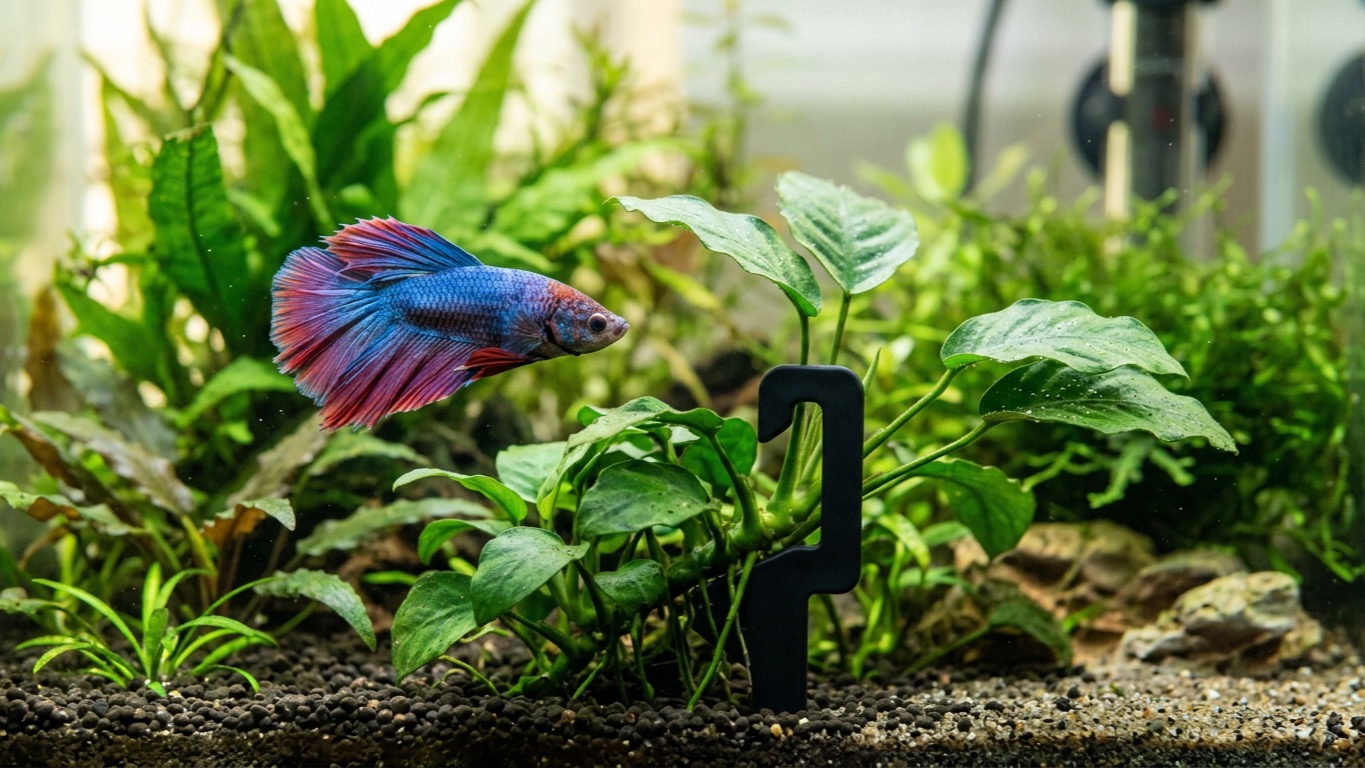
How to Set Up a Planted Betta Tank: 7 Steps to a Thriving Habitat
Learn how to set up a planted betta tank with our expert guide. Discover the best low-light plants, safe substrate, and water parameters for a healthy betta.
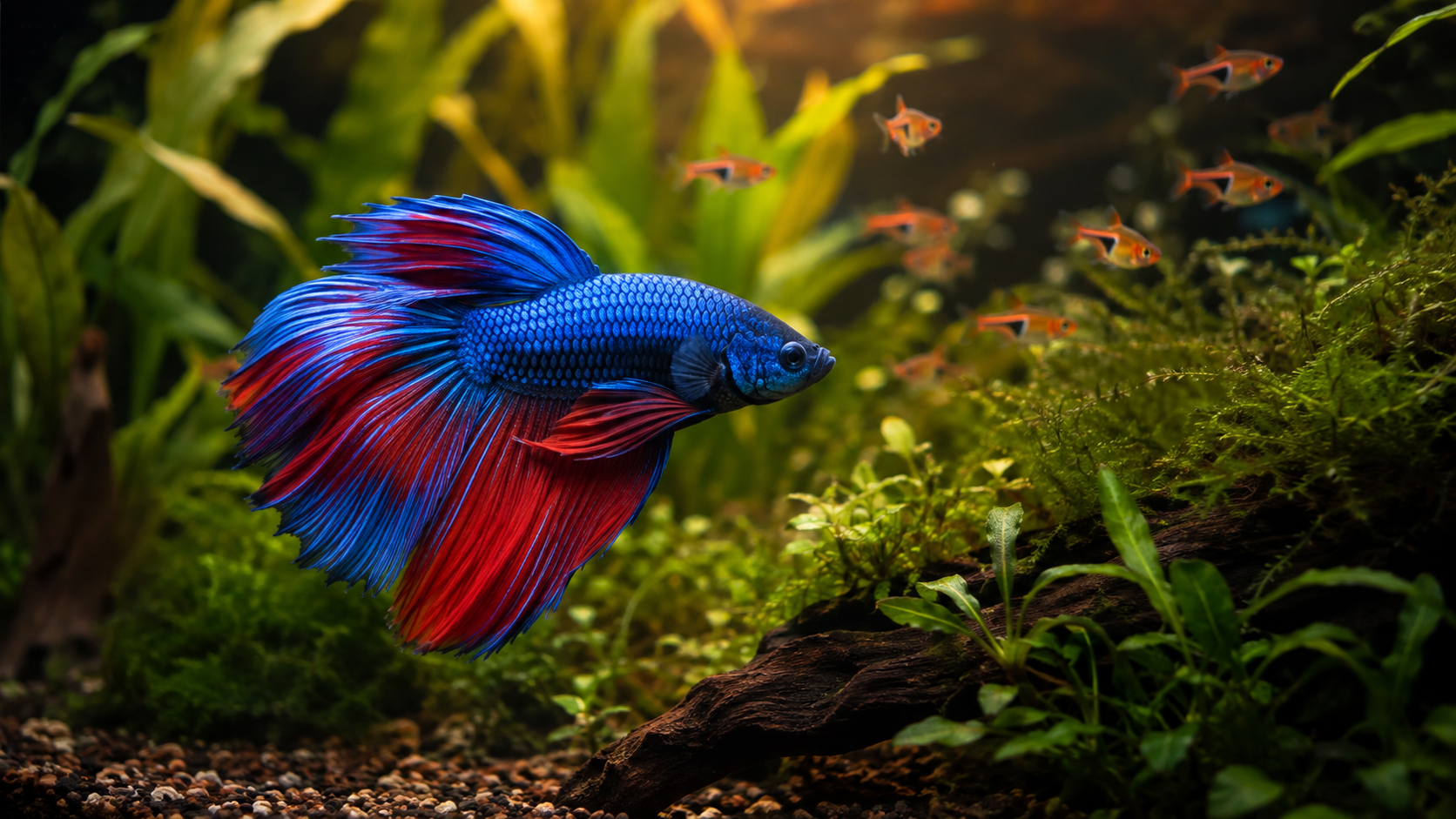
7 Best Betta Fish Tank Mates (And 4 You Must Avoid)
Choosing compatible betta fish tank mates requires understanding temperament and swimming zones. Discover our 12 safest picks and 4 species to avoid.