Best Fish to Have as Pets: Expert Picks for Beginners & Enthusiasts
Choosing the right fish is the single most important step for a thriving aquarium; the species you select determines water stability, social harmony, and how enjoyable the hobby will be for you.
Why Choosing the Right Fish Matters for Your Aquarium
Fish are active participants in the tank’s biological balance. Some species are gentle grazers that help control algae, while others are aggressive predators that can stress or even harm tank mates. When a community includes a mix of compatible temperaments, waste production stays predictable and beneficial bacteria can process it efficiently, reducing the risk of ammonia spikes. Conversely, a mismatched group—such as a territorial cichlid with a shy schooling fish—can lead to constant chasing, increased stress hormones, and a higher likelihood of disease.
Tank size and setup are equally decisive. Small, slow‑moving fish like neon tetras thrive in densely planted, well‑filtered aquariums that mimic their natural shoaling environment, but they quickly outgrow a 10‑gallon tank once they reach adulthood. Larger, more active swimmers such as gouramis or dwarf cichlids need open swimming space and vertical height; a cramped tank can stunt growth and provoke territorial disputes. Additionally, the presence of live plants, rocks, or driftwood influences which species will feel secure—bottom‑dwelling catfish prefer hiding spots, whereas surface‑feeders need open water near the top.
Cost considerations also shape the decision. Common community fish are often inexpensive and readily available, making them ideal for beginners who want to experiment without a large financial commitment. Rare or ornamental varieties—like certain fancy goldfish or exotic dwarf rasboras—can carry higher price tags and may require specialized water parameters, increasing long‑term expenses for food, supplements, and equipment upgrades. Weighing the initial purchase price against ongoing care costs helps ensure the hobby remains enjoyable rather than burdensome. Selecting fish that fit your tank’s dimensions, ecosystem, and budget sets the foundation for a healthy, vibrant aquarium that you’ll love to watch every day.
Our Methodology: How We Evaluated the Best Fish for Pets
Choosing a pet fish isn’t just about bright colors or a trendy name; it’s about matching the animal’s needs with the keeper’s experience and resources. Our editorial team built a transparent framework that weighs four core dimensions—care level, lifespan and maintenance, community compatibility, and cost‑effectiveness. By applying the same rubric to every candidate, we could rank the options fairly and give beginners confidence while still offering depth for seasoned hobbyists.
Care level was the first filter. We classified each species into beginner, intermediate, or advanced categories based on the amount of daily attention, water‑parameter stability, and feeding complexity required. Beginner‑friendly fish tolerate a broader range of temperature and pH, accept a variety of commercial foods, and recover quickly from minor water‑quality swings. Intermediate species demand more precise monitoring of parameters such as hardness or nitrate levels, while advanced fish often need specialized diets, specific lighting cycles, or even live‑food supplementation.
Lifespan and maintenance shaped the second tier of evaluation. Longer‑lived fish can become a lasting companion, but they also impose a longer commitment to tank upkeep. We examined published lifespan ranges and typical cleaning schedules, giving higher marks to species that combine a respectable lifespan with manageable maintenance routines—such as weekly water changes and modest filter upkeep—over those that require frequent substrate vacuuming or aggressive algae control.
Compatibility with other species guided the third criterion. A good community fish coexists peacefully with a variety of tank mates, tolerates mixed‑species schools, and avoids aggressive territorial behavior. We reviewed common compatibility reports, looking for species that thrive in community tanks without demanding a species‑only setup. Those that can share space with both peaceful tetras and modestly active bottom‑dwellers earned higher scores.
Cost‑effectiveness rounded out the assessment. We considered initial purchase price, ongoing feed costs, and any special equipment (e.g., heated caves or UV sterilizers) the fish might need. Species that deliver visual appeal and robust health without forcing the keeper into expensive upgrades were rated more favorably.
By scoring each fish against these four pillars, we arrived at a balanced shortlist that serves newcomers seeking low‑maintenance companions and enthusiasts looking for rewarding, slightly more demanding additions. The resulting rankings reflect a holistic view of what makes a fish a practical and enjoyable pet.
Beginner-Friendly Fish: Easy Care, Big Rewards
Starting an aquarium can feel overwhelming, but a few hardy species make the learning curve smooth while still delivering color and activity. Our research shows that bettas, neon tetras, and platies consistently rank among the easiest fish for newcomers, each bringing a distinct personality to the tank.
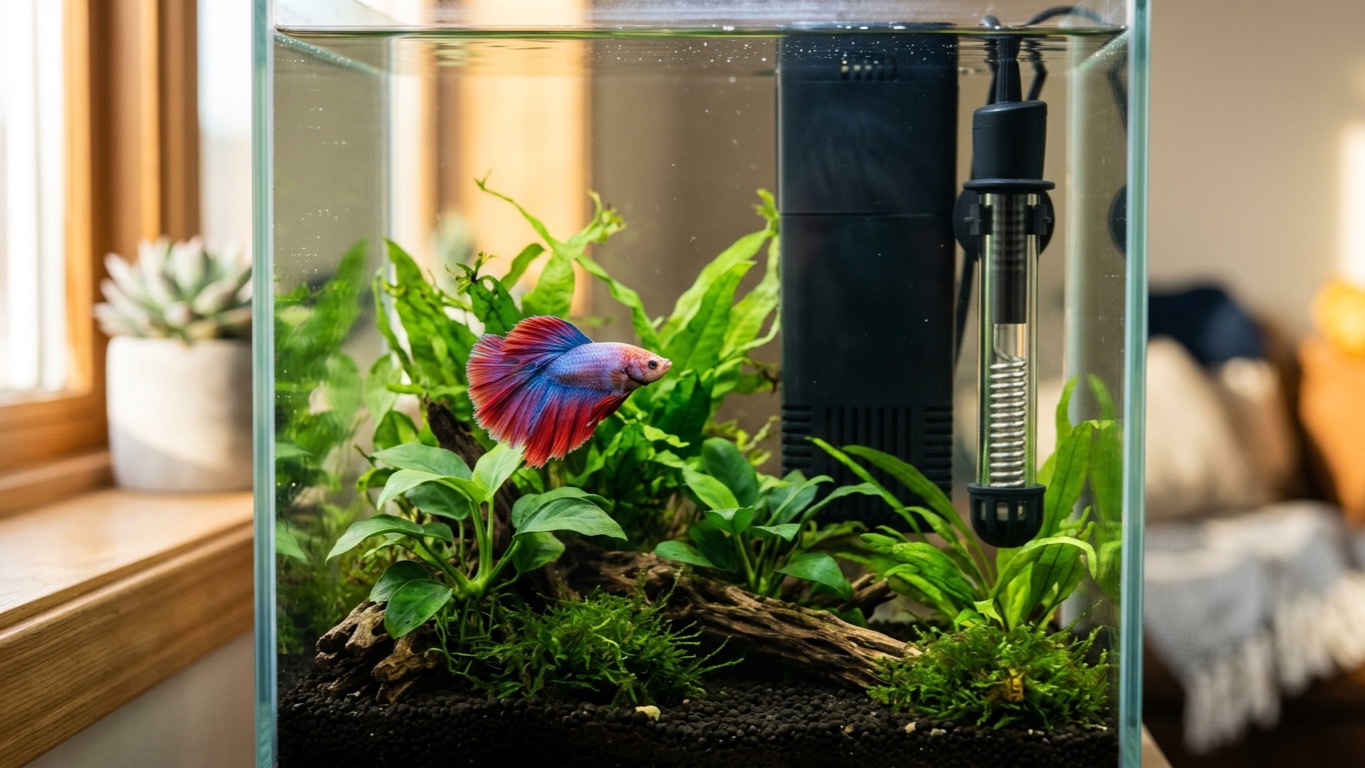
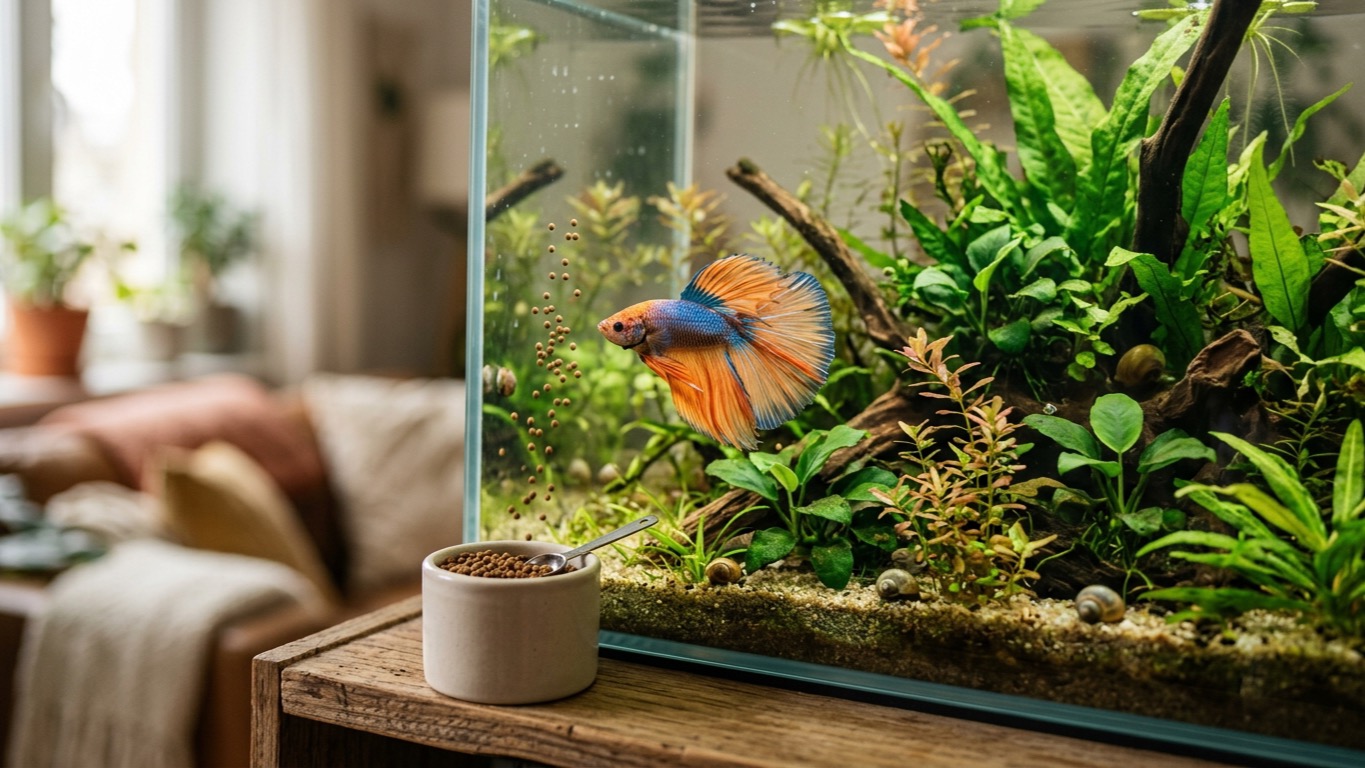
Bettas thrive in relatively small setups when given the right conditions. A single betta does well in a tank that holds at least a few gallons of water, equipped with a gentle filter that won’t create strong currents. They appreciate a heater to keep the water warm and stable, along with plenty of live or silk plants and caves where they can retreat. Because bettas are territorial, it’s best to keep only one male per tank unless the aquarium is large enough to provide separate territories. Females can sometimes coexist in a sorority, but close monitoring is still needed to prevent aggression.
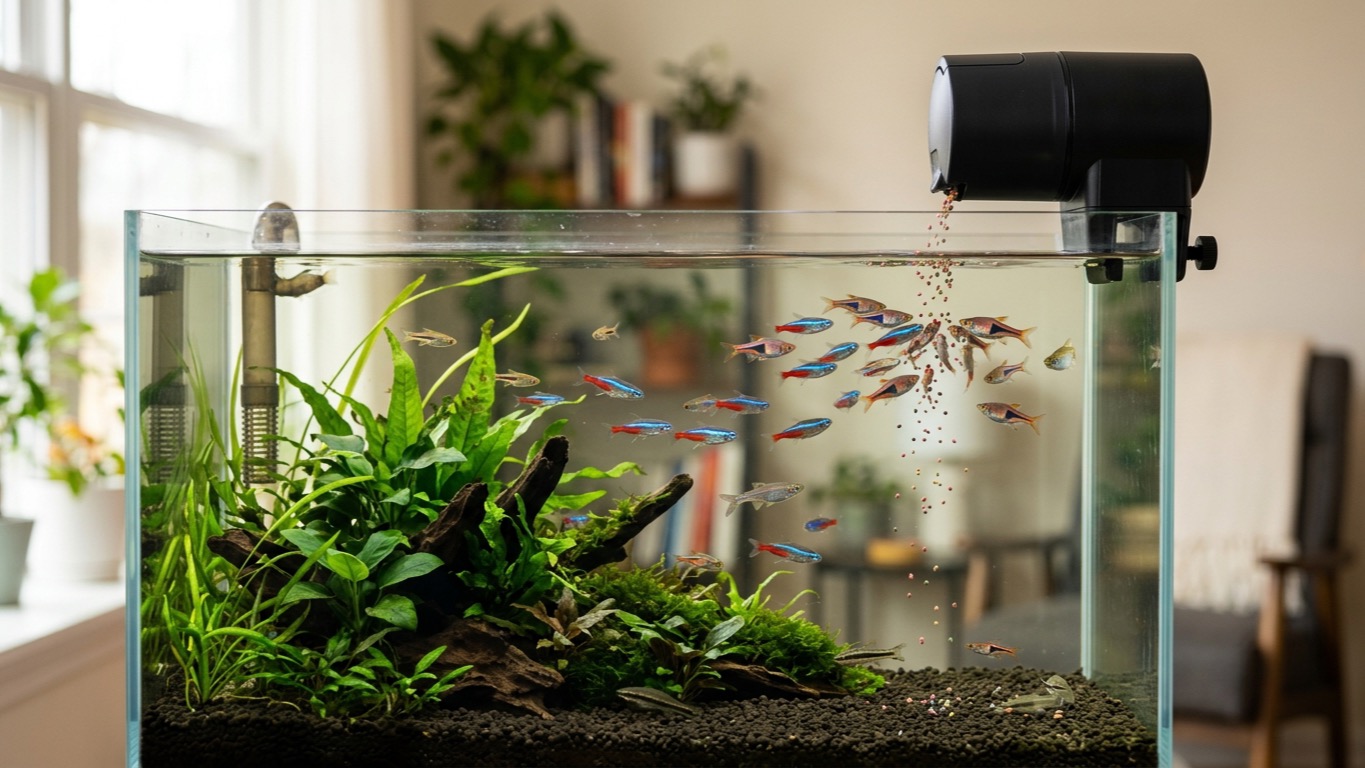
Neon tetras are schooling fish that bring a flash of iridescent blue and red to any community aquarium. They do best when kept in groups of six or more, which encourages natural shoaling behavior and reduces stress. These tetras prefer water that is on the softer side with a slightly acidic to neutral feel, and they enjoy a warm environment that mimics their native streams. A well‑planted tank with subdued lighting and open swimming areas lets them display their vivid colors while feeling secure. Because they are peaceful, they get along with many other small, non‑aggressive species.
Platies are livebearers known for their hardiness and cheerful disposition. They adapt readily to a range of water conditions, making them forgiving for beginners still learning to maintain stable parameters. Platies appreciate a tank with plenty of plant cover and open space for active swimming. They are compatible with most community fish of similar size, especially other peaceful livebearers like guppies and mollies. Since platies reproduce frequently, providing hiding spots for fry helps increase survival rates if you choose to let them breed.
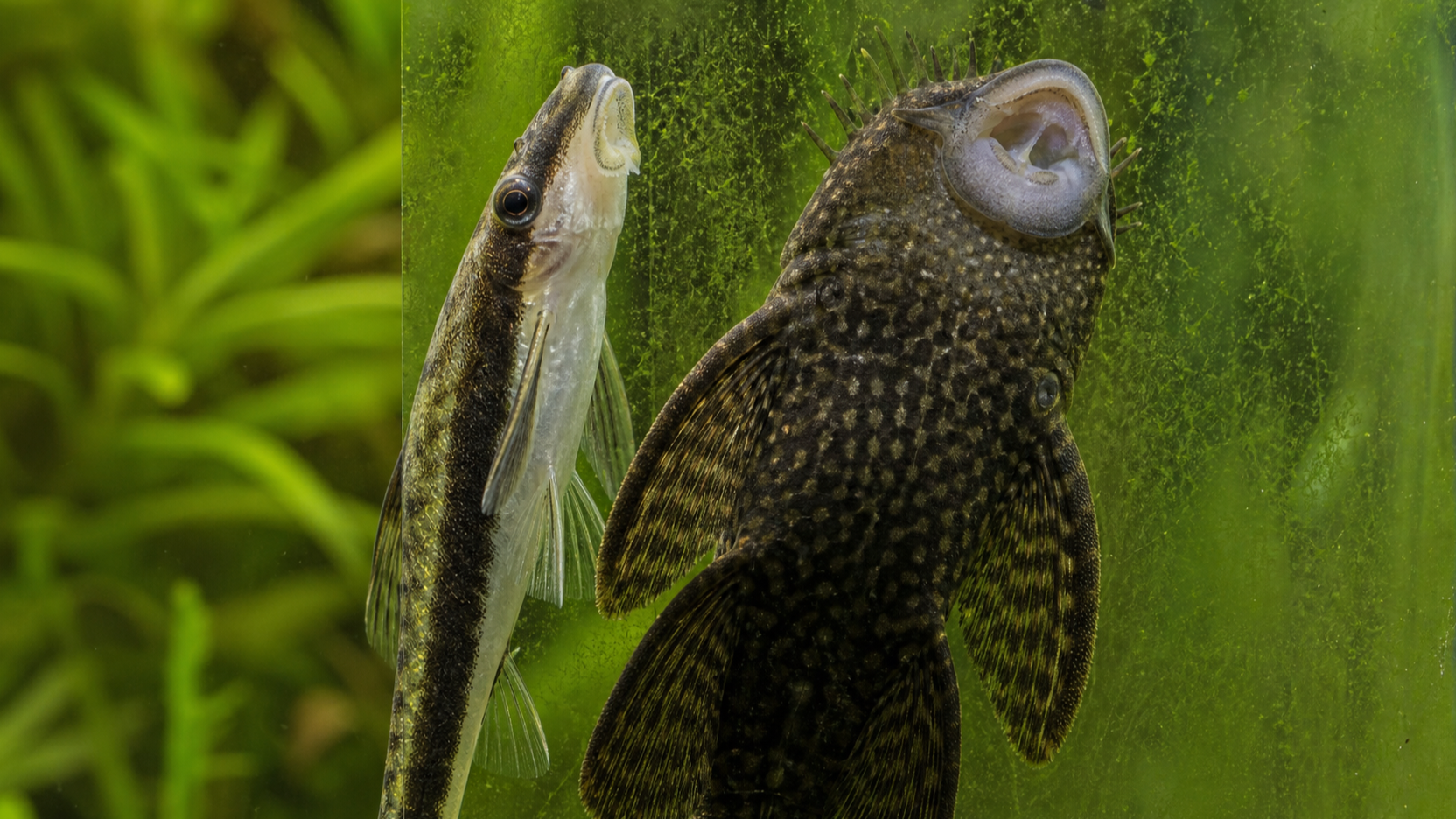
Beyond these three, other beginner‑friendly options include zebra danios, which are energetic and tolerant of fluctuating conditions, and corydoras catfish, which spend their time scavenging the substrate and help keep the tank clean. Each of these species offers a low‑maintenance entry point into the hobby while still providing visual interest and engaging behavior. By selecting fish that match your tank size, water conditions, and desired community dynamics, you set the foundation for a thriving aquarium that rewards both novice and experienced keepers.
Rare Gems: Discus Fish, Swordtail, and Other Unique Species
Discus fish are often called the “jewel of the aquarium” because of their striking patterns and graceful shape. Our research shows they thrive best in water that is both soft and warm, mirroring the gentle, mineral‑light rivers of the Amazon basin. Maintaining a consistently warm temperature—similar to what most tropical community tanks provide—helps prevent stress and encourages the vivid coloration that makes discus so prized. Because they are sensitive to fluctuations, a reliable heater and a gentle filtration system that preserves water softness are essential. Adding live plants or driftwood not only creates a natural backdrop but also contributes to the stable environment discus demand.
Swordtails are celebrated for their lively swimming style and the dramatic “sword” extension on the males’ tails. When it comes to breeding, our editorial team notes that providing a slightly cooler spot in the tank can trigger spawning behavior. A separate breeding box with fine mesh allows fry to stay protected while the adults continue to roam the main display. Feeding the pair a varied diet rich in high‑protein flakes, frozen bloodworms, and occasional vegetable matter supports robust egg production. After spawning, removing the adults for a short period reduces the risk of them nipping at the newly hatched fry.
Cherry barbs may appear modest, but they are social performers that flourish in groups. Owners consistently report that keeping at least six individuals creates the dynamic schooling motion that brings out their best colors. A planted substrate with gentle water flow gives them places to explore without feeling exposed. Because they are relatively peaceful, cherry barbs can coexist with other small community fish, provided the tank offers plenty of hiding spots to diffuse any occasional territorial squabbles. Regular, small feedings of high‑quality flake or micro‑pellet food keep their energy steady and their bright red hue vibrant.
Together, these three species illustrate how a bit of extra attention to water conditions, breeding cues, and social structure can turn a standard aquarium into a showcase of rare, rewarding aquatic life.
Comparative Analysis: Top Picks vs. Budget Options
When weighing premium selections against more economical choices, the differences become clearest when you look at three practical dimensions: what you spend to get started, what you spend to keep things running, and how long each type of fish is likely to thrive under good care.
Initial setup versus monthly upkeep Premium species often come with higher upfront costs because they benefit from equipment that maintains stable water chemistry—heaters, reliable filtration, and sometimes specialized lighting that mimics their natural habitat. These investments raise the initial outlay but can reduce the frequency of water adjustments and the need for chemical additives down the line. Budget‑friendly fish, by contrast, usually tolerate a broader range of conditions, allowing hobbyists to begin with a basic filter, a simple heater (or none at all in cooler rooms), and standard lighting. Consequently, the starter kit is less expensive, but the trade‑off is a greater reliance on regular water changes and occasional parameter tweaks to keep ammonia and nitrate levels in check. Monthly expenses for both groups include food, replacement filter media, and occasional water‑conditioning products; the premium side may see lower ongoing costs for water stabilizers, while the budget side may spend a bit more on frequent water‑change supplies.
Longevity comparison Fish that are marketed as top picks tend to be those that, when given consistent, high‑quality care, can live for many years—often reaching the upper end of their natural lifespan. Their longevity hinges on maintaining pristine water quality, a balanced diet, and a stress‑free environment. Budget options, while hardy, sometimes experience shorter lifespans in typical home setups because they are more sensitive to fluctuations in water quality and to overcrowding. Inadequate filtration or infrequent maintenance can accelerate wear on their health, leading to a noticeable drop in lifespan compared with the same species kept in optimal conditions. Thus, the potential for a long, healthy life is not solely a function of the fish itself but of how closely the aquarium mirrors the conditions the species prefers.
Space requirements for nano aquariums Nano tanks impose strict limits on both the size and the waste output of their inhabitants. Premium choices for these tiny systems are usually small, low‑waste species that remain active without needing large swimming territories. They thrive when the tank provides ample hiding places and gentle flow, which can be achieved with compact filtration and modest lighting. Budget‑friendly picks for nano setups often share similar size constraints but may produce more waste relative to their volume, meaning that the filtration system must be proportionally robust to prevent rapid declines in water quality. In either case, the key to success in a nano aquarium is matching the fish’s biological load to the tank’s capacity, ensuring that the ecosystem stays balanced without overtaxing the limited water volume.
Overall, the decision between a top‑pick and a budget option rests on how much you are willing to invest initially for equipment that eases long‑term maintenance, how attentive you plan to be with routine care, and whether your available space can comfortably support the fish’s adult size and behavioral needs. By aligning these factors with your goals, you can create a setup that rewards both the fish and the hobbyist, regardless of the price point you choose.
Pros and Cons at a Glance: Fish Compared
Choosing a pet fish is often a balance between how much care you can provide, the visual impact you want in your tank, and the budget you’re comfortable spending. Below is a quick‑reference table that ranks ten popular species by overall care difficulty, highlights what makes each one shine, points out the most common drawback, and gives a sense of the price tier you can expect when buying healthy stock.
| Rank | Fish | Key strength | Watch‑out |
|---|---|---|---|
| 1 | Betta (Siamese fighting fish) | Bold colors, thrives in small setups | Prone to fin‑rot if water quality slips |
| 2 | Guppy | Live‑bearing, rapid breeding, vivid patterns | Overpopulation can crowd a modest tank |
| 3 | Neon Tetra | Striking neon stripe, schooling beauty | Sensitive to sudden temperature changes |
| 4 | Zebra Danio | Active swimmer, hardy, good starter schooling fish | Can become boisterous, may stress slower mates |
| 5 | Cory Catfish (Corydoras) | Bottom‑cleaning, peaceful, enjoys group life | Requires soft substrate to protect barbels |
| 6 | Mollies | Adaptable to slightly brackish water, live‑bearer | Can be jumpers; need a tight lid |
| 7 | Angelfish | Elegant fins, centerpiece presence | Territorial as they mature, may nip small tetras |
| 8 | Swordtail | Attractive tail extension, easy live‑bearer | Males can become aggressive toward each other |
| 9 | Rainbowfish | Iridescent flash, active mid‑water swimmer | Needs a larger tank to showcase swimming space |
| 10 | Discus | Stunning disc‑shaped coloration, prized show fish | Demands pristine water, higher ongoing cost |
How to read the table
- Rank reflects overall ease of care, with lower numbers indicating beginner‑friendly species.
- Key strength captures the primary appeal that makes the fish a popular choice, whether it’s color, behavior, or tank role.
- Watch‑out lists the most frequent challenge owners encounter, helping you anticipate any extra steps needed for a healthy aquarium.
- Price range is expressed qualitatively: “budget‑friendly” (Betta, Guppy, Neon Tetra), “moderate” (Zebra Danio, Cory Catfish, Mollies, Angelfish, Swordtail, Rainbowfish), and “premium” (Discus).
When you compare these options side‑by‑side, you can quickly match a species to your experience level, tank size, and financial comfort zone. If you’re just starting out, the top‑ranked fish provide vibrant displays with minimal maintenance, while the lower‑ranked picks reward seasoned hobbyists willing to invest time and resources into water stability and tank enrichment. Use this snapshot as a springboard for deeper research into each fish’s specific habitat needs before making your final selection.
Price Ranges and What to Expect
When planning a home aquarium, understanding the typical cost ranges for different fish helps set realistic expectations and aligns your budget with the level of care you’re prepared to provide. While exact prices vary by region, retailer, and individual specimen quality, most hobbyists observe three broad tiers that reflect differences in size, coloration, breeding difficulty, and overall care demands.
Budget‑friendly options usually fall in the lower end of the price spectrum. Small, hardy community species that thrive in standard tank conditions often fall into this bracket. These fish tend to be hardy, tolerate a range of water parameters, and reproduce readily in captivity, which keeps their market price modest. They are ideal for beginners who want to establish a lively tank without a significant upfront investment, and they usually thrive in basic setups with standard filtration and lighting.
Moving up the scale, mid‑range specimens tend to showcase more striking colors, distinctive fin shapes, or specific behavioral traits that appeal to intermediate keepers. Examples include certain medium‑sized cichlids and similarly ornamented varieties that require slightly more attention to water quality, diet, or tank layout. Their price reflects the additional effort breeders invest in maintaining desirable traits, and they often benefit from a slightly more refined environment—such as tailored feeding regimens or specific décor elements—to display their full potential.
At the premium level, you’ll find fish that command higher prices due to rare color patterns, specialized breeding lines, or larger adult sizes. Some ornamental swordtail pairs, for instance, fall into this category because they are selectively bred for particular traits and may require more spacious tanks, stable water chemistry, and a varied diet to maintain health and vibrancy. Keeping these fish successfully often involves a greater commitment to routine maintenance, water testing, and possibly supplemental feeding, but the visual payoff can be striking for dedicated hobbyists.
When budgeting, remember that the purchase price is only part of the overall expense. Factor in the cost of a suitably sized tank, filtration, heating, lighting, substrate, plants, and ongoing food and water‑conditioning supplies. A modest‑priced fish can become costly if the habitat isn’t properly matched to its needs, while a higher‑priced specimen may thrive in a well‑maintained setup that balances initial outlay with long‑term stability. By matching your financial plan to the care level each group demands, you create a sustainable environment where both you and your fish can flourish.
Frequently Asked Questions
How many fish can I keep per gallon of water?
Our research shows that the safest approach is to base stocking decisions on the adult size and activity level of each species rather than a strict volume‑to‑fish ratio. Small, peaceful schooling fish generally thrive when the tank provides enough open swimming space and the filtration system can handle the bioload. Larger or more active species, such as cichlids or goldfish, need considerably more room to swim and to keep waste levels manageable. A good rule of thumb is to start with a modest number of fish, monitor water clarity and ammonia levels closely, and only add more once the ecosystem proves stable.
Can discus fish live with betta fish?
Discus and bettas have very different temperament and water‑parameter preferences, so cohabitation is usually not recommended. Discus thrive in warm, soft, slightly acidic water and tend to be gentle, while bettas prefer slightly warmer temperatures but can tolerate a broader pH range and are notoriously territorial, especially toward other brightly colored or fin‑nipping fish. Even in a large, heavily planted tank, the betta’s aggressive instincts often lead to stress for the discus, which can compromise their delicate health. For a harmonious community, it’s safer to keep these two species in separate setups.
How often should I test the water in a planted tank?
Consistent water testing is essential for a thriving planted aquarium because plants and fish share the same chemistry. Our editorial team recommends checking key parameters—such as ammonia, nitrite, nitrate, pH, and hardness—at least once a week under normal conditions. After any major change (new substrate, fertilizer regimen, or addition of livestock), increase testing frequency to every few days until the readings stabilize. Regular testing helps you catch imbalances early, ensuring both plants and fish remain healthy and vibrant.
Article Update Log
Last reviewed: August 2026. If you notice any information that feels out‑of‑date, inaccurate, or missing, please let us know by visiting our contact page.
Our editorial team treats this guide as a living resource that evolves alongside the hobby. Each time we revisit the article, we follow a systematic checklist to ensure every recommendation stays relevant for both newcomers and seasoned aquarists.
Content refresh cadence – We aim to reassess the list of top fish at least once a year, or sooner if a major shift occurs in the aquarium community. Changes such as new breeding breakthroughs, emerging disease concerns, or updates to widely‑accepted care standards trigger an immediate review.
Criteria verification – When we update the rankings, we compare the latest published care sheets, manufacturer guidelines, and reputable hobbyist surveys. We look for shifts in factors like temperament, water‑parameter tolerance, and breeding difficulty. If a species that was once considered beginner‑friendly has become known for hidden health challenges, we adjust its placement accordingly.
User feedback integration – Comments from readers, forum threads, and social‑media discussions provide real‑world insight into how fish perform in home setups. Our team scans these sources for recurring themes—such as a particular species’ susceptibility to temperature swings or a newly discovered compatibility issue with common tank mates. When patterns emerge, we incorporate that knowledge into the guide.
Visual and structural updates – Beyond factual changes, we periodically refine headings, bullet points, and tables to improve readability. If a new visual aid (for example, a clearer comparison chart) becomes available, we replace older graphics to help readers make faster decisions.
Transparency and accountability – Every revision is logged here with a brief note describing what was altered and why. This practice lets readers track the evolution of the guide and understand the rationale behind each adjustment.
We appreciate the aquarium community’s ongoing contributions. Your observations help us keep the “best fish to have as pets” guide accurate, practical, and trustworthy for everyone—from first‑time hobbyists to long‑time enthusiasts.
Looking for the right one? Check current options for small-dog harness with no-pull design.