This guide reviews seven algae‑eating fish that help keep freshwater tanks clean in 2026. Each species is chosen for its ability to consume common algae types, compatibility with community setups, and ease of care, giving you a natural way to reduce scrubbing and maintain water quality.
Why Algae-Eating Fish Matter for Your Aquarium
Algae growth is a natural part of any aquarium ecosystem, but when it gets out of hand it can cloud the water, compete with plants for nutrients, and create stressful conditions for fish. Excessive algae can lower oxygen levels, especially at night, and may harbor harmful bacteria that affect fish health. By introducing species that naturally graze on algae, you add a biological control that works continuously, keeping surfaces cleaner without the need for daily scrubbing or chemical treatments.
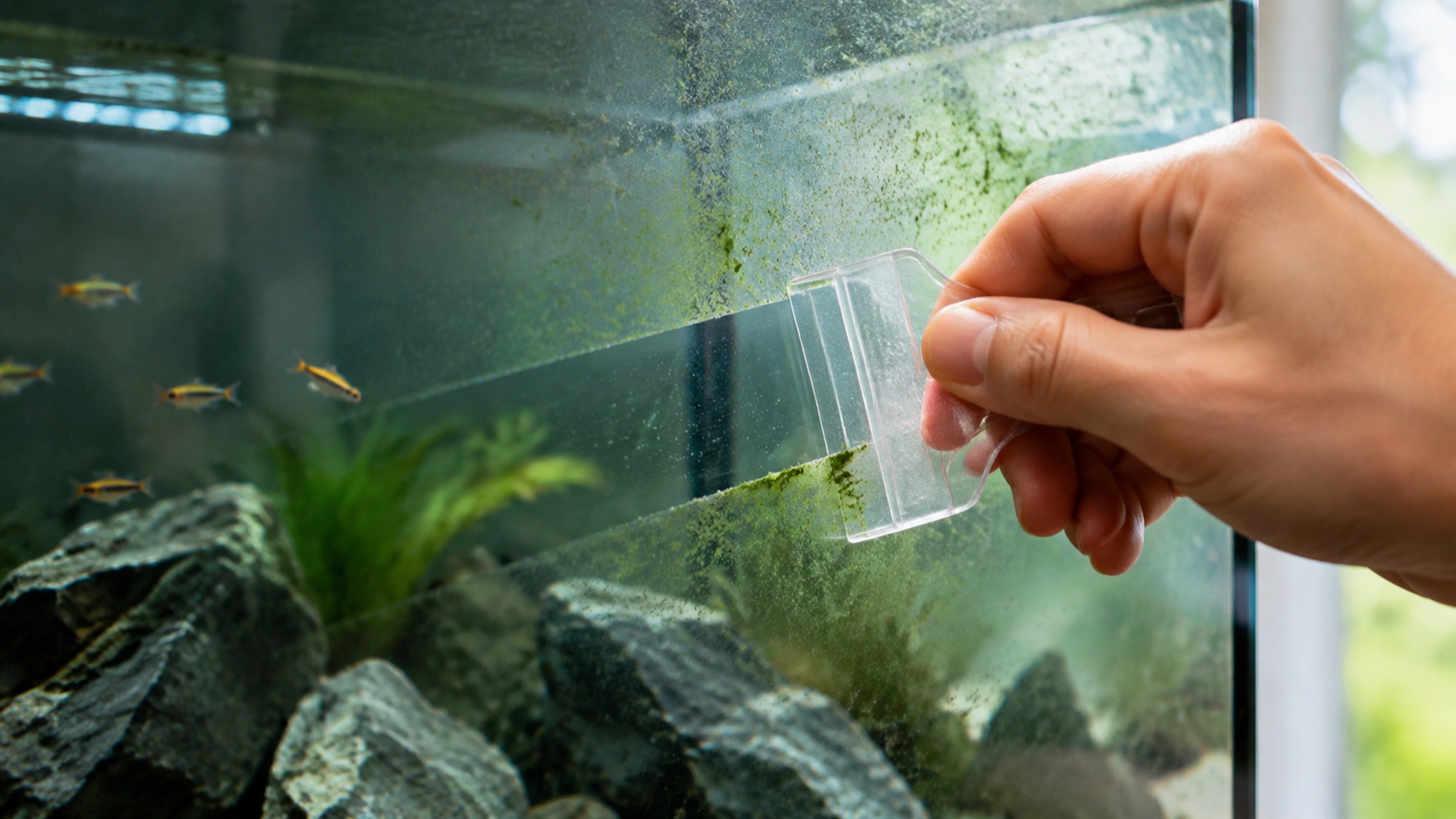
These fish act as a living maintenance crew, nibbling on biofilm, green spot algae, and soft algae that collect on glass, rocks, and decorations. Their constant feeding reduces the buildup that would otherwise require manual removal, which saves time and effort for the hobbyist. Less frequent cleaning also means fewer disturbances to the tank’s inhabitants, promoting a more stable environment.
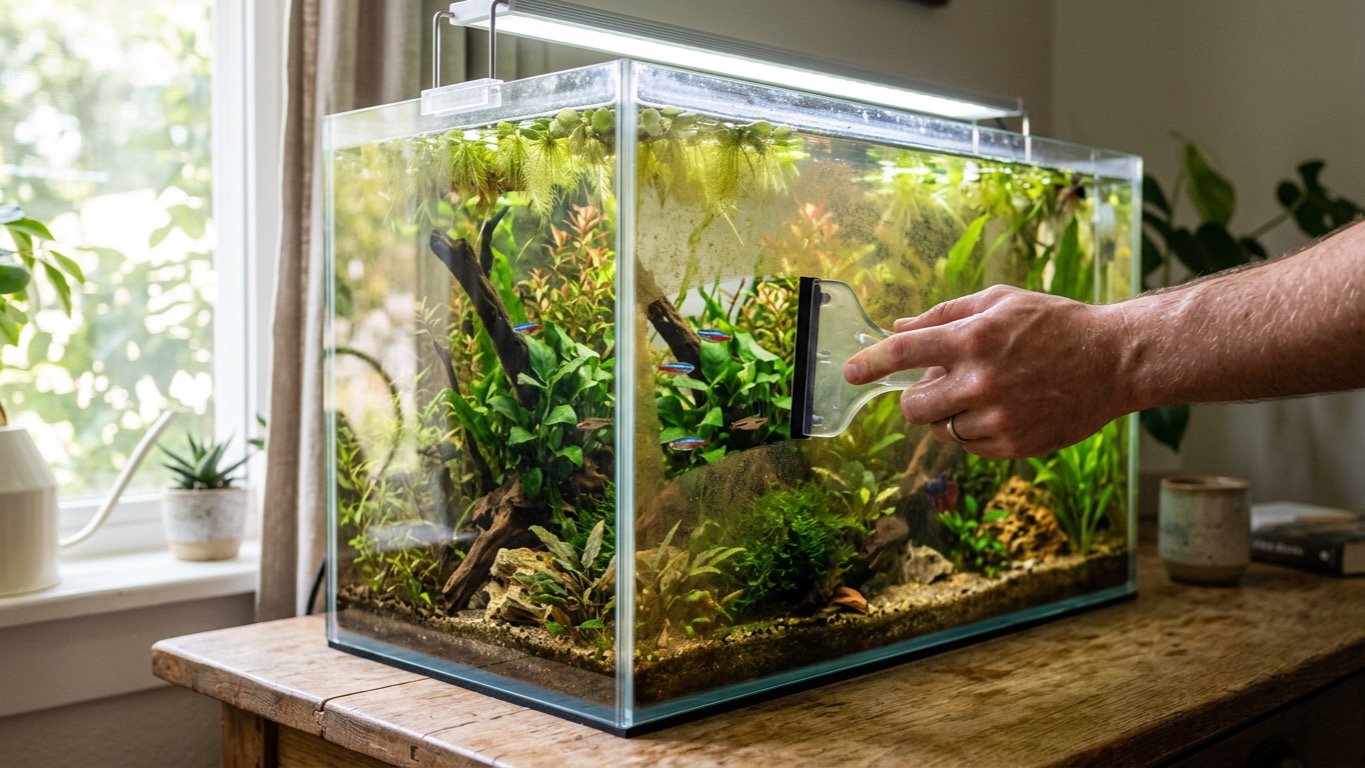
From a practical standpoint, relying on algae‑eating fish can lower ongoing maintenance costs. You spend less on algae scrapers, magnetic cleaners, or specialty additives, and you may find that you need fewer water changes to keep nitrate levels in check. Many of these species also complement other tank inhabitants; they are generally peaceful, occupy different water layers, and can coexist with community fish, shrimp, and snails. This synergy creates a balanced aquarium where biological, chemical, and mechanical filtration work together, resulting in clearer water, healthier fish, and a more enjoyable hobby experience.
How We Evaluated Algae-Eating Fish
Our research team looked at four core traits that determine how well a fish will fit into a typical home aquarium while keeping algae under control. First, we considered the natural grazing behavior of each species. Some fish constantly scrape surfaces with specialized mouthparts, while others only nibble occasionally. We focused on those whose feeding habits are geared toward consuming biofilm and filamentous growth rather than relying on supplemental foods, because a true algae eater should reduce the need for frequent manual cleaning.
Second, we examined how each fish interacts with common tank layouts. Nano setups often feature dense planting, limited open swimming area, and delicate invertebrates, so we looked for species that remain small, peaceful, and unlikely to uproot plants or disturb shrimp. In contrast, larger community tanks can accommodate more active swimmers and fish that may show mild territorial tendencies, provided they have enough space to establish a personal zone without harassing tank mates.
Third, we matched the adult size and activity level of each candidate to the volume of water it will inhabit. Fish that grow to several inches need room to turn and explore, making them better suited to medium or large aquariums where water parameters stay stable. Smaller varieties that stay under an inch or two can thrive in compact systems, but they may require more frequent feeding to maintain energy levels if algae alone does not meet their nutritional needs.
Finally, we assessed temperament and aggression. Some algae grazers are naturally shy and get along with a wide range of tank mates, while others display semi‑aggressive behavior, especially toward conspecifics or similarly shaped fish. We noted which species tend to stay out of conflicts, which may chase or nip when crowded, and how their social tendencies shift as they mature. By weighing these factors together, we identified the fish that are most likely to contribute to a clean, balanced aquarium without causing stress for other inhabitants.
Algae-Eating Fish Picks
Our research shows that algae‑eating species vary widely in temperament, tank‑size needs, and the types of algae they prefer. Matching the fish to your tank’s size, community temperament, and maintenance routine helps keep algae under control while keeping the tank peaceful.
Chinese Algae Eater – Known for a strong appetite for tougher algae, this fish does best in larger aquariums where it can establish its own territory. Owners report that it can become territorial with similar‑sized tank mates, so providing plenty of hiding spots and visual barriers helps keep aggression in check.
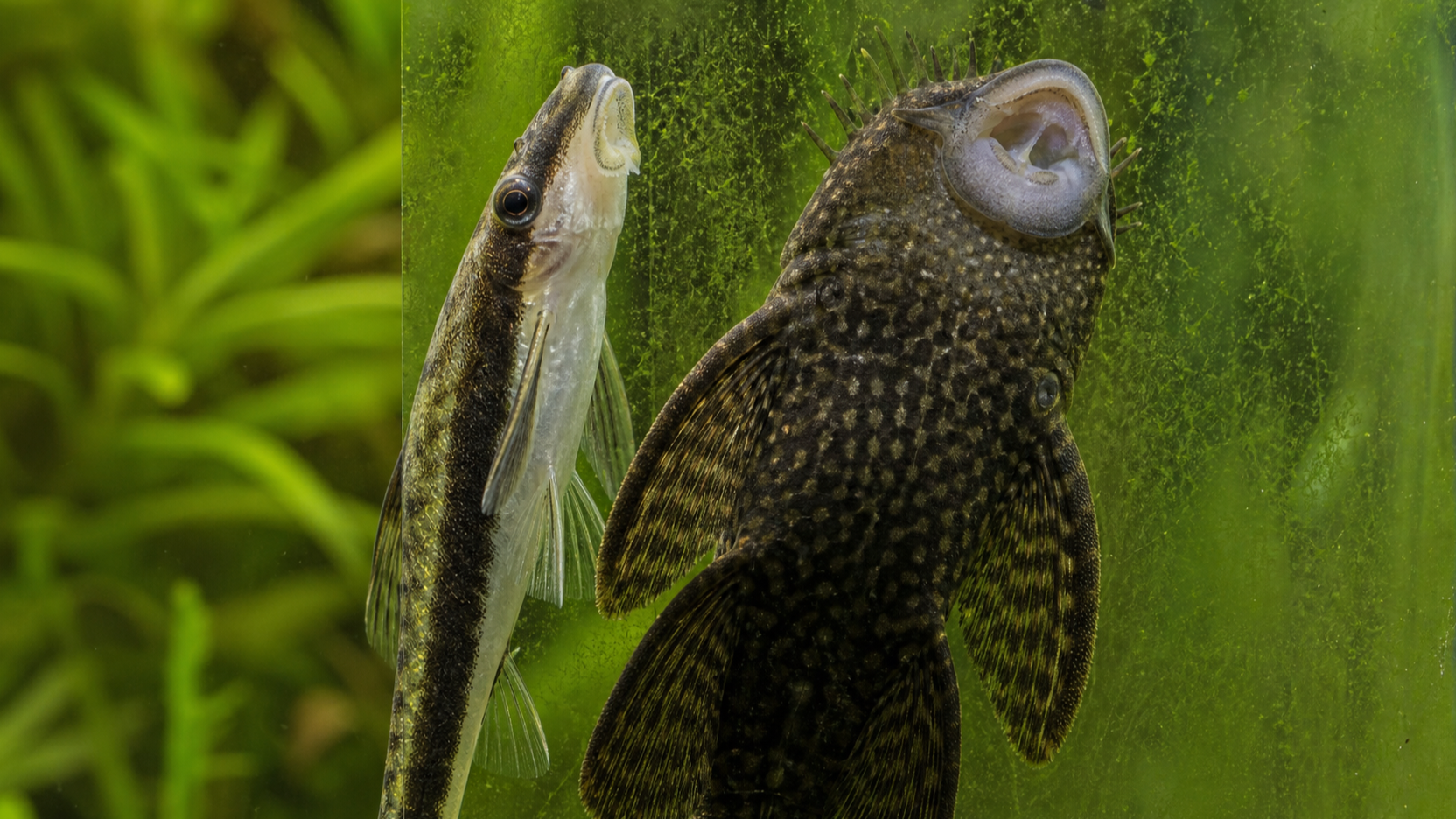
Plecostomus – The classic pleco is a steady grazer that keeps glass and décor clean. It thrives in stable water conditions and appreciates driftwood for rasping. Because many plecos grow considerably over time, they are best suited to tanks that can accommodate their adult size; smaller setups may quickly become cramped.
Otocinclus Catfish – These tiny, peaceful catfish are ideal for smaller or heavily planted tanks. They prefer soft, fine‑leaf algae and spend much of their time gliding over leaves and glass. Their calm nature makes them excellent companions for shrimp and other delicate community members.
Siamese Algae Eater – An active swimmer that tackles a variety of algae types, including black beard and green spot. It does well in medium‑sized community tanks where it can school with similarly sized fish. While generally peaceful, it may nip at the fins of slow‑moving tank mates if space is limited.
Amano Shrimp – Though not a fish, Amano shrimp are prized for their relentless grazing on biofilm and soft algae. They work around the clock, also consuming uneaten food and detritus. Stable water parameters and plenty of moss or leaf litter give them the cover they need to thrive.
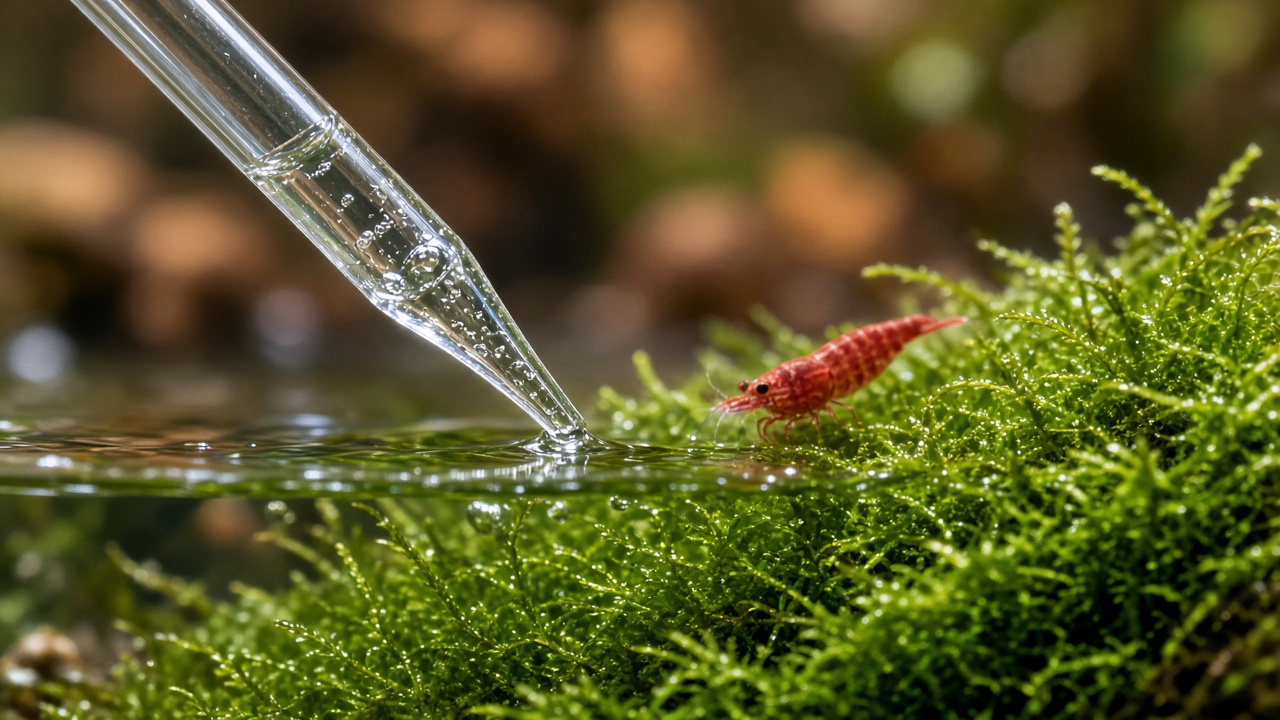
Cherry Shrimp – These colorful shrimp double as algae eaters and general tank cleaners. They breed readily in well‑planted setups, adding a lively splash of red while keeping surfaces tidy. Their small size lets them thrive in nano‑scale aquariums alongside other peaceful inhabitants.
Mollies and Guppies – Livebearers such as mollies and guppies will nibble on algae as part of a varied diet. They bring movement and color to community tanks and tolerate a range of water conditions. While they are not dedicated algae specialists, their constant grazing helps keep light growth in check when paired with dedicated grazers.
By matching each species’ temperament and space needs to your aquarium’s conditions, you can create a balanced cleanup crew that keeps algae at bay while adding visual interest and activity to the tank.
Pros and Cons at a Glance
| Fish / invertebrate type | Typical size range | Diet & feeding needs | Temperament & tank mates | Maintenance & habitat notes | Best suited tank size | Key considerations / risks |
|---|---|---|---|---|---|---|
| Small algae grazers (e.g., otocinclus‑type fish, small nerite snails) | Small enough for nano setups | Primarily biofilm and soft algae; benefit from occasional blanched veggies | Generally peaceful; safe with most community fish and shrimp | Prefer well‑planted tanks with plenty of leaf surfaces and smooth rocks; need stable water parameters | Nano tanks up to ~15 gal | Sensitive to sudden water changes; may starve if algae growth is insufficient |
| Medium‑sized community grazers (e.g., Siamese algae eater, certain small plecos) | Medium size, comfortable in 20‑40 gal tanks | Algae plus supplemental vegetables or sinking wafers | Mostly peaceful when young; some species develop mild territorial habits as they mature | Appreciate driftwood for grazing and hiding; moderate flow helps keep algae soft | Mid‑size community tanks 20‑40 gal | Certain species can become nippy toward slow‑moving tankmates if space is limited |
| Larger algae consumers (e.g., common pleco, larger sailfin types) | Large, need spacious environments | Voracious algae eaters; require substantial vegetable matter and protein supplements | Can be territorial, especially toward conspecifics; may disturb delicate plants | Need strong filtration, ample hiding spots, and regular water changes due to higher waste output | Large setups 55 gal and up | Some plecos outgrow typical home tanks; produce considerable bioload that can overwhelm small filters |
| Algae‑eating invertebrates (nerite snails, amano shrimp) | Small invertebrates, safe for tiny tanks | Constant grazers on hard surfaces and plant leaves; nerites need brackish water to breed, amanos need supplemental food | Completely peaceful; safe with fish and plants | Prefer well‑oxygenated water with steady parameters; nerites do not overpopulate in fresh water | Nano to medium tanks | Nerites may stop reproducing in pure freshwater, limiting population explosions; amanos may need extra feeding if algae scarce |
| Potential risk species (e.g., Chinese algae eater) | Medium to large as they mature | Algae grazers when young; shift to more protein‑rich diet with age | Juveniles are peaceful; adults often become territorial and may nip fins of slower fish | Require plenty of swimming space and hiding places; produce noticeable waste | Better suited to tanks 30 gal and up | Known to become aggressive with age; monitor tank dynamics and be prepared to rehome if aggression rises |
How to use this table
- Nano tanks – look at the small grazer rows or the nerite/amano shrimp rows; they stay small, need little space, and pose minimal aggression risk.
- Medium community setups – the medium‑sized grazers offer a good balance of algae control and temperament, provided you give them room to establish territories.
- Large show tanks – the larger pleco‑type fish excel at keeping tough algae in check, but be prepared for their size and waste output.
- Watch‑outs – species that shift temperament as they age (such as the Chinese algae eater) should be introduced with caution; observe interactions and have a backup plan if they start harassing tankmates.
By matching the size, diet, and temperament notes above to your tank’s volume and community makeup, you can pick an algae‑eating partner that keeps glass and décor clean without upsetting the aquarium’s balance.
Price Ranges and What to Expect
When you start looking for algae‑eating fish, the first thing most hobbyists notice is the wide spread in purchase price. Fish that are bred in captivity tend to carry a higher price tag because breeders invest in selective breeding, health screening, and often provide a starter diet that helps the fish adjust to captive life more quickly. Wild‑caught specimens can be less expensive up front, but they may arrive with parasites or stress‑related issues that can lead to extra veterinary or treatment costs later on. Our research shows that hobbyists who prioritize long‑term health usually find the slightly higher upfront cost of captive‑bred fish pays off in fewer health problems and a smoother acclimation period.
Beyond the fish themselves, setting up a tank that supports healthy algae grazers involves a few baseline expenses. Lighting that promotes healthy plant growth without encouraging excess algae usually falls into a moderate price range; many hobbyists find that a moderate‑intensity LED fixture with a programmable schedule meets the needs of most algae‑eating species while keeping electricity use reasonable. Filtration is another area where costs can vary widely. A reliable canister or hang‑on‑back filter that provides both mechanical and biological filtration tends to sit in the mid‑range price bracket, but investing in a unit with adjustable flow rates can help you tailor the current to the preferences of your chosen grazers, reducing stress and improving feeding efficiency.
Long‑term upkeep is where the ongoing budget really takes shape. Food for algae‑eating fish is generally inexpensive, especially if you supplement commercial pellets with blanched vegetables or algae wafers that many keepers find their fish readily accept. Water quality monitoring, however, is a recurring expense that many owners find worthwhile. Using an algae control test kit on a regular basis lets you track nitrate and phosphate levels, helping you adjust feeding and water‑change schedules before algae blooms become problematic. Replacement filter media, occasional water conditioner top‑ups, and periodic substrate vacuuming round out the regular costs, and most keepers report that these expenses stay predictable once a stable routine is established.
Overall, the initial outlay for a healthy algae‑eating community can range from modest to moderate, depending on whether you opt for captive‑bred or wild‑caught stock and how elaborate you want the filtration and lighting setup to be. Once the system is balanced, the day‑to‑day costs tend to stay low, making algae‑eating fish a cost‑effective way to keep your tank looking clean while adding interesting behavior to your aquarium.
Frequently Asked Questions
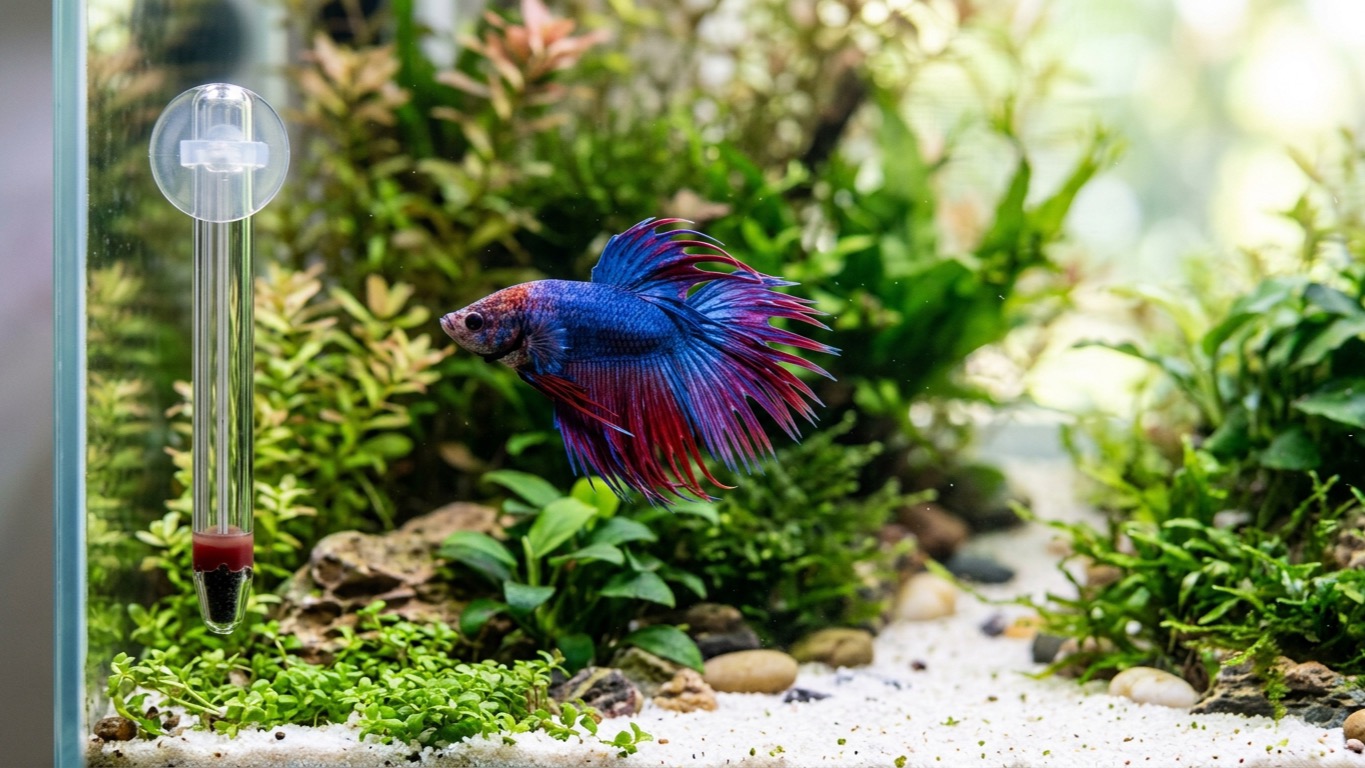
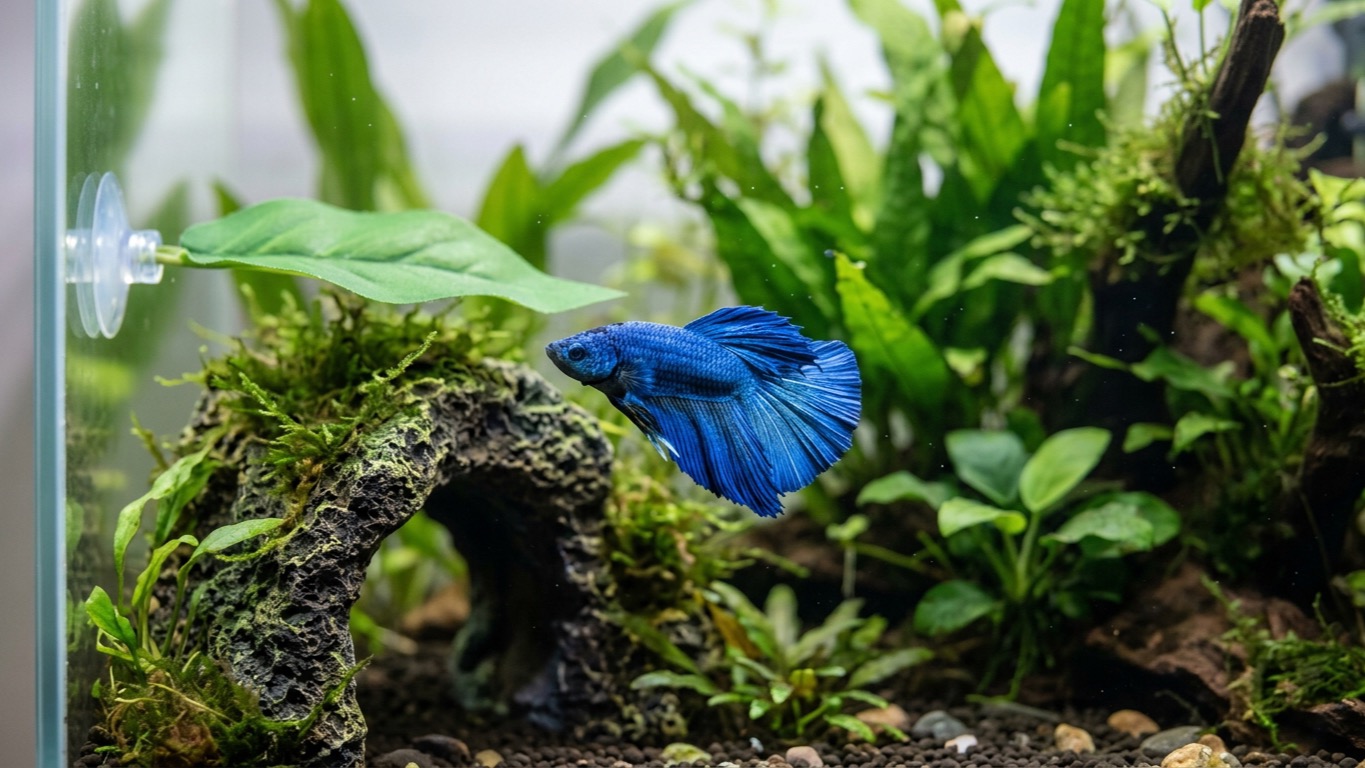
Can algae eaters live with bettas?
Our research shows that many algae‑eating species can coexist peacefully with bettas when the tank provides plenty of hiding spots and a calm flow. Owners consistently report that small, peaceful grazers such as certain otocinclus or small pleco varieties tend to ignore bettas, while more active or territorial algae eaters may nip at long fins. Published guidance suggests observing the betta’s temperament first and introducing the algae eater slowly, watching for any signs of stress or aggression before leaving them together permanently.
How many algae eaters per gallon?
Published guidance suggests starting with a modest number and adjusting based on the tank’s bioload and algae load. For a standard community tank, a small group that can graze without overcrowding works well, while a nano aquarium setup guide often recommends beginning with just a couple of individuals and observing how quickly they keep surfaces clean before adding more. The key is to avoid overstocking, which can lead to competition for food and increased waste.
Do algae eaters eat biofilm or just green algae?
Owners consistently report that most algae‑eating fish will graze on both soft green algae and the thin biofilm that forms on surfaces, though preferences vary by species. Some grazers prefer the softer film, while others focus on filamentous strands. Published guidance notes that providing a variety of surfaces — such as rocks, driftwood, and plant leaves — encourages natural grazing behavior and helps keep both types of growth in check.
What if they stop eating algae?
If algae eaters appear to lose interest in grazing, our research indicates that water quality, diet, or stress are common factors to check. Owners often find that a partial water change, a check on oxygen levels, or offering a supplemental vegetable‑based food can restore normal feeding behavior. Published guidance also recommends reviewing tank mates for any aggressive interactions that might be keeping the algae eater from foraging comfortably.
Article Update Log
This section will serve as a running record of how the guide evolves as new information becomes available and as the hobbyist community shares fresh observations. Each time we revisit the article we will note the date of the review and provide a brief summary of any adjustments made to the content. The log is intended to be a transparent window into our editorial process, showing readers when we have refreshed care recommendations, added newly discussed species, or refined care tips based on the latest discussions in hobbyist forums and published care guides.
When we open the article for review, our team first scans recent conversations from reputable aquarium communities to see whether any species have gained attention as effective algae consumers or whether any previously recommended fish have been reconsidered due to changing care insights. We also scan recent care guides and species profiles to see if care parameters such as ideal temperature ranges, tank size recommendations, or compatibility notes have shifted. If we notice a consensus forming around a particular fish’s suitability for certain tank setups, we will note that in the log and consider whether the species deserves a new entry, a revised description, or a change in its suitability rating.
If we decide to add a new fish to the list, we will describe the reasoning behind the addition, referencing the common themes we observed in community feedback and care literature. If we decide to remove or downgrade a species, we will explain the concerns that prompted the change, such as reports of increased aggression, specialized dietary needs, or tank‑size requirements that make the fish less suitable for typical community setups. Whenever we adjust care details—such as recommended tank mates, feeding frequency, or water‑parameter ranges—we will note the specific aspect that was updated and the reason for the revision, drawing on the patterns we saw in the sources we reviewed.
The log will also capture any editorial improvements unrelated to species content, such as clarifying care language, adding tips for algae‑control techniques that complement fish grazing, or refining the formatting of the comparison tables. By keeping this log up to date, we aim to give readers confidence that the recommendations reflect the current consensus among knowledgeable hobbyists and that the article remains a reliable reference as the hobby evolves.
Looking for the right one? Check current options for canister filter with algae scrub pad.