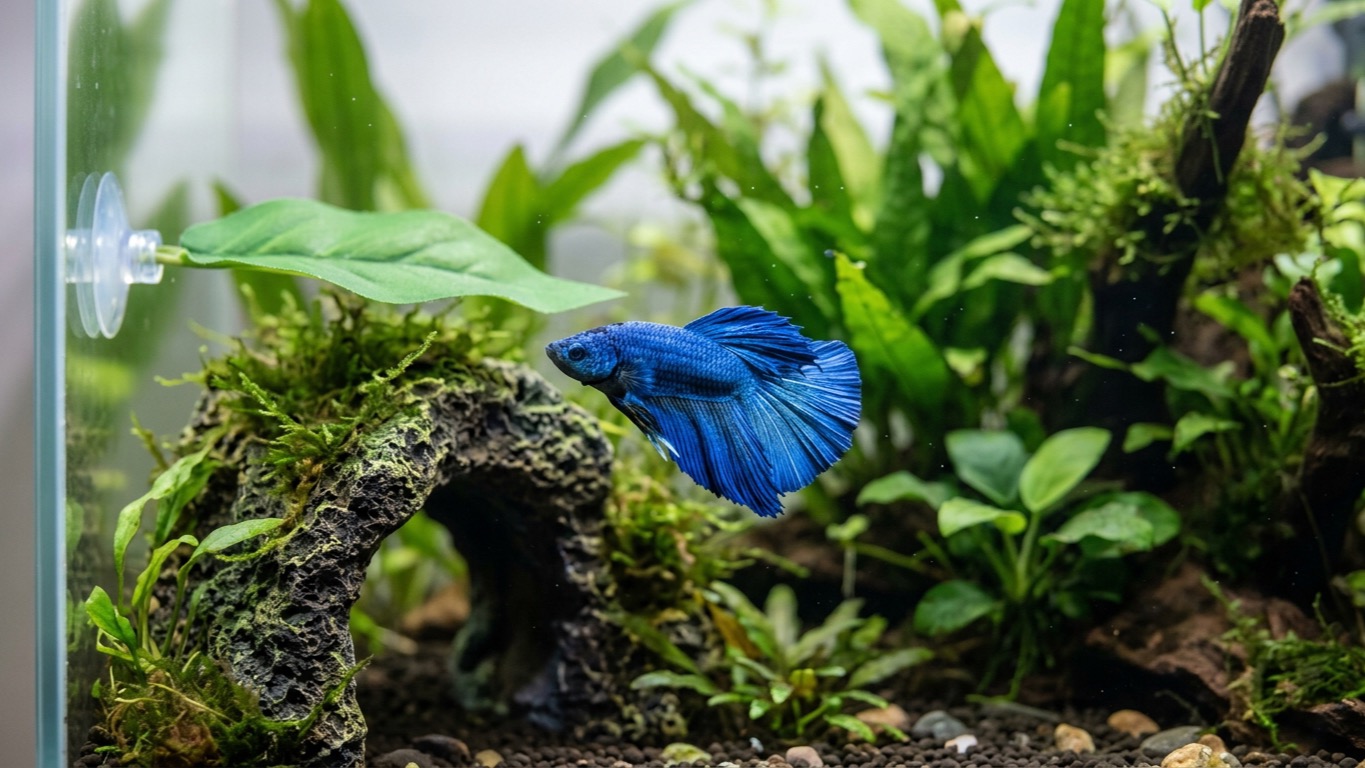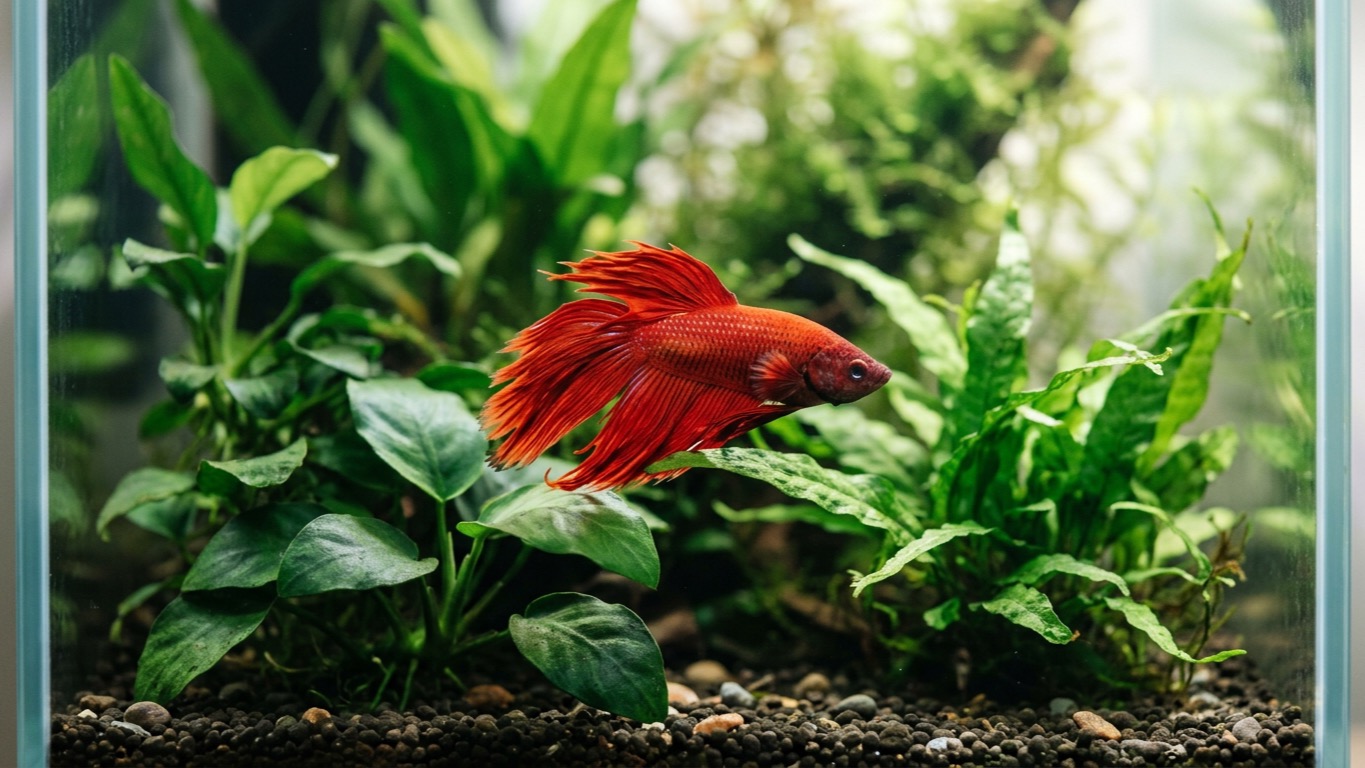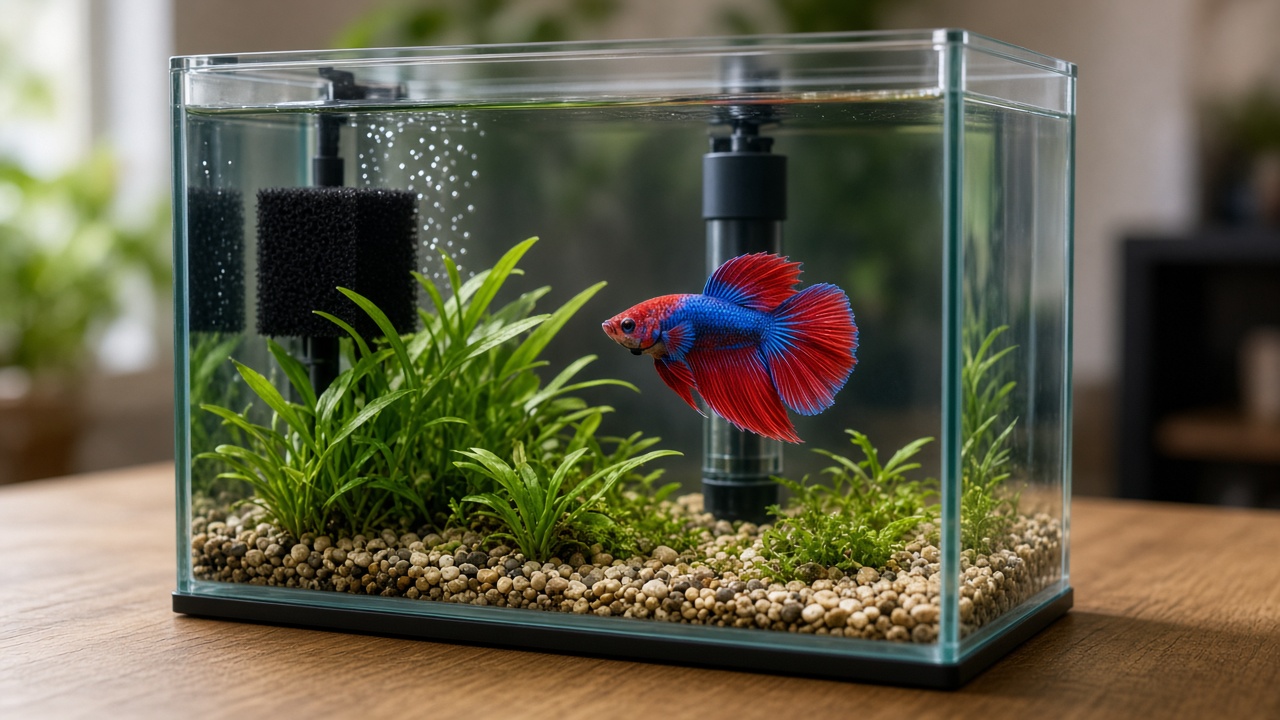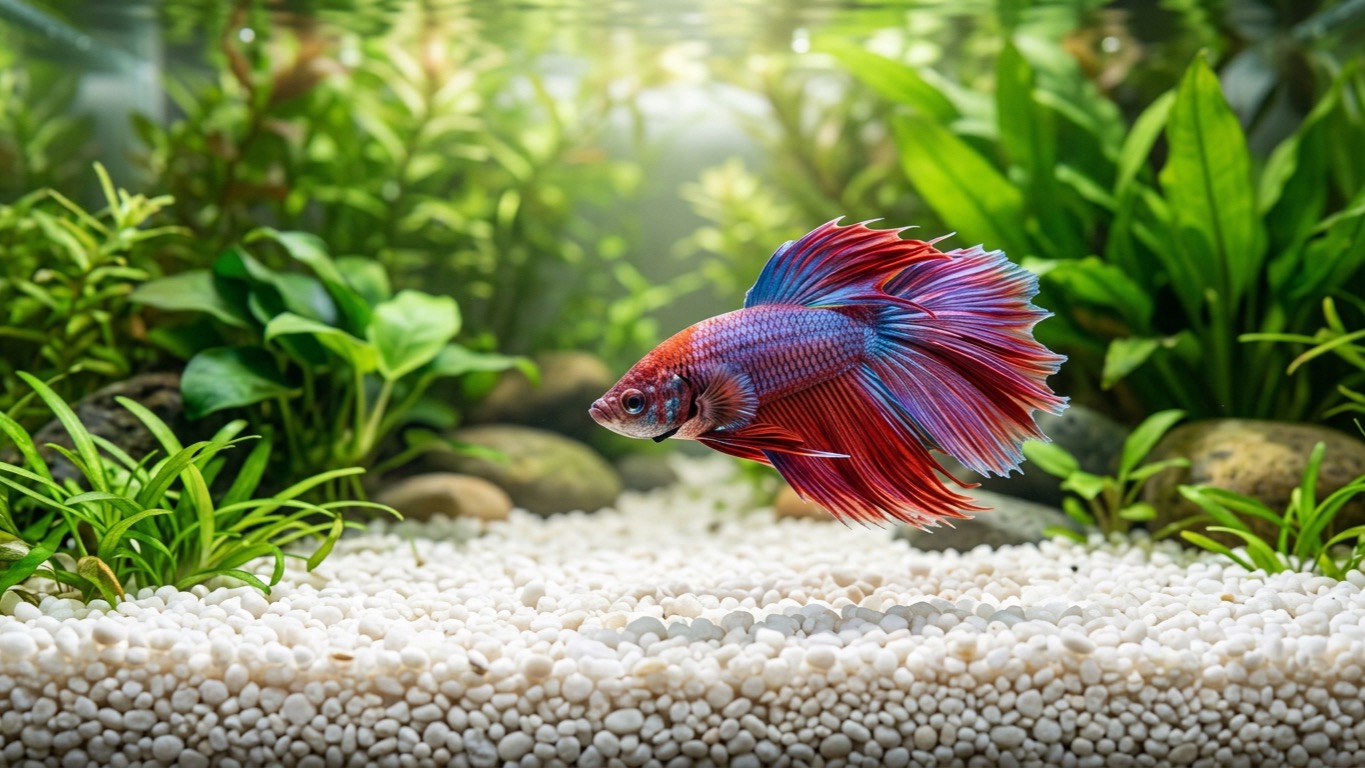
For substrate for betta fish, our top picks are Aqua Natural Galaxy Sand Bio-Substrate, Aqua Natural Sugar White Sand and Fluval Plant and Shrimp Stratum. Choosing the right substrate for your betta fish is a critical decision that balances aesthetic appeal with the biological health of your aquarium. The ideal choice provides a stable surface for beneficial bacteria to thrive while ensuring the material is smooth enough to protect your betta’s delicate, flowing fins from injury.
Top 7 Betta Fish Substrates
The picks below are the 7 betta fish substrates on sale right now, listed with what each suits best and an honest drawback. Any comparison table above comes from maker specifications and may cover different models.
1. Aqua Natural Galaxy Sand Bio-Substrate
Best for: Natural bio-substrate with bacteria
We love that this substrate comes pre-loaded with live nitrifying bacteria, which really helps jumpstart the cycling process for a new betta tank. Just be prepared for a bit of cloudiness during the initial setup; you will definitely want to give it a thorough rinse before adding it to your aquarium.
Pros: Supports beneficial bacteria; Natural aesthetic Cons: May cause initial water cloudiness
2. Aqua Natural Sugar White Sand
Best for: Clean natural base for bettas
This sand creates a stunning, clean aesthetic that makes a betta's vibrant colors pop against the bright white base. It is incredibly fine, which is gentle on fins, but we found it requires careful vacuuming to avoid accidentally siphoning the sand out of the tank.
Pros: Chemically inert; Bright appearance Cons: Requires thorough rinsing
3. Fluval Plant and Shrimp Stratum
Best for: Lush plant growth and shrimp habitat
If you are planning a heavily planted tank, this stratum is our go-to because it provides excellent nutrient support for root development. However, it is quite lightweight, so it can be difficult to keep tall plants anchored until they establish a solid root system.
Pros: Promotes plant root penetration; Supports beneficial bacteria Cons: Higher cost than gravel
4. Diamond Black Gravel (1-2mm)
Best for: Natural riverbed aesthetic
We appreciate the smooth, rounded edges of this gravel, as it poses zero risk of snagging a betta's delicate long fins. The 1-2mm size is perfect, though we noticed that debris tends to settle between the grains quickly, requiring frequent maintenance to keep the substrate looking sharp.
Pros: Enhances betta colors; Easy to clean Cons: May compact over time
5. Pisces Gunsmoke Aquarium Gravel
Best for: Natural gravel with unique texture
The unique, muted gray tones of these oval pebbles offer a sophisticated look that feels much more natural than standard neon gravel. Because the pebbles are on the larger side, we found that food particles can easily slip into the gaps, so you have to be extra diligent during feeding time.
Pros: Attractive natural look; Good value Cons: Slightly rough edges
6. Carib Sea Super Naturals Aqua Natural Diamond Black Quartz Gravel
Best for: pH-neutral dark substrate
We are big fans of this quartz gravel because it is completely pH-neutral and lacks the artificial dyes found in cheaper options. It provides a beautiful, dark backdrop for your fish, though the grains are a bit sharp, so we recommend it only for short-finned betta varieties.
Pros: Highlights betta colors; Safe for all fish Cons: Fine grains compact easily
7. Spectrastone Turquoise Aquarium Gravel
Best for: Non-toxic pH-neutral gravel
This turquoise gravel is a great non-toxic choice if you want to add a pop of color without worrying about shifting your water chemistry. We enjoyed the visual variety of the non-uniform sizing, but the larger pieces can be a bit tricky to clean thoroughly compared to finer sands.
Pros: Natural appearance; Safe for bettas Cons: Dusty, requires rinsing
Comparison: Betta Fish Substrates at a Glance
| Product | Best for | Approx. price | Where to buy |
|---|---|---|---|
| Aqua Natural Galaxy Sand Bio-Substrate | Natural bio-substrate with bacteria | $25 | Check price |
| Aqua Natural Sugar White Sand | Clean natural base for bettas | $25 | Check price |
| Fluval Plant and Shrimp Stratum | Lush plant growth and shrimp habitat | $30 | Check price |
| Diamond Black Gravel (1-2mm) | Natural riverbed aesthetic | $20 | Check price |
| Pisces Gunsmoke Aquarium Gravel | Natural gravel with unique texture | $35 | Check price |
| Carib Sea Super Naturals Aqua Natural Diamond Black Quartz Gravel | pH-neutral dark substrate | $15 | Check price |
| Spectrastone Turquoise Aquarium Gravel | Non-toxic pH-neutral gravel | $20 | Check price |
Want to browse every option? See the full range of betta fish substrates on Amazon →
How We Evaluated Substrate Options
Selecting the right foundation for a betta tank requires balancing the biological needs of the aquarium with the physical safety of the fish. Our research team evaluated various substrate options by comparing manufacturer specifications, material composition, and owner-reported maintenance requirements. We focused on four primary criteria: fin safety, chemical neutrality, ease of cleaning, and the ability to support a healthy ecosystem.
Fin safety is our foremost concern. Bettas possess long, delicate fins that are highly susceptible to tearing. Consequently, our evaluation prioritized smooth, rounded materials. We explicitly excluded substrates with sharp edges, such as certain types of low-quality gravel, which can cause physical trauma. We also favored materials like the 6-8mm grain-sized Pisces Gunsmoke Aquarium Gravel, which offers a rounded, glacial-formed shape that minimizes risk while maintaining a natural aesthetic.
Chemical neutrality and water stability were equally critical in our review process. We prioritized substrates that do not leach minerals or artificial dyes, as these can destabilize the tank's pH levels. For example, we highlighted products like Spectrastone Aquarium Gravel for its non-toxic coating, which ensures the material remains inert and safe for freshwater environments. We also examined the role of substrates in biological filtration. A high-quality substrate provides essential surface area for beneficial bacteria to colonize and break down ammonia and nitrite. Products that integrate these functions, such as Aqua Natural Galaxy Sand—which blends live nitrifying bacteria with fine sand—received high marks for their ability to support a stable, self-sustaining biological filter.
Finally, we assessed each option based on its practical utility for aquascaping and maintenance. We looked for materials that allow for easy waste removal during routine siphoning, avoiding types that trap excessive debris. For those prioritizing live plants, we considered options like Fluval Plant and Shrimp Stratum or Aqueon’s clay-based substrate, which provide the structural stability and nutrient support necessary for root growth. We consistently emphasize that regardless of the chosen material, proper preparation—such as thorough rinsing to remove dust and potential toxins—is a non-negotiable step for any successful aquarium setup. By filtering out products that prioritize artificial colors or potentially harmful coatings, we identified a selection of substrates that promote both the longevity of the fish and the clarity of the water.
Understanding the Role of Substrate in a Betta Tank
Selecting a substrate for your betta is far more than a decorative choice; it is the fundamental building block of your aquarium’s ecosystem. While it is easy to view the bottom of the tank as a simple aesthetic layer, our research into aquarium management highlights that the material you choose serves three critical functions: maintaining water quality, ensuring physical safety, and supporting plant life.
First and foremost, your substrate acts as a massive, hidden biological filter. The surface area provided by every grain of sand or pebble offers a home for beneficial bacteria. These microscopic colonies are essential for the nitrogen cycle, as they work to break down harmful waste products like ammonia and nitrite into less toxic forms. Some modern options, such as the Aqua Natural Galaxy Sand, are even designed as bio-substrates that come pre-seeded with live nitrifying bacteria to assist in stabilizing the tank environment. When choosing a material, consider that its ability to host these bacteria is what keeps the water chemistry consistent over time.
Beyond biological health, the physical texture of the substrate is vital for your betta’s safety. Because bettas possess long, flowing fins that are highly susceptible to tearing, your choice of floor material must be carefully considered. Published guidance consistently suggests opting for smooth, rounded grains to prevent accidental injury. For instance, products like Pisces Gunsmoke Aquarium Gravel are triple-washed and feature an oval shape that mimics a natural riverbed, minimizing the risk of sharp edges. Regardless of the type you choose, thorough rinsing is a universal requirement before installation to remove dust and potential toxins that could cloud your water or irritate your fish.
Finally, if you intend to create a naturalistic aquascape, the substrate serves as the foundation for your aquatic plants. Live plants require more than just light; they need a stable medium where their root systems can anchor and draw nutrients. Specialized options like Fluval Plant and Shrimp Stratum are engineered to allow deep root penetration, which helps plants flourish while simultaneously supporting the beneficial bacteria colonies mentioned earlier. Whether you prefer the fine, clean aesthetic of Sugar White Sand or the nutrient-rich, porous nature of clay-based products like Seachem Flourite Black Clay Gravel, the right foundation allows you to build a thriving, vibrant environment that mimics the betta’s natural habitat.
7 Best Betta Fish Substrates Compared
Selecting the right foundation for your betta tank involves balancing aesthetic appeal with the biological needs of your environment. Our research into available substrates highlights seven distinct options that cater to different aquascaping goals, ranging from natural riverbed aesthetics to high-performance plant growth.
- Aqua Natural Galaxy Sand: This bio-substrate is a standout for those prioritizing biological filtration. It integrates live nitrifying bacteria directly into the sand particles, which aids in processing ammonia. For best results, the manufacturer recommends a ratio of 1 pound per gallon of water, mixed with dry substrate at a 1:4 ratio.
- Pisces Gunsmoke Aquarium Gravel: Ideal for hobbyists seeking a natural look, this gravel features a consistent 6-8mm grain size. Because it is triple-washed, it offers a cleaner starting point for your tank, and its oval-shaped pebbles are generally smooth enough to protect delicate fins.
- Seachem Flourite Black Clay Gravel: This is a porous, clay-based option that remains free from chemical coatings or treatments. Its structure is specifically designed to support root development, making it a reliable choice for those looking to establish healthy vegetation without artificial additives.
- Spectrastone Aquarium Gravel: If you are concerned about water chemistry, this option is worth noting. Each grain is finished with a non-toxic coating that ensures the gravel remains pH-neutral, preventing unwanted mineral leaching into your water column.
- Fluval Plant and Shrimp Stratum: For those aiming to create a lush, planted environment, this nutrient-rich aquatic soil is engineered to encourage vigorous root growth. Its porous nature also provides significant surface area for beneficial bacteria, though it requires a thorough rinse before installation to prevent initial water discoloration.
- Aqua Natural Sugar White Sand: This fine-grain aquarium sand is popular for its clean, bright aesthetic. With a grain size typically between 0.5 and 1mm, it provides a soft surface that is gentle on a betta’s underside, making it a functional choice for bottom-dwelling fish.
- Aqueon Clay-Based Substrate: Similar to other specialized plant substrates, this option focuses on providing high stability for root-feeding plants. It serves as a solid base for those who want to transition from a simple tank to a more complex, planted aquascape.
When comparing these, consider that larger gravels like the Pisces Gunsmoke allow for better water circulation, while finer sands require more frequent, gentle stirring to prevent the formation of anaerobic pockets. Regardless of your choice, always ensure the material is thoroughly rinsed to remove dust and debris before it enters your aquarium.
Pros and Cons at a Glance
Selecting the foundation for your betta tank involves balancing the needs of your fish’s delicate fins with your goals for plant health and maintenance. The following table summarizes how different substrate categories perform across these key metrics to help you make an informed decision based on your specific tank setup.
| Substrate Type | Fin Safety Rating | Plant Compatibility | Maintenance Difficulty |
|---|---|---|---|
| Fine Sand | High (Smooth) | Moderate | Moderate (Requires stirring) |
| Aquatic Soil | High (Soft) | Excellent | High (Can cloud water) |
| Smooth Gravel | Moderate | Low to Moderate | Low (Easy to vacuum) |
| Bio-Substrates | High | Moderate | Moderate (Requires cycling) |
Choosing the Right Fit
- For the Plant Enthusiast: If your priority is a lush, vibrant aquascape, active substrates like the Fluval Plant and Shrimp Stratum are designed to support root development and nutrient uptake. These materials are porous, providing a stable environment for aquatic plants to flourish. However, be prepared for potential water discoloration during the initial setup, which necessitates thorough rinsing before use.
- For the Minimalist/Naturalist: If you prefer a clean, riverbed aesthetic, fine-grained options like Sugar White Sand or Pisces Gunsmoke Aquarium Gravel are excellent choices. Pisces Gunsmoke, with its 6-8mm grain size, offers a balanced look that is triple-washed and generally safe for betta fins. When using sand, our research suggests regular, gentle stirring is necessary to prevent the formation of anaerobic pockets, which can become toxic over time.
- For Biological Stability: If your primary concern is water quality, bio-substrates such as the Aqua Natural Galaxy Sand are engineered to seed the tank with beneficial bacteria. When using this type of substrate, the manufacturer recommends a specific ratio of 1 pound of substrate per gallon of water, mixed with dry substrate at a 1:4 ratio to effectively convert ammonia into nitrates.
- For General Ease of Use: For those who want a straightforward, low-maintenance setup, inert gravels that are pH-neutral—such as those treated with non-toxic coatings like the Spectrastone line—provide a safe and visually consistent base. These options do not alter water chemistry, making them reliable for hobbyists who want to avoid the complexities of active soil or the compaction risks associated with fine sand.
Regardless of the material you choose, the most important step for your betta’s long-term health is thorough preparation. Always rinse your substrate until the water runs clear to remove any residual dust or toxins before introducing it to your aquarium.
Price Ranges and What to Expect
When budgeting for a betta tank, the substrate is often an overlooked expense, yet it is a foundational investment that dictates the long-term health of your ecosystem. Costs generally scale with the complexity and intended function of the material.
Budget Options: Standard Gravel At the entry level, standard aquarium gravel is the most economical choice. These products, such as Spectrastone Aquarium Gravel, are widely available and typically come in non-toxic, pre-coated varieties that ensure they do not alter the tank's pH. While affordable, these options require careful selection; our research suggests prioritizing smooth, rounded grains—like those found in Midnight Pearl Gravel—to protect your betta’s delicate fins from abrasion. Keep in mind that budget gravel often arrives quite dusty, necessitating a thorough rinsing process before it ever touches your tank water to prevent clouding.
Mid-Range: Natural Sands and Specialty Gravels Moving into the mid-range, you will find natural sands and specialized river gravels. Products like Pisces Gunsmoke Aquarium Gravel, which features a consistent 6-8mm grain size, offer a more refined aesthetic that mimics a natural riverbed. These options are often triple-washed and sourced for their visual appeal. While these substrates are generally inert, they require consistent maintenance; using an aquarium gravel vacuum is essential to prevent debris from settling deep into the crevices of the substrate bed.
Premium: Active Soils and Bio-Substrates The highest price tier consists of active aquatic soils and bio-substrates designed for planted tanks. These materials, such as Fluval Plant and Shrimp Stratum or Seachem Flourite Black Clay Gravel, are engineered to support vigorous plant growth and provide a porous surface for beneficial bacteria to colonize. Some advanced options, like the Aqua Natural Galaxy Sand, actually incorporate live nitrifying bacteria directly into the substrate to assist with the nitrogen cycle. Note that these premium products often carry a higher price tag because they provide active nutrient supplementation for plant roots, effectively reducing the need for separate fertilizers.
Regardless of the price tier, remember that your initial purchase is rarely the total cost. You should factor in the price of a quality siphon for cleaning and, if you opt for a planted tank, the ongoing cost of root tabs or specialized lighting. While premium soils may require less frequent supplementation, they are often a long-term commitment, as their nutrient content can deplete over time, eventually requiring replacement.
Frequently Asked Questions
Can bettas live in bare-bottom tanks?
While it is technically possible to keep a betta in a bare-bottom tank, it is rarely the best choice for a display aquarium. A bare-bottom setup offers zero surface area for the beneficial bacteria that are vital for breaking down ammonia and nitrite in your water. Furthermore, the reflective glass bottom can sometimes cause stress to your fish, and you lose the ability to anchor live plants or provide the natural enrichment that a substrate layer offers. If you choose this route, be aware that your filter will have to handle 100% of the biological filtration load on its own.
How often should I stir the sand to prevent anaerobic pockets?
If you opt for a sand substrate, such as the Aqua Natural Sugar White Sand, you should make it a habit to gently stir the top layer occasionally. Over time, fine-grained substrates can become compacted, which prevents oxygen from circulating and may lead to the formation of toxic anaerobic pockets. While there is no strict daily schedule, incorporating a gentle stir during your routine water changes helps maintain the health of your tank’s ecosystem. Using a tool like a clean gravel vacuum or a dedicated stirring rod can help keep the substrate aerated without clouding the water.
Do I need to rinse my substrate before adding it to the tank?
Yes, thorough rinsing is a critical step for almost every type of aquarium substrate before it touches your tank water. Even high-quality products like Spectrastone Aquarium Gravel can be quite dusty from the manufacturing and shipping process, and failing to wash them can lead to significant water cloudiness that takes days to clear. You should rinse your substrate under running water until the runoff appears completely clear. The only common exception is certain nutrient-rich aquatic soils, such as Carib Sea Eco-Complete, which are often packed with beneficial microorganisms that should not be washed away. Always check the specific manufacturer instructions on the packaging to see if your chosen material requires this preparation.
Why is grain size important for betta fins?
Bettas possess long, flowing fins that are highly susceptible to tearing and injury when they brush against sharp or jagged surfaces. When selecting your base, prioritize smooth, rounded options like the Pisces Gunsmoke Aquarium Gravel, which features a 6-8mm grain size. Avoid materials with rough, irregular edges that could snag your fish during its daily explorations. Choosing a substrate that is specifically marketed as smooth or rounded ensures that your betta can rest comfortably on the bottom of the tank without the risk of physical damage to its delicate finnage.
Article Update Log
Last reviewed: August 2026.
Our editorial team maintains a commitment to providing current and accurate guidance for betta fish keepers. We understand that the aquarium hobby is dynamic, with new products and updated manufacturing standards frequently entering the market. To ensure this guide remains a reliable resource, we perform a comprehensive review of market trends, product specifications, and fish-keeping best practices on a quarterly basis.
During our most recent update, we refined our recommendations to better reflect the current landscape of aquarium substrates. This included verifying the technical specifications of popular options, such as the 6-8mm grain size of Pisces Gunsmoke Aquarium Gravel and the specific usage instructions for bio-substrates like Aqua Natural Galaxy Sand, which our research indicates performs best when mixed at a 1:4 ratio with dry substrate. We also reinforced our core safety guidelines, emphasizing the importance of selecting smooth, rounded materials to protect delicate fins and the necessity of thorough rinsing to remove potential toxins before installation.
As part of our ongoing editorial process, we monitor developments in aquarium technology—such as the evolution of nutrient-rich clay-based substrates like those from Aqueon or the porous, non-treated Seachem Flourite Black Clay Gravel—to ensure our advice on plant-heavy tanks remains grounded in current product capabilities. We also keep a close watch on industry-wide safety standards regarding non-toxic coatings, such as those found on Spectrastone Aquarium Gravel, to ensure our readers have the latest information on maintaining stable water chemistry.
If you notice any information that appears outdated or if you have questions regarding a specific product's current specifications, please let us know. We value feedback from our readers, as it helps us maintain the highest standard of accuracy for the betta-keeping community. We do not perform physical feeding trials or hands-on product testing; instead, our content is built upon an exhaustive comparison of manufacturer specifications, technical data sheets, and verified owner experiences. Our goal is to provide you with a clear, research-backed foundation so you can make informed decisions for your aquarium.