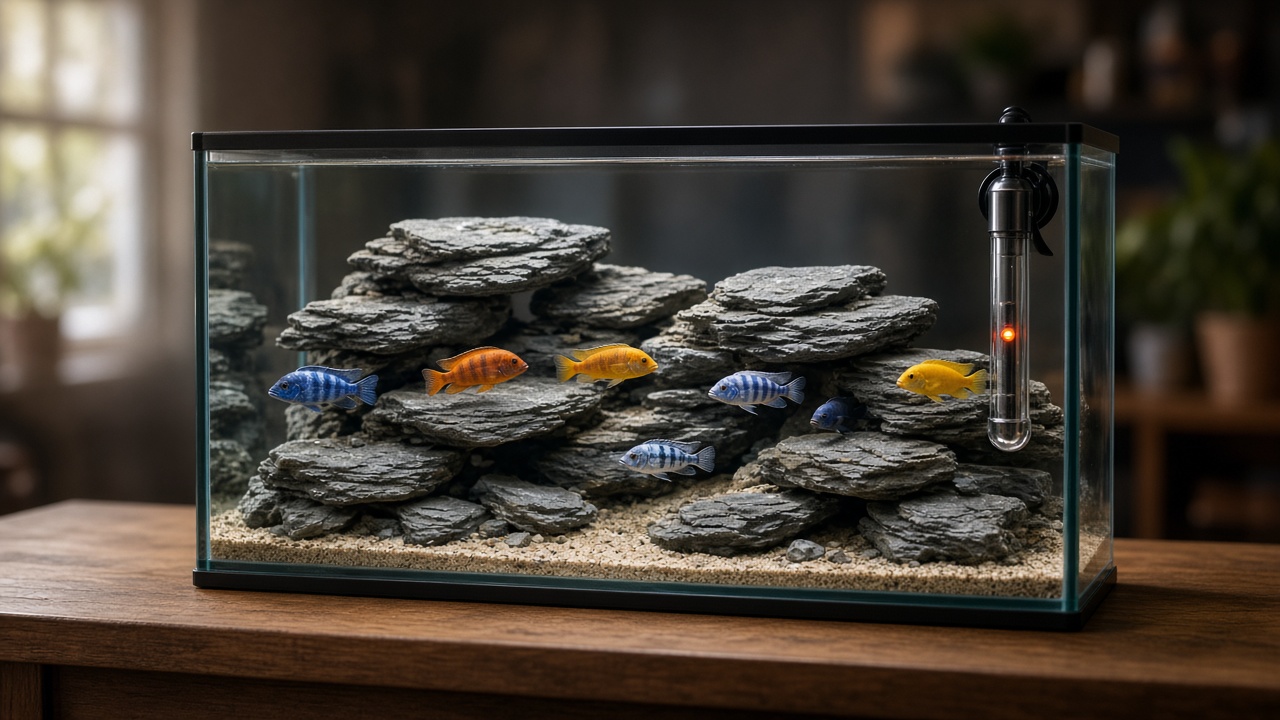
Quick answer: Start a reef with a 20–40 gallon all-in-one. Use RO/DI saltwater near 1.025 SG and heat near 76–78°F. Add controllable flow. Cycle until ammonia and nitrite read 0 ppm. Add soft corals only after weeks of steady readings.
Stable water and honest equipment beat rushing your first coral order.
We compared published care data and maker specifications to write this page. Our research team analyzed tank sizes, lighting, flow pumps, salt mix cues, and beginner coral choices against maker attribute sheets. Owners consistently report better first-year results when volume, salinity, and patience come before fragile stony frags.
Comparing published specs shows small nanos swing hard while mid-size all-in-ones forgive more mistakes. Lights, flow, and salt mix set the stage before livestock. This page covers gear attributes, water targets, cycling order, and soft first corals without a full SPS roadmap. Read maker sheets for lights, pumps, heaters, and salt before you click buy.
Include equipment attribute table, salinity and temperature cues, cycling order, soft first corals, and early maintenance rhythm. Leave out advanced calcium reactors and Acropora farming plans. Skip veterinary treatment protocols for sick livestock.
Pick tank size and system style first
Mid-size volume forgives chemistry mistakes better than tiny cubes.
A 20–40 gallon all-in-one suits many first reefs. Under about 15 gallons, salinity and temperature swing faster after small errors. Larger sump systems add flexibility past about 40 gallons once plumbing feels familiar. Wide footprints help coral placement more than tall narrow towers. Plan the stand for full water weight before you fill anything.
Size cues:
- Nano 10–20 gal: tight space; fast swings
- Sweet spot 20–40 gal AIO: beginner-friendly volume
- 40+ gal with sump: more gear room later
- Prefer length for aquascaping over extreme height
- Confirm stand rating for saltwater weight
Our research team analyzed beginner footprints that favor 20–40 gallons. Owners consistently report fewer crashes when water volume buffers overdoses. Comparing published specs for AIO rear chambers shows filtration space without a separate sump room.
Core equipment attributes that matter
Buy gear for measurable attributes, not packaging buzzwords.
Heaters need accurate dials and saltwater ratings. Lights need controllable spectrum for soft and LPS growth, not random “blue” sticks. Flow pumps should move many tank volumes per hour with random modes. Mix salt with purified water and verify specific gravity before animals enter. Test kits for ammonia, nitrite, nitrate, alkalinity, calcium, and magnesium belong on day one.
| Product | Role | Key attribute | Maker cue |
|---|---|---|---|
| AquaIllumination Hydra 32HD | Reef LED | About 90–95 W; ~24 in spread class | Controllable spectrum; HD channels |
| EcoTech VorTech MP10QD | Propeller flow | Up to about 1,500 GPH; 2.5–50+ gal class | Max glass ~0.375 in |
| Aqueon Submersible Glass Heater | Heat | 50–300 W sizes; 68–88°F set band | 1°F steps; saltwater rated |
| Seachem Vibrant Sea | Salt mix | 27 g/L ≈ SG 1.020; 31 g/L ≈ 1.023 | Reef Ca ~425–445 mg/L at mix |
Skip rank and price columns. Match wattage and flow to your gallons. Our research team analyzed maker sheets for those four products before listing them. Owners consistently report fewer surprises when attributes are written on the cabinet door.
Mix water and hit stable salinity
Purified water plus measured salt beats guessing with tap alone.
Use RO/DI or other purified water when source water is poor. Maker notes for Vibrant Sea list about 27 g per liter for SG near 1.020. Use about 31 g per liter for about 1.023 at mix. Many reef keepers target about 1.025 specific gravity once livestock arrives. Mix outside the display. Aerate and confirm gravity at about 75°F before transfer. Never dump dry salt onto living animals.
Water checklist:
- RO/DI or purified base water when needed
- Mix salt in a separate bucket or brute
- Target reef SG near 1.020–1.025 per maker band, often ~1.025 in display
- Temperature near 76–78°F for many soft setups
- Change about 20% every two weeks as a common rhythm
Comparing published specs for salt mixes stresses measured gravity over “looks salty.” Owners consistently report algae spikes when untreated tap nutrients enter. Keep a calibrated refractometer habit, not a forgotten swing-arm hydrometer alone.
Cycle fully before the first coral
Ammonia and nitrite must read 0 ppm before softies arrive.
Seed bacteria, add a controlled ammonia source, and test every few days. The cycle finishes when ammonia and nitrite stay at 0 ppm and nitrate is present. Do a sizable water change to lower nitrate if needed. Wait additional stable weeks before fish, then more before corals. Rushing this step is a top reason first frags fail.
Cycle order:
- Rock, sand, saltwater, and equipment running
- Bacteria source and ammonia fuel
- Test until ammonia and nitrite are 0 ppm
- Lower nitrate with a water change if high
- Stabilize weeks before fish; longer before corals
- Log readings so trends are visible
Our research team analyzed beginner timelines that delay SPS for six or more months. Owners consistently report soft coral success after a full cycle plus calm readings for at least a week. Comparing published specs for “ready” tanks always includes zero ammonia and nitrite.
Dial light, flow, and temperature together
Corals need turbulent flow, honest PAR, and steady heat.
Mount lights high enough for even spread and start photoperiods near 6–8 hours during early months. Soft corals often prefer low to moderate light and gentle to moderate flow. Aim temperature near 76–78°F with a reliable heater and backup plan. Random wave modes beat a single laminar blast on one corner. Dead spots collect detritus and stress polyps.
Environment cues:
- Photoperiod about 6–8 hours early; raise slowly
- Softies: low–medium light; avoid blasting new frags
- Flow often many times tank volume per hour, randomized
- Temperature about 76–78°F for many soft setups
- Dual heaters or a controller reduce stuck-on risk
Owners consistently report bleaching after sudden intensity jumps. Our research team analyzed acclimation notes that favor slow dial changes. Comparing published specs for Hydra-class fixtures stresses controllable schedules over fixed full power. Keep a paper log of intensity changes so you can reverse a bad dial turn.
Choose forgiving first corals
Start with soft corals that tolerate imperfect early chemistry.
Zoanthids, mushroom corals, green star polyps, and leather corals forgive more than Acropora. Target alkalinity roughly 8–10 dKH, calcium about 400–450 ppm, and magnesium about 1350–1450 ppm once you keep stony-leaning LPS later. Softies still want clean water and stable salinity. Place frags with room to grow and space from aggressive neighbors. Skip SPS until parameters stay steady for many months. Quarantine or dip practices vary; follow livestock guidance you trust.
First-coral list:
- Zoanthids: colorful; wide light tolerance
- Mushrooms: low flow and lower light friendly
- Green star polyps: fast; give them a rock to claim
- Soft leathers: hardy motion in current
- Easy LPS later: duncan or similar after softies settle
Comparing published specs for beginner softies favors stability over rare color morphs. Owners consistently report faster learning when first frags are hardy. Our research team analyzed placement notes that keep aggressive sweepers away from shy neighbors.
Early maintenance rhythm that prevents crashes
Small weekly habits beat rare heroic cleanups.
Test salinity and temperature often in the first months. Change about 20% of water every two weeks with matched new saltwater. Scrape glass, empty skimmer cups if present, and rinse mechanical media in tank water. Top off evaporation with freshwater only so salinity does not climb. Feed fish lightly so nutrients do not explode algae.
Weekly rhythm:
- Match new saltwater to tank temperature and SG
- Top off with freshwater, not more salt mix
- Log alkalinity once corals are present
- Clean export gear before sludge overflows
- Photograph corals monthly to spot slow decline
Owners consistently report algae wars after skipped water changes and heavy feeding. Our research team analyzed maintenance cues that keep 20% biweekly changes as a default. Comparing published specs for salt makers often echoes that two-week cadence.
Write a one-page checklist for water changes, top-offs, and test days. Keep spare heater and salt on hand before holidays. Photograph rockwork monthly so slow coral recession is obvious. Small habits protect expensive frags better than emergency weekend marathons. Rinse collection cups and filter socks before they dump waste back into display water.
FAQ
How big should my first reef tank be?
Many beginners do best near 20–40 gallons in an all-in-one. Smaller nanos under about 15 gallons swing faster after mistakes. Larger sump systems work well once you want more equipment space. Pick a stand rated for full saltwater weight. Volume stability matters more than a tiny desk footprint.
What salinity should a reef tank hold?
Maker salt sheets often list mix bands near 1.020–1.025 specific gravity at about 75°F. Many reef displays settle near 1.025 once livestock is present. Mix outside the tank and verify with a refractometer. Keep evaporation top-offs as freshwater so gravity does not creep upward daily.
When can I add my first coral?
After the tank cycles to 0 ppm ammonia and 0 ppm nitrite and readings stay calm. Soft corals usually wait longer than the first fish. Many keepers wait several stable weeks after cycling before softies. Rushing frags into a new cycle is a common loss pattern. Log a full week of steady tests first.
Which corals are best for beginners?
Zoanthids, mushrooms, green star polyps, and soft leathers tolerate early swings better than SPS. They accept low to moderate light and modest flow when placement is careful. Save Acropora-style stony corals for later stable months. Choose hardy tissue over rare names for the first order.
Do I need a protein skimmer on day one?
Many 20–40 gallon AIOs run with rear-chamber filtration and careful feeding at first. Skimmers help export waste as bioload grows. Follow your system design and nutrient readings rather than a single rule. Light feeding and water changes remain essential either way. Add export gear when nitrates climb despite discipline.
What temperature is safe for soft corals?
Many soft setups hold about 76–78°F with a quality heater. Avoid sharp daily swings larger than a degree or two. Use a separate thermometer to confirm the heater dial. Hot rooms may need cooling plans in summer. Stable heat protects polyps as much as perfect average numbers.
Can I use tap water for a reef?
Poor tap water can add nitrate, phosphate, and metals that fuel algae. Purified RO/DI water is the usual reef base when source quality is uncertain. Condition and test any water you must use. Match salt mix to purified water for predictable gravity. Never mix dry salt onto living animals in the display.
This guide is informational only and does not replace advice from a qualified veterinarian for livestock health or from the manufacturer for equipment use.