Quick answer: Pick a sunny, visible site, dig shelved depth for plants and fish, then protect the basin with underlayment and fish-safe liner. Add a matched pump and filter before rock, plants, and fish.
Build shelves, liner, and circulation before you add fish.
We compared published care data on DIY ecosystem pond builds for home yards. Our research team analyzed dig depths, shelf heights, liner steps, and pump placement used in kit manuals and pond guides. Owners consistently report leaks and algae when they skip underlayment, undersize the pump, or dig a shallow bowl.
Comparing published specs often places small DIY fish ponds near about eighteen to twenty-four inches deep with planting shelves. First shelves commonly sit near eight to twelve inches deep. Pump notes often call for turning the full volume about every one to two hours. Many guides want about six hours of sun for plants, with leaf litter controlled. Liner overlap beyond the rim often sits near ten to eighteen inches before trimming. This page covers site choice, digging, liner, pump, rock, plants, fish, and common mistakes.
Include dig-and-liner steps, pump sizing cues, and stocking order. Leave out electrical work beyond GFCI basics for licensed help. Skip medication plans for fish disease without a veterinarian.
Site and sunlight decide whether the pond thrives
Location beats décor every time.
Choose a spot you can see from the house or patio so daily checks happen. Aim for about six hours of direct sun when water lilies and many marginals matter. Partial shade is fine if autumn leaves will not bury the surface. Stay off low runoff bowls that dump silt and fertilizer after storms. Keep a hose and a GFCI-protected outlet within safe reach. Call utility locate services before any dig. A visible, level, sunny pad with power access saves years of regret.
Site checklist:
- About 6 hours of sun for planted ponds
- View from house or patio for daily care
- Hose reach and GFCI power nearby
- Avoid chronic runoff low spots
- Mark utilities before excavation
Owners consistently report neglected ponds hidden in dark corners. Our research team analyzed siting notes across DIY pond guides. Comparing published specs treats sunlight and access as step one, not step ten.
Dig shelves and depth for plants, fish, and winter
Shallow bowls overheat and freeze hard.
Kit manuals for compact ecosystem ponds often suggest excavating no more than about eighteen to twenty-four inches deep. That band supports plant shelves and can shelter fish through mild winters when ice forms. Dig a first shelf near eight to ten inches, about a shovel-blade depth in many manuals. Dig a second shelf another about eight to ten inches deeper. An optional third cut of about six inches can finish near twenty-four inches total. Other fish-pond notes ask for at least about twenty-four inches in colder climates. Keep shelves flat and level so rock and plant baskets sit stable. Use spoil to berm a waterfall filter, not a steep volcano cone.
Depth cues:
- Compact kits often about 18–24 inches max dig
- First shelf often about 8–10 inches
- Second shelf another about 8–10 inches
- Optional third cut toward about 24 inches
- Fish ponds: many guides want ≥24 inches
Owners consistently report summer stress in ankle-deep show holes. Our research team analyzed shelf diagrams used in installation manuals. Comparing published specs favors stepped basins over sheer walls.
Underlayment and liner protect the excavated basin
Never stretch rubber over sharp stone.
Clear roots, rocks, and tools that can puncture. Lay non-woven geotextile underlayment first, working slack out from the bottom up through every shelf. Place fish-safe EPDM liner over the fabric the same way. Soft folds beat tight stretches that tear later. Leave generous overhang, often about ten to eighteen inches beyond the rim, before final trim. Forty-five-mil EPDM appears widely as a durable fish-safe choice in pond guides. Fill partly so the liner settles, then adjust folds. Follow the liner maker’s handling notes for temperature and seams.
Liner steps:
- Remove sharp debris completely
- Underlayment first, contour every shelf
- EPDM fish-safe liner next, no hard stretch
- Overhang often about 10–18 inches
- Partial fill, then reseat folds
Owners consistently report leaks after skipped underlayment on rocky soils. Our research team analyzed liner install sequences from kit manuals. Comparing published specs puts fabric under rubber before any rock goes in.
Pump and filter must turn the full pond volume
Stagnant water fails plants and fish.
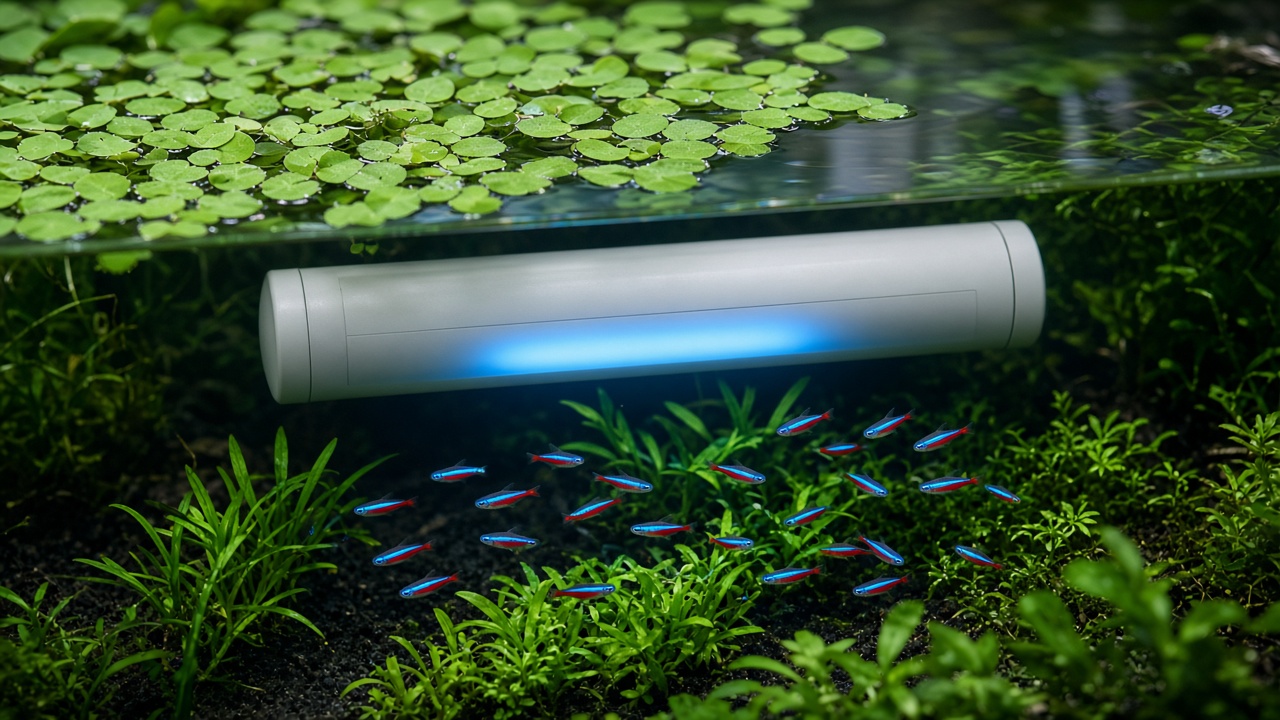
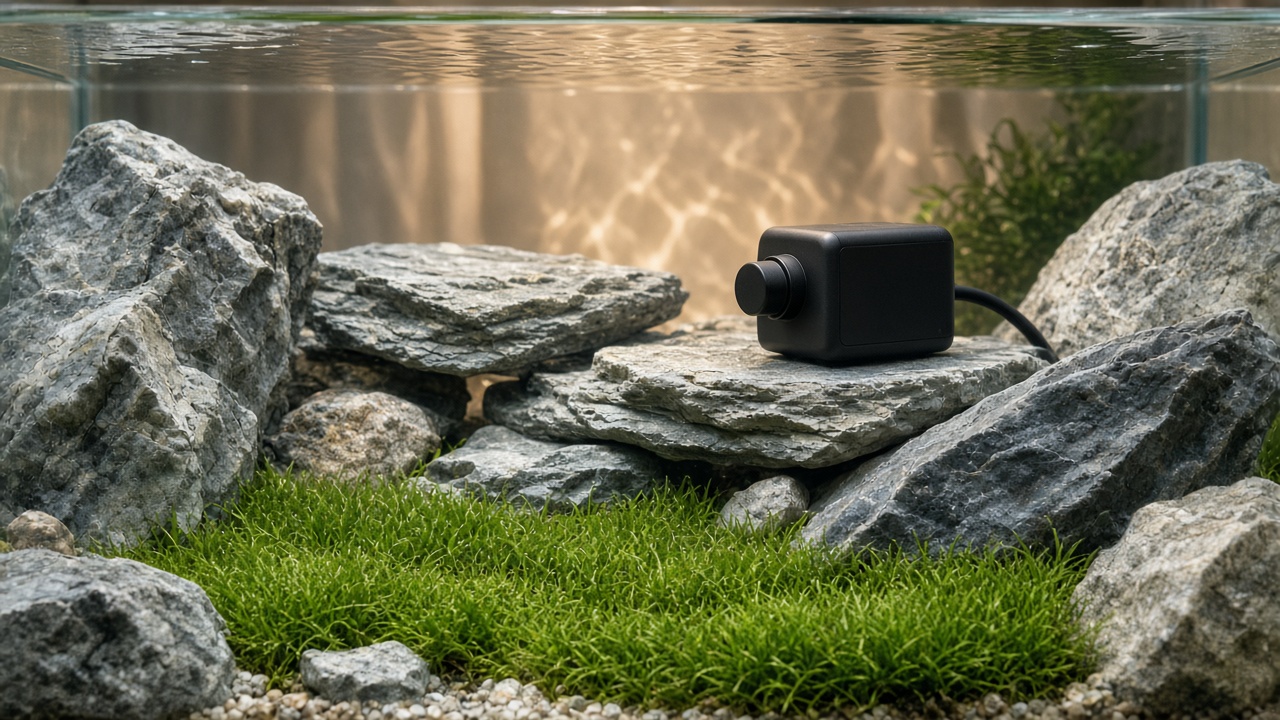
Size the pump so it can circulate the pond’s gallons about every one to two hours under real head pressure. Place the submersible pump in the deepest zone on a pad or brick so it sits above silt. Route tubing to a biological filter or waterfall return opposite the intake when you can. Skimmer-and-biofalls kits pair mechanical debris capture with biological media in one loop. Use kink-free pipe sized to the kit, hose clamps, and unions where service matters. Plug only into GFCI protection with a drip loop. Follow each pump and filter manufacturer’s priming and winter notes.
Circulation board:
| Need | Cue |
|---|---|
| Turnover | Full volume about every 1–2 hours |
| Pump seat | Deepest point, raised off silt |
| Return | Opposite intake when possible |
| Power | GFCI outlet, drip loop |
| Service | Accessible filter media and nets |
Owners consistently report green water when pumps were sized for empty basins, not waterfall height. Our research team analyzed flow rules used in pond build guides. Comparing published specs matches gallons and head before fish arrive.
Rock edging hides liner and locks the walls
Stone is structure, not only style.
Stack boulders along vertical faces from the bottom up like a small retaining wall. Keep rock tops above shelf lips so gravel stays on ledges. Mix large anchors with smaller fill stone for a natural look and stable edges. Overlap perimeter stones onto the liner so UV and feet never find bare rubber. Rinse dust from rock before the final fill so clay clouds settle outside the finished volume when you can flush. Plan the waterfall entry with larger frame stones while rocking the basin.
Rock rules:
- Start stacking at the deepest floor
- Lock walls like a retaining stack
- Cover liner edges from sun and traffic
- Rinse silt before final clear fill
- Frame the waterfall return early
Owners consistently report exposed liner cracks after thin gravel-only edges. Our research team analyzed rocking sequences in ecosystem kit videos and manuals. Comparing published specs treats stone as liner armor.
Plants and fish finish the ecosystem in order
Water first, plants next, fish last.
Dechlorinate and cycle circulation before livestock. Marginal plants sit on shallow shelves. Submerged plants add cover and help nutrient balance. Floating lilies shade water and slow algae when coverage stays moderate. Wait until chlorine is gone and equipment runs clean before fish. Goldfish suit many modest ponds; large koi need far more volume and depth than a small kit dig. Add fish gradually and watch for gasping or flashing. Stop or cut feeding when water cools near about fifty degrees Fahrenheit in seasonal climates.
Stocking order:
- Run pump and filter on treated water
- Plant shelves and deep pockets
- Confirm clear flow for days
- Add hardy fish in small groups
- Feed only when water is warm enough
Owners consistently report losses when fish went in on fill day. Our research team analyzed plant-and-fish timing in DIY pond guides. Comparing published specs puts chemistry and flow ahead of the first bag.
Mistakes that shorten pond life fast
Most failures are planning failures.
Too-shallow digs under about two feet overheat and can freeze solid. Steep walls fight rock placement and safe entry. Skipping filtration invites algae and low oxygen. Tiny volumes swing chemistry faster than larger basins. Hidden sites get ignored until fish die. Follow manufacturer instructions for every pump, skimmer, and liner product you install. Upsize slightly when the yard allows; maintenance gets easier with more gallons.
Mistake board:
| Mistake | Better move |
|---|---|
| Dig under ~24 in for fish | Meet kit or climate depth |
| No underlayment | Fabric under EPDM always |
| Undersized pump | Turnover every 1–2 hours |
| Fish on day one | Cycle flow and treat water |
| Steep sheer walls | Flat shelves, stable stacks |
Owners consistently report rebuilds after the first summer of green, shallow water. Our research team analyzed failure lists from pond installers and manuals. Comparing published specs makes dig, liner, and pump non-negotiable.
A backyard pond rewards patient digging more than fancy ornaments. Shelves, underlayment, fish-safe liner, and honest pump flow create the living system. Rock, plants, and fish only succeed on that base. Measure twice, call utilities once, and read every manufacturer sheet before you cut liner or energize a pump.
FAQ
How deep should a backyard fish pond be?
Compact ecosystem kits often dig about eighteen to twenty-four inches with planting shelves. Many fish-pond notes want at least about twenty-four inches for heat and ice buffers. Colder regions may need still deeper refuge zones. Match depth to climate and species before you buy fish.
Do I need underlayment under a pond liner?
Yes. Non-woven geotextile underlayment cushions EPDM from stones and roots that remain after digging. It also helps with ground pressure under the basin during wet seasons. Skipping fabric is a common leak cause on rocky soil. Install underlayment first, then the fish-safe liner on top.
How big should the pond pump be?
Choose a pump that can turn the pond’s full volume about every one to two hours after accounting for waterfall height and pipe friction. Place it deep on a pad above silt so intake stays clear. Pair it with mechanical and biological filtration sized to the same gallons and follow the manufacturer’s chart.
When can I add fish after building?
Run circulation on dechlorinated water and confirm stable flow first. Many keepers wait several days after fill while plants settle and chlorine is fully gone. Add fish in small groups and watch for gasping or flashing. Never stock on the same hour you first fill from the garden hose.
Can I build a pond without a filter?
Wildlife bowls sometimes run plant-heavy with light stocking, yet fish ponds need matched pumps and biological filtration. Without flow, oxygen and clarity drop fast in warm weather and waste climbs. Follow manufacturer guidance for any kit filter or skimmer you install and clean media on schedule.
How much sunlight does a planted pond need?
About six hours of direct sun supports many lilies and marginals in DIY guides for backyard ponds. Too much leaf litter from overhead trees can foul the water each fall and clog skimmers. Balance sun for plants with easy access for netting debris and seasonal cleanup.
What fish fit a small DIY pond?
Hardy goldfish often fit modest, shelved ponds with strong filtration and steady circulation. Large koi need deeper, much larger volumes than many kit digs provide for adult fish. Match adult size and waste load to gallons and depth, not to the cute juvenile bag at the store.
This guide is informational only and does not replace the manufacturer’s instructions for liners, pumps, filters, or electrical equipment.