Quick answer: Raise dissolved oxygen by agitating the surface, adding air-driven flow, and fixing heat, crowding, and clogged filters. Gasping fish need a large water change and more movement now.
Surface agitation, not gadgets alone, raises tank oxygen.
We compared published care data on aquarium dissolved oxygen, aeration gear, and emergency steps. Our research team analyzed surface-exchange guidance, air-stone setups, and heat effects used in freshwater care articles. Owners consistently report gasping after heat waves, overstocking, or silent filters with no ripple.
Comparing published specs often targets about seven to eight ppm dissolved oxygen in freshwater tanks when meters are used. Warm water holds less oxygen as temperature climbs. Many tropical community ranges sit near seventy-four to eighty degrees Fahrenheit, while goldfish bands run cooler. Emergency notes commonly call for water changes as large as about fifty percent plus extra movement. Air pumps need tubing, a check valve, and an air stone or sponge filter under water. This page covers signs, surface exchange, gear, heat, plants, stocking, and emergencies.
Include agitation methods, air gear setup, and crisis steps. Leave out unproven chemical oxygen additives as a daily plan. Skip medication dosing charts that belong with a veterinarian.
Spot low oxygen before fish crash
Behavior tells you faster than hope.
Rapid gill movement, lingering at the surface, loss of appetite, and resting on the bottom can signal low oxygen. True surface gasping is an emergency cue, not a quirk. Foul smells and still water with a closed canopy raise suspicion. Test temperature and basic water quality while you add movement. Do not wait overnight if fish gulp at the film. Act on flow and fresh water first, then hunt causes.
Warning signs:
- Fast gill beats at rest
- Gasping or hanging at the surface
- Sudden appetite drop with lethargy
- Still surface with no ripple
- Crowding plus rising heat together
Owners consistently report saved fish after they treated gasping as urgent. Our research team analyzed symptom lists in aeration guides. Comparing published specs puts behavior ahead of waiting for a meter reading.
Surface gas exchange does the real work
Bubbles help when they move the top layer.
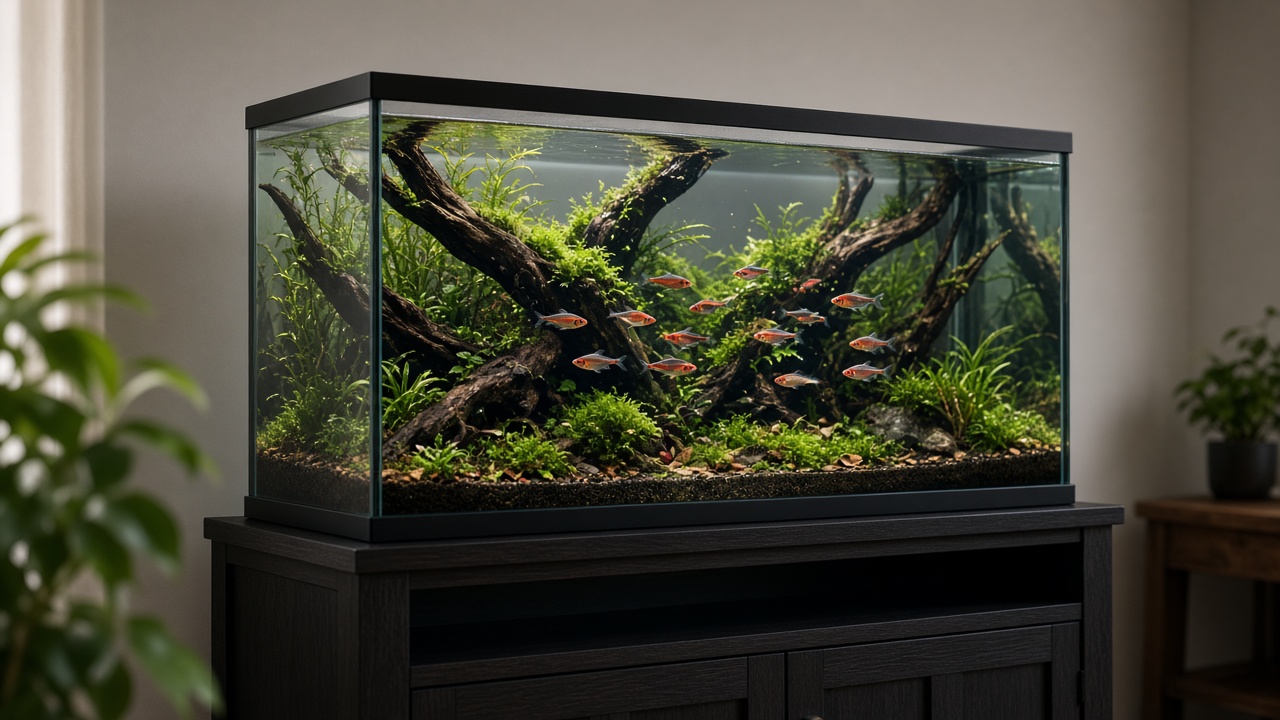
Oxygen enters mainly where water meets air. Ripples expand that interface so carbon dioxide leaves and oxygen enters. Point filter returns toward the surface. Spray bars near the top improve dissolved oxygen when kept clear. Tall, narrow tanks exchange less than long, shallow footprints with the same gallons. Heavy floating plant mats can block exchange even when stems look pretty. Aim for visible, gentle disturbance across much of the surface without blasting fish into décor.
Exchange cues:
- Visible ripple across open surface
- Filter outlet aimed at the top film
- Prefer wider footprints over towers
- Thin floating plant cover, not a full carpet
- Clean spray-bar holes for full flow
Owners consistently report better breathing after they raised the return and opened the canopy a little. Our research team analyzed surface-area notes in aquarium oxygenation articles. Comparing published specs treats the top inch as the lungs of the tank.
Air pumps, stones, and sponge filters add lift
Simple air gear is easy to install correctly.
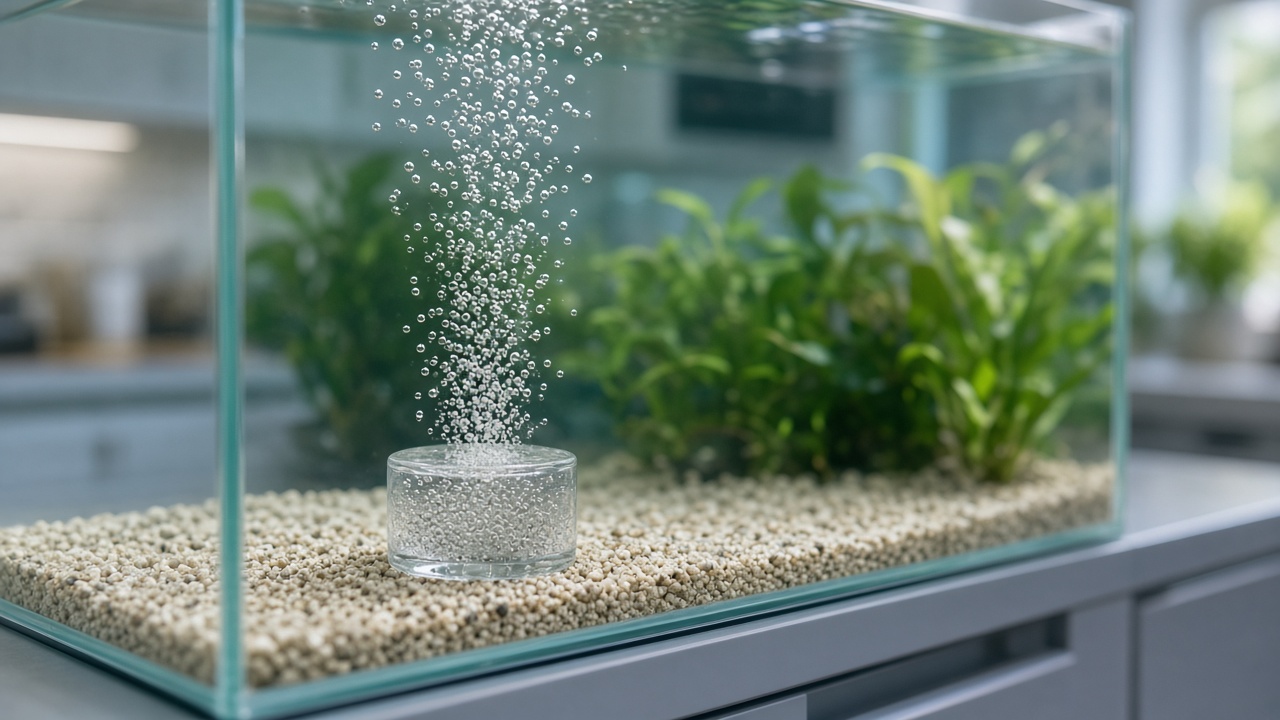
Outside the tank you need an air pump, airline tubing, and a check valve to stop back-siphon into the pump. Inside, an air stone makes fine bubbles that rise and ripple the surface with less noise than coarse bursts. A sponge filter uses rising air to pull water through foam for mechanical and biological help. Seat the stone deep enough for a full bubble column. Keep diffusers away from filter intakes that can suck air and stall. Follow each air pump manufacturer’s sizing chart for tank volume and depth.
Gear board:
| Part | Role |
|---|---|
| Air pump | Pushes air through tubing |
| Check valve | Stops water backflow |
| Air stone | Fine bubbles, quieter rise |
| Sponge filter | Air-lift filtration plus ripple |
| Tubing | Connects pump to in-tank gear |
Owners consistently report quieter tanks after they switched to stones inside sponges. Our research team analyzed install diagrams for air-driven setups. Comparing published specs keeps the check valve on every airline run.
Filters and powerheads must move water to the top
Dead flow zones hide low-oxygen pockets.
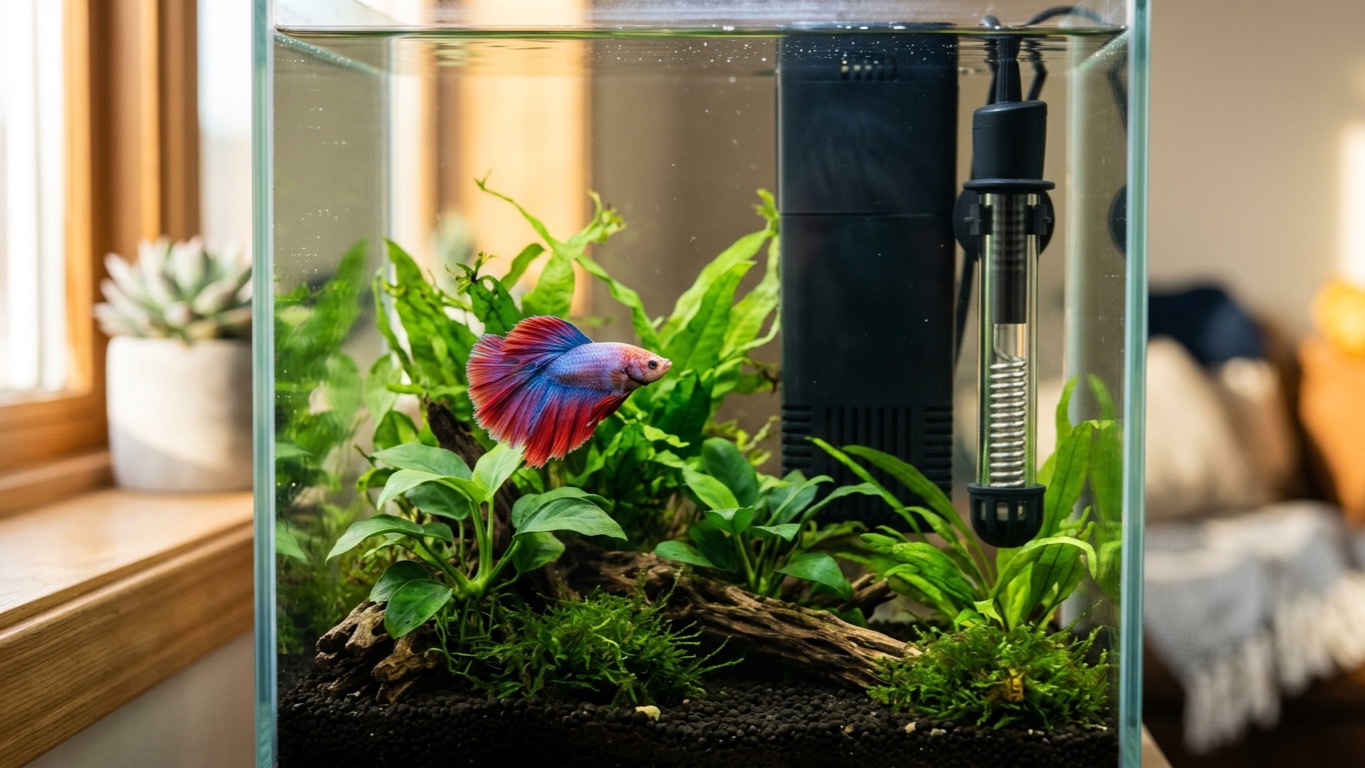
Hang-on-back returns that splash or skim the surface add oxygen while they filter. Canister outlets should sit near the surface so polished water exchanges gases on exit. Powerheads aimed upward can outperform fancy vents that skip the film. Clean clogged media so rated flow returns. A second small powerhead can break stagnant corners in long tanks. Match flow to the species; bettas need softer ripples than riverine fish.
Flow checklist:
- Clean filter intakes and cartridges
- Raise returns to kiss the surface
- Add a powerhead for dead corners
- Avoid air drawn into filter intakes
- Recheck flow after every deep clean
Owners consistently report crashes when a silent HOB had a packed cartridge. Our research team analyzed filtration notes that link discharge height to oxygen. Comparing published specs pairs clean media with surface-aimed outlets.
Heat and overcrowding steal dissolved oxygen
Warm, crowded water is double trouble.
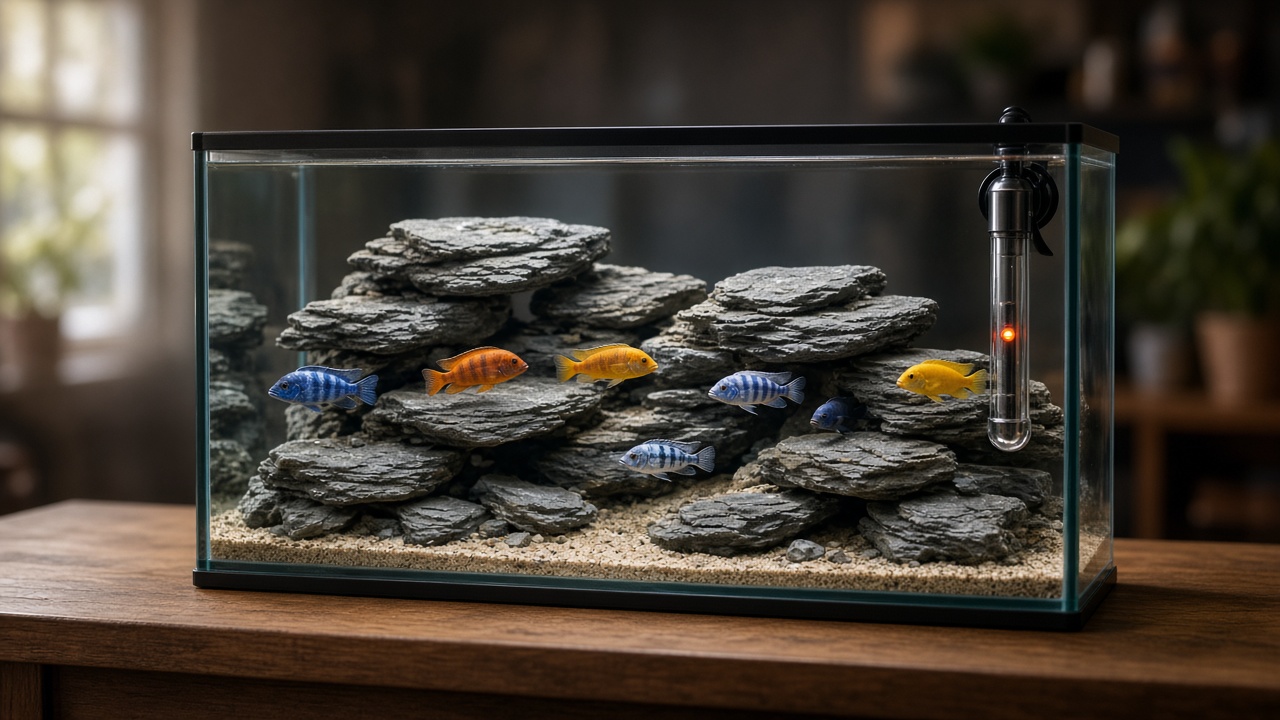
As temperature rises, fish need more oxygen while water holds less. Tropical community targets often sit near seventy-four to eighty degrees Fahrenheit. Fancy goldfish often prefer cooler bands near sixty-eight to seventy-four degrees. During heat waves, increase aeration, open the canopy, and consider a fan across the surface. Cut feeding if fish already gasp. Reduce stocking or upgrade volume when adults outgrow the plan. Medications and chemical treatments can also stress oxygen demand; read labels and add air when treating.
Heat and load cues:
- Watch temps daily in summer
- Add air when heaters or rooms run hot
- Stock for adult size, not bag size
- Pause heavy feeding during stress
- Increase agitation during treatments
Owners consistently report summer losses in sealed tanks without extra air. Our research team analyzed heat-and-oxygen notes from aquarium summer guides. Comparing published specs keeps a thermometer beside every air pump.
Live plants help by day and need air at night
Photosynthesis is not a full substitute for ripple.
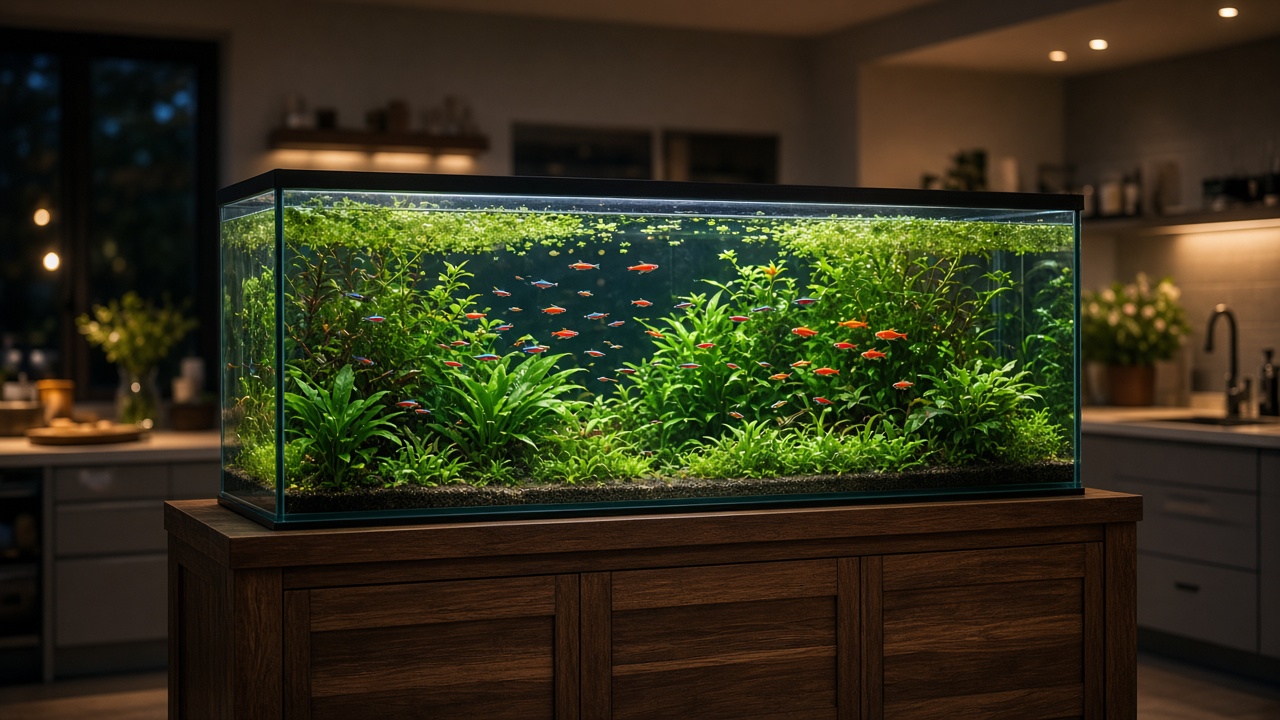
Plants can add oxygen in light, yet they consume oxygen in the dark along with fish and bacteria. Dense floating cover that seals the surface can lower nighttime levels. Keep open water lanes for exchange. In injected carbon dioxide planted tanks, maintain aeration or strong surface movement overnight when guidance calls for it. Trim excess floaters that turn the top into a lid. Healthy plants plus surface ripple beat plants alone in a still box.
Plant balance:
- Use plants for nutrients and cover
- Leave open surface for gas exchange
- Expect night oxygen use by plants
- Thin floating mats that seal the top
- Keep air running when CO2 is offline at night if required
Owners consistently report dawn gasping in heavily planted, still tanks. Our research team analyzed day-night plant notes in oxygenation articles. Comparing published specs keeps air on the checklist beside grow lights.
Emergency steps when fish gasp at the surface
Move fast, then find the cause.
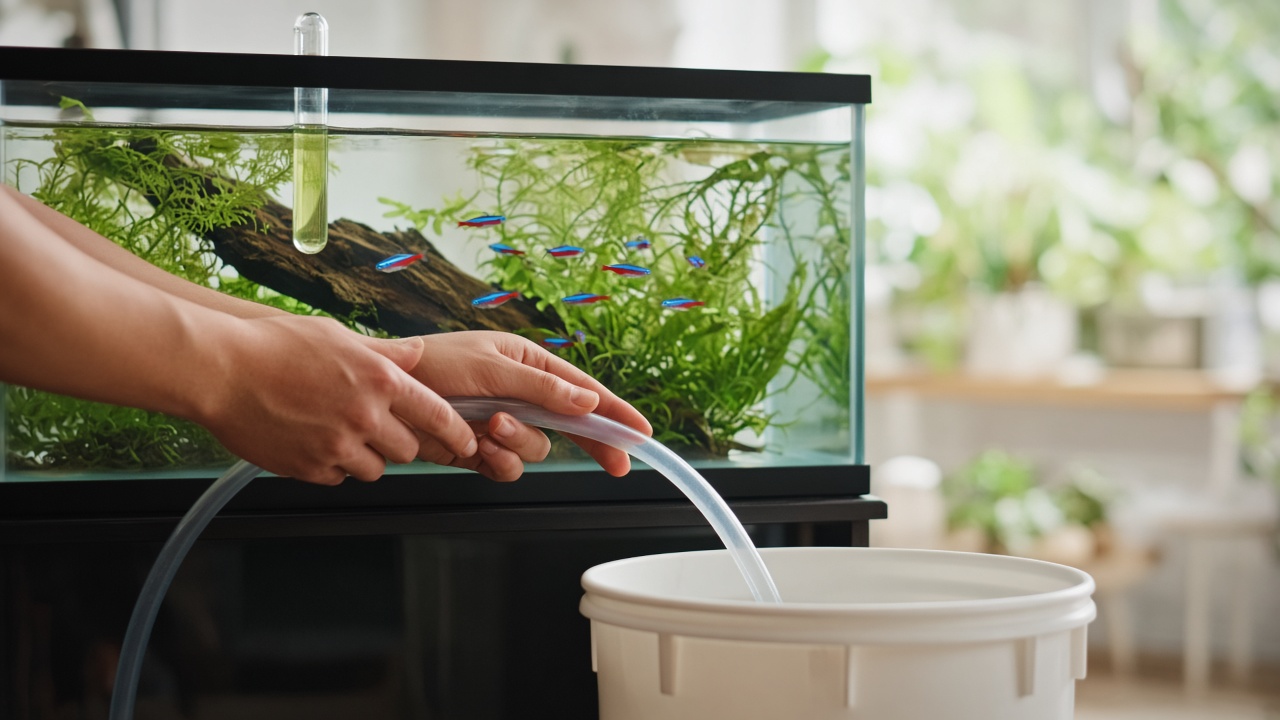
Perform a large water change, commonly up to about fifty percent, with temperature-matched, dechlorinated water. Increase surface movement with an air stone, powerhead, or raised filter return immediately. Lower extreme heat safely within the species range. Check that filters are running and not air-locked. Test ammonia, nitrite, nitrate, and temperature while fish recover. After they stabilize, fix overcrowding, heat, or clogged gear so the crisis does not repeat tonight.
Emergency order:
| Step | Action |
|---|---|
| 1 | Large water change up to ~50% |
| 2 | Add strong surface agitation now |
| 3 | Cool unsafe heat within range |
| 4 | Confirm filters and air are on |
| 5 | Test water and reduce load |
Owners consistently report quick relief after fresh water plus bubbles. Our research team analyzed emergency sequences in low-oxygen care pages. Comparing published specs treats the water change as first aid, not the whole cure.
Daily success looks simple: open surface, steady ripple, sensible heat, and honest stocking. Meter readings near about seven to eight ppm support that plan when you measure. Build air gear with a check valve every time. When fish gasp, change water and move the surface first, then repair the cause.
FAQ
What is a healthy oxygen level in a fish tank?
Freshwater guidance often aims near about seven to eight ppm dissolved oxygen when hobbyists meter the water carefully. Exact needs vary by species, stocking, and temperature. Visible surface ripple and normal breathing matter even without a meter on the shelf. Rising heat lowers how much oxygen water can hold each day.
Do air stones add oxygen to aquarium water?
Air stones help mainly by driving bubbles that agitate the surface and lift water. That gas exchange at the top raises dissolved oxygen more than bubbles alone. Pair the stone with a pump, tubing, and a check valve. Place it where the column ripples open water.
How do I increase oxygen in an emergency?
Change a large share of the water, often up to about fifty percent, with matched, treated water. Add an air stone or powerhead and aim filter flow at the surface. Cool unsafe temperatures within the species band. Then test chemistry and fix crowding or failed equipment.
Does a filter oxygenate the aquarium?
Yes when the return disturbs the surface and flow stays strong through clean media. Hang-on-back splash and canister spray bars near the top both help gas exchange. Clogged cartridges cut that benefit until you rinse them. Clean gear and raise outlets so polished water kisses the surface film.
Can plants replace an air pump?
Plants help in light but use oxygen in the dark along with fish and filters. A full floating carpet can block exchange at the surface overnight. Many keepers still run air stones or strong surface flow, especially under sealed canopies. Use plants with open water lanes, not instead of all agitation gear.
Why is oxygen lower in warm water?
Warmer water holds less dissolved oxygen while fish metabolisms rise and demand more air. Summer rooms and strong heaters create that squeeze together in sealed tanks. Add aeration, improve surface ripple, and watch the thermometer daily. Species with cool preferences need extra care during heat waves.
Should every tank have a check valve on airline?
Yes. A check valve stops tank water from siphoning into the air pump during outages or when the pump sits below the waterline. Install it on the airline outside the tank per the manufacturer’s diagram and arrow mark. Replace cracked or sticky valves as soon as they fail to seal.
This guide is informational only and does not replace the manufacturer’s instructions for air pumps, filters, heaters, or test kits.