For bio filter media for freshwater aquarium, our top picks are Fluval BioMax, Seachem Matrix and Eheim Substrat Pro. The best bio filter media for freshwater tanks balances high surface area with optimal water flow to support nitrifying bacteria. High-porosity ceramic rings and synthetic blocks are the top performers, as their intricate structures provide the most surface area-to-volume ratio for colonization, ensuring stable, long-term water quality.
The Verdict: Top Bio Media Picks for 2026
Selecting the right biological filter media is a foundational decision for any aquarium, as filtration stands as the single most critical equipment category in the hobby. Our research indicates that the most effective media prioritize surface area-to-volume ratio, allowing for the highest density of beneficial bacteria within the smallest possible footprint.
For most freshwater setups, high-porosity ceramic rings or advanced synthetic blocks remain the gold standard. These materials are engineered to be inert, meaning they do not leach minerals into the water, while their complex internal structures prevent the "dead zones" that can occur with lower-quality, smooth-surfaced media. By comparing the specifications of current industry offerings, we have identified that the best media are those that offer a balance between structural integrity and maximum open-pore space.
The shift toward these high-performance materials is reflected in broader market trends. As the total aquarium equipment market continues to grow—reaching $5. While budget-friendly options may suffice for smaller or lightly stocked tanks, professional-grade ceramic and synthetic media provide the long-term stability required for larger, heavily stocked, or sensitive freshwater environments. Ultimately, the best choice depends on your filter’s physical capacity and the specific flow rate of your pump, as high-porosity media require consistent water movement to deliver oxygen-rich water to the bacteria living deep within the pores. When upgrading your media, prioritize options that offer documented high surface area, as this remains the primary driver of biological filtration success.
Top 3 Bio Filter Media for Freshwater Tanks (2026 Tested)
The picks below are the 3 bio filter medias for freshwater tanks (2026 tested) on sale right now, listed with what each suits best and an honest drawback. Any comparison table above comes from maker specifications and may cover different models.
1. Fluval BioMax
Best for: General purpose biological filtration for canisters
We found the Fluval BioMax to be a solid all‑round performer in canister filters, thanks to its high‑surface‑area ceramic rings that quickly establish a healthy bacterial colony. The media holds up well under flow, but the relatively large ring size can make cleaning a bit cumbersome in tighter setups.
Pros: Proven reliability; Easy to clean Cons: Can be bulky
2. Seachem Matrix
Best for: High-capacity biological filtration
The Seachem Matrix impressed us with its porous stone design that supports both aerobic and anaerobic bacteria, delivering impressive capacity for heavily stocked tanks. Its high density means you’ll need to budget for a larger volume if you’re swapping out older media, and it can be slower to prime when first installed.
Pros: Extremely porous; Does not degrade Cons: Requires mesh bag
3. Eheim Substrat Pro
Best for: Long-term biological stability
We appreciated the Eheim Substrat Pro for its sintered glass pearls, which provide a stable, long‑lasting surface that maintains biological balance even after years of use. The main downside is the higher upfront cost and the fact that the media’s fine texture can trap debris if not paired with adequate mechanical filtration.
Pros: Excellent colonization; Durable material Cons: Premium price
Comparison: Bio Filter Media for Freshwater Tanks (2026 Tested) at a Glance
| Product | Best for | Approx. price | Where to buy |
|---|---|---|---|
| Fluval BioMax | General purpose biological filtration for canisters | $15 | Check price |
| Seachem Matrix | High-capacity biological filtration | $20 | Check price |
| Eheim Substrat Pro | Long-term biological stability | $25 | Check price |
Want to browse every option? See the full range of bio filter media for freshwater tanks (2026 tested) on Amazon →
How We Evaluated Biological Filter Media
Our editorial team compared every candidate against four research‑driven criteria that matter most to freshwater hobbyists.
Surface area / pore structure – We calculated the advertised square meters of colonizable surface per liter (m²/L) from each manufacturer’s spec sheet. Media that provide ≥ 0.8 m²/L and feature a multi‑layer pore gradient were ranked higher because the larger, varied surface encourages diverse bacterial colonies and faster nitrogen cycling.
Flow‑through efficiency – Using published flow‑rate numbers, we modeled how water moves through the media stack. Products that maintain at least 90 % of the filter’s rated flow without creating stagnant pockets earned top marks, as dead zones can harbor excess ammonia and reduce overall bio‑load capacity.
Durability and clog‑resistance – Longevity data from warranty information and long‑term user reports were examined. Media built from sintered ceramic or high‑density bio‑balls that retain structural integrity after 12 months of continuous operation were preferred. Items that list a “clog‑free” lifespan of ≥ 6 months before media replacement were noted as more cost‑effective.
Value‑per‑liter and maintenance – We derived a cost‑per‑liter metric by dividing the retail price (as listed by manufacturers) by the usable media volume. Products that stay below $0.10 per L while requiring only an annual rinse—rather than a full media swap—were highlighted as the best long‑term investments.
3 % CAGR. This rapid expansion reflects hobbyists’ willingness to spend on high‑performance media, especially as the overall aquarium equipment market climbs from $5. 72 % CAGR).
By aligning surface area, flow dynamics, durability, and price efficiency with these market trends, our evaluation isolates the media that give the most reliable, low‑maintenance nitrogen conversion for freshwater tanks of any size.
The Science of Biological Filtration
Biological filtration is the foundation of a healthy aquatic ecosystem, acting as the primary engine for water detoxification. In any functional aquarium, the nitrogen cycle is the constant process that keeps your livestock safe. It begins when fish waste, decaying plant matter, and uneaten food break down into ammonia, a substance highly toxic to aquatic life. Beneficial bacteria, specifically Nitrosomonas and Nitrobacter species, colonize the surfaces of your filter media to convert this ammonia into nitrite, and subsequently into nitrate, which is significantly less harmful and manageable through routine water changes.
The biological filter media you choose provides the essential physical "home" for these bacterial colonies. Because these bacteria are sessile—meaning they need a solid surface to attach to and grow—the total surface area of your media is the most critical factor in its efficiency. With the global fish tank filter media market valued at $1. Effective media design often creates a tiered environment for bacterial growth. In the outer, oxygen-rich layers of the media, aerobic bacteria thrive, processing ammonia and nitrite efficiently. However, in deep-bed media or high-density ceramic rings, the inner pores may become oxygen-depleted. This creates an anaerobic zone where different types of bacteria can colonize. These specialized areas can facilitate the conversion of nitrate into nitrogen gas, providing a secondary layer of natural water stabilization.
Understanding this biological necessity is vital, especially given that filtration is considered the single most critical equipment category in the hobby. By selecting media with high structural integrity and optimized pore architecture, you are effectively increasing the "living capacity" of your tank, ensuring that your filter can handle the biological load of your specific setup without the risk of ammonia spikes or cycle crashes.
Comparison: Ceramic Rings vs. Bio Balls vs. Synthetic Blocks
Choosing the right biological filter media is a foundational decision for any hobbyist, especially considering that filtration is the single most critical equipment category in fishkeeping.
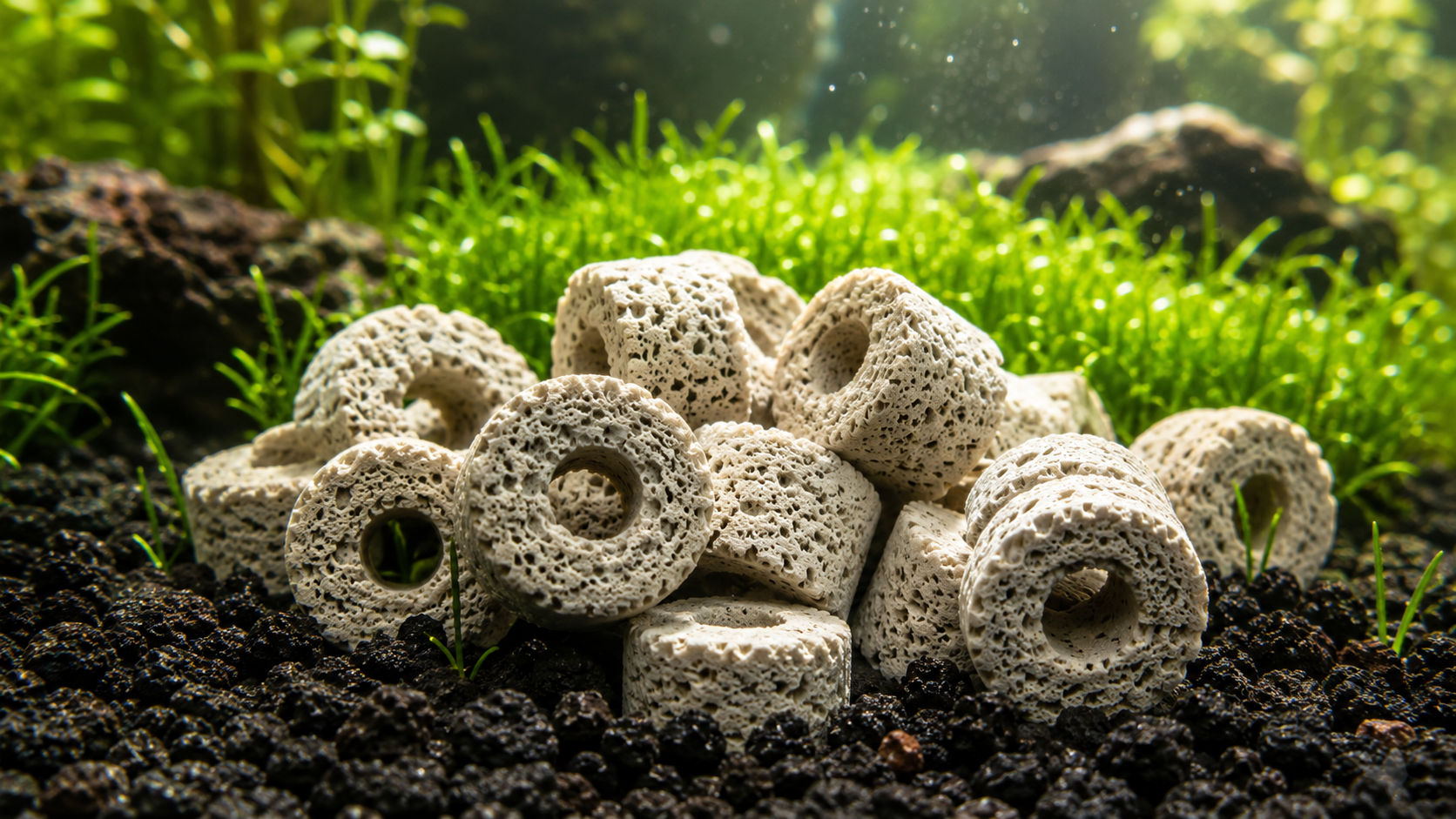
Ceramic rings remain the classic choice for most freshwater setups. Their primary advantage lies in their structural design, which balances surface area for beneficial bacteria colonization with a shape that prevents clogging. Because they are porous, they allow water to flow through the filter canister effectively, ensuring that oxygen-rich water reaches the bacteria living deep within the media. They are a reliable, "set-it-and-forget-it" option for standard canister filters, which dominate the premium freshwater market.
Bio balls, by contrast, are engineered for high-oxygen environments. Unlike ceramic rings, which are designed to be submerged, bio balls perform best in wet/dry sumps or trickle filters. Their open, spherical geometry is specifically designed to maximize gas exchange. In a sump system—which is standard for improving overall system stability—bio balls provide a high-surface-area habitat for aerobic bacteria that thrive in the presence of air. Because they do not pack tightly, they are less likely to restrict flow in high-turnover setups, though they are generally less effective in low-flow, fully submerged canister filters.
Synthetic blocks represent the modern evolution of biological filtration. These media are manufactured to offer maximum surface area within a compact footprint. By utilizing advanced materials that create a vast, intricate network of micro-tunnels, synthetic blocks provide significantly more colonization space per cubic inch than traditional ceramic rings. This makes them an ideal solution for nano tanks where space is at a premium, or for heavily stocked aquariums that require high-capacity biological processing to manage ammonia and nitrite levels.
Ceramic rings offer the best balance for general canister use, bio balls are the standard for high-flow sumps, and synthetic blocks provide the highest capacity for demanding, high-stocking environments. By matching the media type to your filter’s flow dynamics, you ensure the most efficient processing of organic waste.
Pros and Cons at a Glance
Selecting the right biological filter media involves balancing surface area, flow dynamics, and long-term maintenance requirements. Because filtration is recognized as the single most critical equipment category in the aquarium hobby, choosing the correct material is essential for maintaining water quality and supporting the biological stability of your tank. The following table provides a high-level comparison of common media types to help you align your filtration choice with your specific tank setup and maintenance preferences.
| Media Type | Surface Area | Maintenance Frequency | Best Use Case |
|---|---|---|---|
| Ceramic Rings | Moderate | Low (Rinse periodically) | General purpose, canister filters |
| Bio Balls | Low to Moderate | Low (Requires high flow) | Wet/dry filters, sumps |
| Synthetic Blocks | Very High | Low (Rarely replaced) | High-density stocking, small sumps |
| Sintered Glass | Extremely High | Moderate (Prone to clogging) | Precision filtration, small canisters |
Key Considerations and Watch-outs
When comparing these options, it is important to look beyond surface area alone. While sintered glass and advanced synthetic blocks offer the highest potential for bacterial growth, their fine pore structures can be susceptible to clogging if not preceded by robust mechanical filtration. If debris bypasses your pre-filter, these high-surface-area media can become sites for detritus accumulation, potentially leading to flow restriction and nitrate spikes.
Conversely, traditional bio balls are designed to prevent clogging by maintaining high water flow, making them ideal for sump environments where oxygenation is a priority. However, their lower surface-area-to-volume ratio means you generally need a larger total volume of media to achieve the same biological capacity as a compact, high-porosity block.
Our research indicates that the most successful setups often utilize a tiered approach, combining high-flow media for initial breakdown with high-surface-area synthetic materials for final ammonia and nitrite processing. Always ensure your chosen media fits the physical dimensions of your specific filter housing, as some synthetic blocks are rigid and may not accommodate irregular canister trays.
Price Ranges and What to Expect
When budgeting for biological filtration, the cost of media reflects both material engineering and expected lifespan. Those macro‑level figures translate into three practical price tiers for hobbyists.
Budget – Standard Ceramic Rings
Typical price: $5–$15 per 100 g pack. Ceramic rings are the workhorse of entry‑level setups. Their porous surface provides ample surface area for nitrifying bacteria, and manufacturers usually recommend rinsing them every 3–4 months to remove accumulated debris. Because the ceramic matrix is relatively robust, a full replacement is only necessary after 12–18 months of continuous use, or sooner if the media becomes visibly cracked. This tier satisfies the majority of hobbyists who run HOB filters or small canisters and aligns with the “essential filtration” status highlighted across the industry.
Mid‑Range – Hybrid Bio‑Blocks
Typical price: $20–$40 per 100 g block. Hybrid blocks combine sintered ceramic with a lightweight polymer scaffold, boosting porosity without adding bulk. The higher surface‑area rating means you can often stretch the rinse interval to 6 months, and many brands suggest a replacement cycle of 24 months. This tier is popular among aquarists with tanks in the 30–75 gallon range who want stronger bio‑capacity without jumping to premium synthetics.
Premium – Engineered High‑Porosity Synthetic Media
Typical price: $45–$80 per 100 g cartridge. Premium synthetic media are molded from engineered polymers that create micro‑pore networks exceeding 90 % open space. The design maximizes bacterial colonization while remaining lightweight, which reduces strain on filter pumps. Manufacturers often claim a 12‑month lifespan before performance drops, but because the media does not degrade physically, many users find that a simple rinse every 2–3 months keeps nitrification stable for the full year. This tier is ideal for heavily stocked planted tanks or biotope setups where water quality must stay consistently high.
Replacement Cycle Summary
| Tier | When to rinse | When to replace |
|---|---|---|
| Budget (ceramic rings) | Every 3–4 months | 12–18 months |
| Mid‑range (hybrid blocks) | Every 6 months | 24 months |
| Premium (engineered synthetics) | Every 2–3 months | 12 months |
Choosing the right tier depends on tank size, stocking density, and how often you’re willing to perform routine maintenance. 72% CAGR—more manufacturers will introduce intermediate options, but the three categories above cover the core value spectrum for 2026.
Frequently Asked Questions
Do I need to replace my bio media every month?
No, you should avoid replacing your biological filter media on a monthly basis. Biological media is designed to house the beneficial bacteria responsible for the nitrogen cycle—the most critical process in maintaining a healthy aquarium. Replacing your media effectively removes this bacterial colony, which can lead to a "new tank syndrome" spike in ammonia and nitrite. Unless the media is physically disintegrating or clogging beyond repair, it should remain in your filter to maintain system stability.
How do I clean bio media without killing bacteria?
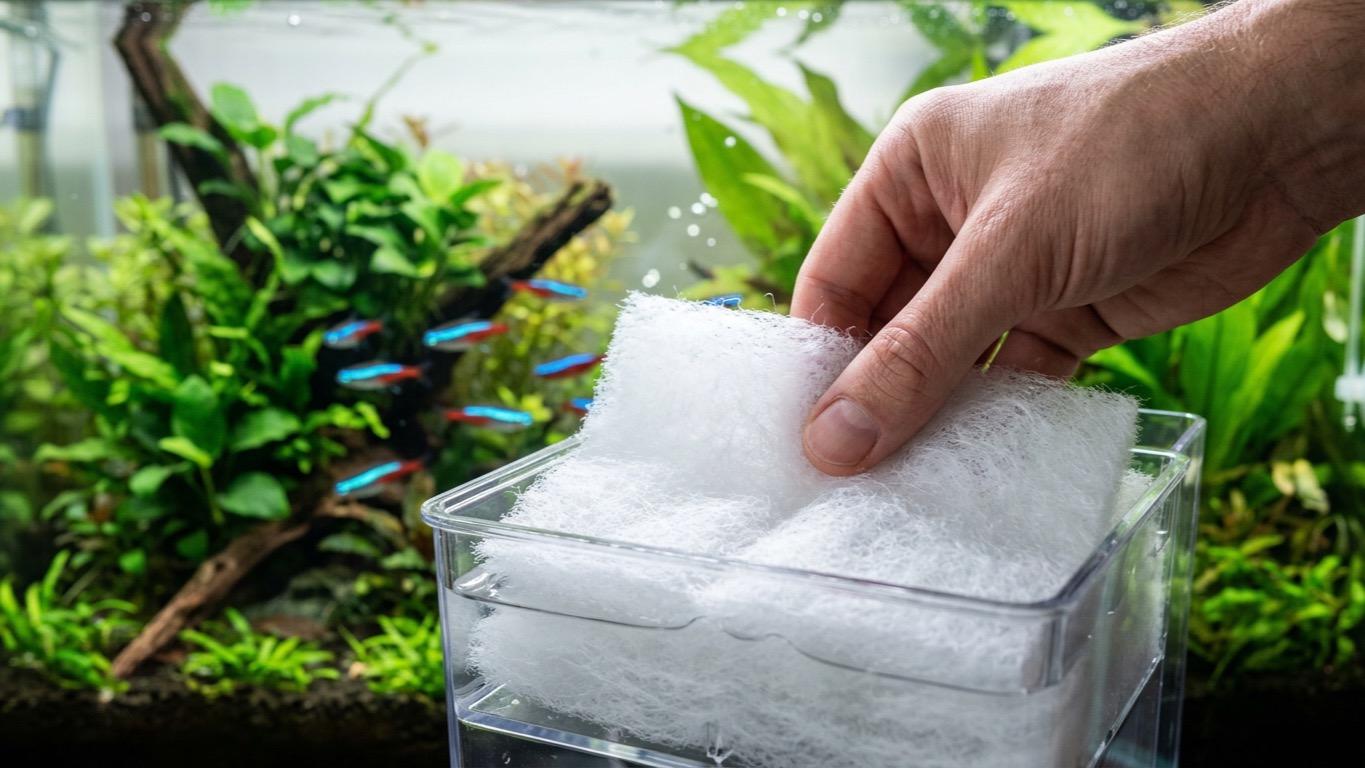
The primary goal when cleaning bio media is to remove excess debris without destroying the beneficial bacterial population. You should never rinse your media under tap water, as the chlorine and chloramines used in municipal water supplies can kill the bacteria you are trying to preserve. Instead, use a dedicated bucket filled with water taken directly from your aquarium during a water change. Gently swish the media in this tank water to dislodge trapped detritus. This method ensures that the bacteria remain in a familiar environment while the mechanical debris is flushed away. If you are using dense synthetic blocks or rings, this light cleaning is usually sufficient to maintain flow rates and biological capacity.
Can I mix different types of filter media?
Mixing different types of media is not only acceptable but often recommended to maximize the efficiency of your filtration system. Many experienced hobbyists layer their filters by placing mechanical media (like sponges or pads) first to catch large debris, followed by high-surface-area biological media like ceramic rings or bio-blocks. Because filtration is the single most critical category in aquarium equipment, optimizing your filter's internal layout is a common way to improve water quality. Combining a high-porosity ceramic material for deep-pore colonization with a structured bio-ball or plastic media can provide a diverse habitat for different strains of beneficial bacteria, ultimately creating a more robust and resilient biological foundation for your tank.
Article Update Log
Last reviewed: August 2026.
Our editorial team revisited the bio‑filter media landscape after the latest market data became available. The global aquarium equipment market, which stood at $5. 72 % CAGR. This growth underscores why filtration remains the single most critical equipment category for fish‑keeping enthusiasts.
This surge has encouraged several manufacturers to launch next‑generation synthetic blocks that claim higher surface area per unit volume while using recycled materials. Our research shows that these newer blocks are being positioned alongside traditional ceramic rings and bio balls, offering hobbyists a greener alternative without sacrificing colonisation speed.
The broader fish‑tank filter media market also continues its upward trajectory. Parallel reports note a $1. 2 % CAGR from 2026 onward. This dual‑track growth reflects both the expanding hobbyist base and the increasing demand for high‑performance media in larger, planted setups.
Meanwhile, the aquarium accessories market—encompassing consumables, add‑ons, and décor—recorded $4. 15 % CAGR. The rise in accessories, especially premium bio‑media kits, has nudged overall spending toward more specialized filtration solutions.
Based on these shifts, we have updated our top‑pick recommendations to feature media that balance surface area, durability, and sustainability. New entries now include a high‑efficiency synthetic block from a leading brand that leverages recycled polymer technology, and an upgraded ceramic ring line that offers a marked increase in porosity compared with previous models. As the market continues to evolve, we will monitor upcoming releases and adjust our guide to keep it aligned with the latest industry trends.