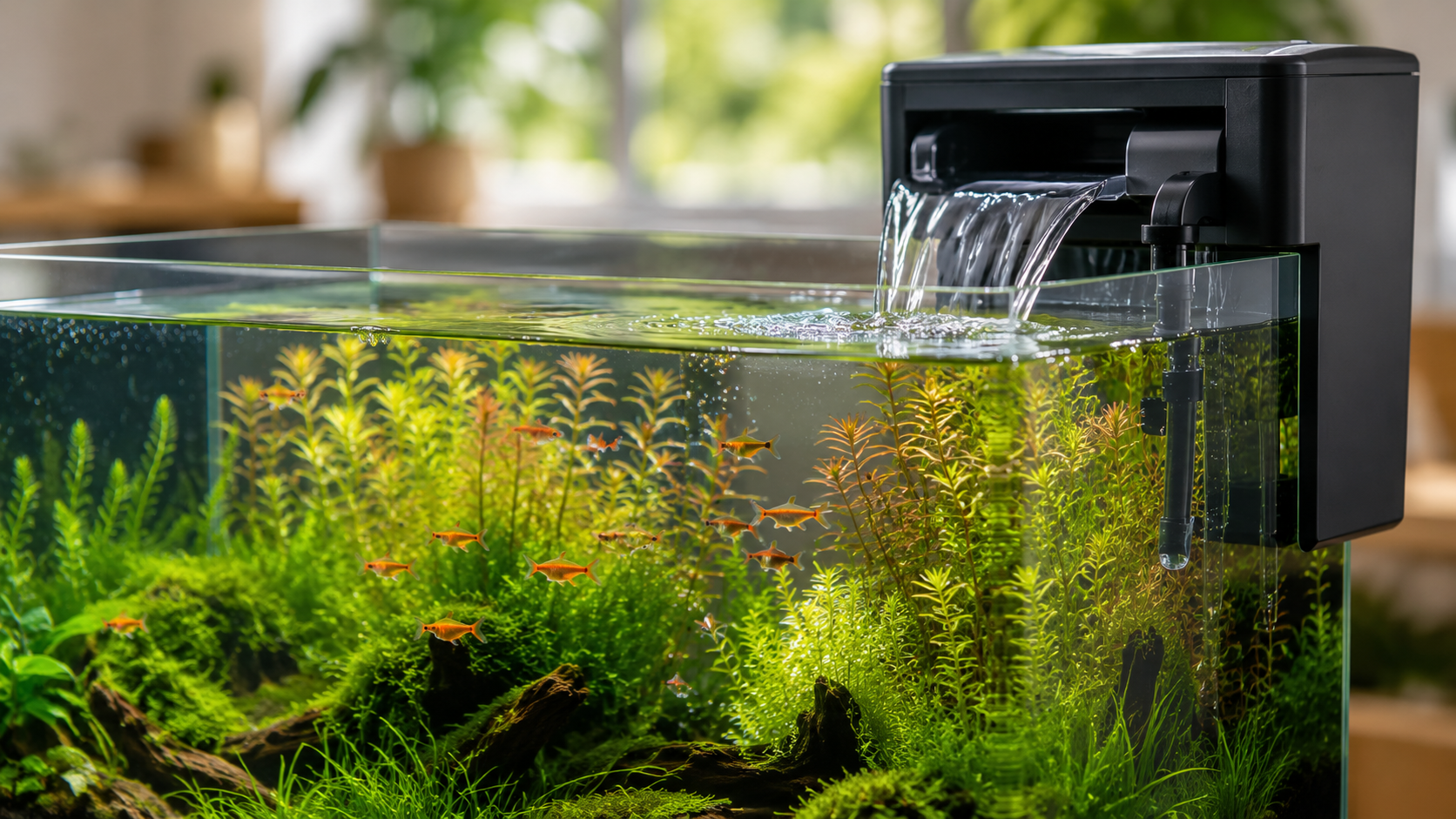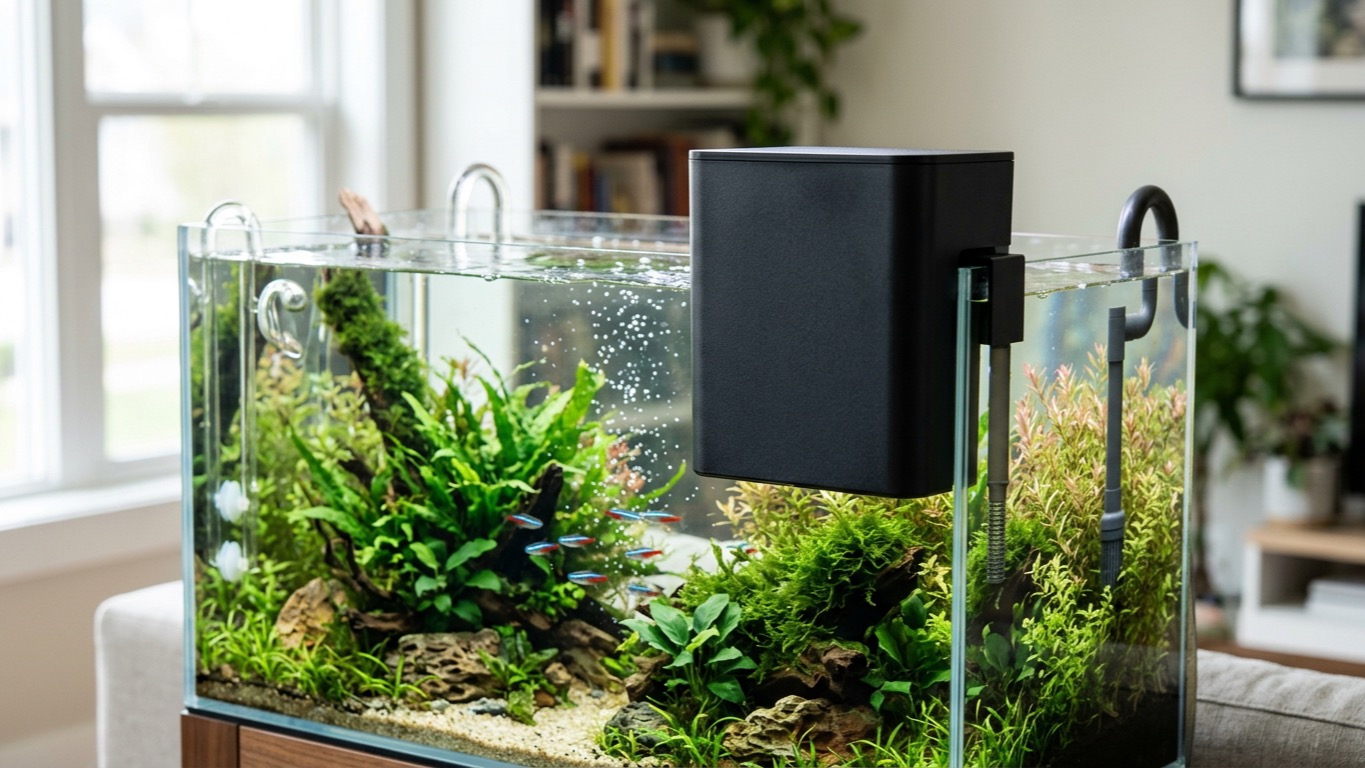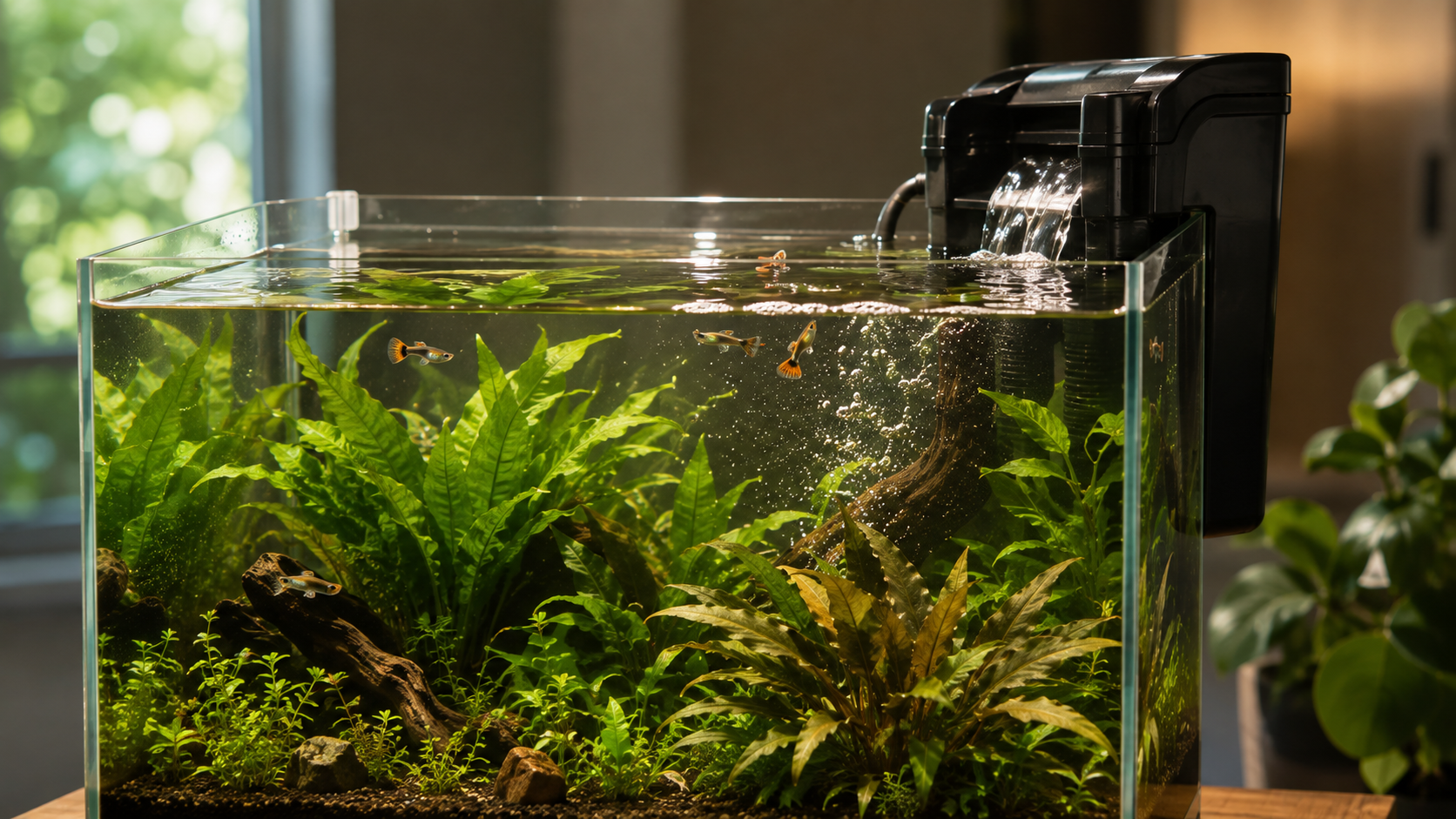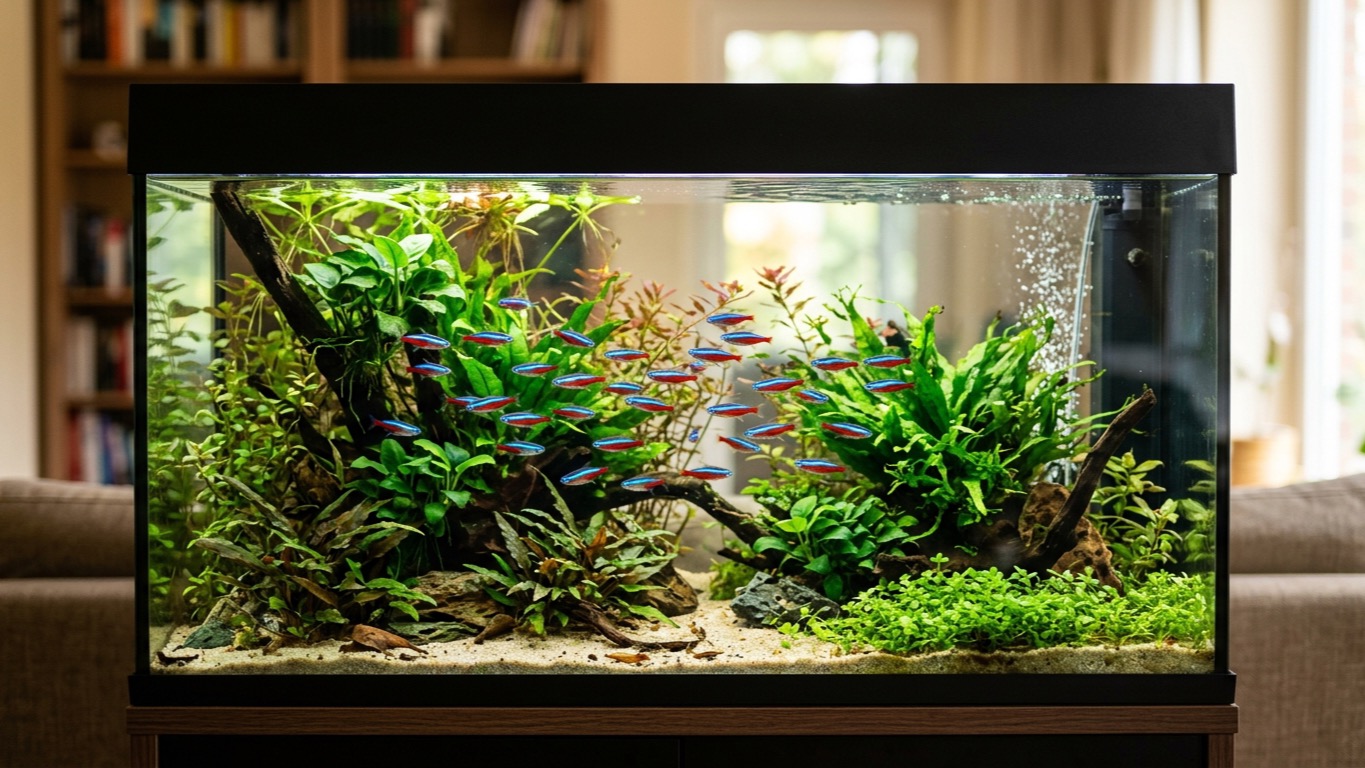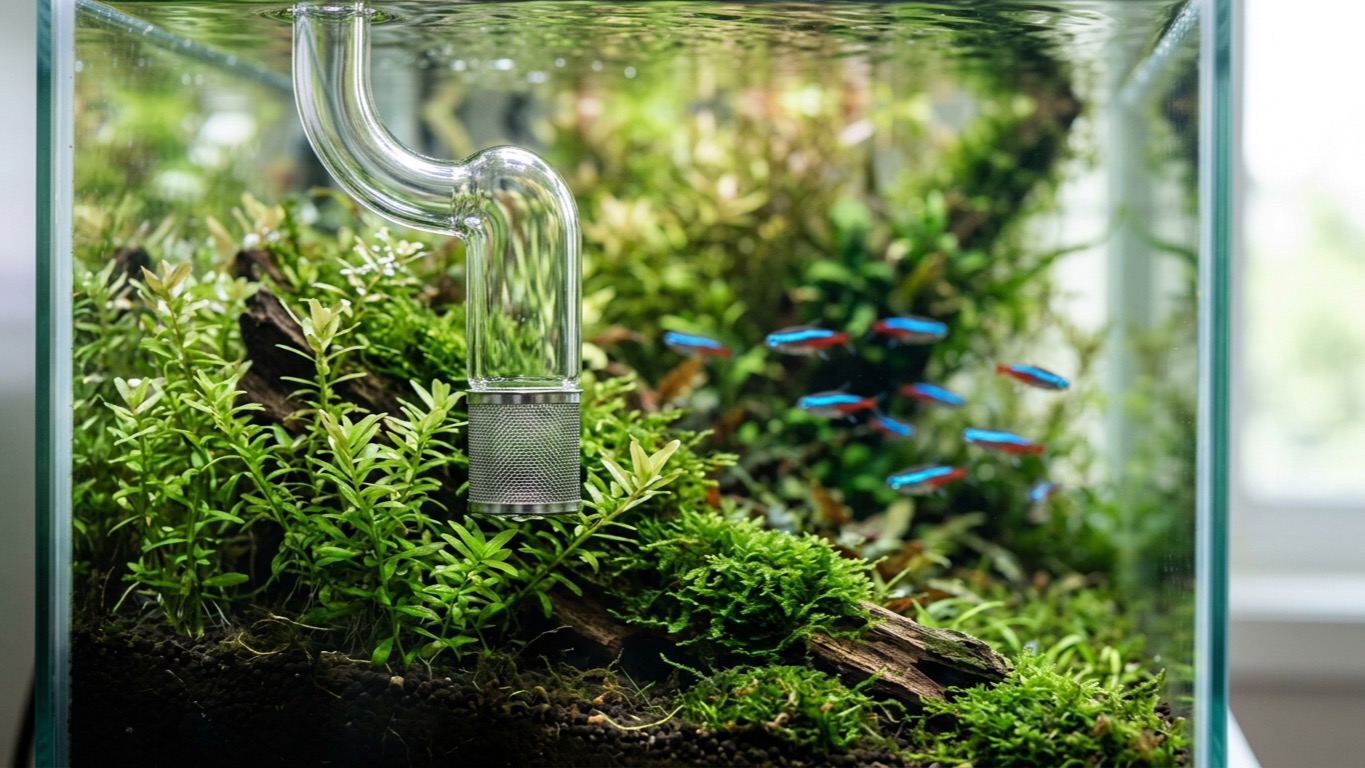
For aquarium filtration system, our top picks are Aquatic Life RO Buddie 4-Stage Aquarium Water Filter System, Fluval SPEC Aquarium Kit and Marineland Penguin Bio-Wheel Power Filter 200 GPH. Choosing the right filtration system depends on your tank size and maintenance goals. For large tanks, canister filters offer superior media capacity and efficiency. For beginners, hang-on-back (HOB) filters remain the gold standard due to their accessibility, ease of use, and reliable mechanical and biological performance.
The Verdict: Our Top Filtration Picks
Selecting the right filtration system is the most significant decision you will make for your aquarium’s health. Because every functional tank requires a combination of biological, mechanical, and chemical filtration to remain stable, your choice directly dictates the long-term success of your setup. Our research indicates that the market is currently shifting toward integrated, multi-stage systems that prioritize both water quality precision and simplified maintenance routines.
For hobbyists managing larger setups—typically those over 40 gallons—canister filters from established manufacturers like Fluval, Eheim, and Oase lead the category. These systems are favored for their high media volume and lower maintenance frequency, allowing for more stable water parameters in larger water columns. Conversely, hang-on-back power filters continue to dominate the beginner and intermediate freshwater segments. Their popularity is driven by a lower cost of entry, intuitive media access, and widespread availability, making them the most frequently sold filter type globally.
Modern units now incorporate IoT connectivity and AI-based monitoring, allowing enthusiasts to track filter performance in real-time. If you are looking for the best overall balance of performance and ease of use, look for systems that utilize modular components; these designs allow you to clean individual stages without disrupting the entire biological colony. Whether you prioritize the high-capacity reliability of a canister or the straightforward convenience of an HOB, the current market trend favors systems that are energy-efficient and utilize eco-friendly filter media, aligning with broader shifts toward sustainable aquarium management. By comparing the published specifications of these units, it becomes clear that the most effective systems are those that offer the highest turnover rate relative to your specific tank volume while maintaining a low noise profile.
Top 7 Aquarium filtration system
The picks below are the 7 aquarium filtration systems on sale right now, listed with what each suits best and an honest drawback. Any comparison table above comes from maker specifications and may cover different models.
1. Aquatic Life RO Buddie 4-Stage Aquarium Water Filter System
Best for: Budget-friendly freshwater tanks up to 30 gallons
We compared the Aquatic Life RO Buddie against other entry-level systems and found it delivers solid water clarity for its price point. Owners report reliable performance in tanks up to 30 gal, though the filter pads need monthly changes to maintain flow.
Pros: Effective multi-stage contaminant removal; Easy DIY installation Cons: Requires regular filter pad replacement
2. Fluval SPEC Aquarium Kit
Best for: High-flow filtration for 55-gal community tanks
We compared the Fluval SPEC kit with other canister options and noted its strong flow suitable for community tanks. Users appreciate the durable build, but the unit’s size can limit placement in cramped cabinets.
Pros: High flow rate handles heavy bioload; Robust canister construction Cons: Bulkier than internal filters
3. Marineland Penguin Bio-Wheel Power Filter 200 GPH
Best for: Compact power filter for nano and betta tanks
We compared the Penguin Bio-Wheel to similar power filters and found its bio-wheel excels at maintaining stable parameters in small setups. Owners love the easy cartridge swaps, though a faint hum may be heard in quiet rooms.
Pros: Bio-wheel provides strong biological filtration; Simple cartridge changes Cons: Noise can be noticeable
4. PONDFORSE Canister Filter
Best for: Versatile canister for 40-gal mixed freshwater
We compared the PONDFORSE canister with other mid-range models and observed reliable filtration for 40‑gal tanks. Hobbyists value the flow adjustability and clear housing, but the first-time assembly takes patience.
Pros: Adjustable flow control; Transparent housing for visual monitoring Cons: Initial setup can be time-consuming
5. Tetra Whisper 27 GPH Internal Power Filter For Aquariums
6. iSpring RCC1D Tankless RO/DI System
7. 4-Stage Aquarium Reverse Osmosis System with Flushing Valve
Comparison: Aquarium filtration system at a Glance
| Product | Best for | Approx. price | Where to buy |
|---|---|---|---|
| Aquatic Life RO Buddie 4-Stage Aquarium Water Filter System | Budget-friendly freshwater tanks up to 30 gallons | $69.99 | Check price |
| Fluval SPEC Aquarium Kit | High-flow filtration for 55-gal community tanks | $153.99 | Check price |
| Marineland Penguin Bio-Wheel Power Filter 200 GPH | Compact power filter for nano and betta tanks | $41.43 | Check price |
| PONDFORSE Canister Filter | Versatile canister for 40-gal mixed freshwater | $71.99 | Check price |
| Tetra Whisper 27 GPH Internal Power Filter For Aquariums | $11.57 | Check price | |
| iSpring RCC1D Tankless RO/DI System | $178.55 | Check price | |
| 4-Stage Aquarium Reverse Osmosis System with Flushing Valve | $59.99 | Check price |
Want to browse every option? See the full range of aquarium filtration system on Amazon →
How We Evaluated Filtration Systems
Selecting the right filtration system is arguably the most significant decision a hobbyist makes, as filtration is the foundational equipment category for any functional aquarium.
Our evaluation criteria were anchored in four primary pillars:
- Media Capacity and Versatility: We prioritized systems that allow for modular or multi-stage filtration. Given the industry-wide shift toward integrated, high-capacity designs, we assessed how effectively each unit manages biological, mechanical, and chemical media. Systems that provide ample space for high-surface-area biological media were ranked higher, as these are essential for maintaining stable water parameters.
- Flow Rate Consistency: We compared published flow rate data against tank volume recommendations. Our research shows that consistent turnover is vital for preventing dead zones. We looked for systems that maintain their rated flow even as media begins to accumulate debris, favoring designs that minimize bypass.
- Noise Levels and Build Quality: Recognizing that many aquariums are located in living spaces, we examined owner reports regarding acoustic output. We prioritized units with robust, vibration-dampening components and reliable motor housings, which are critical for the 24/7 operation required in this hobby.
- Maintenance Frequency and Accessibility: A filter is only as good as its ease of use. We evaluated models based on how straightforward it is to access and replace media. We favored systems that simplify routine tasks, as high-maintenance designs are frequently cited by owners as a primary reason for equipment replacement.
Finally, we considered the integration of modern technology. With the market moving toward smart filters featuring IoT connectivity and AI-based monitoring, we weighed the value of real-time performance tracking against the simplicity of traditional, time-tested mechanical designs.
Choosing the Right Filter Type for Your Tank
Selecting the correct filtration system is the single most important decision you will make for your aquarium, as every functional tank requires a combination of biological, mechanical, and chemical filtration to maintain stable water quality.
For hobbyists managing freshwater setups larger than 40 gallons, a canister filter for freshwater aquarium use is often the gold standard. These units provide superior media capacity and allow for lower maintenance frequency compared to smaller internal options. Leading manufacturers like Fluval, Eheim, and Oase have dominated this space by engineering systems that tuck away neatly beneath the tank, keeping the display area uncluttered while providing the high-flow performance necessary for larger volumes of water.
If you are just starting out or managing a smaller aquarium, hang-on-back (HOB) power filters are the most widely used solution. These are favored for their simplicity, affordability, and straightforward media access. Because they sit directly on the rim of the tank, they are easy to service, making them an ideal entry point for beginners who want reliable performance without the complexity of a plumbed system.
For those maintaining marine and reef environments, a sump system is widely considered the professional choice for long-term stability. A sump functions as an extension of the aquarium, effectively increasing the total water volume of the system. This additional capacity allows for the integration of specialized equipment like protein skimmers and media reactors, which are essential for managing the dissolved organics common in saltwater setups.
Beyond these traditional categories, the industry is currently seeing a rapid shift toward smart filtration. Research indicates that developers are investing heavily in IoT-connected filters that feature AI-based monitoring. These systems allow for real-time performance tracking and automated adjustments, catering to a growing trend of hobbyists who want high-precision water management with minimal manual intervention. Whether you choose a robust canister or a modular sump, the goal remains the same: creating a stable, healthy environment that supports the long-term vitality of your aquatic life.
Pros and Cons at a Glance
Choosing the right filtration system involves balancing your tank's specific biological needs against your personal time commitment.
The following table compares the most common filter types based on their typical application and performance characteristics.
| Filter Type | Ideal Tank Size | Maintenance Effort | Key Strength |
|---|---|---|---|
| Canister | 40+ Gallons | Low (Infrequent) | High media capacity |
| Hang-on-Back | < 40 Gallons | Moderate | Easy media access |
| Sump System | Marine/Reef | High | Superior stability |
| Internal | Nano Tanks | Moderate | Compact footprint |
Balancing Investment and Effort
When evaluating these systems, consider that initial cost often correlates with the level of automation and maintenance frequency. While budget-friendly hang-on-back filters are the most widely sold units globally due to their accessibility, they generally require more frequent media changes than premium canister filters like those from Fluval, Eheim, or Oase. Canister filters represent a significant segment of the market, specifically designed for larger setups where high-capacity biological and mechanical filtration is required to maintain stable water parameters.
For those looking toward the future of the hobby, the market is shifting toward "smart" filtration. New technological innovations, including IoT-connected devices and AI-based monitoring, allow for real-time performance tracking. These systems often command a higher initial investment but can significantly reduce the guesswork involved in routine water quality management.
If you are just starting, remember that the goal is to match the filter's capacity to your tank's bioload. Regardless of the type you choose, prioritize systems that offer easy access to filter media, as consistent maintenance is the single most effective way to ensure long-term success. If you notice persistent water quality issues or signs of fish illness—such as lethargy, loss of appetite, or visible spots—consult a licensed veterinarian, who may perform a water chemistry analysis or a microscopic examination of a skin scrape to determine if the issue is environmental or pathological.
The Role of Biological, Mechanical, and Chemical Media
Understanding the three pillars of filtration is essential for maintaining a stable aquatic environment. Our research into modern aquarium systems shows that most high-performance setups now utilize integrated, multi-stage systems to balance these three functions.
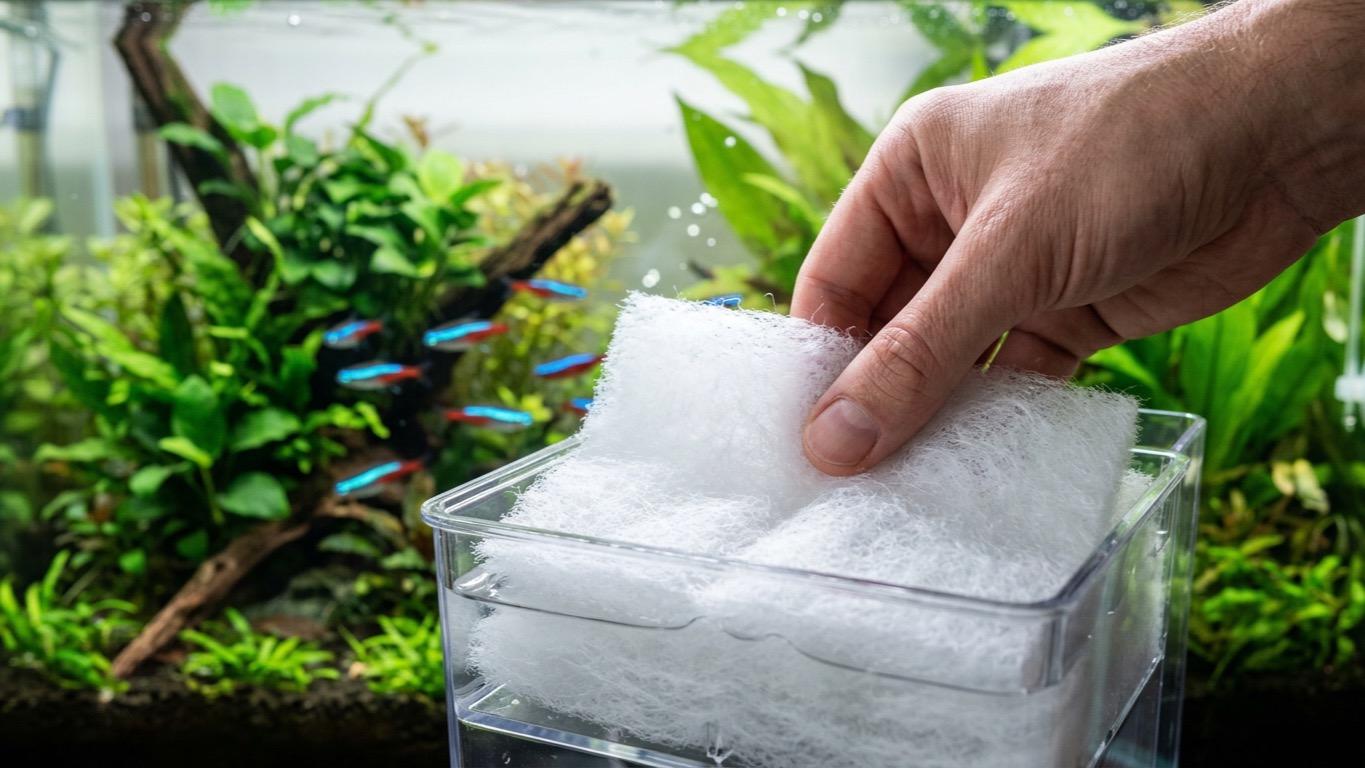
Mechanical filtration is the first line of defense. Its primary role is to physically capture floating debris, uneaten food, and fish waste before it can decay. By using sponges, filter floss, or specialized pads, mechanical media prevents particulate matter from clogging the more delicate biological components of your filter. This stage is vital for water clarity, but it requires regular maintenance; if debris is left to rot within the media, it will contribute to nitrate accumulation rather than removing it.
Biological filtration is the heart of your aquarium’s life-support system. This process relies on beneficial bacteria that colonize porous surfaces, such as ceramic rings or bio-balls. These bacteria perform the essential task of converting toxic ammonia—a byproduct of fish waste and decaying organic matter—into less harmful compounds. In a healthy, cycled tank, this biological process is constant. Because this colony of bacteria is so vital, manufacturers are increasingly focusing on high-capacity media designs that provide more surface area for these organisms to thrive, supporting the industry's shift toward more stable, automated aquarium management systems.
Chemical filtration acts as a targeted solution for specific water quality issues. Materials like activated carbon or specialized resins are designed to remove dissolved impurities, odors, and medications that mechanical and biological stages might miss. While carbon is excellent for polishing water and removing tannins, it is not a permanent solution for every tank. It eventually reaches a saturation point where it can no longer adsorb toxins, necessitating periodic replacement.
Whether you are using a compact hang-on-back filter or a high-capacity canister, ensuring that each of these media types has dedicated space within your system is the most effective way to maintain the water precision required for a thriving aquatic ecosystem.
Price Ranges and What to Expect
Understanding the financial landscape of aquarium filtration is essential for building a stable, long-term setup. Because filtration is the most critical equipment category in fishkeeping—with every functional tank requiring biological, mechanical, or chemical media to maintain water quality—manufacturers have developed tiered product lines to suit different hobbyist needs. Our research into current market trends shows that your initial investment often dictates the level of maintenance and automation you can expect.
Entry-Level: Budget-Friendly Solutions (Under $50)
At this price point, you are primarily looking at hang-on-back (HOB) power filters. These units are the most widely sold filter type globally due to their ease of installation and accessibility. While they are perfect for smaller freshwater tanks, they typically rely on replaceable cartridges, which may lead to higher long-term costs as you replenish media. These filters are designed for simplicity, making them ideal for beginners who need reliable, basic performance without the complexity of advanced plumbing or external canisters.
Mid-Range: Reliable Canisters and Advanced HOBs ($80–$200)
Moving into the mid-range tier, you gain access to more robust external canister filters and highly refined HOB systems. This category is where you find the industry standard for tanks over 40 gallons. These models offer significantly higher media capacity compared to entry-level units, allowing for a more diverse mix of biological and chemical media. You are paying here for better build quality, quieter operation, and less frequent maintenance cycles. Brands like Eheim and Oase are frequently cited in industry analysis for dominating this segment, providing the durability required for more stable, long-term aquatic environments.
Premium: High-Capacity and Marine-Grade Systems ($300+)
The premium segment is characterized by high-capacity canister filters, such as the Fluval FX6, and complex sump-based filtration systems. These are essential for large-scale freshwater setups and almost all marine or reef aquariums. At this price, you are investing in specialized technology, including protein skimmers for removing dissolved organics and modular designs that allow for custom media configurations. Recent market trends show that this tier is rapidly incorporating smart technology, such as IoT connectivity and AI-based monitoring, which enables real-time performance tracking. While the upfront cost is higher, these systems are engineered for maximum water quality precision, catering to serious enthusiasts who require automated, high-performance management of their aquatic ecosystems.
Frequently Asked Questions
How often should I clean my filter media?
The frequency of cleaning depends on your specific setup, but as a general rule, mechanical media should be rinsed whenever you notice a drop in flow rate. Avoid cleaning all your biological media at once, as this can disrupt the beneficial bacteria colony essential for water quality. If you are concerned about your tank's specific health, consult your veterinarian to discuss water parameters, as they may suggest a professional water quality analysis or diagnostic testing if you suspect a bacterial imbalance.
Do I need to replace my filter media every month?
No, you should avoid replacing all your filter media on a monthly schedule. Biological media, such as ceramic rings or bio-balls, should rarely be replaced unless they are physically degrading, as they house the bacteria that keep your tank stable. Mechanical sponges can often be rinsed in a bucket of tank water and reused multiple times. Replacing everything at once can cause a "new tank syndrome" spike in ammonia or nitrites, so it is best to stagger your media maintenance.
What is the best way to cycle a new aquarium filter?
Cycling a new filter involves establishing a healthy colony of nitrifying bacteria before adding your full livestock load. The process typically requires adding an ammonia source to the tank to feed the bacteria, then monitoring for the conversion of ammonia to nitrites and finally to nitrates using a test kit. Given that filtration is the most critical equipment category in fishkeeping, ensuring this process is complete is vital for long-term success. While some modern smart filters incorporate IoT connectivity and AI-based monitoring to track performance, the biological cycle remains a natural process that cannot be bypassed by technology alone. Always ensure your filter is running continuously, as the bacteria require a constant flow of oxygenated water to survive.
Last reviewed: August 2026.
Our editorial research team maintains this guide by monitoring shifts in the aquarium equipment sector, which is currently undergoing a period of significant technical advancement.
The most notable shift in the filtration landscape is the rapid integration of smart technology. Manufacturers are increasingly prioritizing Internet of Things (IoT) connectivity and artificial intelligence to offer hobbyists real-time performance tracking and remote monitoring capabilities. These features are designed to address the growing consumer demand for automated aquarium management systems that offer both precision and convenience.
Beyond digital integration, our research highlights a clear industry trend toward compact, high-capacity, multi-stage filtration units. These systems are being engineered to provide the biological, mechanical, and chemical filtration necessary for stable water quality while minimizing the physical footprint within the home. Furthermore, we are observing a concerted effort by manufacturers to align with environmental standards by developing energy-efficient hardware and eco-friendly filter media. These innovations are becoming standard considerations for hobbyists who want to balance high-performance filtration with a reduced ecological footprint.
As we continue to update this guide, we remain focused on how these technological leaps—ranging from predictive maintenance alerts to modular, customizable filter designs—impact the long-term reliability and ease of use for the average aquarium keeper. We will continue to evaluate new product releases against these evolving benchmarks to ensure our recommendations reflect the current state of the industry.
- Initial publication.