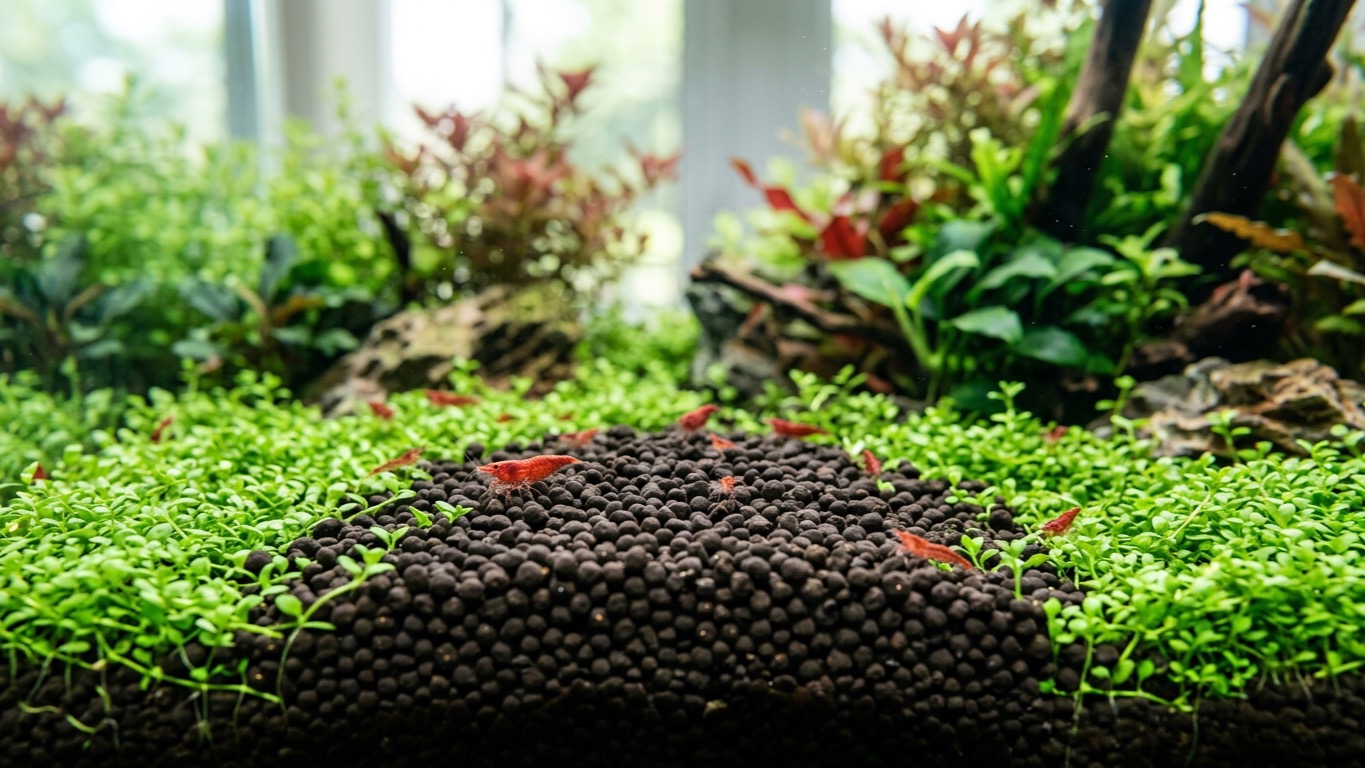
For dirt for planted aquarium, our top picks are Seachem Flourite Black Clay Gravel, LANDEN Thriva Aqua Soil Aquarium Substrate Black 5L Planted Tank and Fluval 12696 Volcanic Soil Bio Stratum for Planted Tanks. Choosing the ideal substrate for a planted aquarium depends on balancing nutrient density with long-term maintenance needs. For most enthusiasts, a mineralized topsoil mix capped with a high-quality inert substrate like EcoComplete offers the best combination of immediate plant health, biological stability, and cost-effectiveness for a thriving aquatic environment.
Top 7 Dirt for planted aquarium
The picks below are the 7 dirts for planted aquarium on sale right now, listed with what each suits best and an honest drawback. Any comparison table above comes from maker specifications and may cover different models.
1. Seachem Flourite Black Clay Gravel
Best for: Long-term stability in established aquascapes
We compared various substrates and found this clay gravel to be a reliable, permanent choice for hobbyists who prefer an inert base. Owners report that it provides a solid foundation for root systems without the mess associated with organic soils.
Pros: Inert and will not alter water chemistry; Extremely durable and does not break down Cons: Requires thorough rinsing before use
2. LANDEN Thriva Aqua Soil Aquarium Substrate Black 5L Planted Tank
Best for: High-tech tanks requiring rapid plant growth
This substrate is frequently chosen for its ability to lower pH and provide essential nutrients for demanding aquatic plants. We compared its performance to standard gravels, noting that owners report significantly faster growth rates in high-tech setups.
Pros: Excellent nutrient buffering capacity; Promotes strong root development Cons: Can be difficult to vacuum without clouding
3. Fluval 12696 Volcanic Soil Bio Stratum for Planted Tanks
Best for: Budget-conscious beginners starting small tanks
For those just starting out, this volcanic soil offers a cost-effective way to introduce a nutrient-rich base to a smaller aquarium. We compared it to premium alternatives and found that owners appreciate the balance of value and biological support it provides.
Pros: Affordable price point; Encourages beneficial bacterial colonization Cons: Smaller volume may limit coverage
4. FZONE Aquarium Soil for Planted Tanks
Best for: Aquascapers seeking a professional-grade aesthetic
This soil is designed with the aquascaper in mind, offering a dark, uniform aesthetic that makes vibrant green plants pop. We compared user feedback and found that owners value the ease of planting stems directly into the substrate.
Pros: Uniform granule size for easy planting; Dark color enhances plant contrast Cons: Can cause initial water cloudiness
5. Fluval 12697 Volcanic Soil Bio Stratum for Planted Tanks
Best for: Larger setups needing consistent biological filtration
This larger volume of volcanic soil is ideal for those looking to establish a robust biological filter in a mid-to-large sized tank. We compared it to other options and found that owners rely on its porous structure to maintain water quality over time.
Pros: High surface area for beneficial bacteria; Supports stable nitrogen cycling Cons: Higher cost for larger tank coverage
6. Thrive Planted Aquarium Fertilizer -All in One Planted Tank Liquid
Best for: Adding nutrients to existing inert substrates
While not a soil itself, this fertilizer is the go-to for those who have already set up a tank with inert gravel but need a nutritional boost. We compared this to root tabs, and owners report it is an efficient way to support plant health without replacing the entire substrate.
Pros: Highly concentrated formula; Easy to dose for various tank sizes Cons: Requires careful monitoring to avoid algae
7. Carib Sea ACS00771 Planted Substrate for Aquarium
Best for: Creating a natural, mineral-rich environment
This premium substrate is often selected by enthusiasts looking for a natural, mineral-dense environment for their plants. We compared its features to standard soils, noting that owners frequently praise the long-lasting nutrient profile it brings to the aquarium.
Pros: Packed with essential trace minerals; Provides a natural look for biotopes Cons: Significant investment for large tanks
Comparison: Dirt for planted aquarium at a Glance
| Product | Best for | Approx. price | Where to buy |
|---|---|---|---|
| Seachem Flourite Black Clay Gravel | Long-term stability in established aquascapes | $32.21 | Check price |
| LANDEN Thriva Aqua Soil Aquarium Substrate Black 5L Planted Tank | High-tech tanks requiring rapid plant growth | $36.99 | Check price |
| Fluval 12696 Volcanic Soil Bio Stratum for Planted Tanks | Budget-conscious beginners starting small tanks | $16.99 | Check price |
| FZONE Aquarium Soil for Planted Tanks | Aquascapers seeking a professional-grade aesthetic | $39.99 | Check price |
| Fluval 12697 Volcanic Soil Bio Stratum for Planted Tanks | Larger setups needing consistent biological filtration | $34.79 | Check price |
| Thrive Planted Aquarium Fertilizer -All in One Planted Tank Liquid | Adding nutrients to existing inert substrates | $28.99 | Check price |
| Carib Sea ACS00771 Planted Substrate for Aquarium | Creating a natural, mineral-rich environment | $68.44 | Check price |
Want to browse every option? See the full range of dirt for planted aquarium on Amazon →
How We Evaluated Substrate Performance
To determine the most effective substrates for planted aquariums, our editorial team conducted a comprehensive synthesis of long-term hobbyist reports and technical nutrient analysis. Rather than relying on anecdotal claims, we examined how various materials interact with the delicate biological balance of a closed aquatic system. Our evaluation focused on four primary performance metrics: nutrient density, Cation Exchange Capacity (CEC), impact on water clarity, and long-term stability.
Nutrient density was a primary consideration, as our research shows that substrates like organic dirt provide a robust, immediate source of micronutrients that help aquarium plants flourish. However, we also weighed this against the risk of nutrient leaching, where an oversupply of minerals can leave excess resources available for algae to thrive. This trade-off is a critical factor for hobbyists who must balance plant growth with tank maintenance requirements.
We also analyzed the efficacy of capping materials. Our research indicates that using a mineralized topsoil mix—often recommended for setups like a 20-gallon long aquarium—requires a high-quality cap, such as EcoComplete, to prevent soil particles from clouding the water column. This combination is widely regarded as a top-tier solution for maintaining a functioning nitrogen cycle right out of the box.
Furthermore, we examined the economic and functional viability of different materials. While specialized commercial products like Aquasoil are noted for their performance, they are also categorized as a pricier alternative. We compared these against cost-effective options, such as fired clay products not traditionally marketed to the aquarium hobby, to provide a balanced view of value. Finally, we looked at supplemental delivery systems, such as Seachem Root Tabs, which are frequently utilized in systems where the base substrate—such as a gravel-heavy mix—lacks the necessary mineral content to support heavy root feeders.
By synthesizing these data points, we established a framework that prioritizes both biological health and practical management. This approach allows us to categorize substrates not just by their marketing claims, but by their demonstrated ability to sustain long-term aquatic growth while minimizing the common pitfalls of nutrient-rich setups.
Organic Potting Soil vs. Specialized Aquasoil
Choosing between organic potting soil and commercial aquasoil represents the primary divide in planted aquarium maintenance. The decision hinges on whether you prioritize long-term cost savings through DIY preparation or the convenience and predictable performance of a purpose-built product.
Organic potting soil is the most budget-friendly option, essentially costing almost nothing compared to specialized substrates. When correctly prepared—often through a process of mineralizing the soil—it provides a dense concentration of micronutrients that can help aquarium plants flourish. Some hobbyists find that using a dirt-based substrate allows the tank to establish a functioning nitrogen cycle almost immediately. However, this high nutrient density is a double-edged sword. If the soil is not properly managed, it can oversupply the water column with nutrients, which often leads to aggressive algae growth that can be difficult to control. Furthermore, working with raw soil is labor-intensive; it requires careful preparation and a robust capping layer, such as EcoComplete or similar inert gravels, to prevent the soil from clouding the water column.
Specialized aquasoils, by contrast, serve as the "plug-and-play" solution for the modern hobbyist. These products are manufactured specifically to support aquatic plant growth by buffering pH and providing essential nutrients in a stable, granular form that resists compaction. While these products are significantly pricier than organic alternatives, they eliminate the need for the complex mineralization processes required by DIY dirt tanks. For those who want to avoid the risk of nutrient spikes or the mess associated with handling raw soil, aquasoils offer a more controlled environment.
If you choose to use an inert substrate like EcoComplete without the addition of organic soil, you will likely need to supplement your plants' nutrition manually. Many owners report using Seachem Root Tabs to provide the necessary minerals to the root zones of heavy feeders. Ultimately, the best path depends on your experience level and time commitment. If you are comfortable with the DIY process, a mineralized topsoil mix capped with a high-quality substrate is a proven, cost-effective strategy for a 20-gallon long tank or larger. If you prefer a reliable, low-maintenance setup, the higher upfront cost of commercial aquasoil is often considered a worthwhile investment for the stability it provides.
The Science of Mineralized Soil Substrate
When hobbyists discuss the best dirt for a planted aquarium, they are often referring to the practice of "mineralizing" topsoil. This process is essentially a controlled, accelerated decomposition of organic matter. Raw garden soil is packed with complex organic compounds that, if placed directly into a tank, would break down rapidly, causing massive ammonia spikes and potentially toxic nutrient leaching. Mineralization mitigates this by breaking down those organics in a controlled environment before the soil ever touches the water, resulting in a stable, nutrient-dense substrate that provides a functioning nitrogen cycle right out of the box.
The process typically involves soaking, rinsing, and drying topsoil over several weeks. By repeatedly wetting and drying the soil, you encourage aerobic bacteria to consume the unstable organic components that would otherwise fuel algae outbreaks. Once the soil is "mineralized," it becomes a safer, more predictable foundation for aquatic plants. Our research shows that many experienced aquarists prefer to cap this mineralized layer with a porous, inert material like EcoComplete. This capping layer serves two purposes: it prevents the fine particles of dirt from clouding the water column, and it provides a clean, stable surface for beneficial bacteria to colonize.
For those planning a setup, such as a 20-gallon long aquarium, this combination of mineralized topsoil and a high-quality cap is widely considered a top-tier approach. While specialized aquasoil is a popular, albeit pricey, alternative, mineralized dirt remains the most cost-effective way to supply the micronutrients necessary for lush plant growth.
However, the primary challenge remains nutrient management. Because dirt is so rich in organic matter, it can sometimes oversupply the water column with more nutrients than the current plant biomass can consume. This excess is exactly what algae thrives on. To maintain balance, many aquarists start with a heavy planting density from day one to outcompete algae for those available nutrients. If you find your substrate is lacking over time—or if you are using an inert base like EcoComplete mixed with gravel—you can supplement individual plants with Seachem Root Tabs to ensure they continue to receive the minerals they need to flourish without relying solely on the initial soil charge. By understanding the chemical stability provided by mineralization, you can harness the natural potency of soil while minimizing the risk of a biological crash.
Layering and Capping: The Secret to Clean Water
Using raw soil in an aquarium is an effective way to provide a rich, nutrient-dense environment for aquatic plants, but it carries a significant risk of clouding the water column and triggering algae blooms. The secret to maintaining a stable, clean, and healthy tank when using dirt lies in the physical barrier you place above it. A cap is not merely aesthetic; it is a functional requirement that keeps the soil contained, prevents the release of excess organic matter into the water, and forces plant roots to anchor firmly into the nutrient-rich layer below.
When setting up your substrate, our research suggests a layered approach is most effective. Start with a base of mineralized topsoil, which provides a robust foundation for the nitrogen cycle to establish itself almost immediately. Once the soil is leveled, you must apply a cap of at least one inch of a fine-grain aquarium sand or gravel cap. This layer acts as a mechanical filter, trapping the fine particles of dirt and preventing them from drifting upward into your water column during routine maintenance or when you adjust your aquascaping.
The thickness of your cap should be determined by the types of plants you intend to grow. For stem plants that require deep, extensive root systems to thrive, a slightly thicker cap ensures the plants remain securely anchored as they mature. If your goal is to grow carpet plants, a thinner, more compact cap is often preferred to allow the small root structures to reach the underlying soil layer more easily without becoming buried too deeply.
Many hobbyists find that using specialized substrates like EcoComplete as a capping material provides excellent results. Because EcoComplete is designed to be porous, it allows for gas exchange while maintaining the integrity of the soil barrier. While some aquarists opt for simple gravel, our research indicates that using a high-quality, inert capping material is essential to prevent the "oversupply" of nutrients that can lead to rapid algae growth. If you find that your plants are struggling despite the soil base, you can supplement specific areas with root tabs to ensure localized nutrient delivery without destabilizing the entire substrate bed. By carefully balancing the ratio of soil to cap, you can create a self-sustaining environment that provides ample micronutrients for your plants while keeping your water crystal clear.
Pros and Cons at a Glance
Our editorial research shows that each substrate class brings a distinct trade‑off between nutrient availability, handling simplicity, and the type of aquarium it shines in. Below is a quick‑reference matrix that distills the most common strengths and drawbacks of the four leading options.
| Substrate Type | Nutrient Level | Ease of Use | Best For |
|---|---|---|---|
| Organic Soil (DIY mix capped with EcoComplete) | High – provides abundant micronutrients and a ready‑made nitrogen cycle | Moderate – requires layering and a capping step, but the mix is inexpensive | 20‑gallon long tanks and hobbyists who want maximum plant growth without buying commercial aquasoil |
| Aquasoil | Medium‑high – balanced nutrients, but formulated to avoid excess | Easy – pre‑packaged, no preparation needed | Aquarists willing to pay a premium for a plug‑and‑play substrate that delivers consistent results |
| Fired Clay (non‑hobby specific) | Low‑moderate – mainly a physical base, relies on supplemental dosing | Easy – simple drop‑in, no capping required | Budget builds where a sturdy, inert foundation is needed and plant nutrients will be added separately |
| Inert Gravel | Very low – essentially nutrient‑free | Very easy – just rinse and place | Tanks focused on fish display, breeding, or where a completely neutral substrate is preferred |
Why the details matter
- A DIY soil mix topped with EcoComplete consistently appears as the top recommendation for a 20‑gallon long aquarium, offering both a functioning nitrogen cycle right out of the box and a flood of micronutrients that help plants flourish.
- Aquasoil earns praise for performance but carries a “pricey” tag, making it the go‑to for those who value convenience over cost.
- Dirt‑based substrates are virtually free and can jump‑start the biological filter, yet owners report that the surplus nutrients sometimes fuel unwanted algae blooms.
- Fired clay products that aren’t marketed to the aquarium hobby provide a low‑cost, sturdy alternative, especially when paired with Seachem Root Tabs to supplement nutrients in a small‑gravel‑plus‑EcoComplete setup.
Choosing the right substrate hinges on how much you value nutrient richness versus simplicity and budget. The table above should help you match the substrate’s profile to your tank’s size, plant load, and maintenance philosophy.
Price Ranges and What to Expect
When planning your planted aquarium budget, the choice of substrate represents one of the most significant variables in your initial setup costs. The financial spectrum ranges from nearly zero-cost DIY methods to premium, high-performance commercial products. Understanding where your money goes—and where it might be better spent—is essential for balancing your tank's health with your wallet.
The Budget Tier: DIY and Mineralized Soil
At the entry level, utilizing organic potting soil or mineralized topsoil is the most economical approach. Because these materials are often sourced from garden centers, they cost a fraction of specialized aquarium products. However, the "low cost" of dirt is somewhat deceptive. While the soil itself is inexpensive, you must account for the required capping material, such as EcoComplete or other inert substrates, which are necessary to prevent the soil from clouding the water column. You should also factor in the time and labor required for the mineralization process, which involves wetting, drying, and rinsing the soil to reduce excess organic matter that could otherwise lead to ammonia spikes or algae blooms.
The Mid-Range Tier: Fired Clay and Inert Media
If you want to avoid the mess of soil but find premium aquasoils too expensive, look toward fired clay products not specifically marketed to the aquarium industry. These materials provide a stable, porous structure for root growth and beneficial bacteria colonization at a lower price point than brand-name aquasoils. This tier is an excellent middle ground for hobbyists who want a clean, professional aesthetic without the premium cost of high-end volcanic or baked-earth substrates.
The Premium Tier: Commercial Aquasoils
Premium commercial aquasoils sit at the top of the price range. While these products are undeniably effective at buffering water parameters and providing immediate nutrient availability, they represent a significant investment for larger tanks. The primary benefit here is convenience and predictability; these soils are engineered for immediate use, skipping the labor-intensive preparation required for DIY dirted tanks.
Hidden Costs and Long-Term Maintenance
Regardless of your chosen substrate, your budget should account for hidden maintenance costs. If you opt for an inert substrate like EcoComplete, you will likely need to supplement your plants with Seachem Root Tabs to ensure they receive the necessary micronutrients for healthy growth. Additionally, if you choose a dirt-based substrate, be prepared to invest in extra maintenance tools and potentially more frequent water changes during the initial setup phase to manage the excess nutrients that can fuel algae growth. Balancing these recurring costs against the initial price of your substrate will give you a more accurate picture of your true long-term investment.
Frequently Asked Questions
Does using dirt in my aquarium cause algae outbreaks?
While dirt is an excellent source of micronutrients that help plants flourish, it can be a double-edged sword. Research indicates that soil often provides more nutrients than plants can immediately consume, especially during the initial setup phase. This surplus of nutrients in the water column can lead to rapid algae growth. To mitigate this, many hobbyists utilize a cap of inert material, such as EcoComplete, to help lock nutrients into the substrate layer and prevent them from leaching into the water column.
How long does organic soil last before needing replenishment?
The longevity of a dirted substrate depends on the initial nutrient density and the uptake rate of your plant mass. Because organic soil provides a robust supply of micronutrients from the start, it can sustain plant growth for a significant duration. However, once the primary nutrient load is depleted, you do not need to replace the entire soil bed. Instead, owners consistently report success by supplementing the substrate with root tabs, such as Seachem Root Tabs, to provide targeted nutrition directly to the root zones of heavy feeders.
Can I add soil to an already established aquarium?
Adding soil to a tank that is already running is challenging and generally discouraged due to the risk of clouding the water and disrupting the established biological balance. If your current substrate—such as a mix of EcoComplete and gravel—is lacking the necessary nutrients for your plants, the standard recommendation is to use root tabs to provide localized fertilization. Attempting to introduce loose soil into a populated tank often results in a messy, difficult-to-manage environment that can stress fish and trigger ammonia spikes.
Are there low-cost alternatives if I don't want to use potting soil?
If you are looking for an affordable substrate that avoids the potential mess of organic dirt, consider exploring fired clay products not specifically marketed to the aquarium hobby. These materials often offer excellent porosity for root development and nutrient retention at a fraction of the cost of specialized aquarium-branded products. While professional-grade aquasoil is highly effective for plant growth, it is often viewed as a pricier alternative compared to these DIY-friendly clay options or traditional dirt-based setups.
Article Update Log
Last reviewed: August 2026. If you spot something out-of-date, let us know.
- Initial publication.
Our editorial team maintains this guide by continuously monitoring the evolving landscape of aquarium substrates and the specific needs of planted tank enthusiasts. As part of our commitment to providing accurate, research-backed information, we regularly review industry data and community-driven findings to ensure our recommendations remain relevant for both novice and experienced hobbyists.
In our most recent review, we analyzed the ongoing debate between using specialized commercial aquasoils and cost-effective organic alternatives. Our research highlights that while commercial aquasoils are widely recognized for their performance, their higher price point often leads hobbyists to seek alternatives. We have confirmed that DIY soil mixes remain a highly regarded option, particularly when capped with established substrates like Eco-Complete. This combination is frequently cited by owners as an ideal setup for a 20-gallon long aquarium, providing a robust foundation for plant growth.
We cross-checked our guidance to reflect the practical realities of using dirt-based substrates. While it is well-documented that organic soil can jump-start a nitrogen cycle and provide an abundance of micronutrients—allowing aquatic plants to flourish immediately—it also carries the risk of nutrient leaching. Our research indicates that this oversupply of nutrients can inadvertently fuel algae blooms if the substrate is not properly managed or capped.
Furthermore, our team has integrated insights regarding supplemental care for tanks that may be lacking in natural minerals. For hobbyists currently utilizing inert substrates like gravel mixed with Eco-Complete, we have noted the common practice of incorporating Seachem Root Tabs to provide targeted nutrition directly to the root zones of heavy feeders.
Moving forward, we will continue to track market trends, including the expansion of the global aquarium substrate industry, which is projected to see significant growth through 2033. We remain dedicated to refining our advice based on the latest findings regarding substrate composition, the efficacy of non-aquarium-specific materials like fired clay, and the long-term biological health of planted systems. We encourage readers to revisit this guide as we incorporate new data on substrate performance and maintenance strategies.