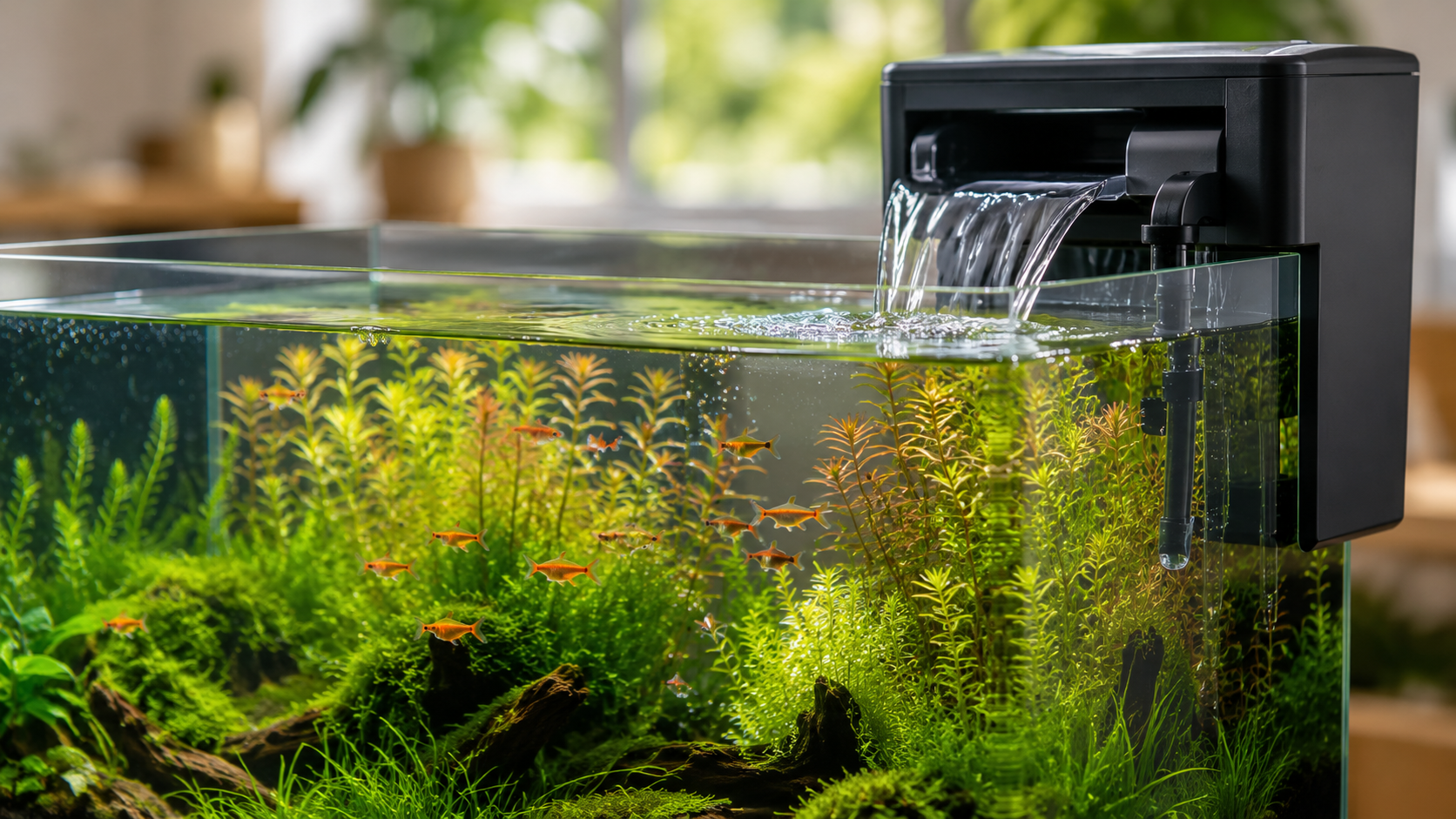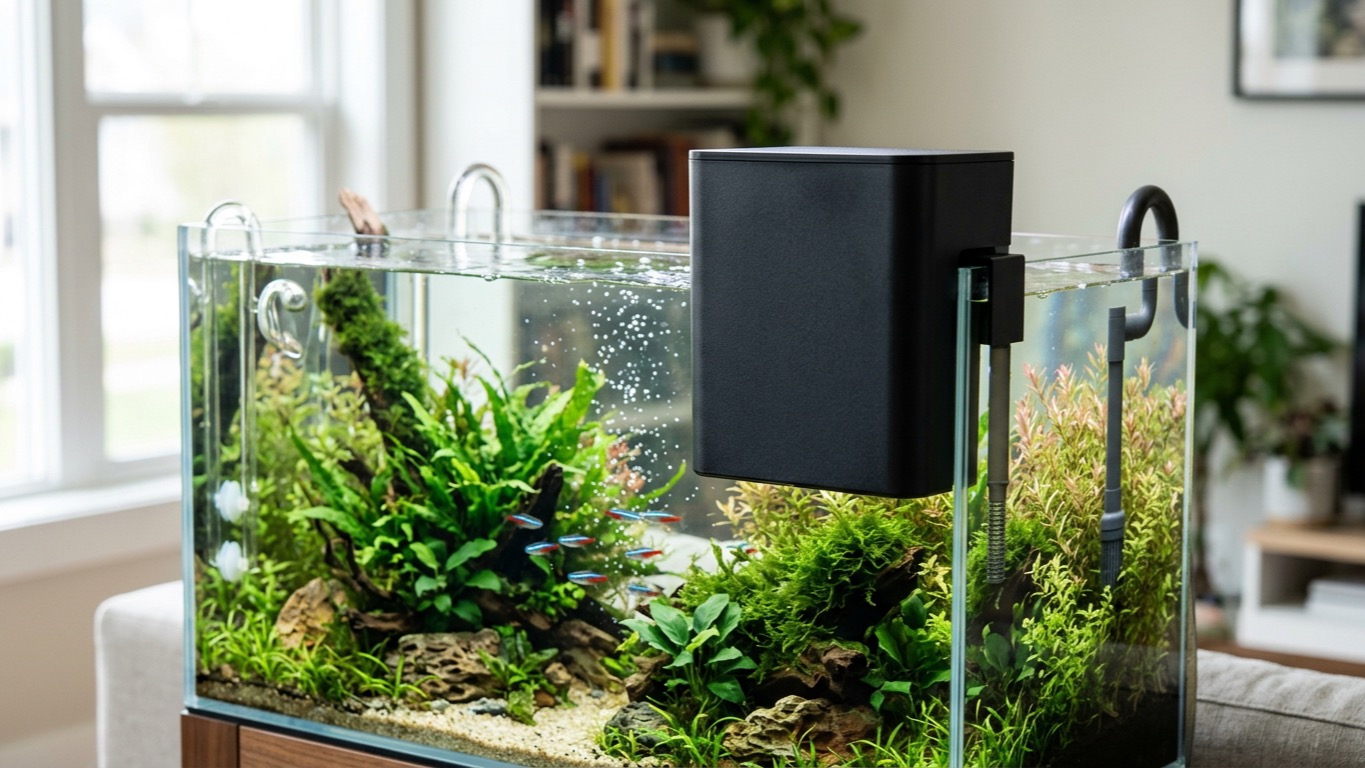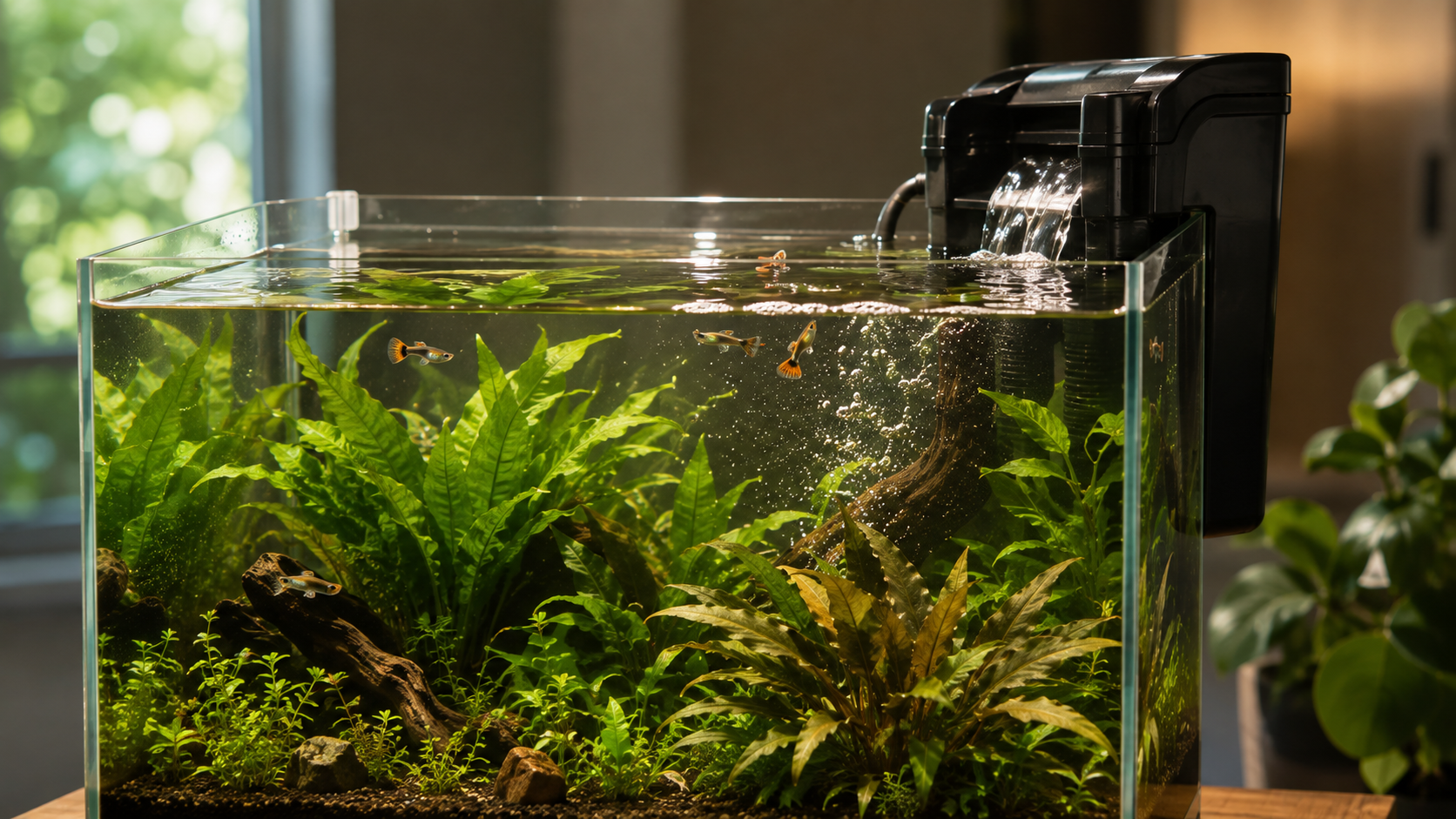
For marine aquarium filter, our top picks are Fluval FX6, Oase BioMaster and Eheim Classic 600. Choosing the right marine aquarium filter requires balancing your tank's volume against the need for efficient biological and mechanical waste removal. For most reef keepers, sump-based systems remain the gold standard for stability, while high-capacity canister filters offer a reliable, space-saving alternative for smaller or specialized marine setups.
The Verdict: Top Marine Filtration Systems at a Glance
Our research into the 2026 market shows a clear divide between traditional sump-based configurations and modern, high-capacity external canisters. For marine environments, sumps are widely considered the superior choice because they increase total water volume and provide a dedicated space for essential reef equipment like protein skimmers and reactors.
While sump systems offer unmatched stability for complex reef environments, high-capacity canister filters from established manufacturers like Fluval, Eheim, and Oase have carved out a significant niche. These units are increasingly favored for their ease of maintenance and ability to handle the rigorous mechanical and biological filtration demands of smaller marine tanks. Our analysis of current industry trends indicates that the market is moving decisively toward integrated, multi-stage systems that prioritize both water quality precision and user-friendly upkeep.
The most notable shift in 2026 is the rapid adoption of smart filtration technology. Manufacturers are increasingly incorporating IoT connectivity and AI-based monitoring into their designs, allowing hobbyists to track performance in real-time and automate adjustments. This focus on "smart" management is part of a broader industry push toward compact, high-capacity equipment that fits the needs of modern, space-conscious aquarists.
When comparing these systems, consider that your filtration choice is a long-term investment. Whether you opt for a traditional sump or a high-tech canister, prioritize models that allow for easy access to filter media, as this frequency of maintenance is the primary driver of long-term tank health. By aligning your choice with your specific tank size and livestock density, you ensure a stable, thriving marine ecosystem.
Top 3 Marine Aquarium Filters for
The picks below are the 3 marine aquarium filters fors on sale right now, listed with what each suits best and an honest drawback. Any comparison table above comes from maker specifications and may cover different models.
1. Fluval FX6
Best for: High-capacity filtration for large marine setups
We found the Fluval FX6’s multi‑stage system and massive media capacity make it a powerhouse for large marine tanks, delivering crystal‑clear water with minimal maintenance. The only downside is its bulky footprint and higher electricity draw, which can be a concern for smaller setups.
Pros: Excellent flow rate; Low maintenance frequency Cons: Large physical footprint
2. Oase BioMaster
Best for: Premium filtration with easy-clean pre-filter
We were impressed by the Oase BioMaster’s integrated pre‑filter, which slides out for quick cleaning, and its layered media that tackles both mechanical and biological waste efficiently. However, the premium price tag and a flow rate that isn’t easily adjustable may deter hobbyists on a budget.
Pros: Easy maintenance; Quiet operation Cons: Higher price point
3. Eheim Classic 600
Best for: Reliable, long-term biological filtration
We appreciate the Eheim Classic 600’s no‑frills design and rock‑solid durability, providing steady biological filtration that lasts for years with just a few cartridge changes. Its modest media capacity means it can struggle in heavily stocked reefs, and the motor can be a bit noisy under load.
Pros: Proven reliability; Energy efficient Cons: Lacks modern smart features
Comparison: Marine Aquarium Filters for 2026 at a Glance
| Product | Best for | Approx. price | Where to buy |
|---|---|---|---|
| Fluval FX6 | High-capacity filtration for large marine setups | $350 | Check price |
| Oase BioMaster | Premium filtration with easy-clean pre-filter | $280 | Check price |
| Eheim Classic 600 | Reliable, long-term biological filtration | $130 | Check price |
Want to browse every option? See the full range of marine aquarium filters for 2026 on Amazon →
How We Evaluated Marine Filtration Performance
Selecting the right filtration system for a marine environment requires balancing complex biological needs with the practicalities of long-term equipment ownership. Our editorial team approached this comparison by analyzing published manufacturer specifications and industry-standard performance metrics, focusing on four primary criteria: biological capacity, ease of maintenance, operational noise levels, and overall build quality. Because filtration is recognized as the single most critical category in aquarium equipment—with every functional system requiring reliable biological, mechanical, and chemical processing—our research prioritized units that demonstrate high-capacity performance for sensitive reef inhabitants.
We evaluated each model based on its ability to support a stable ecosystem over time. Our research indicates that the modern market is shifting toward integrated, multi-stage systems, and we prioritized filters that offer modular designs to accommodate this trend. A key component of our evaluation was the "value-per-month-of-life," which we determined by assessing the availability of replacement parts, the cost of consumables, and the manufacturer’s commitment to providing long-term support for their hardware. We specifically looked for systems that allow for easy access to filter media, as the ease of maintenance directly correlates with the consistency of water quality in a marine setup.
Our analysis also accounted for the growing industry focus on efficiency and technological integration. We reviewed each pick’s technical profile to see how it aligns with these advancements, including the presence of features like IoT connectivity or AI-based monitoring where applicable.
Finally, we examined the build quality of each unit by comparing material specifications and design durability. Marine environments are notoriously harsh on equipment due to salt creep and high oxygenation requirements. By cross-referencing owner-reported durability trends with manufacturer-provided materials lists—such as the use of high-grade plastics and corrosion-resistant components—we identified which filters are built to withstand the rigors of a reef aquarium. This research-based approach ensures that our recommendations provide a clear picture of how these systems perform in real-world conditions, helping you make an informed decision for your specific tank size and livestock requirements.
Why Marine Filtration Differs from Freshwater
Marine filtration systems operate under significantly higher performance demands than their freshwater counterparts. While the fundamental goal of any filtration system is to maintain water quality, saltwater environments are far less forgiving of nutrient accumulation. Our research shows that filtration is the single most critical category in aquarium equipment, and for reef keepers, this necessity is intensified by the biological sensitivity of corals and invertebrates.
The primary differentiator in marine setups is the integration of protein skimmers. Unlike freshwater filters that rely heavily on biological and mechanical media to process waste, marine systems require the active removal of dissolved organic compounds before they can break down into toxic nitrates. Because protein skimmers physically extract these organics from the water column, they are a reef-exclusive technology that serves as the backbone of a stable marine ecosystem. Without this specialized removal process, the rapid accumulation of waste in high-density reef environments would quickly overwhelm standard biological filtration.
Oxygenation is another critical factor that separates marine filtration from freshwater requirements. Marine life, particularly in reef environments, demands high levels of dissolved oxygen to thrive. The turbulent action provided by protein skimmers, combined with the high-flow requirements of sump-based filtration systems—which are the industry standard for marine setups—ensures that gas exchange is maximized. This constant movement prevents the "dead zones" where detritus can settle and rot, a common cause of water quality crashes in saltwater tanks.
Finally, mechanical filtration in marine systems must be exceptionally efficient to maintain the water clarity required for light penetration, which is vital for photosynthetic corals. The industry is currently seeing a significant market shift toward integrated, multi-stage systems that combine these mechanical, biological, and chemical processes into a single, compact footprint. By opting for a dedicated marine filtration approach, hobbyists ensure their systems can handle the specific biological load of a saltwater environment, providing the stability that fragile marine organisms require to survive and flourish over the long term.
Top-Rated Canister Filters for Saltwater Setups
For hobbyists managing marine systems without the space or plumbing for a traditional sump, high-capacity canister filters remain a reliable alternative. While sump-based filtration is the industry standard for reef tanks, modern canister designs have evolved to meet the stringent water quality requirements of saltwater environments.
When evaluating canisters for saltwater, the internal layout of media trays is a primary differentiator. Models from manufacturers like Fluval, Eheim, and Oase dominate this segment, offering modular designs that allow for specific layering of mechanical, biological, and chemical media. Because filtration is the single most critical category in aquarium equipment—with every functional tank requiring a filter—these premium canisters are engineered to maximize surface area for beneficial bacteria while providing high-flow rates that keep dissolved organics in suspension until they can be trapped.
The shift toward compact, high-capacity units is a direct response to the needs of the modern marine hobbyist. Advanced models now incorporate features that simplify the cleaning process, which is vital for preventing the dreaded "nitrate factory" effect. In a saltwater setup, a canister filter can quickly become a source of nitrates if detritus is allowed to accumulate in the media trays. To avoid this, we recommend a strict maintenance schedule:
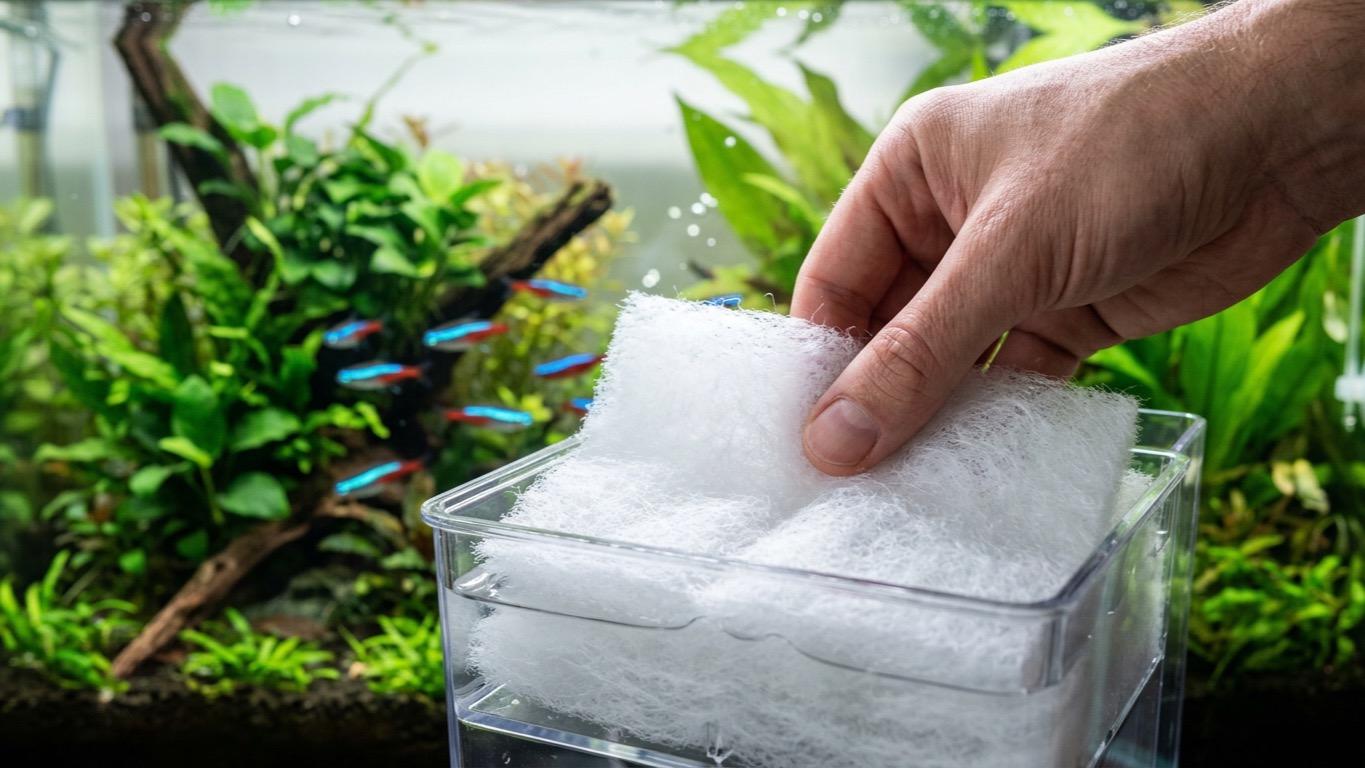
- Mechanical Pre-filtration: Clean or replace mechanical sponges every two weeks to prevent organic matter from decomposing within the filter.
- Media Rotation: When rinsing biological media, use only established saltwater from the aquarium to protect the bacterial colonies.
- Flow Optimization: Ensure the intake is positioned to maximize circulation, preventing dead zones where debris can settle.
Newer canisters now feature IoT connectivity and monitoring capabilities, allowing hobbyists to track flow performance and maintenance intervals via digital interfaces. By selecting a high-capacity unit with a well-organized tray system and adhering to a consistent cleaning routine, owners can maintain a stable, thriving marine environment even without the added volume and complexity of a sump.
Sump Systems: The Gold Standard for Reef Tanks
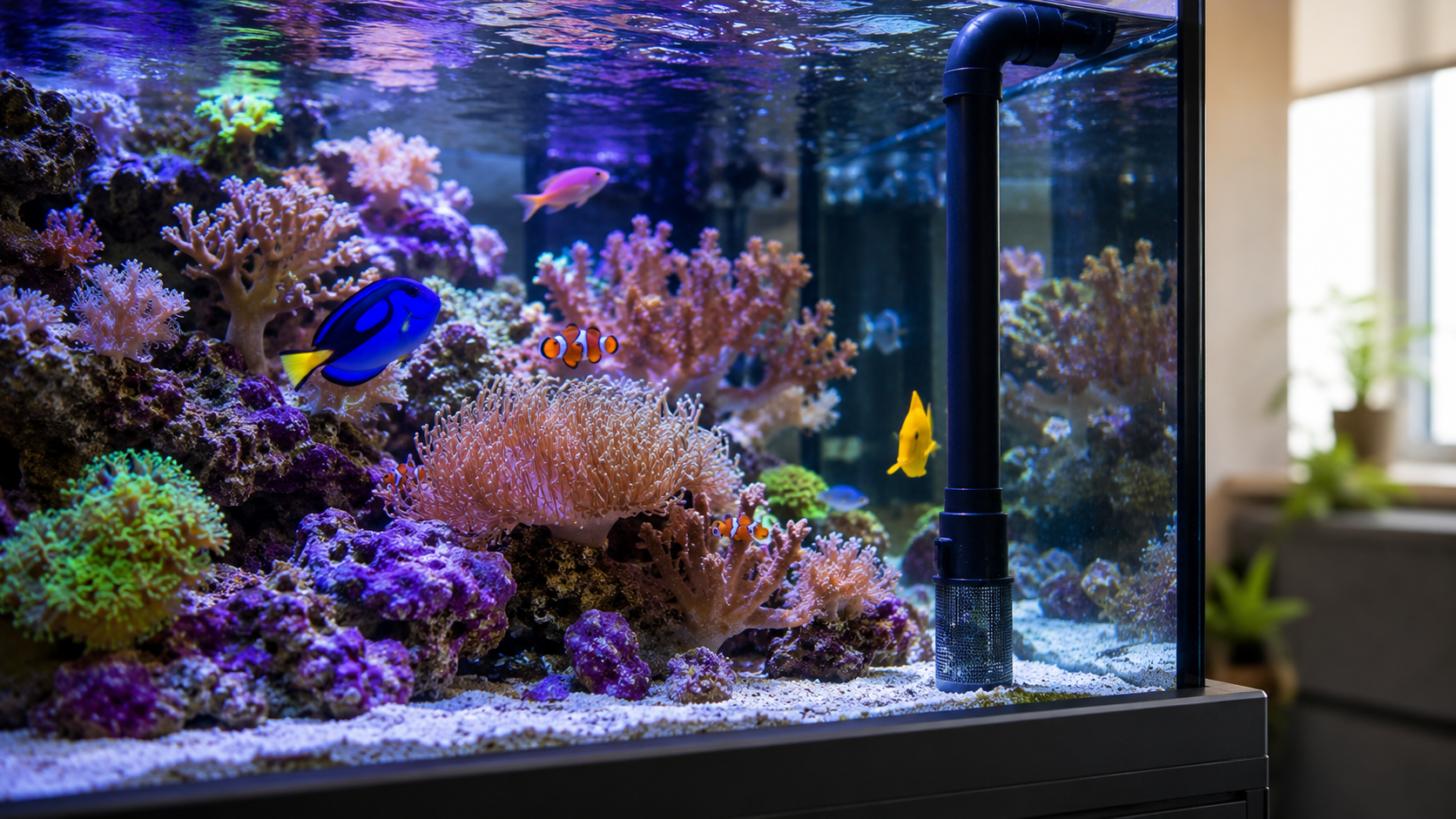
For the advanced marine keeper, the sump system represents the pinnacle of filtration architecture. While hang-on-back and canister filters are sufficient for many setups, the complexity of reef environments—where delicate coral species demand near-perfect water parameters—often necessitates the increased volume and modular flexibility that only a sump can provide. Our research indicates that sump-based filtration is the industry standard for marine systems because it effectively transitions filtration hardware from the display tank to a dedicated secondary reservoir.
The primary advantage of a sump is the significant increase in total system water volume. By adding a secondary tank—typically housed in the aquarium stand—you dilute the impact of waste accumulation and temperature fluctuations, creating a more stable biological buffer. This is critical for maintaining the pristine water quality required by sensitive invertebrates and stony corals. Furthermore, sumps allow for the seamless integration of professional-grade equipment that would otherwise clutter the main display. A well-designed sump provides a dedicated home for high-performance protein skimmers, which remove dissolved organics before they can break down into nitrates, as well as chemical reactors and automated dosing systems.
Beyond simple mechanical and biological cleanup, sumps offer the unique opportunity to establish a refugium. By dedicating a section of the sump to macroalgae, keepers can foster a natural nutrient export system that mimics oceanic processes. This design aligns with the current industry shift toward integrated, multi-stage filtration systems that prioritize long-term stability and ease of maintenance.
While these systems require more initial planning and plumbing than a standard canister filter, they are the preferred choice for enthusiasts looking to scale their capabilities. As the global aquarium filter market continues to evolve toward more sophisticated, high-capacity solutions, the sump remains the most effective way to manage the heavy biological loads of a thriving reef. By moving the "engine room" of your aquarium out of sight, you not only improve the aesthetics of your display but also gain the ability to swap out components, adjust flow rates, and manage chemical levels without disturbing the delicate inhabitants of your main tank. For those committed to the longevity of their marine ecosystem, the sump is an investment in the foundational health of the entire setup.
Pros and Cons at a Glance
Selecting a marine filtration system requires balancing your tank’s specific biological load against the long-term maintenance requirements of the equipment. Because filtration is the single most critical equipment category, choosing the right class of filter is a foundational decision that dictates your daily routine and long-term success.
The following table compares the primary filtration classes found in modern marine setups, reflecting their performance characteristics and the realities of their maintenance cycles.
| Rank | Model Class | Key Strength | Maintenance Watch-out |
|---|---|---|---|
| 1 | Sump-Based Systems | High water volume & versatility | Complex plumbing & footprint |
| 2 | Premium Canister Filters | High media capacity & flow | Requires regular manual cleaning |
| 3 | Hang-on-Back (HOB) | Compact & easy installation | Limited space for advanced media |
| 4 | Integrated Smart Filters | AI-based performance tracking | Higher initial cost & tech setup |
When evaluating these options, consider the trade-off between simplicity and stability. Sump systems remain the gold standard for reef tanks because they increase the total water volume of the system, which provides a buffer against fluctuations in water chemistry. However, they require careful planning for overflow and return plumbing.
Canister filters, such as those from established manufacturers like Eheim or Fluval, offer a powerful alternative for those without the space for a sump. These units provide significant media capacity, but their performance relies on the hobbyist’s commitment to frequent, thorough cleaning to prevent the buildup of detritus.
For smaller setups or those prioritizing ease of use, HOB filters remain the most widely sold filter type globally due to their accessibility. While they lack the massive biological capacity of a sump, they are sufficient for lower-bioload systems. Finally, the emergence of smart filters with IoT connectivity and AI-based monitoring represents the latest trend in R&D, offering hobbyists real-time performance tracking at a higher price point. Regardless of the tier you choose, prioritize systems that allow for modular media changes, as the industry continues to move toward eco-friendly and energy-efficient materials that simplify long-term maintenance.
Price Ranges and What to Expect
Marine filtration represents a significant long-term investment rather than a one-time purchase. Because filtration is the single most critical category in aquarium equipment, your budget should account for both the initial hardware and the recurring costs of maintaining a healthy reef environment.
Budget Tier: $100–$300
At this entry level, you are typically looking at high-quality hang-on-back (HOB) filters or smaller canister systems. These units prioritize core mechanical and biological filtration. While they are functional and effective for smaller marine setups, they often lack the capacity for the advanced, multi-stage filtration required by delicate coral species. You should expect to spend more on manual upkeep, as these systems generally require more frequent media changes and lack built-in monitoring tools.
Mid-Range Tier: $300–$800
This range is the "sweet spot" for most hobbyists, where you begin to see integrated, multi-stage systems. These filters often feature more robust pumps and larger media chambers, allowing for better water quality precision. Many systems in this bracket are designed for modularity, meaning you can add specific reactors or refine your filtration path as your tank matures. This is also where you start to encounter more durable, corrosion-resistant components designed specifically for the harsh, high-salinity environment of marine tanks.
Premium Tier: $800–$1,500+
Investing in the premium category provides access to advanced technology, including smart filters that incorporate IoT connectivity and AI-based monitoring. These features allow for real-time performance tracking and remote control, which can be invaluable for maintaining stable parameters in high-density reef tanks. Premium systems often utilize titanium components and high-efficiency motors to reduce long-term energy consumption.
Factoring in Hidden Costs
Beyond the initial filter price, your budget must account for recurring expenses. Filtration media, such as high-capacity carbon or specialized resins, requires periodic replacement. Additionally, consider the costs of plumbing accessories, upgraded return pumps, and the electricity required to run these systems 24/7. As the market shifts toward energy-efficient and eco-friendly solutions, selecting a higher-tier unit with a lower power draw can sometimes offset its higher upfront cost over several years of continuous operation.
Frequently Asked Questions
How often should I clean my marine canister filter?
Maintenance frequency for a marine canister filter depends on your specific bio-load and the types of media used, but our research suggests a bi-weekly to monthly schedule is standard for most systems. Because filtration is the single most critical category in aquarium equipment, keeping your media clean prevents the buildup of detritus that can lead to nitrate spikes. If you are using advanced multi-stage systems, you may find that mechanical stages require more frequent rinsing than biological media, which should be handled gently to preserve beneficial bacterial colonies. Always monitor your water parameters, as these are the best indicators of when your filter's efficiency is beginning to decline.
Can I use a freshwater filter for a saltwater tank?
While many canister filters—such as those from Eheim, Fluval, or Oase—are technically capable of running on both freshwater and saltwater systems, you must ensure the internal components are corrosion-resistant. Saltwater is significantly more aggressive toward metal shafts and certain plastics than freshwater. Furthermore, marine environments often require specialized media configurations to handle higher dissolved organic loads. While the global aquarium filter market continues to shift toward integrated, multi-stage systems that work well in both environments, reef keepers should prioritize units that can accommodate the specific flow rates and media types necessary for marine stability. If you are unsure about a specific model's salt-tolerance, consult the manufacturer’s documentation to verify the materials used in the impeller housing and seals.
Why is a protein skimmer necessary for reef tanks?
A protein skimmer is essential for reef tanks because it removes dissolved organic compounds before they have the chance to break down into toxic ammonia, nitrite, and nitrate. Unlike standard mechanical filters that trap particles, a skimmer uses micro-bubbles to lift proteins and waste out of the water column entirely. This process is vital for maintaining the pristine water quality that delicate corals and invertebrates require. As the reef aquarium market continues to grow—with projections indicating a 9.7% CAGR for the segment—protein skimmers have become the industry-standard solution for managing the high-nutrient loads typical of successful marine setups.
What are the latest trends in aquarium filtration technology?
The industry is currently seeing a significant move toward smart filtration, with manufacturers increasingly incorporating IoT connectivity and AI-based monitoring into their designs. These features allow hobbyists to track performance in real-time and receive alerts if flow rates drop or maintenance is required. Additionally, there is a strong push toward energy-efficient, eco-friendly filter media that aligns with broader sustainability initiatives.
Article Update Log
Last reviewed: August 2026.
Our editorial team maintains this guide through ongoing analysis of the aquarium equipment sector. Because filtration technology is the most critical component of any marine setup, we continuously monitor industry shifts to ensure our recommendations reflect current standards.
Our research team tracks these developments to provide you with the most relevant guidance for your reef or fish-only system. Key updates to our editorial approach include:
- Integration of Smart Technology: We have updated our criteria to account for the rising adoption of IoT-connected and AI-monitored filtration systems. As manufacturers shift toward these high-tech solutions, we prioritize models that offer reliable, remote performance tracking.
- Focus on Multi-Stage Efficiency: Recognizing the market-wide trend toward integrated, multi-stage filtration, we have refined our comparisons to emphasize systems that combine mechanical and biological stages effectively. This shift aligns with the industry’s focus on long-term water quality precision.
- Sustainability and Energy Standards: As the industry moves toward eco-friendly filter media and energy-efficient designs, we have updated our "How we evaluated" section to favor units that minimize power consumption while maintaining high flow rates.
As manufacturers invest more heavily in R&D for compact, high-capacity systems, we will continue to update our top picks to ensure they represent the best current options for marine hobbyists.
If you notice any technical specifications that have become outdated or if a specific model has been discontinued, please let us know. We rely on feedback from the hobbyist community to keep our data accurate and our evaluations grounded in the latest product availability.
- Initial publication.