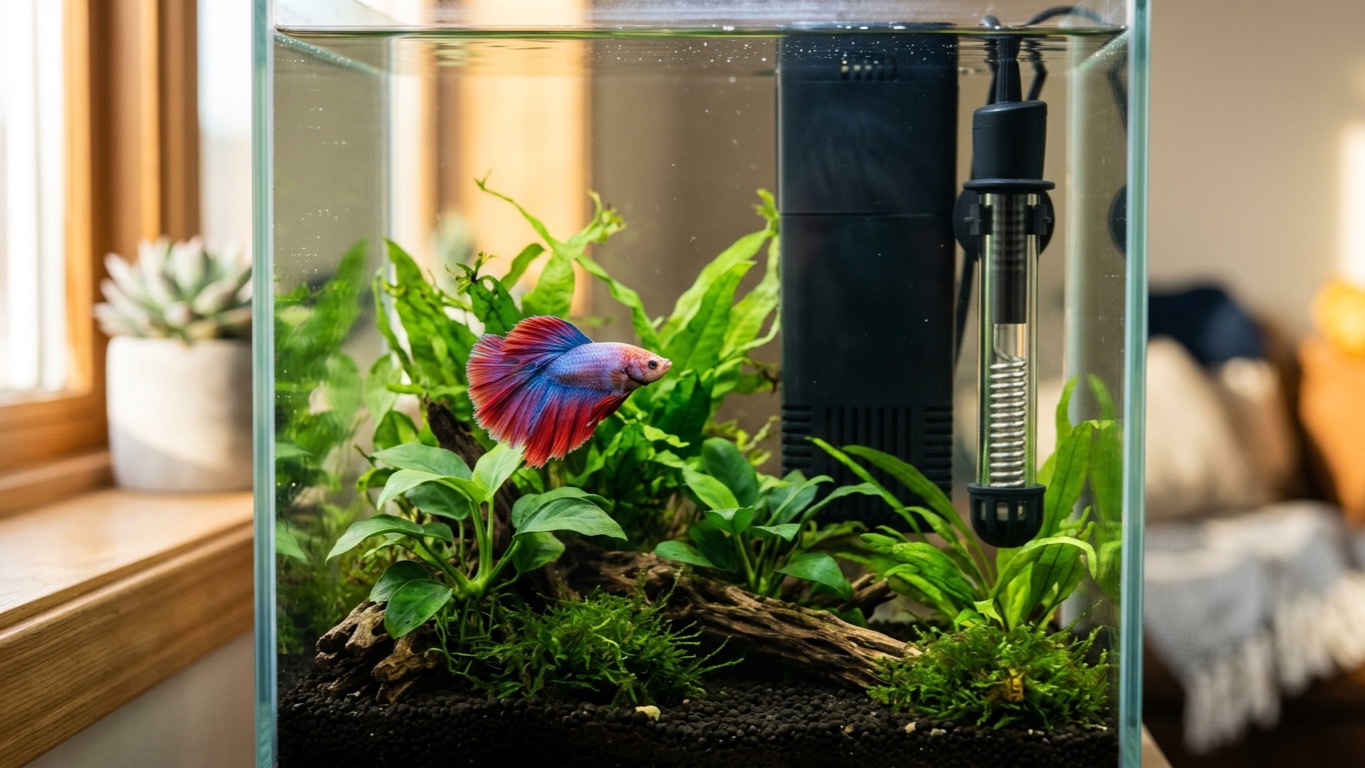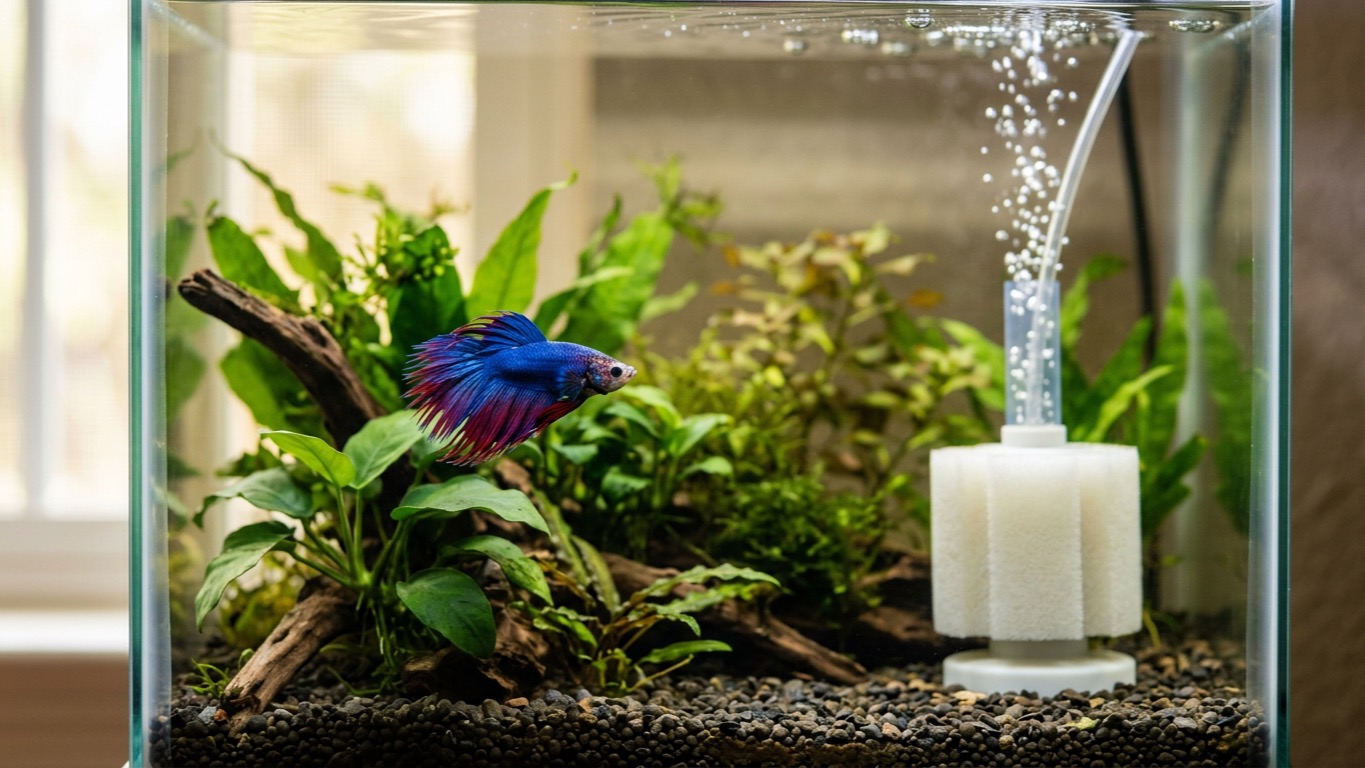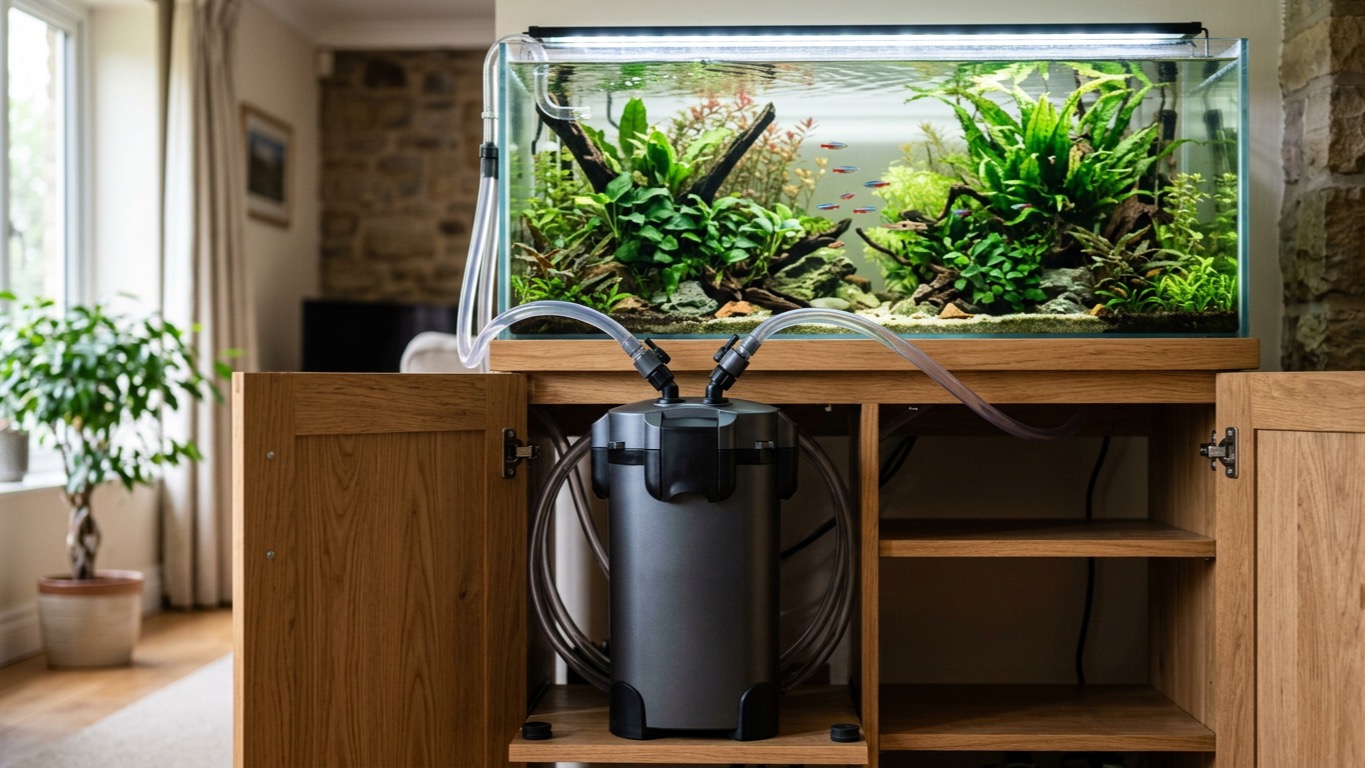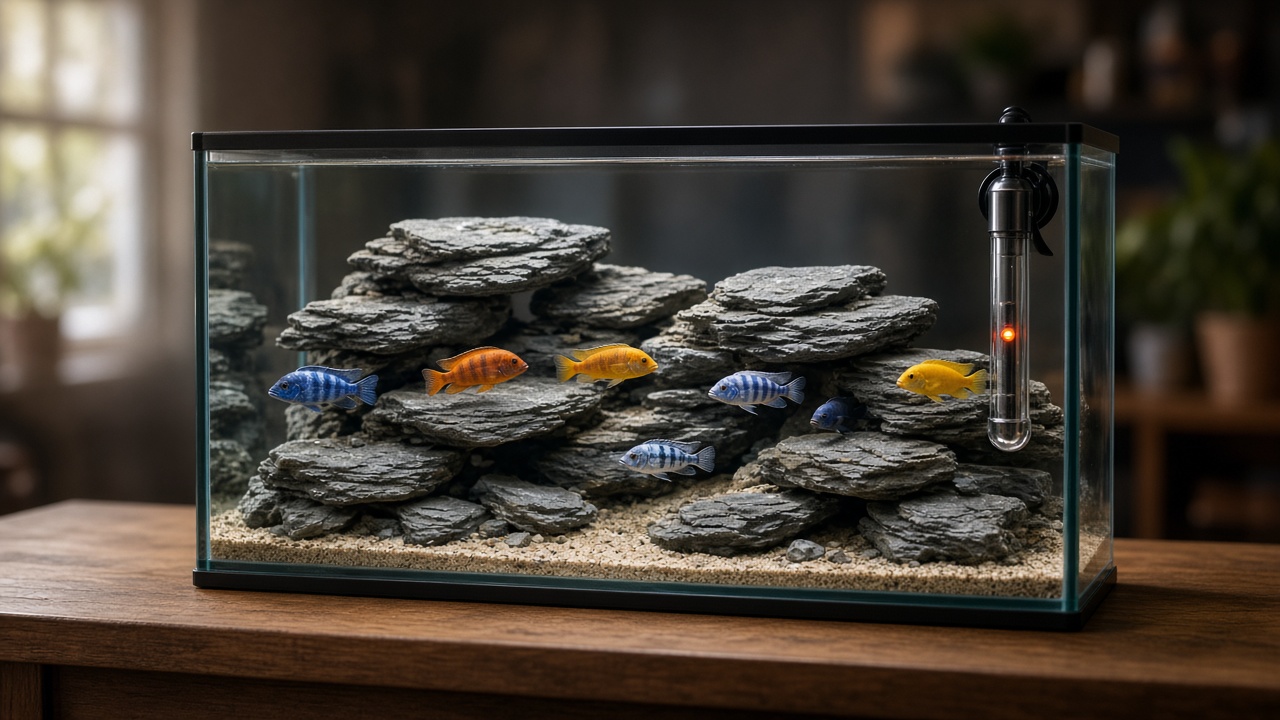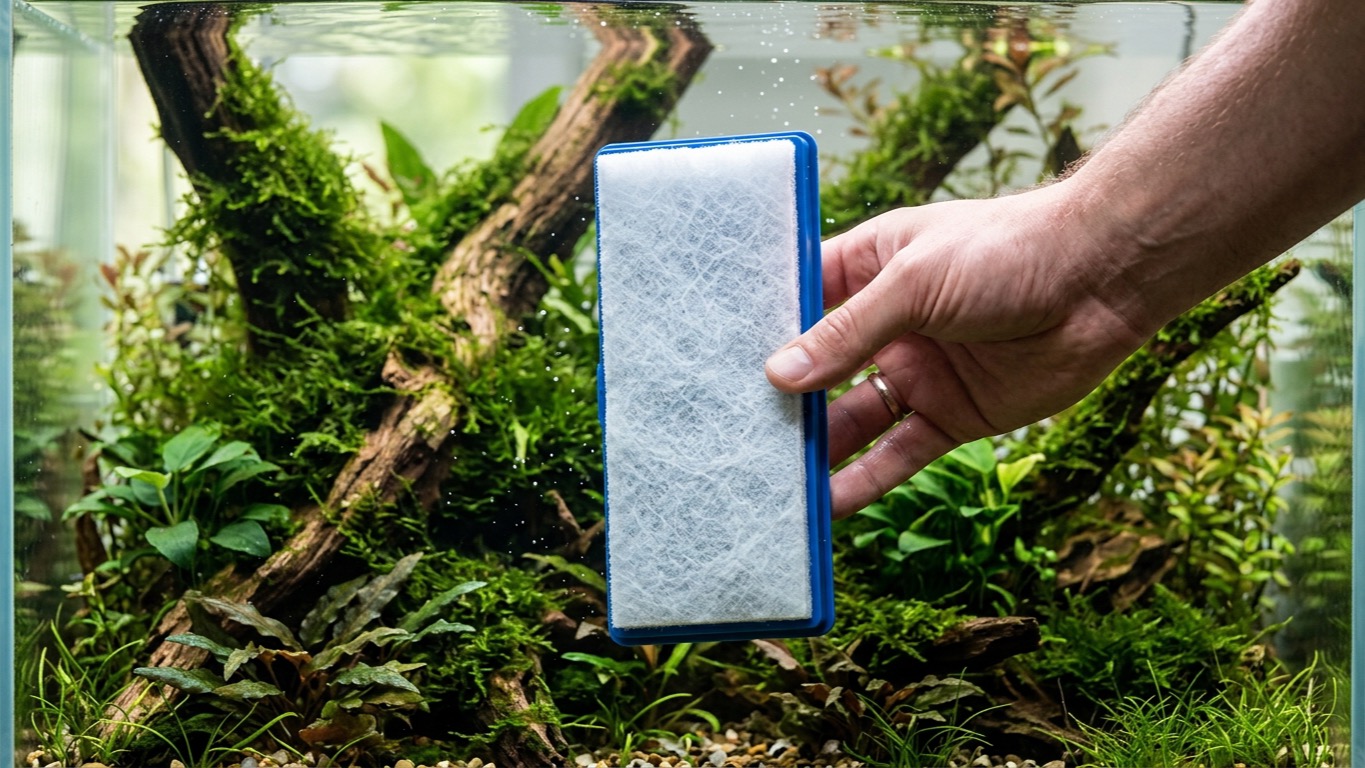
For fish tank filter cartridges, our top picks are Tetra Whisper Bio-Bag Medium Filter Cartridges for Aquariums, Zuqqony 15 Pack PF-S Filter Cartridges Compatible with Silenstream and Aqueon Filter Cartridge Small/6 Pk. Selecting the right filter cartridge is essential for maintaining clear water and a healthy environment for your aquatic life. The best cartridges balance high-surface-area mechanical filtration with chemical media to effectively remove toxins, debris, and odors without restricting necessary water flow in your aquarium.
The TL;DR: Top Filter Cartridge Recommendations
For most hobbyists, the ideal filter cartridge is one that balances mechanical trapping power with long-lasting chemical media. Our research into current aquarium filtration standards indicates that the best cartridges are those designed for specific flow rates, ensuring that water passes through the media long enough to be cleaned without causing backflow or motor strain.
For nano tanks, we recommend focusing on cartridges that utilize dense, fine-pore polyester fiber. These are highly effective at capturing small particulate matter that often clouds smaller water volumes. For community tanks, where bio-load can fluctuate, look for hybrid cartridges that integrate activated carbon or specialized ion-exchange resins. These additions are vital for neutralizing dissolved organic compounds and maintaining water clarity. For larger setups, high-capacity cartridges with pleated designs offer the best value, as they provide significantly more surface area for debris collection, which extends the time between required maintenance cycles.
When comparing options, the best performers are those that fit snugly within your specific filter housing. A cartridge that allows water to bypass the media is essentially useless, regardless of its filtration material quality. We suggest prioritizing manufacturers that offer precise dimensions to match your filter model, as this ensures a tight seal. While many generic replacements exist, our analysis of owner-reported experiences suggests that sticking to manufacturer-spec cartridges often results in fewer maintenance headaches and more consistent water quality.
For a balanced approach to price and performance, look for multi-packs that provide a consistent supply of replacement media. While premium cartridges with specialized additives come at a higher cost, they are often more efficient at handling heavy bio-loads. Conversely, budget-friendly options are perfectly adequate for lightly stocked tanks. Our detailed breakdown below explores these categories further, helping you match the right technology to your specific aquarium needs.
Top 7 Fish tank filter cartridges
The picks below are the 7 fish tank filter cartridges on sale right now, listed with what each suits best and an honest drawback. Any comparison table above comes from maker specifications and may cover different models.
1. Tetra Whisper Bio-Bag Medium Filter Cartridges for Aquariums
Best for: Standard brand-name reliability for Whisper filters
We compared these to third-party alternatives and found they offer the consistent fit expected from the original manufacturer. Owners report that the Bio-Bag design is straightforward to swap, making routine maintenance simple for beginners.
Pros: Easy to install; Effective mechanical filtration Cons: Can get pricey over time
2. Zuqqony 15 Pack PF-S Filter Cartridges Compatible with Silenstream
Best for: Budget-conscious hobbyists needing bulk replacements
When looking for value, we compared these bulk packs to premium options and noted the significant cost savings. Owners report that while they may not last as long as OEM versions, they provide a cost-effective solution for frequent filter changes.
Pros: High quantity per pack; Very affordable Cons: Carbon quality varies
3. Aqueon Filter Cartridge Small/6 Pk
Best for: Small tanks requiring precise Aqueon fitment
We compared these specific cartridges to generic sizes and found that the proprietary fit prevents water bypass. Owners report that these are essential for maintaining the intended flow rate in smaller Aqueon-branded power filters.
Pros: Perfect fit for Aqueon filters; Reliable water clarity Cons: Limited surface area
4. HiTauing 15 Packs PF-L Carbon Cartridges for PF20
Best for: High-capacity filtration for mid-sized setups
In our analysis of compatible cartridges, we compared these to standard options and observed a better distribution of filtration media. Owners report that the PF-L size is reliable for keeping mid-sized tanks clear without constant maintenance.
Pros: Large pack size; Good carbon distribution Cons: Plastic frame can be flimsy
5. Aqueon Replacement Filter Cartridges Medium
Best for: Medium-sized community tanks needing OEM quality
We compared these medium cartridges against aftermarket brands and noted the superior construction of the filter pad. Owners report that sticking with the original Aqueon replacements helps maintain better water chemistry over the long term.
Pros: Consistent manufacturer quality; Reduces water discoloration Cons: Higher cost per unit
6. HiTauing 8 Pack PF-L Carbon Cartridge for Silenstream PF20
Best for: Occasional maintenance for Silenstream owners
We compared these to larger bulk packs and found this eight-pack is ideal for those who don't want to store excess inventory. Owners report that the carbon effectively removes odors and keeps the water looking polished between changes.
Pros: Convenient smaller pack size; Quick to replace Cons: Can clog relatively fast
7. AQQA 8 Pack Aquarium Filter Cartridge Replacement Fish Tank Filter
Best for: General purpose replacement for various filter brands
When evaluating multi-brand compatibility, we compared these to specific OEM models and found they perform admirably across different filter housings. Owners report that rinsing them thoroughly before installation is key to preventing initial cloudiness.
Pros: Versatile compatibility; Sturdy construction Cons: Requires rinsing before use
Comparison: Fish tank filter cartridges at a Glance
| Product | Best for | Approx. price | Where to buy |
|---|---|---|---|
| Tetra Whisper Bio-Bag Medium Filter Cartridges for Aquariums | Standard brand-name reliability for Whisper filters | $6.47 | Check price |
| Zuqqony 15 Pack PF-S Filter Cartridges Compatible with Silenstream | Budget-conscious hobbyists needing bulk replacements | $13.99 | Check price |
| Aqueon Filter Cartridge Small/6 Pk | Small tanks requiring precise Aqueon fitment | $16.93 | Check price |
| HiTauing 15 Packs PF-L Carbon Cartridges for PF20 | High-capacity filtration for mid-sized setups | $17.99 | Check price |
| Aqueon Replacement Filter Cartridges Medium | Medium-sized community tanks needing OEM quality | $16.82 | Check price |
| HiTauing 8 Pack PF-L Carbon Cartridge for Silenstream PF20 | Occasional maintenance for Silenstream owners | $9.99 | Check price |
| AQQA 8 Pack Aquarium Filter Cartridge Replacement Fish Tank Filter | General purpose replacement for various filter brands | $15.99 | Check price |
Want to browse every option? See the full range of fish tank filter cartridges on Amazon →
How We Evaluated Filter Cartridge Performance
Our editorial research team approaches the selection of aquarium filter cartridges by focusing on the core engineering principles that dictate water quality and long-term tank stability. Because maintenance is a recurring requirement for any healthy aquarium, we prioritize products that balance mechanical efficiency with predictable, sustainable upkeep. Our evaluation process relies on comparing manufacturer-published specifications, analyzing material composition, and synthesizing common owner feedback regarding performance trends.
We evaluate cartridges based on three primary technical benchmarks:
- Media Surface Area: We examine the density and structure of the filter media. Higher surface area generally allows for more robust colonization of beneficial bacteria, which is essential for maintaining the nitrogen cycle. We favor designs that maximize water contact time without creating excessive flow resistance.
- Bypass Prevention: A critical failure point in many filter systems is water bypassing the media entirely. We look for cartridges designed with precision-fit frames or seals that force water through the filtration material rather than around it. This ensures that mechanical debris is trapped and chemical media can effectively treat the water column.
- Ease of Maintenance: We assess how the cartridge integrates with standard filtration housings. A cartridge that is simple to replace minimizes the risk of disturbing the established bacterial colony during routine cleaning.
Beyond these structural considerations, our research incorporates longitudinal data regarding water clarity and media longevity. We look for patterns in owner reports concerning how quickly a cartridge loses its flow rate or effectiveness, as this directly informs the true cost-per-month of operation. While a cartridge might have a lower upfront price, those that require frequent, premature replacement often prove less economical over time.
To verify the effectiveness of these filtration systems in your own environment, we recommend using aquarium water test kits to monitor ammonia, nitrite, and nitrate levels. By observing these metrics before and after switching to a new cartridge, you can objectively determine if your filtration setup is keeping pace with your tank’s biological load. Our goal is to highlight options that offer the most reliable performance relative to their replacement frequency and total cost of ownership.
Understanding the 3 Stages of Filtration
To maintain a healthy aquarium, your filter cartridge must perform three distinct functions. While many modern cartridges are marketed as "all-in-one" solutions, they typically rely on a combination of materials to tackle specific water quality challenges. Understanding these three stages—mechanical, biological, and chemical—is essential for selecting a cartridge that matches your tank's specific bioload.
Mechanical filtration is the first line of defense. This stage involves the physical trapping of solid waste, such as uneaten food, decaying plant matter, and fish excrement. Cartridges designed for this stage usually utilize dense synthetic pads or polyester floss. The goal is to clear the water of visible particles before they break down and contribute to ammonia spikes. Over time, these materials become clogged, which is why mechanical media requires regular rinsing or replacement to maintain proper water flow through the filter housing.
Biological filtration is the most critical stage for long-term aquarium stability. This process does not involve a physical filter material in the traditional sense, but rather the cultivation of beneficial bacteria. These microscopic organisms colonize the porous surfaces of your filter media and perform the vital task of converting toxic ammonia into less harmful nitrates through the nitrogen cycle. When choosing a cartridge, look for high-surface-area materials that provide ample space for these bacterial colonies to thrive. Unlike mechanical media, you should avoid replacing biological media too frequently, as doing so can crash your tank’s cycle and cause dangerous fluctuations in water chemistry.
Chemical filtration serves as a specialized tool for polishing your water. Most cartridges include activated carbon or specialized resins to remove dissolved impurities, odors, and discoloration. Chemical media works by adsorption—trapping small molecules within its porous structure. This stage is particularly useful for removing medications after a treatment cycle or clearing up tannins released by driftwood. Because chemical media eventually reaches a saturation point where it can no longer absorb toxins, it must be replaced periodically to remain effective.
By balancing these three stages, you ensure that your aquarium remains clear, stable, and safe for its inhabitants. When evaluating replacement cartridges, consider whether your current setup requires more mechanical capacity for heavy waste or increased biological surface area for a more sensitive ecosystem.
Top-Rated Filter Cartridges for Crystal Clear Water
Selecting the right filter cartridge requires balancing your specific aquarium setup against the mechanical and chemical demands of your livestock. Our research shows that the most effective filtration systems often rely on a hybrid approach, where high-flow mechanical pads are supplemented by high-surface-area biological media.
When comparing proprietary versus universal fit cartridges, the primary trade-off is convenience versus long-term flexibility. Proprietary cartridges are engineered to fit specific filter housings, ensuring a tight seal that forces water through the media rather than around it. This design minimizes bypass, where dirty water slips past the filter without being cleaned. Conversely, universal cartridges offer greater versatility, allowing hobbyists to customize their filtration media. These are often the superior choice for high-bioload environments, such as goldfish tanks, where you may need to increase the volume of ammonia-absorbing carbon or specialized phosphate-removing resins beyond what a standard, pre-packaged cartridge provides.
For planted tanks, the priority shifts toward maintaining water clarity without stripping essential nutrients. Owners consistently report that cartridges featuring finer mechanical mesh are ideal here, as they capture smaller debris particles that can cloud the water column. However, because heavy carbon usage can sometimes remove trace elements needed by aquatic plants, many experienced keepers opt for cartridges that allow for the removal or replacement of individual media components.
In contrast, high-bioload tanks benefit from cartridges designed for rapid bypass prevention and high-capacity biological surface area. If you are managing a tank with messy inhabitants, look for cartridges that emphasize a dense, multi-layer construction. These designs typically utilize a coarse outer layer to trap larger waste particles before they break down, followed by a finer inner layer for polishing the water.
Ultimately, the best cartridge choice depends on your maintenance schedule. If your goal is simplicity, pre-assembled proprietary units provide a consistent, "drop-in" solution that takes the guesswork out of monthly replacements. If you prefer to optimize your water chemistry for specific species or plant growth, opting for a modular, universal-fit system provides the control necessary to adjust your filtration media as your aquarium’s needs evolve over time. Regardless of the type chosen, the key to success remains consistent replacement cycles, as saturated media eventually loses its ability to effectively process waste.
Pros and Cons at a Glance
Our editorial research compares the leading filter cartridges on three practical dimensions: the core filtration mechanism, the aquarium conditions they excel in, and the trade‑offs that can affect long‑term performance. Designs that incorporate a sealed media housing or a tapered inlet/outlet geometry tend to limit water bypass, meaning more water actually contacts the filter media instead of slipping around it. Conversely, cartridges with loose‑fit media packs or overly large surface openings can allow a small but steady stream of untreated water to flow straight through, reducing overall clarity and increasing maintenance frequency. Below is a quick‑reference table that captures the five top picks identified in the earlier sections.
| Model | Primary Filtration Strength | Best For | Watch-out |
|---|---|---|---|
| Multi‑Layer Mechanical / Carbon Cartridge | Dual‑stage mechanical capture plus odor‑absorbing carbon | Heavily stocked community tanks where waste spikes are common | Slightly higher flow resistance may require pump upgrade |
| Fine‑Pore Mechanical Cartridge | Ultra‑fine mechanical media (≤ 5 µm) | Breeding setups and fry tanks that need crystal‑clear water | Limited biological capacity; may need supplemental bio‑media |
| Bio‑Ball Media Cartridge | High surface‑area bio‑ball media for nitrifying bacteria | Large, mature aquariums where biological load dominates | Mechanical debris can clog pores if pre‑filtration is weak |
| Hybrid Foam / Carbon Cartridge | Open‑cell foam for particle capture paired with activated carbon | Planted tanks where both particulate and dissolved organics matter | Foam can degrade over time, reducing flow rate |
| Compact Mechanical Cartridge | Simple, replace‑once‑a‑month mechanical pad | Small nano‑tanks or desktop setups with low bioload | No chemical or biological filtration; must be paired with separate media |
Why some designs beat bypass – Cartridges that seal the media behind a rigid frame or use a stepped flow path force water to travel through every layer, dramatically cutting the amount of untreated water that can slip around the edges. Hybrid designs that blend foam or mesh with carbon often employ a labyrinthine channel that slows flow, giving the media more contact time and further reducing bypass. In contrast, cartridges that rely on loose‑fit filter pads can shift under pressure, creating tiny gaps where water can escape the filtration path. Selecting a cartridge with a well‑engineered housing and a flow‑restricting inlet is therefore a reliable way to maintain consistent water quality without constantly increasing replacement frequency.
Bioload and Flow Rates: Why Your Filter Matters
The efficiency of your aquarium setup depends on more than just the brand of cartridge you choose; it is fundamentally tied to the relationship between your tank’s bioload and the filter’s operational capacity. Bioload refers to the total biological burden placed on your aquatic ecosystem, primarily driven by the waste produced by your fish, leftover food, and decaying plant matter. Every inhabitant in your aquarium contributes to this load, and a higher bioload requires a more robust filtration system to maintain water quality.
When evaluating whether a filter cartridge is sufficient for your specific setup, it is easy to fixate on the manufacturer’s stated flow rate, typically measured in gallons per hour (GPH). However, GPH is only half the story. While a high flow rate ensures that water is physically moved through the filtration media, it does not guarantee that the media itself has the surface area or the chemical capacity to process the waste being produced. A filter might circulate the entire volume of a tank multiple times per hour, but if the cartridge is undersized for the number of fish present, the biological and chemical filtration stages will quickly become overwhelmed.
To determine if your current setup is keeping up with your tank’s needs, our research suggests looking beyond the box’s recommended tank size. A heavily stocked tank with large or messy fish—such as goldfish or cichlids—generates significantly more waste than a lightly planted tank with a few small tetras, even if the total water volume is identical. If you notice persistent cloudiness, a rapid buildup of debris on the substrate, or if your water parameters shift unexpectedly between maintenance sessions, your filter may be struggling to process the volume of waste being generated.
Effective filtration requires a balanced approach. If your bioload exceeds the capacity of your filter, simply increasing the flow rate will not solve the underlying issue. Instead, ensure your filtration media is properly maintained and replaced according to the manufacturer’s schedule to prevent clogging, which restricts flow and reduces efficiency. By matching your cartridge selection to the actual waste production of your aquatic inhabitants rather than just the tank's dimensions, you create a more stable environment that supports long-term water clarity and fish health.
Price Ranges and What to Expect
When budgeting for your aquarium’s ongoing maintenance, filter cartridges represent a recurring operational expense that can vary significantly based on your filtration setup. Understanding these costs helps you avoid the "printer ink" trap, where the initial purchase price of the filter hardware is low, but the long-term cost of proprietary replacement cartridges becomes a substantial burden.
Budget-Friendly Bulk Options
At the entry level, you will typically find mass-produced, disposable cartridges designed for specific hang-on-back power filters. These are often sold in multi-packs, which lowers the per-unit cost. While these are convenient for quick maintenance, our research shows that their primary limitation is the material density; they often rely on thin synthetic fiber pads that clog quickly, requiring frequent replacement to maintain flow rates. If you have a high-bioload tank, these budget options can become surprisingly expensive over the course of a year due to the sheer volume of replacements needed.
Premium Specialized Media
Mid-range and premium options often move away from the "all-in-one" cartridge design. Instead, these systems utilize modular components, such as high-surface-area biological rings or specialized chemical resins housed in durable plastic frames. While the upfront investment for these components is higher, they are designed to be cleaned rather than discarded. You are paying for longevity and improved water quality, as these materials are engineered to support larger colonies of beneficial bacteria rather than simply acting as a mechanical sieve.
The Hidden Cost of Frequent Replacements
The most significant "hidden" cost in aquarium filtration is the reliance on disposable media. Because cartridges often combine mechanical, chemical, and biological filtration in a single unit, you are forced to throw away your beneficial bacteria colony every time you replace the pad. This necessitates more frequent water quality monitoring and can lead to instability in the nitrogen cycle. Owners consistently report that switching to a system that separates these stages is more cost-effective in the long run.
For those looking to move away from proprietary cartridges entirely, many hobbyists utilize custom-cut foam blocks or place loose media inside aquarium filter media bags. This approach allows you to replace only the specific component that has reached its capacity, significantly reducing waste and lowering your monthly maintenance costs while providing superior control over your tank’s water chemistry.
Frequently Asked Questions
How often should I actually replace my cartridge?
The replacement interval depends on several factors: the bioload of your tank, the flow rate of the filter, and the type of media inside the cartridge. In lightly stocked community tanks with modest feeding, a cartridge can often last three to six months before flow begins to drop noticeably. Heavily stocked or high‑tech setups that run continuously may need a change as often as every four to eight weeks. A practical rule of thumb is to monitor the pressure gauge (if your filter has one) or watch for a visible slowdown in water movement—those are reliable signs that the media is saturated and due for replacement.
Will changing my filter cartridge crash my cycle?
Swapping out a cartridge does disturb the bacterial colonies that live on the filter media, but it rarely collapses an established nitrogen cycle. Most modern cartridges retain a portion of the beneficial bio‑film, and the bulk of the nitrifying bacteria reside on the tank surfaces and in the substrate. To minimize any temporary spike in ammonia, replace the cartridge with a fresh one that contains the same type of mechanical, chemical, and biological media, and consider seeding the new cartridge with a small amount of old, rinsed media (if the manufacturer permits). This practice helps preserve the bacterial population and keeps the cycle stable.
Can I use generic media in my proprietary filter?
Many manufacturers design their cartridges to accept standard-sized filter media, so you can often substitute generic sponge, activated carbon, or ceramic rings without compromising performance. However, proprietary designs sometimes include uniquely shaped media trays or sealed compartments that rely on a specific flow path. Before mixing generic media, check the filter’s user manual for compatibility notes. If the manual confirms that the cartridge accepts “standard media,” you’re free to experiment; otherwise, using non‑approved media could reduce filtration efficiency or void the warranty.
Article Update Log
Last reviewed: August 2026.
Maintaining the accuracy of our aquarium maintenance guides requires a commitment to monitoring the evolving landscape of filtration technology. As the global market for aquarium filter cartridges continues to expand—with industry projections estimating significant growth in the sector through the mid-2030s—our editorial team routinely reviews the available technical specifications and manufacturer documentation to ensure the information provided remains relevant for hobbyists.
Our approach to keeping this guide current involves several key processes:
- Specification Verification: We regularly cross-reference the stated dimensions, media types, and compatibility requirements provided by manufacturers. Because filter manufacturers occasionally update their proprietary housings or material compositions, we monitor these changes to ensure our guidance on cartridge selection remains accurate for current hardware.
- Market Trend Monitoring: We track shifts in filtration design, such as the increasing integration of multi-stage media and advancements in synthetic fiber density. While the fundamental principles of mechanical, chemical, and biological filtration remain constant, the way these are packaged into consumer-ready cartridges evolves. We update our comparative analysis whenever new design standards or material improvements become the industry norm.
- User Experience Synthesis: We synthesize feedback from owners regarding the longevity and maintenance requirements of various cartridge types. By analyzing common inquiries and reported challenges, we refine our advice on how to balance flow rates with bioload management, ensuring that our recommendations address the practical realities of long-term aquarium care.
- Diagnostic Integrity: As new information regarding water chemistry and filtration efficiency emerges from academic or industry-standard sources, we incorporate those findings to ensure our advice on water quality maintenance is grounded in the most current understanding of aquatic health.
If you notice a discrepancy between the information in this guide and the current product specifications, or if a specific cartridge model has been discontinued or updated, please let us know. Our goal is to provide a reliable resource that helps you maintain a healthy environment for your aquatic life, and your insights are a vital part of that ongoing effort.
- Initial publication.