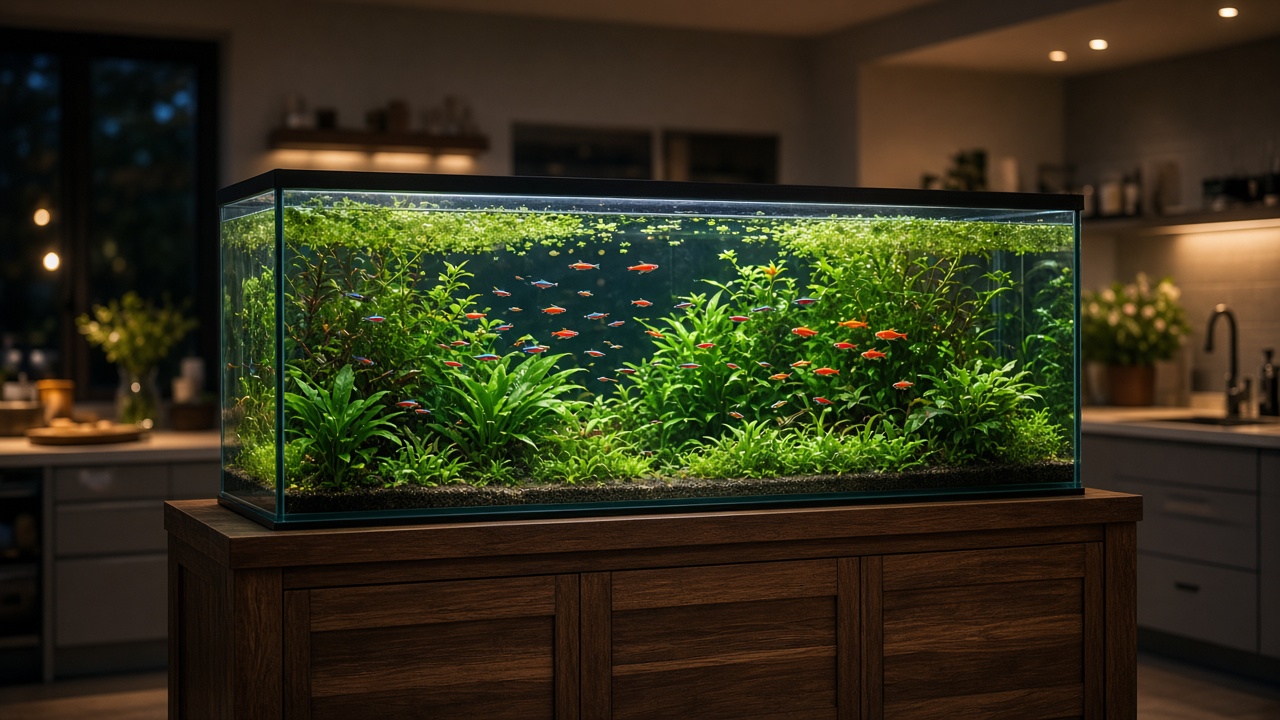
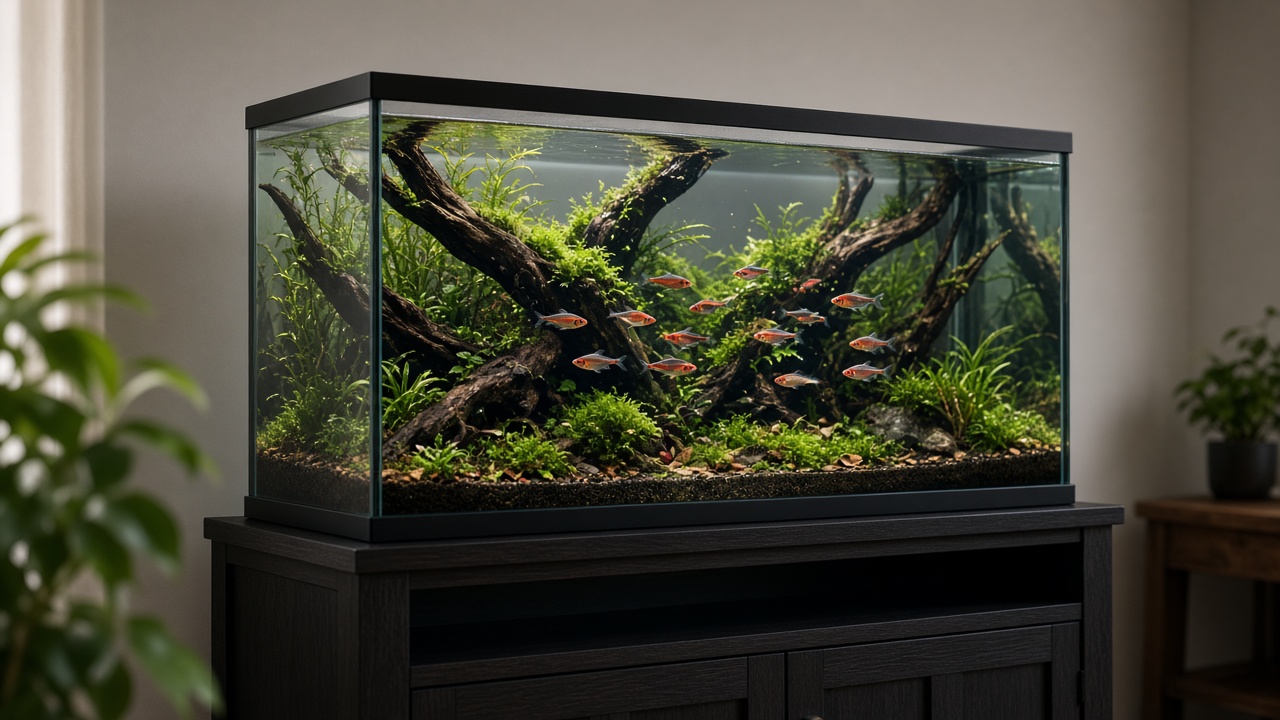
Quick answer: A self-sustaining tank leans on dense plants, soil nutrients, and light fish loads. Cap organic soil, plant heavily, then stock small fish only after plants root. Keep testing and top-offs even when water looks perfect.
Build a plant-heavy, lightly stocked tank and keep checking water.
We compared published care data on dirted planted aquariums, plant density, and low-tech filtration. Our research team analyzed soil-cap setups beside inert planted tanks that use root tabs and liquid fertilizer. Owners consistently report algae spikes when plants stay sparse and fish arrive too soon.
Comparing published specs, many Walstad-style notes use about one inch of organic soil under a half-inch to one-and-a-half-inch gravel or sand cap. Beginner planted guides often start near ten to twenty gallons with about two to three inches of inert substrate when soil is skipped. Heavy planting near seventy to eighty percent coverage appears repeatedly as the living filter. This page covers substrate, plants, light and flow, stocking, testing, and long-term human checks.
Include dense fast growers, gentle circulation, and a test kit. Leave out sealed jars sold as forever ecosystems and heavy bioloads. Skip CO2 injection plans if your goal is a quiet low-tech balance.
Expect balance, not a sealed forever jar
True sealed ecosystems still need human checks for food, top-offs, and crashes.
Comparing published specs treats plants as the main ammonia sink in dirted tanks. Soil cellulose can raise overnight carbon dioxide in those notes, which helps plant growth without bottled gas. Owners consistently report cloudy water in the first days after a soil fill. Our research team analyzed beginner failures tied to overstocking before roots settle. Plan weeks of plant establishment before livestock.
Expectation board:
| Cue | Published direction |
|---|---|
| Soil layer | About 1 in organic mix |
| Cap depth | About 0.5–1.5 in |
| Plant cover | About 70–80% of bed |
| Wait before fish | About 2–4 weeks |
| Beginner volume | Often 10–20 gal class |
Never call a capped jar maintenance-free. Evaporation still concentrates minerals. Feed still adds waste. Test kits catch silent ammonia before fish gasp.
A shallow long footprint often gets more even light than a deep cube of the same gallons. Place the stand on a level, load-rated surface near power and water. Avoid direct sun that cooks algae while leaves bleach. Keep a lid if fish jump or pets explore. Comparing published specs favors honest maintenance calendars over marketing “no-care” claims.
Cap soil carefully or use inert beds with tabs
Substrate choice sets nutrient release and early ammonia risk.
Use additive-free organic potting soil without perlite “moisture control” beads when you follow dirted method notes. Cap gently so mud cannot cloud every disturbance. Pool filter sand or fine aquarium gravel appear often as caps. Inert gravel paths often use about two to three inches of bed plus root tabs under swords. Owners consistently report safer starts when beginners pick inert beds first.
Soil checklist:
- Screen sticks and large bark from soil
- Cap fully with inert sand or gravel
- Pour water onto a plate or bag
- Expect cloudiness for about one to three days
- Plant before fish arrive
Our research team analyzed nitrogen warnings on fortified soils that can sour thin caps. Comparing published specs keeps fertilizer-heavy garden mixes off aquarium floors. Mineralizing soil by wet-dry cycles is optional in some hobby notes. If ammonia climbs hard before fish day, do a large partial change with conditioned water. Edge case: very fine powder sand can compact and trap gas; prefer porous grain.
Name branded soils and fertilizers only when maker pages match the bag in your cart. Push root tabs deep so fish cannot dig them free. Rinse inert gravel until rinse water runs clearer. Slope substrate slightly toward the front for planting depth. Leave open lanes for later shrimp or snails if planned.
Plant densely with fast stems and floaters
Plants are the filter, not just décor.
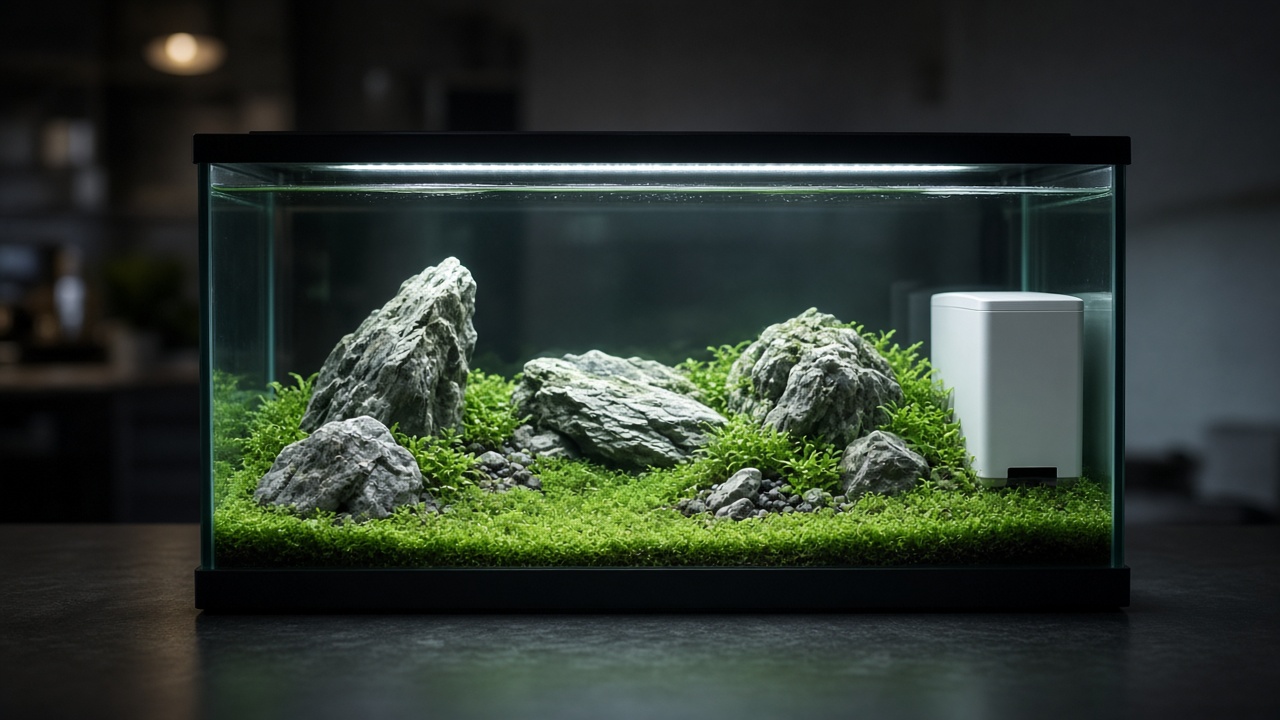
Background stems such as water wisteria and hornwort strip dissolved waste quickly in published low-tech lists. Floaters such as Amazon frogbit and salvinia grab ammonia near the surface. Midground crypts, anubias, and java fern stabilize the look once fast growers slow. Aim to cover most of the bed on day one. Owners consistently report algae when empty sand shows for weeks.
Planting board:
| Zone | Example plants |
|---|---|
| Background | Water wisteria, jungle val, hornwort |
| Midground | Crypts, anubias, java fern |
| Foreground | Dwarf sag, small crypts |
| Surface | Frogbit, salvinia, duckweed |
| Density goal | About 70–80% cover |
Our research team analyzed nutrient-uptake notes that favor mixed root and water-column feeders. Comparing published specs treats underplanting as the top beginner failure. Trim stems weekly once growth races. Replant healthy tops into bare patches. Thin floaters so lower leaves still see light.
Buy more plants than your mood board suggests. Soft leaves beat plastic spikes that shred fins later. Quarantine new plants if pest snails worry you. Do not uproot daily; each move resets rooting. Keep scissors ready so rotting leaves leave the tank.
Set moderate light and gentle circulation
Light and flow must feed plants without stripping carbon dioxide.
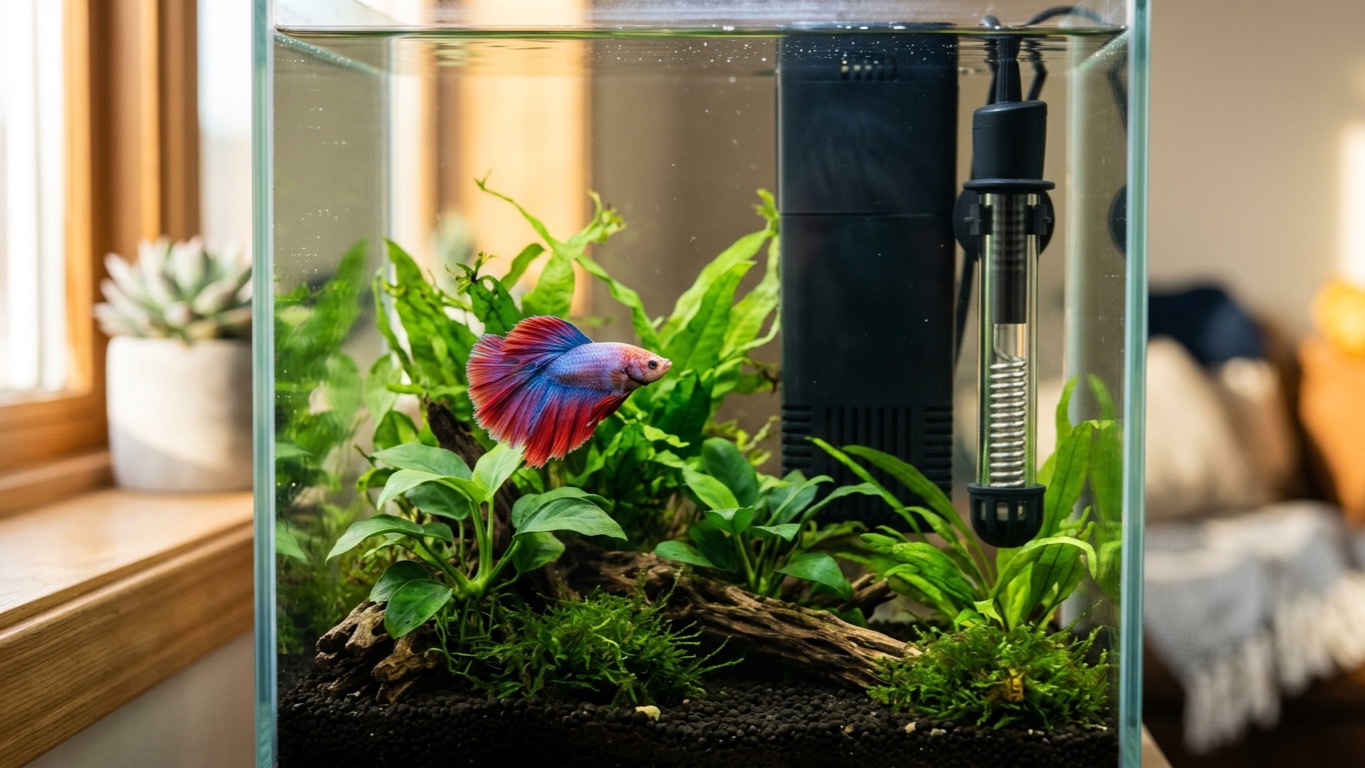
Modern Walstad keepers often run moderate LED fixtures about seven to eight hours on a timer. Classic notes also describe a split day near four hours on, five off, then four on again to limit algae. Beginner planted guides may start near five to six hours and add time weekly as growth appears. Optional small sponge filters or low-flow hang-on units clear debris when outlets aim down or across. Owners consistently report CO2 loss and skinny plants under blasting surface returns.
Gear cues:
- Moderate planted LED on a timer
- Optional sponge or low-flow hang-on filter
- Diffused returns deep or across
- Heater only for tropical stock
- Thermometer and test kit on the stand
Our research team analyzed clarity notes that now prefer some filtration for dissolved organics. Comparing published specs rejects strong canisters that whip the surface in tiny dirted tanks. Skip air stones if you need higher plant carbon dioxide. Still watch overnight oxygen when stocking rises. Edge case: room-temperature setups skip heaters when species allow.
Program the timer before fish day so photoperiod stays boringly consistent. Wipe glass algae early instead of cranking light higher. If stems melt for two weeks, wait for submerged leaves before tossing plants. Clean sponge media in old tank water so bacteria survive. Log light hours beside nitrate readings.
Stock lightly after plants root and parameters calm
Small fish in small numbers match plant oxygen and waste budgets.
Wait about two to four weeks while plants root and early ammonia from soil settles. Good starter notes list small tetras, rasboras, guppies, endlers, shrimp, and snails at light loads. A ten-gallon dirted tank cannot hold a crowd of large livebearers overnight. Owners consistently report morning deaths when heavy stock meets no aeration. Our research team analyzed oxygen notes that treat night plant respiration as a real limit.
Stocking board:
| Theme | Care cue |
|---|---|
| Wait period | About 2–4 weeks |
| Fish size | Prefer small adults |
| Count | Light bioload only |
| Cleanup | Snails or shrimp optional |
| Food | Modest portions |
Comparing published specs favors cycling patience even when plants scrub ammonia. Feed sparingly so leftover flakes do not fuel bacteria blooms. Add animals in tiny groups after tests stay near zero ammonia and nitrite. Watch for gasping at the surface after lights out. Upsize the tank before you upsize the herd.
Quarantine new fish when space allows. Match temperature within a degree during acclimation. Never dump bag water into the display. Skip goldfish and other heavy waste producers in nano dirted boxes. Keep a spare sponge filter running for hospital duty.
Test, top off, trim, and plan multi-year care
Self-sustaining still means scheduled human work.
Test ammonia, nitrite, nitrate, and pH on a weekly rhythm at first. Some mature dirted notes allow sparse water changes, yet still call for top-offs and checks. If nitrate climbs above about twenty ppm in those guides, a twenty-five percent change is a common reset. Inert planted tanks often keep weekly fertilizer dosing after tests show plant-driven nitrate bands near twenty-five to fifty ppm from fertilizer, not fish waste alone. Owners consistently report algae when light outruns nutrients and plant mass.
Maintenance list:
- Top off evaporation with conditioned water
- Trim and remove dead leaves
- Test before adding fish food spikes
- Thin floaters for light penetration
- Recheck heaters and timers monthly
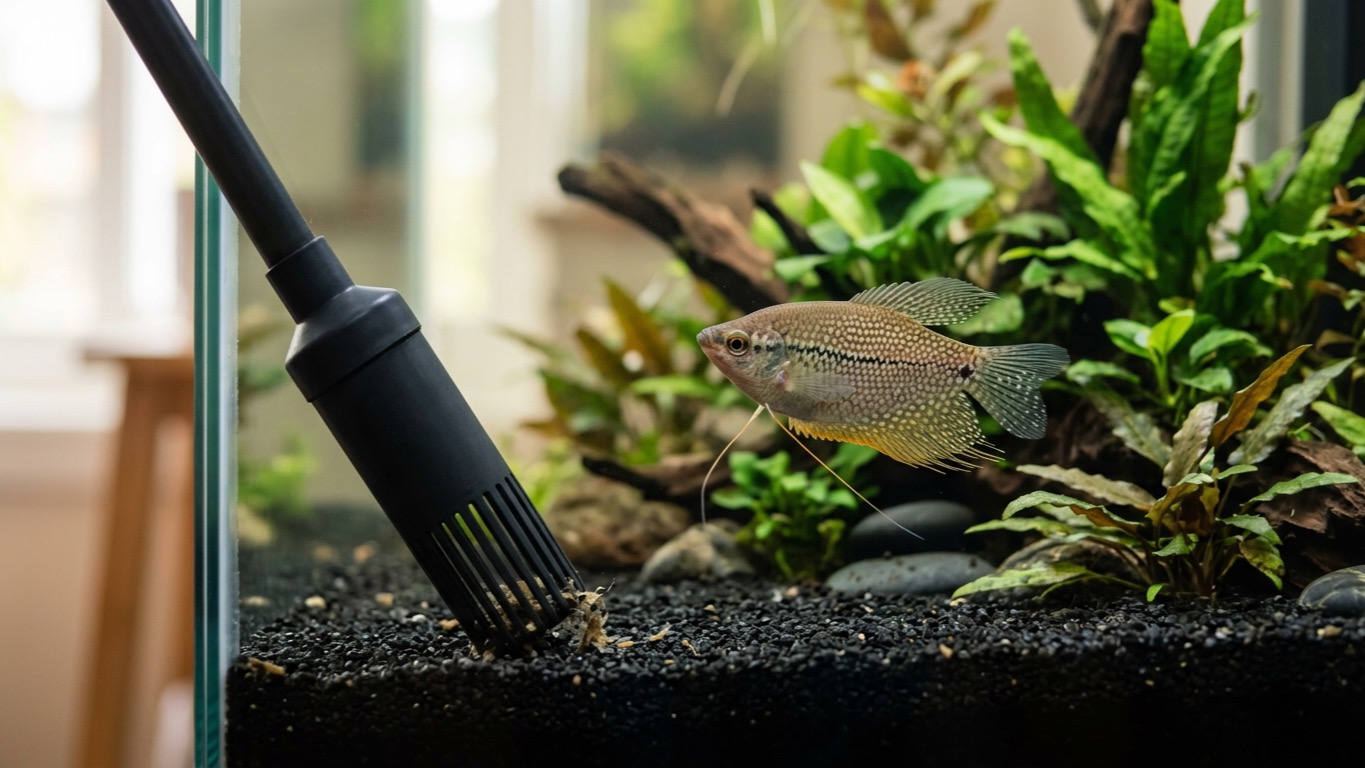
Our research team analyzed long-run notes that soil carbon support may fade after about five to ten years. Comparing published specs allows later root tabs or light liquid fertilizer rather than a full tear-down on day one of yellow leaves. True sealed jars still need lid cleaning, pest control, and emergency water. Keep dechlorinator beside the siphon. Photograph the tank monthly so slow decline is obvious.
Budget fifteen quiet minutes weekly even when glass looks clear. Replace aging LED diodes or bulbs on maker schedules. Net leftover food after two minutes. If snails explode, reduce feeding before chemicals. Honest care keeps the “self-sustaining” label from becoming a crash story.
FAQ
Can a fish tank be fully sealed and ignored?
No. Even plant-heavy systems need top-offs, testing, and light feeding control. Sealed jars still lose water to condensation tricks and can crash overnight. Owners consistently report deaths when “no maintenance” kits skip oxygen and waste math. Plan weekly checks, not abandonment. Keep a siphon and test kit ready.
How deep should soil and the cap be?
Many dirted notes use about one inch of organic soil under a half-inch to one-and-a-half-inch inert cap. Caps that run too thin leak mud when fish dig. Caps that run too thick can starve roots of exchange. Comparing published specs favors porous sand or fine gravel. Screen fertilizers out of the soil bag first.
Do I need a filter in a Walstad-style tank?
Plants handle much of the ammonia load in published method notes. Modern practice often adds a small sponge or low-flow filter for clarity and gentle movement. Aim returns down or across so surface gas exchange stays mild. Skip firehose canisters in tiny dirted tanks. Clean media in tank water.
When can I add fish?
Wait about two to four weeks while plants root and early soil ammonia settles. Confirm ammonia and nitrite near zero before stocking. Start with a light load of small fish or shrimp. Add slowly and watch night oxygen closely. Upsize the aquarium before you crowd the herd.
How much light should I run?
Moderate LEDs about seven to eight hours appear in many modern low-tech notes. Split “siesta” schedules near four hours on, five off, then four on also appear in classic guidance. Beginners may start near five to six hours and increase weekly. Timers beat guesswork. Cut hours if hair algae blooms early.
What plants work best for beginners?
Fast stems, hardy crypts, anubias, java fern, and floaters show up across beginner planted lists. Cover most of the substrate early so plants outcompete algae for nutrients. Mix root feeders with water-column feeders. Trim often and replant healthy tops. Soft leaves protect future fish fins.
How long does a dirted substrate last?
Hobby notes often cite soil support for about three to five years. Cellulose-driven carbon dioxide may fade nearer five to ten years. Yellowing plants later may need root tabs or light liquid fertilizer. Testing still matters every year. A refresh beats denial. Keep records of dosing dates.
This guide is informational only and does not replace manufacturer instructions for heaters, filters, soils, or fertilizers.