Quick answer: Match the style to your tank footprint and weekly time. Iwagumi leans on odd stone groups and open space. Nature and jungle layouts use wood and denser plants. Dutch streets need width, stem mass, and steady trimming.
Pick aquascape style by tank footprint and maintenance time, not by photos alone.
This page is a home-aquarium idea guide for Iwagumi, nature, jungle, and Dutch-leaning layouts across common tank sizes. Our research team compared grower and Nature Aquarium layout notes. We did not build competition tanks for this article. We did not score styles in a ranked contest. We did not invent gallon rules as laws of nature.
Selection rule: We include composition cues and size-scaling ideas from named layout guides and grower pages. We exclude wild-collection tips, priced hardscape kits, and “one style fits every gallon” claims. We also skip ranked top-N scape lists.
Match style to gallons before you buy stone
Footprint and height decide which style reads clearly from the couch.
Nano tanks under about 10 gallons favor one strong idea. A tiny Iwagumi with one main stone and a simple carpet can look vast. A jungle nano works when you accept fewer plant species and denser leaves. Medium tanks around 20–40 gallons are the forgiving sweet spot for nature layouts with wood and mixed plants. Large tanks from about 55 gallons up give Dutch streets and big nature scenes room to breathe.
Size planning list:
- Nano: one focal stone or wood piece, 1–3 plant types
- Medium: wood-plus-rock nature scapes or simple plant streets
- Large: full Dutch color blocks or wide Iwagumi panoramas
- Tall tanks: vertical wood and stem layers
- Long tanks: depth slopes and side-to-side flow lines
Buy hardscape after you measure the empty glass. Photos from 120 cm tanks mislead on a 45 cm nano. Scale stone height to about one-half to two-thirds of the water column for drama without crowding the lid.
Iwagumi: stones first, plants second
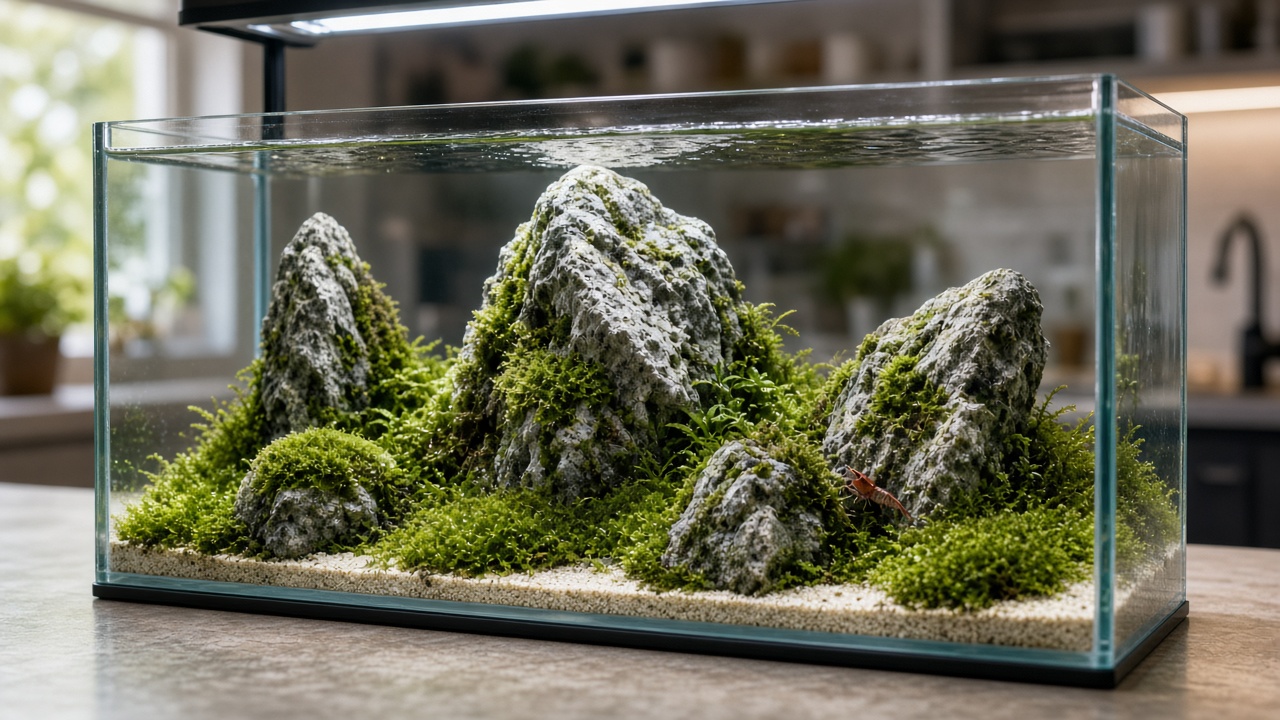
Iwagumi is a rock composition with spare planting so stone stays the hero.
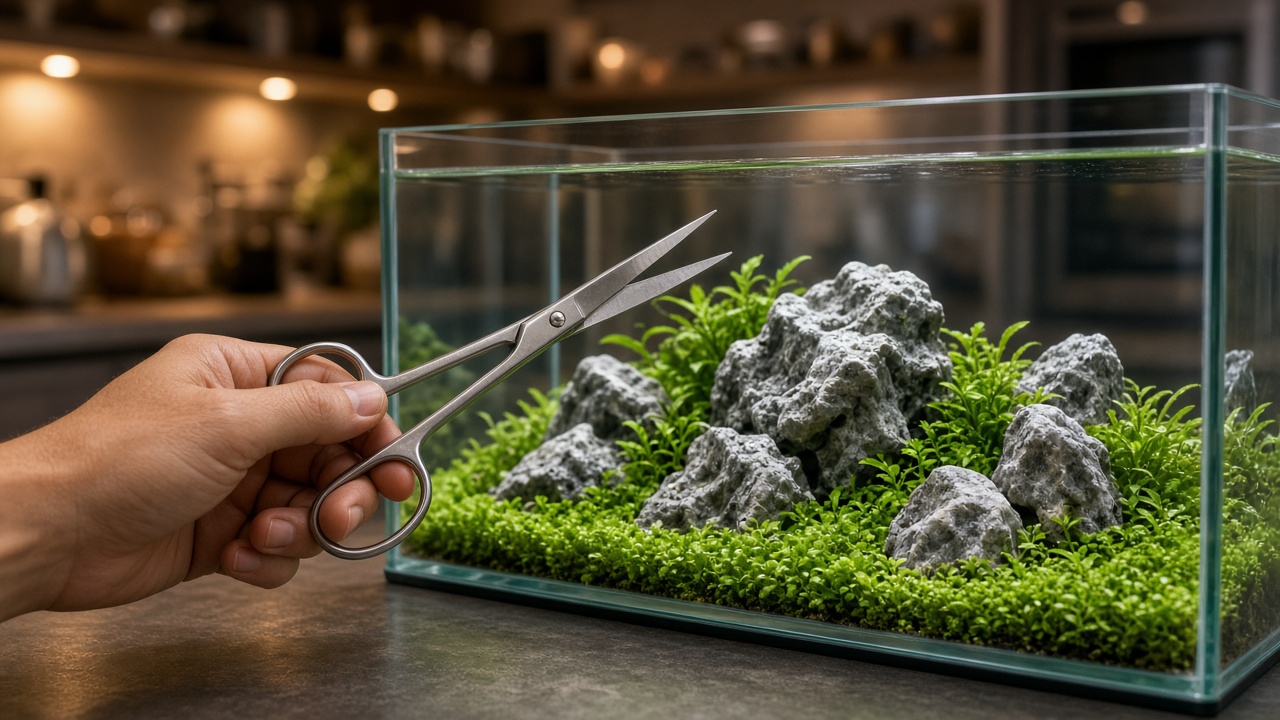
ADA’s Suikei notes describe Sanzon Iwagumi as three fundamental rocks: main stone (Oyaishi), secondary (Fukuishi), and tertiary (Soeishi). Place the Oyaishi off-center with about a 2:3 balance in mind, then size supporting stones downward. Tilt stones to suggest flow, and vary angles so the set does not look like a fence.
Iwagumi habits that scale:
- Use an odd count of stones when you add more than three
- Keep plant types few, often one carpet or a short mix
- Slope substrate higher in the back for depth
- Leave open swimming space for a single schooling species
- Expect algae pressure in open bright zones early on
ADA’s Nature Aquarium Guide 60 stresses short plants after you narrow plant types. That keeps the stone composition powerful. Nano Iwagumi may use one main stone plus one or two supports. Medium and large tanks can hold fuller Sanzon sets with more supporting stones. The common misconception is that more rocks always look better. Extra stones often kill the empty space that makes Iwagumi calm.
Nature Aquarium layouts with wood and rock
Nature style builds an asymmetric scene that feels like a forest edge or stream bank.
Wood and stone share the stage with plants, not a pure stone field. Slope soil, hide gear, and plant in layers from short foreground to taller rear stems. Leave a swimming lane so fish are part of the picture. A 60 cm class tank is a classic Nature Aquarium working size. Published Iwagumi features often use Cube Garden layouts around W60 × D30 × H36 cm.
Nature layout checklist:
- Pick one focal wood or stone cluster off-center
- Mirror textures without perfect symmetry
- Plant denser toward the back corners
- Keep midground open enough to see depth
- Trim stems on a schedule so paths stay readable
This style fits medium tanks especially well. In nanos, simplify to one wood piece and mosses. In large tanks, add secondary focal points that still follow the same flow line. Jungle energy can creep in if you stop trimming; that is fine if you want wilder vibes later.
Jungle style for forgiving density
Jungle layouts look lush on purpose and forgive imperfect lines.
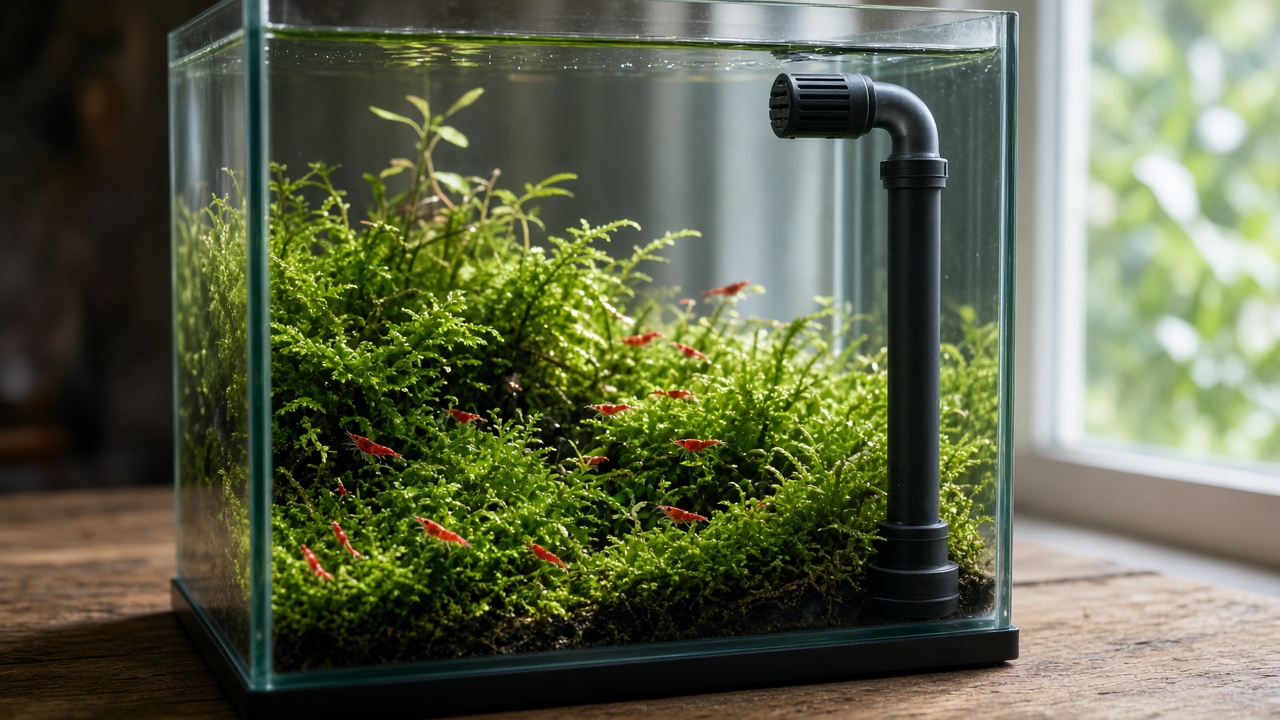
Use broad leaves, ferns, Cryptocoryne, Vallisneria, and floating plants to build layers. Hardscape can hide under growth. Low-tech tanks often succeed here because dense plants buffer small mistakes. Maintenance is trimming for access and light, not weekly street perfection.
Jungle tips by size:
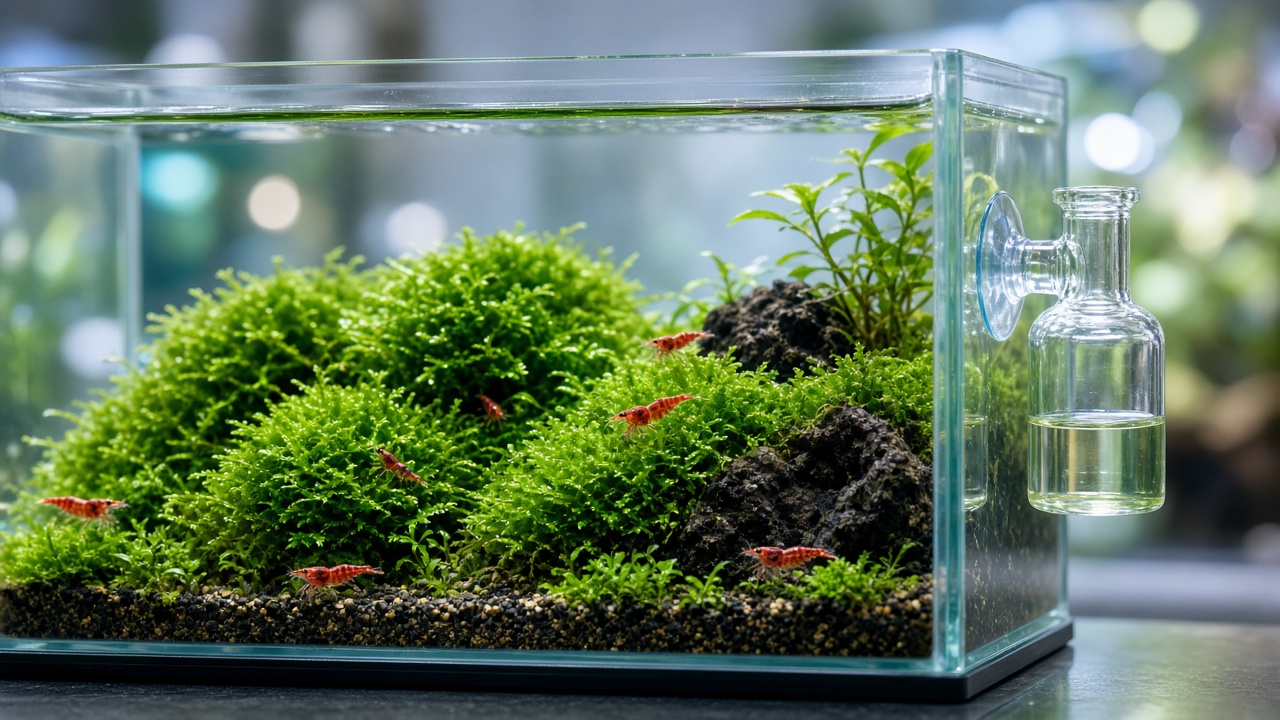
- Nano: two or three tough plants and one wood scrap
- Medium: midground swords or crypts with floaters for shade
- Large: canopy stems plus understory ferns on wood
- Flow: gentle, so debris does not mat every leaf
- Livestock: community fish that enjoy cover
The edge case is a “jungle” that is really uncycled chaos with zero light control. Density still needs clean water and a photoperiod you can repeat. If algae wins every leaf, thin the canopy and shorten the day before you add another stem bundle.
Dutch-leaning plant streets and color blocks
Dutch style treats plants as the architecture, with little visible hardscape.
Classic Dutch work uses dense groups and “streets,” which are diagonal lines of one species that pull the eye into depth. Color and leaf shape contrast matter more than driftwood drama. Weekly trimming and strong growth conditions are normal. Medium-wide and large tanks show streets better than tiny cubes.
Dutch scaling notes:
- Need enough width for multiple plant groups
- Slope substrate deeper in the back for big root masses
- Contrast fine leaves against broad leaves
- Avoid centering one lonely bush
- Plan CO₂ and fertilizer if you want tight color blocks
Beginners often underestimate trim time. If you only have Sunday mornings, a simpler nature or jungle scape may fit life better than a full Dutch wall. Hybrid tanks can borrow one street of stems beside a wood focal point without committing to a competition Dutch.
Plant and hardscape picks that survive real homes
Choose species that match light, CO₂, and how often you prune.
Carpets such as hairgrass or Monte Carlo suit open Iwagumi floors when light and nutrients keep up. Anubias, Java fern, and mosses suit shaded wood in jungle and nature tanks. Stem plants power Dutch color and nature backgrounds. Tough crypts and swords fill midground when you want slower change.
Starter matching list:
- Low-tech jungle: Anubias, ferns, crypts, floaters
- High-tech Iwagumi: short carpets plus strong light and CO₂
- Nature midground: mixed stems, moss on wood, one focal stone
- Dutch color: grouped stems trimmed as blocks
- Shrimp nanos: moss, Bucephalandra, small Anubias
Tropica’s plant guides stress planning and plant choice before you fill the glass. Read the light and CO₂ needs on each species sheet before you copy a photo. A high-tech carpet under a low-tech lamp becomes an algae tray, not a meadow.
Attribute table for style versus tank size
| Style | Best footprint cue | Maintenance feel |
|---|---|---|
| Iwagumi | Works from nano to large if stones scale | High early algae watch; sparse plants |
| Nature | Medium tanks shine; large for drama | Regular trim; balanced hardscape |
| Jungle | Any size with fewer species in nanos | Medium; denser cover forgives lines |
| Dutch-leaning | Medium-wide to large | High trim discipline |
| Hybrid | Most homes | Borrow one idea, keep the rest simple |
FAQ
What aquascape is easiest for beginners?
Jungle or a simple nature layout usually forgives more mistakes than strict Iwagumi or Dutch streets. Start with tough plants and one hardscape idea. Keep the plant list short until you learn your light. The common misconception is that Iwagumi is “easy because it has fewer plants,” when open bright sand is often harder to keep clean.
Can I do Iwagumi in a nano tank?
Yes, if you scale to one main stone and minimal supports. Keep plant types very few so the stone remains the focus. Strong light on a tiny open floor still risks algae. The edge case is packing five large stones into a 5-gallon cube until nothing can swim.
How big a tank do I need for a Dutch style?
Wider footprints help more than raw height alone. Medium-wide and larger tanks give room for plant streets and color blocks. Tiny tanks can hold a mini street, but classic Dutch density needs space and trim time. If your tank is narrow and tall only, nature or jungle layers may read better.
Do I need CO₂ for every aquascape style?
No. Jungle and many nature tanks run well low-tech with shade-tolerant plants. Iwagumi carpets and dense Dutch stems often need stronger growth tools to look tight. Match CO₂ to plant choice, not to the style name on social media. Skipping CO₂ while demanding a bright carpet is a frequent frustration loop.
Should every aquascape follow the rule of thirds?
Off-center focal points help most nature and Iwagumi scenes. Dutch layouts balance with plant groups instead of one stone. Rules teach the eye; they are not laws. Symmetry can work in rare formal designs, but it often looks static in home tanks.
How do I pick plants for a 20-gallon community aquascape?
Choose a nature or soft jungle plan with midground cover and open swimming space. Mix one wood piece, a few tough epiphytes, and a couple of stem or crypt groups. Leave room for fish paths so the scape is livable. Filling every inch on day one makes maintenance and livestock stress worse, not better.
Can I mix Iwagumi stones with a Dutch plant wall?
You can borrow ideas, but pure styles have different goals. Heavy stem walls hide the stone poetry that Iwagumi needs. A hybrid might use a simple stone focal point with limited stem groups on the sides. Decide which element is the hero before the tank fills in.
This guide is for general information and does not replace the manufacturer’s instructions.