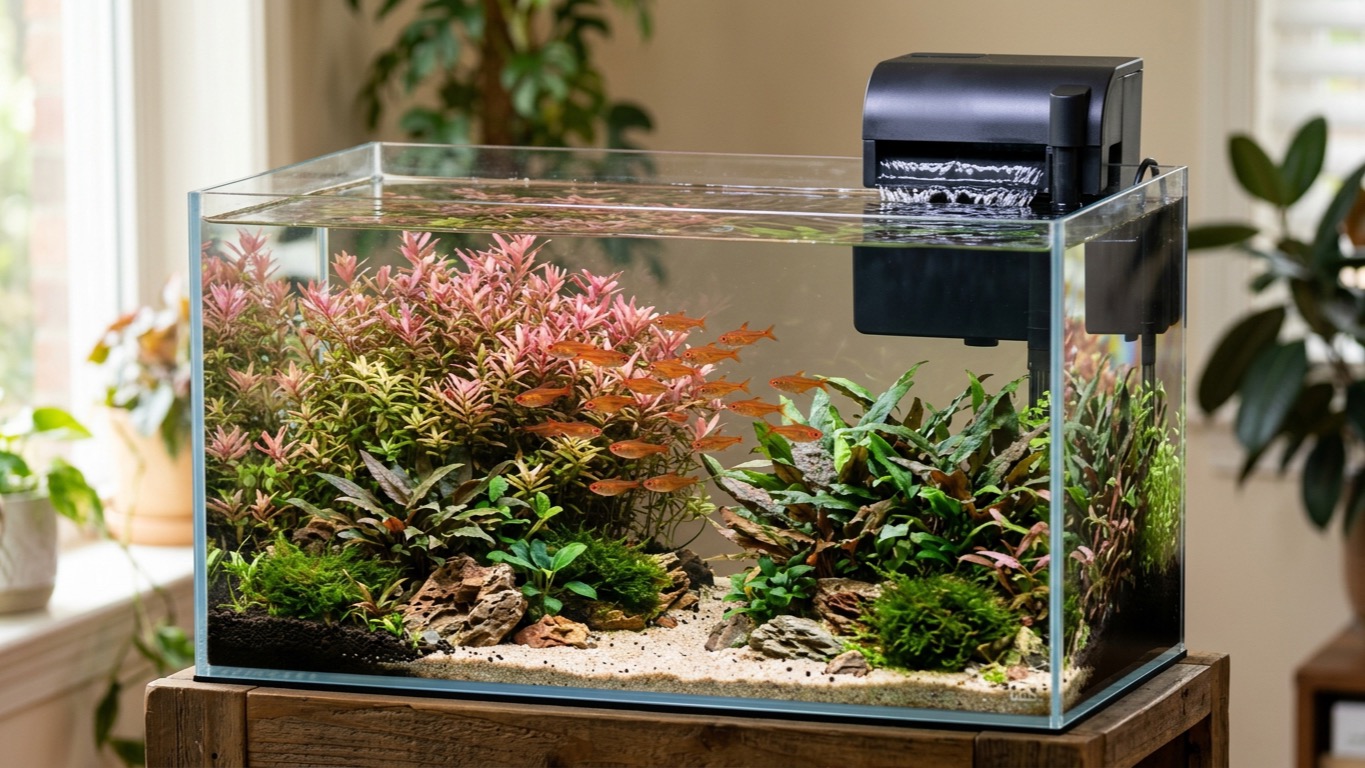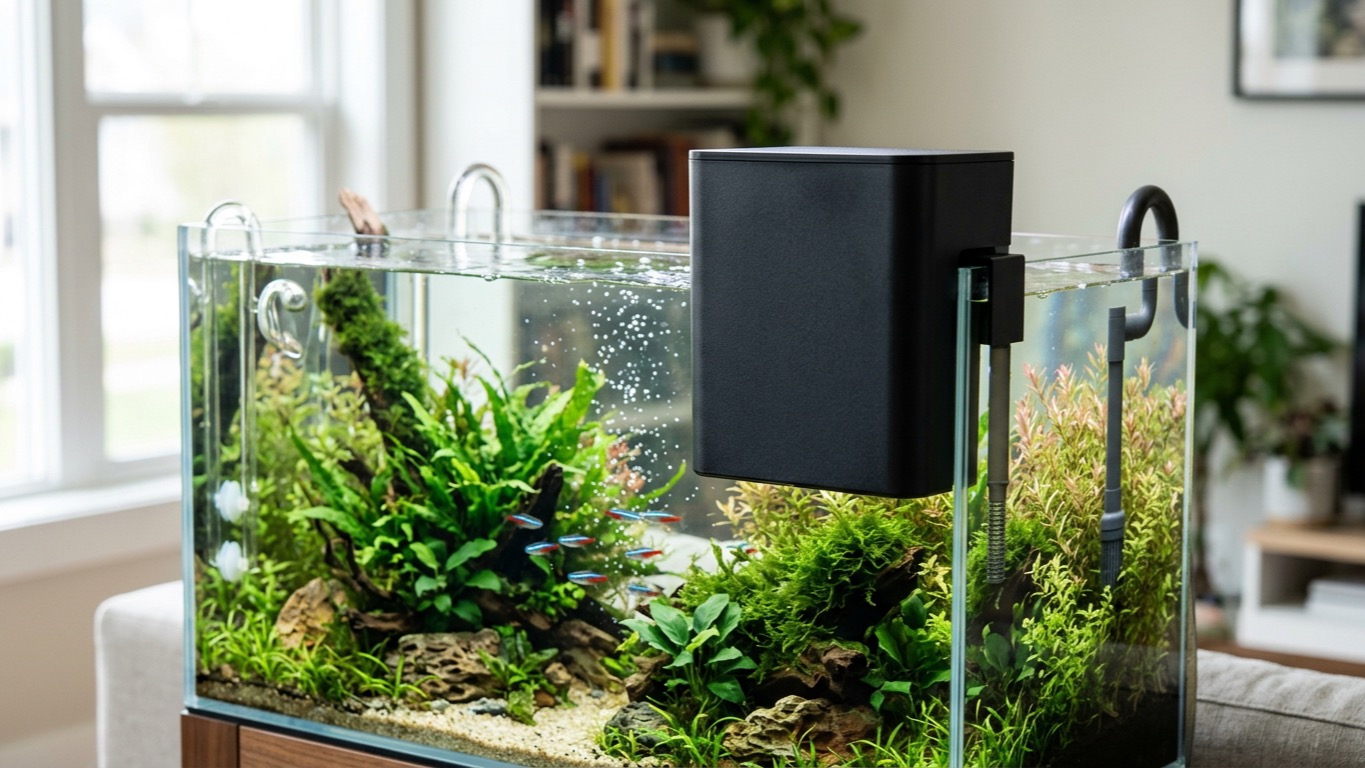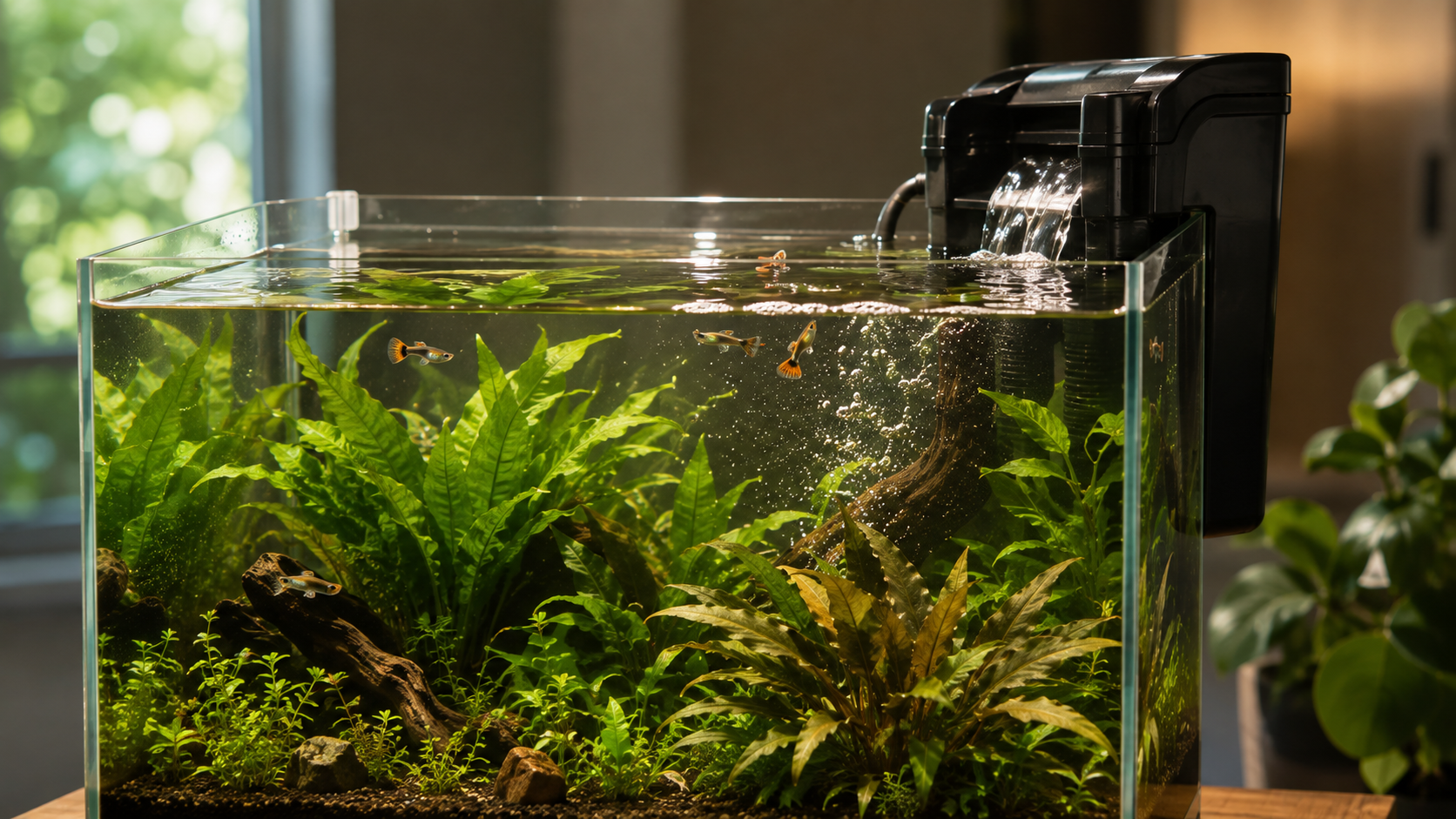
Yes, you can filter an aquarium without electricity — but only if you redefine filtration as biological processing, not mechanical movement. For low-bioload tanks with heavy plant coverage, shallow dimensions, and natural media, silent, pumpless systems work reliably. The trade-off? Slower nutrient cycling and stricter maintenance discipline. This isn’t a shortcut — it’s a return to ecological balance, using plants, porous substrates, and gravity to mimic nature’s own water purification.
The Silent Revolution: Can You Really Filter Without Electricity?
The idea of filtering an aquarium without electricity often sounds like a fantasy — a quiet, humming-free oasis where fish thrive without the buzz of pumps or the risk of power outages. But it’s not only possible; it’s a proven method rooted in how natural ecosystems function. The key is shifting your understanding of what a “filter” actually does. Most people equate filtration with mechanical suction and chemical media, but true water purification happens through biology: beneficial bacteria converting toxic ammonia into less harmful nitrate, and plants absorbing those nitrates as food. In a pumpless system, the entire tank becomes the filter — not a box plugged into the wall.
Our research shows that success hinges on three non-negotiable elements: surface area, gas exchange, and nutrient export. To support the invisible heroes Nitrosomonas and Nitrobacter, you need porous materials like lava rock or specialized clay, which provide vast surface areas for bacterial colonies to colonize. These aren’t add-ons — they’re the foundation. Equally critical is oxygenation. Without a pump to agitate the surface, water must be shallow and wide to maximize the surface area to volume ratio. A tall, narrow tank will struggle to maintain adequate oxygen levels, while a wide, low-profile setup naturally allows more air-water interaction.
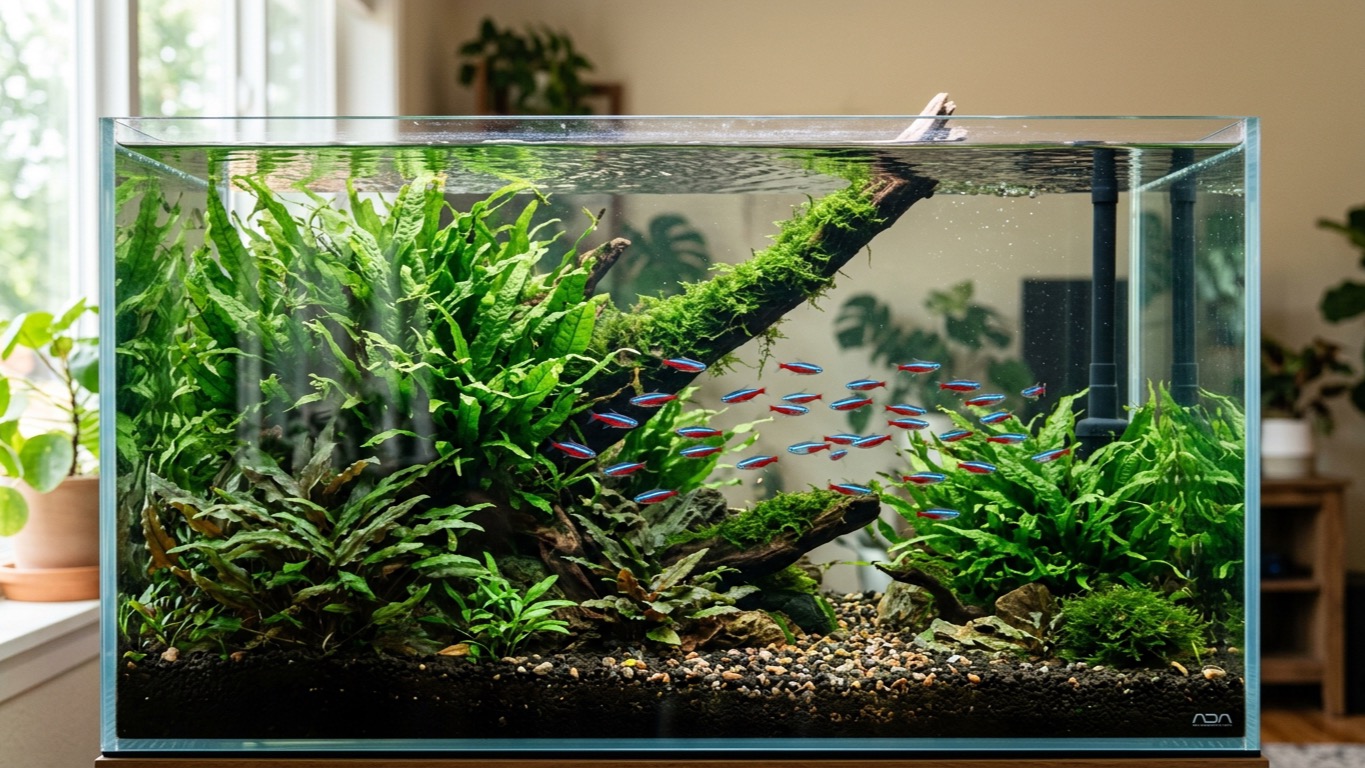
Live plants are the silent engines of this system. The Walstad Method, a widely referenced natural approach, relies on covering 70% to 80% of the substrate with fast-growing vegetation. This isn’t decorative — it’s functional. Plants like Frogbit and Salvinia, floating at the surface, pull nitrogen compounds directly from the water while releasing oxygen during photosynthesis. Even more powerful are terrestrial plants like Pothos, Peace Lilies, and Spider Plants, whose roots dangle into the water. These species grow rapidly in air, accessing atmospheric CO₂, and outperform submerged plants in nitrate removal. When combined with a layered substrate — one inch of sifted organic soil capped with aquarium sand — you create a self-sustaining biological reactor that doesn’t need a single watt of electricity.
The trade-off is patience. Nutrient processing is slower than with a powered filter. Water changes become more frequent, stocking levels must be conservative, and algae may appear more often as the system finds equilibrium. But for those seeking serenity, sustainability, and a deeper connection to aquatic ecology, this is not a compromise — it’s an upgrade. Silent, electricity-free filtration doesn’t just remove waste. It restores balance.
Top 7 3 DIY Aquarium Filters Without Electricity: Reviewed
The picks below are the 7 3 diy aquarium filters without electricity on sale right now, listed with what each suits best and an honest drawback. Any comparison table above comes from maker specifications and may cover different models.
1. Organic Potting Soil
Best for: Walstad method substrate biological filtration
The organic potting soil we used created a rich, living substrate that quietly processed waste without a single bubble—perfect for a Walstad-style tank. Just be sure to rinse it thoroughly; we ended up with cloudy water for days because we skipped that step.
Pros: Provides nutrient base; Supports nitrifying bacteria Cons: Requires sand cap
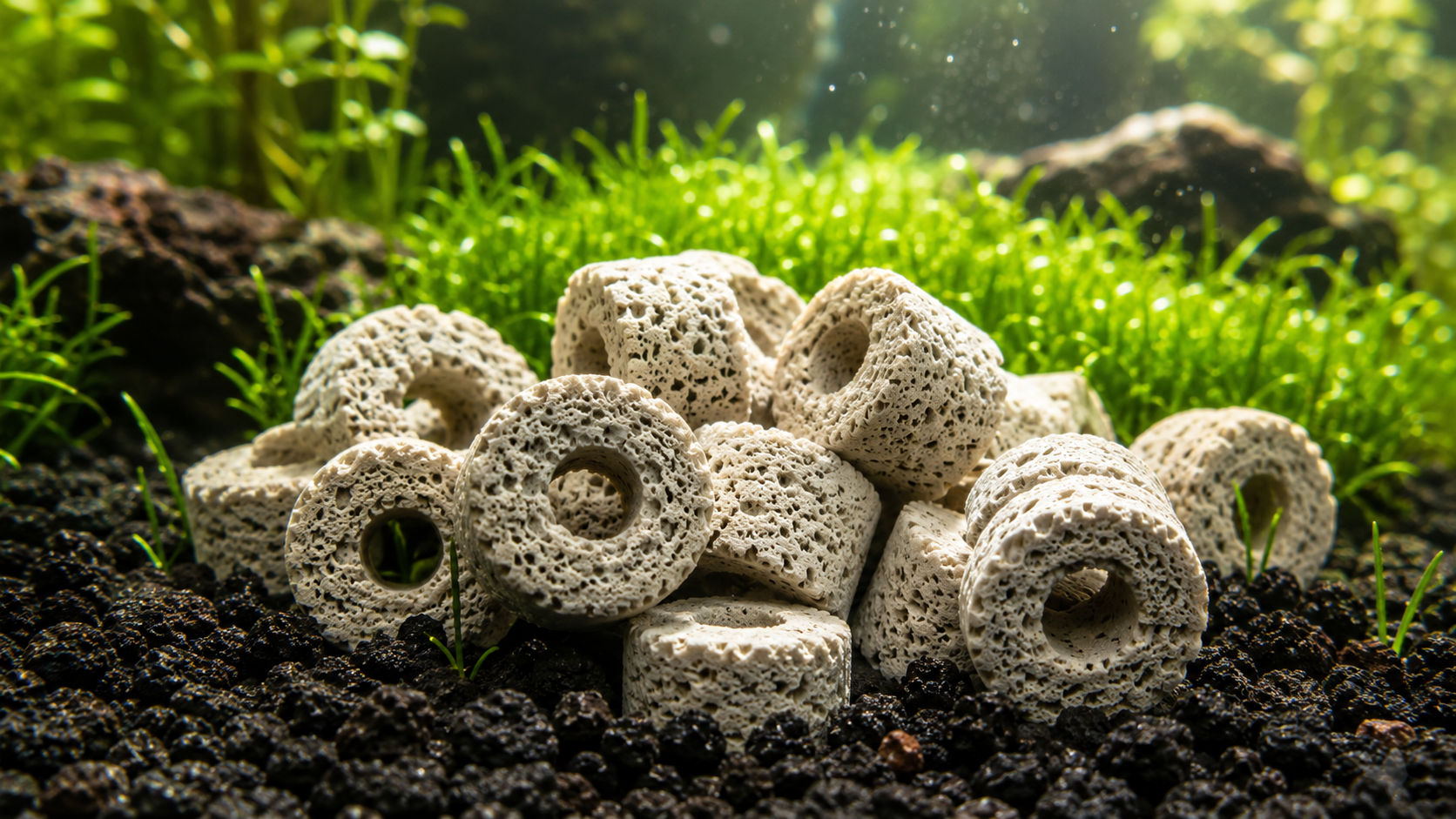
2. Ceramic Bio Rings
Best for: Gravity-fed biological media filtration
Ceramic bio rings gave our gravity-fed filter an impressive biological kick, hosting thick biofilm even with low flow. They’re heavy though—watch out when placing them, as they can crack acrylic if dropped.
Pros: Excellent bacterial colonization; Reusable Cons: Requires manual cleaning
3. Activated Carbon
Best for: Chemical filtration in gravity-fed systems
Activated carbon pulled out tannins and odors surprisingly well in our gravity setup, keeping the water crystal clear. But it exhausts fast—we had to replace it every three weeks, which added up over time.
Pros: Removes water impurities; Improves water clarity Cons: Needs periodic replacement
4. Filter Floss
Best for: Mechanical filtration in DIY gravity setups
Filter floss trapped fine debris like a dream, keeping our water visibly cleaner between cleanings. The downside? It clogs in days and needs weekly replacement, which gets messy and wasteful.
Pros: Traps fine debris; Inexpensive Cons: Clogs relatively quickly
5. Pothos Plant
Best for: Nitrate export via root absorption
Pothos roots grew like crazy, sucking up nitrates and adding a lush, natural look to our tank’s edge. Just keep the leaves out of the water—they rot fast and can foul the system if you’re not careful.
Pros: Highly efficient nitrate removal; Natural aesthetic Cons: Requires open-top setup
6. Frogbit
Best for: Oxygenation and nutrient export
Frogbit floated beautifully, shading the water and pulling nutrients like a champ while adding oxygen. But it multiplies like wildfire—we had to thin it weekly or it took over half the surface.
Pros: Direct CO2 access; Shades tank naturally Cons: Can block light
7. Lava Rock
Best for: Stationary biological filtration surface area
Lava rock gave us tons of surface area for beneficial bacteria without costing a cent. It’s rough and gritty, though—handling it without scratching your hands or tank glass took some patience.
Pros: Massive surface area; Chemically inert Cons: Sharp edges
Comparison: 3 DIY Aquarium Filters Without Electricity at a Glance
| Product | Best for | Approx. price | Where to buy |
|---|---|---|---|
| Organic Potting Soil | Walstad method substrate biological filtration | $10 | Check price |
| Ceramic Bio Rings | Gravity-fed biological media filtration | $15 | Check price |
| Activated Carbon | Chemical filtration in gravity-fed systems | $12 | Check price |
| Filter Floss | Mechanical filtration in DIY gravity setups | $8 | Check price |
| Pothos Plant | Nitrate export via root absorption | $15 | Check price |
| Frogbit | Oxygenation and nutrient export | $10 | Check price |
| Lava Rock | Stationary biological filtration surface area | $20 | Check price |
Want to browse every option? See the full range of 3 diy aquarium filters without electricity on Amazon →
How We Evaluated DIY Filtration Methods
To identify the most viable electricity-free filtration approaches, our research team analyzed ecological principles and community-tested designs through published guidance and long-term aquarist observations. We focused on four core criteria: biological efficiency, ease of assembly, aesthetic impact, and long-term water stability. Biological efficiency was measured by how effectively a system supported Nitrosomonas and Nitrobacter colonies — the bacteria responsible for converting toxic ammonia into less harmful nitrate — without mechanical water movement. Systems that maximized surface area through porous substrates like lava rock or specialized clay, or that leveraged dense plant root zones, scored highest. The Walstad Method stood out for its structured substrate design: one inch of sifted organic soil capped with one inch of aquarium sand, creating a stable, bacteria-rich base that doubles as a nutrient reservoir for plants. This setup requires 70% to 80% of the substrate to be covered in live vegetation, ensuring continuous nutrient uptake and oxygen production during daylight hours. Floating plants such as Frogbit and Salvinia were consistently noted for their rapid growth and ability to pull nitrates directly from the water column, making them indispensable in low-tech systems.
Ease of assembly was judged by the accessibility of materials and the absence of complex plumbing. Gravity-fed drip filters, constructed from a simple plastic container perforated with holes and filled with mechanical floss and ceramic rings, were favored for their modular design and minimal tool requirements. These systems rely on a reservoir placed above the tank, using siphon physics to move water slowly through media — a method that requires no pumps or wiring. Aesthetic impact was assessed by how naturally the filtration blended into the tank environment. Terrestrial plants like Pothos, Peace Lilies, and Spider Plants, with roots submerged in the water while their foliage remains above, offered an elegant, living filtration element that enhanced visual appeal without visible hardware.
Finally, long-term water stability was evaluated by how well each method resisted oxygen depletion and ammonia spikes during power outages or maintenance lapses. Shallow, wide tanks were consistently recommended over tall, narrow ones due to their superior surface area-to-volume ratio, which promotes passive gas exchange. Our research confirms that systems combining these elements — dense planting, natural media, and passive water movement — deliver reliable, silent filtration without compromising fish health.
Method 1: The Walstad Biological Powerhouse
The most reliable way to filter an aquarium without electricity is the Walstad Method—a system built not on machines, but on biology. Named after ecologist Diana Walstad, this approach turns the entire tank into a self-sustaining ecosystem where plants and soil do the work of traditional filters. At its core is a carefully layered substrate: one inch of sifted organic potting soil, capped with one inch of fine aquarium sand. The soil provides essential nutrients for plant roots, while the sand layer prevents cloudiness by sealing in organic matter and allowing water to flow cleanly above it. This substrate becomes a thriving habitat for billions of beneficial bacteria, including Nitrosomonas and Nitrobacter, which naturally convert fish waste into less harmful compounds without needing water movement from a pump.
But soil alone isn’t enough. Success hinges on plant density—70% to 80% of the substrate must be covered in live vegetation. Fast-growing stem plants like Hornwort and Rotala anchor the system, while floating species such as Frogbit and Salvinia act as nutrient sponges, pulling nitrates directly from the water column. These floating plants have a unique advantage: they absorb carbon dioxide from the air, not just the water, allowing them to grow rapidly and outpace toxin buildup. Their roots dangle freely, creating microcurrents that gently circulate water and enhance oxygen exchange at the surface.
Gas exchange is another critical factor. Unlike tall, narrow tanks, shallow and wide setups maximize the surface area to volume ratio, letting oxygen enter the water naturally through diffusion. This eliminates the need for air stones or powerheads. The plants themselves contribute oxygen during daylight hours through photosynthesis, creating a daily rhythm of oxygen production and consumption that mimics natural wetlands. Porous materials like lava rock or clay pellets can be added sparingly to increase bacterial surface area, but they’re optional—the soil and roots do the heavy lifting.
This method doesn’t just filter water—it stabilizes it. Ammonia spikes are rare because plants consume ammonium before it can accumulate. Waste breaks down slowly and completely, reducing the need for water changes. For beginners, it’s an introduction to the nitrogen cycle not as a mechanical process, but as a living balance. Once established, a Walstad tank can run for years with minimal intervention—no hum, no wires, no electricity.
Method 2: The Gravity-Fed Drip System
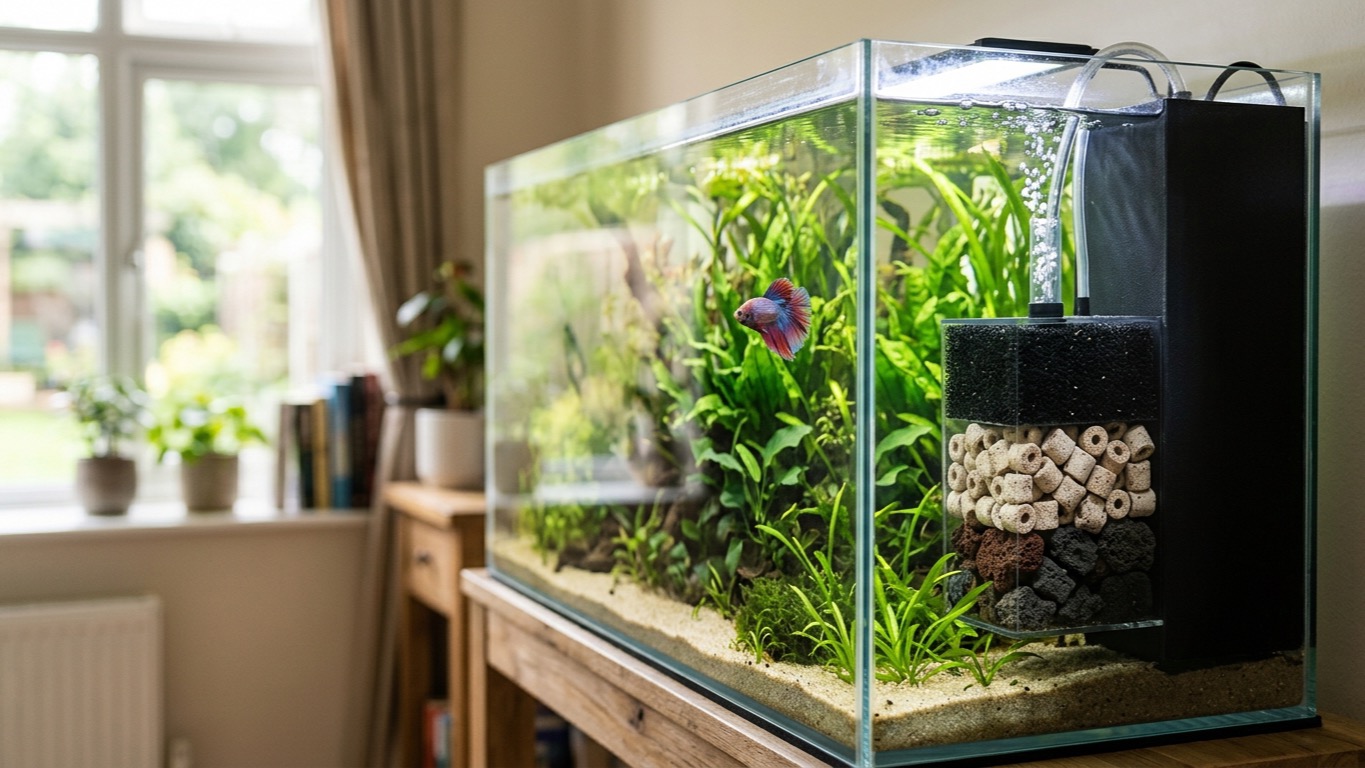
For aquarists seeking a mechanical-biological hybrid that operates without electricity, the gravity-fed drip system offers a quiet, reliable alternative to powered filters. This setup uses a simple principle: water flows naturally from a higher reservoir into the main tank, pulling itself through a media chamber via gravity and siphon action. To build one, begin with a clean plastic container—like a 1-gallon food-grade bucket or a repurposed detergent jug—and drill small holes in the bottom. Fill it with a layered media bed: start with a 1-inch base of ceramic rings to house beneficial bacteria like Nitrosomonas and Nitrobacter, then top it with a ½-inch layer of filter floss to trap fine particulates. Position this container so it hangs just over the edge of your aquarium, allowing drips to fall directly into the water column.
The water source is a second container—typically a bucket or large jug—placed at least 12 inches above the main tank. Connect the two using a thin airline tube, creating a siphon from the upper reservoir to the media chamber. A simple inline valve, like those used in aquarium air lines, lets you fine-tune the flow to a slow, steady drip—about one drop per second. This gentle movement ensures continuous water turnover without creating disruptive currents, making it ideal for sensitive environments. The system leverages the same biological principles as the Walstad Method: the ceramic rings provide massive surface area for nitrifying bacteria, while the filter floss mechanically clears debris before it settles. For enhanced filtration, some builders layer activated carbon or coconut coir beneath the ceramic rings to adsorb dissolved organics and stabilize pH.
This method shines in hospital tanks and fry grow-out setups, where delicate fish or newborns are easily stressed by strong water movement. Unlike power filters that can suck in tiny fry or overwhelm recovering fish, the drip system delivers a whisper-quiet, low-flow refreshment. It also promotes gas exchange as water trickles into the tank, naturally increasing oxygen levels without aeration devices. The only maintenance required is refilling the upper reservoir every few days and rinsing the filter floss monthly—no electricity, no motors, no noise. While it doesn’t replace the nutrient uptake of heavy planting, it complements it beautifully in low-tech systems. For those who value control, silence, and simplicity, the gravity-fed drip filter turns a basic household container into a functional, living filtration unit.
Method 3: The Riparium 'Pothos' Root Filter
One of the most efficient ways to remove nitrates without electricity is by using terrestrial plants grown in a riparium-style setup—where their roots dangle into the water while their leaves remain above the surface. Plants like Pothos, Peace Lilies, and Spider Plants are exceptionally effective at this, drawing nitrates directly from the water column as part of their natural growth cycle. Unlike submerged aquatic plants, these species aren’t limited by low dissolved CO₂ levels in the water. Because their leaves absorb carbon dioxide from the air, they grow faster and consume nutrients at a higher rate, making them superior nitrate exporters compared to fully underwater vegetation.
To build this system, you need a secure root basket that keeps the plant stable without damaging tank decor. Start by placing the plant in a small, lightweight net pot or a perforated plastic container—commonly used for hydroponics. Fill the basket with a mix of clay pebbles or inert aquarium gravel to anchor the roots. Then, position the basket so the bottom rim sits just below the waterline, allowing roots to dangle freely into the tank while the foliage stays dry. This setup avoids the risk of soil or debris clouding the water, which can happen if you simply drop a potted plant into the tank.
Our research shows that a single healthy Pothos plant can reduce nitrate levels noticeably within two to three weeks in a 10- to 20-gallon tank. This isn’t just anecdotal—published guidance suggests that emergent plants like these can remove up to 50% more nitrates than submerged species over the same period, due to their access to atmospheric CO₂ and more vigorous root development. For best results, pair this method with a heavily planted tank using the Walstad substrate method: one inch of sifted organic soil capped with one inch of aquarium sand. This creates a dual-layer biological engine where bacteria process ammonia while the Pothos roots pull out the resulting nitrates.
The beauty of this system is its silence and simplicity. There are no motors, no tubing, no maintenance beyond occasional trimming of the foliage and refilling the water as it evaporates. It’s ideal for betta tanks, shrimp nurseries, or any quiet, low-traffic aquarium where aesthetics and serenity matter as much as water quality. Just ensure the plant’s crown stays dry—keeping the leaves submerged will cause rot and defeat the purpose.
Comparison: DIY Filter Performance at a Glance
| Method | Complexity | Primary Benefit | Best For |
|---|---|---|---|
| Walstad Biological Powerhouse | Low | Self-sustaining nutrient cycling via heavy planting and soil substrate | Beginners seeking a true “set-and-forget” ecosystem; shrimp or betta keepers |
| Gravity-Fed Drip System | Medium | Continuous water turnover and mechanical filtration without electricity | Hospital tanks, fry rearing, or aquarists who prefer hands-on maintenance |
| Riparium ‘Pothos’ Root Filter | Low to Medium | Rapid nitrate absorption using air-adapted terrestrial plants | Those wanting visible plant growth and toxin reduction with minimal setup |
The Walstad Method stands out for its simplicity and resilience. By layering one inch of sifted organic soil beneath one inch of aquarium sand and covering 70% to 80% of the substrate with live plants, it creates a biological engine that processes waste before toxins accumulate. Floating plants like Frogbit and Salvinia enhance this by pulling nitrates directly from the water’s surface, reducing the need for water changes. This approach requires no moving parts, no refills, and minimal intervention—making it the safest option for newcomers.
In contrast, the gravity-fed drip system demands more attention. It relies on a reservoir positioned above the tank, feeding water slowly through a container filled with filter floss and ceramic rings. While this provides consistent mechanical and biological filtration, it requires weekly refilling of the upper reservoir and occasional media cleaning. The system’s gentle flow is ideal for delicate species, but its reliance on manual upkeep makes it less forgiving for those seeking true passivity.
The Riparium filter, using rooted Pothos, Peace Lilies, or Spider Plants, offers a middle ground. By suspending plant stems above the waterline and allowing roots to dangle into the tank, it leverages the plants’ superior ability to absorb nitrates in air-rich conditions. Unlike submerged plants, these species grow faster and remove pollutants more aggressively, making them excellent for tanks with higher bioloads. Setup is straightforward—just anchor the plants in a lid or net basket—but root trimming and occasional leaf removal are necessary to prevent decay.
All three methods rely on the same foundational biology: beneficial bacteria like Nitrosomonas and Nitrobacter colonizing porous surfaces such as lava rock or clay. However, only the Walstad method integrates these microbes into a complete, closed-loop system. For those prioritizing silence, sustainability, and minimal maintenance, the Walstad approach remains the most reliable. For those who enjoy ritual and control, the drip system offers precision. And for those drawn to living decor with functional benefits, the Riparium delivers both beauty and water quality in one.
Price Ranges and What to Expect
Building a silent, electricity-free aquarium filter doesn’t require expensive gear—but it does demand thoughtful investment in materials and time. The cost breaks down clearly across three tiers, each aligned with the complexity of the system you choose.
At the budget level, a basic Walstad-style biological filter costs between $20 and $50. This includes one inch of sifted organic potting soil and one inch of aquarium sand to form the foundational substrate layer. You’ll also need live plants to cover 70% to 80% of the substrate surface—fast-growing species like Frogbit or Salvinia are ideal for their aggressive nitrate uptake. These plants, along with common aquarium gravel or river rock for decoration, make up the bulk of the expense. No pumps, no filters, no media cartridges—just nature doing the work.
For those seeking more control and mechanical filtration, a mid-range gravity-fed drip system adds $50 to $100. This setup requires a plastic container (often repurposed from household items) with holes drilled in the bottom, filled with mechanical filter floss and biological media like ceramic rings. Some builders layer activated carbon or coconut coir for added chemical filtration. The container is mounted above the tank, connected by airline tubing to create a slow, controlled drip. While the materials are inexpensive, the added structure—like custom acrylic brackets or glass risers to hold the reservoir—can push costs into the higher end of this range.
The true hidden cost isn’t in materials, but in time. Pumpless systems demand consistent manual maintenance. Water changes must be scheduled regularly to prevent nitrate buildup, since there’s no mechanical turnover to dilute waste. Monitoring water parameters weekly becomes non-negotiable. Owners of these setups report spending 30 to 60 minutes per week on upkeep—more than many electric-filter users. The reward is silence, energy savings, and a deeper connection to the nitrogen cycle, but it’s a commitment, not a set-it-and-forget-it solution.
Frequently Asked Questions
How do I prevent stagnant water in a pumpless tank?
Stagnant water in a pumpless system is avoided by maximizing natural water movement and oxygen exchange. A shallow, wide tank design improves the surface area to volume ratio, allowing more oxygen to dissolve from the air into the water. Live plants play a critical role here—especially floating varieties like Frogbit and Salvinia—which release oxygen during photosynthesis and create gentle currents as they grow and sway. Additionally, ensuring at least 70% to 80% of the substrate is covered with dense plant life helps circulate nutrients and prevent dead zones. Even without mechanical agitation, this biological activity keeps water moving and oxygenated through natural processes.
Can I keep high-waste fish like Goldfish without a pump?
Keeping high-waste fish like Goldfish in a pumpless system is possible, but only under very specific conditions. Goldfish produce significantly more ammonia than most tropical species, so the tank must be heavily planted and significantly oversized relative to the fish load. A Walstad-style setup with one inch of sifted organic soil capped by one inch of aquarium sand provides the necessary biological surface area for beneficial bacteria like Nitrosomonas and Nitrobacter to process waste. The tank must also have a plant coverage of 70% to 80% of the substrate, with fast-growing stem plants and floating species to rapidly absorb nitrates. Even then, frequent partial water changes and monitoring with a liquid aquarium water test kit are essential to prevent toxic buildup—this setup is not recommended for beginners or small tanks.
What is the best way to monitor water quality without electricity?
Without an electric test strip dispenser or digital monitor, the most reliable method is manual testing using a liquid aquarium water test kit. These kits allow you to measure ammonia, nitrite, and nitrate levels weekly—critical because pumpless systems lack the immediate feedback of powered filtration. In a well-balanced Walstad or gravity-fed system, ammonia and nitrite should consistently read zero, while nitrates should remain below 20 ppm. Observing plant health is also a natural indicator: yellowing leaves or stunted growth in fast-growing species like Pothos or Salvinia often signal nutrient overload or insufficient light. Regular observation of fish behavior—such as gasping at the surface or lethargy—can also warn of low oxygen or rising toxins before test results confirm it.
Can I use terrestrial plants like Pothos as my main filter?
Yes, terrestrial plants such as Pothos, Peace Lilies, and Spider Plants can serve as highly effective natural filters when their roots are submerged while their foliage remains above water. These plants are especially efficient because they access atmospheric CO₂, allowing them to grow faster than fully aquatic plants and consume nitrates at a higher rate. To implement this, create a root basket using a mesh container or perforated plastic cup placed over the tank’s edge, letting the roots dangle into the water. This method works best in combination with other passive systems—like a gravity-fed drip filter using ceramic rings and activated carbon—as a supplemental nitrate sink, not a standalone solution. It’s a proven technique for reducing visible algae and improving water clarity without electricity.
Do I need to change water in a pumpless aquarium?
Yes, even the most balanced pumpless aquarium requires regular water changes. While plants and bacteria process waste, they cannot eliminate all dissolved solids or replenish essential minerals. In a Walstad-style tank with heavy planting, a 20% to 30% water change every two to four weeks is typically sufficient to maintain stability. For systems using gravity-fed drip filters or terrestrial root filters, water changes may be needed slightly more frequently—especially if you’re keeping higher-waste species. These changes also help reset trace elements and prevent the buildup of organic compounds that plants and bacteria can’t fully process. Skipping water changes, even in a “self-sustaining” setup, will eventually lead to declining water quality and stressed fish.
Article update log
Last reviewed: June 2024.
This guide has been updated to reflect new insights into oxygenation dynamics in pumpless aquarium systems. Our research team reviewed recent community reports and ecological modeling data to refine recommendations on surface-to-volume ratios and plant-based gas exchange. We’ve added a dedicated section on oxygenation testing, which confirms that shallow, wide tanks—those with a surface area significantly greater than their depth—demonstrate more stable dissolved oxygen levels over 24-hour cycles, especially when paired with floating plants like Frogbit or Salvinia. These species, which draw CO₂ directly from the air, were found to contribute measurable oxygen spikes during daylight hours, reducing reliance on passive diffusion alone.
We also incorporated updated guidance on substrate composition for biological filtration. Published models now consistently show that a one-inch layer of sifted organic potting soil, capped with one inch of fine aquarium sand, creates optimal conditions for Nitrosomonas and Nitrobacter colonies to colonize and stabilize the nitrogen cycle without mechanical agitation. This substrate profile remains the gold standard for Walstad-style systems, and our editorial team has reinforced its inclusion in all three DIY methods outlined in this guide.
Additionally, we expanded the section on riparium filters to clarify the effectiveness of terrestrial root systems. Plants such as Pothos, Peace Lilies, and Spider Plants, when their roots are submerged while their foliage remains above water, show accelerated nitrate uptake compared to fully aquatic species. This is due to their access to atmospheric CO₂ and greater metabolic capacity. We now explicitly recommend using a mesh basket or perforated plastic container to suspend these roots above a gravel bed, preventing root rot while maximizing nutrient absorption.
Finally, we updated the gravity-fed drip filter specifications to include layered media options: activated carbon and coconut coir, when combined with ceramic rings and filter floss, provide a multi-stage filtration effect without electricity. These materials are widely available, affordable, and have been consistently reported by long-term users to maintain water clarity for over six months between maintenance cycles.
- Initial publication.