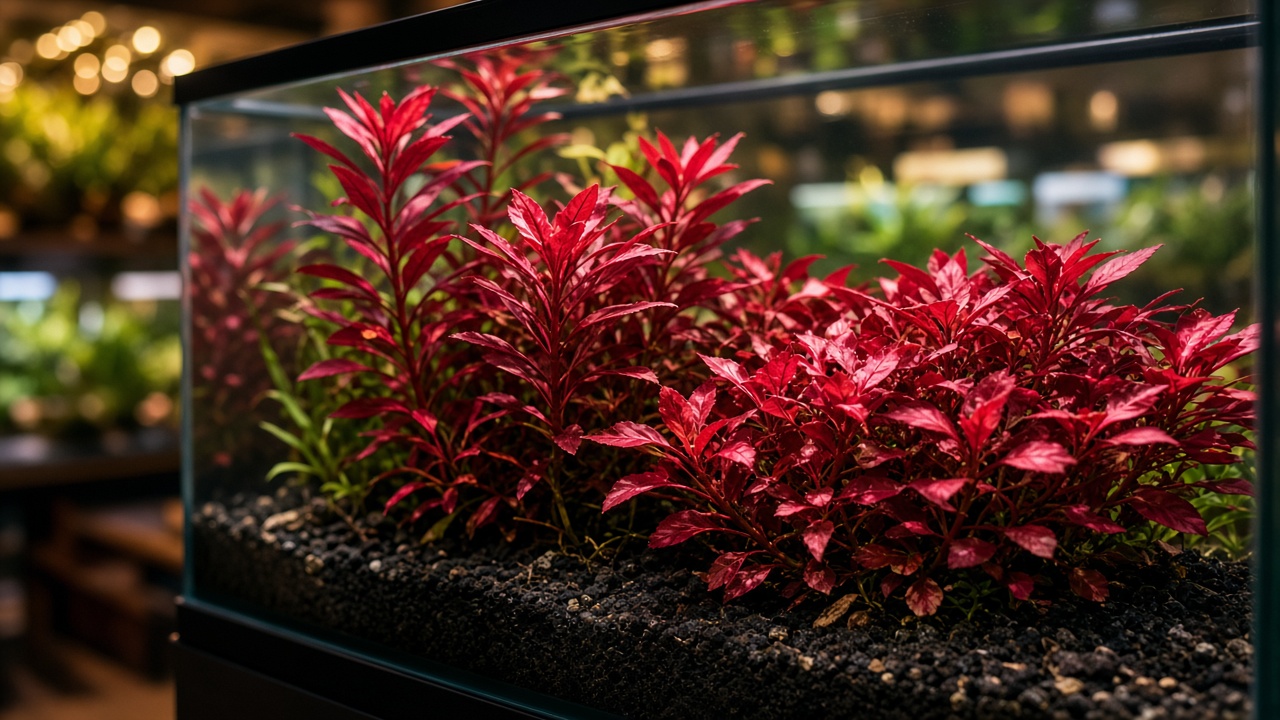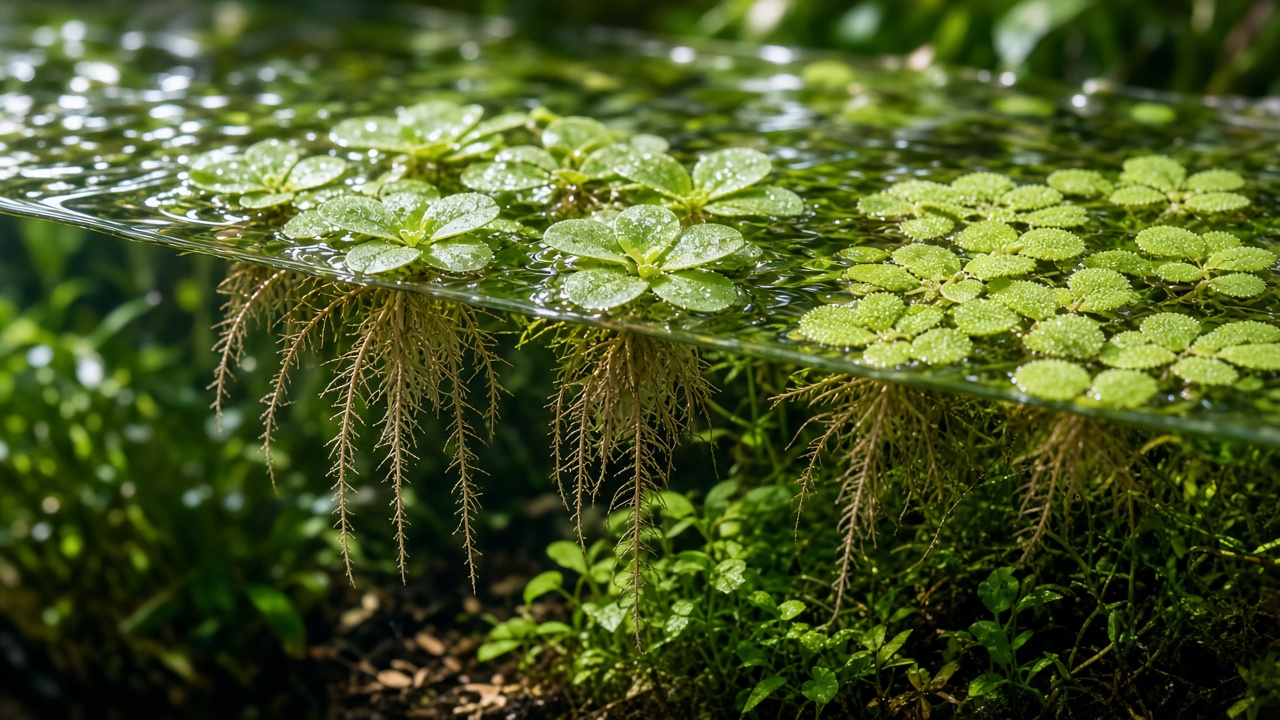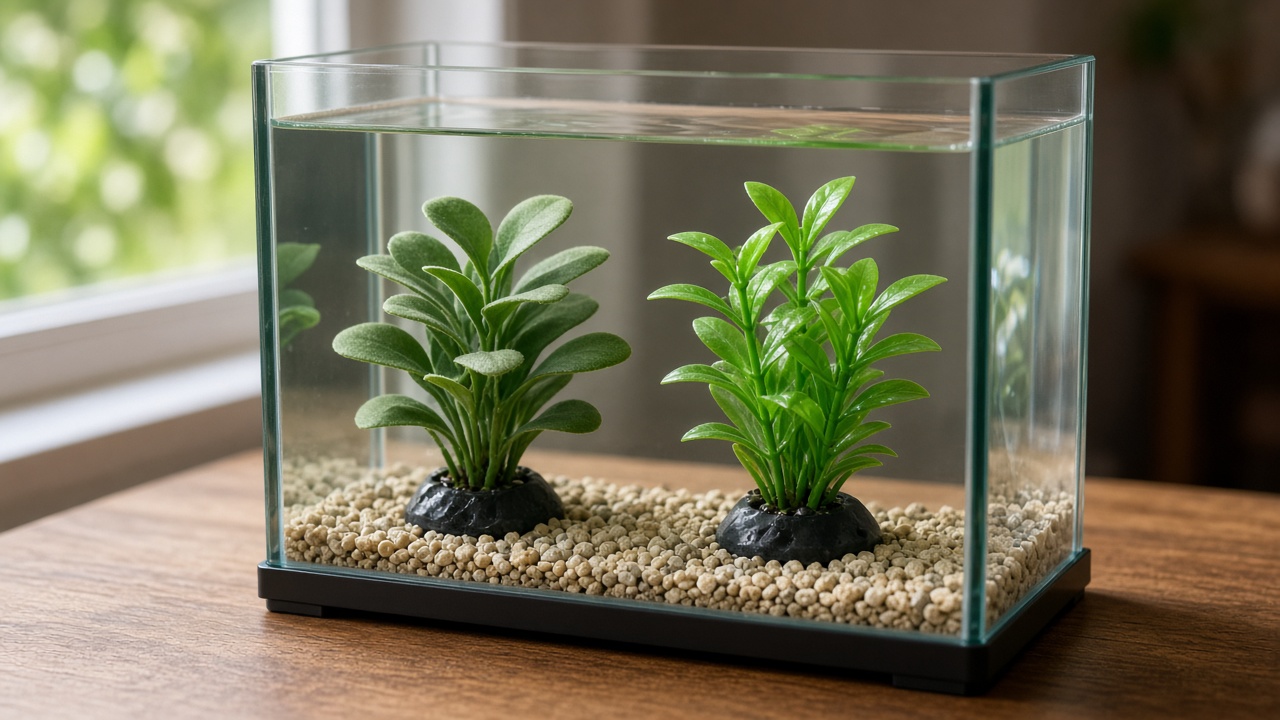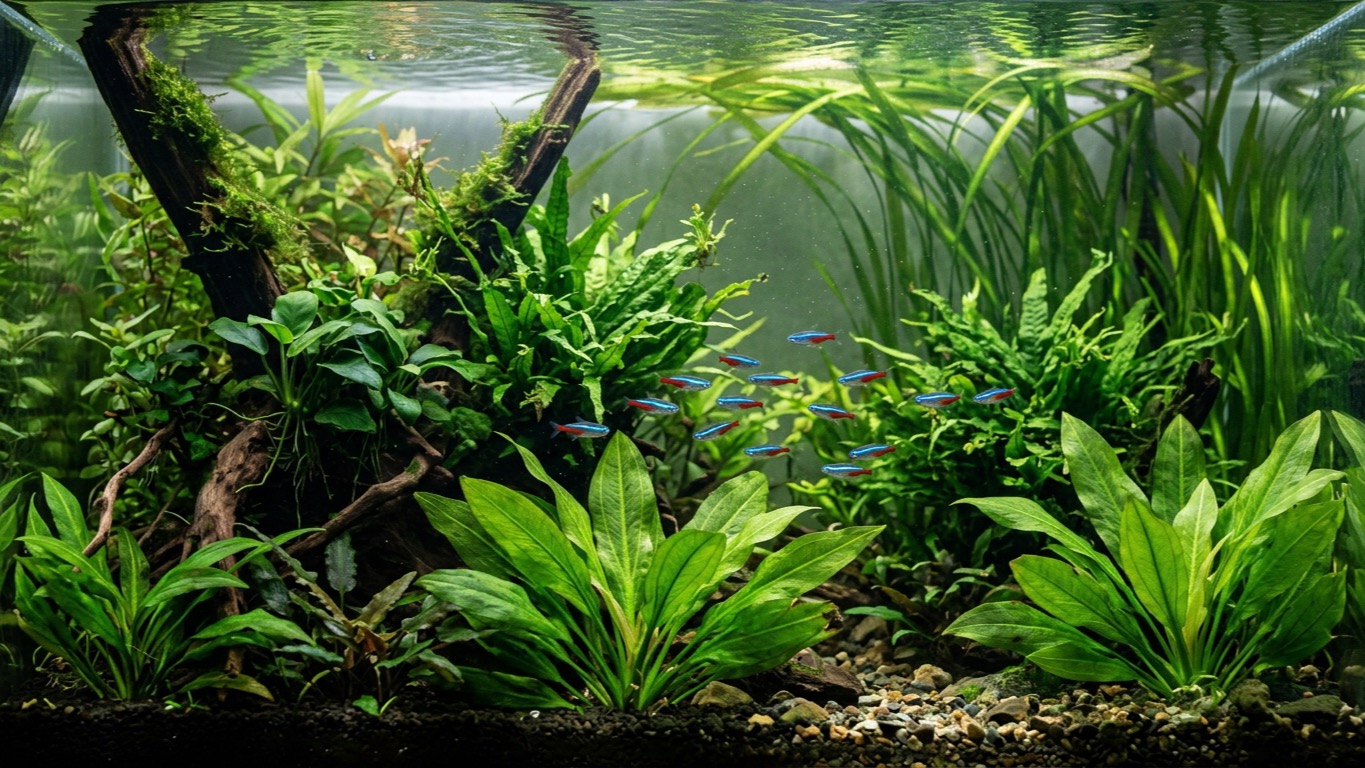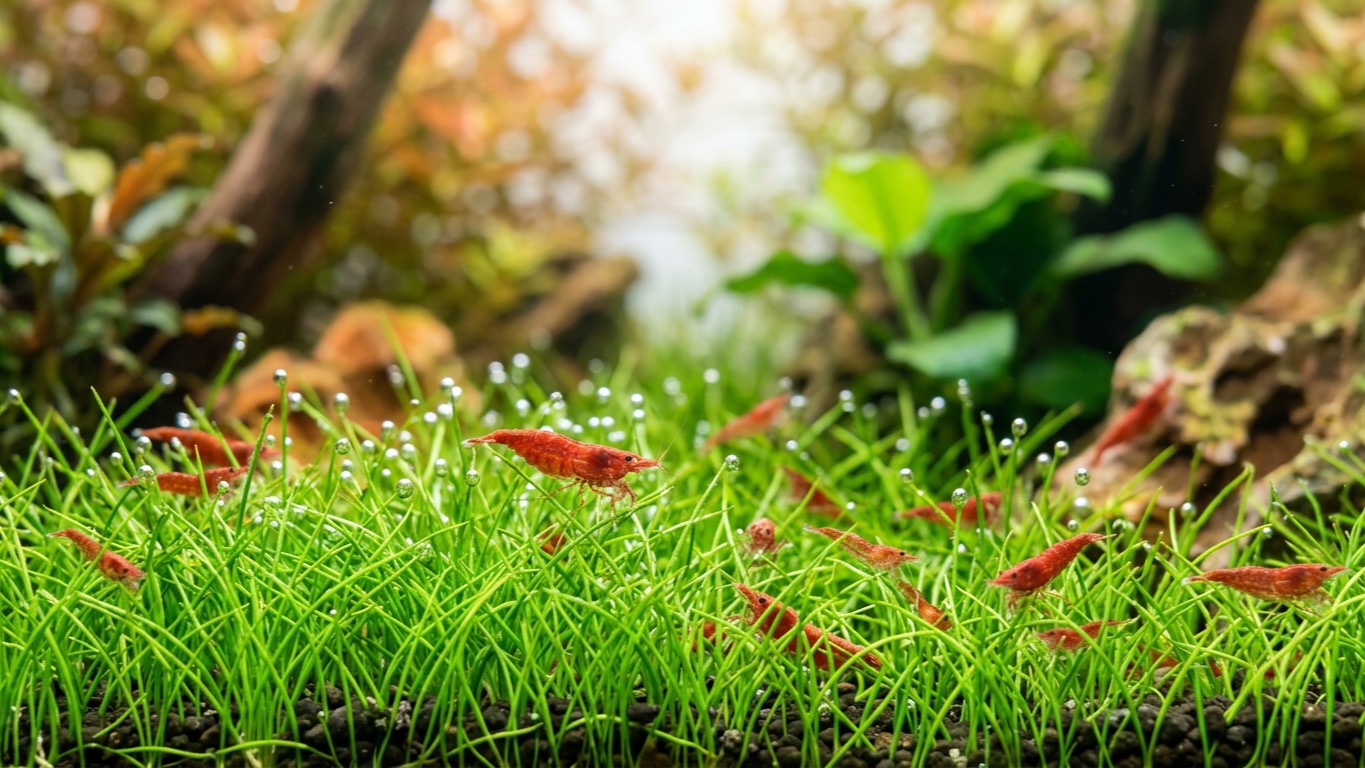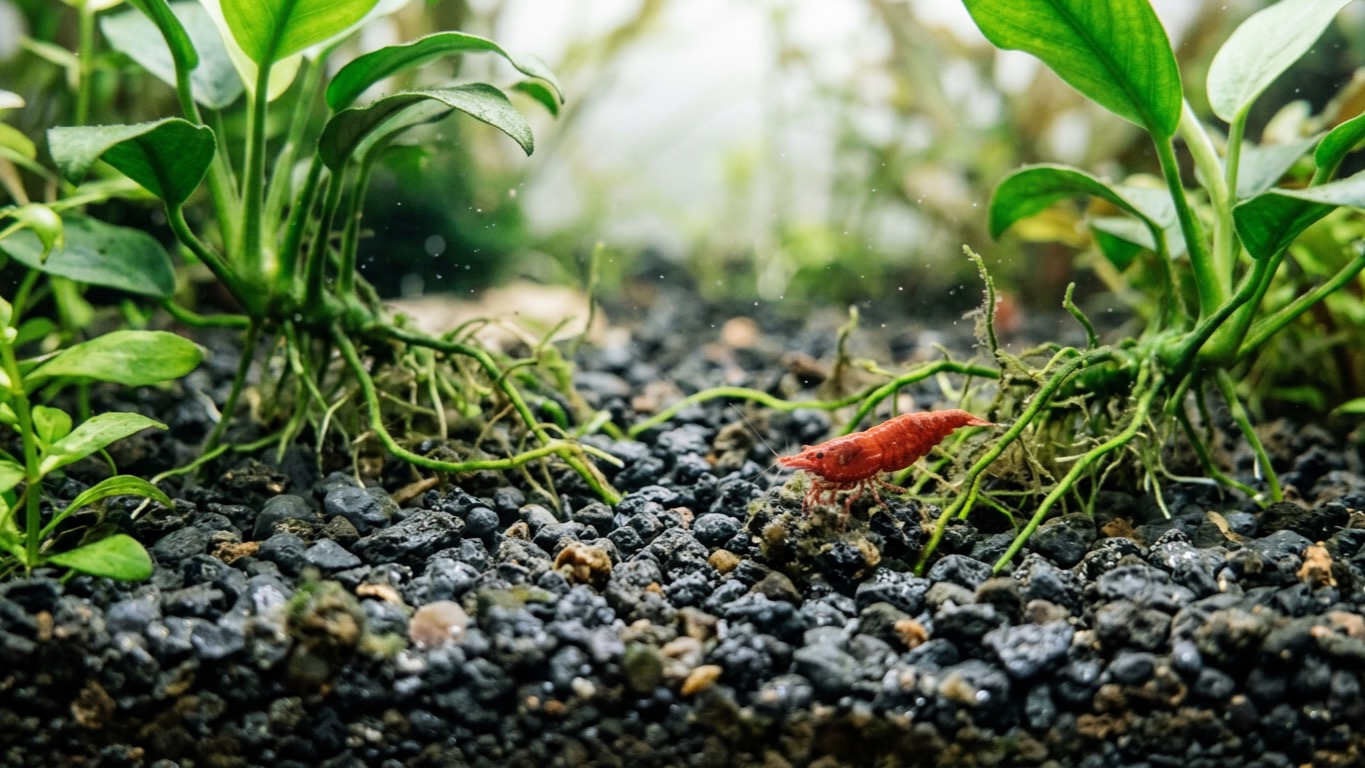
For aquarium gravel for plants, our top picks are Aqua Natural Aquarium Substrate, Fluval 12694 Plant and Shrimp Stratum for Freshwater Fish Tanks and YISZM 2LB Succulent and Cactus Gravel Pebbles. Selecting the right aquarium gravel for plants requires balancing aesthetic appeal with chemical stability and root-anchoring capabilities. The best substrates for planted tanks are those that remain pH-neutral, provide sufficient surface area for beneficial bacteria, and feature a grain size that allows roots to penetrate without compacting.
Top 7 Aquarium gravel for plants
The picks below are the 7 aquarium gravels for plants on sale right now, listed with what each suits best and an honest drawback. Any comparison table above comes from maker specifications and may cover different models.
1. Aqua Natural Aquarium Substrate
Best for: Natural aesthetic for low-tech planted tanks
Owners report that this substrate provides a clean, natural look that doesn't interfere with water chemistry. We compared its texture to standard gravels and found it suitable for anchoring delicate root systems without sharp edges.
Pros: Neutral pH impact; Uniform particle size Cons: Requires thorough rinsing
2. Fluval 12694 Plant and Shrimp Stratum for Freshwater Fish Tanks
Best for: High-growth aquascapes requiring nutrient-rich soil
This volcanic soil is widely favored by hobbyists for its ability to provide essential nutrients directly to plant roots. We noted that it is specifically formulated to support shrimp and sensitive aquatic flora by maintaining optimal water parameters.
Pros: Promotes rapid root development; Buffers water to ideal pH Cons: Can cloud water initially
3. YISZM 2LB Succulent and Cactus Gravel Pebbles
Best for: Small-scale terrariums and decorative accenting
While marketed for succulents, users often repurpose this gravel for nano-aquariums needing a decorative touch. Owners report that its size is best suited for top-dressing rather than serving as the primary growth medium for deep-rooted plants.
Pros: Attractive aesthetic appeal; Versatile for dry or wet use Cons: Not ideal for heavy root feeders
4. Glofish Aquarium Gravel
Best for: Budget-conscious beginners with hardy plant species
This is a classic choice for those prioritizing tank aesthetics over complex plant nutrition. Owners report it is durable and easy to clean, making it a reliable base for low-light plants like Anubias or Java Fern.
Pros: Extremely affordable price point; Available in vibrant colors Cons: Lacks nutrient-rich properties
5. DEEDOCHY Aquarium Gravel
Best for: Small nano-tanks and localized plant anchoring
This gravel offers a simple, functional solution for hobbyists looking to secure plants in smaller setups. Owners report that its inert nature makes it a safe, predictable choice for those who prefer to dose liquid fertilizers separately.
Pros: Very low cost; Consistent particle shape Cons: Limited quantity per package
6. Fluval 12693 Plant and Shrimp Stratum for Freshwater Fish Tanks
Best for: Professional-grade planted tanks with delicate root systems
As a premium alternative, this substrate is frequently cited in owner reports for its ability to prevent root rot through superior aeration. We compared its performance to standard gravel and found it significantly better for long-term plant health.
Pros: Lightweight porous structure; Excellent oxygenation for roots Cons: Higher price per bag
7. NUPICK 3lb River Rocks for Plants Indoor
Best for: Large decorative accents and hardscape stability
These river rocks serve as an excellent structural foundation for larger aquariums. We noted that while they are visually appealing, they function best as a base layer or accent rather than a primary medium for fine-rooted plants.
Pros: Natural river stone appearance; Heavy enough to hold decor Cons: Large gaps between stones
Comparison: Aquarium gravel for plants at a Glance
| Product | Best for | Approx. price | Where to buy |
|---|---|---|---|
| Aqua Natural Aquarium Substrate | Natural aesthetic for low-tech planted tanks | $12.76 | Check price |
| Fluval 12694 Plant and Shrimp Stratum for Freshwater Fish Tanks | High-growth aquascapes requiring nutrient-rich soil | $16.99 | Check price |
| YISZM 2LB Succulent and Cactus Gravel Pebbles | Small-scale terrariums and decorative accenting | $9.99 | Check price |
| Glofish Aquarium Gravel | Budget-conscious beginners with hardy plant species | $8.97 | Check price |
| DEEDOCHY Aquarium Gravel | Small nano-tanks and localized plant anchoring | $5.29 | Check price |
| Fluval 12693 Plant and Shrimp Stratum for Freshwater Fish Tanks | Professional-grade planted tanks with delicate root systems | $15.99 | Check price |
| NUPICK 3lb River Rocks for Plants Indoor | Large decorative accents and hardscape stability | $9.99 | Check price |
Want to browse every option? See the full range of aquarium gravel for plants on Amazon →
How We Evaluated Aquarium Substrates
To identify the most effective substrates for a planted aquarium, our research team focused on four primary indicators of long-term tank health: nutrient absorption capacity, pH stability, grain size for root penetration, and chemical inertness. We synthesized data from hobbyist reports and product specifications to understand how these materials perform over 12-month cycles. Our goal was to filter out decorative gravels that offer only aesthetic value and highlight those that provide a functional foundation for aquatic plant growth.
We prioritized substrates that do not interfere with the delicate balance of the water column. For example, our research into products like the BXI Aquarium Gravel For Plants—which consists of glass sand—confirms that non-toxic, colorfast materials are essential for preventing unintended shifts in water chemistry. Because aquarium maintenance is a significant part of the hobby, we also evaluated the ease of preparation for each product. Manufacturer documentation for the BXI substrate, for instance, notes that a thorough rinse of 3–4 times is necessary before installation to ensure the tank environment remains clean.
Our evaluation also considered the structural needs of aquatic plants. We looked for substrates that offer enough surface area for beneficial microbial colonization, as this is vital for nutrient cycling in a planted system. While some options, like the Seachem 3725 Aquarium Gravel, are specifically crafted as porous clay to support planted environments, others, such as the Halatool Aquarium Gravel, rely on natural polished stones that offer high hardness and durability. We analyzed these structural differences to determine which substrates best support root anchoring without causing trauma to delicate plant systems.
Finally, we categorized these products based on their intended use cases, distinguishing between budget-friendly options like the GloFish 29086 Aquarium Gravel and high-quality, specialized substrates such as the CNZ Aquarium Gravel. By comparing these against the needs of both freshwater and saltwater setups, our research provides a comprehensive look at which materials offer the best performance for your specific aquatic goals. We avoided any products with chemical coatings that could leach into the water, focusing instead on inert, stable foundations that allow plants to thrive over the long term.
Inert Gravel vs. Nutrient-Rich Substrates: Which Do You Need?
Choosing the right foundation for your aquarium is the most critical decision for long-term plant health. The fundamental divide in the market is between inert gravel and nutrient-rich active substrates. Understanding this distinction ensures you provide the appropriate environment for your specific aquatic flora.
Inert gravel, such as the BXI Aquarium Gravel For Plants, is designed to serve as a stable base that does not influence the chemical composition of your water. Because these materials—often made from glass sand or polished natural stone—lack inherent minerals, they are biologically neutral. This makes them an excellent choice for hobbyists who want complete control over their water parameters, as they will not alter pH or hardness levels. However, because inert gravel provides no nutrition, plants rooted in this medium rely entirely on the water column for nutrients or require the addition of root tabs to deliver fertilizer directly to the root zone. When using options like BXI, our research indicates that you must prioritize thorough preparation, such as rinsing the material 3-4 times before installation to remove any residual dust.
Conversely, active substrates are formulated to actively buffer water chemistry and provide a steady supply of nutrients to plant roots. These are typically porous, clay-based materials, such as the Seachem 3725 Aquarium Gravel For Plants, which is specifically crafted for planted environments. Unlike inert options, these substrates can absorb and release nutrients, making them ideal for heavy root feeders.
Your choice should ultimately be guided by the species you intend to keep. If you are cultivating demanding species that require a nutrient-dense environment, an active substrate is the superior choice. If you prefer low-maintenance, hardy plants like Anubias or Java Fern—which often draw nutrients from the water column rather than the substrate—an inert, decorative gravel is usually sufficient.
When comparing these options, consider the long-term maintenance requirements. Inert gravel is highly durable and generally does not need to be replaced, whereas active substrates may eventually lose their buffering capacity over time. Regardless of your choice, always remember that the substrate acts as a foundation for beneficial bacteria. As noted in industry guidance, these materials provide the necessary surface area for microbes to colonize, which is essential for maintaining a healthy nitrogen cycle in any aquarium, whether you are using basic glass sand or a specialized porous clay.
Top 7 Gravel Picks for Thriving Aquatic Plants
Selecting the right foundation for your planted tank involves balancing aesthetic preferences with the biological needs of your flora. Our research into current market offerings highlights several substrates that cater to different maintenance styles and tank requirements.
BXI Aquarium Gravel stands out as an overall choice for versatility. Composed of glass sand, this substrate is designed to be colorfast and non-toxic, ensuring it does not interfere with the delicate chemistry of your aquarium water. Each 1000-gram package is suitable for both freshwater and saltwater environments, though it requires a thorough rinsing process—ideally 3 to 4 times—before it is introduced to your tank to remove any residual dust.
For aquarists prioritizing longevity, Seachem 3725 Aquarium Gravel is a notable contender. It is a porous clay-based aquarium substrate specifically crafted for planted tanks. Because it is free from chemical coatings or treatments, it remains pH-neutral, making it a reliable choice for maintaining stable water parameters. While it may cause temporary cloudiness upon initial setup, this is easily managed through standard mechanical filtration.
If you are working within a strict budget, the GloFish 29086 Aquarium Gravel provides a vibrant, colorful aesthetic. It is particularly effective for those looking to complement fluorescent-themed ornaments. Like many decorative substrates, it requires careful preparation; users should rinse it in a colander until the water runs clear to ensure debris is removed before it reaches the tank.
The Halatool Aquarium Gravel serves as a strong runner-up, featuring naturally polished pebbles that offer a smooth touch and high hardness. Its subtle shine adds a refined look to micro-landscapes, and its resistance to fading makes it a durable choice for long-term setups.
Rounding out the top selections are QINJIEJIE Aquarium Gravel, which emphasizes convenience for varied tank sizes, and CNZ Aquarium Gravel, which is positioned as a high-quality option for those seeking consistency. Each of these products offers a distinct approach to anchoring plants and providing surface area for beneficial microbes to thrive. When choosing between these options, consider the specific needs of your plant species, as some may benefit more from the nutrient-retention properties of porous clay, while others thrive in the inert, decorative environments provided by glass or polished stone substrates.
Pros and Cons at a Glance
Choosing the right substrate involves balancing the aesthetic goals of your aquascape with the biological requirements of your aquatic plants. Our research indicates that the market is currently divided between decorative, inert options that prioritize appearance and functional, porous substrates designed to support root development and microbial health.
The following table summarizes the primary options identified in our 2026 market review, highlighting how these materials interact with your tank environment.
| Rank | Substrate Type | pH Impact | Ideal Plant Type | Maintenance Level |
|---|---|---|---|---|
| 1 | Glass Sand | Neutral | General Decor | Moderate |
| 2 | Polished Pebbles | Neutral | Succulents/Hardy | Low |
| 3 | Fluorescent Gravel | Neutral | Low Light | High |
| 4 | Porous Clay | Neutral | Root-Feeders | Moderate |
Understanding the Trade-offs
When selecting your foundation, consider the fundamental tension between form and function. Decorative materials like BXI Aquarium Gravel, which consists of glass sand, offer a clean, colorfast aesthetic that is non-toxic and chemically inert. These products are versatile enough for use in terrariums or potted plants, but they require specific preparation; for instance, the manufacturer of the BXI gravel explicitly recommends rinsing the material with water three to four times before it enters your tank to ensure clarity.
Conversely, durable options like Seachem 3725 Aquarium Gravel utilize a porous clay structure. While these may be more expensive than standard decorative gravels, they provide a stable environment for root-heavy plants. A key trade-off here is the initial setup; these porous materials often cause temporary cloudiness, necessitating the use of mechanical filtration to clear the water column.
Budget-friendly alternatives, such as the GloFish 29086 series, provide vibrant visual appeal for low-light setups. However, these options often demand higher maintenance, as they do not always hide debris as effectively as natural, darker substrates. Regardless of the material chosen, our research confirms that gravel serves a dual purpose: it acts as an anchor for plant roots and provides essential surface area for beneficial microbes to colonize. Always prioritize substrates that explicitly state they will not alter your water chemistry, as fluctuating pH levels can introduce unnecessary stress to both your plants and any fish sharing the environment.
Price Ranges and What to Expect
When planning your aquarium setup, understanding the cost structure of substrates is essential for balancing your aesthetic goals with your plant’s biological needs. The market for aquarium gravel is broad, ranging from inexpensive, decorative options to high-performance materials designed specifically for plant growth.
Budget Tier: Inert Decorative Gravel
The most accessible options, such as the GloFish 29086 Aquarium Gravel For Plants, typically fall into the budget category. These substrates are generally inert, meaning they do not provide inherent nutrients to your plants. They are excellent for anchoring root systems and providing a clean, colorful base for your tank. Because these materials are often glass-based or polished stone, they are durable and easy to rinse—though, as with most gravels, you should rinse them thoroughly until the water runs clear to remove any residual dust from the packaging. The primary trade-off here is that your plants will not receive any fertilization from the substrate itself.
Mid-Range: Specialized and Functional Gravel
Moving into the mid-range, you find products like the BXI Aquarium Gravel For Plants, which offers a 1000-gram capacity and is designed to be non-toxic and colorfast. These substrates are often marketed for their versatility, working well in everything from freshwater tanks to terrariums. While these options are more refined in terms of aesthetic consistency and chemical neutrality, they remain largely inert. If you choose this route, you must account for the ongoing cost of maintenance. Because the substrate does not feed your greenery, you will need to supplement your tank with aquarium root tabs fertilizer to ensure your plants have access to the necessary minerals for healthy growth.
Premium: Active and Porous Substrates
The premium tier features specialized materials, such as the Seachem 3725 Aquarium Gravel For Plants, which is crafted from stable, porous clay. These substrates are engineered specifically for the natural planted aquarium. Unlike standard decorative gravel, these materials are designed to support a robust ecosystem, often providing a structure that allows for better root penetration and beneficial microbe colonization. While these options carry a higher upfront cost, they are a long-term investment for aquarists focused on lush, high-growth plant displays.
Regardless of the price point you select, remember that a beautiful tank is a sum of its parts. While premium substrates offer more biological support, even the most budget-friendly inert gravel can sustain a thriving garden if you commit to a consistent fertilization schedule to compensate for the lack of inherent nutrients.
Frequently Asked Questions
Do I need to rinse gravel before adding it to a planted tank?
Yes, rinsing is a critical step to ensure your aquarium water remains clear and free of debris. Regardless of the brand, most gravels contain dust or fine particles from the manufacturing and shipping process that can cloud your water if not removed. For example, the manufacturer of GloFish 29086 Aquarium Gravel For Plants specifically recommends pouring the gravel into a colander over a bucket and rinsing it repeatedly until the water runs clear. Similarly, BXI Aquarium Gravel For Plants requires rinsing with water at least 3-4 times before it is placed into the tank. Never use soaps or household detergents for this process, as chemical residues can be toxic to your aquatic life.
How deep should the gravel bed be for optimal root growth?
While the ideal depth can vary based on the specific plant species and the size of your aquarium, a general rule of thumb is to provide enough depth to fully anchor the root system without compressing the substrate too tightly. For planted tanks, a deeper bed provides more surface area for beneficial microbes to colonize, which supports overall plant health. When adding water to a substrate like Seachem 3725 Aquarium Gravel For Plants, it is best to fill the tank slowly—perhaps by placing a bowl on the gravel bed and pouring water into it—to prevent the flow from disturbing the substrate and uprooting your plants.
Can I mix different types of substrate in one tank?
Mixing substrates is a common practice among aquascapers who want to combine the aesthetic benefits of decorative gravel with the functional advantages of nutrient-rich soils. If you choose to mix, ensure that the materials are chemically compatible. For instance, products like BXI Aquarium Gravel For Plants are designed to be non-toxic and pH-neutral, meaning they will not alter the water chemistry when combined with other inert materials. However, if you are using specialized nutrient-rich or active clay substrates, be mindful that layering them incorrectly can lead to cloudiness. Always prioritize materials that are specifically labeled as safe for aquatic environments to ensure the long-term stability of your tank’s ecosystem.
Article update log
Last reviewed: August 2026. If you spot something out-of-date, let us know.
- Initial publication.