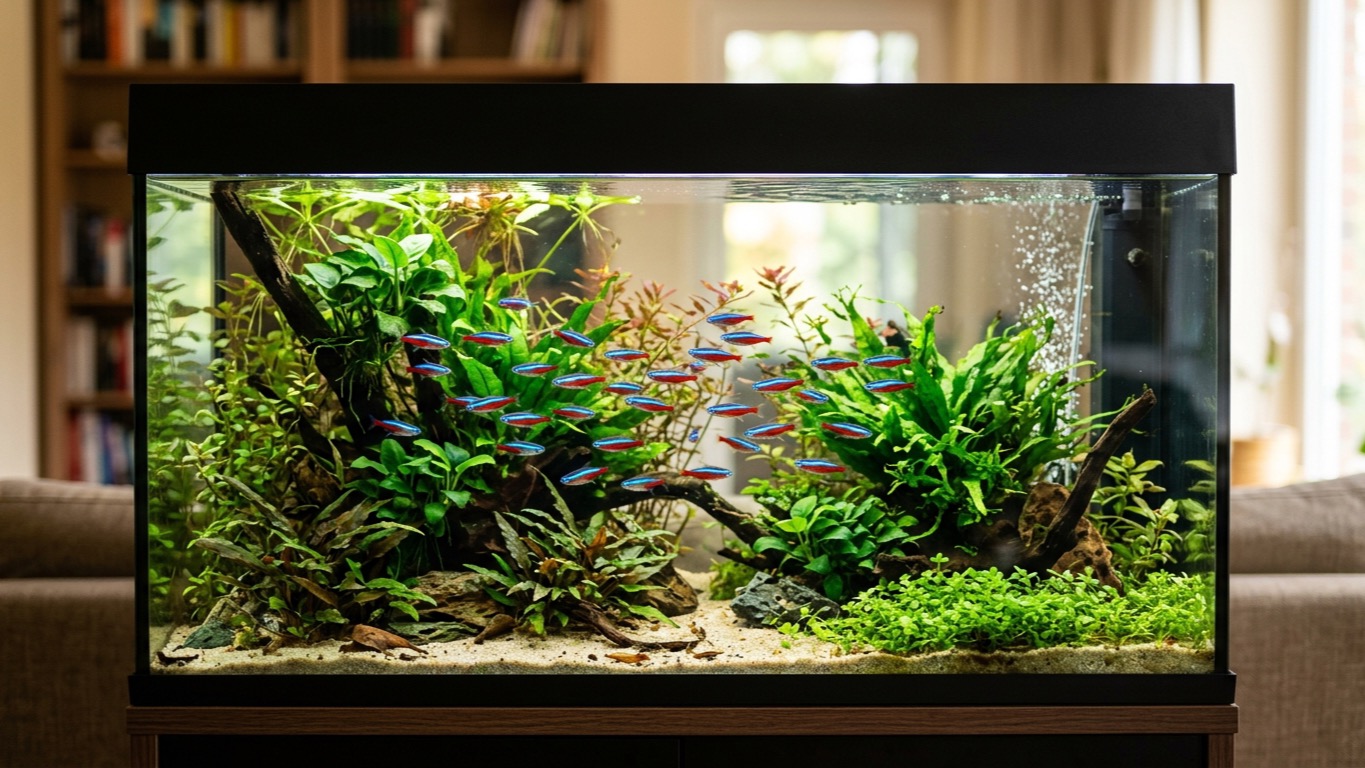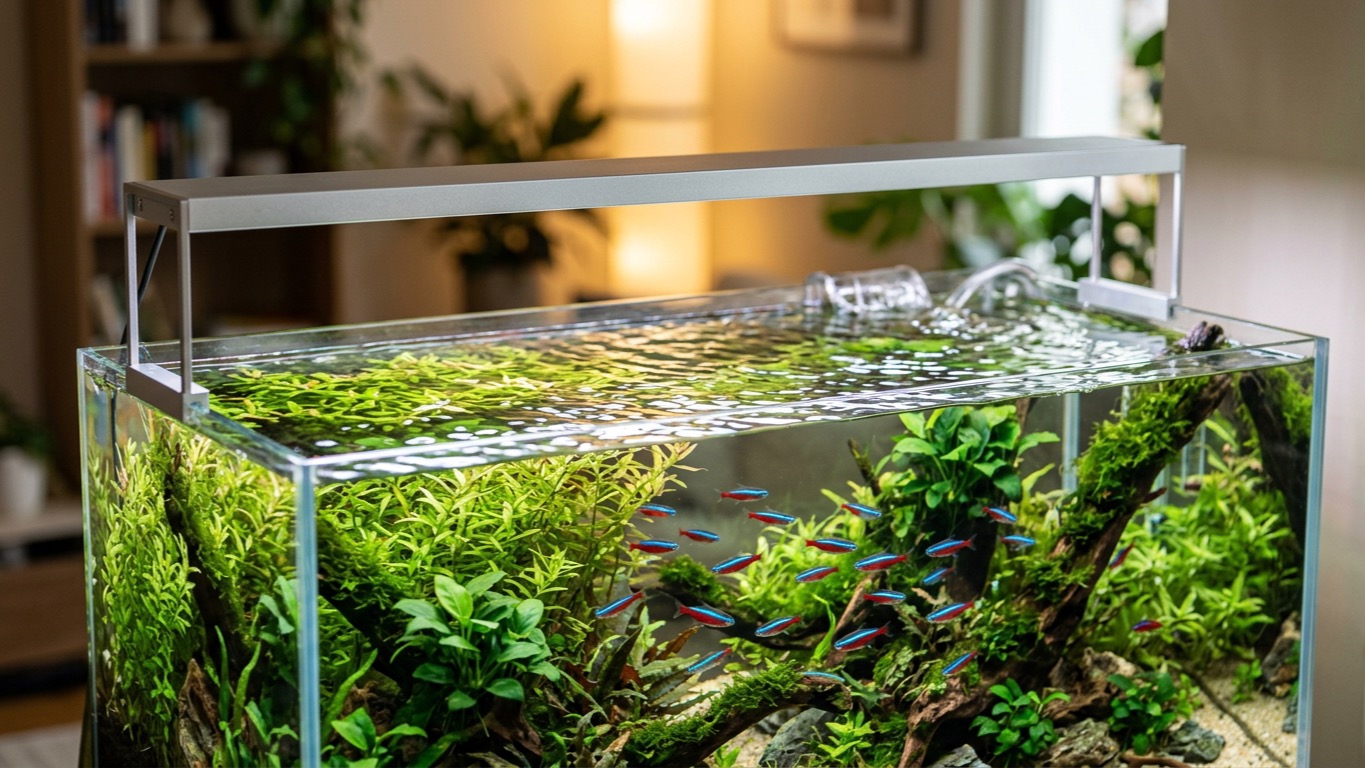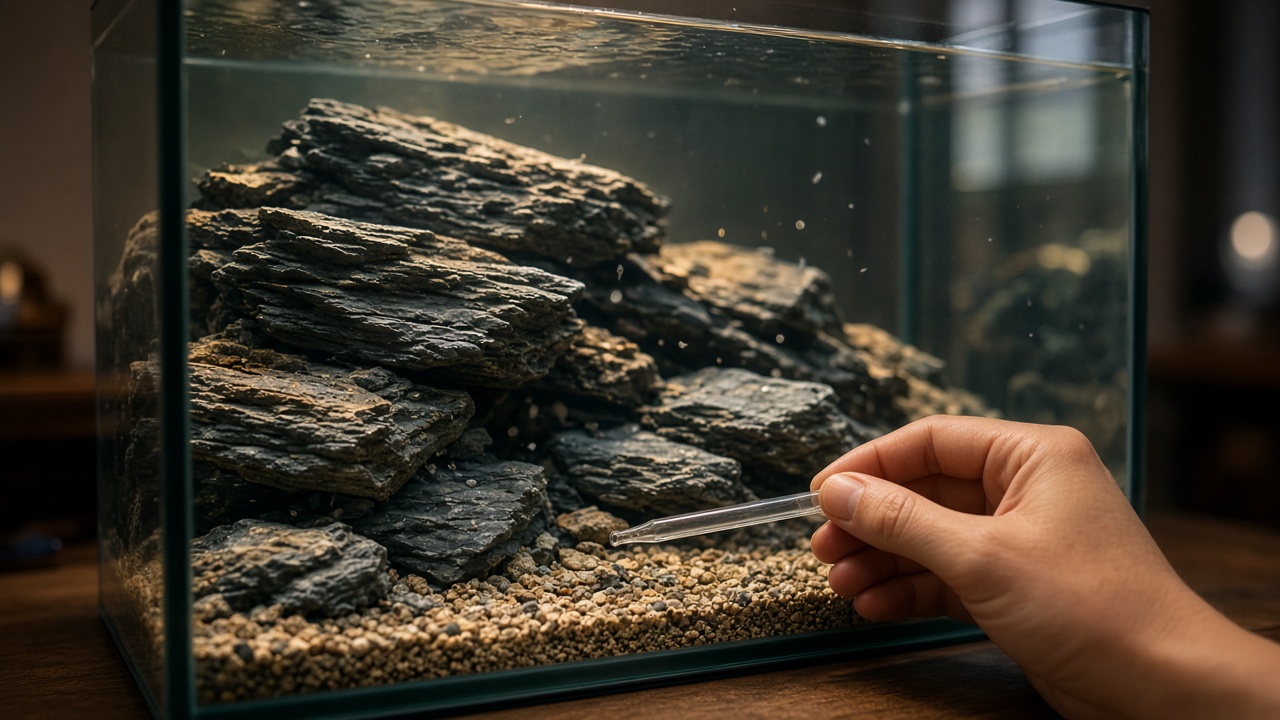
Quick answer: Free-swimming copepods are usually beneficial microcrustaceans about 0.5–2 mm long. They graze biofilm and feed small fish. Manage blooms by cutting food, siphoning mulm, and adding tiny predators. Remove them mainly from fry tanks with large cyclopoids.
Most aquarium copepods are cleanup crew and live food, not a crisis.
We compared published care data and maker specifications to write this page. Our research team analyzed free-living versus parasitic crustaceans, bloom triggers, and management steps owners use in planted and shrimp tanks. Owners consistently report calmer populations after lighter feeding and substrate siphoning, not after harsh chemical sweeps.
Comparing published specs shows copepods hitchhike on plants, live rock, and water. A sudden glass swarm usually tracks excess organics. This page helps you identify free swimmers, decide when to keep them, and reduce numbers without wrecking the tank. Stable tanks often host a quiet background population you barely notice until lighting or feeding changes.
Include identification cues, benefits, bloom causes, natural control steps, fry-tank exceptions, and parasite lookalikes. Leave out copper dosing recipes and reef-only culture farm blueprints. Skip veterinary treatment protocols for sick fish.
What aquarium copepods look like
Tiny hopping white or translucent dots on glass are the usual clue.
Adult free-living copepods often measure about 0.5–2 mm. They swim in jerky hops, not smooth glides. Many carry egg sacs that look like twin pearls beside the body. You may see more at night or under a flashlight beam. They are not fuzzy fungus mats and not wormlike strings. Nauplii stages look even smaller and can fill open water after a rich feeding week.
Quick ID cues:
- Size often near 0.5–2 mm on glass
- Jerky hop swim, not straight dart of a fish fry
- Twin egg sacs on many adult females
- Gather under a flashlight, then siphon if needed
- Appear after plants or mature biofilm arrive
- More visible after lights-out or dim viewing
Our research team analyzed hobby ID notes that separate pods from planaria and hydra. Owners consistently report panic after first glass blooms. Confirm free swimming before you treat anything. A phone macro photo helps you compare leg shape and egg sacs later.
Good or bad in a typical community tank
In most planted and community tanks, free-living copepods are a net plus.
They graze microalgae, bacteria film, and fine detritus. Small fish and fry eat nauplii and adults as natural snacks. Shrimp tanks often host pods with little competition for the same pellets. Comparing published specs for microfauna lists them as cleanup and forage, not as plant pests. A modest glass count can signal a living biofilm web. Empty sterile tanks rarely show them because there is little to graze.
Benefit checklist:
- Graze biofilm and fine organics
- Feed nano fish, fry, and some shrimp
- Do not chew healthy plant leaves
- Appear in mature, biologically rich water
- Rarely need total eradication in display tanks
- Support a natural first-food chain for tiny mouths
Owners consistently report happier nano fish when pods and plants coexist. Our research team analyzed cleanup-crew notes that place pods beside detritus worms as normal. Bad only becomes the right word when numbers explode or fry are at risk. Keep that distinction clear when friends urge a sterilizer.
Why blooms happen and what they signal
A copepod bloom usually tracks a food surplus, not a mystery plague.
Overfeeding leaves flakes and pellets that fuel rapid reproduction. Heavy mulm in corners and under décor feeds the next generation. New plant shipments can seed a starter population into rich water. Within about 7–14 days of ration cuts, many tanks show fewer visible pods. Comparing published specs for bloom control always returns to less food first. Warm, still corners can also shelter adults between glass scrapes.
Bloom triggers:
- Portions left uneaten past about 90 seconds
- Thick mulm under sand and hardscape
- New plants carrying hitchhikers
- Low predation from fish that ignore tiny prey
- Skipping substrate siphoning for weeks
- Heavy leaf litter without any cleanup rhythm
Owners consistently report glass “snowstorms” after generous feeding weeks. Our research team analyzed maintenance logs that pair 15–25% water changes with edge vacuuming. Treat the surplus, not the symptom alone. Count pods on the front pane once a week so trends are obvious.
How to manage numbers without nuking the tank
Reduce food and mulm; let predation finish the job.
Cut daily feeding and measure portions so fish finish in about one to two minutes. Siphon about 25% of the substrate surface each week instead of ripping the whole bed. Use a flashlight to cluster pods, then vacuum that patch. Gentle filter floss can trap free swimmers during a rinse cycle. Avoid copper products in tanks with shrimp or snails. Fasting healthy adult fish for one day each week can starve surplus pods without starving livestock.
Management steps:
- Feed once daily; finish food in 1–2 minutes
- Siphon mulm edges during a 15–25% water change
- Spotlight and vacuum dense glass clusters
- Rinse or replace a share of mechanical media monthly
- Add small midwater hunters only if stocking allows
- Recheck glass counts after 10 days of discipline
Comparing published specs for natural control favors patience over sterilizing chemicals. Owners consistently report 30–50% fewer glass pods within about 10 days of ration discipline. Keep beneficial bacteria beds intact while you vacuum lightly. If you culture pods elsewhere, harvest with a fine net instead of dumping whole jars into a bloomed display.
When removal makes sense for fry and breeders
Large cyclopoid copepods can threaten larvae smaller than about 3 mm.
Dedicated fry boxes and hatching trays are the main exception. Raptorial cyclopoids may seize tiny larvae when pods are large and dense. Harvest adults with a fine net or pipette before eggs hatch. Keep fry systems cleaner and leaner than display tanks. Display community tanks rarely need this level of removal. Once fry grow past the tiniest stages, many keepers reintroduce pods as live food.
Fry-tank cues:
- Larvae under about 3 mm with many large pods
- Missing fry despite good water readings
- Dense cyclopoid adults visible day and night
- Separate rearing water from the dirty display
- Rebuild a small pod culture later for first foods if wanted
- Mesh and sponge filters that block large adults
Our research team analyzed breeding notes that call large cyclopoids a hatchery hazard. Owners consistently report better fry counts after sieving culture water. Do not confuse that narrow case with a shrimp display full of harmless hoppers. Write the goal on the cabinet so helpers do not “clean” a useful culture jar.
Parasite lookalikes you must not mix up
Free-swimming pods are not the same as crustaceans attached to fish.
Anchor worms and fish lice cling to skin or gills. Free aquarium copepods zip through open water and glass film. If something is stuck on a fish, stop and seek proper livestock advice. Comparing published specs for parasitic copepods stresses attachment, not hopping on glass. Wrong treatment can kill shrimp while missing a true parasite. Planaria glide flat across glass; hydra sit as tiny polyps with waving arms.
Lookalike filter:
- Free hop on glass or open water = usually benign pod
- Firmly attached to skin, fins, or gills = investigate further
- Fuzzy white tufts on wounds = different problem class
- Planaria glide flat; hydra sit as tiny polyps on glass
- When unsure, photograph and ask a qualified veterinarian
- Note whether animals vanish under bright light or cling harder
Owners consistently report relief after learning glass hoppers are not fish lice. Our research team analyzed ID guides that put attachment first. Never dose the whole tank from a guess. Quarantine new fish when you can so parasites stay out of the display.
Keeping a healthy background population
A few visible pods often mean the microfauna web is working.
Aim for a sparse glass count rather than a sterile pane. Leave some biofilm on rear glass if shrimp graze there. Match feeding to livestock so leftovers do not rebuild blooms. Soft sand and plant litter support pods without choking flow. Comparing published specs for microfauna tanks favors steady habits over weekly restarts. Owners consistently report calmer tanks when they stop chasing every speck.
Steady-state habits:
- Measure food; skip “just one more pinch”
- Vacuum edges, not the entire bacterial bed weekly
- Keep a simple log of glass counts and feedings
- Protect shrimp from copper “pest” products
- Use predators only when stocking plans already allow them
Our research team analyzed planted-tank notes that treat pods as part of the system. You gain live food and cleanup when numbers stay modest. Panic cleaning often removes the symptom and leaves the overfeeding habit untouched.
FAQ
Are copepods bad for my aquarium?
Usually no for free-swimming display pods. They graze biofilm and feed small fish and fry. A bloom often means extra food or mulm, not a disease outbreak. Manage feeding and siphoning before you chase chemicals. Shrimp and plant tanks commonly host them without plant damage when portions stay measured.
How do I get rid of copepods naturally?
Cut portions so fish finish food in one to two minutes. Siphon mulm during modest 15–25% water changes and spotlight dense clusters for vacuuming. Small midwater fish may hunt leftovers if stocking allows. Numbers often fall within about 7–14 days. Skip copper in invertebrate tanks and keep bacteria beds intact.
Do copepods eat fish eggs or fry?
Many pods are scavengers and live food for fry, not dedicated egg killers. Large cyclopoid adults can attack larvae smaller than about 3 mm in crowded rearing boxes. Protect dedicated fry tanks with clean water and netting if pods are huge. Display community tanks rarely need that level of panic removal.
Will copepods hurt shrimp?
Owners consistently report peaceful coexistence in shrimp-only tanks when feeding stays modest. Pods compete little for the same pellets and often share biofilm. Avoid copper and broad invertebrate toxins aimed at “bugs” on glass. Watch overfeeding, which fuels both pod blooms and poor water quality for shrimp.
Why did copepods appear overnight?
They often hitchhiked on plants or woke from a tiny seed population already present. Rich biofilm and leftover food let numbers jump fast within days. Maturity of the tank matters more than a single water change. Expect more sightings after lights-out when pods leave cover to graze.
Should I culture copepods on purpose?
Some keepers culture pods as first food for fry and nano fish with tiny mouths. Use aged water, light aeration, and tiny phytoplankton or powdered greens as fuel. Harvest with a fine net and leave breeders behind so the jar rebounds. Keep cultures separate from unstable new tanks until water is steady.
Are detritus worms the same as copepods?
No. Detritus worms are thin and wriggle in mulm; copepods hop with crustacean legs and egg sacs. Both can signal organics, yet both are often harmless in moderation. Identify the animal before you treat the tank. Clean substrate edges either way to cut the shared food supply.
This guide is informational only and does not replace advice from a qualified veterinarian.