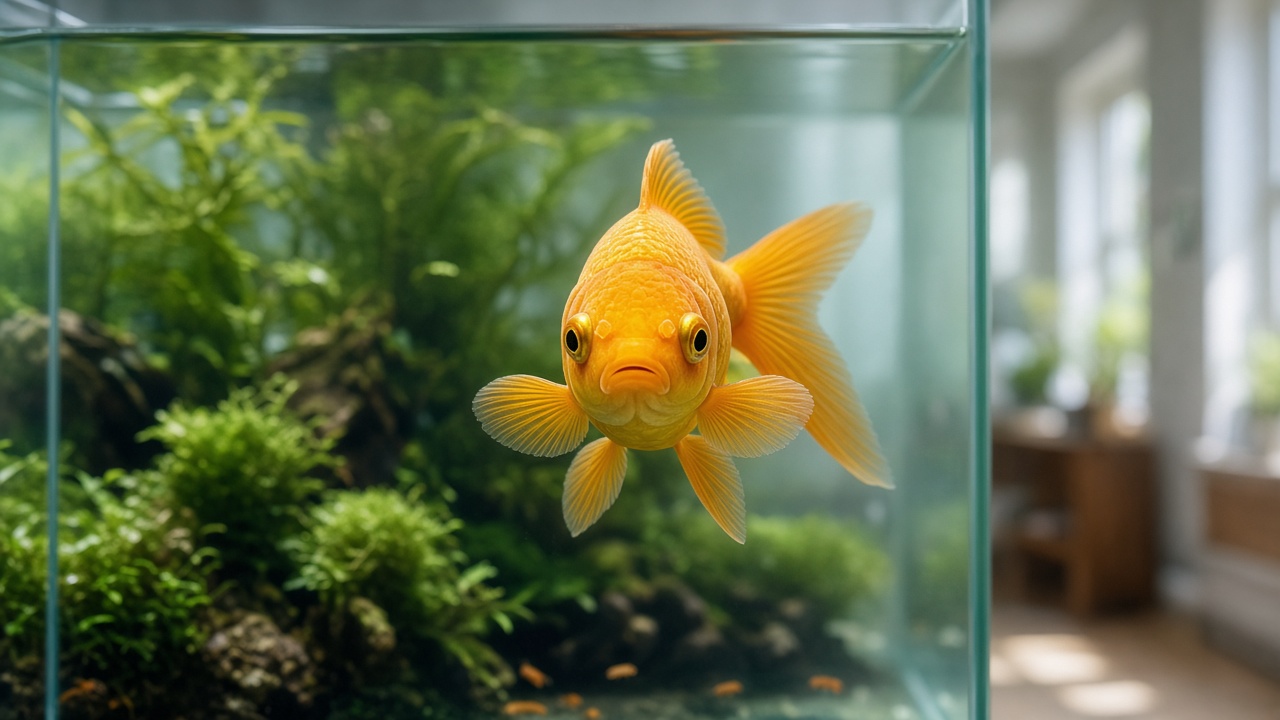
Quick answer: Sex mature goldfish using breeding tubercles, vent shape, body profile, and spring chasing. Tubercles on gill covers and pectoral rays strongly suggest a male. Juveniles under about one year rarely show clear sex cues.
Sex goldfish after maturity using tubercles, vents, and behavior together.
We compared published care data and sexing guides to write this page. Our research team analyzed breeding tubercles, vent shape, body profile, fin cues, and spawning behavior for Carassius auratus. Owners consistently report clearer answers in spring when mature fish are in breeding condition.
Comparing published specs shows goldfish lack the easy gonopodium of livebearers. Sexing works best after about nine to twelve months, often near one year of age. Fancy body shapes can blur belly clues. This page covers tubercles versus ich, vents, body shape, behavior, breed caveats, and common mistakes.
Include multi-cue checks on healthy adults in season. Leave out surgical sexing and hormone protocols. Skip medication plans for true disease without a veterinarian.
Wait for maturity before you trust any sexing cue
Young goldfish look alike for months.
Published notes commonly place reliable sexual maturity near about one year, with some fish showing cues from about nine to twelve months. Fancy strains and slower growers may take longer. Underfed fish hide body-shape differences. Sexing a two-inch juvenile is mostly a guess. Buy a small group of the same variety if you need mixed sexes later.
Maturity checklist:
- Aim near one year before hard calls
- Compare fish of the same age and variety
- Feed well so bodies show natural shape
- Re-check in spring breeding season
- Accept that some fish stay ambiguous off-season
Owners consistently report wrong labels on store juveniles. Our research team analyzed maturity notes that treat patience as the first tool. Comparing published specs keeps early “male” or “female” stickers provisional.
Treat breeding tubercles as the strongest male signal
White sandpaper bumps on gills and fins mean male for almost every fish.
Mature males grow nuptial tubercles, also called breeding stars, mainly on gill covers and the leading rays of the pectoral fins. Some males also show them on the head or scales in neat patterns. They feel rough, like fine grit. Older males may keep faint residual tubercles after the peak season. Females almost never show them.
Tubercle cues:
- Neat clusters on opercula
- Rows on leading pectoral rays
- Rough texture, not slimy random sores
- Strongest in spring and early summer
- Residual marks possible on veteran males
Owners consistently report high confidence once tubercles appear. Our research team analyzed sexing notes that treat presence as near-proof of male. Comparing published specs still says absence alone doesn’t prove a female.
Separate tubercles from ich before you treat anything
Pattern and location tell the story.
Ich, or white spot disease, scatters spots randomly across the body and often comes with flashing, clamped fins, or lethargy. Breeding tubercles sit in symmetrical, organized patterns on gills and pectoral leading edges. Treating a spawning male for ich can disrupt a healthy fish and the tank. Confirm season, behavior, and spot layout first. Call a veterinarian if the fish looks sick and spots are random.
Ich versus tubercle list:
- Tubercles: neat, local, seasonal, fish otherwise bright
- Ich: random, body-wide, often with distress
- Tubercles: common on gill plates and pectoral edges
- Ich: may hit fins and flanks without tidy rows
- When unsure and fish is ill, seek veterinary guidance
Owners consistently report unnecessary treatments after mistaking stars for parasites. Our research team analyzed side-by-side cues used in hobby sexing guides. Comparing published specs favors observation over panic dosing.
Read the vent as a year-round helper on adults
The vent sits just ahead of the anal fin on the underside.
In mature females near breeding condition, the vent often looks rounder and slightly protruding. Many keepers call that a soft outie shape. In males, it often looks narrower, longer, and more concave or flush. Side views help more than top views. Soft round fancy bodies make vent reading harder. Practice on several fish of one variety before you trust a single glance.
Vent cues:
- Female: rounder, protruding outie near season
- Male: narrower, concave or flush innie
- Best on healthy, mature adults
- Harder on extreme fancy shapes
- Combine with other cues always
Owners consistently report better accuracy when they check vents and tubercles together. Our research team analyzed vent descriptions that warn against solo reliance. Comparing published specs treats vents as support evidence, not a courtroom verdict.
Use body shape and fins as supporting clues only
Shape helps, yet selective breeding confuses it.
Long-bodied common and comet females often look deeper and heavier than leaner males of the same age. Gravid females may look lopsided from above when eggs ripen on one side. Males may show a midline belly ridge toward the vent. Pectoral fins on males are sometimes longer or more pointed, while females look shorter and rounder. Ranchu, ryukin, and other deep-bodied fancies blur belly clues, so prioritize tubercles and vents there.
Shape cues:
- Female: rounder, deeper abdomen when ripe
- Male: slimmer, more streamlined trunk
- Top view asymmetry can flag egg-heavy females
- Fin shape helps on plain-fin varieties
- Fancy hoods and deep bodies reduce reliability
Owners consistently report false “females” that were only overfed. Our research team analyzed breed caveats for round-bodied goldfish. Comparing published specs keeps shape as a soft clue behind tubercles.
Watch spring chasing to confirm a working pair
Behavior finishes the checklist when water warms.
In breeding season, males chase and nudge females around plants or spawning mops. Females may look fuller and later scatter adhesive eggs. Males release milt and show stronger tubercle displays during pursuit. One chase does not prove sex if only one active fish exists. A group of six same-age fish raises odds you have both sexes without perfect early labels.
Behavior cues:
- Males as persistent chasers in season
- Females as chased, fuller fish
- Eggs on plants within about 48–72 hours of spawning notes in care guides
- No parental care after scatter
- Separate eggs if adults would eat them
Owners consistently report clearest answers during the first warm spring. Our research team analyzed spawning notes for home aquariums and ponds. Comparing published specs treats behavior as confirmation, not the first guess on quiet winter fish.
Avoid single-cue mistakes and rough handling
Sexing shouldn’t injure the fish.
Don’t squeeze the abdomen to force eggs or milt for a casual ID. Netting stress can harm fancy fins. Photograph the vent in clear water instead of long air exposure. Remember rare reports of females with tubercle-like spots exist, so use multiple cues. Color alone never sexes common metallic goldfish. If breeding is not your goal, sex still matters for chasing stress and stocking ratios.
Mistake filters:
- No single-cue declarations on juveniles
- No ich treatment for tidy gill stars on bright fish
- No belly-only calls on ranchu-type bodies
- No rough stripping for curiosity
- Re-check next season if still unsure
Owners consistently report calmer tanks when they stop rehoming based on one winter glance. Our research team analyzed error patterns across sexing guides. Comparing published specs favors repeated, gentle observation.
Keep notes with dates, photos of gill covers, and water temperature. Spring warm-ups often reveal tubercles that winter hid. If one fish never shows stars yet has a protruding vent and deep body, treat it as a likely female. If another develops neat gill grit and chases in season, treat it as a likely male. Revisit labels after the first spawn attempt rather than arguing from a single photo.
Practical recording cues:
- Date each photo of gills and vents
- Note temperature when chasing starts
- Mark which fish leads pursuits
- Compare only same-variety tank mates
- Update the label after eggs appear
Owners consistently report fewer rehoming mistakes when they wait through one full spring. Our research team analyzed multi-cue workflows used by keepers of commons and fancies. Comparing published specs rewards patience over one dramatic netting session.
| Cue | Likely male | Likely female |
|---|---|---|
| Breeding tubercles | Present on gills / pectoral edges | Usually absent |
| Vent | Narrower concave innie | Rounder protruding outie |
| Body | Slimmer, more streamlined | Deeper, rounder, maybe lopsided when ripe |
| Behavior in season | Chases and nudges | Is chased; may look egg-heavy |
| Best timing | Mature, often spring | Mature, often spring |
FAQ
At what age can you sex a goldfish?
Most goldfish show usable cues near about one year of age, often within a nine to twelve month window. Some males show tubercles a bit earlier. Slow or fancy strains may lag. Re-evaluate each spring instead of trusting a single juvenile label from the store.
Are white bumps on the gills always ich?
No. Neat, seasonal bumps on gill covers and pectoral leading rays are usually breeding tubercles on males. Ich tends to look random across the body and often pairs with flashing or lethargy. Judge pattern and health before treating. Ask a veterinarian if the fish is clearly sick.
Can you sex fancy goldfish like ranchu or ryukin?
Yes, but belly shape is less trustworthy because breeding already made them round. Prioritize tubercles and vent shape on mature fish in season. Top-view egg asymmetry can still help on gravid females. Compare several fish of the same variety side by side for context before you decide.
Do female goldfish ever get breeding tubercles?
It’s uncommon. Published sexing notes treat tubercles as a male trait, with rare exceptions. If bumps are neat and seasonal on gills and pectorals, the fish is almost certainly male. Still combine vent and behavior cues before you rehome fish based on one trait alone.
Is vent shape reliable year-round?
Vent differences are clearest on mature fish near breeding condition. Males often stay more concave, while females protrude more when ripe. Off-season vents can look subtle on both sexes. Use vents together with tubercles and body cues rather than as a solo test in winter.
How can I get both sexes without perfect sexing skill?
Buy a group of about six healthy fish of the same age and variety. Probability favors mixed sexes in a small school without perfect early labels. Provide plants or mops if you want to save eggs. Ensure the tank or pond is large enough before that group grows up.
Does sex change how I should house goldfish?
Basic cool, clean husbandry is the same for both sexes. Males may chase hard in spring, so cover and space reduce stress on females. Roomy tanks, strong filtration, and long potential lifespans over twenty years still matter more than sex labels. Sexing informs breeding plans more than daily water targets.
This guide is informational only and does not replace advice from a qualified veterinarian.