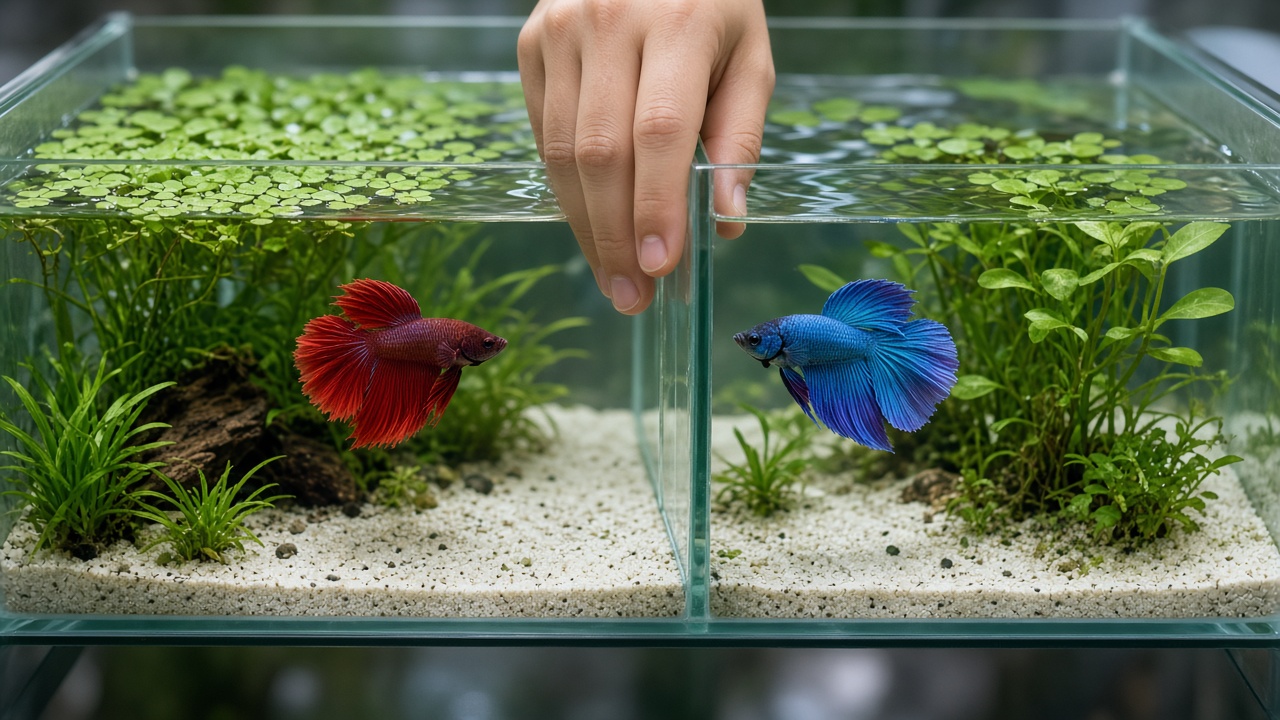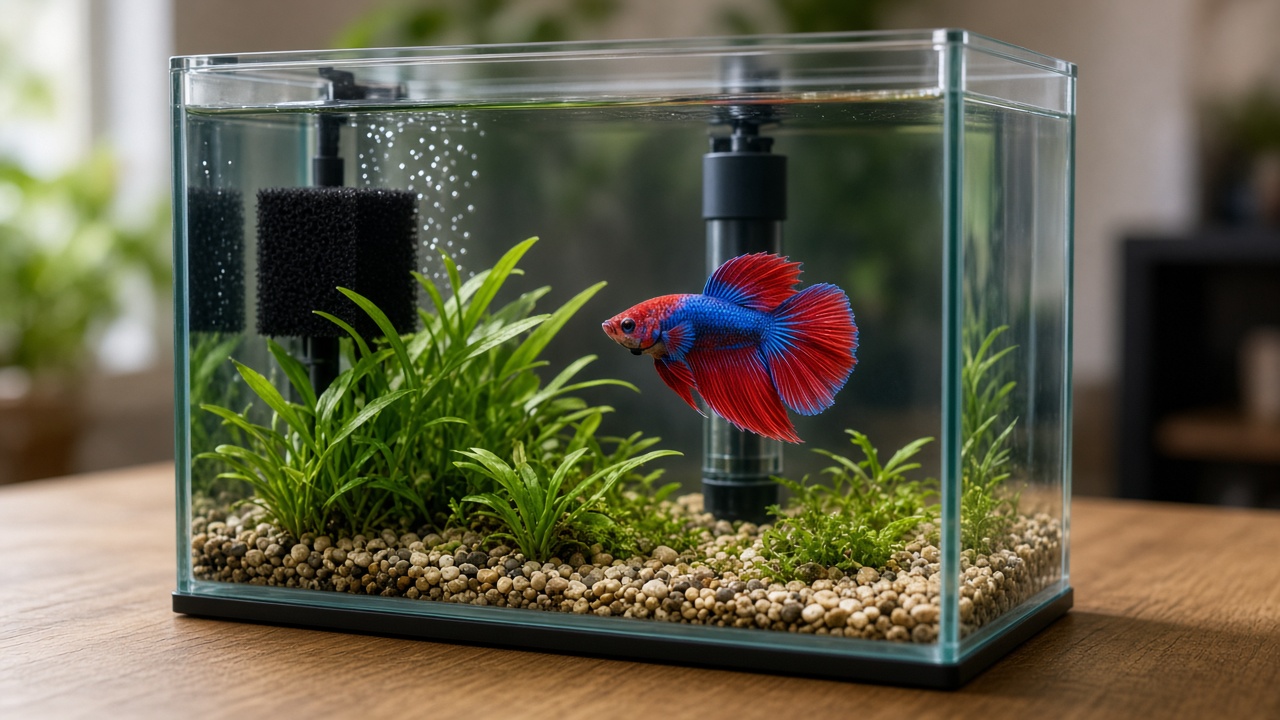
Quick answer: Sex mature bettas by fins, body width, egg spot, color intensity, and bubble-nest behavior. Combine clues; don’t trust fin length alone on plakats.
Use the egg spot plus fins and body shape; one trait can mislead.
We compared published care data on Betta splendens sexing traits, size ranges, and housing differences. Our research team analyzed fin, body, ovipositor, and behavior markers used in sexing guides. Owners consistently report mis-sexed plakats and colorful females bought as males.
Comparing published specs separates reliable adult markers from juvenile guesswork. Males often show longer fins, leaner bodies, and brighter color in long-fin strains. Females often look shorter-finned, wider through the belly, and carry a small white egg spot between the ventral and anal fins. Bubble nests usually signal males. Sexing gets clearer near about three to six months of age as traits develop. Care needs match for heat and diet; housing rules diverge hard. This page covers traits, pitfalls, behavior, care splits, and buying checks.
Include multi-trait sexing steps, plakat caveats, behavior clues, and housing differences. Leave out guaranteed single-trait shortcuts. Skip drug plans that belong with a veterinarian.
Start with fins, then confirm with more clues
Fin drama is the first screen, not the verdict.
Males in veil, halfmoon, and crowntail lines often carry long dorsal, anal, caudal, and ventral fins. Female fins usually stay shorter and more compact relative to body height. Ventral fins on males often look longer and thicker. Anal fins on males may look more pointed or extended. Plakat males have short tails by design, so short fins alone never prove a female. Long-finned females exist in some breeder lines and need body and egg-spot checks next.
Fin comparison board:
| Feature | Typical male | Typical female |
|---|---|---|
| Caudal fin | Long, elaborate in many strains | Shorter, compact |
| Ventral fins | Longer, prominent | Shorter, thinner |
| Anal fin | Longer or more extended | Shorter, rounder edge |
| Plakat caveat | Short by strain | Still check egg spot |
| Beard flare | Larger gill-cover display | Smaller display |
Owners consistently report plakat mistakes when they sex by tail length only. Our research team analyzed fin markers across fancy strains. Comparing published specs stacks fin clues with vent anatomy.
Body shape and size differ from above
Width tells a quieter story than fins.
Males often look leaner and slightly longer as adults. Many notes place males near about two and a half to three inches. Females often sit nearer about two to two and a half inches and look wider across the back and belly from above. Gravid females round out further when carrying eggs. Size alone fails on young fish and mixed strains. Compare siblings of similar age when possible. Photograph from above during calm swimming for a fair width check.
Body cues:
- Male outline: longer, slimmer profile
- Female outline: shorter, fuller midsection
- Top view shows female width best
- Egg-heavy females look rounder still
- Juveniles may overlap until traits mature
Owners consistently report clearer sexing after a top-down look. Our research team analyzed body-shape notes in sexing guides. Comparing published specs treats width as support evidence, not a solo proof.
Find the egg spot between the ventral fins
The ovipositor is the strongest single female marker.
Mature females show a small white spot near the vent between the ventral and anal fins. It looks like a tiny grain of salt or rice and is the egg-laying tube. Lighting from the side helps on dark fish. Some males can show a false pale mark, so pair the spot with fins and body shape. Young females may hide a faint spot until they mature. Don’t squeeze or chase the fish hard just to see the vent. Calm observation beats rough netting.
Egg-spot checklist:
- Look between ventral and anal fins
- Expect a tiny white ovipositor on females
- Use side light on dark colors
- Rule out false spots with other traits
- Wait for maturity if the mark is unclear
Owners consistently report confidence once they see a true ovipositor. Our research team analyzed vent markers in betta sexing articles. Comparing published specs keeps the egg spot central but not isolated.
Color and barring add context, not proof
Bright paint sells males, yet females can shine too.
Store males often wear intense reds, blues, and metallics. Females historically looked duller, though modern lines produce vivid females. Breeding-ready females may show temporary vertical bars. Color alone isn’t proof on marble, koi, and pastel strains. Watch how color changes with mood and water quality before you sex by hue. Pair color notes with anatomy every time. Fancy labels do not replace the egg spot.
Color caveats:
- Intense color often male, not always
- Selective breeding creates colorful females
- Vertical bars can mark female breeding mood
- Marble and koi patterns confuse hue-based sexing
- Stress dulls both sexes regardless of gender
Owners consistently report colorful females sold in male cups. Our research team analyzed color limitations in sexing guides. Comparing published specs demotes color to supporting evidence.
Behavior clues help when looks stay ambiguous
Nests and flaring patterns support the visual call.
Males commonly build saliva bubble nests at the surface even when housed alone. Female nest building is uncommon. Males flare more often at reflections and tank mates that look like rivals. Females still fight, especially in tight groups, so aggression alone fails as a sex test. Courtship wraps appear only when a receptive pair meets. Record behavior for several days after purchase. Combine nests or strong flaring with anatomy before you decide.
Behavior board:
| Clue | Points toward |
|---|---|
| Regular bubble nests | Likely male |
| Strong mirror flaring | Often male, not proof |
| Vertical breeding bars | Female readiness |
| Persistent chasing in pairs | Either sex possible |
| Nest plus long fins | Strong male case |
Owners consistently report nests days after a water change on healthy males. Our research team analyzed behavior markers used beside anatomy. Comparing published specs refuses behavior-only sexing.
Care needs match; housing rules do not
Both sexes need the same water and food basics.
Heat near tropical bands, gentle filtration, lids, and protein-rich meals apply to males and females. Solo five-gallon-plus tanks work for either sex as display pets. Males must never share undivided space with other males. Male-female pairs stay together only for supervised breeding. Female groups need large planted tanks and experience when attempted at all. Choose sex for the housing plan you can keep, not only for fin drama.
Housing decision list:
- Solo display: either sex works
- Community tank: many keepers prefer a monitored female
- Two males: separate tanks only
- Breeding: short contact, then split
- Sorority: advanced, planted, closely watched
Owners consistently report fewer emergencies after matching sex to setup. Our research team analyzed housing differences in male-versus-female guides. Comparing published specs puts tank logistics ahead of store labels.
Age and strain create most sexing mistakes
Wait for maturity and know your fin type.
Traits strengthen as fish approach about three to six months in many sexing notes. Cups of juveniles invite guessing. Plakat and short-fin show lines hide the classic long-male look. Double-tail and fancy female lines blur fin rules. Ask sellers for age and strain, then verify at home with egg spot and top-down width. Quarantine new fish while you confirm sex before any group plans. When you aren’t sure, house alone until markers clarify.
Mistake traps:
- Sexing week-old juveniles by hope
- Calling every short-fin fish female
- Ignoring false egg spots on males
- Trusting cup labels without a vent check
- Mixing fish before sex is certain
Owners consistently report store mislabels on short-fin stock. Our research team analyzed common sexing errors in keeper reports and guides. Comparing published specs favors delayed certainty over fast stocking.
Sexing bettas is a checklist, not a glance. Fins open the case, body width supports it, and the egg spot often closes it. Add nests and barring only as extras. Match the confirmed sex to a housing plan that keeps every fish safe.
FAQ
What is the most reliable way to sex a betta?
Find a true egg spot on a mature female and confirm with shorter fins and a wider belly from above. Males usually lack that ovipositor and show longer fins in many long-fin strains. Use several traits together before you stock or sell a fish. Wait until the fish is mature enough for markers to show clearly in good light.
Do male bettas always have long fins?
No. Plakat males are bred for short fins and still count as males in every care plan. Sex them with ventral fins, body shape, behavior, and the absence of a true egg spot. Long-fin females also exist in some specialty lines from breeders. Strain knowledge prevents fin-only mistakes that mix sexes in one tank.
At what age can you sex bettas?
Secondary traits often become clearer near about three months and more obvious toward about four to six months of age. Very young fish look alike in cups and bags at the store. If you must buy young stock, plan solo housing until sex is clear and stable. Rushing group tanks creates preventable fights and torn fins later.
Can males have a false egg spot?
Yes, some males show a pale vent mark that mimics an ovipositor under certain lighting. Treat the spot as strong evidence only when fins, body width, and behavior agree together. When traits conflict, house the fish alone and recheck after more growth. Avoid forcing a group decision on a maybe sex call.
Are female bettas less aggressive than males?
Often, yet not always, because individuals vary widely within each sex. Females still fight and can injure tank mates in tight or bare aquariums. Males are more consistently territorial toward other bettas in undivided tanks. Watch individuals for weeks after any introduction before you call the mix safe for keeps.
Should beginners buy a male or a female?
Either works in a heated, filtered solo tank with soft plants and a lid. Pick based on the look you want and the housing plan you can maintain each week. Community plans often favor a carefully monitored female over a flashy male. Breeding plans need two sexed adults, spare tanks, and time to supervise every meet.
Do only males build bubble nests?
Males build nests commonly, even when they live alone in a quiet display tank. Female nest building is rare and should not overturn other sexing clues by itself. A steady nest plus male-typical fins is strong evidence when the vent check agrees. Healthy water and warmth support nest building in conditioned males after changes.
This guide is informational only and does not replace advice from a qualified veterinarian.