Quick answer: True chimera and mosaic axolotls are the rarest because they arise from developmental accidents, not breedable genes. Stacked MAC and lavender lines follow. Firefly looks involve grafting and ethics. Care still matches cool Ambystoma mexicanum husbandry.
Chimera and mosaic sit at the top of rarity rankings.
We compared published care data on rare axolotl morphs, inheritance notes, and everyday husbandry. Our research team analyzed chimera fusion, mosaic patching, firefly grafting history, stacked recessive lines, and standard cool-water care. Owners consistently report mislabeled “rare” pets that are only freckled leucistics or ordinary wild-types under poor lighting.
Comparing published specs separates non-heritable accidents from genes you can select. Adult size notes often land near nine to twelve inches. Ideal temperatures often sit near sixty to sixty-four degrees Fahrenheit. Lifespan notes commonly cite about ten to fifteen years. Floor space still favors about a twenty-gallon long minimum, with many keepers preferring about twenty-nine gallons or more. This page ranks rarity, explains looks, flags ethics, and ties rare pets to ordinary care.
Include verified photos, cool cycled tanks, and honest labels. Leave out impulse buys based on a single glamorous shot. Skip disease drug plans without a veterinarian.
Rank developmental accidents above breedable genes
Chance morphs beat stacked genes for true rarity.
Rarity rankings put true chimeras and mosaics first because no gene program can order them. They appear when embryos fuse or cell lineages split wrongly during early growth. Firefly animals sit near that top tier for scarcity, yet they are produced by grafting rather than inheritance. Stacked recessive combos such as melanoid-axanthic-copper, often called MAC, come next among heritable rarities. Lavender and some hypomelanistic lines follow when breeders must fix soft genetics. Common leucistic, wild-type, and golden albino animals remain widely available.
Rarity board:
| Rank theme | Why it stays scarce |
|---|---|
| Chimera | Embryo fusion; not breedable |
| Mosaic | Cell-line mosaic; not breedable |
| Firefly | Grafting-created look; scarce |
| MAC-type stacks | Multiple recessives; low yield |
| Lavender / hypo | Harder to fix or uncommon |
| Piebald / enigma | Limited, variable heritability |
| Common morphs | Easy to produce in volume |
Owners consistently report sticker shock when sellers treat freckles as mosaics. Our research team analyzed naming patterns across morph guides. Comparing published specs keeps “cannot be bred on demand” as the top rarity filter.
Know chimera versus mosaic looks
Clean midline splits differ from scattered patches.
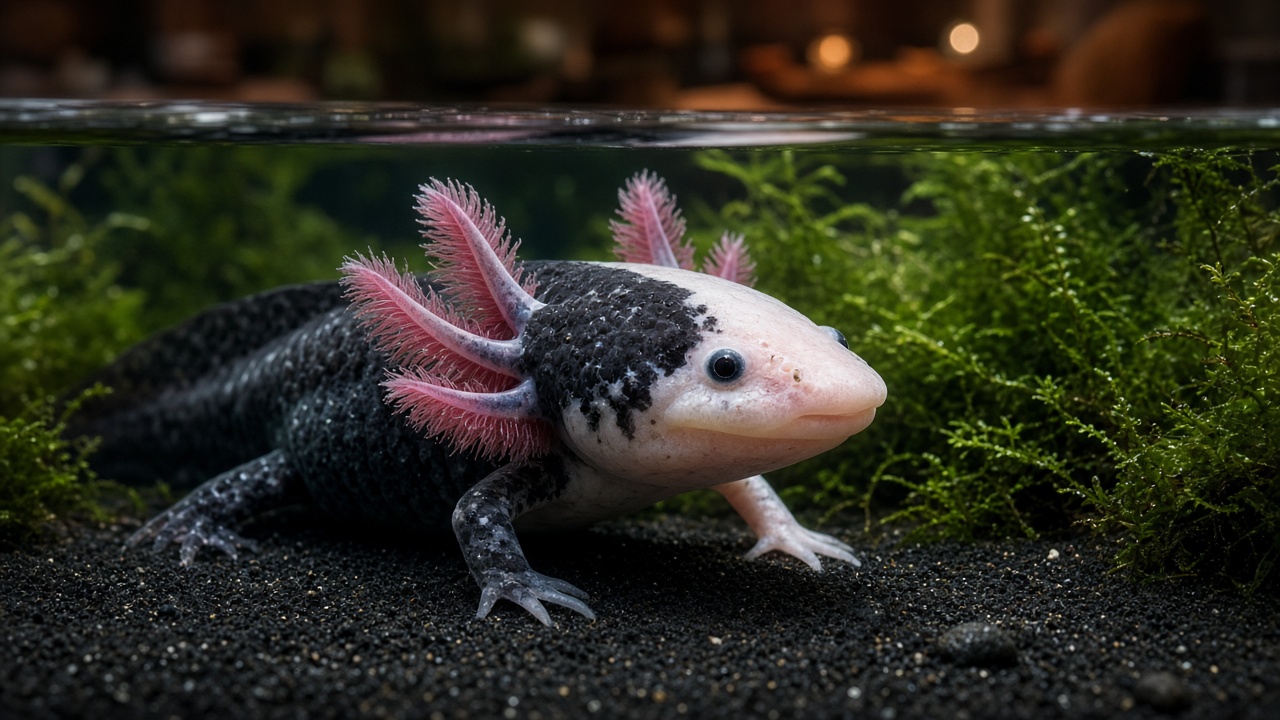
A chimera often reads as two morphs split along a sharp midline, sometimes head to tail. One side may look leucistic while the other looks wild-type or melanoid. Eyes, gills, and skin can follow that split because two cell populations share one body. A mosaic usually shows irregular blotches without a neat book-matched midline. Patches may mix several colors in a patchwork map. Neither look is a paint job you can schedule for a clutch. Breeding two rare accidents still yields ordinary genetics in the offspring.
Look cues:
- Chimera: often a clean left-right morph split
- Mosaic: irregular multi-color patches
- Freckled leucistic: small dark spots, not true mosaic
- Lighting: change angles before you trust a listing photo
- Proof: ask for several clear, dated images
Owners consistently report better buys after they demand multiple angles. Our research team analyzed identification keys used by keepers. Comparing published specs treats midline clarity as the chimera tell.
Treat firefly grafting as ethics first
Glow tails are not a natural morph gene.
Firefly animals typically pair a dark body with a contrasting GFP-expressing tail that fluoresces under blue or ultraviolet light. Early research animals were made with embryonic grafting before pain pathways mature. Later commercial copies have used post-hatch grafting under anesthesia, which many keepers reject on welfare grounds. Demand still fuels the look, so listings persist. GFP itself is a heritable lab gene that can sit on any morph without surgery. A whole-body GFP leucistic is not the same product as a grafted firefly.
Ethics checklist:
- Ask how the look was produced
- Prefer heritable GFP over grafted tails when glow matters
- Refuse sellers who hide surgical methods
- Treat firefly as a welfare question, not a fashion flex
- Keep glow viewing brief if you already own one
Owners consistently report community pushback against post-hatch grafts. Our research team analyzed ethics notes around firefly production. Comparing published specs separates GFP inheritance from cosmetic grafting.
Place stacked MAC and lavender next
Heritable rarity still means low clutch yields.
MAC-type animals stack melanoid, axanthic, and copper recessives into one pale, cool-toned look. Only a fraction of each clutch shows the full stack, which keeps numbers low. Lavender animals show silvery purple tones with grey spotting that often sharpens with age. Their genetics are less cleanly mapped, so lines take patience to stabilize. Hypomelanistic animals lighten melanin and look pale olive or tan compared with full wild-type pigment. These morphs can be bred again, yet they remain uncommon beside leucistics and goldens.
Stack notes:
| Morph theme | Inheritance theme |
|---|---|
| MAC-type | Multiple recessives; low yield |
| Lavender | Complex; line selection needed |
| Hypomelanistic | Selectable; still uncommon |
| GFP overlay | Dominant glow gene on any base |
| Copper alone | Recessive; mid-tier rarity |
| Axanthic alone | Recessive; cool grey tones |
Owners consistently report long waits for stacked babies that match photos. Our research team analyzed yield notes for multi-gene projects. Comparing published specs treats patience as part of the price of rarity without quoting dollars.
Keep piebald, enigma, and “specialty” labels honest
Partial heritability is not a guaranteed order form.
Piebald animals show bold dark patches on pale grounds, stronger than ordinary freckling. Some heritability exists, yet outcomes stay unpredictable across clutches. Enigma-type looks feature dense speckles or galaxy-like sparkle on dark bodies, with limited breeding reports. Specialty trade names change quickly, so ask for genotype notes instead of trendy nicknames. Dirty leucistics with age freckles are normal cosmetic change, not mosaics. Sudden color shifts over days still warrant water tests and veterinary advice.
Honesty board:
- Demand genotype talk, not only nicknames
- Separate freckles from true mosaic patches
- Treat enigma and piebald as uncommon, not mythical
- Watch timeline: months for freckles, days for illness
- Prefer health over the rarest label on the tag
Owners consistently report clearer purchases when sellers explain genetics in plain language. Our research team analyzed labeling pitfalls in rare-morph markets. Comparing published specs favors phenotype plus inheritance notes together.
Match rare looks to ordinary cool care
Rarity never rewrites temperature or substrate rules.
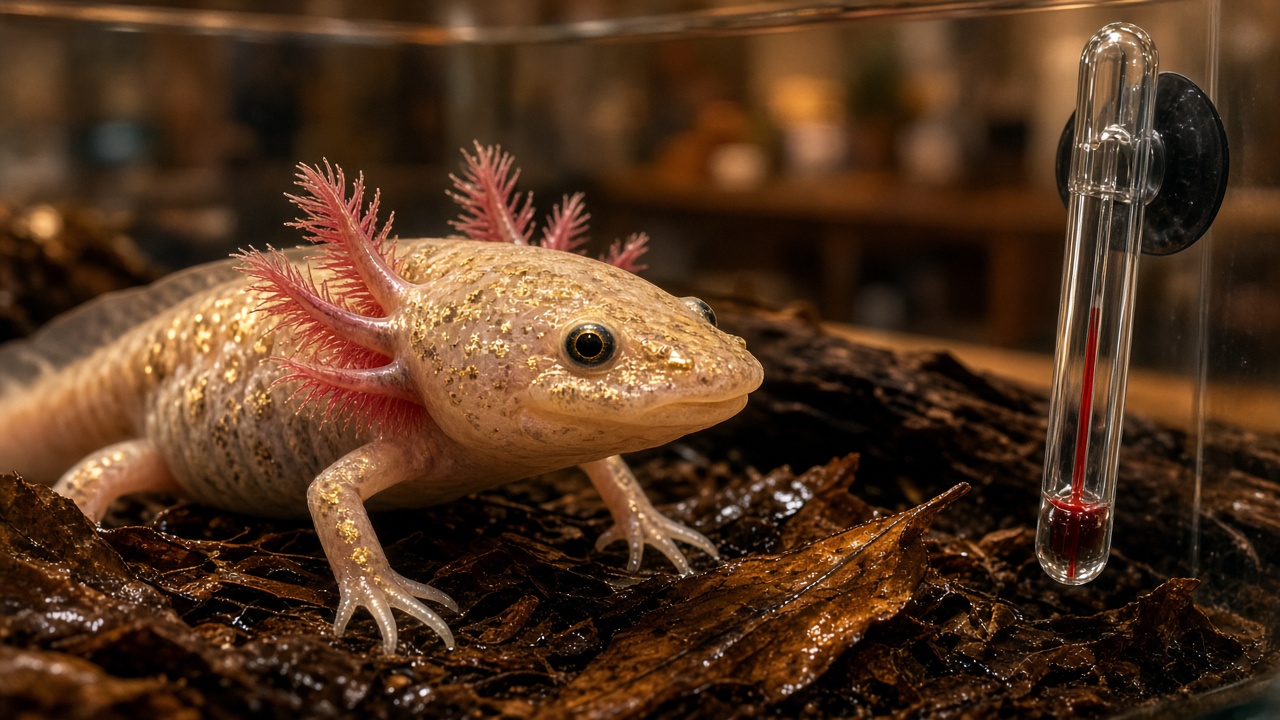
Rare morphs still need cool, cycled water near sixty to sixty-four degrees Fahrenheit for routine care. Broader notes sometimes allow about fifty-seven to sixty-eight degrees Fahrenheit, yet sustained heat near the low seventies and above raises stress risk. Ammonia and nitrite must stay at zero. Nitrate is best kept low, often under about twenty to forty parts per million. Use fine sand or bare bottom; skip gravel that fits in the mouth. Plan about a twenty-gallon long minimum for one adult, with many keepers preferring about twenty-nine gallons or more for stability.
Care targets:
| Parameter | Common published target |
|---|---|
| Temperature | About 60–64°F ideal |
| Tank | About 20 gal long min; often 29+ |
| Ammonia / nitrite | 0 ppm |
| Nitrate | Low; often under about 40 ppm |
| Substrate | Fine sand or bare bottom |
| Lifespan notes | Often about 10–15 years |
Owners consistently report that glow or split looks fade beside daily water discipline. Our research team analyzed husbandry overlap across morphs. Comparing published specs keeps rare pets on the same cool checklist as common siblings.
Buy carefully and verify claims before money moves
Photos under varied light beat a single store flash.
Ask for a live video under normal room light and, for GFP claims, a brief blue-light check. Confirm the animal eats, walks evenly, and shows full gill filaments. Quarantine new arrivals away from established pets. Plan summer cooling before the animal arrives. Keep weekly logs for temperature, ammonia, nitrite, and nitrate. Rare status does not shorten the ten-to-fifteen-year commitment.
Buy checklist:
- Multiple clear photos and a short video
- Blue-light proof only when GFP is claimed
- Written morph description without vague “rare” only
- Quarantine plan ready
- Cool room or chiller path for warm months
- Veterinary contact for aquatic amphibians
Owners consistently report fewer regrets when rarity takes a back seat to health screening. Our research team analyzed purchase pitfalls shared by keepers. Comparing published specs puts welfare and water quality above novelty every time.
FAQ
What is the rarest axolotl in the world?
True chimera axolotls usually top rarity lists because two embryos fuse into one animal with a clean morph split. True mosaics sit beside them as non-breedable patchwork animals. Firefly animals are also scarce, yet grafting ethics complicate that market. Among heritable morphs, deep stacked lines such as MAC-type animals stay uncommon because clutch yields stay low. Rarity rankings always start with “cannot order another one.”
Can you breed chimera or mosaic axolotls on purpose?
No. Those looks come from developmental accidents, not a gene you can select each generation. Pairing two chimeras or mosaics does not schedule matching offspring. Breeders still produce common morphs from the same parents’ ordinary genetics. If a seller promises guaranteed chimera babies, walk away. Treat accidental rarities as one-of-a-kind pets, not breeding projects.
Are firefly axolotls the same as GFP axolotls?
No. GFP is a heritable gene that can fluoresce across the body under blue or ultraviolet light. Firefly animals usually combine contrasting body and tail tissues through grafting, often pairing a dark body with a glowing GFP tail. Early research grafts differ from later post-hatch commercial methods that many keepers reject. Ask how an animal was made before you buy any firefly label.
Do rare morphs need different tank care?
No. Cool water, gentle flow, fine sand or bare bottom, and a secure lid still apply. Aim near sixty to sixty-four degrees Fahrenheit for routine care. Size about a twenty-gallon long minimum for one adult, with larger volumes preferred for stability. Rare pigment does not raise heat tolerance or shrink space needs. Call a veterinarian if appetite or gills decline.
How can I avoid fake mosaic listings?
Demand several photos that show large, distinct color patches under normal light. Freckled leucistics and heavily spotted animals are often mislabeled. Ask the seller to explain genetics in plain language. Compare the midline of a claimed chimera against scattered mosaic patches. If the story and photos disagree, skip the purchase.
Is lavender rarer than copper?
Lavender lines are generally harder to fix and less common than single-gene copper animals. Copper is recessive and available from specialist breeders more often. Exact counts shift as lines expand, so treat both as uncommon rather than mythical. Health, appetite, and cool water still matter more than which uncommon label wins. Ask for lineage notes when either morph is offered.
Should beginners start with a rare morph?
Usually no. Begin with a common morph while you master cool water, cycling, and diet. Rare animals cost more attention in the market and may arrive after long waits. Mistakes hurt the same amphibian either way. Add specialty morphs only after your husbandry logs stay stable. A healthy leucistic teaches the same skills as a chimera without the sourcing drama.
This guide is informational only and does not replace advice from a qualified veterinarian.