Quick answer: A green GFP axolotl carries a jellyfish gene that fluoresces under blue or UV light. It is not a separate color morph, and daily care matches other Ambystoma mexicanum. Keep cool water, short glow sessions, and standard husbandry.
GFP adds glow under blue light; care stays the same as other axolotls.
We compared published care data on GFP axolotls and standard Ambystoma mexicanum husbandry. Our research team analyzed glow genetics, safe viewing light, tank size, temperature, diet, and health notes. Owners consistently report that “green axolotl” labels mix true GFP animals with ordinary olive wild-types sold under loose names.
Comparing published specs shows GFP is a dominant transgene layered on any base morph. Under room light, a GFP leucistic still looks leucistic. Under blue or ultraviolet light, tissues shine green. Adult length notes often land near nine to twelve inches, or about twenty to thirty centimeters. Lifespan notes often cite about ten to fifteen years. This page covers what GFP means, how glow works, genetics, tank setup, water targets, diet, and safe viewing.
Include cool, cycled tanks and brief glow checks. Leave out permanent UV display lighting. Skip disease drug plans without a veterinarian.
Know what “green” and GFP actually mean
GFP is a gene trait, not a paint job.
GFP stands for green fluorescent protein, first found in the jellyfish Aequorea victoria. Labs inserted the gene as a research marker. Animals that carry it produce the protein in their cells. Blue or UV light excites the protein, and the tissue emits green light. The animal does not make its own light in the dark. Wild-type olive axolotls can look greenish in store photos without any GFP gene.
Name checklist:
- GFP: dominant glow trait under blue or UV light
- Morph: pigment look in normal room light
- “Green axolotl”: often a wild-type, not proof of GFP
- Confirm glow with a brief blue-light check
- Pale morphs may show a faint yellow-green tint indoors
Owners consistently report mislabeled “glow” pets that never fluoresce. Our research team analyzed naming confusion in pet listings. Comparing published specs treats a blue-light test as the only reliable check.
See how the glow looks across base morphs
Base color changes how glow reads.
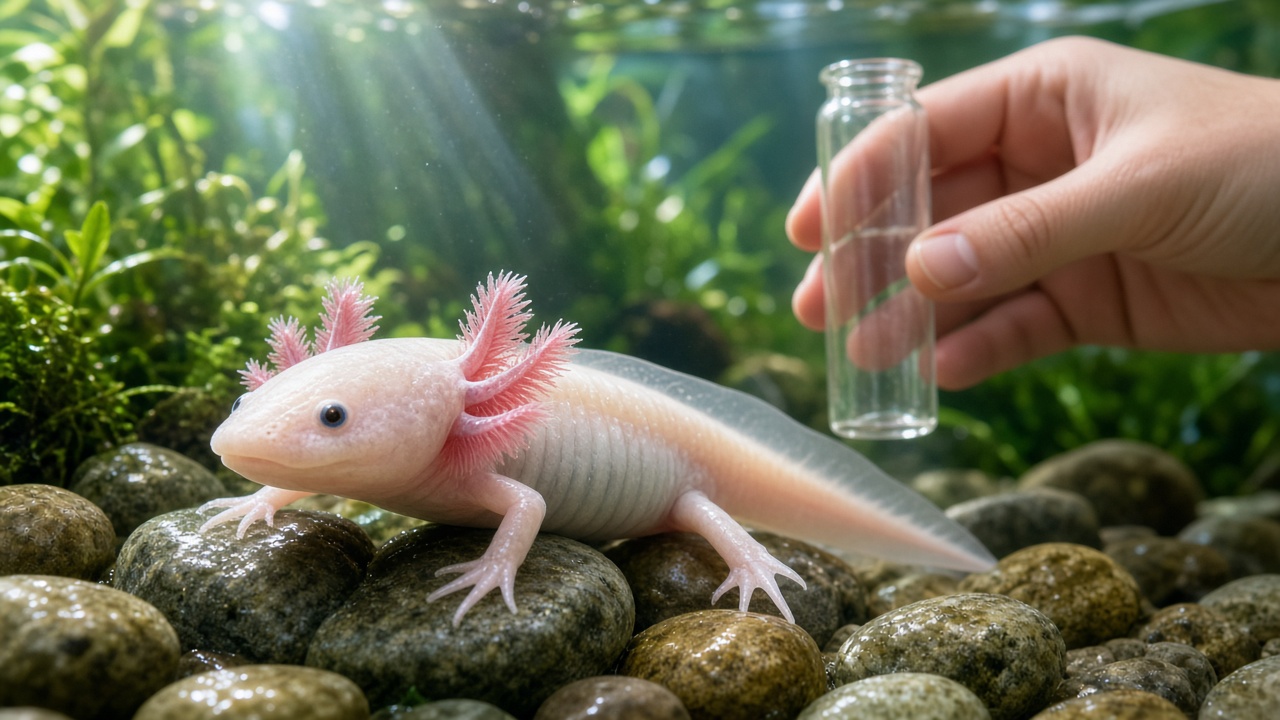
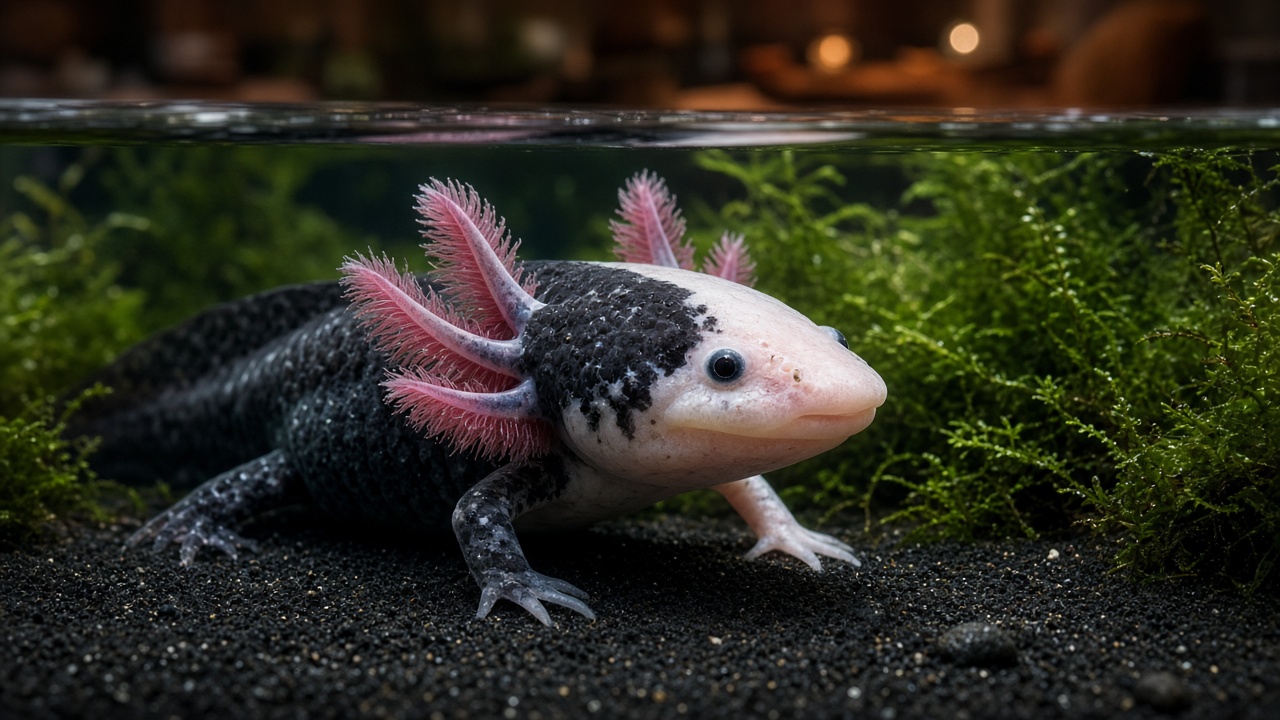
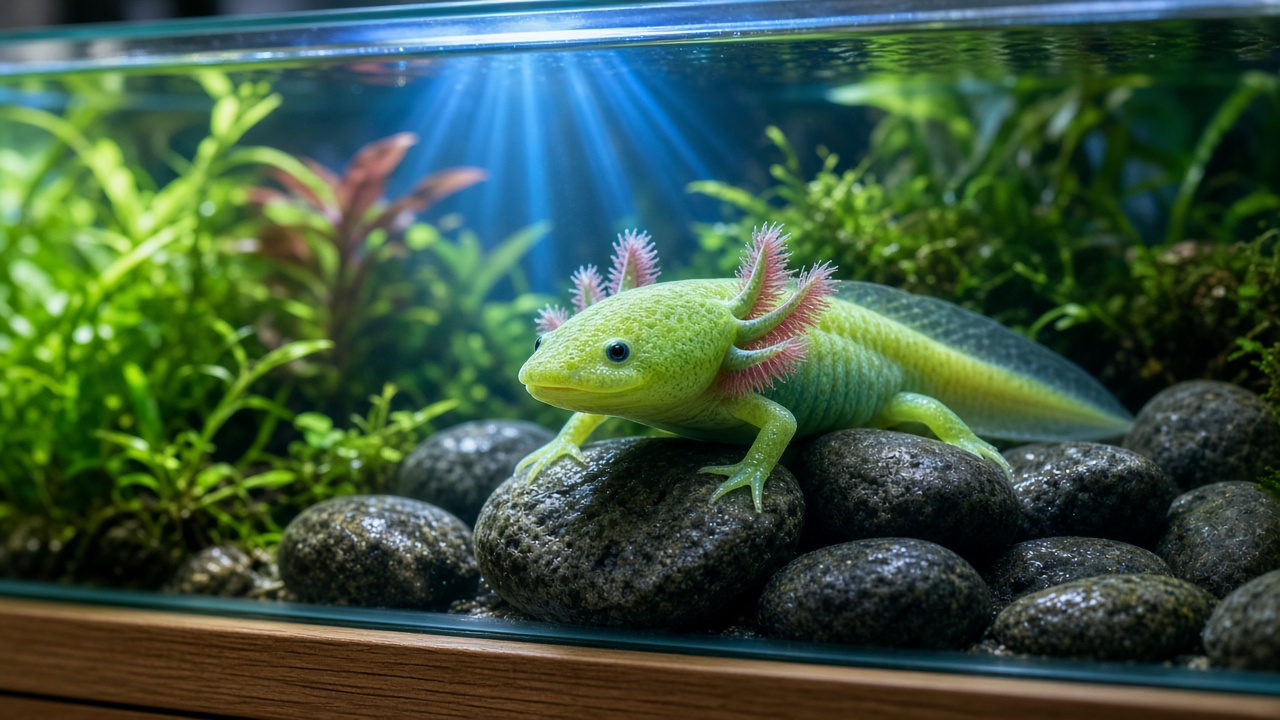
Under normal lighting, GFP animals match their pigment morph. Under excitation light near about three hundred ninety-five to four hundred seventy-five nanometers, emission peaks near about five hundred nine nanometers as green. Light morphs such as leucistic or albino GFP often look evenly bright. Dark morphs can show stronger “x-ray” glow in eyes, gills, and thinner skin. Head, gills, belly, and eyes often glow more because skin blocks less light there.
Glow cues:
- Room light: looks like the base morph
- Blue or UV light: green fluorescence
- Light morphs: more even glow
- Dark morphs: contrast glow in thin tissues
- No self-glow in a dark room without excitation
Owners consistently report best photos with blue LEDs, not harsh all-day UV. Our research team analyzed viewing notes that favor short sessions. Comparing published specs keeps glow as a trait check, not a lifestyle light.
Read GFP genetics before you plan a clutch
One copy can show the glow.
Hobby genetics notes treat GFP as dominant. A single GFP parent can pass fluorescence to roughly half the offspring when the other parent lacks GFP. Color morph genes such as leucistic, albino, melanoid, copper, and axanthic segregate on their own paths. That is why listings say “GFP leucistic” or “GFP melanoid.” GFP does not replace pigment genetics. It sits on top of them.
Genetics snapshot:
- GFP: dominant; one copy can express glow
- Morph genes: mostly separate recessive pathways
- Pairing GFP × non-GFP: about half glowing young expected when the GFP parent is heterozygous
- Two GFP parents: higher glow ratios depending on genotype
- Health: published notes treat GFP itself as not harmful
Owners consistently report surprise clutches with mixed glow and morph looks. Our research team analyzed inheritance summaries used by breeders. Comparing published specs keeps GFP and color charts on separate columns.
Build the same cool tank any axolotl needs
GFP does not change space or flow rules.
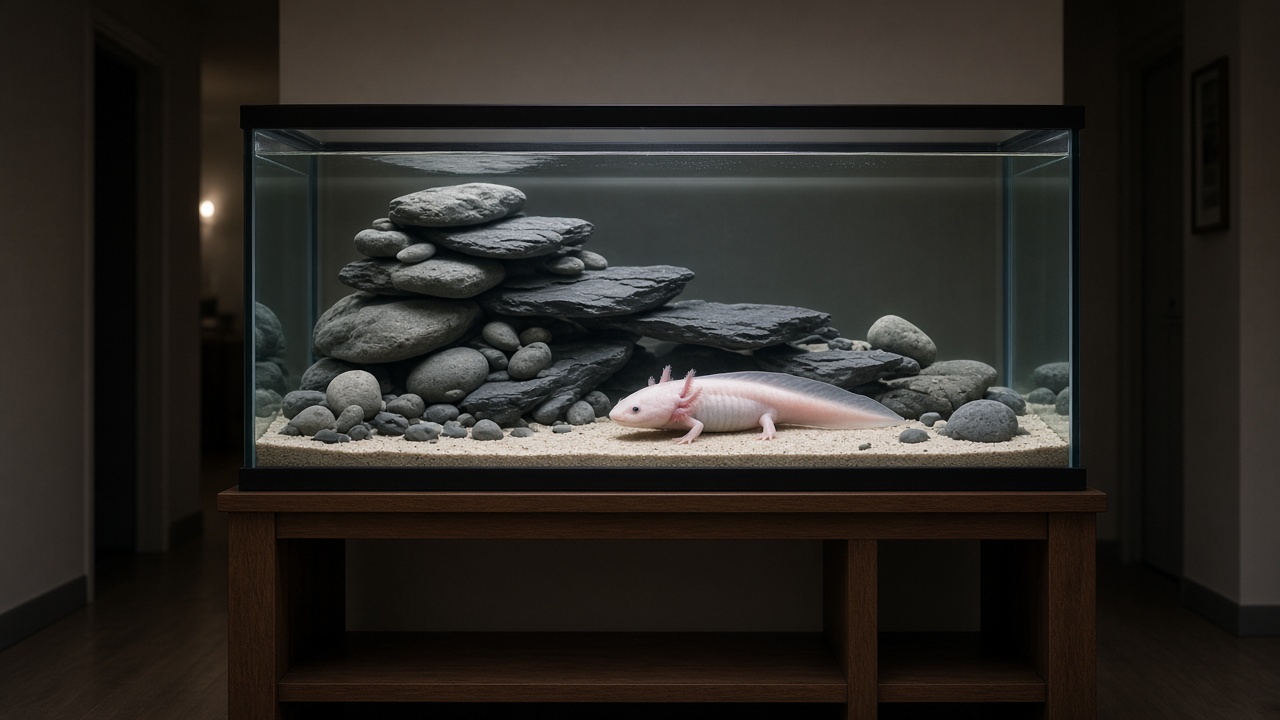
Adult notes commonly ask for about a twenty-gallon long minimum, with many keepers preferring about twenty-nine gallons or more for stable water. Floor space matters more than tall columns because axolotls walk the bottom. Use fine sand or bare bottom; skip gravel that fits in the mouth. Provide hides such as caves or tubes. Use gentle filtration aimed at a wall, not at the animal. Keep a tight lid; axolotls can jump.
Tank checklist:
- About 20 gallons long minimum for one adult
- Prefer about 29+ gallons when possible
- Fine sand or bare bottom only
- Soft hides and low flow
- Secure lid and dim ambient light
Owners consistently report stress in bright, high-flow show tanks. Our research team analyzed footprint and substrate rules. Comparing published specs keeps GFP animals on the same housing list as non-GFP siblings.
Hold temperature and chemistry in the cool band
Heat harms faster than mild cool.
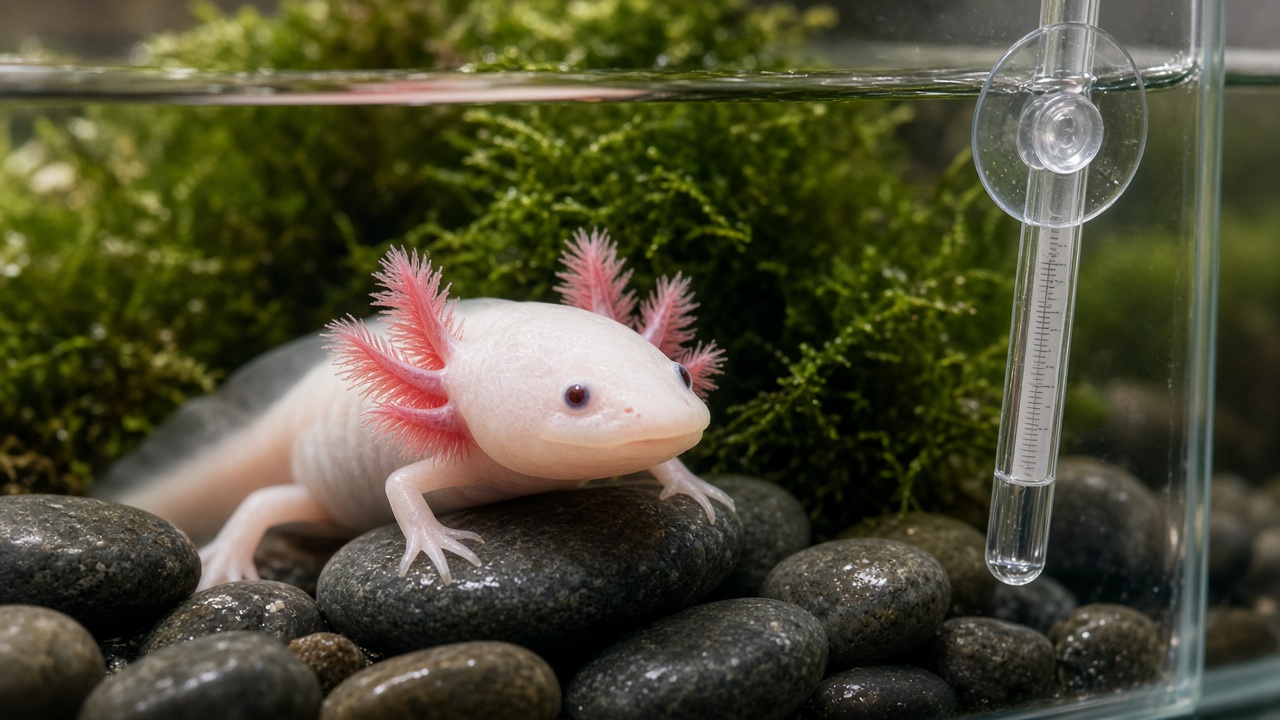
Ideal temperatures often sit near fifty-nine to sixty-four degrees Fahrenheit, or about fifteen to eighteen degrees Celsius. Broader adult notes sometimes allow about fifty-seven to seventy-two degrees Fahrenheit, yet sustained heat above the low seventies raises stress risk. Ammonia and nitrite should read zero. Nitrate is best kept low, with many keepers targeting under about twenty to forty parts per million. Stable pH near about seven to eight is commonly cited. Cycle fully before adding an animal. Condition tap water every change.
Water targets:
| Parameter | Common target |
|---|---|
| Temperature | About 59–64°F (15–18°C) ideal |
| Ammonia | 0 ppm |
| Nitrite | 0 ppm |
| Nitrate | Low; often under about 40 ppm |
| pH | Often about 7.0–8.0 stable |
Owners consistently report summer crises without chillers or cool rooms. Our research team analyzed temperature bands used in amphibian care notes. Comparing published specs prioritizes cool stability over decorative lighting.
Feed a protein-rich diet on a calm schedule
GFP does not change nutrition needs.
Offer sinking carnivore pellets sized for the mouth, plus earthworms and other appropriate soft foods. Juveniles eat more often than adults. Remove leftovers to protect water quality. Avoid gravel hunting risks by feeding on dishes or bare areas if needed. Quarantine any live fish feeders; many keepers skip feeders entirely. Watch gill condition and appetite as daily health signals.
Diet cues:
- Quality sinking pellets as a staple
- Earthworms as a frequent fresh option
- Soft frozen foods as variety when accepted
- Clear uneaten food promptly
- Match portion to body condition, not begging
Owners consistently report clearer water when they stop constant grazing feeds. Our research team analyzed diet patterns shared across morphs. Comparing published specs keeps GFP off the nutrition variable list.
View the glow safely without stressing eyes
Short blue sessions beat all-day UV.
Use a blue LED near about four hundred forty to four hundred seventy-five nanometers for brief checks. Limit sessions to a few minutes, then return to dim room light. Never run strong UV or blacklight as the main day cycle. Leave shaded hides so the animal can leave the beam. Ambient room light is enough for daily viewing. Plants, if used, need only gentle light; axolotls prefer low brightness.
Safe glow rules:
- Blue LED preferred over harsh UV for checks
- Minutes, not hours, of excitation light
- Shaded retreat always available
- No permanent “disco” glow lighting
- Watch for stress: frantic swimming or refusal to eat
Owners consistently report calmer animals when glow lights stay occasional. Our research team analyzed keeper threads on lighting stress. Comparing published specs treats glow as a rare demo, not habitat lighting.
Buy only from sellers who show a clear fluorescence photo or live blue-light check. Ask which base morph sits under the GFP label. Plan a cool room before summer heat arrives. Keep weekly test logs for ammonia, nitrite, nitrate, and temperature. GFP is a fascinating research heritage trait, yet the pet still needs classic cool-water axolotl care every day.
Confirm purchases with a blue-light demo whenever possible. Store lighting can hide fluorescence on dark animals. Ask whether the animal is heterozygous or from two GFP parents if you plan breeding later. Keep a simple log of temperature highs during heat waves. Move the tank away from sunny windows before summer peaks.
Summer risk list:
- Daily temperature checks in warm months
- Chiller or cool room when water climbs
- Reduced feeding if animals slow in heat stress
- Extra aeration when oxygen falls in warm water
- Veterinary help for refusal to eat with heat exposure
Owners consistently report that glow novelty fades while water discipline remains forever. Our research team analyzed long-term keeper priorities after the first month. Comparing published specs puts cool, clean water above display lighting every time.
FAQ
Do green GFP axolotls glow in the dark?
No. They fluoresce when blue or UV light hits the green fluorescent protein in their tissues. Without that excitation light, a dark room stays dark and empty of glow. Ordinary room light usually hides the effect on most morphs. Use a brief blue LED check if you need to confirm GFP before purchase or breeding.
Is GFP the same as a color morph?
No. Morphs describe pigment looks such as leucistic, albino, melanoid, copper, or wild-type under normal light. GFP is a separate dominant gene that adds green fluorescence only under blue or UV light. A GFP animal still carries whatever morph genes it has. Listings often pair both names, such as GFP leucistic or GFP melanoid.
Does GFP hurt the axolotl’s health?
Published notes treat the GFP gene itself as not harmful to health, behavior, or lifespan. Care problems come from heat, poor water, rough handling, or constant bright UV displays. Keep cool, clean water and short glow sessions. Call a veterinarian if appetite or gills decline.
What tank size does a green GFP axolotl need?
Plan about a twenty-gallon long minimum for one adult, with many keepers preferring about twenty-nine gallons or more for stability. Floor space matters more than tall water columns because axolotls walk the substrate. Add substantial volume before housing a second adult together. GFP does not shrink space needs compared with non-glow morphs.
What temperature should I keep?
Aim near fifty-nine to sixty-four degrees Fahrenheit for routine care, matching about fifteen to eighteen degrees Celsius. Prolonged warmth into the low seventies and above raises stress and infection risk. Cool the room or use a chiller in summer if needed. Track temperature daily during warm months and act before animals stop eating.
How do I prove an axolotl is GFP before buying?
Ask for a photo or video under blue or UV light that shows clear green fluorescence across the body. A faint indoor tint is not proof on dark morphs in store lighting. Prefer sellers who demonstrate the glow live before payment. Walk away from vague “green” labels with no fluorescence evidence at all.
Can I leave a blacklight on all night for display?
No. Extended UV or intense glow lighting stresses axolotls and can harm their sensitive eyes over time. Use brief viewing sessions of only a few minutes, then return to dim ambient light. Keep normal day and night cycles gentle. Treat glow as a short check, not permanent décor lighting.
This guide is informational only and does not replace advice from a qualified veterinarian.