Quick answer: Planaria bloom on leftover protein food and hitchhike on plants or décor. Cut feeding, siphon waste, bait overnight traps, and never chop worms that can regenerate.
Starve, trap, and quarantine; chopping planaria makes more worms.
We compared published care data on freshwater planaria identification, overfeeding causes, and removal methods. Our research team analyzed flatworm notes describing triangular heads, eyespots, gliding motion, and sizes often under half an inch. Owners consistently report shrimp fry losses and glass crawlers after heavy feeding or unquarantined plants.
Comparing published specs favors cause control first: less food, substrate vacuuming, and baited traps overnight. Quarantine windows near 2–4 weeks help eggs hatch outside the display. Chemical options exist for severe cases yet often harm snails and need careful label reading. This page covers ID versus detritus worms, causes, trapping, cleaning, quarantine, chemistry caution, and shrimp safety for home freshwater tanks.
Include trap-and-starve routines and plant quarantine. Leave out chopping or crushing live flatworms in the tank. Skip drug dosing charts that belong with a veterinarian.
Confirm planaria before you treat
Wrong ID wastes medicine and stresses tanks.
Planaria are flatworms with flattened bodies, often a triangular or arrow-shaped head, and two dark eyespots. They glide smoothly across glass, plants, and décor instead of thrashing. Detritus worms look thin, round, and segmented; they wriggle in substrate and usually signal waste, not predation. Planaria stay small, often only a few millimeters to under about half an inch. Flashlight checks against the glass reveal head shape better than a quick glance. Treat only after the arrowhead profile is clear.
ID board:
| Trait | Planaria | Detritus worms |
|---|---|---|
| Body | Flat, ribbon-like | Round, thread-like |
| Head | Triangular or arrow | No clear arrow head |
| Eyes | Two dark eyespots | None obvious |
| Motion | Smooth glide | Fast wriggle |
| Shrimp risk | Fry and eggs at risk | Usually harmless |
Owners consistently report calmer responses after they separated flatworms from detritus worms. Our research team analyzed side-by-side ID tables in worm guides. Comparing published specs puts head shape ahead of panic treatments.
Starve the bloom with less food
Surplus protein feeds the outbreak.
Planaria populations climb when uneaten pellets, frozen foods, and dead tissue pile up. Cut portions so fish finish meals within a few minutes. Remove visible leftovers the same day. Vacuum mulm from corners, plant bases, and filter intakes during water changes. Overfeeding is the most common published cause of blooms after hitchhikers arrive. Clean tanks with modest feeding often hold only rare individuals that never bloom into carpets on the glass.
Food control list:
- Feed smaller, complete meals
- Skip snack dumping between days
- Siphon leftover protein promptly
- Prune melting plant matter
- Match stocking to filtration capacity
Owners consistently report fewer glass crawlers within days of stricter feeding. Our research team analyzed cause notes linking waste to flatworm blooms. Comparing published specs treats hunger pressure as step one, not step five.
Trap overnight; never chop worms
Bait pulls scavengers; fragments regenerate.
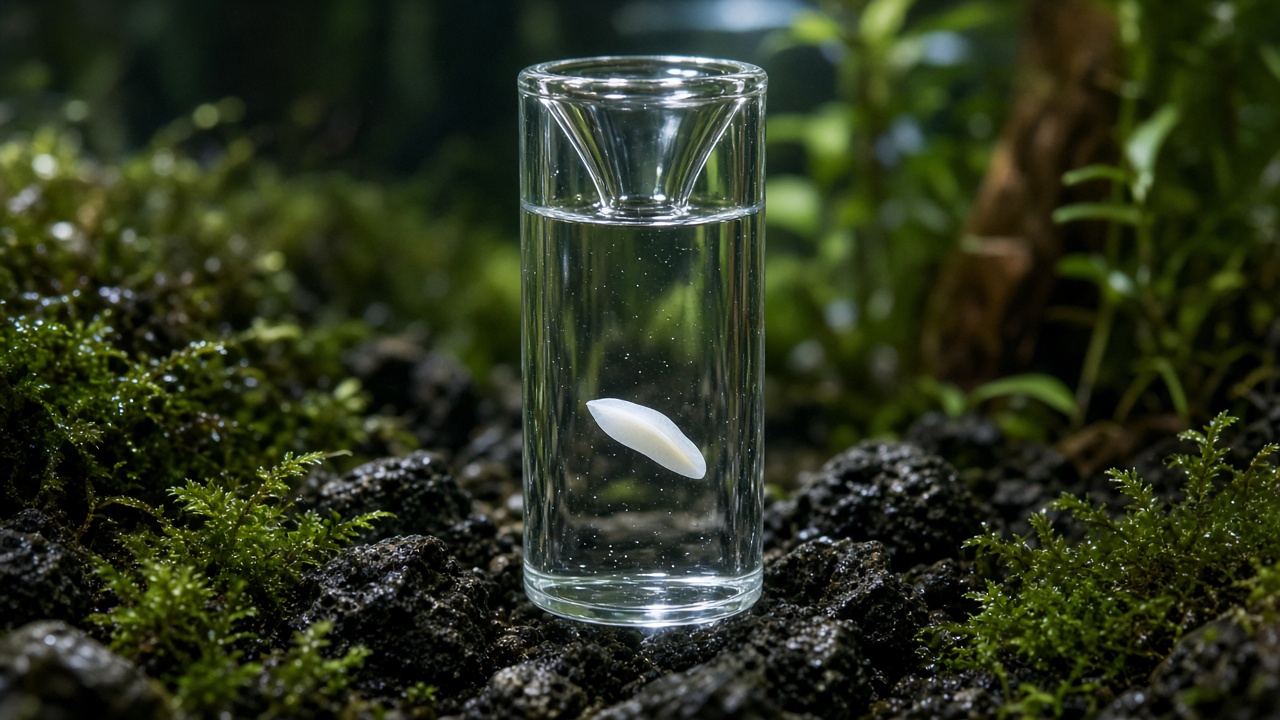
Commercial or jar-style planaria traps use protein bait such as sinking pellets, bloodworms, or a bit of shrimp. Place traps at lights-out; flatworms are often most active in the dark. Lift and discard catches in the morning, then rebait for several nights. Do not cut worms in the tank; regeneration can turn pieces into new animals. Manual siphoning of visible worms helps when you avoid shredding them. Traps reduce numbers but rarely erase eggs alone.
Trap rhythm:
| Step | Practice |
|---|---|
| Bait | High-protein morsel |
| Timing | Overnight darkness |
| Removal | Morning lift and discard |
| Repeat | Several consecutive nights |
| Avoid | Chopping live worms |
Owners consistently report visible drops after a week of nightly trapping plus lean feeding. Our research team analyzed trap protocols in pest guides. Comparing published specs pairs traps with sanitation, not traps alone.
Siphon waste from glass and substrate
Physical removal cuts food and worms together.
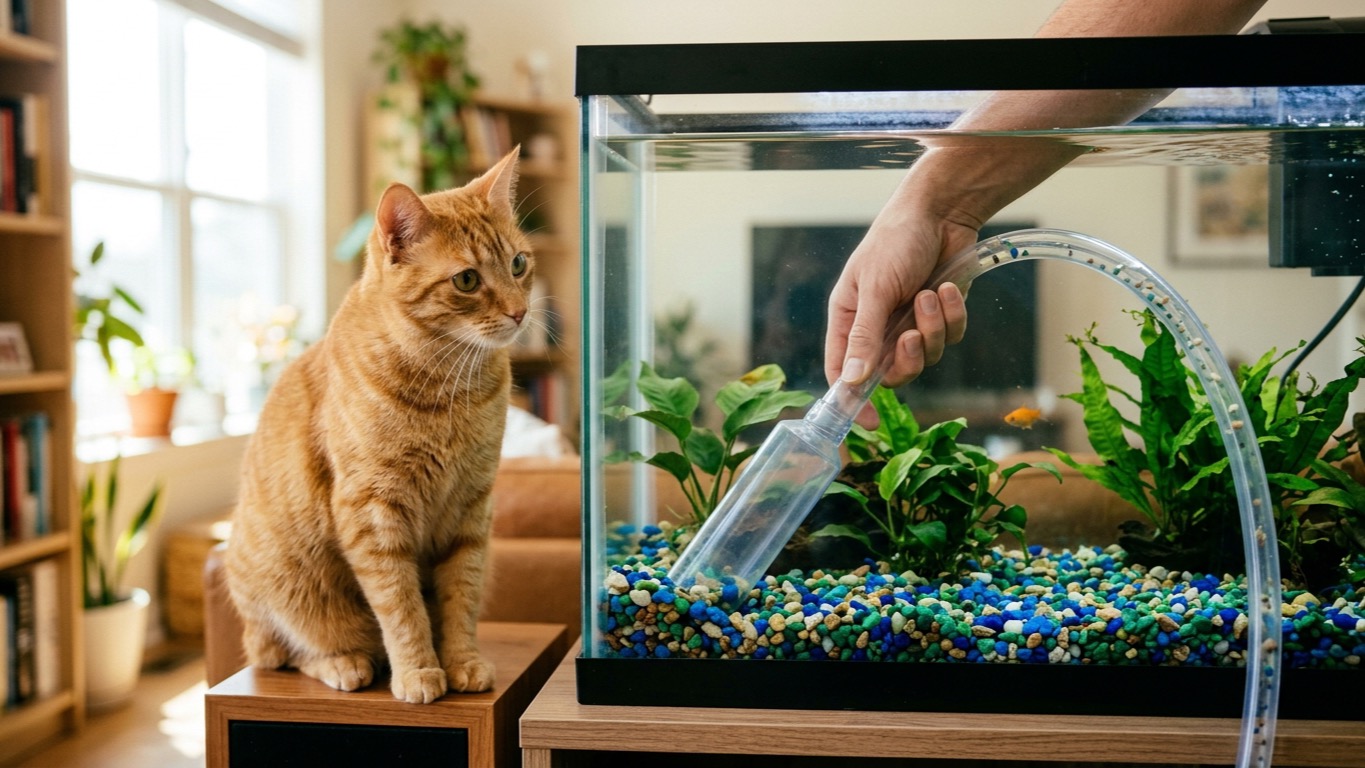
During water changes, vacuum the substrate surface and corners where planaria hide. Wipe glass lightly and siphon crawlers into the bucket. Scrub décor outside the tank with hot water when loads are heavy; porous wood and lava rock hold egg capsules. Some keepers run more frequent changes, such as twice-weekly about 20–25% volume, while hunting an outbreak. Run carbon after mass deaths if a treatment kills many worms at once. Steady cleaning beats one heroic scrub that leaves food behind.
Cleaning checklist:
- Vacuum substrate and plant bases
- Siphon worms off glass whole
- Scrub décor in hot water as needed
- Increase change frequency during blooms
- Keep filter intakes clear of mats
Owners consistently report better clarity when siphoning matched feeding cuts. Our research team analyzed maintenance steps in flatworm removal articles. Comparing published specs elevates gravel work beside any trap.
Quarantine plants for weeks before display
Most outbreaks hitchhike in.
New plants, décor, substrate, and filter media can carry worms or egg capsules. Hold new plants in a separate container for about 2–4 weeks when you can watch for crawlers. Some keepers use brief plant dips per product labels; rinse thoroughly afterward. Inspect leaf undersides before anything enters the show tank. Used gravel is a classic transfer route for pests and should be inspected or avoided. Prevention costs less than medicating a shrimp colony later.
Quarantine board:
| Item | Published caution |
|---|---|
| Live plants | Common hitchhike route |
| Hold time | Often about 2–4 weeks |
| Décor and media | Scrub or isolate |
| Used gravel | High transfer risk |
| Display rush | Skips early detection |
Owners consistently report cleaner stocking after plant quarantine became routine. Our research team analyzed introduction routes in pest prevention notes. Comparing published specs favors isolation over hope.
Use chemistry only as a last, labeled step
Medications can kill snails and stress shrimp.
When trapping and sanitation fail in shrimp rooms, some keepers consider labeled flatworm products. Betel-nut extract products and certain dewormer actives appear in hobby reports; many kill snails and need snail removal first. Read every manufacturer label for dose, livestock warnings, and retreat timing. Eggs often survive one pass, so follow-up plans matter. Mass die-offs foul water; prepare extra changes and carbon. Ask a veterinarian when livestock values are high or labels conflict with your stock list.
Chemistry caution list:
- Last resort after starve-and-trap work
- Remove snails when labels warn
- Dose only per manufacturer sheets
- Plan water changes after die-offs
- Never invent doses from forum lore
Owners consistently report regret after unplanned copper or blanket wormers hit inverts. Our research team analyzed treatment cautions in flatworm articles. Comparing published specs keeps chemistry optional and supervised.
Protect shrimp while you clean the tank
Fry and molting shrimp face the highest risk.
Planaria may hunt shrimplets, snail eggs, and weakened adults in dense colonies. Adult fish usually ignore mild loads, yet dirty tanks still stress everyone. Prioritize lean feeding and traps in nano shrimp tanks before adding fish predators that need space. Predatory fish listed in some guides need proper tank size and temperament checks first. Keep breeding boxes or separate grow-out water free of hitchhikers. Watch molts and empty shells as stress signals during outbreaks.
Shrimp safety board:
| Risk | Safer response |
|---|---|
| Shrimplet loss | Trap plus starve immediately |
| Snail colony | Expect chemistry conflicts |
| Nano tanks | Avoid oversized predators |
| Molting stress | Extra cover and clean water |
| New plants | Quarantine before mixing |
Owners consistently report saved colonies when they acted at first arrowhead sightings. Our research team analyzed shrimp-tank risk notes beside ID guides. Comparing published specs puts fry protection above cosmetic glass cleaning.
Planaria control is husbandry first, not a single bottle. Stable routines matter more than one aggressive clean. Keep notes on when crawlers appear after lights-out so trapping stays timed to activity. Lean feeding for several weeks prevents the rebound that follows a single trap night. Confirm the triangular head, cut protein waste, trap overnight, and siphon without chopping. Quarantine plants for weeks. Reserve labeled chemicals for stubborn cases and veterinary guidance when inverts are at stake. Repeat the starve-and-trap loop after any treatment so eggs that hatch later do not restart the carpet on the glass.
FAQ
How do I tell planaria from detritus worms?
Planaria look flat with a triangular or arrow-shaped head and two eyespots, and they glide smoothly on glass. Detritus worms are thin, round, and wriggly, usually living in substrate as scavengers. Size is often only millimeters for either group, so head shape matters most. Treat for planaria only after that arrowhead profile is clear under a flashlight.
What causes planaria in an aquarium?
Published causes center on overfeeding, protein leftovers, and organic buildup after worms hitchhike in. Plants, décor, substrate, and used gravel are common entry routes for worms or eggs. Dirty corners and skipped vacuums let populations explode once food is plentiful. Fix feeding and cleaning even while you trap visible worms each night.
Do planaria kill fish or shrimp?
Adult fish rarely face serious risk from typical freshwater planaria loads. Shrimp fry, eggs, and sometimes weakened adults are the main concern in breeding tanks. Large blooms also signal poor sanitation that stresses all livestock. Act early in shrimp tanks with feeding cuts and traps before losses mount.
How do planaria traps work?
Place a baited trap with protein food in the tank overnight while lights are off. Flatworms enter to feed and stay for morning removal and disposal. Repeat for several nights while you also reduce feeding and siphon waste. Traps lower visible numbers but do not replace quarantine or egg-aware follow-up.
Should I cut planaria in half to kill them?
No. Planaria are famous for regeneration, and fragments can become new worms in the same tank. Remove them whole with a siphon or trap instead of chopping on the glass. Dispose of captures outside the aquarium system entirely. Regeneration risk is why careful handling beats crushing inside the display water.
How long should I quarantine new plants?
Many pest guides suggest about 2–4 weeks in a separate container so worms emerge and eggs can hatch where you can remove them. Inspect leaves often and discard crawlers before display transfer. Shorter dips may help when labels allow, yet they do not replace watchful isolation. Patience here prevents medicating the whole show tank later.
When should I use chemical planaria treatments?
Use labeled products only after feeding cuts, siphoning, and traps fail, especially in shrimp rooms. Many actives harm snails and need removal plus precise dosing from the manufacturer sheet. Plan extra water changes because mass deaths pollute fast. Consult a veterinarian when valuable inverts or unclear labels make the risk high.
This guide is informational only and does not replace advice from a qualified veterinarian.