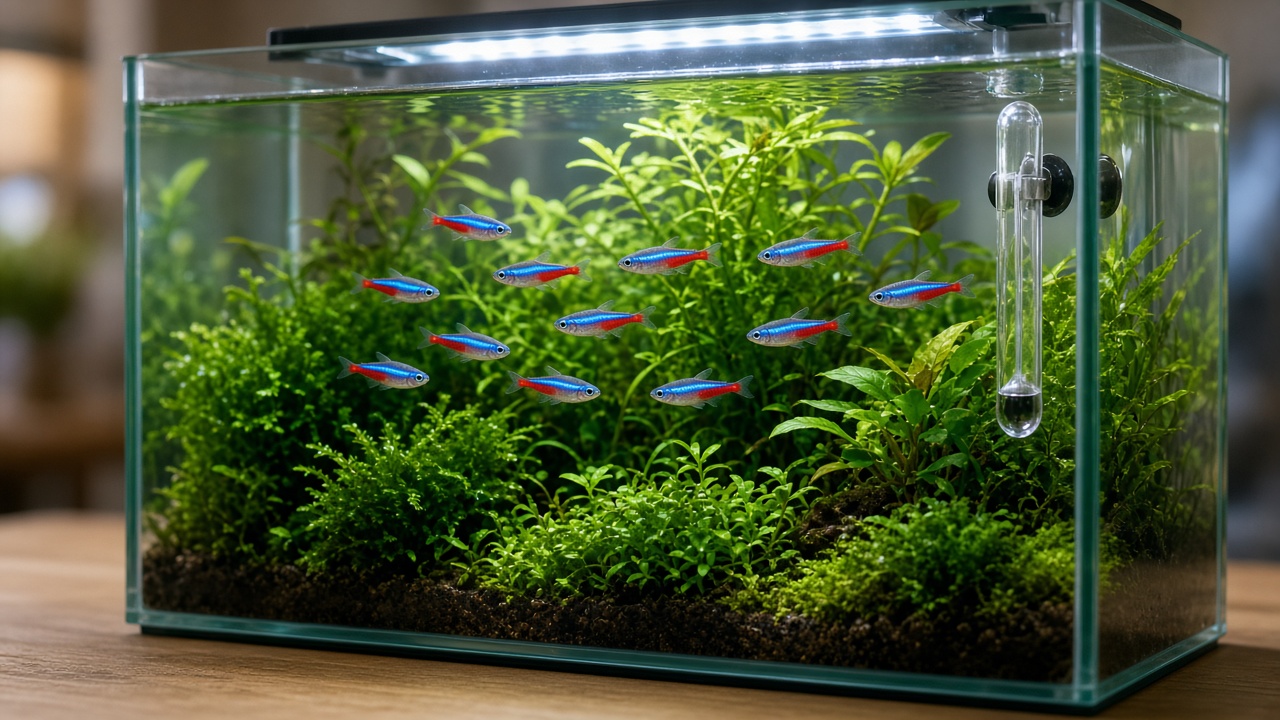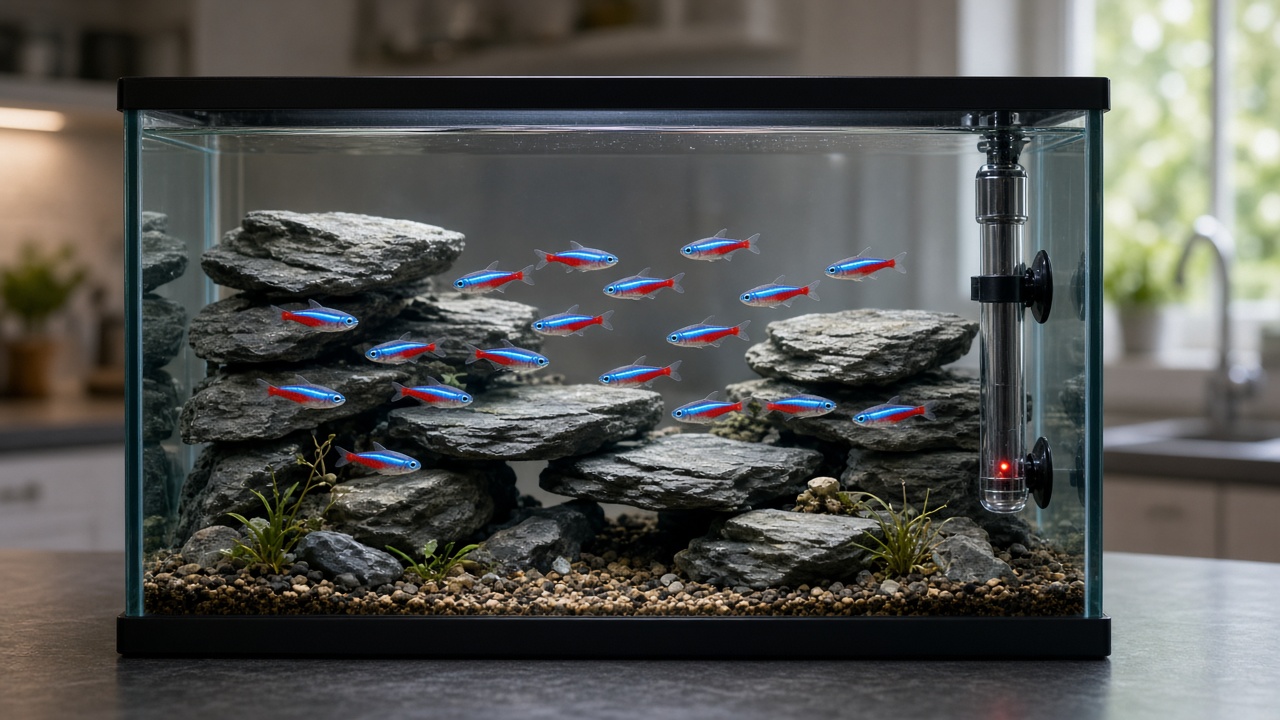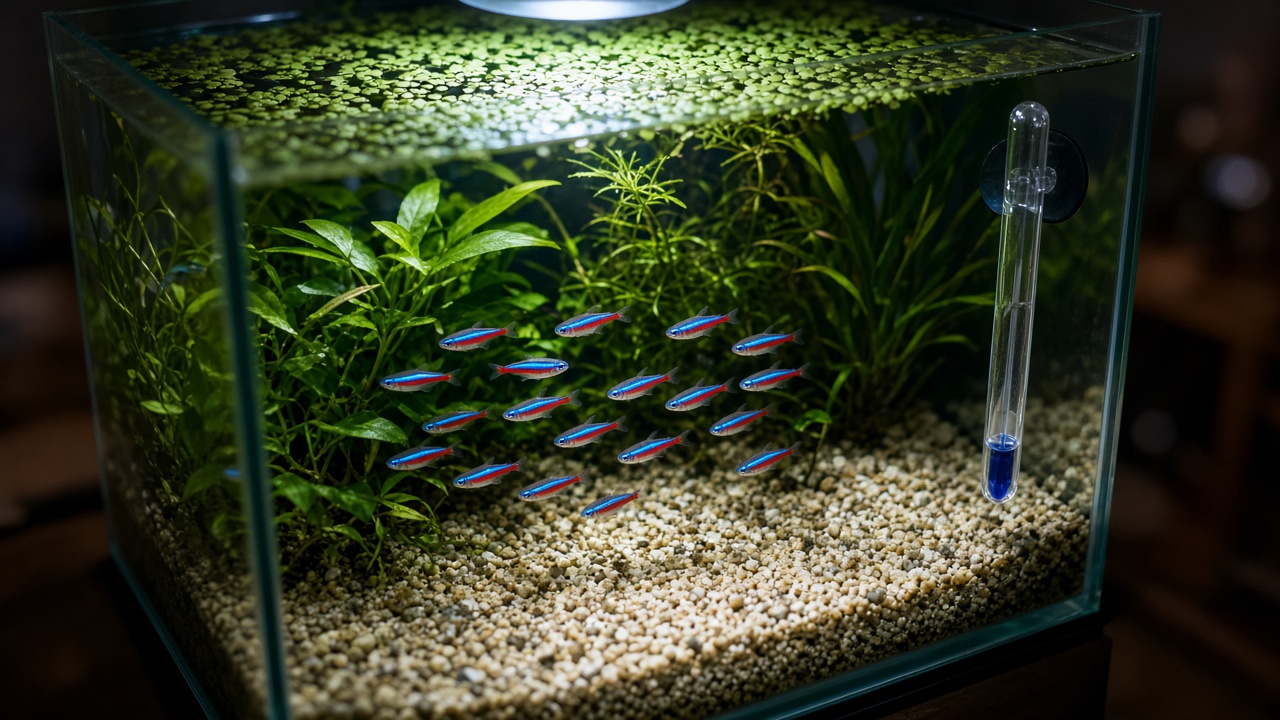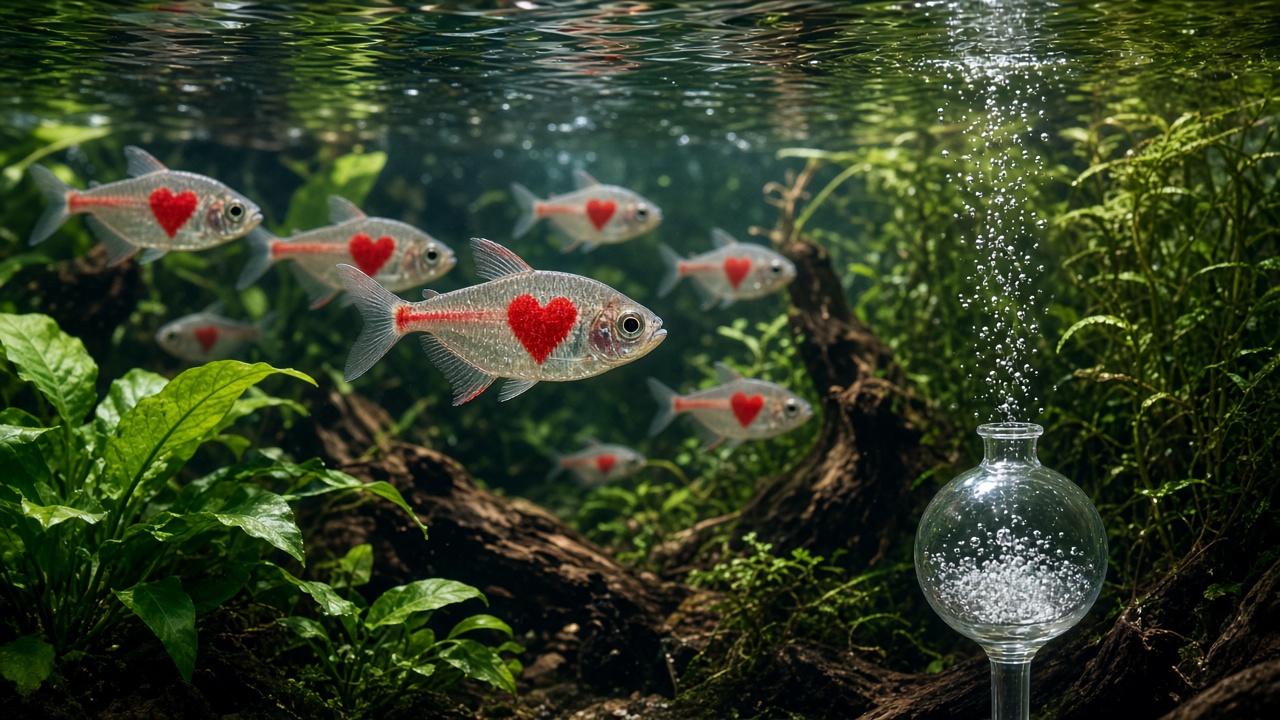
Quick answer: Neon tetras do not get pregnant with live young; round bellies usually mean eggs, constipation, or illness such as dropsy. Check scales from above, behavior, and water before you assume babies are coming.
A round neon belly is eggs or trouble—never livebearer pregnancy.
We compared published care data on neon tetra egg scattering, gravid females, and dropsy signs. Our research team analyzed tetra care sheets listing schools of at least six fish. Notes also cover tropical temperatures near seventy-five to eighty degrees Fahrenheit and pinecone scale warnings. Owners consistently report false pregnancy hopes when a female reabsorbs eggs or when fluid buildup signals organ stress.
Comparing published specs treats neons as egg-scatterers that fertilize outside the body. A full belly can be eggs, overfeeding bloat, constipation, or dropsy fluid. True community spawning is uncommon without soft acidic breeding setups. Neon tetra disease and other illnesses can also change body shape and color. This page covers egg versus illness checks, bloat causes, disease cues, water first aid, breeding reality, and when to isolate.
Include top-down scale checks and water tests. Leave out livebearer birth plans. Skip medication courses that belong with a veterinarian.
Know neons scatter eggs, not live young
They never carry free-swimming fry inside.
Published breeding notes describe neon tetras as egg-scatterers. Females fill with eggs and release them for external fertilization. They do not give live birth like guppies or mollies. A gravid female may look round for days or weeks, then spawn or reabsorb eggs if conditions stay wrong. Community tanks rarely raise fry because adults and tank mates eat eggs fast. Soft, acidic, dim breeding tanks belong to deliberate projects, not surprise “pregnancy” outcomes.
Scatter board:
| Term | Reality |
|---|---|
| Pregnant | Misleading for neons |
| Gravid | Female carrying eggs |
| Egg-scatterer | External fertilization |
| Livebearer | Not this species |
| Fry in display | Rare without special setup |
Owners consistently report calm once they drop livebearer expectations. Our research team analyzed breeding primers for Paracheirodon. Comparing published specs replaces pregnancy language with gravid egg talk.
Read a gravid belly versus dropsy
Pinecone scales change the diagnosis.
Hobby and disease notes say a healthy gravid female keeps flat scales, even swelling, appetite, and normal schooling. Dropsy is a symptom set, often tied to kidney or internal infection, with fluid that swells the body. Scales may stand out like a pinecone when viewed from above. Illness often brings lethargy, clamped fins, faded color, and refused food. Swelling can look extreme or uneven compared with a gentle egg belly. Isolate sick fish and improve water; ask a veterinarian about treatment options.
Compare board:
| Sign | Eggs more likely | Illness more likely |
|---|---|---|
| Scales | Lie flat | Pinecone from above |
| Shape | Smooth lower belly | Whole-body or uneven swell |
| Behavior | Still schools and eats | Lethargy, isolation |
| Color | Normal neon stripe | Faded or blotchy |
| Speed | Gradual fullness | Often faster decline |
Owners consistently report better calls after a top-down look. Our research team analyzed dropsy explainers listing pinecone scale warnings. Comparing published specs puts scale posture before belly guesses.
Separate constipation and overfeeding bloat
Food swelling is not pregnancy either.
Overfeeding softens waste and can puff the abdomen without eggs. Constipation may leave a fish sluggish with little waste while still eating poorly. Fasting a day and offering a small blanched pea appears in many hobby notes for mild digestive bloat. Tiny neons still need careful portions. Test water whenever any fish looks swollen. Do not stack salt, antibiotics, and diet changes on the same day without a plan. Persistent one-sided lumps or pineconing leave the constipation story behind.
Bloat checklist:
- Review recent feeding amounts
- Watch for normal waste strings
- Test ammonia, nitrite, and nitrate
- Fast briefly only if otherwise healthy
- Seek vet help if scales rise or appetite dies
Owners consistently report flatter bellies after leaner flake portions. Our research team analyzed digestive bloat notes in community fish guides. Comparing published specs separates food puff from dropsy emergencies.
Watch for neon tetra disease and lookalikes
Muscle patches are not an egg problem.
Species notes warn about neon tetra disease caused by a microsporidian parasite that damages muscle and leaves pale patches. Restlessness, white skin patches, and fish leaving the school are classic shop-avoidance signs. Similar lookalikes include bacterial problems sometimes called false neon tetra disease. Advanced parasite cases are often untreatable, so prevention and careful stocking matter. Quarantine new fish when you can. A swollen belly alone does not diagnose this disease, yet any neon looking wrong deserves a full checklist.
Disease cues:
- Pale or white muscle patches along the body
- Fish isolating from the school
- Restless or weak swimming
- Rapid losses in a group
- Need to separate lookalike bacterial cases
Owners consistently report fewer disasters after they refused sick stock at the store. Our research team analyzed disease sections in neon species profiles. Comparing published specs keeps belly checks separate from muscle disease.
Improve water before you medicate
Stressful chemistry opens the door to illness.
Care sheets for common aquarium tetra strains often list temperatures near seventy-five to eighty degrees Fahrenheit. Many also cite pH near six point eight to seven point eight. Schools need at least six fish, with larger groups preferred for security. Plant cover and gentle flow reduce stress. Ammonia and nitrite must stay at zero; high nitrate and dirty gravel wear immune systems. Partial water changes and filter care come before random drugstore mixes. Medication belongs after you identify a problem and, for serious cases, after veterinary advice.
Water board:
| Check | Target theme |
|---|---|
| School size | At least 6; more is better |
| Temperature | About 75–80°F for many tetras |
| pH band | About 6.8–7.8 for many captive strains |
| Ammonia/nitrite | 0 |
| Habitat | Plants, cover, gentle current |
Owners consistently report fewer mystery swellings after weekly maintenance returned. Our research team analyzed tetra care guides for school size and temperature bands. Comparing published specs puts husbandry ahead of panic dosing.
Breed only with soft acidic setups
Display tanks almost never raise neon fry.
Serious breeding guides use separate tanks with soft acidic water, dim light, and spawning media or mesh so adults cannot eat eggs. Condition pairs with varied foods, then remove parents after spawning. Soft blackwater parameters differ from many hard-tap community tanks, so accidental breeding success stays rare. If a female looks gravid and never spawns, reabsorption can return her shape without illness. Celebrate eggs only when you built the breeding system on purpose.
Breeding board:
| Step | Role |
|---|---|
| Separate breeding tank | Soft, acidic, dim |
| Spawning media or mesh | Protect eggs from adults |
| Conditioning foods | Support egg production |
| Remove parents | Stop egg predation |
| Fry care | Infusoria-scale foods later |
Owners consistently report empty nests until they left community habits behind. Our research team analyzed dedicated neon breeding outlines. Comparing published specs treats fry as a project, not a surprise.
Isolate sick fish and call a vet path
Dropsy needs more than hope and salt myths.
Published disease pages call dropsy a symptom set more than one single disease. Fluid buildup may follow infection or organ failure and can spread risk when water stays poor. Move the affected fish to a clean quarantine setup with heat and aeration when practical. Test and repair the main tank so tank mates stay safer. Antibiotics or salt protocols vary by species tolerance and diagnosis; soft-water tetras need careful salt judgment. A qualified aquatic veterinarian should guide treatment when pineconing and systemic decline appear.
Action list:
- Top-down photo of scale posture
- Immediate water tests in display and hospital
- Quarantine gear ready before crisis day
- No mixed random medications together
- Veterinary consult for severe dropsy signs
Owners consistently report clearer ethics after they stopped guessing live birth. Our research team analyzed dropsy treatment caveats in aquarium disease articles. Comparing published specs ends with professional care, not internet cure stacks.
Neon tetras get gravid with eggs or sick with fluid—not pregnant like livebearers. Read scales from above, fix water, and treat breeding as a special project. Ask a veterinarian when pineconing, lethargy, or group losses begin.
FAQ
Can neon tetras get pregnant?
No. They are egg-scatterers, so females become gravid with eggs and release them for external fertilization. They do not carry live fry the way guppies do. A round belly may mean eggs, food bloat, or illness. True fry usually need a dedicated soft acidic breeding tank, not a busy community display.
How do I tell eggs from dropsy?
View the fish from above. Flat scales with a smooth lower belly and normal appetite lean toward eggs. Raised pinecone scales, whole-body swelling, lethargy, and faded color lean toward dropsy or severe internal disease. Test water either way. Isolate sick fish and seek veterinary guidance when systemic signs appear.
Why is my neon tetra bloated but still eating?
Mild overfeeding or constipation can puff the belly while appetite remains. Review portion size and watch for normal waste. Confirm ammonia and nitrite are zero. If scales stay flat and schooling continues, lean feeding often helps. Rising scales, isolation, or fast swelling move the case toward illness instead of diet.
Will eggs hatch in my community tank?
Rarely into free-swimming fry you can raise. Adults and tank mates usually eat eggs quickly in planted community aquariums. Dedicated breeding tanks with soft acidic water and egg protection media are the published path for success. A gravid look in a display tank seldom means a surprise school of babies.
What water helps neon tetras stay healthy?
Many captive tetra care sheets list about seventy-five to eighty degrees Fahrenheit and pH near six point eight to seven point eight. Keep ammonia and nitrite at zero with regular partial changes. Hold at least six fish in a school with plant cover. Stable maintenance prevents more belly crises than emergency products alone.
What is neon tetra disease?
It is a microsporidian muscle infection first linked to neons that can leave pale patches and high losses. Shop carefully and quarantine when possible. Lookalike bacterial illness can mimic some signs and may respond differently. It is separate from a simple gravid belly. Advanced cases are often untreatable, so prevention matters most.
When should I see a veterinarian?
Seek help for pinecone scales, rapid swelling, refused food, gasping, or multiple fish declining together. Bring recent water test results and clear photos from the side and above. Do not wait while stacking unproven mixes. Early professional advice beats late guesses when organ failure signs are already visible.
This guide is informational only and does not replace advice from a qualified veterinarian.