Quick answer: Shubunkins are hardy single-tail calico goldfish for cool ponds and large tanks. Adults often reach about eight to fourteen inches. Plan deep ponds near one hundred eighty gallons or more for groups.
Give Shubunkins cool water, depth, and room for adult single-tails.
We compared published care data on Carassius auratus Shubunkin strains for pond volume, depth, and temperature. Our research team analyzed maker coldwater goldfish guides beside calico type notes for London, Bristol, and American forms. Owners consistently report stunted, stressed fish when bowls or tiny tanks replace true swimming room.
Comparing published specs, aquarium floors for comets and Shubunkins often sit near twenty gallons per adult in maker housing notes. Pond guides commonly cite about one hundred eighty to two hundred twenty gallons for a small group, with larger ponds preferred. Depth near two feet appears often for seasonal stability. This page covers calico types, size, water, diet, décor, mates, and winter planning.
Include oversized filtration, cool setpoints, and plant protection rock. Leave out bowls, tropical community heat, and sharp décor. Skip medication plans that belong with a veterinarian.
Tell London, Bristol, and American calico types apart
Calico nacreous scales define the variety more than fin length alone.
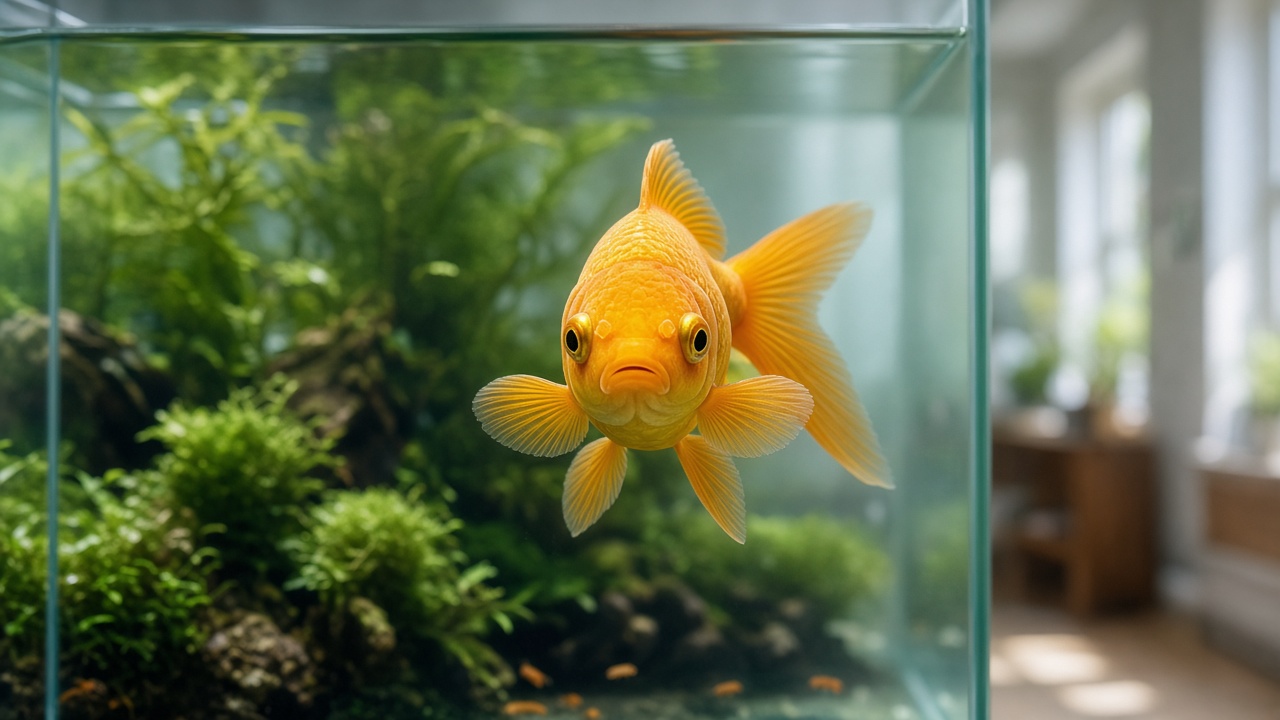
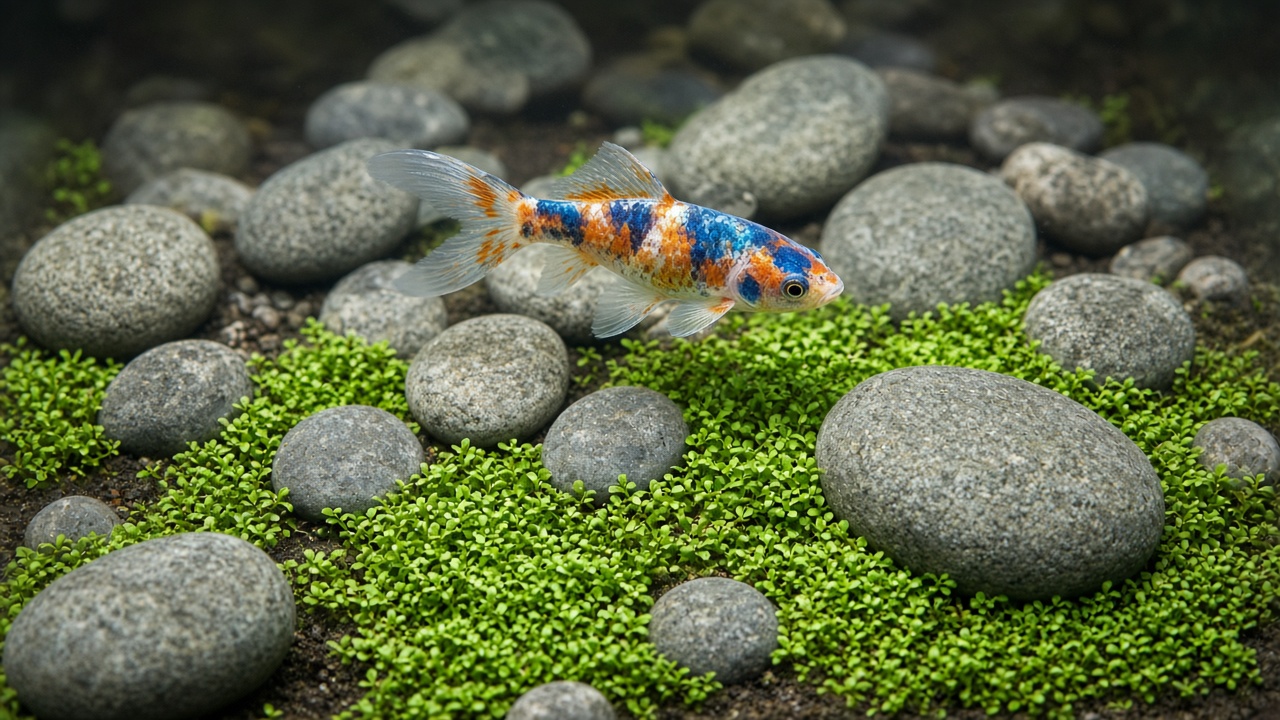
Shubunkins carry pearly scale mixes of blue, red, orange, black, white, and grey. Blue ground color is widely prized in show notes. London types keep stout bodies with short, rounded fins like commons. American types run slimmer with long, pointed, deeply forked tails. Bristol types show large, rounded, heart-shaped or “B” tails and stay rarer in shops.
Type board:
| Type | Body and tail cue |
|---|---|
| London | Stout body, short rounded fins |
| American | Slim body, long pointed fork |
| Bristol | Broad fins, rounded “B” tail |
| Scale look | Nacreous calico mix |
| Prized hue | Strong blue ground |
Owners consistently report American forms on most store racks. Our research team analyzed naming notes that also use harlequin or speckled labels. Comparing published specs still treats all three as the same species for water chemistry. Buy for adult body shape, not only juvenile color. Ask for single-tail confirmation so fancy twins do not sneak home.
Photograph both sides before purchase because calico patterns are unique. Avoid fish with clamped fins, ulcers, or cloudy eyes. Quarantine new arrivals away from the pond when you can. Mixed ages can work, yet large commons may later outpace tiny fancies. Keep records of type if you plan breeding projects. Sort look-alike commons before they share a grow-out pond.
Size ponds and tanks for adult swimmers
Stock for finished length, not the cute juvenile at checkout.
Maker notes for commons, comets, and Shubunkins list about twenty gallons per adult in aquariums. Pond capacity notes often start near one hundred eighty gallons, with other group guides nearer two hundred twenty gallons. Some care pages push toward one thousand gallons for long-term groups. Adult length cues span about eight to twelve inches in many hobby notes. One pond sheet lists up to about fourteen inches. Extreme species records near forty-eight centimeters total length also appear.
Sizing board:
| Setting | Published direction |
|---|---|
| Aquarium adult | About 20 gal per fish |
| Pond small group | About 180–220 gal class |
| Depth cue | About 2 ft minimum often |
| Hobby adult length | About 8–12 in common |
| Extreme species max | About 48 cm TL recorded |
Owners consistently report better growth once volume and filtration match adult waste. Our research team analyzed depth notes that protect against ice and heat. Comparing published specs rejects bowls and unfiltered tubs entirely. Longer footprints beat tall columns for cruising single-tails. Upsize before the growth spurt finishes.
Plan filtration for the adult bioload on day one. Partial shade keeps summer ponds cooler. Netting deters herons and cats. Indoor tanks need strong covers and room to turn. Never use the shop bag size as your forever plan.
Hold cool, clean water with strong filtration
Shubunkins prefer cool stability and zero ammonia.
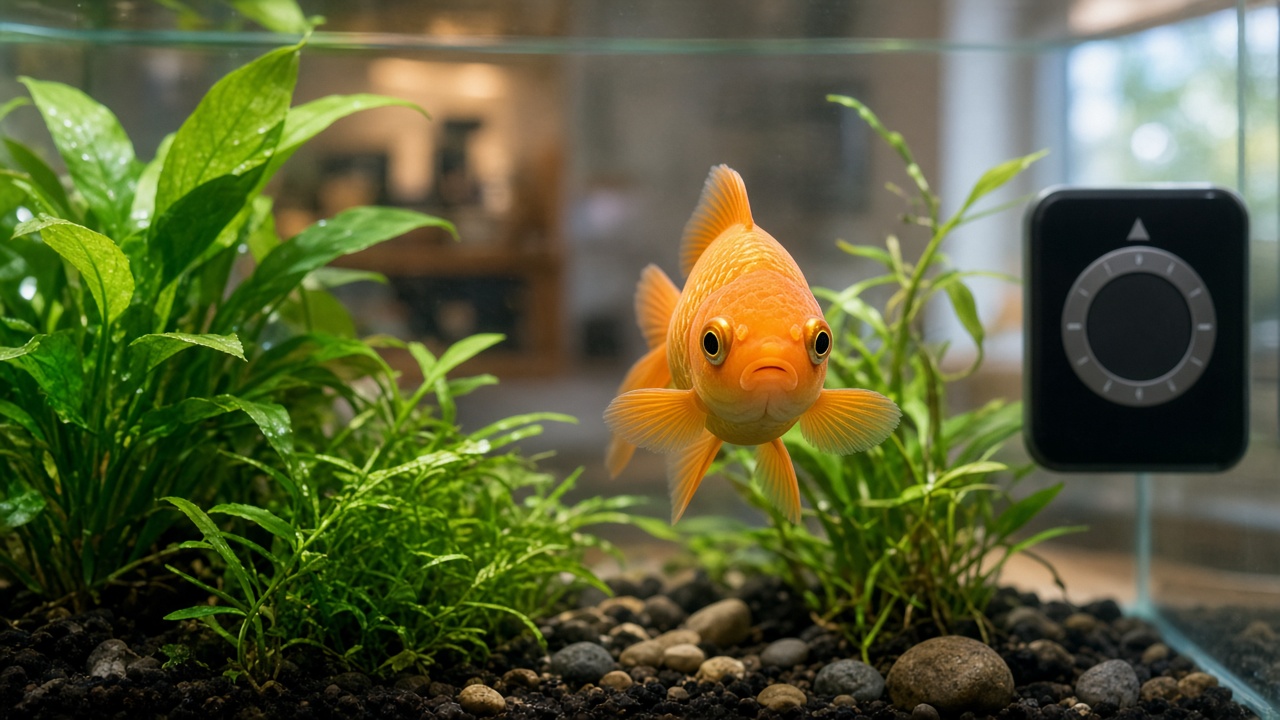
Maker Shubunkin and comet bands often sit near sixty to seventy degrees Fahrenheit. Broader pond sheets may list wider seasonal swings near thirty-three to ninety degrees when depth protects fish. Fancy goldfish optima near sixty-eight to seventy-four degrees differ from the cooler single-tail target. Maker pH ideals often sit near seven point zero to eight point four. One pond sheet clusters nearer six point eight to seven point two. Hold ammonia and nitrite at zero.
Water checklist:
- Thermometer checks in heat waves
- Test ammonia, nitrite, nitrate, and pH
- Oversize mechanical and biological filtration
- Add aeration when nights run warm
- Change about 10% weekly or 25% every two weeks in tank notes
Owners consistently report green water when filtration and UV plans lag behind sun and feed. Our research team analyzed nitrate notes that prefer readings under about forty ppm in pond care pages. Comparing published specs favors steady chemistry over chasing one perfect number. Salt tips in some maker pages suggest about one tablespoon of aquarium salt per five gallons for support, not daily dumping. Log tests after storms and water top-offs.
Cycle new ponds and tanks before stocking. Match temperature when moving fish. Dechlorinate all tap additions. Clean filter pads on a rotation so bacteria survive. Edge case: sealed ice needs an open hole for gas exchange in winter.
Feed omnivore meals without flooding waste
Quality pellets and greens beat constant floating snacks.
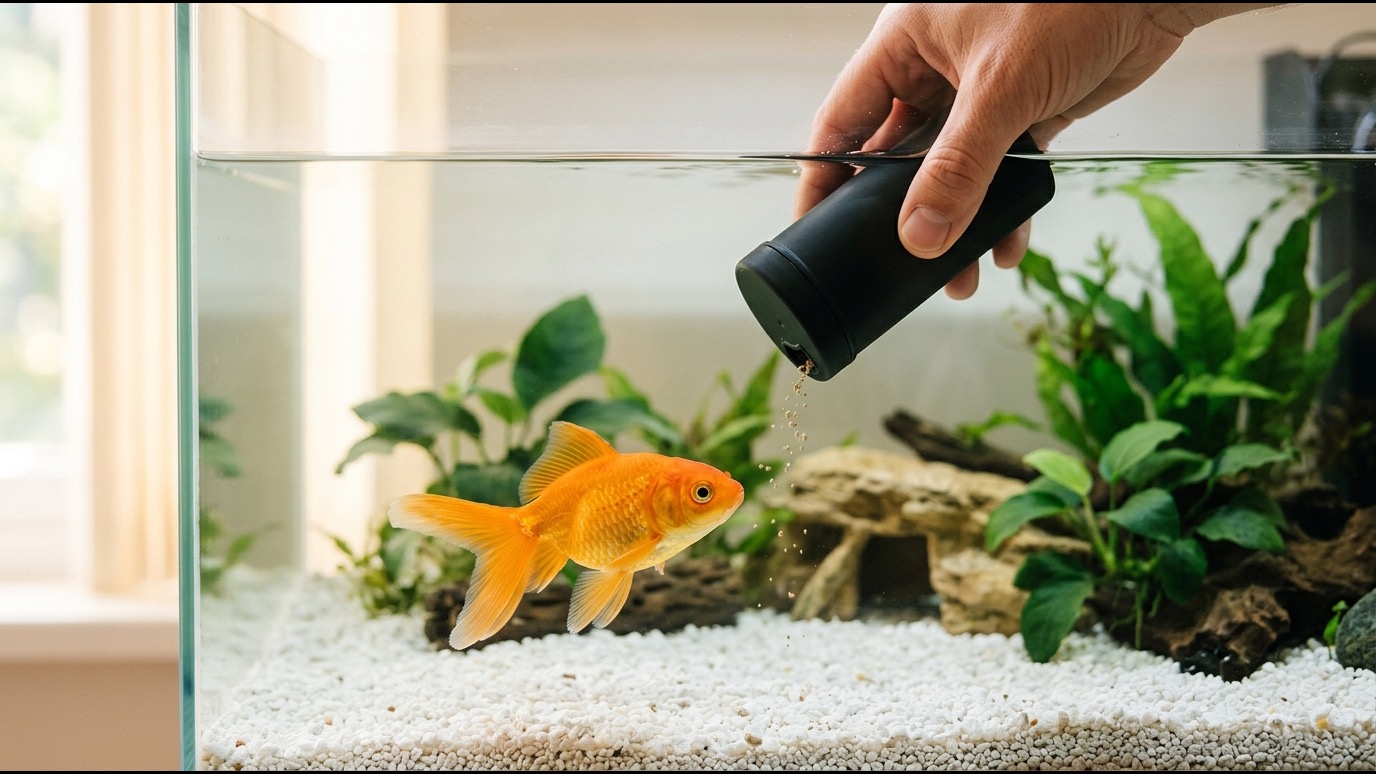
Maker guidance asks for quality flake or pellet diets that do not exceed about thirty percent protein for Shubunkins. Rotate foods and feed only what fish clear in about two to three minutes, once or twice daily. Soak floating foods briefly so fish gulp less air. Live or frozen treats can appear as extras. Owners consistently report cloudy water when portions stay huge all day.
Feeding board:
| Item | Care cue |
|---|---|
| Staple | Quality goldfish pellet or flake |
| Protein cue | At or under about 30% in one sheet |
| Timing | About 2–3 minutes per meal |
| Frequency | About 1–2× daily |
| Extras | Greens, frozen, or live treats |
Our research team analyzed omnivore notes that include plant matter and invertebrates in wild-type diets. Comparing published specs treats leftover piles as ammonia fuel. Reduce feeding in cold water when metabolism slows. Skip bread and processed human scraps. Keep a kitchen timer beside the pond scoop.
Offer sinking options for bottom foraging without long surface gulping. Rinse thawed foods. Remove uneaten bits with a net. Store dry food sealed and dry. Adjust portions after growth spurts and after adding tankmates.
Protect plants and soft fins in digger-friendly layouts
Shubunkins dig, so plant bases need armor.
Large rocks around plant crowns appear in pond setup notes to stop root raiding. Hardy plants such as water lilies and anacharis still help shade and oxygenate when protected. Soft gravel without sharp crushed glass suits foraging mouths. Avoid abrasive lava edges that tear fins. Owners consistently report uprooted swords when rock rings are skipped.
Décor list:
- Smooth gravel or rounded stone
- Rock rings around plant crowns
- Soft-leaf plants or tough crypt-type survivors
- Open cruising lanes
- Predator netting outdoors
Our research team analyzed compatibility notes that keep décor rounded for active single-tails. Comparing published specs favors adequate flow without jetting fish into walls. Leave midwater highways so tails do not snag. Rinse new rock before it enters. Recheck anchors after spawning digs.
Indoor aquascapes should leave long swim paths. Skip tiny caves that trap growing adults. Smooth driftwood is fine when sealed edges cannot cut. Replace crumbling décor that sheds fibers. Photograph layouts so you can restore cover after cleaning.
Choose peaceful mates and plan winters early
Coolwater neighbors beat tropical community mixes.
Shubunkins suit other peaceful coldwater goldfish of similar size when space allows. Fin nippers and tropical heat lovers are poor matches. Outdoor fish need depth and aeration for summer nights and ice seasons. Bring vulnerable fancies indoors in harsh winters while hardy single-tails may overwinter in deep ponds. Owners consistently report losses when ponds freeze solid without gas exchange.
Mate and season cues:
| Theme | Care cue |
|---|---|
| Temperament | Peaceful, active |
| Best neighbors | Similar coolwater goldfish |
| Avoid | Nippers, tiny tropicals |
| Winter | Depth, open ice hole, or indoor move |
| Lifespan notes | Often about 10–20 years with care |
Our research team analyzed lifespan and hardiness notes that reward stable ponds over impulse tubs. Comparing published specs keeps veterinary drug choices with aquatic veterinarians. Quarantine newcomers. Watch for flukes and ulcers after stressful moves. Budget netting before spring heron season.
Teach children not to tap glass or chase fish with nets. Limit sudden lighting at night. Keep spare dechlorinator for emergency top-offs after heat waves. Keep a hospital tub ready with aged water. Record deaths and water tests so patterns appear. Call a fish veterinarian when appetite vanishes with sores.
FAQ
How big do Shubunkin goldfish get?
Many hobby notes list about eight to twelve inches for adults, and one pond sheet lists up to about fourteen inches. Extreme species records reach near forty-eight centimeters total length. Growth tracks volume, food, and season length. Size the system for adults before purchase. Juveniles will outgrow nano tanks quickly.
What pond size do Shubunkins need?
Pond guides often start near one hundred eighty gallons for a small group, with other notes nearer two hundred twenty gallons. Larger ponds near one thousand gallons appear when keepers want long-term stability. Depth near two feet is a common minimum cue. Bigger water buffers heat and waste. Filter for the adult load.
What temperature suits Shubunkins?
Maker bands for comets and Shubunkins often sit near sixty to seventy degrees Fahrenheit. Pond sheets may allow wider seasonal ranges when depth stays safe. Avoid sudden swings and low-oxygen heat waves. Fancy goldfish optima run a bit warmer in some maker pages. Match the variety on your invoice.
Are London, Bristol, and American types different species?
No. They are calico single-tail forms of Carassius auratus with different body and fin shapes. London stays stout with short fins. American shows long pointed forks. Bristol shows large rounded tails. Care chemistry stays aligned across the three types. Buy for adult shape, color, and health together.
What should Shubunkins eat?
Use quality goldfish pellets or flakes within label protein guidance. One care sheet stays at or under about thirty percent protein. Feed what they finish in about two to three minutes, once or twice daily. Add greens and occasional frozen treats. Cut rations in cold water. Remove leftovers the same day.
Can Shubunkins live in an indoor aquarium?
Yes, when each adult has about twenty gallons in maker common and Shubunkin housing notes and filtration is oversized. Provide cool water, swimming length, and smooth décor. Skip bowls and heaters set for tropical communities. Perform regular partial changes. Plan a pond upgrade if the fish keep growing.
Do Shubunkins need tankmates?
They are social and often do well with peaceful coolwater goldfish of similar size. Avoid fin nippers and tropical species that need warmer water. Watch boisterous commons around delicate fancies as they grow. Quarantine all newcomers before the display. Give each fish real swimming room from day one.
This guide is informational only and does not replace advice from a qualified veterinarian.