Quick answer: Goldfish stay far smaller than koi, suit modest ponds or large tanks, and live shorter lives. Koi need deep, thousand-gallon ponds and multi-decade space. Match species to adult size, depth, and filtration first.
Choose goldfish for smaller ponds; choose koi only for deep, large systems.
We compared published care data on Carassius auratus and ornamental carp lines sold as koi. Our research team analyzed adult length, pond volume, depth, lifespan, and waste load side by side. Owners consistently report regret when a “cute” koi outgrows a goldfish-scale pond within a few seasons.
Comparing published specs shows both fish are peaceful cold-water cyprinids, yet they are not interchangeable pets. Goldfish often finish near six to twelve inches in ponds. Koi commonly reach about twenty-four to thirty-six inches. Lifespan notes often place goldfish near ten to twenty years and koi near twenty-five to forty years or longer. This page covers size, depth, volume, filtration, diet, and whether they can share one pond.
Include size-first pond planning and mixed-pond rules sized for adult koi. Leave out indoor koi-tank setups for growing adults. Skip medication plans without a veterinarian.
Size decides which pond you can honestly run
Adult length is the first filter.
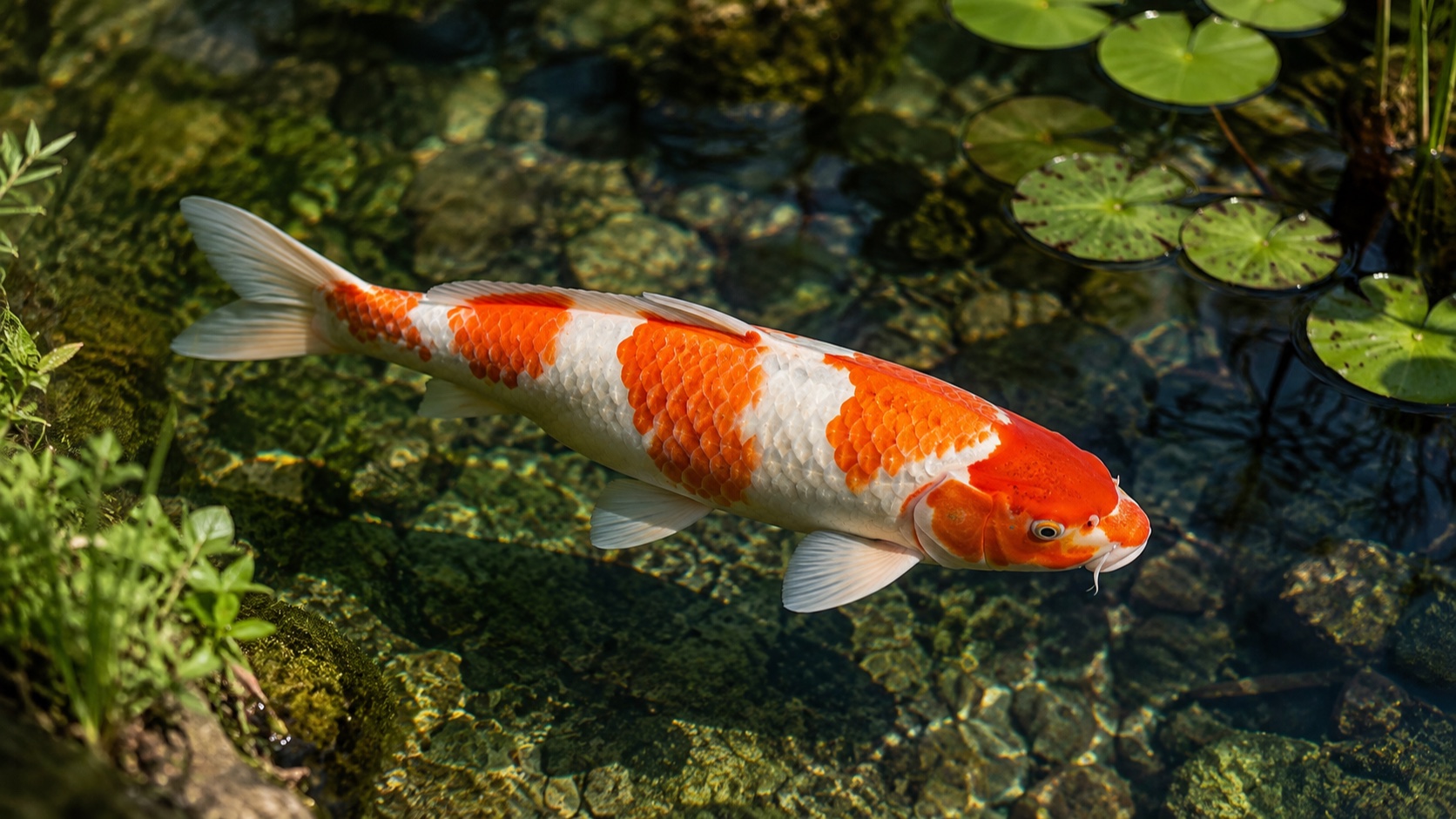
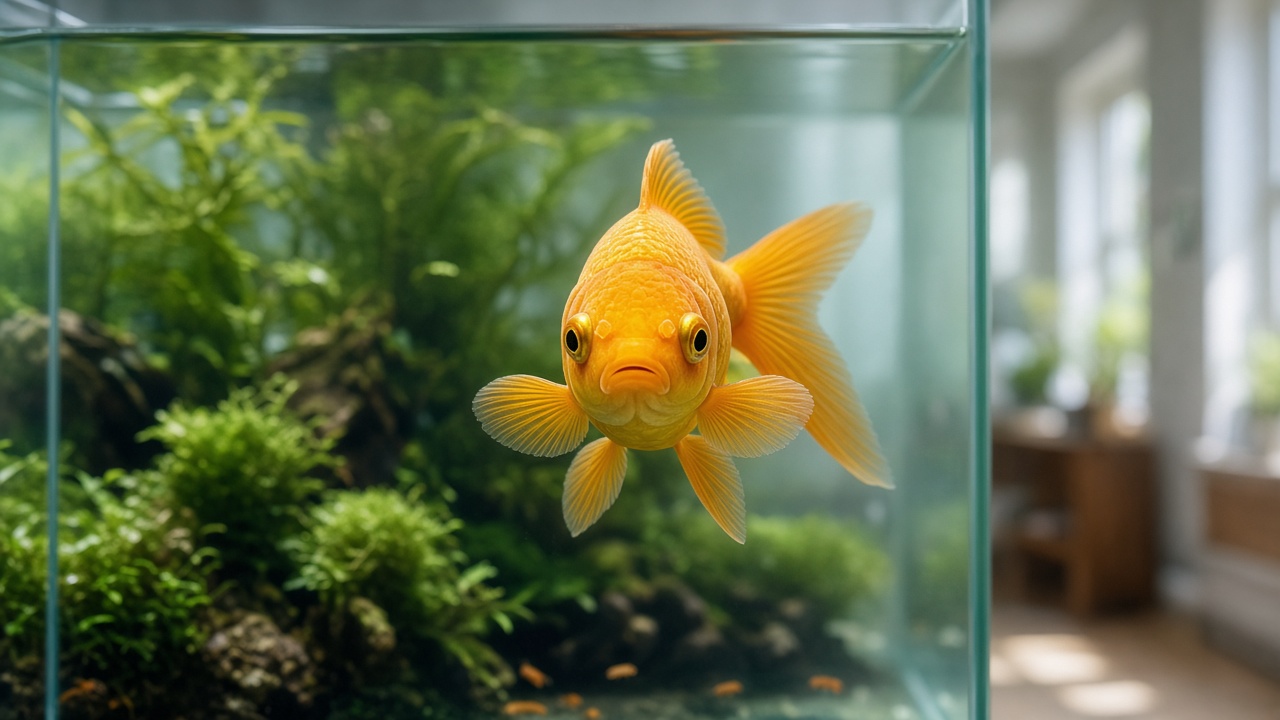
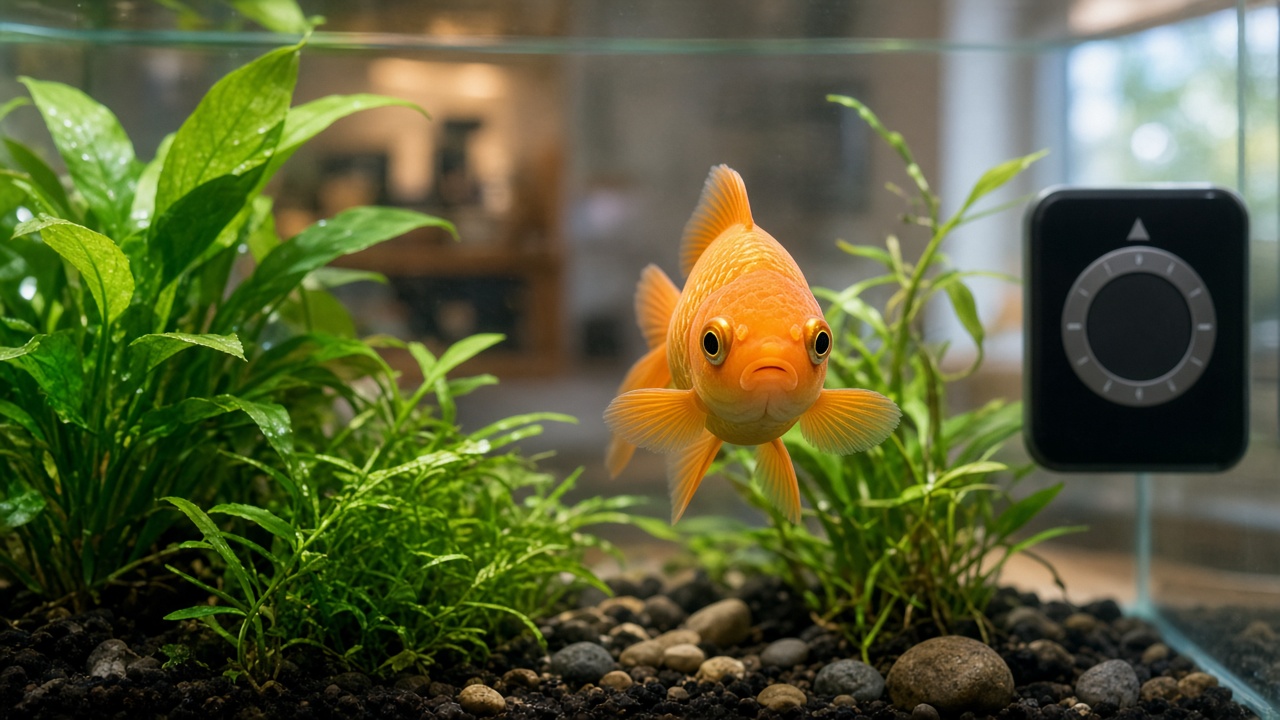
Published size notes commonly place aquarium goldfish near four to eight inches, with pond commons and comets often six to twelve inches or more. Fancy goldfish stay shorter and rounder. Koi regularly reach about two to three feet when given room and good water. A fish that looks identical at three inches will not stay similar at five years. Plan the finished animal, not the store bag.
Size snapshot:
- Goldfish adults: often about 6–12 inches in ponds
- Fancy goldfish: often about 4–8 inches indoors
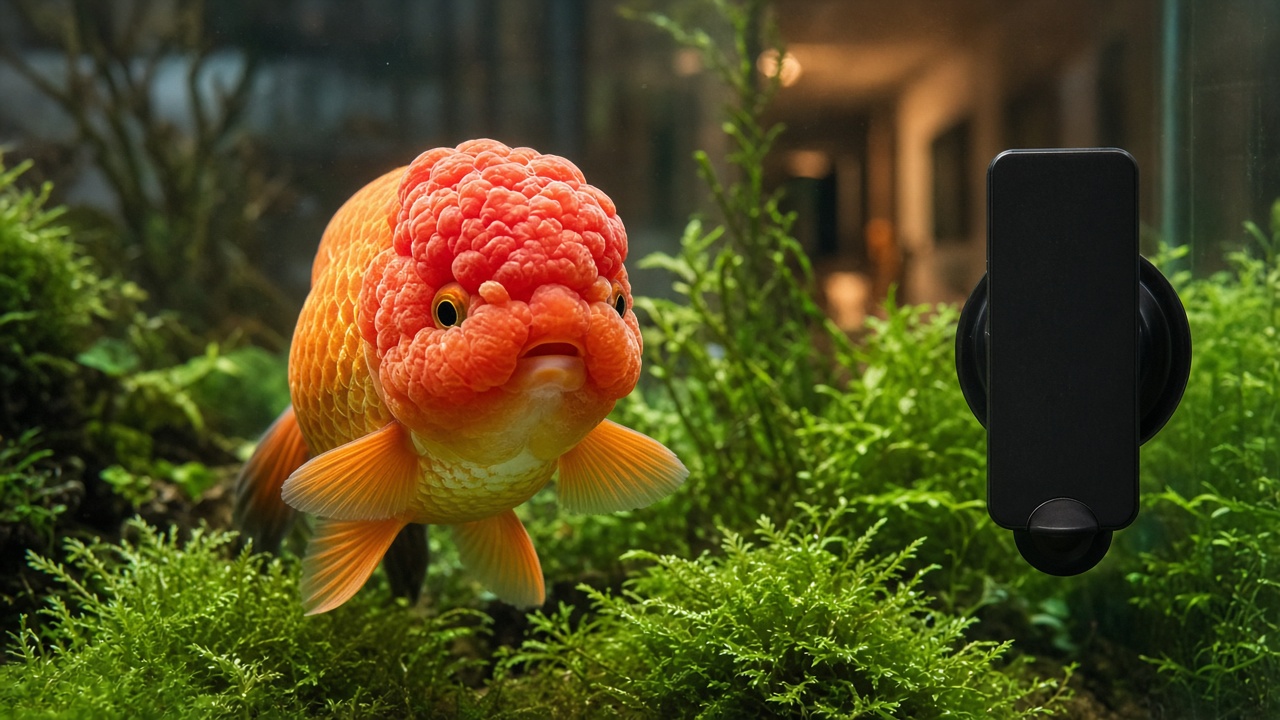
- Koi adults: commonly about 24–36 inches
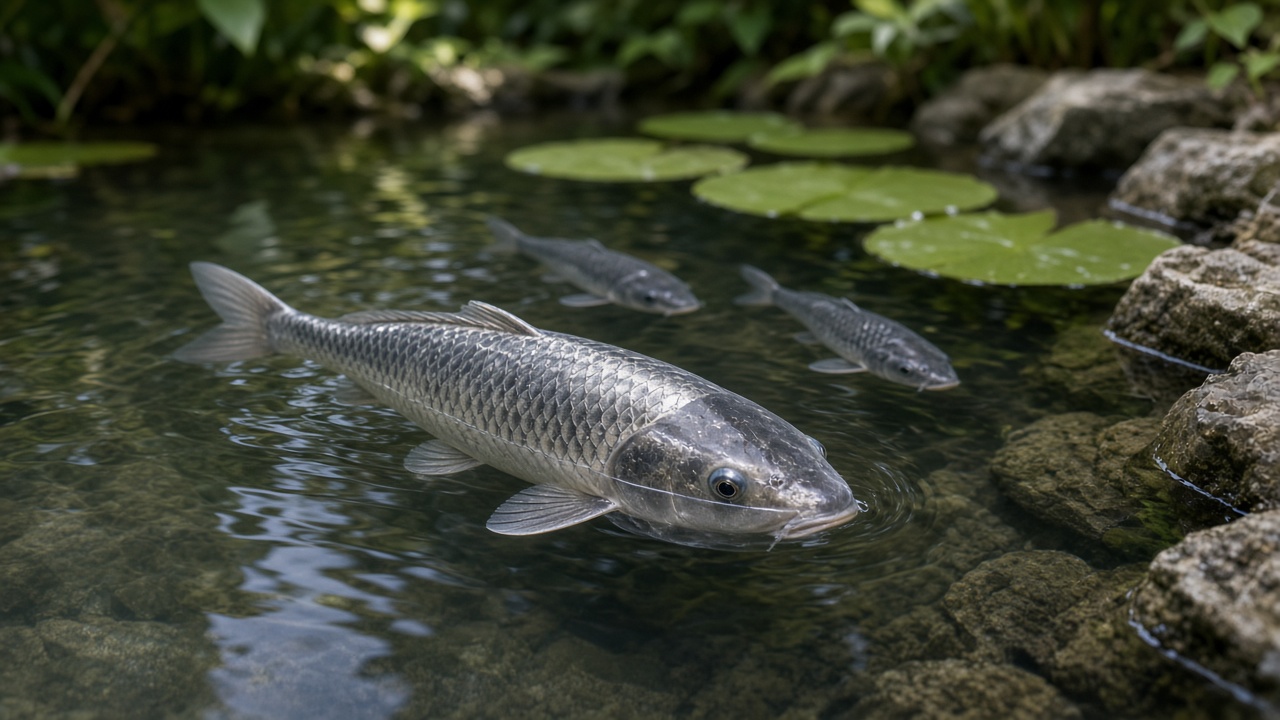
- Barbels: present on koi; absent on goldfish
- Waste load: rises steeply with koi mass
Owners consistently report underestimating koi growth after the first summer. Our research team analyzed side-by-side length ranges used in pond guides. Comparing published specs treats length as destiny for filtration and depth.
Pond depth protects fish through seasons and predators
Depth is not decoration.
Published pond notes often cite about eighteen to twenty-four inches as a goldfish minimum. Many keepers prefer about two to three feet. Koi guides commonly ask for about three to five feet of depth, with four feet or more favored for predator cover and winter stability. Shallow shelves warm fast and leave fish open to herons. Deep zones hold cooler, more stable water when air swings.
Depth checklist:
- Goldfish-focused ponds: often about 2–3 feet deep
- Koi-focused ponds: commonly about 3–5 feet deep
- Keep a deep refuge zone year-round
- Avoid wide, ankle-deep basins as the only volume
- Net or cover edges if predators visit
Owners consistently report losses in shallow show ponds during heat and bird pressure. Our research team analyzed depth ranges tied to climate and heron risk. Comparing published specs favors deeper water whenever koi are on the shopping list.
Volume and filtration scale with adult bioload
Gallons must match finished fish, not juveniles.
Fancy goldfish care notes often start near twenty gallons for the first fish, then about ten gallons more for each added fancy. Common and comet notes often ask for about twenty gallons per adult in aquariums, with outdoor ponds far larger in practice. Goldfish-only pond notes sometimes start near five hundred gallons for a small group. Koi pond notes commonly start near one thousand gallons or more, with some stocking rules near two hundred fifty to five hundred gallons per adult. Mixed ponds should be sized for koi, not for goldfish alone. Oversized biological filtration is non-negotiable for both, and especially for koi.
Volume cues:
- Fancy goldfish aquariums: about 20 gal first, +10 gal each
- Common or comet aquariums: about 20 gal per adult as a floor
- Goldfish ponds: often hundreds of gallons, not bowls
- Koi ponds: commonly 1,000+ gallons total
- Mixed ponds: size for adult koi waste and swimming room
Owners consistently report cloudy water when filtration matched the purchase photo, not the adult. Our research team analyzed volume floors used across aquarium and pond guides. Comparing published specs puts bioload ahead of plant lists.
Lifespan turns pond choice into a long commitment
Years of care follow the species you pick.
Published lifespan notes often place fancy goldfish near ten to fifteen years and hardy commons near fifteen to thirty years with strong husbandry. Broader goldfish ranges of about ten to twenty years appear often, with some fish living past twenty years when water stays clean. Koi lifespan notes commonly cite about twenty-five to forty years, with many keepers planning for decades beyond that. A koi pond is a multi-decade project. A goldfish pond is still a long pet commitment, yet usually shorter than a serious koi collection.
Lifespan table cues:
| Trait | Goldfish | Koi |
|---|---|---|
| Typical adult size | About 6–12 in (pond) | About 24–36 in |
| Common lifespan band | About 10–20 years | About 25–40+ years |
| Min depth band | About 2–3 ft often cited | About 3–5 ft often cited |
| Volume band | Tanks or modest ponds | Large ponds, often 1,000+ gal |
| Best beginner fit | Usually goldfish | Only with space and budget |
Owners consistently report surprise when koi outlive childhood homes. Our research team analyzed lifespan bands used in care summaries. Comparing published specs treats lifespan as a planning input, not trivia.
Temperature and water chemistry overlap, yet load differs
Both like cool, stable freshwater.
Fancy goldfish optima often sit near sixty-eight to seventy-four degrees Fahrenheit. Comets and shubunkins are often kept nearer sixty to seventy degrees. Koi comfort bands in pond notes often sit near fifty-nine to seventy-seven degrees in the active season, with feeding cut when water cools. Goldfish pH notes often land near seven point zero to eight point four. Neither species thrives in bowls or unfiltered tubs. The shared cool preference does not erase koi’s higher oxygen and filtration demand.
Water cues:
- Fancy goldfish: often about 68–74°F
- Comets and shubunkins: often about 60–70°F
- Koi active season: often about 59–77°F
- Goldfish pH: often about 7.0–8.4
- Always cycle and test before stocking
Owners consistently report summer stress when shallow ponds overheat. Our research team analyzed temperature bands for cold-water cyprinids. Comparing published specs keeps aeration and shade on the same checklist as heaters for tropical tanks.
Diet and feeding pace differ when both share a pond
Koi eat harder and faster.
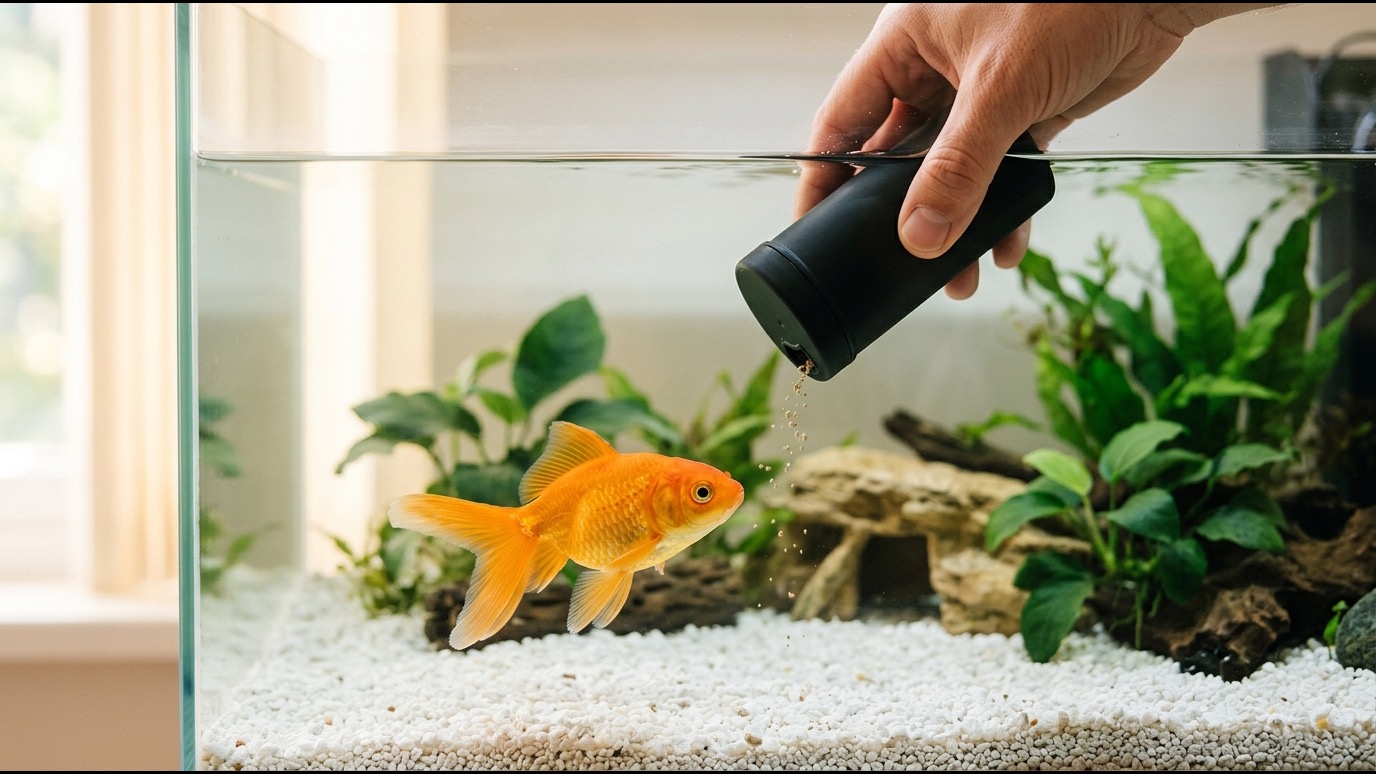
Both are omnivores that take quality pellets plus plant matter and occasional protein treats. In mixed ponds, koi often reach food first and leave goldfish underfed. Scatter food in several spots. Use sinking options for slower fancies. Cut feeding as water cools; many keepers reduce or pause when temperatures drop near the low fifties. Overfeeding is a leading cause of foul water in both species.
Feeding rules:
- Feed only what finishes in a few minutes
- Split rations across zones in mixed ponds
- Favor quality pellets over constant treats
- Reduce feed as water cools in autumn
- Watch goldfish condition if koi dominate
Owners consistently report chubby koi and thin goldfish in the same scoop routine. Our research team analyzed mixed-pond feeding notes. Comparing published specs favors multiple feed spots over one dump.
Can goldfish and koi live together safely?
Yes, when the pond is built for koi adults.
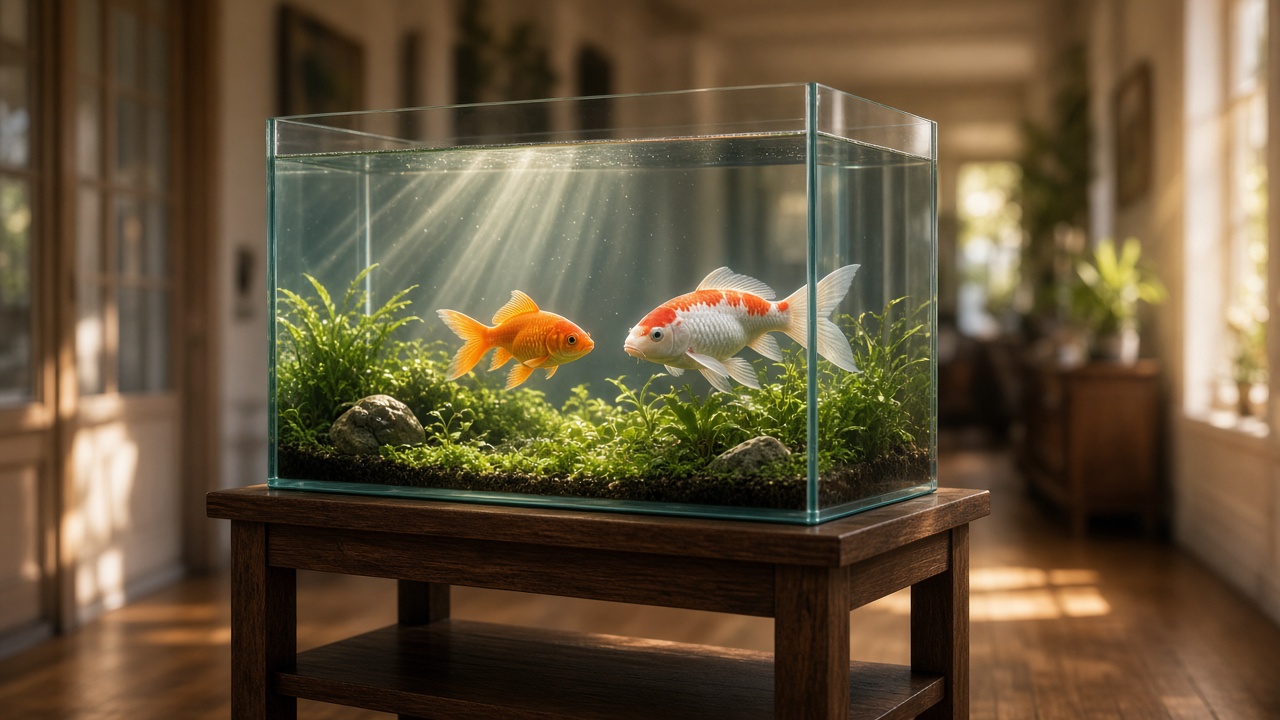
They are peaceful cousins and often coexist without fighting. The risk is volume, waste, and food competition, not innate hatred. Size the pond, depth, and filters for adult koi. Expect goldfish to thrive in that space. Never add young koi to a small goldfish pond “just for now.” Hybrids can occur if breeding is uncontrolled and pure lines matter to you.
Together checklist:
- Build depth and gallons for adult koi
- Filter for the heaviest bioload present
- Feed in multiple locations
- Skip adding koi to goldfish-only volumes
- Accept possible hybridization if both spawn
Owners consistently report success only after upsizing to true koi infrastructure. Our research team analyzed cohabitation notes that start with capacity, not temperament charts. Comparing published specs makes “can they” into “should your pond.”
Quick comparison board:
| Decision | Pick goldfish | Pick koi |
|---|---|---|
| Pond under about 1,000 gal | Yes | No |
| Want decades-long show fish | Possible, shorter span | Stronger fit |
| Need deep dig and big filter | Optional | Required |
| Indoor adult housing | Fancy goldfish possible | Not suitable |
| Beginner outdoor start | Usually better | Only with space |
Choose with adult size on the tape measure. A goldfish pond can be joyful and long-lived without koi scale. A koi pond rewards depth, filtration, and patience across decades. If you already own both, upgrade the system to koi standards rather than hoping goldfish rules will stretch.
Winter planning differs by climate and depth. Hardy commons and koi can overwinter in deep outdoor ponds when oxygen stays adequate under ice. Fancy goldfish often need indoor housing when winters are harsh and predators press. Keep a hole for gas exchange when ice covers the surface for long stretches. Never smash ice in a way that shocks fish with noise and pressure waves.
Winter cues:
- Confirm depth before first freeze
- Pause or cut feeding in cold water
- Maintain aeration or a de-icer opening
- Bring delicate fancies indoors if needed
- Recheck filters when spring warms
Owners consistently report spring losses after sealed ice and leftover food. Our research team analyzed cold-season notes for ponds. Comparing published specs ties survival to depth and oxygen, not luck.
FAQ
How big do goldfish get compared with koi?
Pond goldfish often finish near six to twelve inches, while fancy types indoors often stay nearer four to eight inches. Koi commonly reach about twenty-four to thirty-six inches with room and clean water. That gap drives depth, gallons, and filter size more than color patterns do. Always plan for the adult, not the juvenile bag size.
What pond size do koi need at minimum?
Published koi pond notes commonly start near one thousand gallons or more for a workable adult system. Depth often lands near three to five feet. Smaller water gardens can look fine for a season, then fail as fish grow and waste climbs. Goldfish-only volumes are not a safe long-term home for koi.
Can goldfish live in a koi pond?
Yes, when the pond already meets koi depth, volume, and filtration standards. Goldfish usually do well in that larger, cooler water. Watch feeding so fast koi do not starve slower goldfish. Build the system for koi first, then add goldfish as compatible companions if you want both.
How long do goldfish and koi live?
Goldfish care notes often cite about ten to twenty years, with hardy commons sometimes living longer under strong husbandry. Koi notes commonly cite about twenty-five to forty years or more. Both need clean water and sensible stocking to approach those bands. Poor bowls and tiny ponds cut lives short for either fish.
Do goldfish and koi need different water temperatures?
Their comfort bands overlap in cool water. Fancy goldfish often sit near sixty-eight to seventy-four degrees Fahrenheit, while comets may prefer cooler ranges near sixty to seventy. Koi active-season notes often span about fifty-nine to seventy-seven degrees. Shared cool preference does not erase koi’s higher space and filtration needs.
How can I tell a goldfish from a young koi?
Look for barbels, the whisker-like feelers at the mouth corners on koi and carp. Goldfish lack those barbels. Body shape and fin style also diverge as fish mature, yet barbels remain a quick field check. When unsure, assume the larger adult size if the fish might be koi.
Which is better for beginners?
Goldfish usually fit beginners with tanks or modest ponds better because adults stay smaller and systems cost less to run. Koi suit keepers who can dig deep, filter hard, and commit for decades. Start with goldfish if space is limited. Add koi only after the pond matches adult koi standards.
This guide is informational only and does not replace advice from a qualified veterinarian.