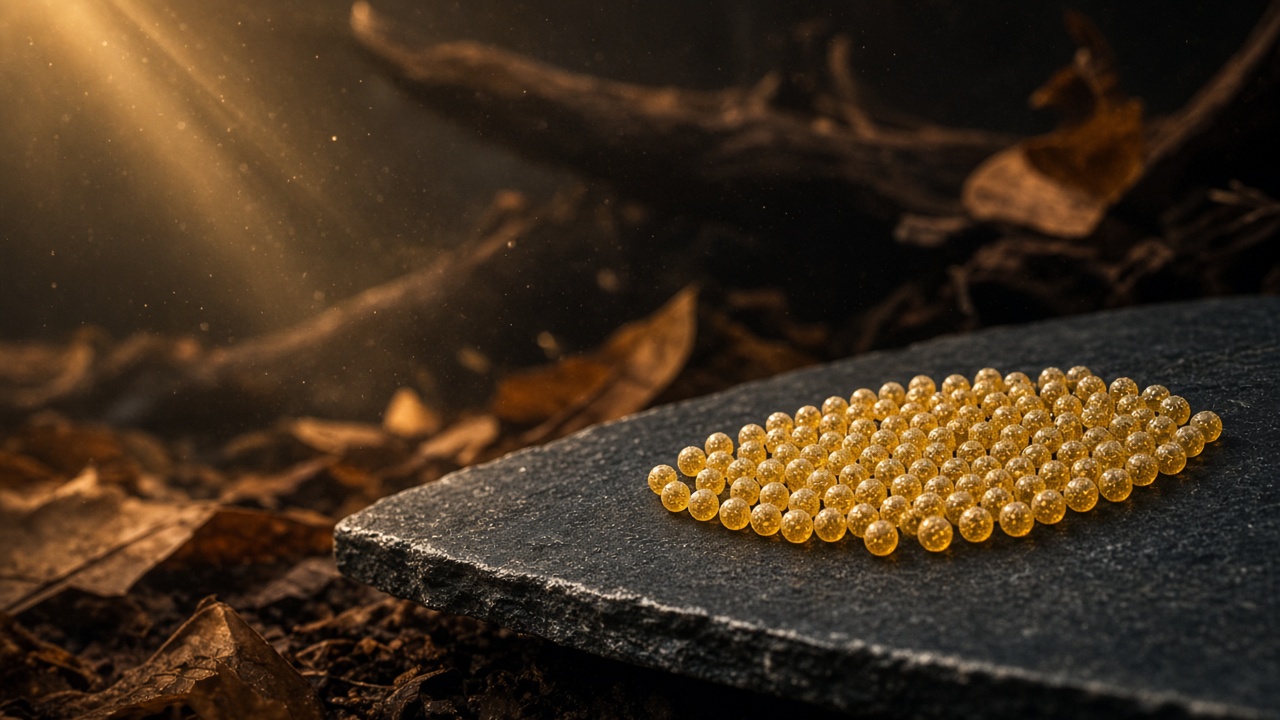
Quick answer: Fertile angelfish eggs stay translucent amber. Infertile eggs turn opaque white. At warm breeding temps they often hatch in about 36–72 hours. Parents fan the clutch, or you can pull the slate to hatch apart.
Fertile angelfish eggs stay translucent; infertile eggs turn white, and warm clutches often hatch in 36–72 hours.
This page is a home-aquarium guide to reading angelfish egg color, hatch timing, and early care for Pterophyllum scalare. Our research team compared extension fact sheets and maker care pages. We did not spawn a pair for this article. We did not time hatch clocks on live clutches. We did not trial fungicides side by side.
Selection rule: We include hatch hours, egg size, spawn counts, and temperature bands from named extension or maker sources. We exclude miracle “always hatch” claims, ranked breed kits, and wild-collection tips. We also skip disease drug recipes that need a clinician’s call.
What fertile and infertile eggs look like
Color is the first home check after a spawn lands on glass or slate.
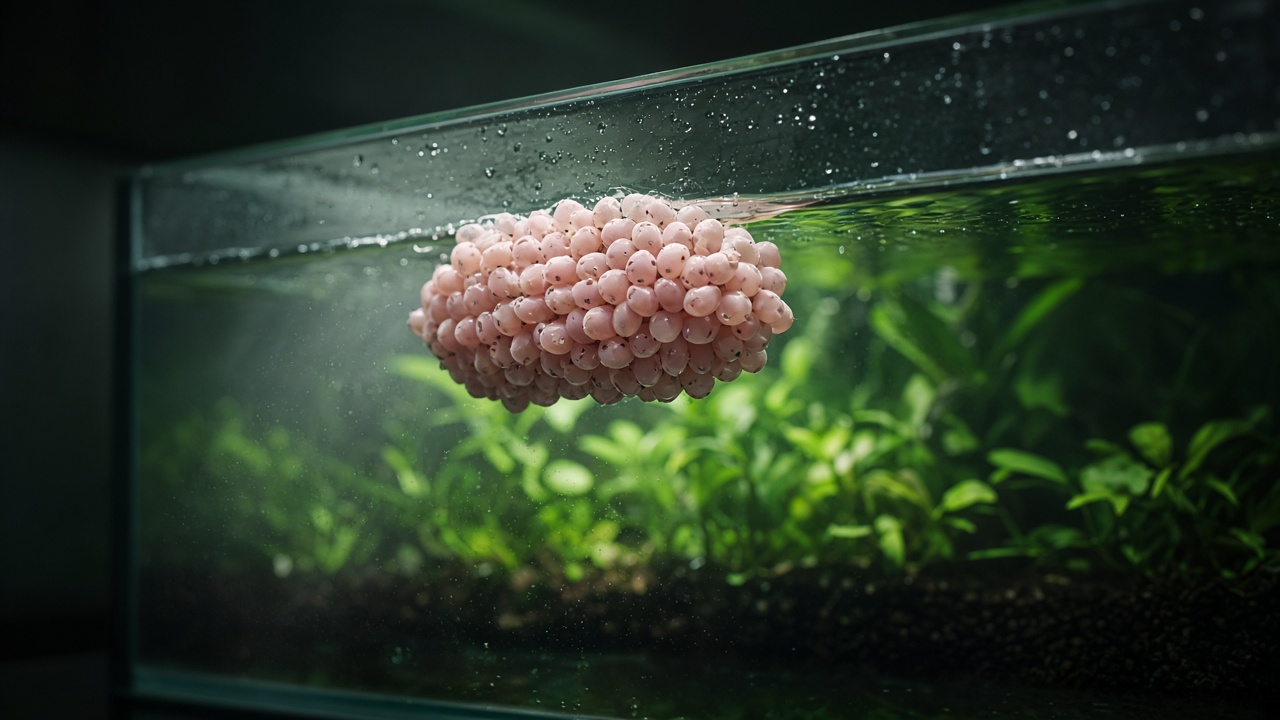
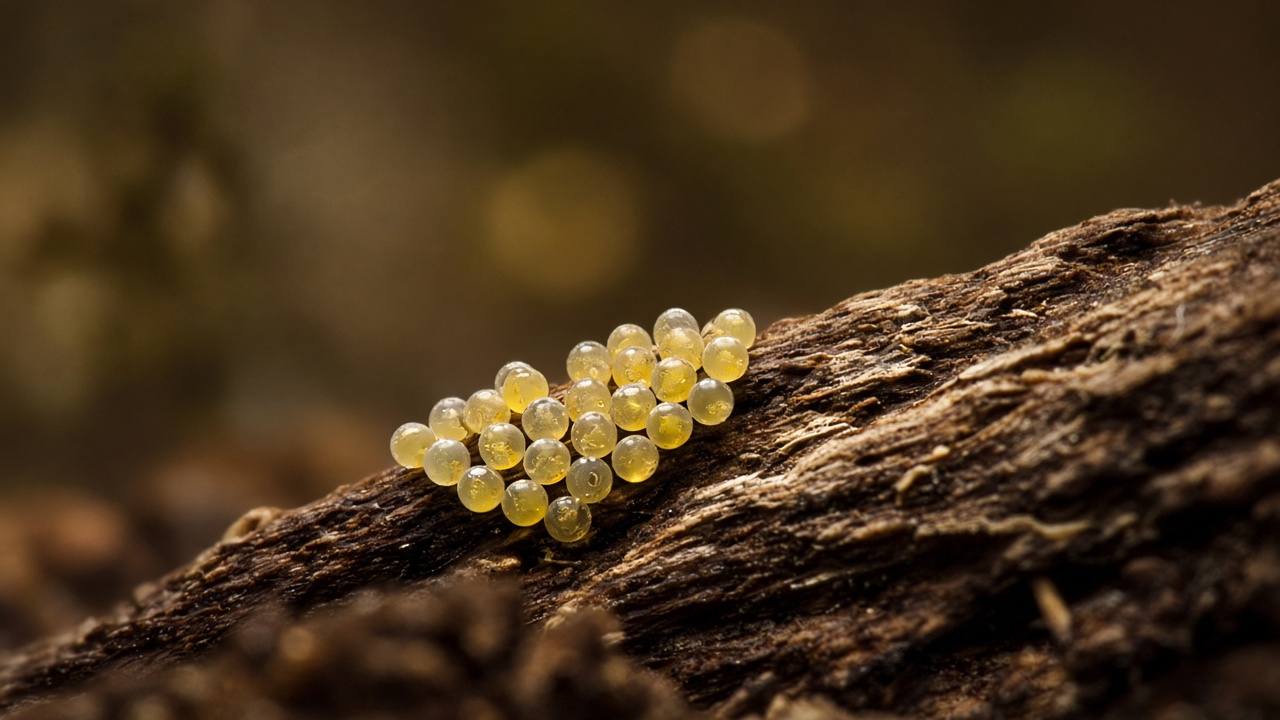
Eggs start translucent when first laid. Infertile eggs turn white and are often picked off by the parents. Fertile eggs usually keep a clear to amber look as embryos darken inside. Fuzzy growth on white eggs is a separate fungus problem, but both kinds should leave the clutch when you can remove them safely.
Quick visual cues:
- Fresh eggs: small, round to oval, stuck in neat rows
- Fertile track: translucent amber that darkens as embryos form
- Infertile track: opaque white within about a day or two
- Fungus risk: cottony fuzz that can spread to neighbors
Parents eating white eggs can look harsh. That cleaning is normal custodial behavior for a bonded pair. The common misconception is that every white egg means the whole spawn failed. Mixed clutches are normal, and fertile eggs can still hatch beside a few white ones.
Hatch time windows you can plan around
Hatch clocks move with temperature and with how you manage the slate.
Illinois-Indiana Sea Grant states eggs hatch in 36 to 48 hours in its reproduction fact sheet. Aquarium Co-Op notes that eggs hatch in two to three days depending on tank temperature. Those ranges overlap for most warm breeding tanks near the mid to upper 70s°F.
After hatch, timing still matters for feeding plans. Parents may free embryos from shells about 36 hours after spawning in parental setups. Fry often try swimming around day four or five, then need another day or two to become strong swim-up fry. Wigglers commonly stay yolk-bound for about three to four more days before true free swimming.
Home timing board:
- Spawn day: rows appear on a cleaned vertical site
- Next 1–2 days: white infertile eggs stand out
- About 36–72 hours: hatch into wrigglers at warm temps
- Next several days: yolk use while stuck or held by parents
- Swim-up: start tiny foods once fry truly free-swim
Cooler water slows clocks. Hot spikes can spoil embryos. Hold a stable breeding band rather than chasing a faster hatch with heat.
How many eggs and how big they are
Spawn size explains why one clutch can overwhelm a nano grow-out box.
Fish eggs in this context are small, often about 1.5–3 mm across on average, and round. Spawns numbering around 500 eggs are not unusual. A capable year-old female may lay about 200–300 eggs every one to two weeks under production notes. Some maker pages note successful spawns can approach 1000 eggs, with hundreds of fry possible when survival is good.
Egg size depends on food quality for the spawners. Thin, underfed females often lay smaller clutches. Conditioning with varied foods supports better egg mass before you judge fertility from color alone. Do not stock a grow-out tank for every egg you see. Plan space for the fry you can feed and water-change each day.
Parental care versus pulling the eggs
You choose who fans the clutch and who risks eating it.
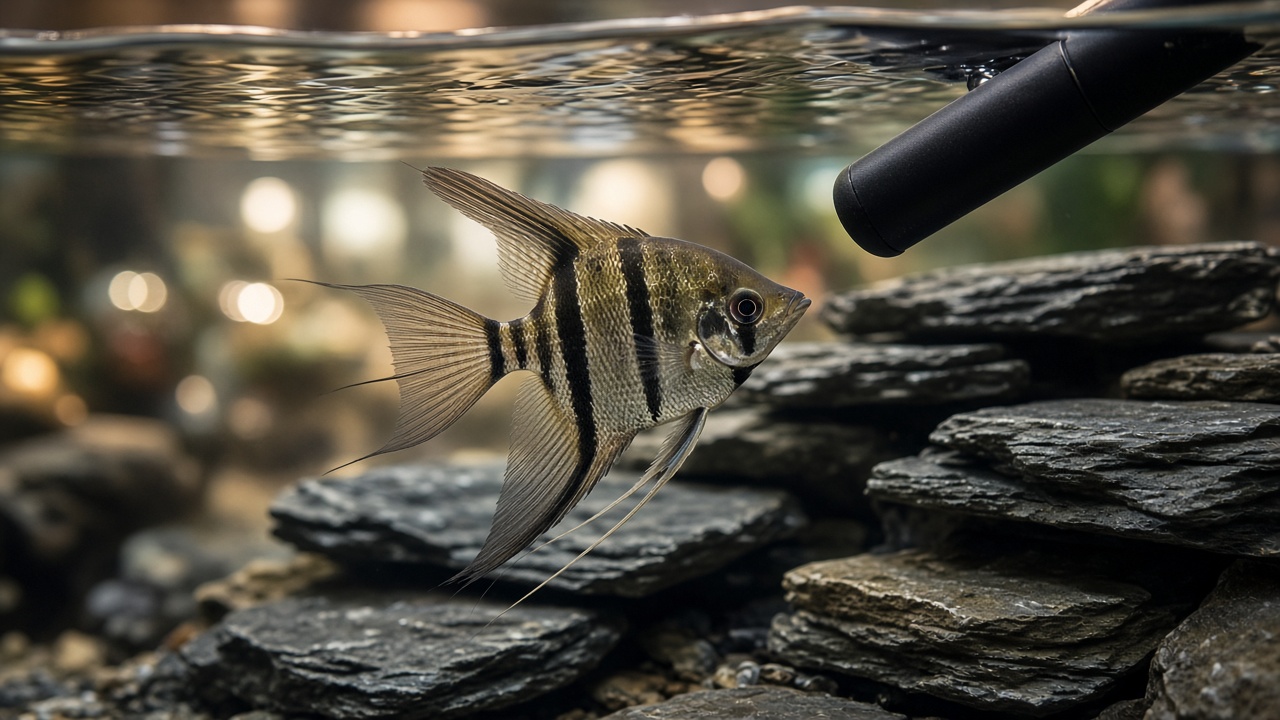
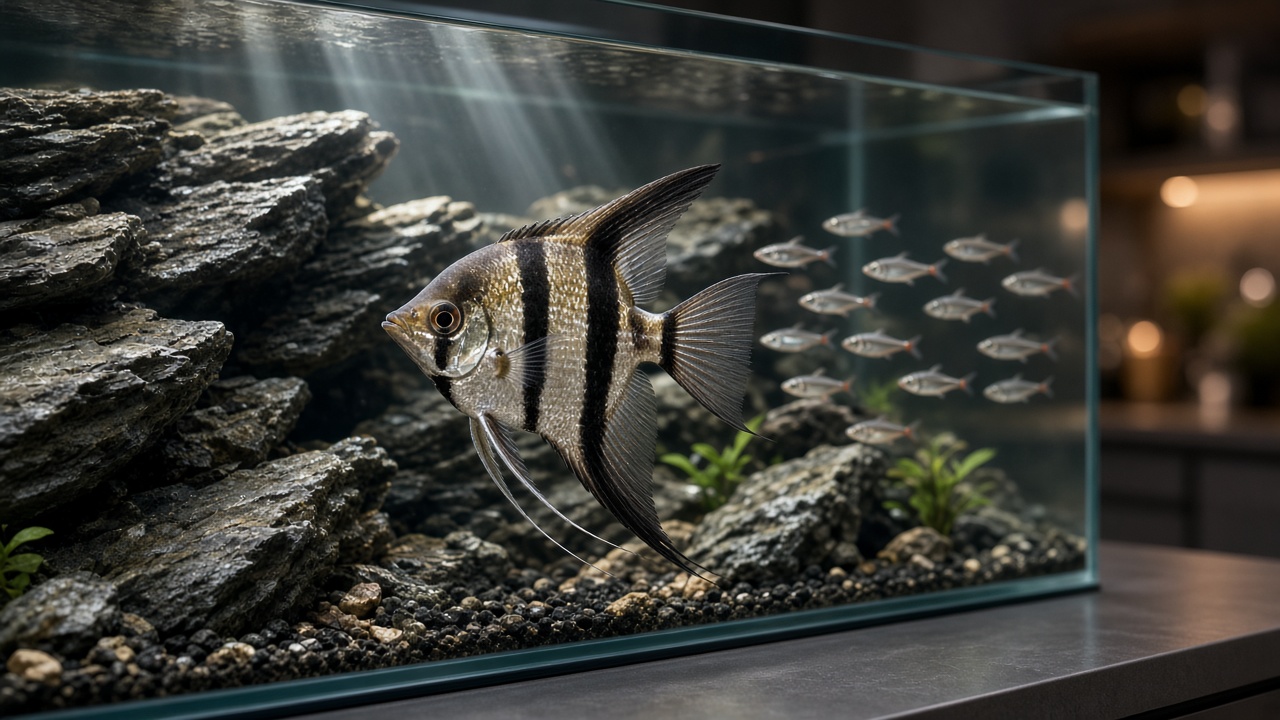
Pairs are biparental substrate spawners. After spawning they fan with pectoral fins to keep water moving over the eggs. Parents may move larvae between vertical sites, then to shallow pits as activity rises. Parental care can last for weeks in captivity, though many keepers remove fry by about the fourth week so pairs can respawn.
Young pairs often eat first spawns. That failure is common, not proof the pair is broken. Patience across repeats usually beats replacing healthy adults after one meal of eggs.
Egg-removal outline:
- Offer a clean vertical slate or broad leaf before courtship peaks
- After fertilization, move the slate to a small aerated hatch tank if parents eat eggs
- Keep gentle flow under the plate and remove dead eggs daily
- Use any dye or antifungal only as the current product label allows
- Move free-swimmers to a shallow grow-out with tiny foods ready
Aqueon’s care notes also say many captive angelfish have lost strong rearing instinct and often eat eggs or fry. Pulling the slate is a normal production path when that happens.
Water and tank conditions that protect eggs
Stable chemistry beats last-minute gadgets during the hatch window.
Sea Grant prefers soft water under about 80 mg/L hardness and pH near 6.8–7.2 for good reproduction. It holds fish near 24–26°C for general care and about 26–28°C for spawning. Keep ammonia and nitrite at zero. Limit big water swings while eggs develop.
Egg-care checklist:
- Cycle and stabilize before you expect fertile hatches
- Offer a clean vertical slate or broad leaf
- Keep nitrogen waste low with gentle maintenance
- Avoid copper treatments near eggs and invertebrates
- Match temperature on every top-off during hatch week
Dirty gravel and leftover meat foods spike waste fast. A breeding tank of about 20–40 gallons high is a common home size for a pair that needs height. Vertical slate near 4 by 12 inches is a classic site size in hatchery sketches.
From wrigglers to first feed
Feeding starts at free-swim, not at the moment of hatch.
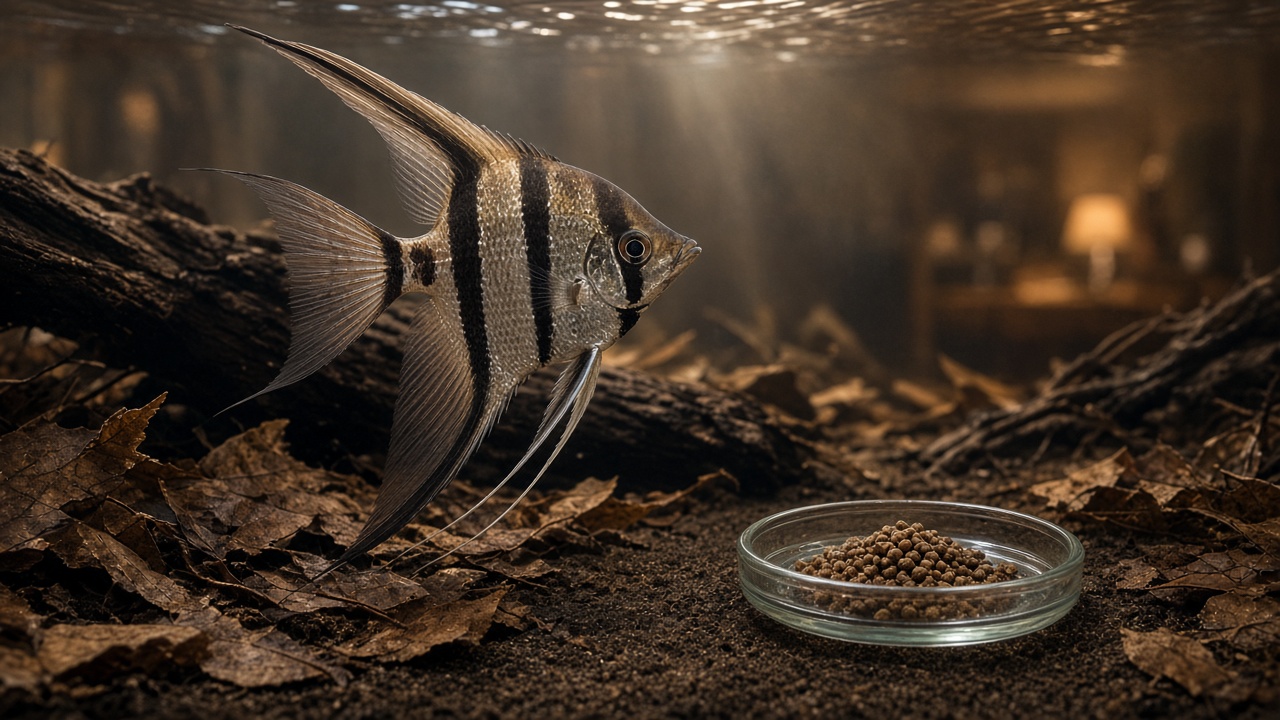
Wrigglers live on the yolk sac first. Newly hatched brine shrimp are a classic first food once fry swim and hunt. Powdered fry foods can help in the same window. Do not dump heavy foods onto yolk-sac wrigglers that cannot chase yet.
After free-swim, feed tiny portions several times a day and remove leftovers. Live baby brine shrimp release ammonia, so siphon and top up soon after feeds in small hatch tanks. Shallow water makes food easier to find. Crowding hundreds of fry in deep water is a common way “they won’t eat” becomes an ammonia problem.
Grow-out ideas scaled for home keepers:
- Start free-swimmers in a shallow, aerated box you can clean daily
- Keep sponge filtration gentle so fry are not trapped
- Upsize as bodies lengthen and waste rises
- Cull obvious deformities rather than shipping damaged fish
- Expect lower survival on the first few spawns
Attribute table for egg and hatch planning
| Cue | Number or rule | Notes |
|---|---|---|
| Fresh egg look | Translucent when laid | Amber fertile track |
| Infertile cue | Turn opaque white | Remove when you can |
| Hatch window | About 36–72 hours | Warm tanks run faster |
| Egg diameter | About 1.5–3 mm | Size rises with conditioning |
| Spawn size examples | Hundreds per clutch | Plan grow-out space early |
| Spawning temperature | About 26–28°C | Hold steady through hatch |
| Wiggler stage | About 3–5 days | Feed at free-swim |
FAQ
How can I tell fertile angelfish eggs from infertile ones?
Fertile eggs usually stay translucent amber and may darken as embryos form. Infertile eggs turn opaque white within about a day or two. Parents often pick white eggs, which looks rough but can protect the rest. The common misconception is that one white egg means the whole plate is dead, when mixed clutches are normal.
How long do angelfish eggs take to hatch?
Many warm clutches hatch in about 36–72 hours. Cooler water stretches that clock, and hot spikes can spoil embryos. Log your heater setpoint instead of guessing from a forum day count. If nothing hatches after several days at a stable breeding temperature, review fertilization and fungus, not only the calendar.
Why did all my eggs turn white?
Poor fertilization, pair age, temperature swings, or fungus can end a clutch. New pairs often eat or fail early spawns before they settle. Stabilize water and give the pair more practice before you replace healthy adults. Two females with no male is an edge case that produces eggs with no fertile track at all.
Should I leave eggs with the parents or pull the slate?
Both methods work when water stays clean. Parental fanning is the natural path and great for watching behavior. Pulling the slate into a small aerated hatch tank helps when parents eat eggs. Choose based on whether you want behavior viewing or higher controlled hatch counts this round.
When do fry need food?
Feed at free-swim, not at hatch. Wrigglers live on yolk first and ignore most foods. Newly hatched brine shrimp or similar tiny foods fit once fry swim and hunt. Feeding too early dirties water and does not speed yolk use.
How many eggs can one spawn hold?
Hundreds per clutch are common, and some spawns climb toward the high hundreds or about a thousand eggs. Survival to adult size is much lower than the raw egg count. Plan tank space and brine shrimp supply before every egg hatches, or you will be forced into emergency culls.
What water helps fertile eggs hatch?
Soft, stable water near neutral pH and a warm spawning band around the mid to upper 70s°F support better results. Keep ammonia and nitrite at zero through the hatch window. Big hot top-offs and copper meds are frequent quiet failures after a perfect-looking spawn day.
This guide is for general information and does not replace advice from a qualified veterinarian.