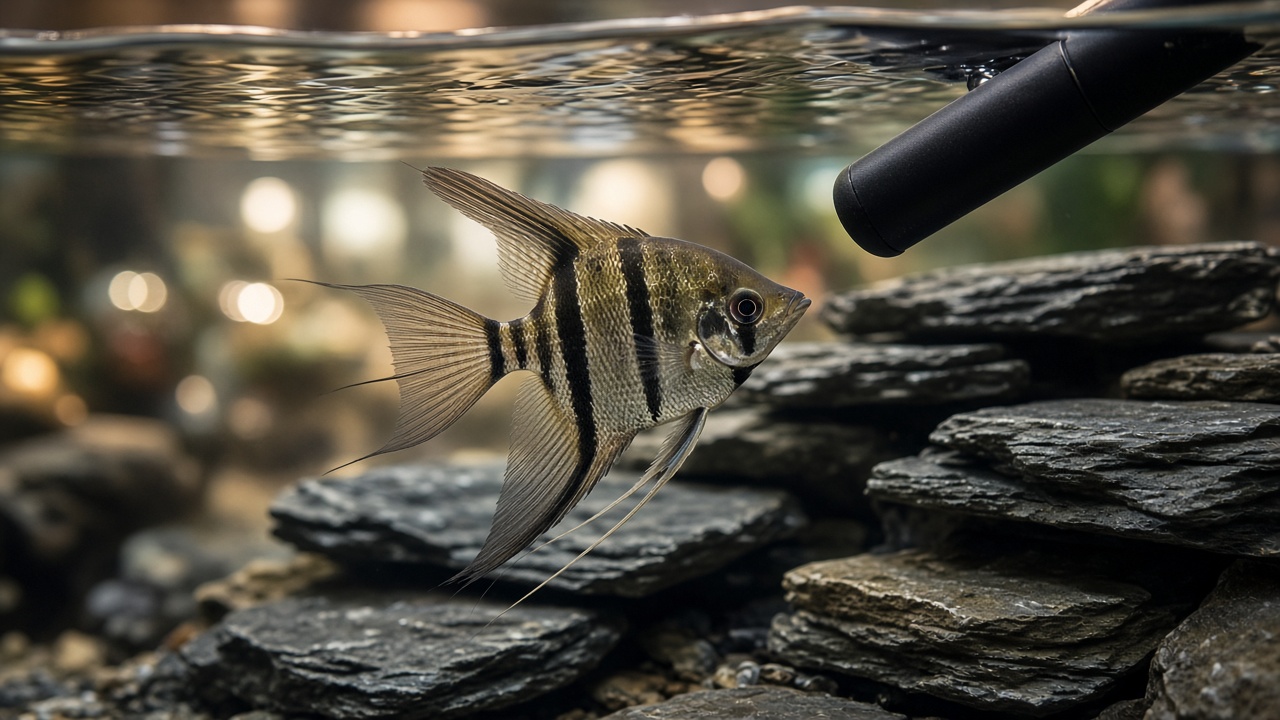
Quick answer: Freshwater angelfish are omnivores that thrive on quality flakes or pellets plus frozen or live treats. Feed adults what they finish in two to three minutes once or twice daily.
Rotate staples and protein treats; never dump all-day food.
We compared published care data on Pterophyllum scalare diet notes, feeding times, and fry foods. Our research team analyzed omnivore guidance, portion timers, and conditioning foods used before spawning. Owners consistently report brighter color and steadier growth when flakes or pellets rotate with frozen bloodworms and brine shrimp.
Comparing published specs, adults often eat once or twice daily in two-to-three-minute portions. Juveniles commonly need three to four smaller meals while they grow. Care sheets describe surface and midwater feeding, with wild foraging along the bottom for worms and tiny crustaceans. Warmth notes for many keepers sit near about 78–84°F, or about 26–29°C. This page covers staple foods, treat rotation, schedules, breeding condition, fry feeding, and overfeeding limits.
Include varied omnivore staples, timed portions, and frozen protein for adults and fry. Leave out all-day grazing piles and nano fish that fit in adult mouths. Skip drug dosing plans that belong with a veterinarian.
Scope board:
| Include | Leave | Skip |
|---|---|---|
| Flakes, granules, shrimp pellets | All-day uneaten piles | Vet-only disease drugs |
| Frozen bloodworms and brine shrimp | Live foods from risky sources | Tiny tank mates as snacks |
| 2–3 minute adult portions | One brand forever without rotation | Price lists and coupons |
| Extra juvenile meals | Ignoring bottom foraging habits | Breeding guarantees |
Build the daily diet on tropical flakes, granules, and pellets
Staples carry vitamins when you choose quality omnivore formulas.
Care guides list tropical flakes, color flakes, tropical granules, and shrimp pellets as everyday options. Angelfish take floating or slow-sinking foods at the surface and midwater. Rotate formulas so nutrition isn’t one dusty jar alone. Match flake size to mouth size; oversized wafers waste food on the sand. Store foods cool and dry so oils don’t turn rancid.
Staple board:
| Food type | Role in the week |
|---|---|
| Tropical flakes | Daily omnivore base |
| Color flakes | Pigment support in rotation |
| Granules or pellets | Midwater protein density |
| Shrimp pellets | Occasional bottom forage |
| Krill-style flakes | Enrichment in many hobby notes |
Our research team analyzed omnivore sheets that reject flake-only boredom as ideal long term. Comparing published specs favors daily rotation among prepared foods. Owners consistently report eager feeding when staples stay fresh. Offer only what disappears in two to three minutes. Edge case: shy angels may need a second quiet toss after bosses eat first.
Add frozen and live proteins two or three times weekly
Treats fill gaps flakes miss and help condition spawners.
Frozen bloodworms, brine shrimp, daphnia, and mysis shrimp appear often in care notes. Freeze-dried bloodworms and tubifex show up as convenient extras when quality is trusted. Live foods can trigger hunting and breeding behavior, yet disease risk rises with poorly sourced live prey. Frozen packs from reputable makers are the safer weekly protein bump for most homes. Thaw in a bit of tank water before you feed.
Protein checklist:
- Schedule frozen foods two or three times weekly
- Thaw small cubes; don’t dump ice into the tank
- Prefer frozen over unknown live sources
- Use bloodworms when conditioning adults to spawn
- Siphon leftovers within minutes after the timer ends
Owners consistently report stronger color after weeks of protein rotation. Our research team analyzed breeding notes that highlight frozen bloodworms before egg laying. Comparing published specs still expects prepared staples on non-treat days. Skip feeding live feeder fish that may carry parasites. Watch waistlines; greedy angels beg after they are already full.
Schedule adults twice daily and feed juveniles more often
Age changes how often small stomachs should refill.
Adult portions once or twice daily in two-to-three-minute windows match many care sheets. Growing juveniles often need three to four smaller meals so energy stays high. Night-only feeding is unnecessary when daylight meals are timed. Fasting one quiet day weekly is optional for some keepers watching obesity, yet never starve stressed new arrivals. Log meals so everyone in the household feeds the same plan.
Schedule board:
| Stage | Common published cadence |
|---|---|
| Adults | 1–2 meals daily |
| Juveniles | 3–4 smaller meals |
| Portion timer | About 2–3 minutes |
| Treat days | 2–3 times weekly |
| Breeding condition | Extra frozen proteins |
Our research team analyzed portion timers that stop food before it paints the sand. Comparing published specs treats constant grazing piles as a water-quality risk. Owners consistently report clearer water when timers rule the jar. Feed community tanks so shy fish still reach flakes. Raise juvenile frequency without raising portion size into waste.
Condition breeding pairs with richer proteins and vertical spawn sites
Diet alone doesn’t create pairs, yet poor food delays eggs.
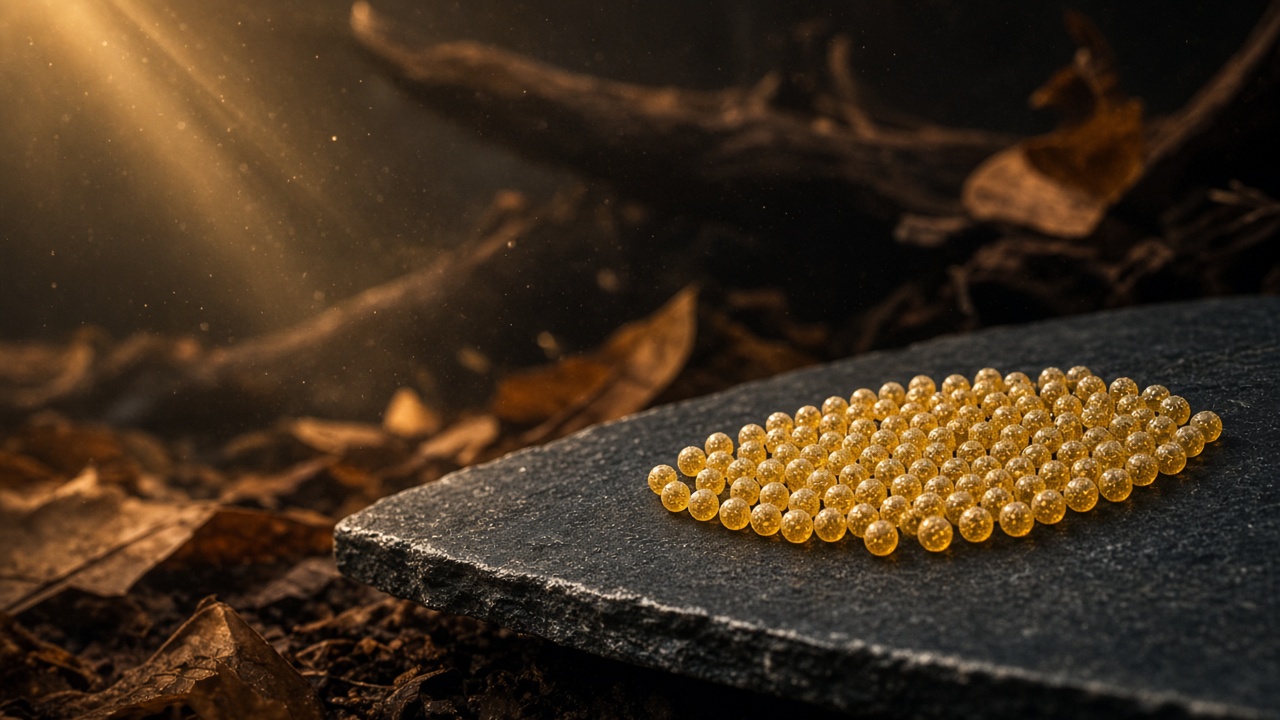
Bonded adults clean flat vertical leaves, slate, or glass before laying rows of eggs. Frozen bloodworms are widely cited when keepers want to fatten pairs. Warm stable water near the upper comfort band supports spawning interest in many notes. Remove eggs to a hatchery if parents eat the first clutches. Feed parents well so they are less likely to consume fry later.
Breeding food rules:
- Increase frozen proteins for two weeks before you expect eggs
- Keep staples available so guts stay balanced
- Avoid stuffing the tank until ammonia climbs
- Offer baby brine shrimp once free-swimming fry appear
- Quarantine new foods if contamination worries you
Owners consistently report more reliable spawns after protein-rich conditioning weeks. Our research team analyzed intermediate breeding notes that still warn about egg eating. Comparing published specs favors vertical spawn surfaces plus varied food. Skip promising hundreds of fry to every new keeper. Call a veterinarian if adults refuse food for many days with clamped fins.
Feed fry baby brine shrimp and fine prepared powders
Free-swimming clouds need tiny moving foods at first.
Newly hatched brine shrimp yolk sacs are widely recommended for fast growth. Fine powders such as first-bite style fry foods fill gaps between live feedings. Feed small amounts many times daily so leftovers never foul shallow fry tanks. Parents may guard and move wigglers; keep adults fed so hunger doesn’t turn on the babies. Upgrade food size as mouths grow over weeks.
Fry board:
| Food | When it helps |
|---|---|
| Baby brine shrimp | First free-swimming days |
| Fine fry powders | Between live feedings |
| Crushed flakes | As mouths enlarge |
| Frozen after thaw-mince | Later juvenile stage |
| Varied rotation | Long-term health |
Our research team analyzed fry notes that treat live baby brine as the growth gold standard. Comparing published specs still includes prepared powders for busy schedules. Owners consistently report higher survival when meals are frequent and tiny. Siphon uneaten dust before lights-out. Never assume adult flake size works for day-old fry.
Stop overfeeding before waste spikes ammonia and nitrite
Begging isn’t a hunger meter for cichlids with big appetites.
Uneaten food decays into ammonia that burns gills and invites disease. Feed only what clears in two to three minutes, then stop. Watch gravel for leftover pellets after midwater feeding. Increase water-change diligence if you raise treat frequency. Obese angels show bulky bellies and lazy swimming even when water tests look fine.
Overfeeding checklist:
- Use a kitchen timer for every meal
- Skip “just one more pinch” after the timer
- Vacuum sand after frozen cube days
- Test ammonia and nitrite after diet changes
- Ask a veterinarian about unexplained fasting with illness signs
Owners consistently report fewer cloudy tanks once portions shrink. Our research team analyzed water-quality notes tied to generous weekend feeding. Comparing published specs favors restraint over constant entertainment feeding. Healthy angels chase food hard, then calm down. Keep nano fish out of mouths by choosing tank mates too large to swallow.
FAQ
How often should I feed adult angelfish?
Most care sheets suggest once or twice daily with portions finished in about two to three minutes. That cadence fits omnivore metabolism in warm community tanks. Juveniles need more frequent smaller meals while they grow. Skip leaving food in all day. Match household feeders to one written schedule so doubles do not happen.
What is the best staple food for angelfish?
Quality tropical flakes, color flakes, granules, and shrimp pellets appear across major care guides as everyday staples. Rotate among them so micronutrients stay broad. Choose sizes angels can swallow without shredding the whole tank. Store opened foods sealed and cool. Replace stale jars that smell rancid before they harm appetite.
Do angelfish need frozen or live foods?
Prepared staples can sustain them, yet frozen bloodworms, brine shrimp, and similar treats improve condition and color in hobby reports. Live foods add hunting enrichment when sources are clean. Many keepers schedule frozen proteins two or three times weekly. Thaw before feeding and remove leftovers quickly. Prefer frozen when live supply quality is uncertain.
What should I feed angelfish fry?
Free-swimming fry do best on newly hatched baby brine shrimp plus fine fry powders. Feed tiny amounts many times per day in a clean grow-out tank. Crush adult flakes only after mouths enlarge. Keep parents well fed if they remain with the brood. Upgrade food size gradually over the first weeks of growth.
Can angelfish eat vegetables?
Occasional blanched spinach, zucchini, or peas appear as minor omnivore extras in some guides. They are not the core diet compared with protein-rich staples and treats. Offer soft pieces briefly, then remove scraps. Watch community snails that may claim the vegetables first. Focus variety on flakes, pellets, and frozen foods first.
How do I know if I am overfeeding?
Leftover flakes on the sand, cloudy water, and rising ammonia after meals are clear warnings. Angels that still beg may already be full. Stick to the two-to-three-minute rule and skip bonus pinches. Increase siphoning after treat days. Seek veterinary advice if fish gasp, clamp fins, or refuse food for days.
Will diet alone make my angelfish breed?
Rich frozen proteins help condition adults, yet pairs also need space, warm stable water, and vertical spawn sites. First clutches are often eaten even when food is excellent. Move eggs if you want higher hatch rates. Feed fry separately with baby brine shrimp. Diet supports breeding; it doesn’t guarantee successful parenting.
This guide is informational only and does not replace advice from a qualified veterinarian.