Quick answer: Build ADF meals around sinking frog pellets, then rotate thawed frozen worms or shrimp. Target-feed slow hunters so fish do not steal dinner. Skip dusty freeze-dried staples that fall apart before frogs find them.
Sinking frog pellets plus thawed frozen meaty foods, target-fed, beat flakes and dry dust for African dwarf frogs.
This page is a 2026 research-desk guide to pellets, frozen foods, and live options for Hymenochirus African dwarf frogs. Our team compared maker labels and care feeding notes.
Selection rule: We include sinking amphibian foods and frozen meaty items with named maker specs where useful. We exclude wild insect foraging tips, priced leaderboards, and “best of” rank columns. We also skip medical dosing advice.
How African dwarf frogs actually eat
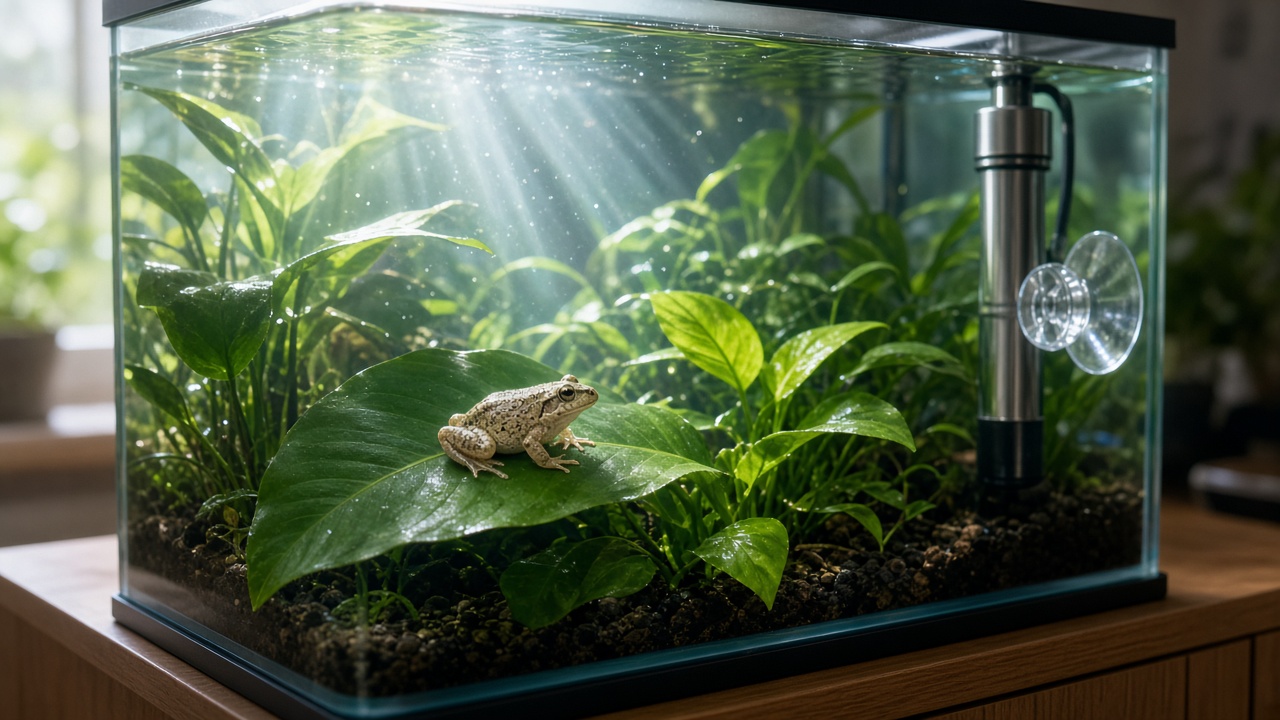
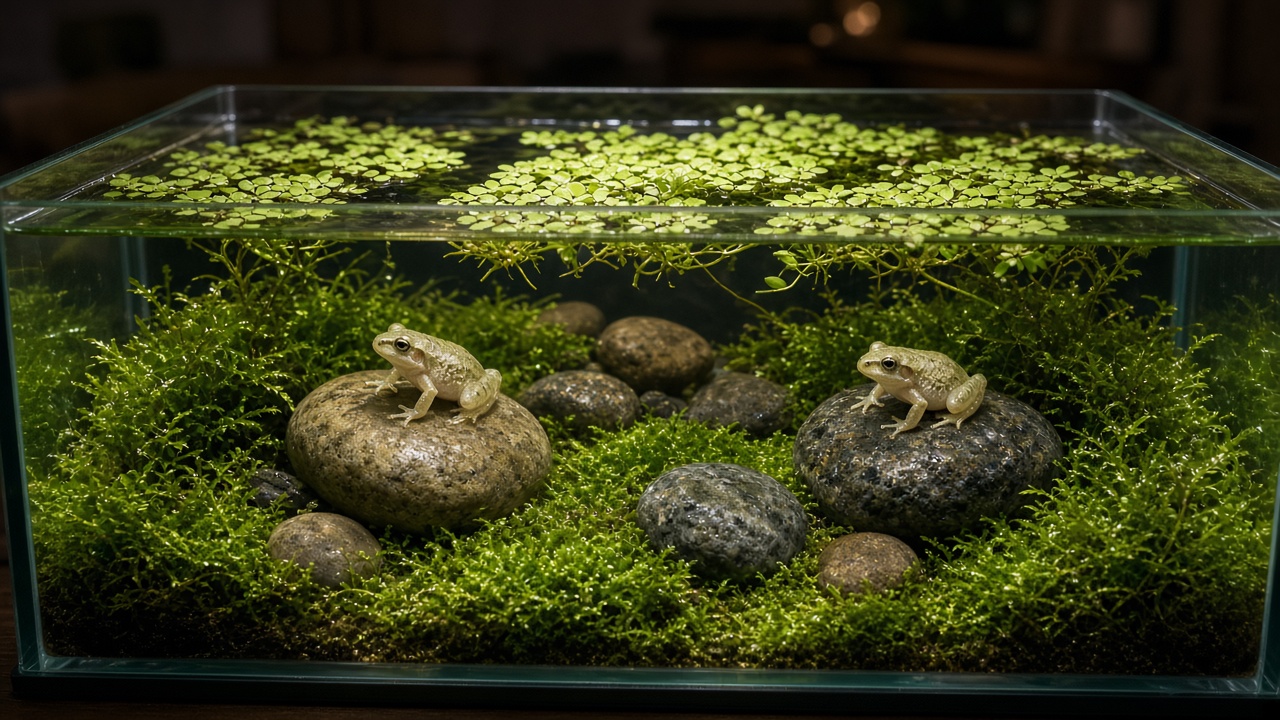
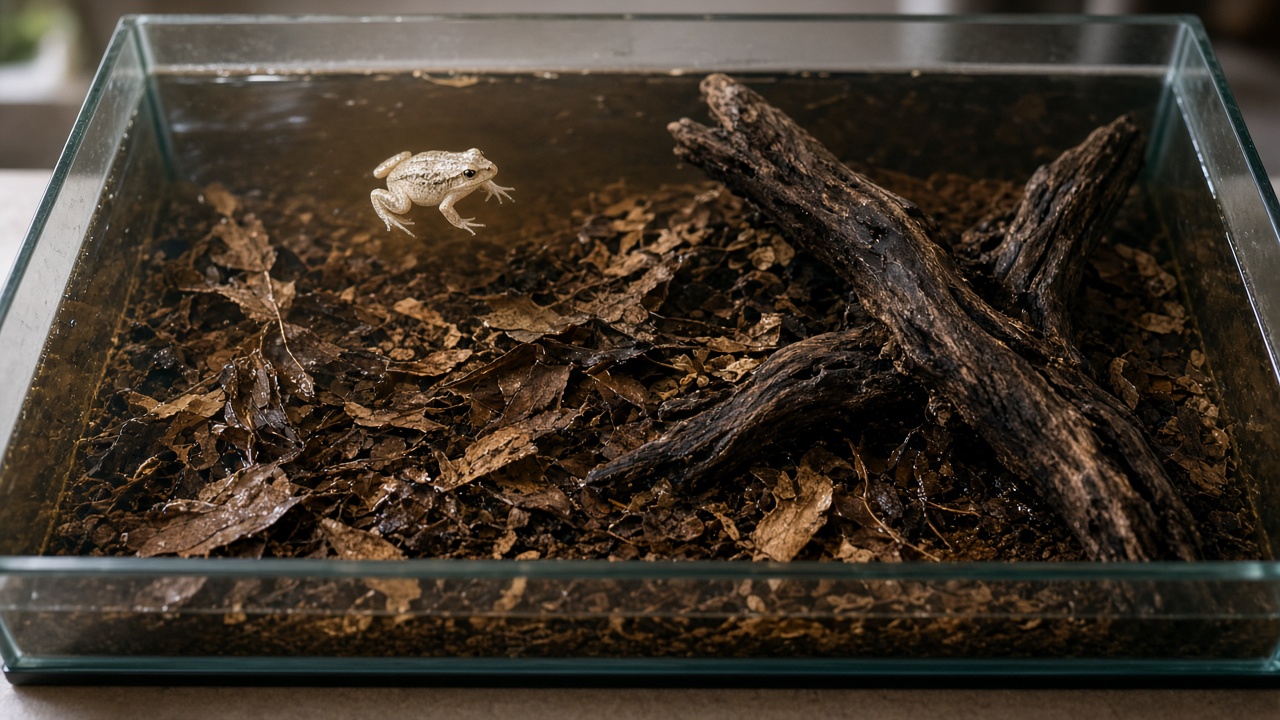
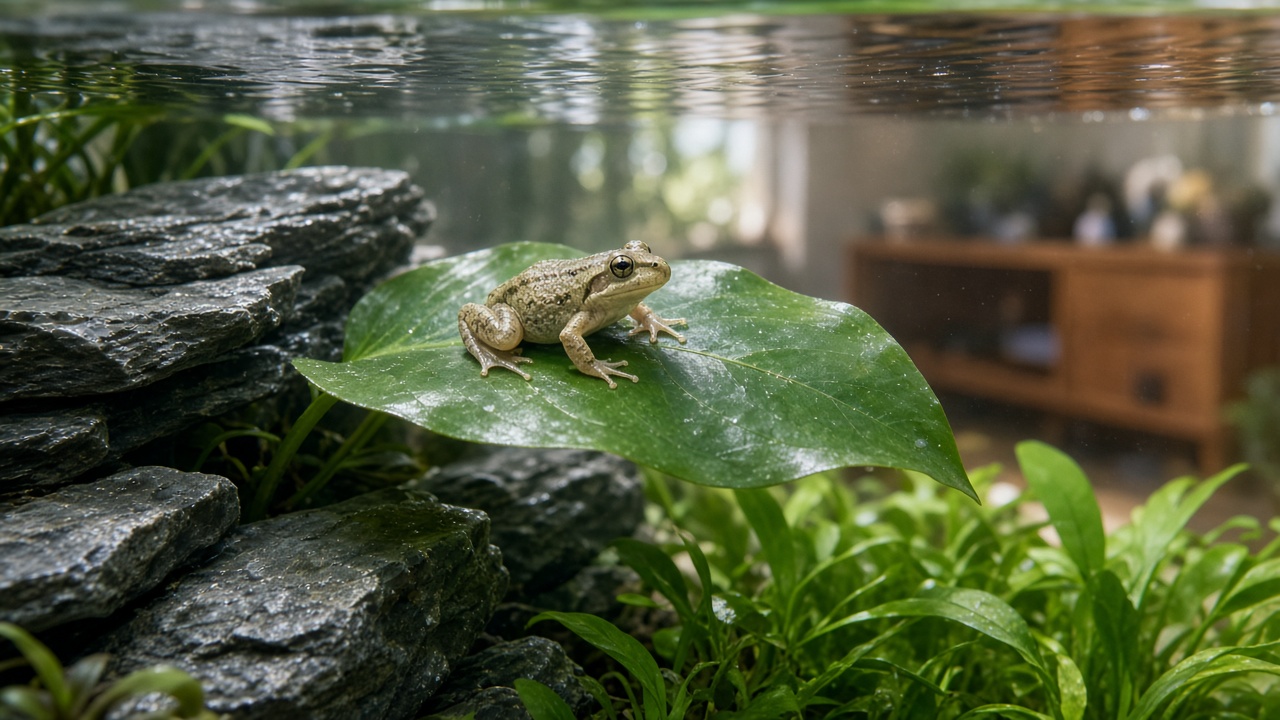
These frogs hunt slowly on the bottom with limited eyesight.
They respond to smell and movement near the sand more than to floating flakes at the surface. In mixed tanks, fish often clear food first. Target feeding with tongs, a pipette, or a small dish on the bottom is the practical fix. Watch each frog actually finish the meal before you walk away. Two quiet minutes of careful attention prevents a week of guessing why someone looks thin.
Feeding basics:
- Offer food on or near the substrate
- Use tongs or a baster for shy animals
- Remove leftovers after about 15–30 minutes
- Feed adults every other day or a few times weekly, and juveniles more often
- Keep portions small enough that the filter is not cleaning a feast
A common misconception is that community flakes “reach everyone.” Flakes dissolve up top while frogs wait below.
Top 7 African dwarf frog food
The picks below are the 7 african dwarf frog foods on sale right now, listed with what each suits best and an honest drawback. Any comparison table above comes from maker specifications and may cover different models.
1. Invert Aquatics Frog Bites
Best for: Keepers wanting a moist daily staple
Invert Aquatics sells Frog Bites as a moist, quick-sinking pellet for aquatic frogs. Maker pages name African dwarf frogs and say the bites break apart for small animals. We compared that soft form with the dry micro pellets on this list, and owners report the texture is easy to grab even if some pieces still look large.
Pros: Moist sinking frog pellets; Low $6.49 starter price Cons: Pellets can run large
2. Zoo Med Aquatic Frog and Tadpole Food
Best for: Tadpole and frog combo tanks
Zoo Med’s Aquatic Frog and Tadpole Food is sold as sinking micro pellets for aquatic frogs and tadpoles. We compared that dual-use label with frog-only jars and treated this as the grow-out pick. Owners report the tiny pellets reach the bottom, and they also say leftovers can go mushy if you overfeed.
Pros: Sinking micro-pellet form; Named for frogs and tadpoles Cons: Leftovers can turn mushy
3. Hikari Bio-Pure Freeze Dried Blood Worms for Pets
Best for: Pantry treats without a freezer
Hikari’s Bio-Pure listing is freeze-dried bloodworms, not a pellet staple. Maker pages call this a meaty treat and tell you to feed only what pets finish in a minute. We compared that pantry form with frozen cubes, and owners report frogs take the scent if you soak the worms first.
Pros: Freeze-dried bloodworm treat; No-freezer pantry jar Cons: Must soak before feeding
4. Josh's Frogs Aquatic African Dwarf Frog Food Pellets (1.85 oz)
Best for: Pellets beside frozen-food rotation
Josh’s Frogs names this 1.85 oz jar for aquatic African dwarf frogs and sells the pellets as a supplement next to live or frozen food. We compared that honest supplemental label with the daily-diet claims on other bags. Owners report a few sinking pellets are easy to portion, then they still buy worms for the rest of the week.
Pros: 1.85 oz sinking pellets; Sold as a supplement Cons: Not a complete staple
5. African Dwarf Frog Food
Best for: Shoppers who only want species label
This Amazon title is simply African Dwarf Frog Food, and the $14.99 sticker sits above the named pellet jars on this page. We compared that listing class with branded staples and treated it as a species-labeled food with no size or form in the name. Owners report a no-name jar is fine for a first try, then they switch once they want a stated pellet type.
Pros: Species-named frog food; Simple one-name listing Cons: Pricier than named staples
6. JurassiDiet
Best for: Budget first jar of pellets
JurassiDiet is the $3.19 jar here, and maker pages sell the newt-and-frog line as an amphibian pellet. We compared that bargain price with the mid-list bags and treated it as a first-fill option. Owners report the pellets start as floaters and sink once they soak, so bottom hunters wait a beat.
Pros: Lowest price on list; Newt-and-frog diet line Cons: Floats until fully soaked
7. Tetra ReptoTreat Sun-Dried Shrimp For Aquatic Turtle
Best for: Community tanks with aquatic turtles
Tetra’s ReptoTreat is sun-dried shrimp sold for aquatic turtles, not a frog daily diet. We compared that treat form with the sinking pellets above and kept it on the list as a cheap add-on. Owners report frogs will take small shrimp pieces, and they also say this is a side dish, not the whole menu.
Pros: Sun-dried shrimp treat; Cheap $5.27 add-on Cons: Turtle treat, not staple
Comparison: African dwarf frog food at a Glance
Want to browse every option? See the full range of african dwarf frog food on Amazon →
Sinking pellets as the everyday staple
Pellets made for aquatic frogs beat random fish flakes for routine meals.
Zoo Med’s Aquatic Frog & Tadpole Food is sold as high-protein sinking micro pellets for aquatic frogs and tadpoles. Its label lists about 50% minimum crude protein and 16% minimum crude fat. Omega One Frog & Tadpole Pellets market fresh marine proteins and a low-fiber amphibian-focused formula. Hikari Sinking Carnivore Pellets list about 47% minimum crude protein. They sink and soften for meat eaters when frog-specific pellets are thin on the shelf.
Pellet habits that work:
- Soften slightly in tank water if pellets feel hard
- Offer a few pellets per frog and adjust to leftovers
- Rotate brands only after you confirm the frogs still eat
- Store bags sealed and dry
- Pair pellets with frozen meaty foods across the week
Soft, slow-dissolving pellets give poor-sighted frogs time to find food. Powder that clouds the water is a poor staple. If pellets explode into mush in under a minute, switch formulas.
Frozen foods for protein and hunting drive
Thawed frozen bloodworms, brine shrimp, and mysis shrimp add variety.
Frozen bloodworm cubes from major makers portion easily after thawing. Offer a few worms per frog and remove what sits. Frozen foods should be fully thawed in tank water, never microwaved into hot clumps. Rinse if the pack instructions say so.
Frozen rotation ideas:
- Bloodworms a few times per week as a treat-heavy item
- Brine shrimp or mysis for smaller bites
- Daphnia packs when you want lighter live-feel food
- Mix pellet days with frozen days so water stays cleaner
- Never leave a pink cloud of leftovers overnight
Live blackworms or similar cultured prey can stimulate hunting. Quarantine and source carefully. Live foods are optional enrichment, not a requirement if pellets and frozen foods already cover meals. Start simple, then add live prey only when your water tests stay clean week after week.
Live foods, freeze-dried pitfalls, and foods to skip
Live prey wakes hunting instincts; freeze-dried dust often fails bottom hunters.
Cultured blackworms or small live foods can work when disease risk is managed. Wild pond scoops are a bad idea. Freeze-dried bloodworms and similar airy sticks often float and crumble. Many frog keepers keep them off the staple list for that reason. Fish flakes, large terrestrial insects, and seasoned human leftovers do not belong in the frog dish.
Skip or limit list:
- Freeze-dried staples as the only food
- Floating flakes meant for surface fish
- Oversized pellets frogs cannot gulping-swallow
- Feeder fish (unnecessary and risky for nanos)
- Random “amphibian treats” with unclear size
If a frog ignores pellets, try scent-rich thawed worms on tongs before you declare the animal broken. Hunger plus smell usually beats a new gadget.
Attribute table of real foods sold in 2026
| Product | Form | Maker-stated cue |
|---|---|---|
| Zoo Med Aquatic Frog & Tadpole Food | Sinking micro pellets | High protein; ~50% min protein on label |
| Omega One Frog & Tadpole Pellets | Sinking pellets | Fresh marine proteins; amphibian-focused |
| Hikari Sinking Carnivore Pellets | Sinking pellets | ~47% min protein; softens while sinking |
| Hikari Frozen Bloodworms | Frozen cubes | Portioned frozen meaty treat |
| Can O’ Bloodworms (Zoo Med) | Cooked-in-can worms | Shelf-stable meaty option |
| Fluval Bug Bites (small sizes) | Sinking granules | Insect-meal snacks some keepers rotate |
No rank column and no price column appear here on purpose. Match pellet size to frog mouth size and confirm current labels before you buy.
Community tanks and target-feeding setups
Fish competition is the main feeding failure mode.
Use a shallow dish, a clear feeding corner, or tongs at the frog’s nose. Train frogs to a spot with repeated gentle cues. Feed fish at the other end first if needed, then feed frogs. Bare sand patches make leftover checks easier than deep plant messes.
Community tips:
- Feed frogs after lights dim if they hunt more then
- Keep shy frogs in a species tank if they never win food
- Count frogs after meals so nobody starves behind décor
- Siphon uneaten meat before ammonia climbs
- Quarantine new frogs before they join the dinner rush
Breeding adults and growing juveniles need more frequent meals than chubby adults. Adjust by body shape, not by guilt portions.
Reading labels without marketing fog
Protein percentage is a clue, not a trophy.
Frog-focused pellets that sink and hold shape beat vague “complete fish food” flakes for bottom hunters. Check pellet size against the frog’s mouth. Softening in a spoon of tank water helps hard pellets. If the bag turns to dust, replace it; stale food is ignored food.
Ingredient lists that lead with fish meal or marine proteins fit carnivorous frogs better than filler-heavy flakes. Moisture and fiber numbers on amphibian pellets often differ from tropical flakes for a reason. Match the food to the animal you keep, not to whatever happens to be on sale by the cashier.
A simple weekly plan you can actually keep
Consistency beats exotic menus you abandon in week two.
Sample adult week:
- Day 1: frog pellets, target-fed
- Day 2: rest or tiny leftover clean-up only
- Day 3: thawed bloodworms
- Day 4: rest
- Day 5: brine shrimp or mysis
- Day 6: rest
- Day 7: frog pellets again
Juveniles may need daily small meals. Always remove waste. If water tests climb, shrink portions before you blame the filter alone. Log what each frog ate for two full weeks when you change brands. A thin frog in a busy community tank is usually a feeding-access problem before it is ever a brand problem.
FAQ
What is the best everyday food for African dwarf frogs?
Sinking frog pellets designed for aquatic frogs are the practical staple. Zoo Med’s aquatic frog micro pellets and similar amphibian pellets sit on the bottom where frogs hunt. Add thawed frozen meaty foods across the week for variety. The common misconception is that any fish flake is “close enough.”
How often should I feed adults?
Many keepers feed adults every other day or several times per week. Watch body condition and leftovers more than a rigid clock. Juveniles usually need daily small meals. Overfeeding dirty water faster than it helps growth.
Do I need live food?
No. Pellets plus thawed frozen foods cover most home tanks. Live cultured worms can add hunting interest when sourced cleanly. Wild-collected bugs and pond scoops are an edge case that imports hitchhikers you do not want.
Why won’t my frogs eat pellets?
Pellets may be too hard, too large, or stolen by fish. Soften them, downsize, and target-feed. Try thawed worms to restart interest, then blend pellets back in. Blindly dumping more food on the sand only raises ammonia.
Are freeze-dried bloodworms OK?
Many frog keepers avoid freeze-dried staples because pieces float, crumble, and are easy to overeat as airy chunks. Thawed frozen worms are usually easier to portion on the bottom. If you ever use freeze-dried items, soak them fully and treat them as rare, not daily.
Can ADFs live on bloodworms alone?
A worms-only menu is incomplete for long-term balance. Use pellets as the nutrient base and frozen meaty foods as rotation. Variety reduces the chance you miss vitamins and minerals a single treat food never carried. Labels on frog pellets exist for a reason.
How do I feed frogs in a community tank?
Target-feed at the substrate with tongs or a dish after fish have had their turn. Confirm each frog eats. Move chronic losers to a calmer setup if they keep missing meals. Competition, not “picky personality,” explains most thin frogs in busy tanks. A short feeding dish ritual at the same corner trains them faster than random dumps across the sand.
This guide is for general information and does not replace the manufacturer’s instructions.