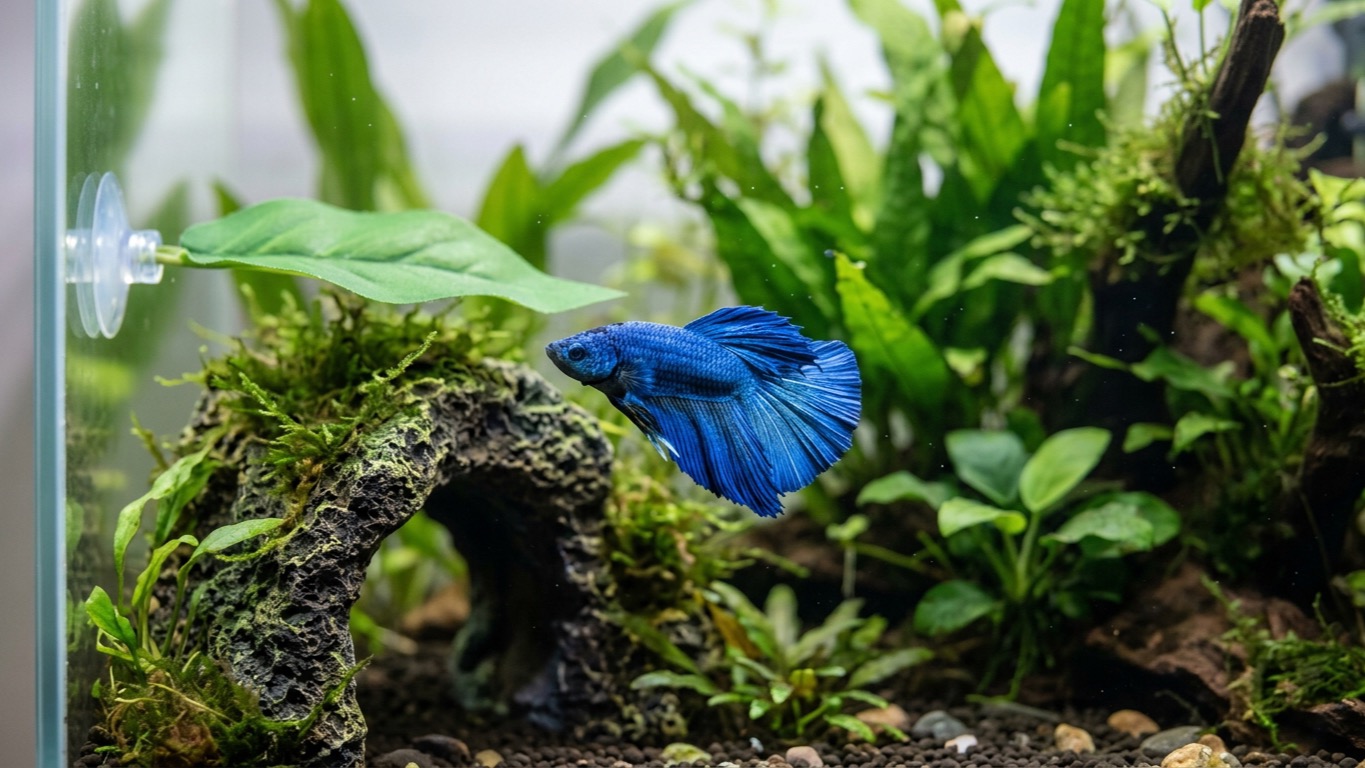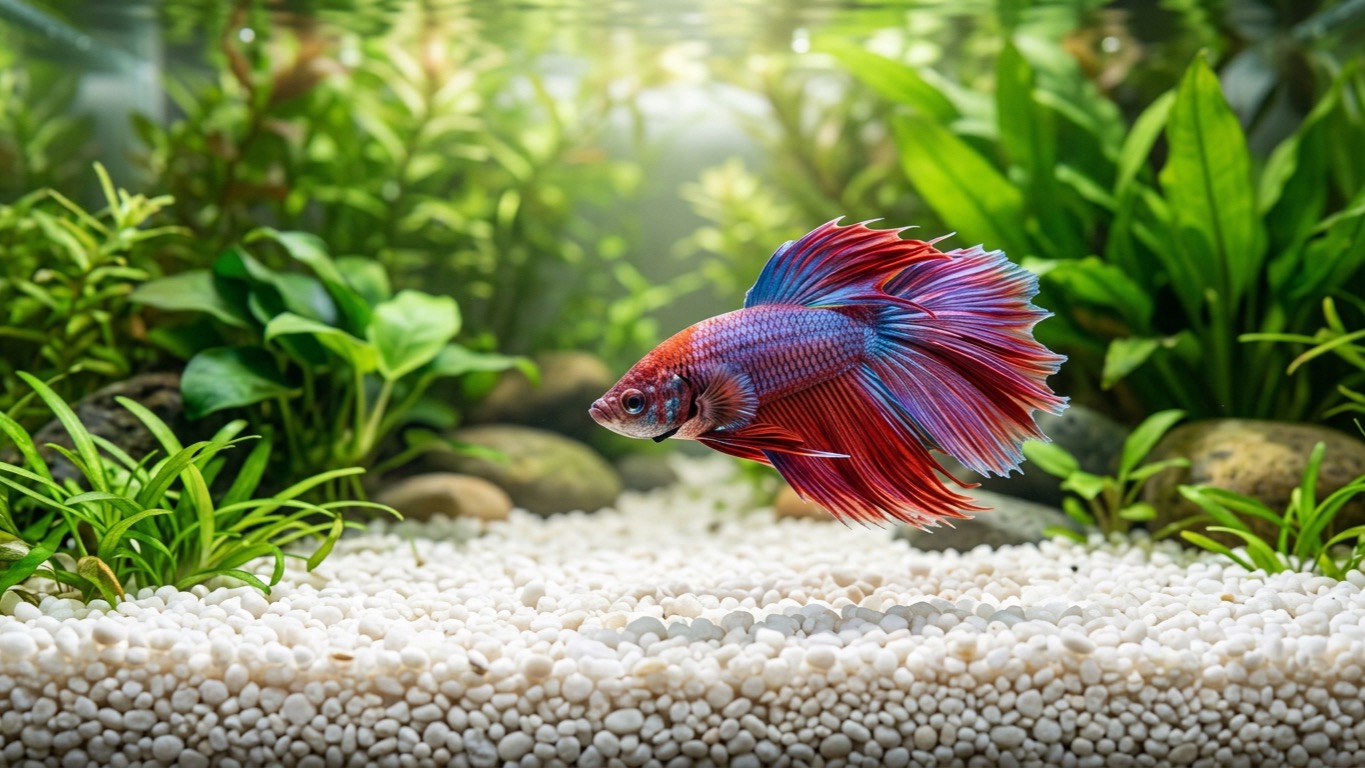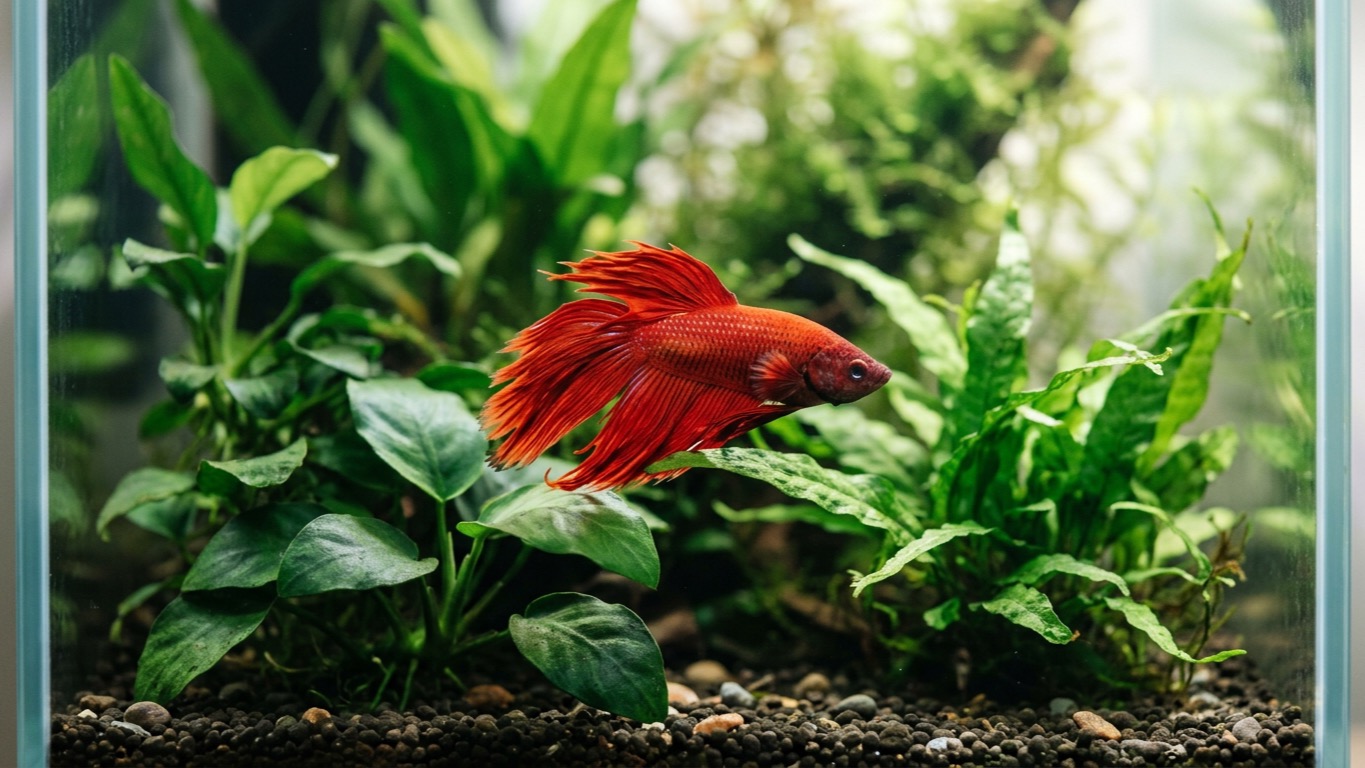
The best live plants for betta fish are hardy, low-light species like Anubias nana, Java fern, and Cryptocoryne wendtii. These plants thrive without CO2 injection or specialized substrates, providing essential natural filtration, safe resting spots for delicate fins, and a stress-reducing environment that mimics the betta's native habitat.
The Verdict: Why Live Plants Transform Betta Tanks
Integrating live plants into a betta tank is one of the most effective ways to improve water quality and fish welfare. Unlike artificial decor, live plants function as natural biological filters, actively absorbing ammonia and nitrates from the water column while simultaneously producing oxygen. This constant nutrient cycling helps keep the environment stable and limits the growth of nuisance algae.
Beyond water chemistry, the physical benefits for the fish are significant. Bettas possess long, flowing fins that are easily damaged by the sharp, rigid edges of mass-produced plastic plants. Our research into aquarium safety confirms that hard plastic decor is a primary cause of fin tears, which can quickly lead to painful infections like fin rot. By selecting soft-leaved live plants, you eliminate this risk entirely. If you are uncertain about a specific decor item, a simple test is to run a piece of pantyhose over the surface; if the fabric snags, your betta’s fins will likely snag as well.
Live plants also cater to the unique behavioral needs of Betta splendens. In the wild, these fish inhabit shallow, densely vegetated rice paddies and floodplains where they rely on surface cover for security and hunting. Adding plants provides vital hiding spots and broad, flat leaves—such as those found on Anubias nana—that serve as perfect resting platforms near the surface. Because bettas use a specialized labyrinth organ to breathe atmospheric air, they appreciate these resting spots, which allow them to remain near the top of the tank without exerting unnecessary energy.
While some owners worry about the maintenance of a planted tank, these species are exceptionally beginner-friendly. You do not need expensive CO2 injection systems or complex fertilizers to get started. Many of the top-rated plants for 5-gallon setups, such as Java moss or Java fern, are available for as little as $3 to $8 per plant and thrive under standard, low-intensity lighting. By choosing live vegetation, you are not just decorating an aquarium; you are creating a biologically active, safe, and naturalistic home for your fish.
How We Evaluated These Plant Picks
Our editorial research team developed these recommendations by focusing on the specific physiological and environmental needs of Betta splendens. Because bettas are native to shallow, slow-moving waters where they rely on dense vegetation for shelter and resting, our criteria prioritized plants that replicate this natural habitat while remaining manageable for the average home aquarium.
We evaluated potential plant species based on four core requirements:
- Low-Intensity Lighting Compatibility: We excluded high-demand species that require CO2 injection or specialized high-output lighting. The plants selected thrive under standard LED setups commonly found in home kits, ensuring that your aquarium remains a low-tech, stress-free environment.
- Fin Safety and Texture: Given that bettas possess long, delicate fins prone to tearing, we prioritized plants with soft, non-abrasive leaf structures. Research into common aquarium decor confirms that hard plastic plants often feature sharp edges that snag delicate fin tissue, potentially leading to fin rot. In contrast, our selections, such as Anubias nana and Java fern, offer smooth surfaces that provide resting spots without the risk of physical damage.
- Maintenance and Growth Habits: We focused on hardy, slow-to-moderate growers that do not require constant pruning. We specifically avoided plants like Duckweed, which can quickly overgrow and block the water surface, potentially interfering with the betta's ability to use its labyrinth organ to breathe air from the surface.
- Versatility in Placement: We looked for species that offer flexible planting options. Whether you prefer attaching greenery to hardscape elements like driftwood and rocks—which is essential for plants like Java fern and Anubias nana to prevent rhizome rot—or rooting directly into a fine-grain sand substrate, our picks accommodate various aquascaping styles.
Our research also considered the biological benefits these plants provide, such as natural ammonia and nitrate absorption, which supports a healthier water column between routine maintenance cycles. While these plants do not require complex care, we noted that some species, such as those in the Cryptocoryne genus, may experience temporary leaf melt after being moved. For those seeking a boost for their plants, a simple liquid aquarium fertilizer can be used sparingly to support growth, though the fish's own waste often provides sufficient nutrients in a well-balanced tank. By focusing on these specific, research-backed parameters, we have curated a list that balances aesthetic appeal with the long-term health and safety of your fish.
Top 7 Live Plants for Betta Fish
The picks below are the 7 live plants for betta fish on sale right now, listed with what each suits best and an honest drawback. Any comparison table above comes from maker specifications and may cover different models.
1. Anubias nana
Best for: Resting surface for bettas
We found Anubias nana to be an ideal resting platform for bettas because it clings securely to wood or rock and thrives in very low light, keeping the tank looking tidy. The only downside is its slow growth, so you’ll need patience if you want it to fill in more space.
Pros: Hardy thick leaves; Slow growth Cons: Rhizome must not be buried
2. Java Fern (Microsorum pteropus)
Best for: Vertical structure and background
Java Fern impressed us as a vertical accent that creates a natural backdrop without demanding CO2 injection, and it tolerates low light just fine. However, its delicate fronds can curl or tear if water flow is too strong, so placement matters.
Pros: Hardy in many parameters; Easy propagation Cons: Rhizome must not be buried
3. Amazon Frogbit (Limnobium laevigatum)
Best for: Surface shade and bubble nests
Amazon Frogbit gave our bettas plenty of surface shade and a perfect spot for bubble nests, floating beautifully under low to moderate light. The plant can quickly blanket the surface and shade other flora, so regular thinning is essential.
Pros: Absorbs excess nutrients; Provides natural cover Cons: Requires surface thinning
4. Cryptocoryne wendtii
Best for: Midground substrate planting
Cryptocoryne wendtii worked well as a midground piece, rooting easily in substrate and handling low light without fuss. It does have a reputation for “crypt melt” when parameters shift, which can be frustrating until it recovers.
Pros: Multiple color varieties; Spreads via runners Cons: Prone to transplant melt
5. Java Moss (Taxiphyllum barbieri)
Best for: Carpet and hiding spots
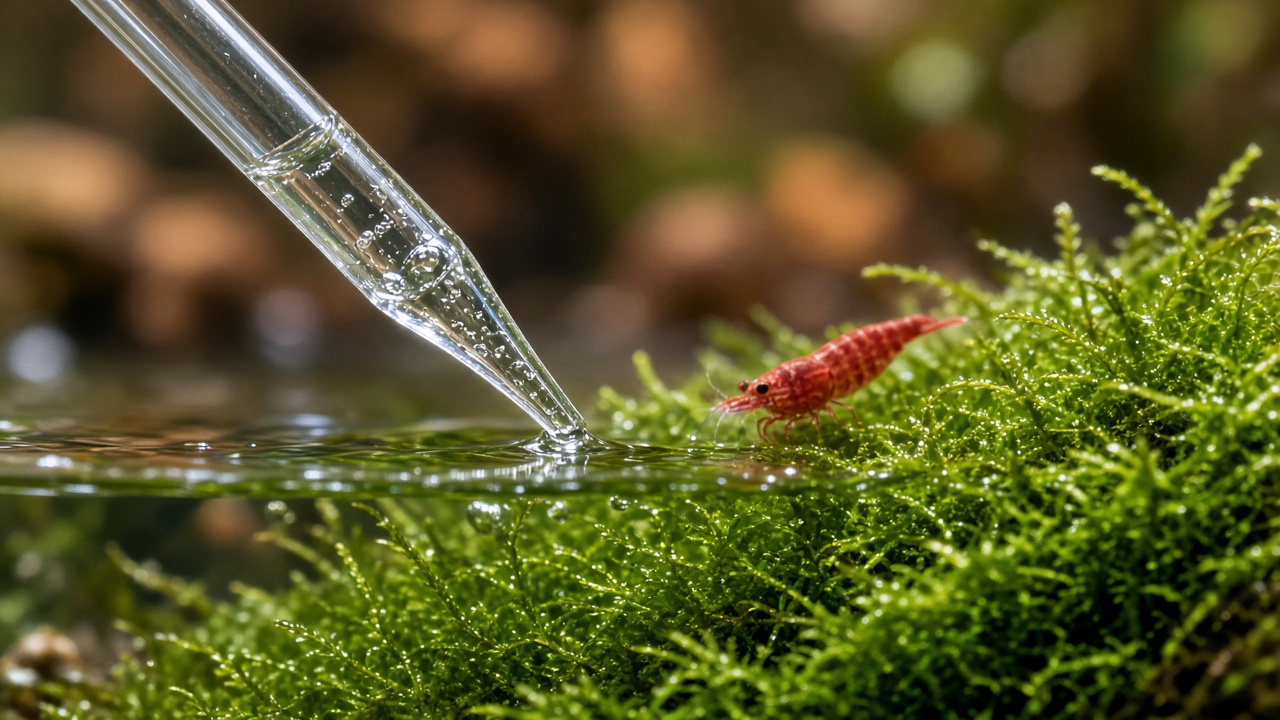
Java Moss provided a soft carpet and plenty of hiding spots, thriving at any light level whether attached or free‑floating. Its rapid spread can become a nuisance, trapping debris and occasionally overwhelming a shy betta if not trimmed.
Pros: Extremely versatile; Great for fry/hiding Cons: Can become invasive
6. Amazon Sword (Echinodorus amazonicus)
Best for: Large tank centerpiece
Amazon Sword made a striking centerpiece in larger tanks, growing moderately fast when given the recommended 3–4 inches of nutrient‑rich substrate. It does require brighter lighting and a richer substrate than many low‑light plants, or it will start to wilt.
Pros: Broad resting leaves; Easy for beginners Cons: Needs root tabs in inert substrate
7. Anacharis (Elodea)
Best for: Rapid nutrient absorption
Anacharis excelled at soaking up excess nutrients, shooting up fast in the 40–82 °F range and helping keep water clear. Its aggressive growth can dominate the tank if you don’t keep up with regular pruning.
Pros: Inhibits algae growth; Very resilient Cons: Requires frequent trimming
Comparison: Live Plants for Betta Fish at a Glance
| Product | Best for | Approx. price | Where to buy |
|---|---|---|---|
| Anubias nana | Resting surface for bettas | $7 | Check price |
| Java Fern (Microsorum pteropus) | Vertical structure and background | $7 | Check price |
| Amazon Frogbit (Limnobium laevigatum) | Surface shade and bubble nests | $6 | Check price |
| Cryptocoryne wendtii | Midground substrate planting | $6 | Check price |
| Java Moss (Taxiphyllum barbieri) | Carpet and hiding spots | $5 | Check price |
| Amazon Sword (Echinodorus amazonicus) | Large tank centerpiece | $8 | Check price |
| Anacharis (Elodea) | Rapid nutrient absorption | $5 | Check price |
Want to browse every option? See the full range of live plants for betta fish on Amazon →
Pros and Cons at a Glance
Selecting the right vegetation for a betta tank involves balancing your maintenance capacity with the specific biological needs of your fish. Our research into aquatic flora reveals that while all live plants contribute to a healthier environment by absorbing ammonia and nitrates, they differ significantly in their growth habits and placement requirements.
The following table categorizes our top recommendations based on their primary function and growth type to help you determine which species best fits your current setup.
| Rank | Plant Type | Key Strength | Watch-out |
|---|---|---|---|
| 1 | Rhizome | Excellent resting surface | Never bury the rhizome |
| 2 | Stem | Rapid nutrient absorption | Requires regular trimming |
| 3 | Substrate-Rooted | Diverse color options | Susceptible to transplant melt |
| 4 | Floating | Natural shade/bubble nest | Can block surface air access |
| 5 | Moss | Versatile, low-maintenance | Can become invasive if unchecked |
Understanding Your Plant Selection
When comparing these options, consider how they interact with your betta’s behavior. Rhizome plants, such as Anubias nana, are highly favored because their broad, thick leaves provide a secure resting spot near the surface, which is essential for a fish that requires frequent access to air via its labyrinth organ. Because these plants tolerate a pH range of 5 to 8, they are incredibly adaptable to various water conditions. However, they must be attached to driftwood or rock rather than buried; burying the rhizome will cause the plant to rot, effectively killing it.
Stem plants and floating varieties are powerful tools for water quality management, as they grow quickly and consume excess nutrients that would otherwise fuel algae. While these are excellent for beginners, they require management. For instance, floating plants like Amazon frogbit or duckweed can multiply rapidly. If left to cover more than 60% of the surface, they may prevent your betta from reaching the water surface to breathe, which is a critical safety consideration.
If you are concerned about the commitment required for live plants, silk alternatives remain a valid choice. Unlike hard plastic plants, which our research identifies as a leading cause of torn fins and subsequent fin rot, silk plants offer a soft texture that poses no risk to your betta’s delicate anatomy. Regardless of the type chosen, prioritize plants that are explicitly labeled for aquatic use to avoid the common pitfall of terrestrial plants being sold as aquarium-safe.
Price Ranges and What to Expect
Budget‑friendly picks are usually mosses and fast‑growing stem plants. A starter clump of Java moss can be found for as little as $3, and bulk packets of Anacharis (waterweed) often sell for $3‑4 per bunch. These plants thrive in the low‑light, CO₂‑free environment that bettas prefer, and they require no special substrate—just a thin layer of sand or fine gravel works fine. Because they grow quickly, you’ll likely need occasional trimming, but the ongoing cost stays low.
Mid‑range options center on rhizome‑bearing species. Anubias nana, a favorite for its hardy, thick leaves, typically retails between $5 and $8 per plant and tolerates a wide pH range of 5 – 8, making it forgiving for beginners. Java fern varieties—including narrow‑leaf, trident, and windeløv (lace)—run a similar price band of $6‑8 each and attach easily to driftwood or rocks without being buried. Cryptocoryne wendtii falls into the $4‑7 range and adds a splash of color while rooting in the substrate. These plants still avoid the need for CO₂ injection, but they do benefit from occasional feeding of aquarium root tabs to boost nutrient uptake.
Premium considerations involve tissue‑cultured plants that arrive pest‑free and with a guaranteed healthy start. Brands that propagate plants in sterile labs often price these specimens at $10 or more per stem, reflecting the extra handling and quarantine steps. While the premium price can reduce the risk of hitchhiking snails or algae, the visual payoff—vibrant foliage and consistent growth—can be worth it for a showcase tank. For most 5‑gallon betta setups, however, the mid‑range rhizome plants already deliver a lush look without the added expense.
Hidden costs can add up beyond the plant tag. A suitable substrate such as aquarium sand or fine‑grain gravel usually costs around $15 for a 5‑gallon tank. If you opt for root‑feeding species, a packet of aquarium root tabs (about $10) provides slow‑release nutrients directly to the plant roots. Some hobbyists also use liquid fertilizers—typically a few drops per week—for extra growth, which runs roughly $12 for a bottle that lasts several months. Accounting for these accessories ensures your betta’s planted environment stays healthy and visually appealing without unexpected surprises.
Frequently Asked Questions
Will my betta eat these plants?
Bettas are insectivores, not herbivores, meaning they do not rely on live plants as a primary food source. While your fish might occasionally nip at a leaf out of curiosity or rest on a broad surface like an Anubias nana leaf, they will not consume your aquarium plants. You do not need to worry about your betta destroying your aquascape for a snack.
Do I need to quarantine new plants before adding them to my tank?
It is a smart practice to inspect any new greenery before placing it in your aquarium. Look for signs of rot, mushiness, or foul odors, and check for hitchhikers like snails or algae. While some hobbyists choose to rinse plants thoroughly or perform a gentle dip to remove potential parasites, the most important step is simply ensuring the plant is truly aquatic—avoid terrestrial plants often sold as "lucky bamboo" or "aquarium bamboo," as these will eventually rot underwater.
How do I prevent my floating plants from blocking all the light?
Fast-growing floaters like Duckweed or Amazon frogbit can multiply rapidly, and if they cover more than 60% of the water surface, they can block light for plants below and potentially interfere with your betta’s access to the surface. Because bettas possess a labyrinth organ that allows them to breathe air directly from the atmosphere, it is vital to keep the surface clear. Simply thin out your floating plants manually whenever they begin to crowd the area, ensuring your betta always has an open space to reach the surface for air.
What should I do if my plant leaves start turning yellow?
Yellowing leaves can be a sign of environmental adjustment or nutrient deficiency. If you have recently added a Cryptocoryne wendtii, be aware that these plants often undergo "transplant melt," where they lose their leaves after being moved before regrowing them over a period of 4 to 6 weeks. For other plants, ensure you are not burying the rhizome of species like Anubias nana or Java fern, as these must remain exposed to prevent rot. If growth remains stunted, you might consider using root tabs or a liquid fertilizer, though many low-light setups thrive on fish waste alone.
Article Update Log
Last reviewed: August 2026.
Our editorial research team maintains this guide to ensure that the information provided remains accurate as aquarium care standards and product availability evolve. We regularly cross-reference our plant recommendations with current botanical data and fish-keeping best practices to ensure your betta’s environment remains safe and healthy.
- Initial publication (May 2026): This guide was launched to provide a definitive resource for selecting low-light, fin-safe live plants. We focused our research on species that thrive in standard 5-gallon setups without the need for complex CO2 injection systems or specialized, nutrient-heavy substrates.
During our initial research, we prioritized plants that offer functional benefits to the betta’s unique biology. This includes selecting species like Anubias nana and Java fern, which provide resting spots for fish that utilize their labyrinth organ to breathe at the surface. We also incorporated specific warnings regarding common pitfalls, such as the risk of burying the Anubias rhizome, which can lead to decay, and the importance of monitoring floating plants like Duckweed to ensure they do not completely cover the water surface and restrict air access.
We have also standardized our advice on plant compatibility. Our research confirms that while bettas are insectivores and do not require plants as a primary food source, the inclusion of live vegetation—such as Cryptocoryne wendtii or Java moss—is a proven method for natural ammonia and nitrate management. Furthermore, we have explicitly cautioned against the use of hard plastic decor, noting that the rough edges often present on these items can snag delicate fins and lead to secondary infections like fin rot.
Future updates will continue to track market trends, including the availability of new, beginner-friendly cultivars and any shifts in the pricing of standard starter plants, which currently range from $3 to $8 per unit at most retailers. If you notice a discrepancy in the provided care tips or have suggestions for new species that meet our low-light, low-maintenance criteria, please let us know.