Quick answer: Common pleco care starts with adults near 2 feet and a decade-plus lifespan. Plan a long tank from about 75 gallons up, often 180 gallons or more. Feed wafers, vegetables, and more—not tank algae alone.
Plan common pleco care around a nearly 2-foot adult and a huge long tank.
We compared published care data and maker specifications to write this page. Our research team analyzed adult length, footprint needs, omnivore diet cues, filtration load, and lifespan ranges for Hypostomus-type common plecos. Owners consistently report regret when a cute juvenile outgrows a 20 gallon algae-eater myth.
Comparing published specs shows the store fish is a temporary size, not the final animal. Tank length matters more than height. Diet must include prepared foods and wood fiber. This page separates workable adult housing from impulse buys that stall into stunting.
Include adult size bands, minimum and better tank footprints, temperature and pH cues, diet with wafers and vegetables, driftwood needs, bioload filtration, and lifespan expectations. Leave out grows-to-the-tank myths and 10 gallon algae-crew advice. Skip veterinary treatment protocols for sick fish.
Adult size is the first housing decision
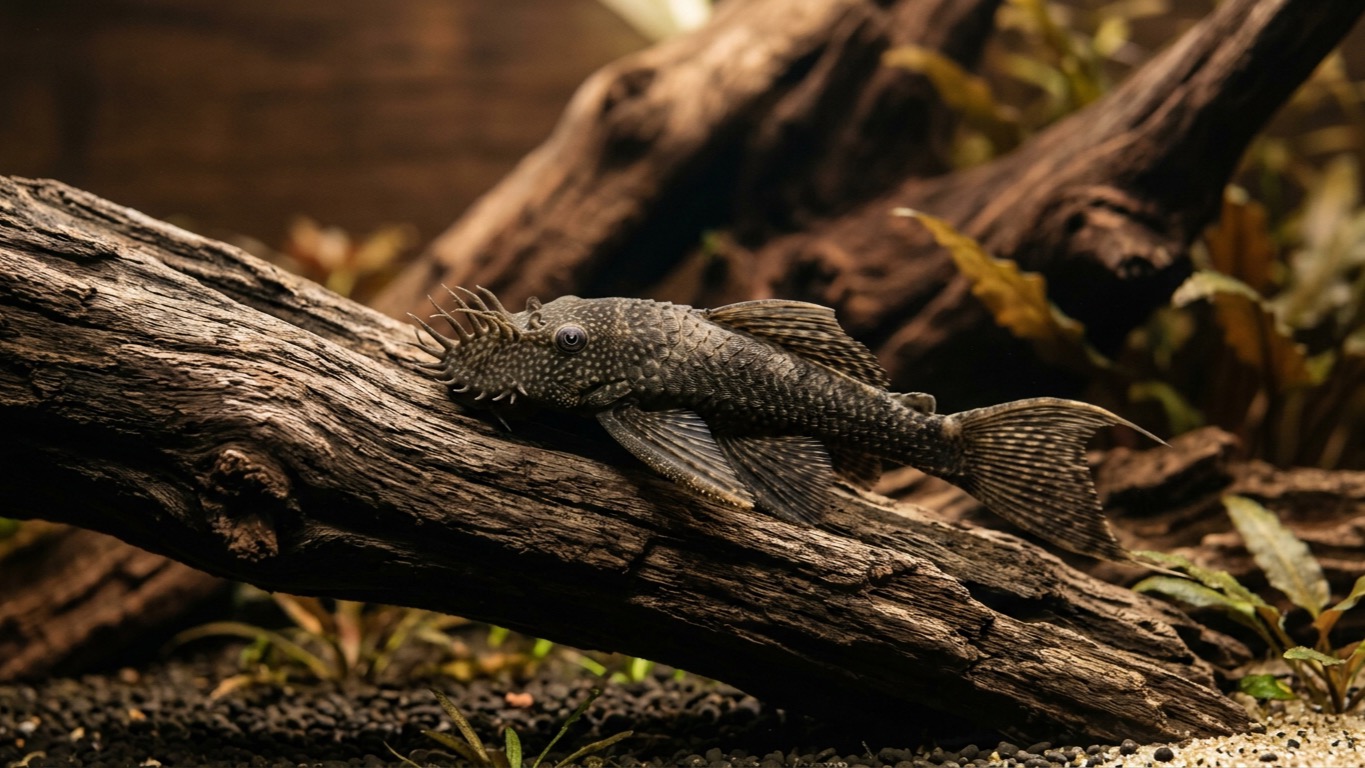
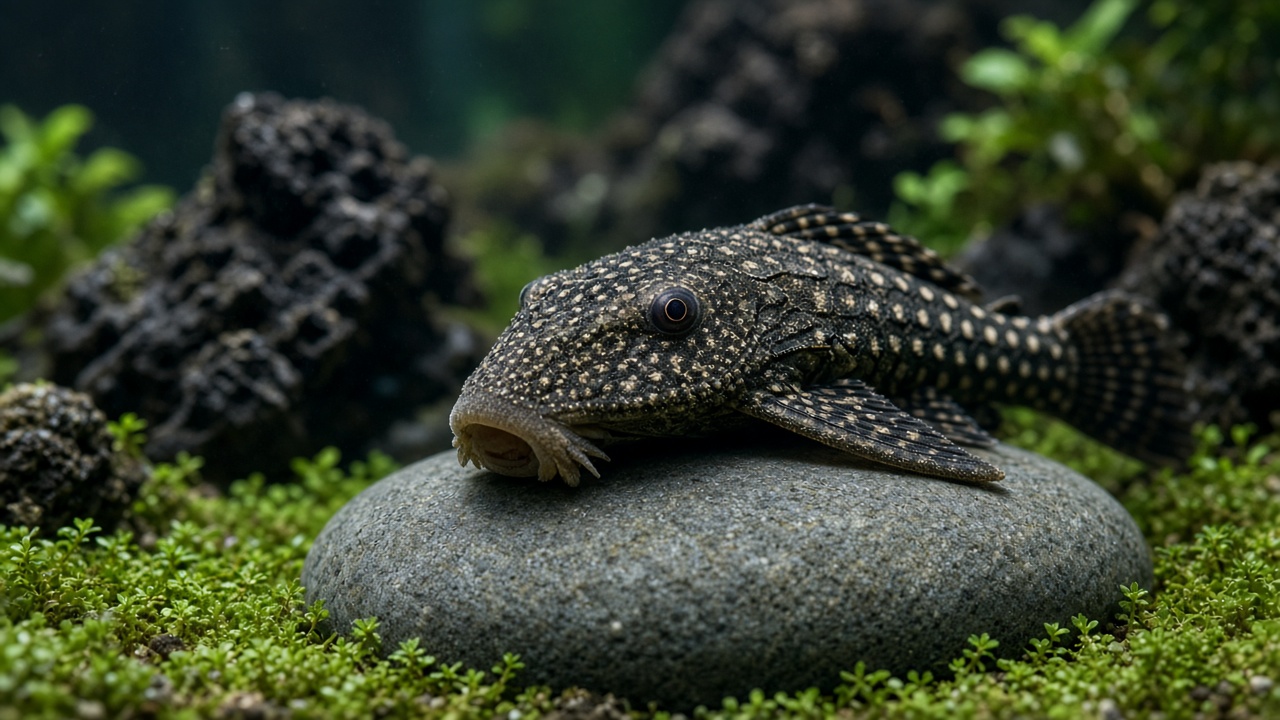
Common plecos become large bottom-dwelling catfish.
Published hobby ranges for common plecos often run about 15 to 24 inches at adulthood. Care notes also warn the fish can approach nearly 2 feet. Growth is fast in the first years. A three-inch shop fish is not a permanent nano pet. Plan space for the adult body and turning radius from day one.
Size reality checks:
- Adult length about 15–24 inches, sometimes near 2 feet
- First-year growth often reaches about 10–12 inches
- Sailfin look-alikes sold as common can run even larger
- Stunting in small tanks is harm, not a healthy size limit
- Horizontal length beats tall, narrow gallons
Owners consistently report surprise at year-two bulk. Our research team analyzed care notes that treat it-will-stay-small as a dangerous myth. Common pleco care fails when the shopping decision ignores adult length.
Tank length, gallons, and footprint
Give floor space and length, not a tall show cube.
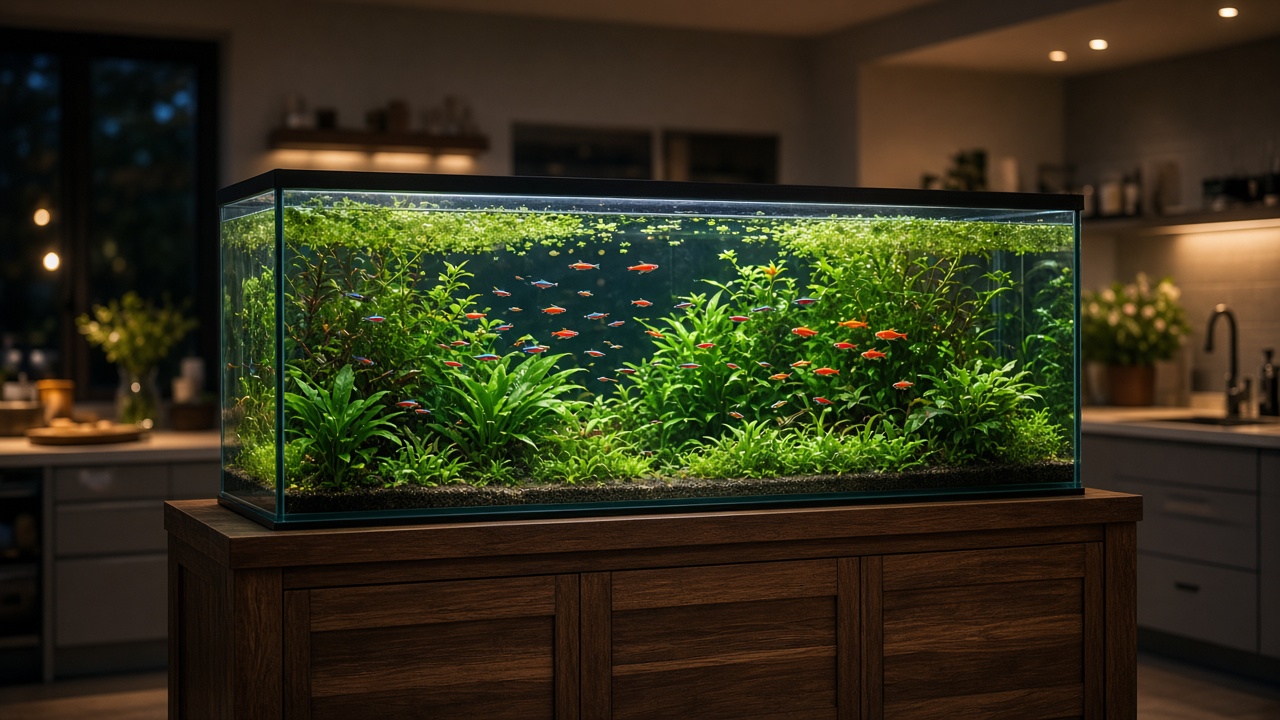
A 75 gallon, 48-inch tank is a common start floor while the fish grows. Better long-term plans often reach about 180 gallons with a long footprint. Some keepers push toward still larger tanks or indoor ponds for full-size fish. Height matters less than length and width for a bottom grazer that needs to turn and rest.
Tank planning list:
- Prefer 48 inches of length as a hard minimum cue
- Aim for more length when adults approach two feet
- Choose 75 gallons only as a growing floor
- Budget about 180 gallons or more for comfortable adulthood
- Confirm stand strength before filling hundreds of pounds of water
Comparing published specs across care guides still clusters on large footprints. A 55 gallon temporary grow-out is not a finished adult home. Driftwood caves and open sand lanes need room that short tanks cannot give. Measure the wall space before you buy the fish.
Water parameters and filtration for a heavy bioload
Stable tropical water and oversized filtration carry the waste load.
Temperature often sits near 74°F to 80°F for comfort. pH commonly targets about 6.5 to 7.8. Ammonia and nitrite must stay at 0 ppm. Keep nitrate at 40 ppm or below with water changes. Large plecos eat a lot and produce a lot, so filtration and weekly changes are not optional.
| Parameter | Working cue | Care note |
|---|---|---|
| Temperature | About 74–80°F comfort | Heated tropical band |
| pH | About 6.5–7.8 | Stability over chasing decimals |
| Ammonia / nitrite | 0 ppm | No free pass for hardy fish |
| Nitrate | 40 ppm or below | Large water changes help |
| Tank floor | 75+ gallons; 180+ better | Length matters |
| Adult size | About 15–24 inches; near 2 ft | Plan early |
Aim for strong filtration and surface movement. Weekly changes of about 30 to 50 percent appear in busy setups with high waste. Our research team analyzed crash patterns tied to skipped changes, not mysterious pleco disease. Test after growth spurts because bioload rises with body mass.
Diet: wafers, vegetables, and driftwood fiber
Algae on the glass is a snack, not a complete diet.
Feed sinking algae wafers after lights dim because many plecos are nocturnal. Maker guidance for our editorial team says feed only what fish finish within about two hours and remove leftovers. Offer blanched zucchini, cucumber, or similar vegetables several times weekly. Provide driftwood so they can rasp fiber. Occasional protein treats help, yet adults still need plant-leaning staples beyond scraped glass.
Diet checklist:
- Nightly or regular sinking wafers sized to appetite
- Fresh vegetables on a clip, removed before they foul
- Driftwood always present as fiber and cover
- No reliance on tank algae alone
- Watch community fish that steal wafers at the surface
Owners consistently report thin, pale plecos in algae-only tanks. Comparing published specs for prepared foods stresses spirulina-rich sinking diets plus produce. Common pleco care includes a feeding schedule, not a hope that green glass will feed a two-foot fish.
Lifespan, temperament, and long commitment
This fish is a decade-scale roommate, not a temporary cleaner.
Lifespan commonly runs about 10 to 15 years with good care, and some notes extend toward 20 years. That timeline matches large pets more than neon tetras. Adults can be territorial toward other bottom dwellers. Choose tank mates that share hardiness and size, not tiny fish that lose every night-time food race.
Commitment cues:
- Expect 10–15+ years in many published ranges
- Plan housing upgrades as the fish grows
- Avoid impulse buys for 10–20 gallon community tanks
- Provide daytime caves so the fish can rest
- Watch for bullying at feeding time in crowded bottoms
Our research team analyzed owner reports where the fish outlived the original apartment plan. If you cannot house an adult long-term, choose a true dwarf pleco species instead. Leaving a common pleco in a tiny tank for years is not a care strategy.
Setup order that prevents the classic mistake
Build the adult system path before the bag goes home.
Cycle a large tank with sand, secure wood, and caves. Confirm heaters and filters for the adult bioload. Buy food and a veggie clip before day one. Quarantine when you can. If you already own a juvenile in a small tank, schedule the upgrade by length, not by it still fits somehow.
Setup order:
- Measure wall space for a long adult footprint
- Install filtration rated for heavy waste
- Add sand, driftwood, and caves
- Cycle to 0 ppm ammonia and nitrite
- Stock only after tests stay safe
Skip store advice that treats common plecos as disposable algae tools for nano tanks. Owners consistently report better outcomes when the adult plan exists on paper before purchase. Your common pleco care plan should include the second tank budget, not only the first impulse price.
Weekly habits that keep a large pleco healthy
Large bodies forgive less neglect than people expect.
Feed on a schedule and remove uneaten vegetables before they sour. Vacuum waste from sand without destroying wood piles. Retest temperature and nitrogen compounds weekly during growth. Confirm the fish’s belly looks rounded after night feeding, not hollow. Watch glass for rasping and wood for fresh chew marks as normal behavior.
Weekly habits:
- Offer wafers after lights-out
- Rotate vegetables and remove leftovers
- Change water on a fixed nitrate-driven schedule
- Inspect heaters and canister seals
- Log length estimates every few months
Comparing published specs will not replace a bucket and a hose. Prevention is water volume, food, and wood. Act early when appetite drops or spots appear, and seek qualified veterinary help for illness rather than random dosing.
FAQ
How big do common plecos get in home aquariums?
Many common plecos reach about 15 to 24 inches, and care notes warn they can approach nearly 2 feet. Growth is rapid in the first one to two years, often past 10 inches. Sailfin-type fish sold beside them can grow even larger. Plan housing for the adult length instead of the juvenile in the bag.
What tank size does an adult common pleco need?
A 75 gallon start is a common floor while the fish is growing in many guides. Comfortable long-term keeping often needs about 180 gallons or more with greater length. Tall nano tanks fail even when gallons look decent on paper. Prioritize footprint and turning room over height every time.
What should I feed a common pleco?
Feed sinking algae wafers, blanched vegetables, and keep driftwood available for fiber. Tank algae alone will not feed an adult. Offer wafers when the fish is active at night and remove uneaten food on time. Maker guidance for our editorial team stresses finishing food within about two hours.
How long do common plecos live?
Lifespan often runs about 10 to 15 years with solid care, and some fish live near 20 years. That makes the purchase a long housing commitment. Undersized tanks and poor diet shorten quality of life even if the fish survives. Plan the adult system before you buy a juvenile.
Do common plecos need a heater?
Most homes need a heater to hold about 74°F to 80°F year-round for comfort. Published tropical cues for many plecos cluster in that heated band. Stability matters more than chasing one exact degree on the dial. Verify with a thermometer in the water, not only the heater setting.
Can a common pleco live in a 20 gallon tank?
No as an adult. A 20 gallon tank may briefly hold a tiny juvenile, yet it cannot house a 15 to 24 inch fish. Keeping adults in small tanks leads to stunting and waste crises. Upgrade early or choose a true dwarf species meant for smaller aquariums.
Why is my pleco still skinny if the glass looks clean?
Clean glass does not equal a full diet for common plecos. Adults need wafers, vegetables, and wood fiber beyond scraped algae films. Night feeding helps because other fish steal sinking food by day. Check competition, portion size, and water quality if weight stays low despite grazing on glass.
This guide is informational only and does not replace advice from a qualified veterinarian.