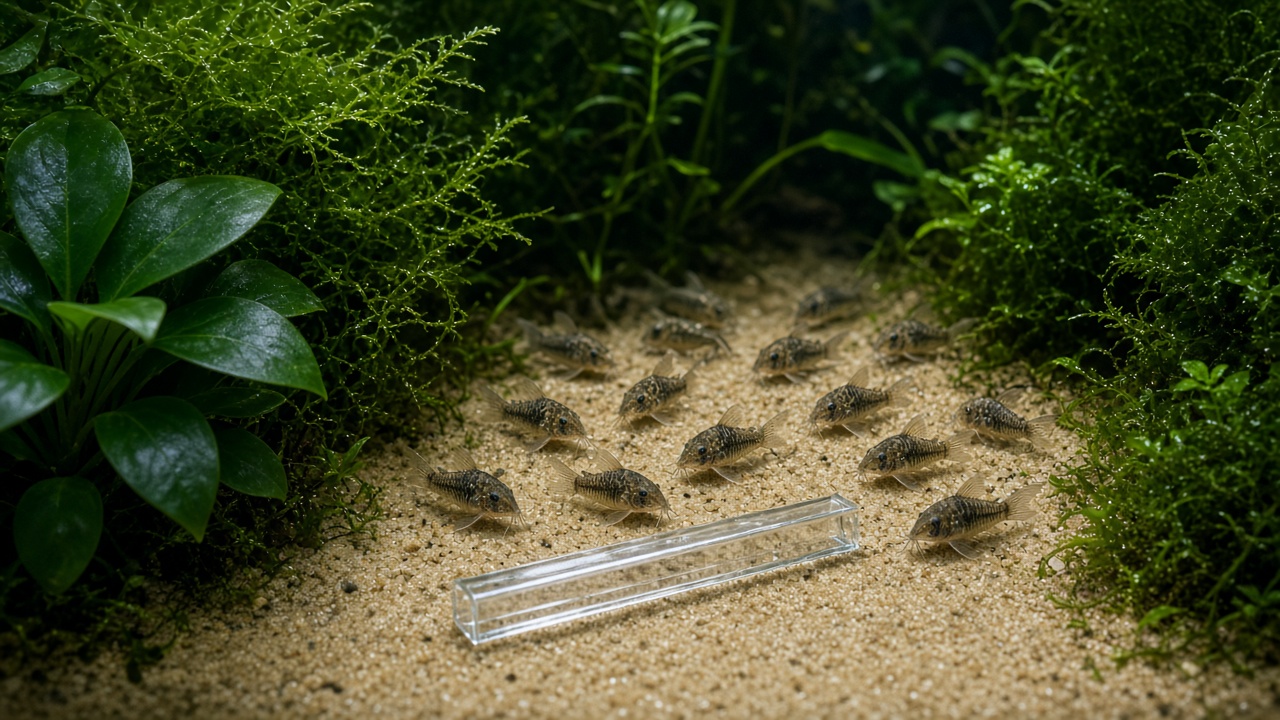
Quick answer: Most Corydoras reach about 1 to 3 inches as adults, depending on species. Pygmies stay near 1 inch. Bronze and emerald types run larger. Match tank size to the species you buy.
Most corys finish between 1 and 3 inches; check the species.
We compared published care data on popular Corydoras sizes for home aquariums. Our research team analyzed standard lengths from species databases and hobby care guides for dwarf, standard, and large forms. Owners consistently report undersized tanks when they treat every “cory” as a one-inch fish.
Comparing published specs shows wide spread by species. Bronze Corydoras reach about 7.5 cm SL in database maxima. Sterba’s sit near about 6.8 cm SL. Peppered fish reach about 6.6 to 7.1 cm SL. Pandas reach about 3.8 cm SL. Pygmies reach about 2.1 cm SL. Emerald forms listed with Brochis splendens reach about 9.9 cm SL. Care guides often summarize the hobby range as about 1 to 3 inches. Groups of six or more of one species remain the social floor in widely cited notes.
Include size-by-species tables, tank footprints, and growth expectations. Leave out “corys stay nano forever” stocking myths. Skip medication protocols that belong with a veterinarian.
Size bands: dwarf, standard, and large cory types
Sorting by size band prevents stocking mistakes.
Dwarf species such as Corydoras pygmaeus stay near about 2.1 cm SL, roughly under 1 inch. Panda corys reach about 3.8 cm SL, often near 1.5 inches in the tank. Standard community species such as bronze, peppered, and Sterba’s commonly finish near about 2.5 to 3 inches. Emerald splendens types push toward about 4 inches with a database max near 9.9 cm SL. Albino bronze fish match bronze size, not a smaller dwarf class.
Band overview:
- Dwarf: about 0.8 to 1.2 inches (pygmy and close allies)
- Small: about 1.5 to 2 inches (panda and similar)
- Standard: about 2.5 to 3 inches (bronze, peppered, Sterba’s)
- Large: about 3.5 to 4 inches (emerald splendens types)
- Always verify the Latin name on the bag
Owners consistently report surprise when “small corys” hit three inches. Our research team analyzed size bands across trade favorites. Comparing published specs starts with species, not the word cory alone.
Published sizes for the species you actually buy
Use database maxima as ceilings, then plan tank space.
Bronze Corydoras (often listed as Corydoras aeneus) reach about 7.5 cm SL. Sterba’s Corydoras reach about 6.8 cm SL. Peppered Corydoras reach about 6.6 cm SL for males or unsexed fish and about 7.1 cm SL for females. Panda Corydoras reach about 3.8 cm SL. Pygmy Corydoras reach about 2.1 cm SL. Emerald catfish listed as Brochis splendens reach about 9.9 cm SL. Julii and similar spotted forms often sit near about 2 to 2.5 inches in hobby notes.
Species size board:
| Species (common / trade) | Published max cue | Hobby look |
|---|---|---|
| Pygmy (C. pygmaeus) | About 2.1 cm SL | Under ~1 inch |
| Panda (C. panda) | About 3.8 cm SL | About 1.5 inches |
| Sterba’s (C. sterbai) | About 6.8 cm SL | About 2.5–3 inches |
| Peppered (C. paleatus) | About 6.6–7.1 cm SL | About 2.5–3 inches |
| Bronze (C. aeneus) | About 7.5 cm SL | About 2.5–3 inches |
| Emerald (B. splendens) | About 9.9 cm SL | About 3.5–4 inches |
Owners consistently report better shopping with this board in hand. Our research team analyzed maxima against shop labels. Comparing published specs beats guessing from a photo of juveniles.
Tank size scales with adult length and group size
Footprint matters because corys patrol the bottom as a school.
Care guides often allow about 10 gallons for true dwarf groups and recommend about 20 gallons or more for most standard species. Keep at least six of the same species so they shoal with confidence. Larger emerald types need more floor than a short nano. Sand or smooth fine gravel protects barbels while they dig. Tall columns without floor area waste gallons for bottom fish.
Housing cues:
- Dwarfs: often about 10+ gallons for a proper group
- Standard species: about 20+ gallons as a common floor
- Emerald types: think 30+ gallons of floor space
- Six or more of one species, not six mixed singles
- Open sand lanes between plants and wood
Owners consistently report shy singles that never act like healthy corys. Our research team analyzed group and volume notes. Comparing published specs ties gallons to adult length and headcount.
Growth pace and when they look “full size”
Most species reach adult length within about a year under good care.
Fry start tiny and need fine foods. Juveniles in shops are often half adult length or less. Females usually look rounder and slightly larger than males at maturity. Growth stalls in dirty water, sharp gravel that shreds barbels, or tanks where midwater fish steal every meal. Stable temperatures within each species’ band support steady gains. Sterba’s often handle warmer water than peppered or panda lines.
Growth checklist:
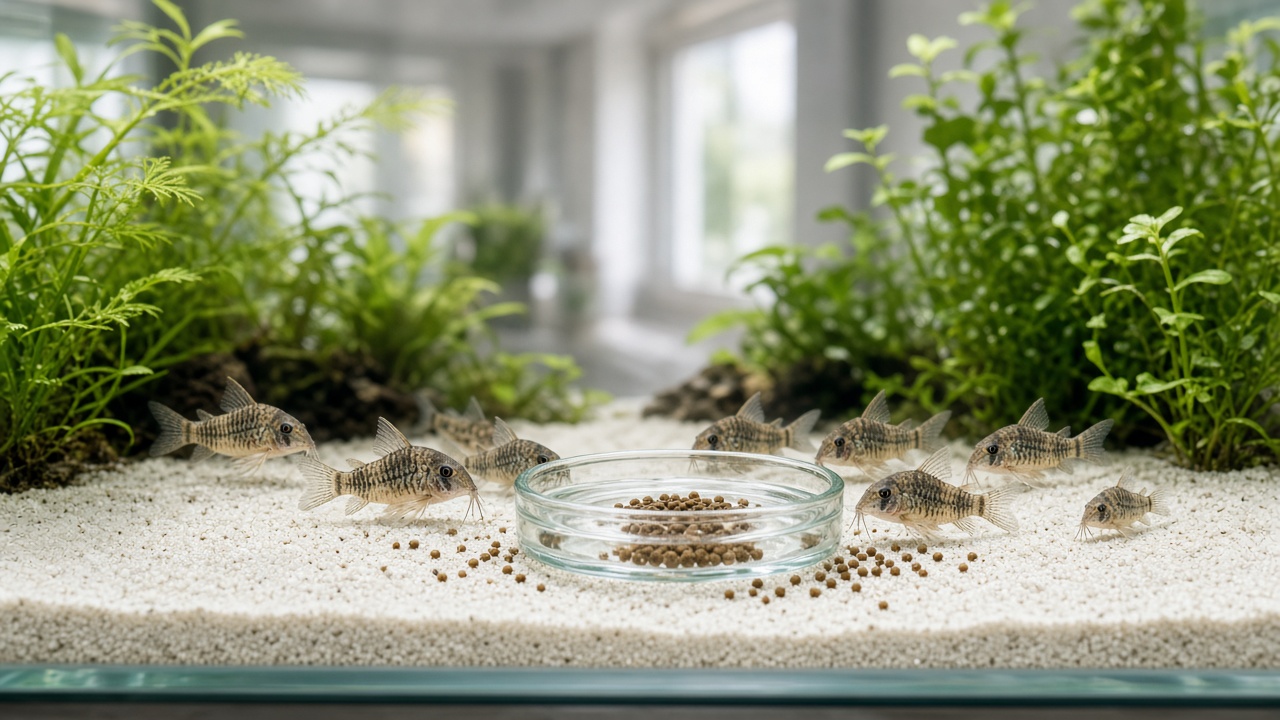
- Feed sinking foods aimed at the sand
- Keep groups large enough to compete as a team
- Hold ammonia and nitrite at 0 ppm
- Expect adult look near the first year for many species
- Watch female depth as a maturity cue
Owners consistently report thin corys when they are treated only as clean-up crew. Our research team analyzed feeding notes tied to size. Comparing published specs requires dedicated sinking meals.
Temperature and species size are not the same question
Warm-tolerant Sterba’s still finish near standard size.
Peppered and julii types often prefer the cooler end near about 72°F. Sterba’s can live warmer, which helps in angel or discus community heat. Panda lines often like slightly cooler water than bronze. Size targets do not change because the heater is higher; comfort does. Match temperature to species before you mix a cool dwarf with a hot community.
Temp cues by type:
- Peppered and many standards: often about 72°F to 78°F
- Sterba’s: often comfortable warmer toward the low 80s °F
- Panda: often prefers the cooler side of tropical
- Bronze: broad beginner tolerance in many notes
- Always confirm the species before heating for angels
Owners consistently report stress when cool species sit in hot tanks. Our research team analyzed temperature bands beside size data. Comparing published specs keeps chemistry and length on separate checklists.
How size changes tank mates and predation risk
Adult angels and large cichlids eat what ignored baby corys.
Standard adult corys near 2.5 to 3 inches are usually safe beside angels that ignore armored bottoms. Pygmies near 1 inch are risky with big mouths. Goldfish and large predators remain a poor match regardless of cory size. Peaceful tetras, rasboras, and gouramis share space well when water matches. Quarantine new fish so size gains are not paused by disease.
Mate rules by size:
- Pygmies: nano-safe communities only
- Pandas: small to medium peaceful tanks
- Bronze and Sterba’s: classic community bottoms
- Emerald types: roomier tanks with calm neighbors
- Never mix with fish that can swallow the adult length
Owners consistently report pygmy losses in angel tanks. Our research team analyzed size-linked predation notes. Comparing published specs plans mates for finished length.
Quick planner: pick species by the adult you want
Choose the finished fish, then the tank, then the group.
Want a nano school? Pick pygmies and build about 10 or more fish in a planted footprint. Want classic community helpers? Bronze, peppered, or Sterba’s near 3 inches fit about 20-gallon floors. Want a larger armored centerpiece school? Emerald splendens types need more sand real estate. Mixed “one of each” groups look busy but stress fish that want same-species shoals. Buy for adult size printed in database notes, not for the cute juvenile in the bag.
Planner board:
| Goal | Species cue | Adult size cue | Tank cue |
|---|---|---|---|
| Nano school | Pygmy | About 2.1 cm SL | About 10+ gal, large group |
| Cute small | Panda | About 3.8 cm SL | About 15–20+ gal |
| Standard community | Bronze / Sterba’s / peppered | About 6.8–7.5 cm SL | About 20+ gal |
| Larger armored | Emerald splendens | About 9.9 cm SL | About 30+ gal floor |
IUCN lists some related forms as Least Concern where assessed, but status does not shrink adult length. Plan space for the living fish you keep. Ask a veterinarian if growth stops with clear illness signs.
Owners consistently report happier tanks when the planner matches the bag. Our research team analyzed size-first stocking. Comparing published specs ends “they stay tiny” myths.
Log adult lengths when you buy so future stocking stays honest. A three-inch bronze school needs different sand real estate than a one-inch pygmy cloud. Owners consistently report fewer rehomes after they write sizes down. Our research team analyzed size-first shopping habits. Comparing published specs keeps every new bag on plan.
FAQ
How big do Corydoras get on average?
Most hobby species finish between about 1 and 3 inches, depending on which Corydoras you buy. Dwarfs stay near 1 inch, while bronze and peppered types often finish near 2.5 to 3 inches. Emerald splendens types can approach about 4 inches in longer tanks. Always check the species name before you size the footprint.
How big do pygmy Corydoras get?
Pygmy Corydoras are recorded near about 2.1 cm SL, under about 1 inch as adults. They often swim midwater more than larger sand-sifting corys in the same genus group. Keep large groups in planted tanks with gentle neighbors and fine foods. They are poor matches for fish with mouths that can swallow a one-inch adult.
How big do bronze and Sterba’s Corydoras get?
Bronze types reach about 7.5 cm SL in database notes used by keepers. Sterba’s reach about 6.8 cm SL on the same class of records. In the tank that usually looks near 2.5 to 3 inches when well fed. Both need groups of six or more and dedicated sinking foods to hit that size cleanly.
How big of a tank do Corydoras need?
True dwarfs may use about 10 gallons when the group is large and the footprint is open. Most standard species do better in about 20 gallons or more with sand lanes. Larger emerald types need still more floor for a school. Length and open substrate matter more than tall empty water for these bottom fish.
Do female Corydoras get bigger than males?
Females often look rounder and slightly larger at maturity when carrying eggs. Males stay slimmer along the body profile in side view. Size differences help with breeding plans more than they change daily water targets. Still choose tank volume for the largest adults you expect in the finished group.
How long until Corydoras reach full size?
Many species look adult within about a year with good food, clean water, and a proper group. Dirty tanks and stolen meals slow growth and leave thin fish on the sand. Shop juveniles are often well under adult length when you buy them. Track belly condition and length monthly if you are raising fry at home.
Are emerald corys the same size as bronze corys?
No. Emerald forms tied to Brochis splendens reach about 9.9 cm SL in database maxima. Bronze types stop nearer about 7.5 cm SL under the same kind of records. Emerald schools need more floor space than bronze groups of the same count. Do not stock them like nano dwarfs in a ten-gallon box.
This guide is informational only and does not replace advice from a qualified veterinarian.