Quick answer: Corydoras are peaceful South American catfish about 1–3 inches as adults. Keep six or more of one species on soft sand. Match temperature: pandas and peppered prefer cooler water; sterbai handle warmer tanks near discus heat.
Compare cory types by adult size and temperature band, not bag labels alone.
We compared published care data and maker specifications to write this page. Our research team analyzed adult lengths, temperature bands, and school floors across popular Corydoras types. Owners consistently report healthier barbels and bolder schooling when sand, groups, and sinking foods match the species.
Comparing published specs shows “julii” in stores is often the false julii lookalike. Panda stays small for nanos. Sterbai tolerates warmer water than peppered or many cool-leaning types. This page compares common types so you stock one honest school.
Include a species attribute table, temperature matches, substrate rules, schooling floors, diet cues, and tank-mate filters. Leave out rare wild import checklists and hybrid breeding plans. Skip veterinary treatment protocols for sick fish.
How to read cory types before you buy
Adult size and temperature decide the tank more than pattern photos.
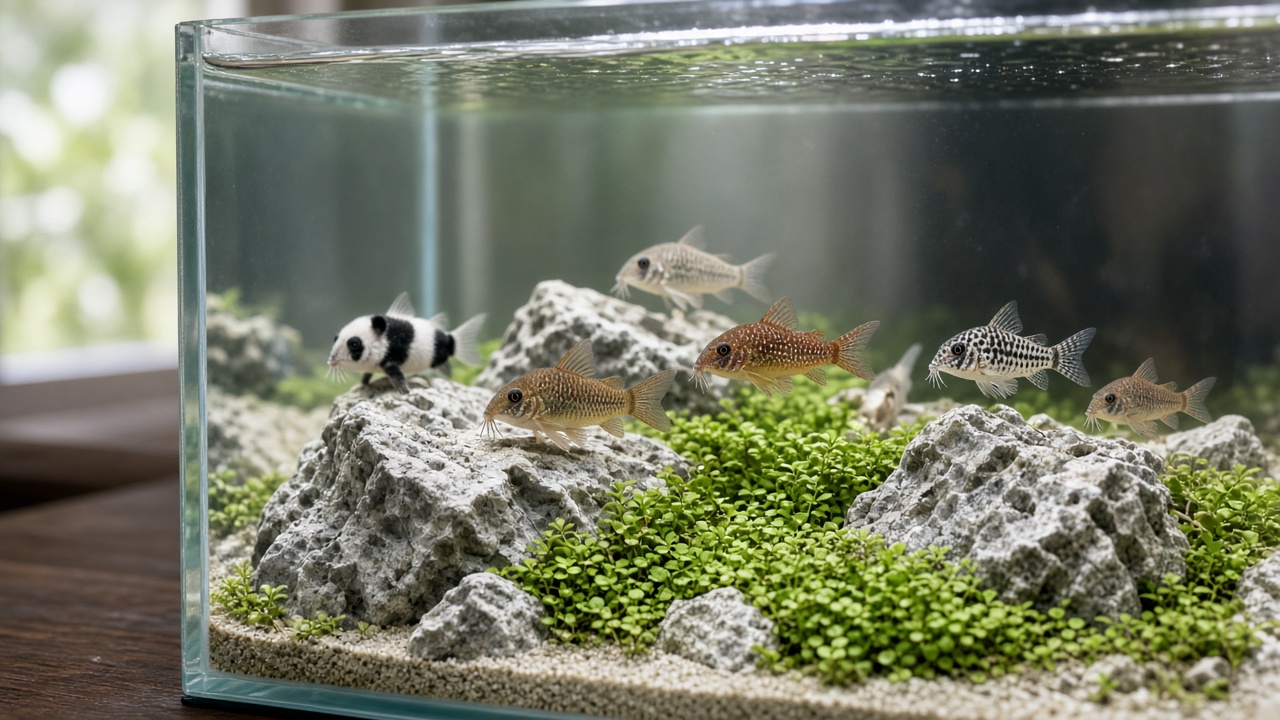
Most common corys reach about 2–3 inches; dwarfs stay near 1 inch. Groups of six or more of the same species show natural schooling. Soft sand protects barbels used to find food. Comparing published specs for community catfish puts substrate and school size ahead of décor color. Confirm the scientific name on the bag when stores use loose common names.
Shopping filter:
- Same-species group of 6+ whenever possible
- Soft sand or smooth rounded gravel only
- Match heater setting to the species band
- Plan sinking foods, not leftover flakes alone
- Long footprints beat tall nano towers for active diggers
Our research team analyzed care notes that treat mixed “cory assortments” as stressful. Owners consistently report shyer fish when only one or two share a tank. Buy the adult plan first. Measure tank length so a school of six adults can turn without crowding filters.
Species attribute comparison table
Use adult size and temperature before you mix lines.
| Species / type | Adult size cue | Temperature cue | Tank cue | Notes |
|---|---|---|---|---|
| Corydoras panda (panda) | About 1.5–2 in | About 68–76°F | 10–20+ gal school | Small; cooler bias |
| Corydoras aeneus (bronze/albino) | About 2.5–3 in | About 72–78°F | 20+ gal school | Hardy beginner staple |
| Corydoras paleatus (peppered) | About 2.5–3 in | About 68–75°F | 20+ gal school | Cool-water friendly |
| Corydoras sterbai (sterbai) | About 2.5 in | About 77–84°F | Warm community | Warmer; discus-tolerant |
| Corydoras trilineatus (false julii) | About 2–2.5 in | About 70–78°F | 20+ gal school | Common “julii” lookalike |
| Corydoras pygmaeus (pygmy) | About 1 in | About 72–78°F | 10+ gal; 8–12 fish | Midwater hover dwarf |
Skip rank and price columns. Do not mix cool-leaning peppered with hot sterbai targets in one heater plan. Our research team analyzed published size and temperature bands for these six types. Owners consistently report better results when one band rules the thermostat.
Cool-water favorites: panda and peppered
Cooler rooms and modest heaters suit these classic patterns.
Panda corys stay near 1.5–2 inches and often thrive about 68–76°F. Peppered adults near 2.5–3 inches also lean cool, often about 68–75°F. Both want soft sand and sinking meaty foods. Comparing published specs places them away from discus-level heat. A 20 gallon long with six or more fish shows better schooling than a sparse nano pair.
Cool-type cues:
- Panda: small body; strong head and tail patches
- Peppered: mottled dark-on-light flanks
- Prefer cooler community tetras and rasboras
- Avoid chronic mid-80s °F targets
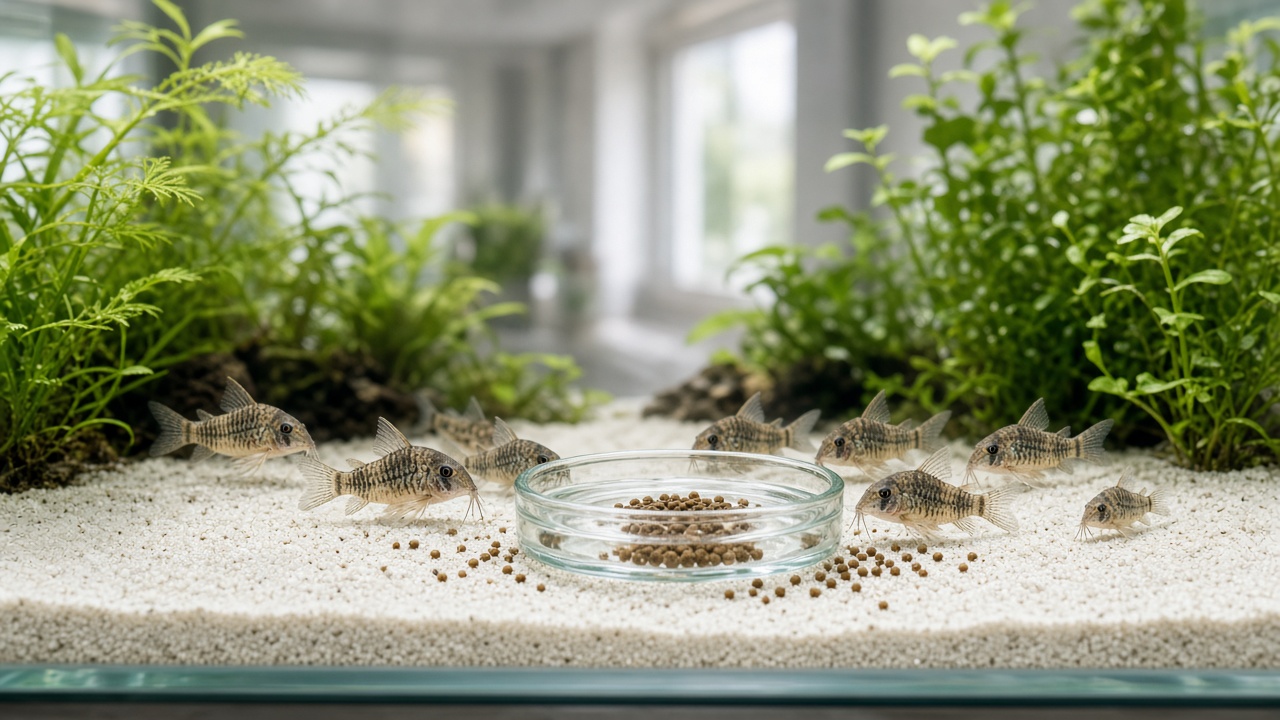
- Feed worms and sinking wafers on the sand
Owners consistently report faded vigor when cool types live in hot African cichlid heat. Our research team analyzed temperature notes that separate these fish from sterbai. Match room climate before you buy a heater wattage. A cool basement may need less heat than a warm upstairs office.
Warm-water standout: sterbai
Sterbai is the common cory that shares warmer tanks more comfortably.
Adults near 2.5 inches show spotted bodies and often orange-tinted fins. Published hobby ranges often sit about 77–84°F, warmer than panda or peppered. That band overlaps many discus and ram setups when water stays pristine. Still keep a school of six or more and soft sand. Comparing published specs does not make sterbai immune to ammonia spikes.
Warm-type cues:
- Spots plus warmer comfort band
- Good community manners with peaceful midwater fish
- Needs sinking foods that reach the sand
- Pristine water matters more as temperature rises
- Do not stock as a lone “cleanup” fish
Owners consistently report sterbai breeding in warm planted tanks with rich foods. Our research team analyzed community notes that pair them with calm warm-water neighbors. Skip cool-only roommates that prefer the upper 60s °F. Write the target temperature on the stand so helpers do not “nudge” the dial.
Bronze, albino, and false julii workhorses
These store staples build confidence when schooling and sand are right.
Bronze and albino forms of C. aeneus reach about 2.5–3 inches and handle many community bands near 72–78°F. False julii (C. trilineatus) carries squiggles and a side stripe; true C. julii is rarer in trade. Both want groups of six or more. Comparing published specs for aeneus lists maximum lengths near 7.5 cm standard length in database summaries. Feed the sand so fast surface fish do not steal every bite.
Workhorse cues:
- Albino aeneus: pink-white; same care as bronze
- False julii: reticulated pattern; confirm label honesty
- Community peaceful; avoid large mouth tank mates
- Minimum often near a 20 gallon footprint for full schools
- Barbels need sand, not sharp gravel
Our research team analyzed labeling notes that warn about julii misnames. Owners consistently report happier schools when six matching fish share one type. Buy one species per tank when hybridization worries you. Separate warm and cool types if you keep multiple tanks in one room.
Dwarf corys for planted nanos
Pygmy and similar dwarfs hover midwater and stay near 1 inch.
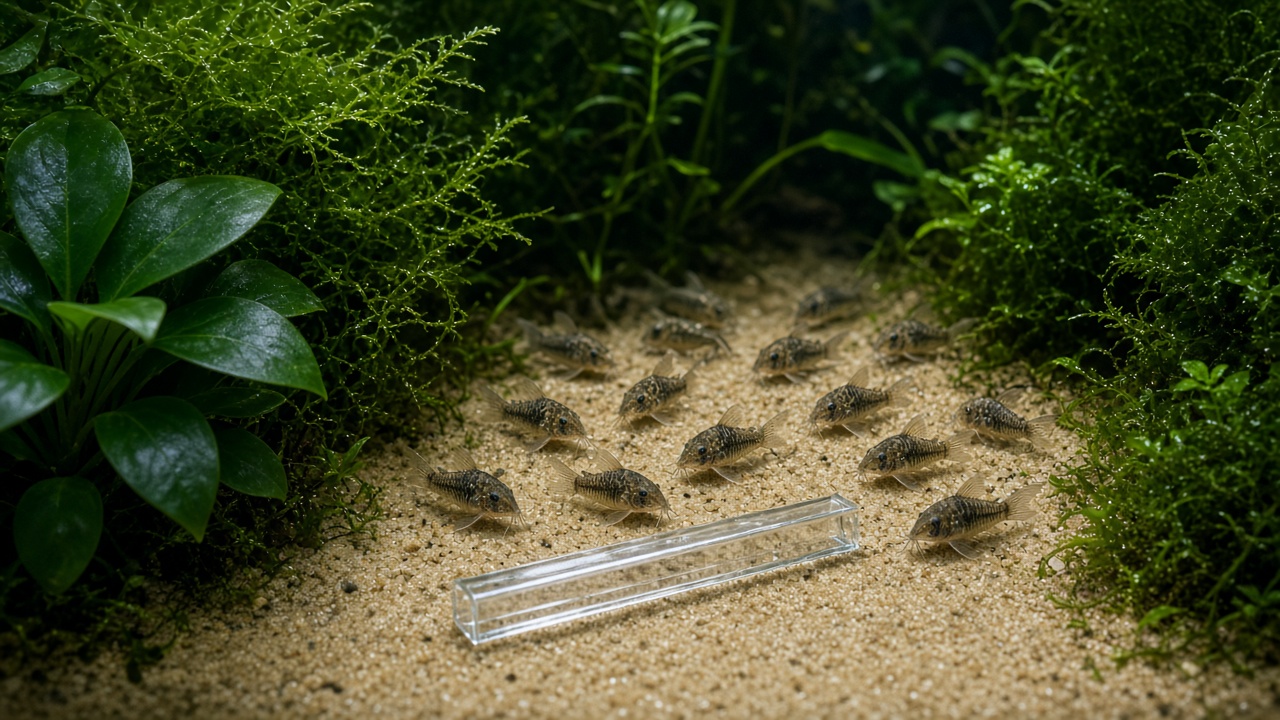
C. pygmaeus near 1 inch likes plants, gentle flow, and groups of about 8–12 in 10 gallons or more. They take tiny sinking foods, frozen cyclops, and soft gels. Habrosus and other dwarfs follow similar nano rules with slightly different patterns. Comparing published specs for dwarfs stresses cover and school size for confidence. Do not house them with fish large enough to swallow a 1 inch catfish.
Dwarf cues:
- Adult size near 1–1.5 inches depending on type
- Midwater hovering is normal for pygmies
- Dense plants reduce shyness
- Nano pellets and baby brine shrimp fit tiny mouths
- Skip goldfish and big cichlid roommates
Owners consistently report invisible dwarfs until school size rises. Our research team analyzed nano notes that start at 10 gallons for meaningful groups. Tiny does not mean a 2 gallon bowl. Stable 10 gallon planted setups with real schools outshine lonely nano bowls.
Substrate, diet, and tank mates that protect them
Sand, sinking food, and peaceful mouths keep corys thriving.
Sharp gravel shreds barbels and invites infection risk. Offer sinking wafers, gels, and frozen worms after midwater fish start eating. Keep ammonia and nitrite at 0 ppm; these catfish show stress quickly in dirty beds. Avoid salt-heavy disease cures that harm many catfish. Comparing published specs for community stocking keeps large goldfish and aggressive cichlids off the list.
Care pillars:
- Soft sand depth they can sift
- School of 6+ same species
- Sinking diet on a schedule
- Gentle filter intakes with guards
- Peaceful tetras, rasboras, and shrimp as common neighbors
Owners consistently report round bellies when dedicated sinking feeds hit the sand. Our research team analyzed diet notes that reject “leftovers only” myths. Healthy corys are fed, not just scavengers. Schedule a sinking course after lights-on so you can watch them eat.
Choose one temperature band, one soft substrate, and one species school. Comparing published specs across types always returns to those three pillars. Owners consistently report fewer losses when the shopping list matches the table, not a random mixed bag.
FAQ
How many Corydoras should I keep together?
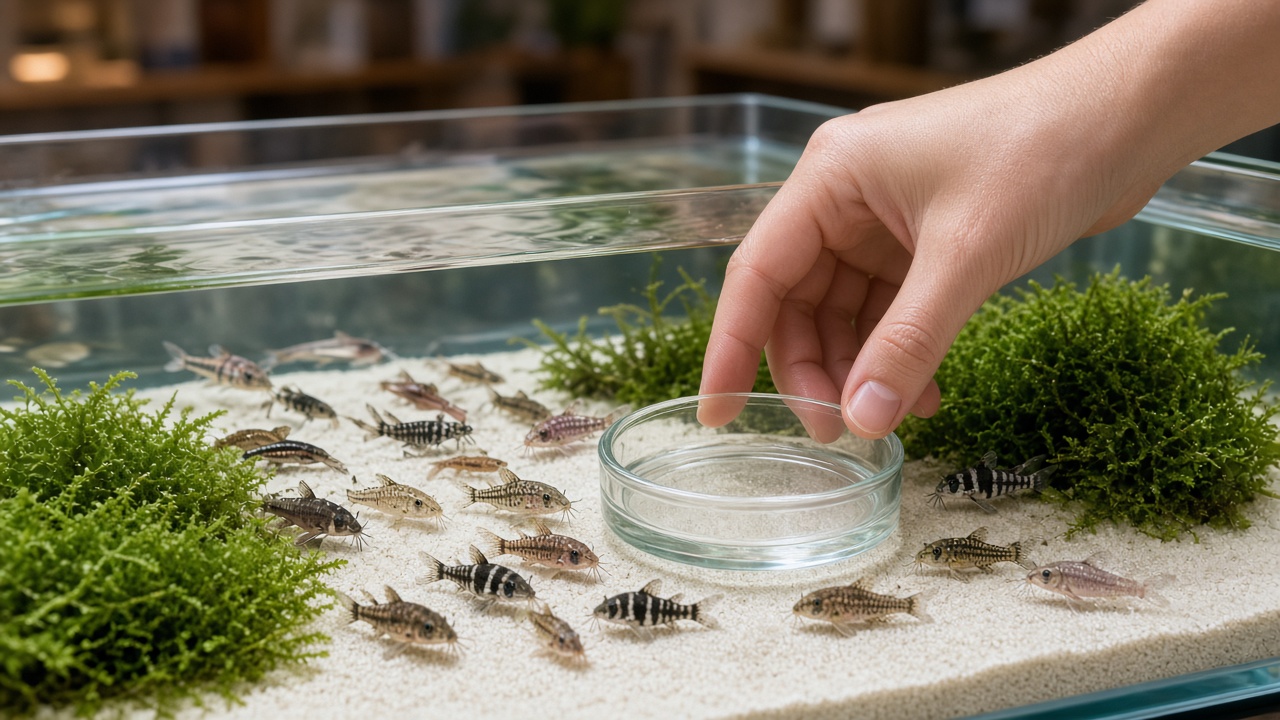
Plan at least six of the same species for confident schooling. Dwarfs often look best at eight to twelve in planted nanos. Mixed assortments of one each rarely school well. More matching fish usually means more daytime activity. Size the tank for the adult school, not a pair of juveniles.
What is the difference between julii and false julii?
True Corydoras julii is uncommon in many stores. Fish sold as julii are often C. trilineatus, the false julii or three-line type. Patterns differ in spot versus reticulation details on the head. Care needs are similar for peaceful schools on sand. Ask for the scientific name when labels look vague.
Which cory is best for a discus tank?
Sterbai is the usual warm-water choice near about 77–84°F. Peppered and panda prefer cooler bands and may decline in hot discus heat. Still keep a full sterbai school and pristine water. Soft sand and sinking foods remain required. Confirm every tank mate shares that warm plan.
Do Corydoras need sand?
Soft sand is strongly preferred to protect barbels while they sift. Smooth rounded gravel is a second choice if sand is impossible. Sharp angular gravel is a common cause of barbel damage. Deep dirty beds also stress fish even on soft sand. Vacuum gently so you do not remove all food microfauna at once.
How big do common cory species get?
Pandas often stay near 1.5–2 inches. Bronze and peppered adults often reach about 2.5–3 inches. Pygmies stay near 1 inch. Database summaries list C. aeneus near 7.5 cm standard length as a maximum adult cue. Always plan furniture and filtration for adults, not bag juveniles.
Can I mix different Corydoras species?
Peaceful types can share a large tank, yet they prefer same-species schools. Mixing may reduce tight schooling and risks hybridization in some lineages. Keep each type in six or more when space allows. Match temperature bands so cool and warm specialists are not forced together. One strong school beats three lonely pairs.
What should I feed Corydoras daily?
Offer sinking wafers, pellets, or gels that reach the sand every day. Add frozen bloodworms, blackworms, or similar treats several times weekly. Midwater fish often eat floating flakes before corys see them. Watch for round bellies after feeding. Fast surface feeders need a separate sinking course for the bottom.
This guide is informational only and does not replace advice from a qualified veterinarian.