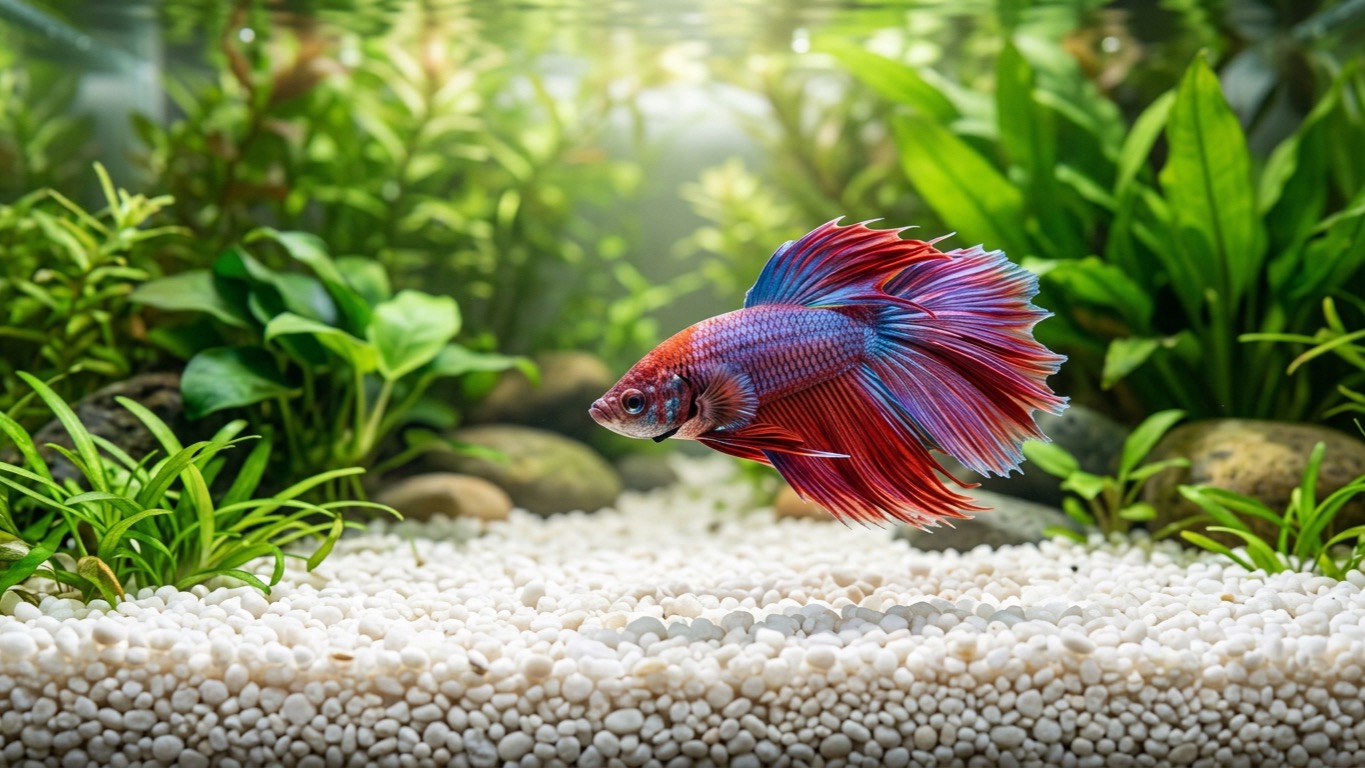
Quick answer: Many bettas will eat shrimp small enough to fit in their mouths. Success depends on temperament, shrimp size, cover, and tank volume. Larger Amano shrimp and dense moss raise odds, yet predation risk never hits zero.
Expect individual hunting risk; plant cover and shrimp size tip the odds.
We compared published care data and hobby compatibility notes to write this page. Our research team analyzed betta temperature bands, shrimp adult sizes, planting cover, and introduction order. Owners consistently report mixed results: some bettas ignore adults, while others hunt cherry shrimp on sight.
Comparing published specs shows bettas thrive near about 76–85°F with calm water and a secure lid. Cherry shrimp adults often stay near about 1–1.5 inches. Amano shrimp commonly reach about 1.5–2 inches, or about 4–5 cm. This page covers risk, species picks, planting, tank size, feeding, and exit plans.
Include temperament checks, shrimp size and colony strategy, moss-heavy cover, 10 gallon-plus footprints, staged introductions, and split feeding. Leave out medication recipes and commercial shrimp-breeding racks. Skip veterinary treatment protocols for injured livestock.
Temperament decides more than any species label
Individual hunting drive beats generic “shrimp-safe” marketing.
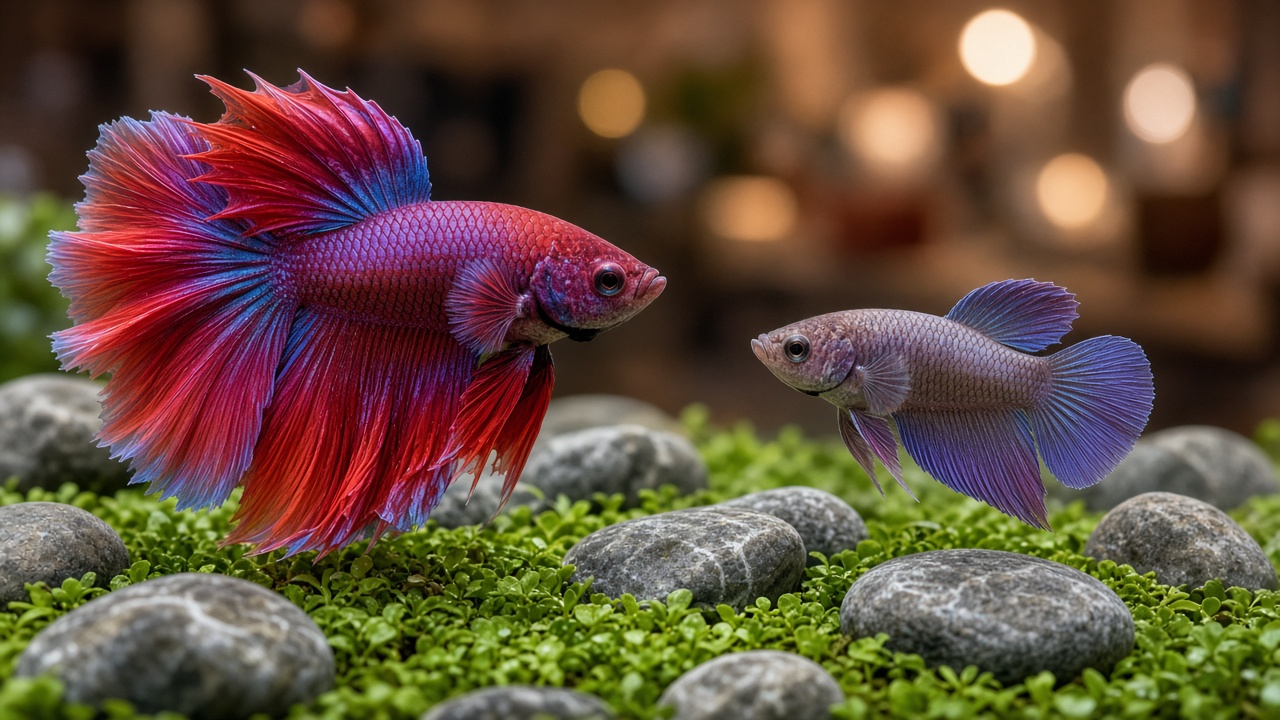
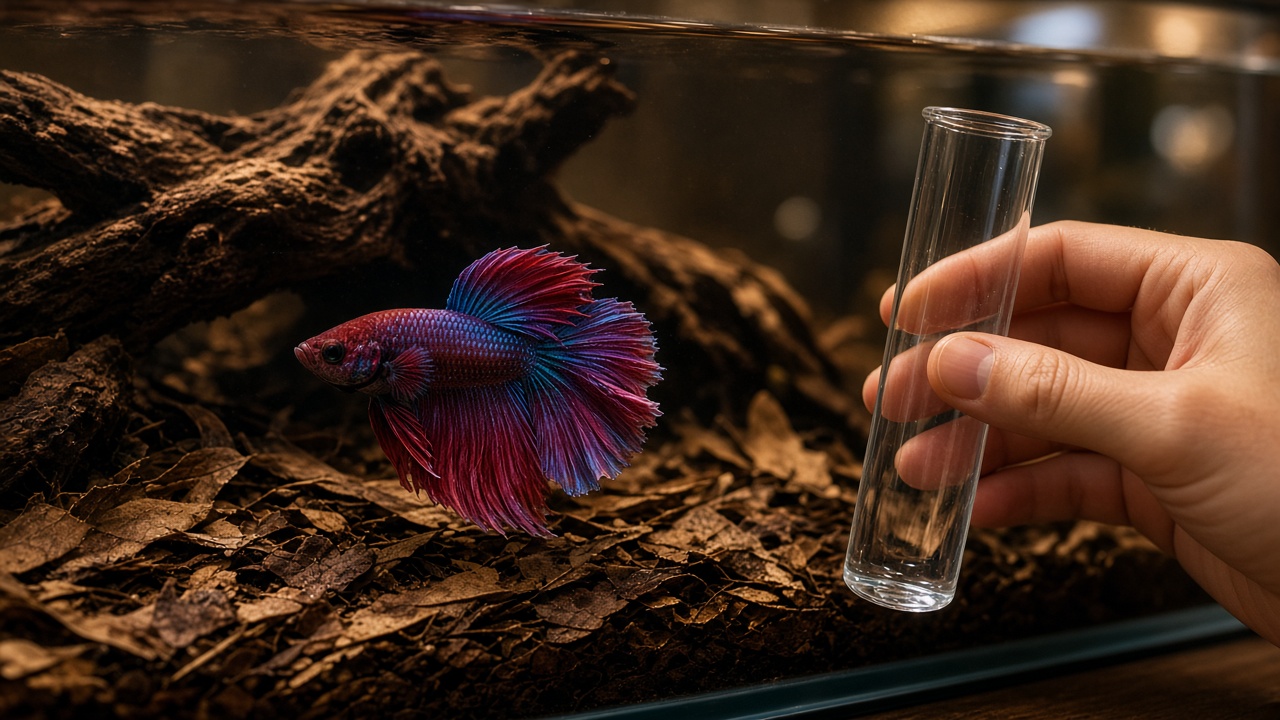
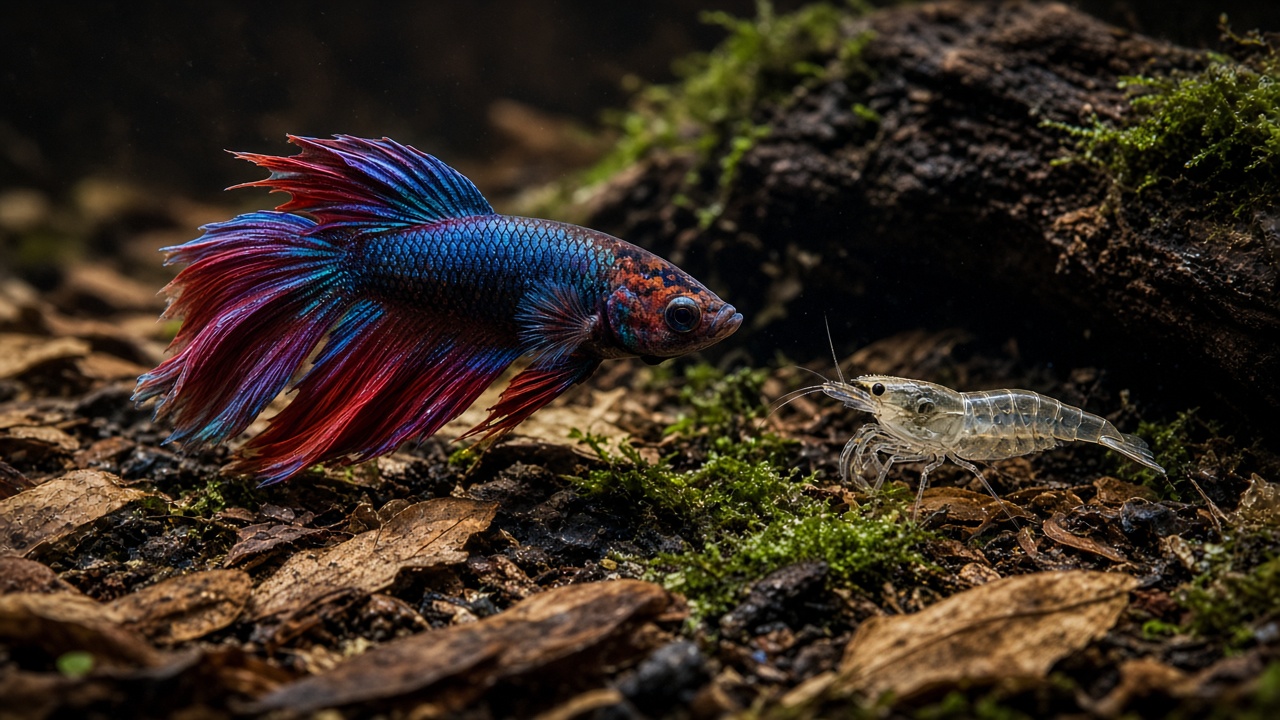
Some male bettas ignore adult shrimp for months. Others flare, chase, and eat cherries within hours. Nearly all bettas can take shrimplets that fit in the mouth. You cannot read that outcome from color morph alone. Watch the fish for a few days in its own tank before you spend on a full colony.
Temperament cues:
- Calm floating and slow patrols are better signs than constant glass flaring
- Prior fin-nipping of fish mates raises shrimp risk
- Hungry, underfed bettas hunt harder during the first week
- Young, active males often chase more than older, sedentary fish
- One failed shrimp trial means keep a shrimp-only backup ready
Owners consistently report sudden colony collapse after weeks of peace. Our research team analyzed notes that treat bettas as an individual risk, not a guaranteed pairing. Comparing published specs never erases mouth-size predation. Plan for failure as seriously as you plan for success.
Pick shrimp size and a honest colony strategy
Larger adults and breeding colonies survive better than lonely nano shrimp.
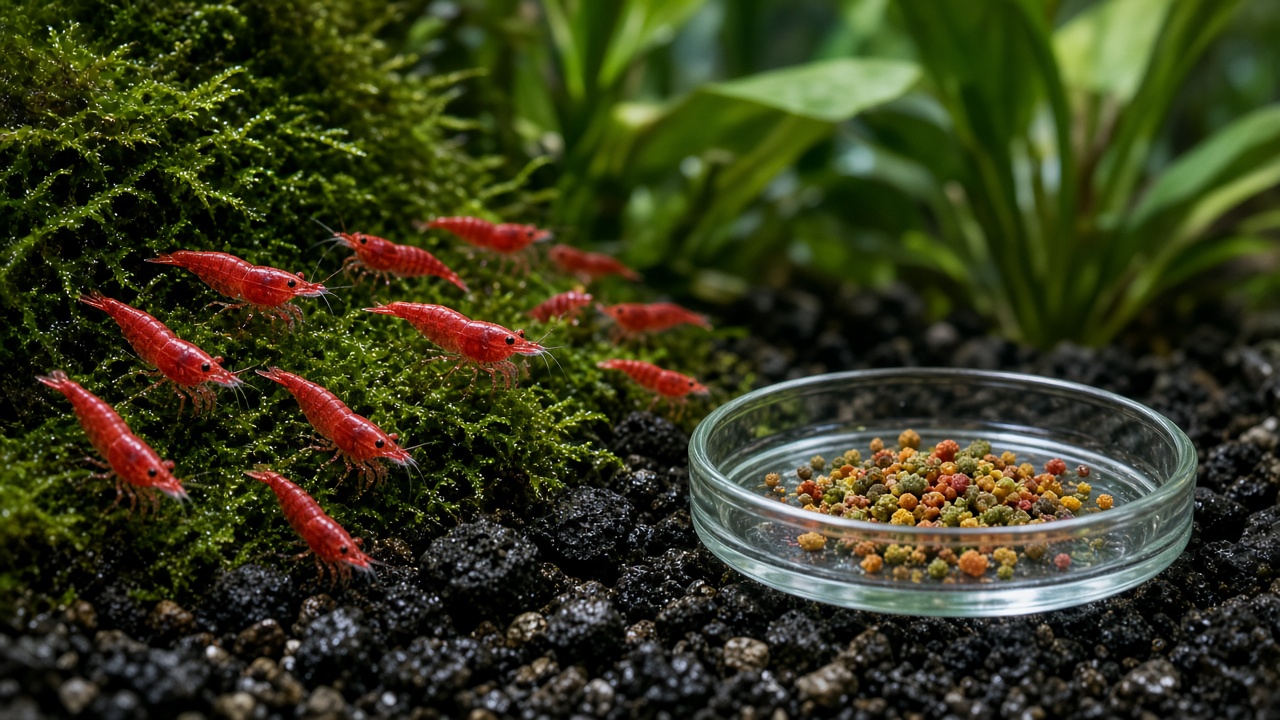
Amano shrimp (Caridina multidentata) adults near about 1.5–2 inches are the safer single choice for many tanks. Cherry shrimp (Neocaridina davidi) adults near about 1–1.5 inches look like prey to many bettas. A starter of two or three cherries often vanishes. A dense colony of about 15 or more can outpace moderate losses when moss hides fry. Ghost shrimp labels vary, so buy known stock only.
Species cues:
- Amano adults for algae work with lower snack risk
- Cherry colonies, not cherry pairs, if you want color
- Avoid lone shrimplets as “test food” for a bored fish
- Bamboo shrimp need mature flow and biofilm; they are not a beginner fix
- Never stock shrimp hoping the betta “learns manners” without cover
Owners consistently report Amano antenna nips without full kills more often than cherry wipeouts. Our research team analyzed size bands that put mouth gape first. Comparing published specs favors adults over juveniles at purchase. Buy large, active shrimp, not the tiniest bag bargain.
Build a heavily planted escape network first
Bare glass turns shrimp into moving targets.
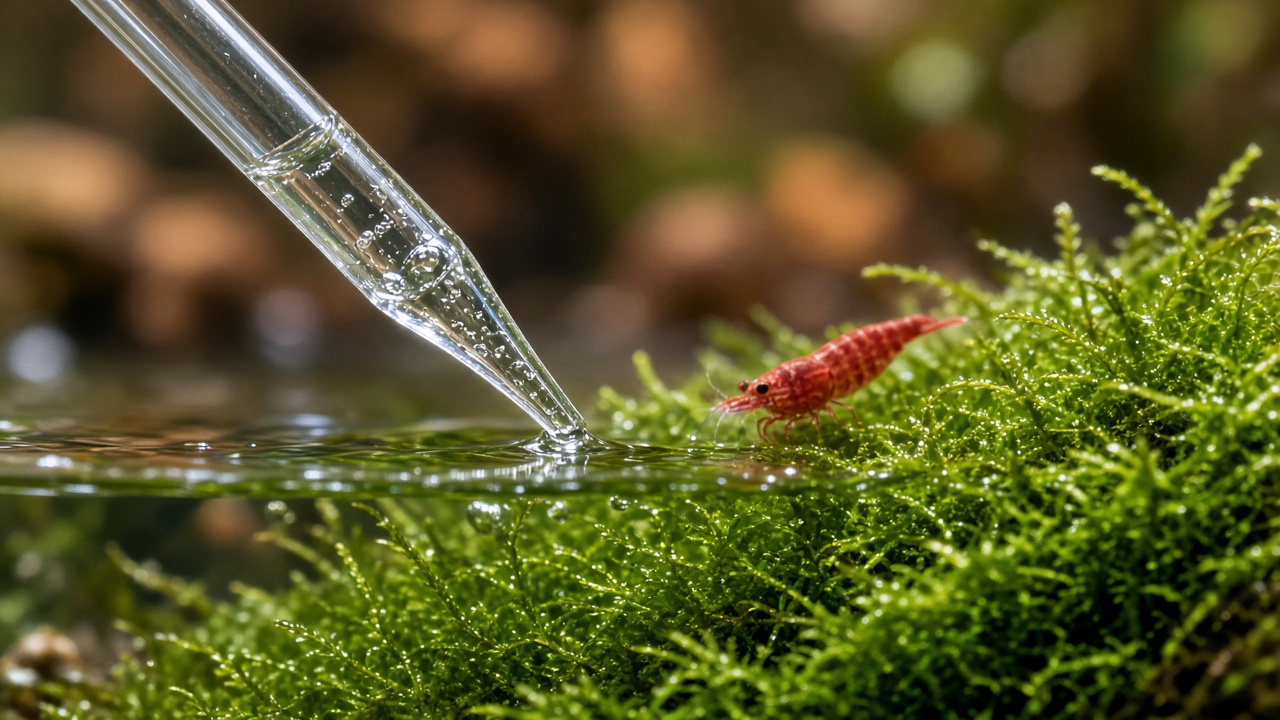
Java moss, Christmas moss, and fine-leaved stems create tunnels too tight for easy hunting. Leafy midground plants, caves, and leaf litter add molt shelters. Floating cover softens light and calms many bettas. Leave open lanes so the betta can rest near the surface without stalking every corner. Cover must exist before shrimp arrive, not after the first chase.
Cover cues:
- Thick moss mats along the back and wood
- Multiple caves sized for shrimp, not betta bedrooms only
- Soft silk or live plants that cannot shred long fins
- Dim floaters that still leave labyrinth breathing space
- Darker substrate that helps shrimp feel secure while foraging
Owners consistently report bare 5 gallon kits failing shrimp tests first. Our research team analyzed planting notes that put moss density ahead of décor plastic. Comparing published specs for betta housing still wants calm flow and a lid. Build the jungle, then add livestock.
Match tank size and calm tropical water for both
Shared chemistry only helps if volume and flow stay kind.
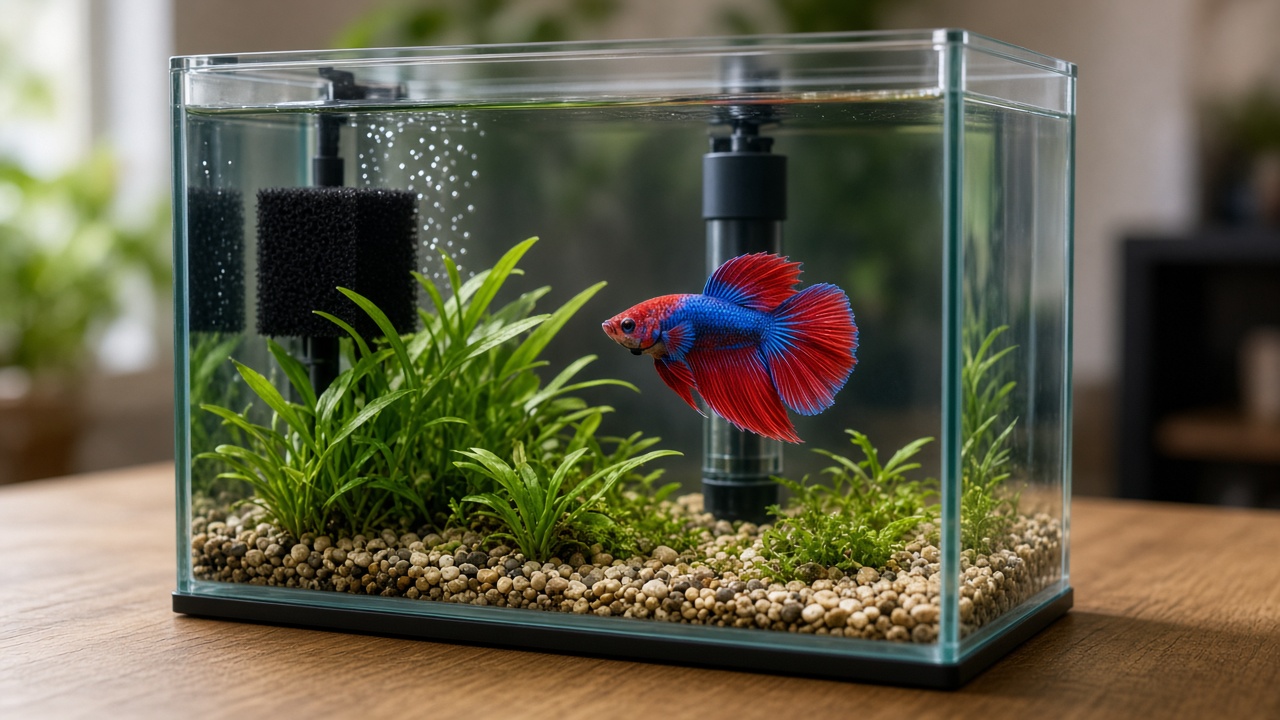
Hobby guidance for shrimp-with-betta setups commonly starts near 10 gallons or larger. A 5 gallon heated tank may hold one betta alone more safely than a mixed crew. Published betta care lists about 76–85°F, with many keepers targeting the mid-to-upper 70s. Calm filtration suits long fins and shrimp alike. Aim pH near about 6.8–7.5 for many betta guides, which overlaps common Neocaridina ranges when parameters stay stable.
Tank and water cues:
- About 10 gallons or more for mixed attempts
- Stable heat with a thermometer you can read daily
- Gentle filter flow or a baffled outlet
- 0 ppm ammonia and nitrite always
- Conditioned water changes on a fixed weekly rhythm
Owners consistently report stress spikes after cold nights or blast current. Our research team analyzed overlapping temperature bands near about 70–80°F for many shrimp notes versus warmer betta targets. Comparing published specs favors the betta warmth band when both share water. Keep shrimp species that tolerate that warmth.
Stage introductions and watch the first forty-eight hours
Order and observation beat hopeful stocking dumps.
Establish shrimp first when you can, then add the betta after the colony looks settled. If the betta already owns the tank, rearrange décor so territories reset, then add larger shrimp during lights-dim hours. Watch feeding, resting, and chase bursts closely for two days. Torn legs, missing shrimp, or constant corner pinning means stop the experiment. Have a cycled hospital or shrimp tank ready before day one.
Introduction cues:
- Shrimp-first in new scapes when timing allows
- Décor shuffle before shrimp enter a betta’s claim
- Dim lights and a fed betta at add time
- Count shrimp morning and night for several days
- Remove survivors fast if hunting starts
Owners consistently report the first two days revealing true intent. Our research team analyzed staged stocking notes used across community shrimp guides. Comparing published specs cannot predict your male’s mood. Observation is the real test kit.
Feed so shrimp eat without baiting the hunt
Surface meals for the betta; sinking bits in cover for shrimp.
Feed quality betta pellets or frozen treats the fish clears in under about two minutes. While the betta eats at the surface, place shrimp pellets or blanched veg among moss with tweezers. Uneaten protein fouls water and draws the betta downward. Amano shrimp graze algae and biofilm between meals. Do not starve the betta hoping hunger “trains” it off shrimp.
Feeding cues:
- One or two measured betta meals daily in filtered tanks
- Separate shrimp food dropped into plant thickets
- Remove leftovers within a few minutes
- Keep biofilm alive with a mature, planted bed
- Skip constant bloodworm dumps that amp chase energy
Owners consistently report calmer evenings when both parties get food on schedule. Our research team analyzed omnivore and carnivore diet notes for each animal. Comparing published specs keeps portions short to protect water. Hungry tanks hunt; dirty tanks crash.
Know when to separate and keep a backup plan
Coexistence is optional; livestock welfare is not.
If adults vanish weekly, move remaining shrimp out. Amano-only clean-up crews still fail with some hyper hunters. Cherry breeding goals belong in shrimp-only tanks when fry matter. Male bettas must never share with other male bettas. Community fish mates need their own temperament checks and more volume than a nano bowl.
Exit-plan cues:
- Pre-cycled shrimp tank or breeder box ready
- Accept algae control without shrimp if needed
- Do not restock the same hunter after a wipeout
- Prioritize the betta’s heat, lid, and calm filter either way
- Log dates and counts so patterns stay clear
Owners consistently report less guilt when separation was planned up front. Our research team analyzed compatibility notes that treat shrimp loss as predictable, not rare. Comparing published specs still puts cover and size first when you try. Stopping early saves money and animals.
FAQ
Will my betta definitely eat cherry shrimp?
Not every betta hunts adults, yet many will, and almost any betta can eat shrimplets. Temperament, cover, and shrimp size change the odds without removing risk. Treat cherry pairs as high risk and colonies as managed risk only in dense plants. Have a backup tank ready if chasing starts within the first days.
Are Amano shrimp safer with a betta?
Adult Amano shrimp near about 1.5–2 inches are usually safer than adult cherries near about 1 inch because they fit mouths less easily. Antenna nips can still happen, and juveniles remain vulnerable. They do not breed in freshwater, so losses are not replaced by fry. Dense moss and a 10 gallon-plus tank still matter.
What tank size works for betta and shrimp?
Many guides start mixed attempts near 10 gallons or larger so shrimp can flee and water stays stable. A heated, filtered 5 gallon suits one betta better than a crowded mixed nano. Longer footprints help more than tall cubes. Cycle the tank fully before either animal depends on it.
What temperature suits both animals?
Published betta care often lists about 76–85°F, while many shrimp guides cluster near about 70–80°F. Shared tanks usually follow the warmer betta band with a reliable heater and thermometer. Sudden swings stress both more than a mild set-point debate. Keep ammonia and nitrite at 0 ppm always.
Should I add shrimp or the betta first?
Shrimp-first lets a colony claim moss and caves before a hunter arrives. If the betta already lives there, rearrange décor, feed the fish, and add larger shrimp under dim light. Watch for two days without assuming peace equals forever. Remove shrimp at the first sustained hunting pattern.
Can I breed shrimp in a betta tank?
Breeding goals fit shrimp-only tanks better because bettas and most fish eat babies. A cherry colony may persist if moss hides enough fry, yet recruitment often stalls. Amano shrimp need brackish larval stages and will not replace themselves. Choose breeding or betta display, not both as a promise.
What plants help shrimp survive a betta?
Java moss, Christmas moss, fine stems, and floating cover create escape tunnels and molt sites. Soft plants also protect betta fins better than sharp plastic. Plant heavily before shrimp arrive, and leave surface access for labyrinth breathing. Bare décor with one cave is not enough cover.
This guide is informational only and does not replace advice from a qualified veterinarian.