Quick answer: Ryukin goldfish need roomy cool tanks, sinking omnivore foods, and careful portions. Plan about twenty to thirty gallons for one adult fancy fish. Skip bowls, overfeeding, and sharp décor that tears fins.
Give adult Ryukins twenty to thirty gallons and sinking, fiber-rich meals.
We compared published care data on Carassius auratus fancy strains for tank volume, temperature, and feeding. Our research team analyzed maker goldfish guides beside hobby size notes for hump-backed Ryukins. Owners consistently report fewer buoyancy crises when portions stay small and greens appear weekly.
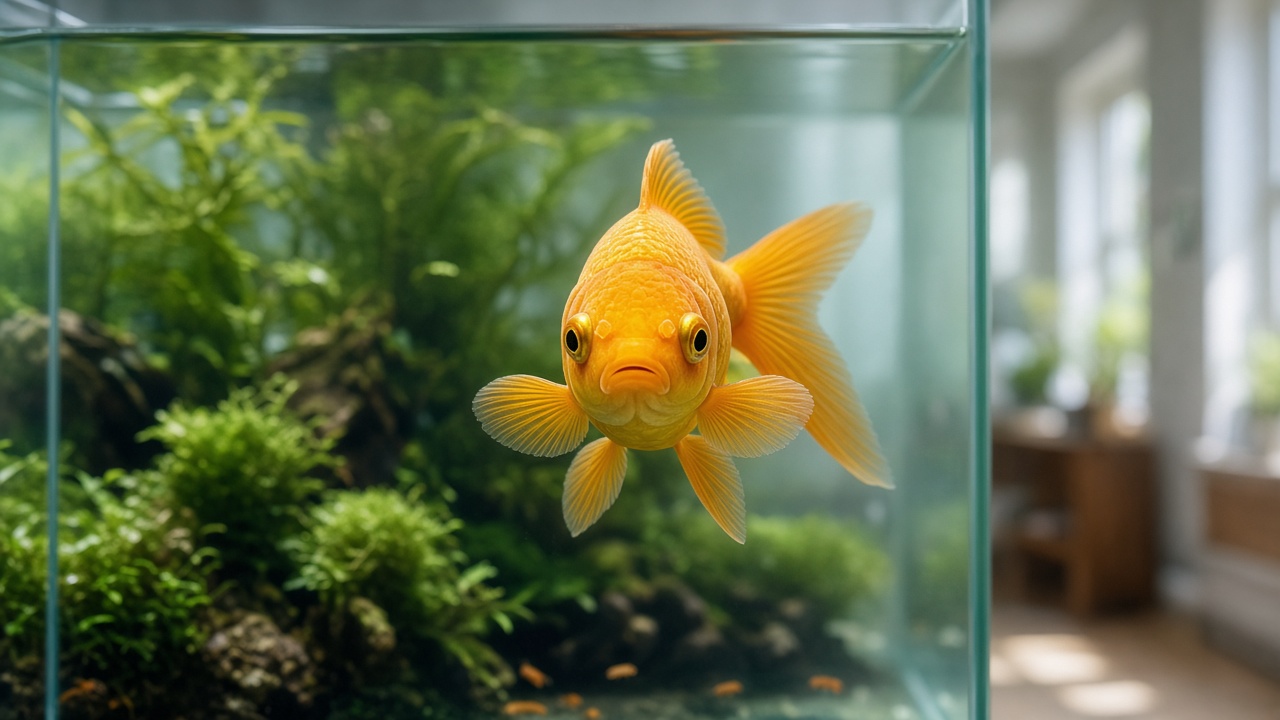
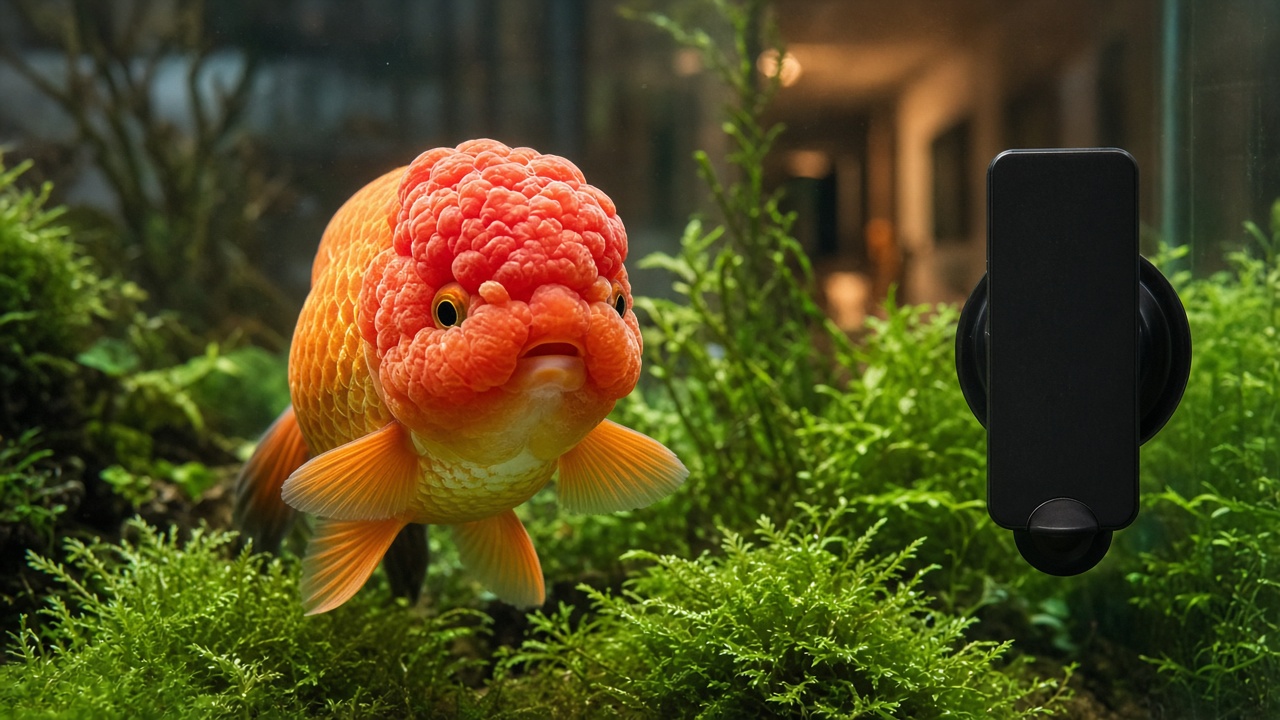
Comparing published specs shows fancy adults near about six to eight inches in aquariums, with pond fish sometimes near ten inches. Lifespan notes often cite about ten to fifteen years with steady care. Maker fancy guides list about ten gallons per adult, while many modern care pages raise single-fish floors toward twenty to thirty gallons. This page covers tank size, water, diet, swim bladder risks, décor, mates, and maintenance.
Include long cool tanks, oversized filtration, and measured sinking diets. Leave out bowls, unfiltered jars, and constant floating dry snacks. Skip drug protocols that belong with a veterinarian.
Size a long tank for heavy fancy bioload
Horizontal swimming room beats a tall show cube.
Comparing published specs, a practical single Ryukin floor often sits near twenty to thirty gallons. Add about ten to fifteen gallons for each extra fancy adult in many modern notes. One maker goldfish guide still lists about ten gallons per fancy adult as a published minimum. Owners consistently report calmer fish and easier nitrate control once they leave ten-gallon starters behind. Prefer breeder-style length so deep bodies can turn without scraping glass.
Tank sizing board:
| Stocking theme | Published direction |
|---|---|
| One adult Ryukin | Often about 20–30 gal class |
| Maker fancy note | About 10 gal per adult |
| Extra fancy adult | Often +10–15 gal |
| Adult length cue | About 6–8 in aquarium; ponds near 10 in |
| Shape priority | Long footprint over tall cubes |
Our research team analyzed bioload notes that treat goldfish as messy omnivores with high oxygen demand. Never use bowls or unfiltered containers. Upsize early if you plan a pair.
A single deep-bodied adult still patrols the full length of a long tank each day. Short cubes force constant turning that scrapes trailing fins on glass corners. If you already own a tall twenty gallon, rehome or upgrade before the hump fills out. Owners consistently report better appetite once nitrate stays lower in larger water. Comparing published specs treats temporary quarantine boxes as short stays, not forever homes.
Hold cool, stable water and test weekly
Fancy goldfish like cool, steady chemistry more than tropical heat.
Maker fancy guides list optima near sixty-eight to seventy-four degrees Fahrenheit. Other Ryukin care pages often cite about sixty-four to seventy-two degrees. Keep pH roughly seven point zero to eight point four in that maker band, while broader fancy notes often allow about six to eight. Hold ammonia and nitrite at zero. Change about ten percent weekly or about twenty-five percent every two weeks in common maintenance notes.
Water checklist:
- Thermometer in view every day
- Test ammonia, nitrite, nitrate, and pH
- Oversize the filter for waste
- Add aeration when water runs warmer
- Avoid sudden temperature swings
Owners consistently report stress when tanks spike hot in summer rooms. Our research team analyzed coldwater notes that still allow heated aquariums when rooms crash cold. Comparing published specs favors stability over chasing one perfect number.
Hardness bands in fancy notes often sit near about five to nineteen degrees GH. Salt tips in some maker pages suggest about one tablespoon of aquarium salt per five gallons for support, not as a daily dump. Skip medication blends unless a veterinarian directs them. Keep a written log of pH and nitrate so slow drifts show up early. Edge case: outdoor ponds need predator covers and winter indoor plans for fancies.
Feed sinking omnivore meals in tiny timed portions
Diet control is the main swim-bladder shield for egg-shaped bodies.
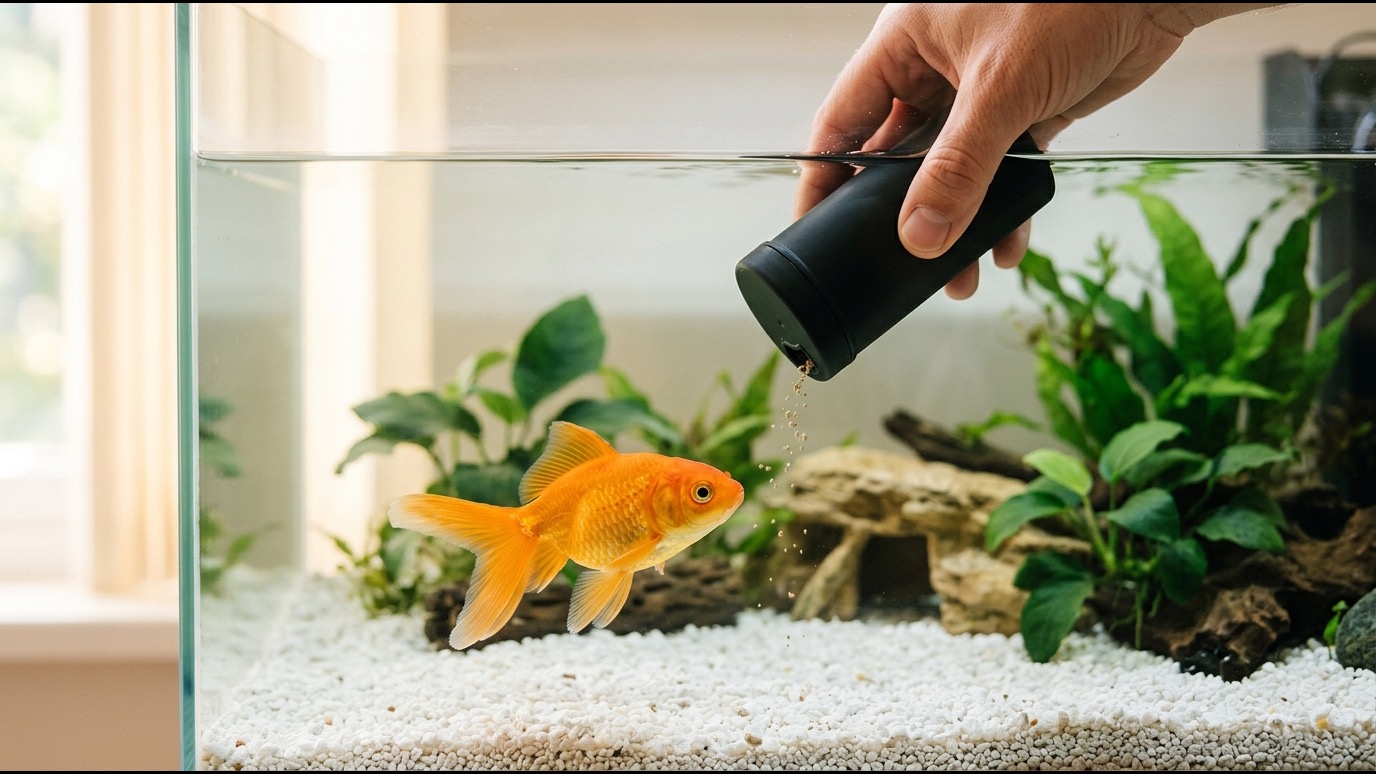
Goldfish are omnivores that take crustaceans, insects, and plant matter in nature. Feed only what fish finish in about two to three minutes, once or twice daily. Prefer sinking pellets or gel foods so fish gulp less surface air. Soak flakes briefly if you use them. Rotate frozen treats such as brine shrimp, daphnia, or krill, and add blanched greens for fiber.
Diet board:
| Food class | Care cue |
|---|---|
| Staple | Sinking pellets or goldfish gel |
| Fiber | Blanched zucchini, spinach, green beans, shelled peas |
| Protein treats | Frozen brine shrimp, daphnia, krill |
| Timing | About 2–3 minutes, 1–2× daily |
| Avoid habit | Constant floating pellets and leftover piles |
Owners consistently report less floating when greens appear several times weekly. Our research team analyzed fancy-food notes that pair plant fiber with modest protein. Comparing published specs treats overfeeding as a bigger risk than underfeeding for buoyant fish.
Gel foods stay soft and often sit midwater where deep bodies feed with less gulping. Frozen cubes should thaw fully before they hit the tank. Remove uneaten greens within an hour so they do not foul corners. Rotate brands only after a week of stable waste and clear swimming. Young Ryukins still need measured meals even when they beg at the glass.
Cut swim bladder risks before they become chronic
Deep Ryukin bodies compress digestion and raise buoyancy trouble.
Owners consistently report upside-down floating after big dry meals or weeks of floating foods. Fast about twenty-four to forty-eight hours when mild constipation is suspected, then offer a peeled cooked pea. Persistent listing, rolling, or sinking needs clean water checks and veterinary guidance. Peas help some cases yet fail others once damage is chronic. Keep décor smooth so struggling fish do not tear fins while scraping.
Swim-bladder watch list:
- Sudden floating after a heavy dry meal
- Difficulty diving to midwater
- Long constipation or stringy waste
- Gasping while gulping at the surface
- Refusal to eat for more than a day
Our research team analyzed keeper threads that link portion size and fiber to fewer crises. Comparing published specs still frames buoyancy disease as common in young fancy goldfish. Edge case: a fish that never recovers balance may need lifelong shallow feeding stations and veterinary review.
Lower the water line slightly only if a veterinarian agrees it helps a chronic floater rest. Never starve a fish for a week as a home experiment. Retest ammonia whenever appetite drops, because dirty water mimics organ trouble. Keep a quarantine tub ready so you can isolate a roller without stressing tankmates. Photograph posture daily during a flare so progress is honest.
Filter hard, decorate soft, and choose slow mates
Waste control and gentle décor protect fins and oxygen.
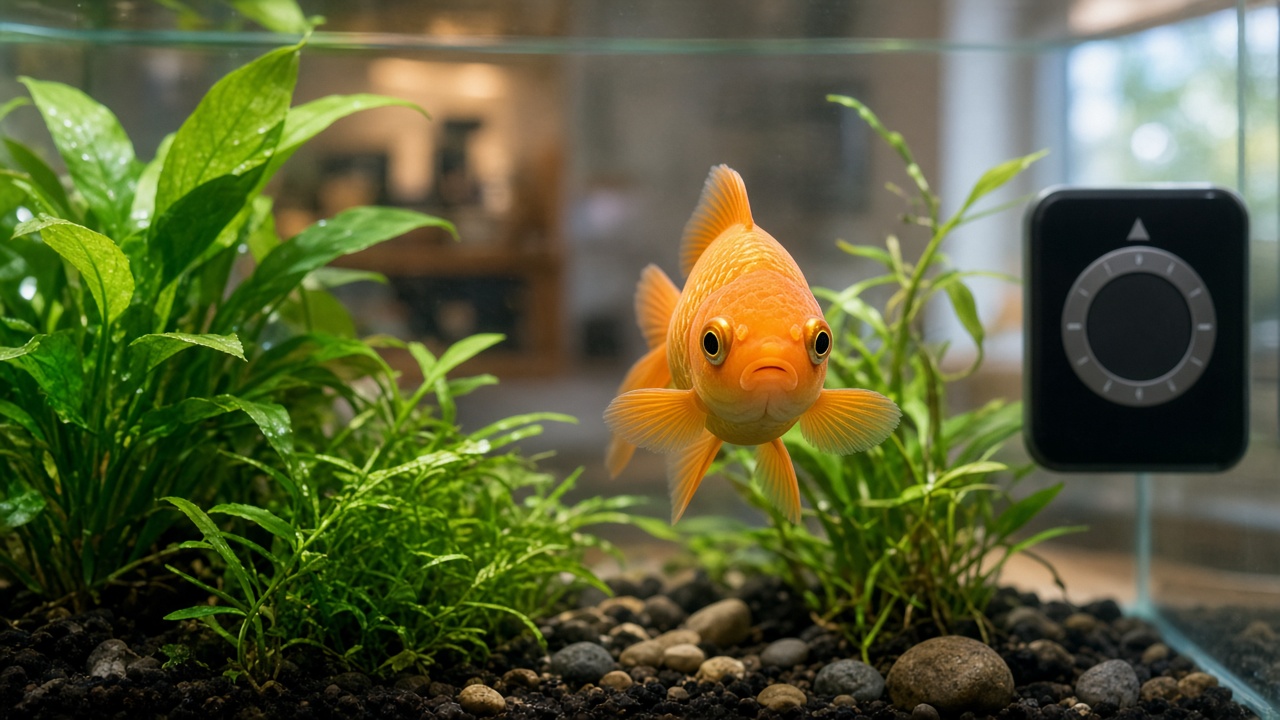
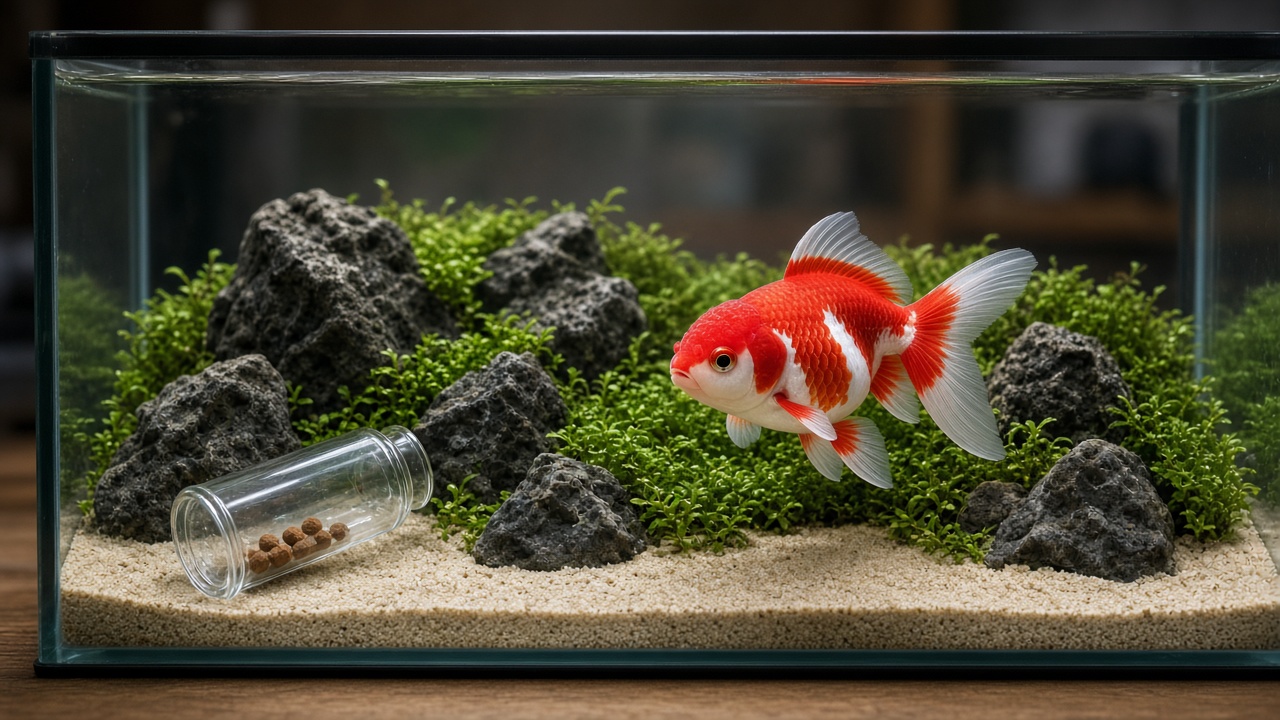
Use a slightly oversized filter and mild current so deep bodies are not blasted sideways. Avoid sharp lava rock, crushed glass gravel, and pointed ornaments. Smooth sand or rounded gravel suits foraging mouths. Tough plants such as Anubias, Java fern, and Cryptocoryne may survive, yet goldfish still uproot many stems. Keep Ryukins with other fancy goldfish of similar swimming speed, not fast single-tails that outcompete them.
Setup list:
- Oversized filtration plus spare aeration
- Smooth substrate and rounded wood
- Soft sight lines without sharp corners
- Fancy goldfish mates only
- Secure lid for jumpers during scares
Owners consistently report torn fins after abrasive rockscapes. Our research team analyzed compatibility notes that separate commons and comets from slow fancies as they grow. Comparing published specs treats filtration as non-negotiable hardware for this bioload.
Weekly maintenance keeps nitrate and appetite honest
Routine work prevents mystery “disease” that is really dirty water.
Spot-feed, then siphon leftovers within minutes. Vacuum substrate weekly without shredding plant roots you want to keep. Clean filter media in tank water only so beneficial bacteria survive. Retest after large water changes or heater failures. Log which foods precede buoyancy events so you can drop that item from rotation.
Maintenance rhythm:
- Feed timed portions, remove scraps
- Change water on the published weekly or biweekly cadence
- Scrub glass and rinse mechanical media
- Recheck temperature morning and evening in hot weather
- Quarantine new fish before display mixing
Owners consistently report clearer behavior after nitrate drops from steady changes. Our research team analyzed care pages that pair oxygen and filtration with warm-room aeration. Comparing published specs puts water quality ahead of miracle cures.
Budget time for weekend gravel work before you add a third fish. A neglected filter pad can erase months of careful feeding. If glass algae blooms overnight, check photoperiod and leftover food before blaming the fish. Keep spare media seeded in the display so emergency rinses do not crash the cycle. Steady chores beat crisis shopping every time.
FAQ
How big of a tank does a Ryukin goldfish need?
Plan about twenty to thirty gallons for one adult in many modern notes, then add about ten to fifteen gallons per extra fancy fish. Maker fancy guidance still cites about ten gallons per adult as a floor. Longer footprints beat tall cubes for turning room. Bowls and unfiltered jars fail oxygen and waste needs. Upsize before the fish reaches full body depth.
What temperature suits Ryukin goldfish?
Fancy optima near sixty-eight to seventy-four degrees Fahrenheit appear in maker goldfish care. Other Ryukin pages often hold about sixty-four to seventy-two degrees. Avoid sudden swings and summer heat spikes that crash oxygen. Use a thermometer daily rather than guessing from room air. Cooler stable water beats chasing tropical community setpoints.
What should I feed to lower swim bladder risk?
Use sinking pellets or gel as the staple and time meals to about two to three minutes. Add blanched vegetables for fiber several times weekly. Offer frozen daphnia or brine shrimp as modest treats. Soak flakes if used, and avoid constant floating dry piles. Fast briefly, then try a peeled pea when mild constipation appears.
Can Ryukins live with common goldfish?
Young fish sometimes share space, yet fast single-tails often outswim and stress slow fancies as they grow. Prefer other fancy varieties with similar speed and finnage. Separate groups when commons become boisterous. Match temperature and filtration to the messiest fish in the tank. Peaceful labels do not erase speed mismatches.
How long do Ryukin goldfish live?
Care notes commonly cite about ten to fifteen years, with some goldfish living over twenty years under strong husbandry. Lifespan depends on tank size, water quality, and feeding restraint. Crowded bowls shorten outcomes quickly. Track appetite and swimming as early health signals. Ask a veterinarian when buoyancy or wounds persist after water fixes.
Do Ryukins need a heater?
Many rooms hold fancy ranges without heat, yet a heater helps when nights drop below the published cool band. Extra aeration matters when water runs toward the warm end. Never rely on sunlight through a window as a heater. Watch summer spikes as closely as winter chills. Stable numbers matter more than a branded gadget.
Are peas a cure for swim bladder disease?
Peas can ease constipation-related floating in some fish after a short fast. They are messy and do not fix every chronic swim bladder injury. Test water first, then adjust diet and portions. Seek veterinary care when listing continues for days. Treat peas as one tool, not a guaranteed cure.
This guide is informational only and does not replace advice from a qualified veterinarian.