Quick answer: Sick bettas often show clamped fins, appetite loss, spots, ragged fins, or odd swimming first. Test water before you medicate. Isolate the fish and call a veterinarian for severe swelling or sores.
Watch twelve early warning signs and test water the same day.
We compared published care data on Betta splendens disease signs, water bands, and quarantine steps. Our research team analyzed maker betta guides beside common symptom lists for fin rot, ich, velvet, and dropsy. Owners consistently report better outcomes when behavior changes trigger tests within hours, not days.
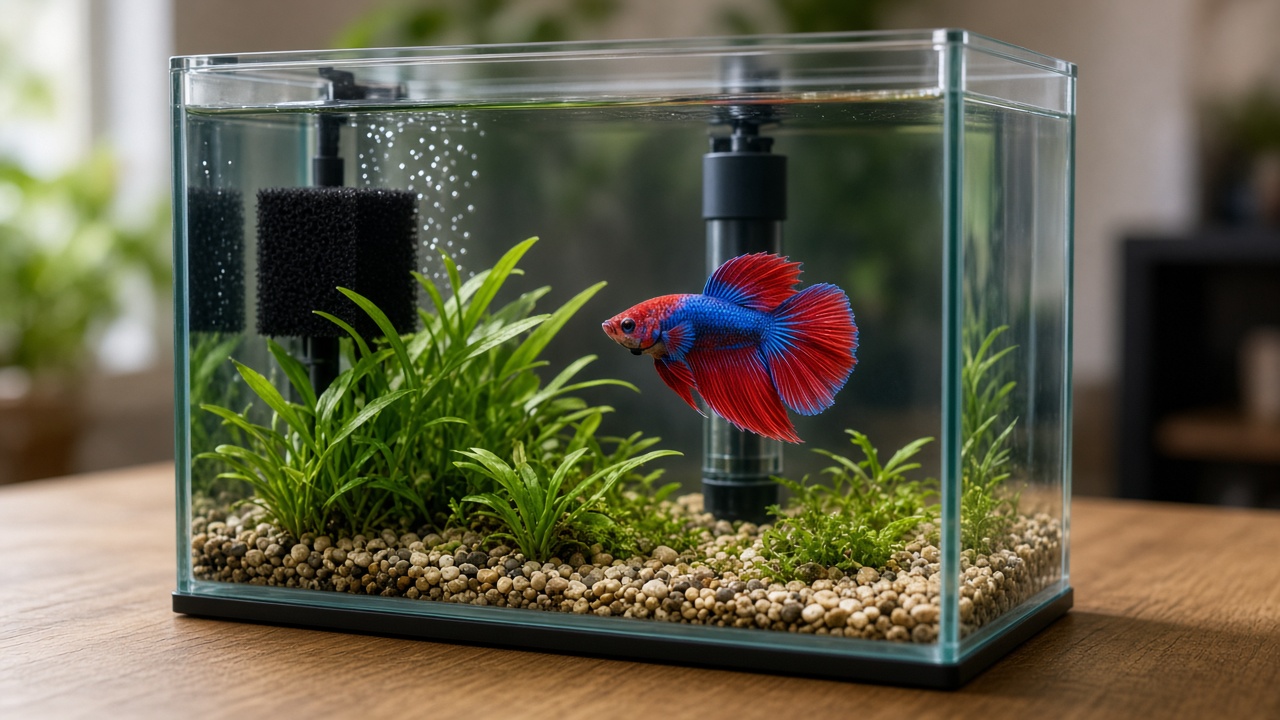
Comparing published specs, healthy home bettas need about five gallons or more with heaters near seventy-six to eighty-one degrees Fahrenheit in maker notes. Low-flow filters protect delicate fins. Partial changes near ten percent weekly or about twenty-five percent every two weeks appear in the same guides. This page maps twelve symptoms, what they often mean, and first calm responses.
Include daily observation, a test kit, and a hospital tub. Leave out untreated bowls and guesswork polypharmacy. Skip drug stacks that belong with a veterinarian.
Catch early behavior changes first
Appetite, posture, and energy shift before many skin lesions appear.
Symptom one is refusal to eat when the fish normally strikes pellets fast. Symptom two is lethargy with long rests on the bottom or in a corner. Symptom three is clamped fins held tight to the body instead of open fans. These three often track stress, poor water, chill, or early infection. Owners consistently report missing the quiet phase until spots bloom.
Early board:
| Symptom | Common meaning cue |
|---|---|
| 1. Appetite loss | Stress, parasites, water issues |
| 2. Lethargy | Chill, toxins, advancing illness |
| 3. Clamped fins | Irritation or systemic stress |
| First response | Test ammonia, nitrite, nitrate, temp |
| Tank floor | About 5+ gal with heat and filter |
Our research team analyzed beginner notes that treat behavior as the first triage tool. Comparing published specs favors matching temperature before chasing rare diseases. Confirm the heater still holds about seventy-six to eighty-one degrees. Watch breathing rate beside resting posture. Log the last water change date.
Do not wait for dramatic lesions if the fish stops hunting. Offer a tiny favorite treat once to confirm refusal. Dim bright lights that push shy fish into corners. Avoid net chases that add panic. Move to a cycled hospital tub when display mates or meds require isolation.
Read fin and skin warning signs
Ragged edges and fuzzy coats need water cleanup first.
Symptom four is frayed, shrinking, or black-edged fins that suggest fin rot after injury or dirty water. Symptom five is cottony white growths that may signal fungus or columnaris-type films. Symptom six is open sores or red inflammation along the body or fin bases. Sharp décor and ammonia burns often open the door. Owners consistently report faster healing when partial changes and soft décor arrive early.
Fin and skin list:
- Frayed or melting fin edges
- Cottony patches on body or mouth
- Red streaks or raw ulcers
- Faded color patches
- Soft silk plants instead of sharp plastic
Our research team analyzed injury notes that blame pointed ornaments and strong currents. Comparing published specs keeps low-flow filters in maker betta setup advice. Remove carbon before some medications per label directions. Photograph fins daily to measure spread. Skip random salt dumps without a plan.
Trim plastic leaves that snag trailing fins. Hold ammonia and nitrite at zero. Raise partial-change frequency while you support recovery. Isolate severely torn fish from nippy mates. Seek veterinary guidance when rot races toward the body.
Spot parasites such as ich and velvet
Salt-grain white spots and gold dust are classic parasite cues.
Symptom seven is tiny white salt-like spots of ich on body, fins, or gills with flashing against décor. Symptom eight is fine gold or rust dust of velvet that often needs a flashlight at an angle. Both parasites drive scratching, rapid breathing, and clamped fins. Temperature swings and stress raise risk. Owners consistently report missing velvet until gill distress is obvious.
Parasite board:
| Symptom | Look | Often means |
|---|---|---|
| 7. White salt spots | Grainy flecks | Ich parasite |
| 8. Gold dust | Fine rust sheen | Velvet parasite |
| Shared cues | Flashing, clamp, gasp | Irritated skin and gills |
| Support | Stable heat, clean water | Hospital isolation |
| Caution | Follow labels | Vet if unsure |
Our research team analyzed quarantine notes that favor separate tubs for new or sick fish. Comparing published specs treats flashing as a serious itch signal, not a quirk. Raise observation time after any new plant or fish arrives. Do not mix copper plans with invertebrates without guidance. Keep a spare heater for the hospital line.
Flashlights help velvet diagnosis on dark fish. Count spots across two days to see spread. Hold steady temperatures in the maker band. Remove carbon if the chosen medicine requires it. Call a fish veterinarian when breathing stays labored.
Recognize dropsy and popeye as urgent flags
Pinecone scales and bulging eyes signal deep internal trouble.
Symptom nine is a swollen belly with scales lifting outward like a pinecone, the hallmark of dropsy as a syndrome rather than one germ. Symptom ten is one or both eyes bulging, often called popeye, which can trail trauma or infection. Fluid imbalance, organ stress, and chronic poor water appear across care notes. Appetite loss and lethargy usually ride along. Owners consistently report late catches when they wait for perfect textbook photos.
Urgent cues:
- Raised pinecone scales
- Distended abdomen
- Bulging eyes
- Thickened tissues near the tail
- Sudden floating or sinking with bloating
Our research team analyzed veterinary summaries that treat dropsy as a symptom of deeper failure. Comparing published specs puts water correction beside any medicine talk. Isolate the fish to reduce stress and watch waste closely. Skip crowded community meds that punish healthy tankmates. Seek a qualified aquatic veterinarian early.
Photograph the side profile against a dark background so scale lift shows. Avoid squeezing the fish. Offer easy foods only if interest remains. Keep salinity or drug choices under professional direction. Prepare for guarded prognoses when pineconing is advanced.
Note breathing and buoyancy problems next
Gasping and sideways floating need oxygen and diet checks.
Symptom eleven is labored breathing, flared gills, or gasping at the surface beyond normal labyrinth sips. Symptom twelve is buoyancy trouble such as floating sideways, sinking, or struggling to stay level, often tied to swim bladder stress or constipation patterns. Heat, ammonia, low oxygen, and dry floating foods appear in published risk lists. Maker feeding notes favor amounts eaten in about two minutes, once or twice daily. Owners consistently report fewer float crises when pellets soak briefly.
Breathing and balance board:
| Symptom | First checks |
|---|---|
| 11. Gasping or fast gills | Temp, ammonia, nitrite, aeration |
| 12. Sideways float or sink | Constipation, chill, infection |
| Support | Stable 76–81°F band |
| Feeding | Tiny portions, soaked foods |
| Decor | Soft rests and hammocks |
Our research team analyzed maker husbandry that pairs heaters with low-flow filtration. Comparing published specs rejects forever bowls without heat or cycling. Add gentle surface movement if oxygen seems low at night. Fast one day only when constipation is suspected and the fish otherwise alert. Escalate to a veterinarian when balance loss pairs with sores.
Watch after large meals and after chiller nights. Confirm lids stay on so jumpers cannot strand. Keep airline options for hospital sponge filters. Record which foods preceded each episode. Retire stale flake that swells hard in the gut.
Test water and isolate before you medicate
Twelve symptoms still start with chemistry and calm housing.
Test ammonia, nitrite, nitrate, and temperature before opening medicine bottles. Maker betta guides stress conditioned water and steady warmth near seventy-six to eighty-one degrees. Partial changes near ten percent weekly or twenty-five percent every two weeks support routine care. Quarantine notes often isolate new or sick fish for about four to six weeks when disease risk is high. Owners consistently report wasted drugs when ammonia was the real villain.
Response checklist:
- Test water and correct temperature
- Soften flow and remove sharp décor
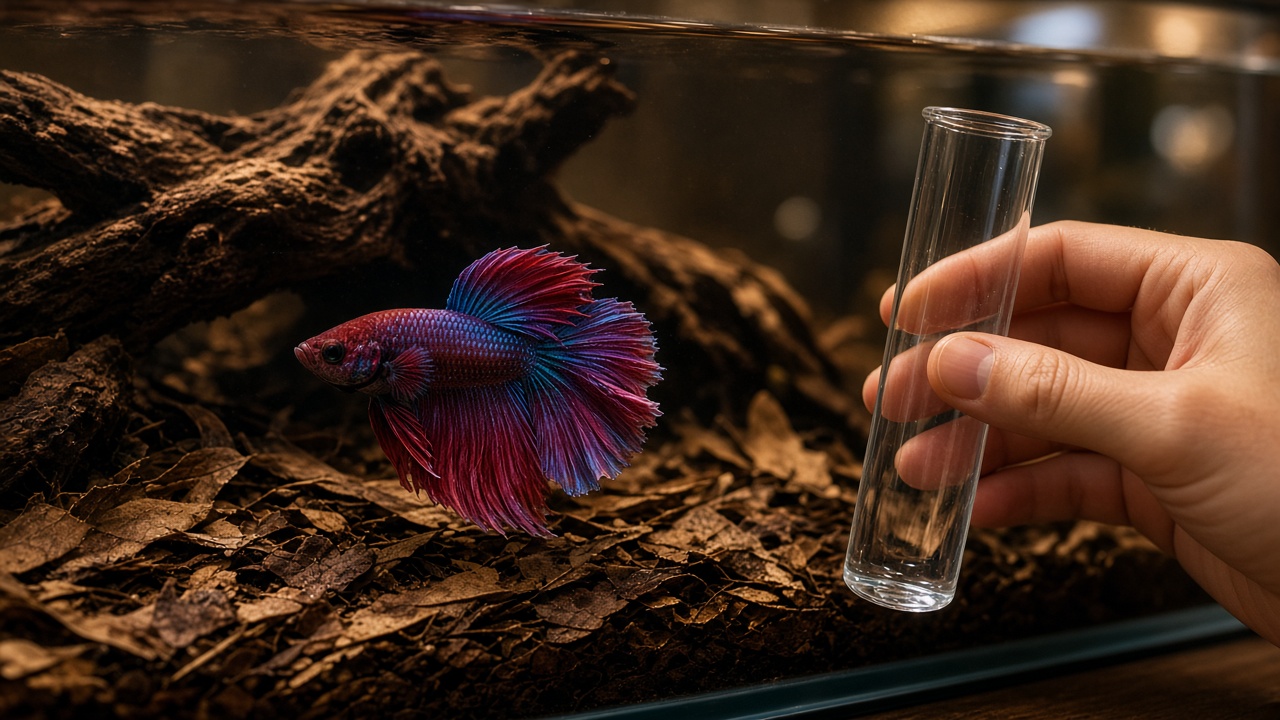
- Move the fish to a hospital tub if needed
- Remove chemical media when labels require it
- Call a veterinarian for pinecone scales, deep ulcers, or failing breath
Our research team analyzed broad quarantine medicine trios used when diagnosis is unclear, yet labels and species limits still rule. Comparing published specs keeps copper away from shrimp and many plants unless a plan exists. Never stack every bottle on day one. Photograph symptoms for the clinic visit. Keep notes on dose days and appetite.
Prevention beats rescue: cycle fully, heat steadily, and feed lean. Soft live or silk plants reduce fin snags. Avoid second male bettas in one tank. Wash hands and nets between systems. Budget a spare five-gallon hospital kit before the next emergency. Store spare airline tubing and a bottle of conditioner beside it.
FAQ
What are the first signs a betta is sick?
Early cues include appetite loss, lethargy, and clamped fins before spots appear. Faded color and hiding also matter when they are new for that fish. Test ammonia, nitrite, and temperature the same day. Confirm the heater still holds about seventy-six to eighty-one degrees. Act before lesions spread.
What do white spots on a betta mean?
Tiny salt-grain white spots usually point to ich, especially with flashing and clamped fins. Spots may cover body, fins, or hide on gills first. Stable heat and clean water support recovery plans. Isolate when other fish share the display. Follow medicine labels or veterinary advice.
How can I tell fin rot from fin nipping?
Fin rot often shows ragged, shrinking edges with discoloration after poor water or injury. Nipping from tankmates leaves cleaner tears without progressive melt in some cases. Either way, fix sharp décor and water quality. Remove bullies. Seek help if tissue loss races toward the body.
What does pinecone scales mean?
Scales that lift outward with a swollen belly signal dropsy, a fluid-retention syndrome. It often reflects serious internal infection or organ failure rather than one simple bug. Isolate, correct water, and contact a fish veterinarian quickly. Prognosis can be guarded. Do not wait for perfect certainty.
Should I medicate before testing water?
No. Ammonia, nitrite, chill, and dirty water mimic many disease signs. Maker care notes start with heat, filtration, and conditioned changes. Fix parameters first, then choose a targeted treatment with care. Random medicine stacks can stress gills further. Keep a written log of tests and doses.
When should I use a hospital tank?
Use a separate tub for contagious parasites, aggressive display mates, or medicines unsafe for plants and invertebrates. Quarantine guidance often runs about four to six weeks for new fish after symptoms clear. Include a heater, gentle filter, and hiding rest. Match temperature during moves. Net softly to spare fins.
Can poor tank size make bettas look sick?
Yes. Crowded bowls without heat or filtration drive chronic stress that invites infection. Maker notes favor about five gallons or more with low-flow filters and lids. Steady seventy-six to eighty-one degree water supports immunity. Upgrade housing before collecting more medicines. Prevention is quieter than cure.
This guide is informational only and does not replace advice from a qualified veterinarian.