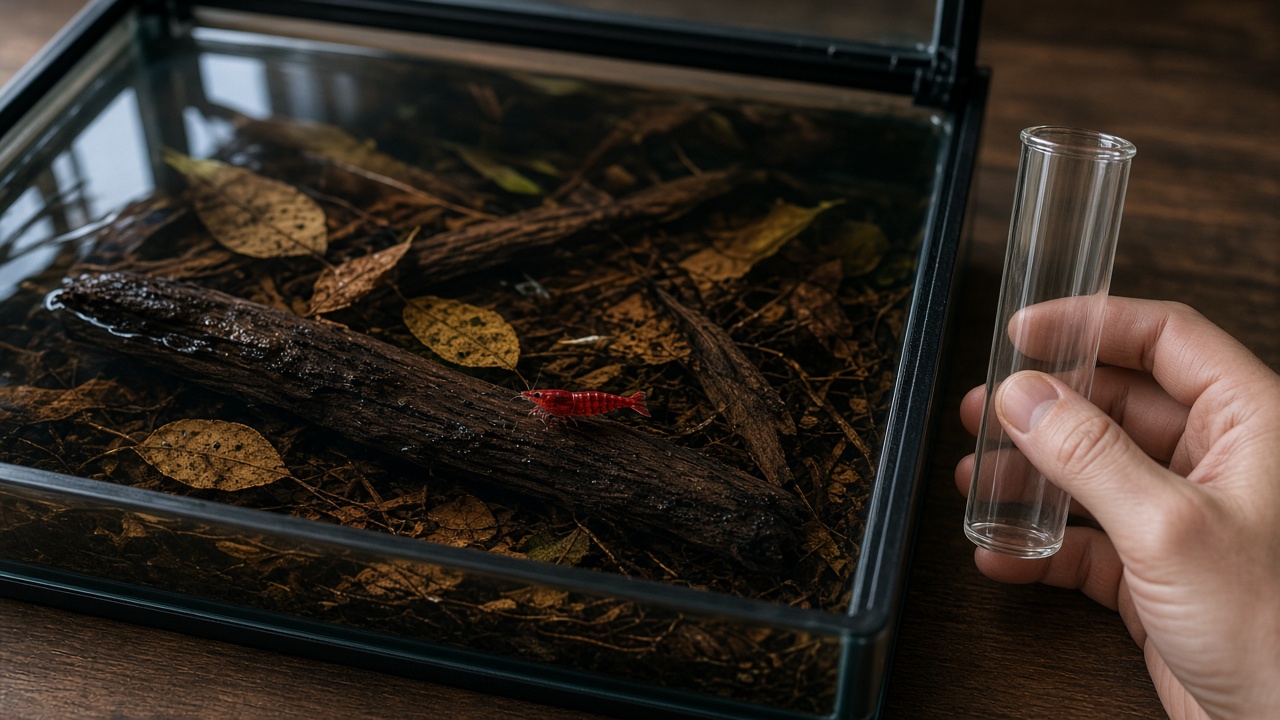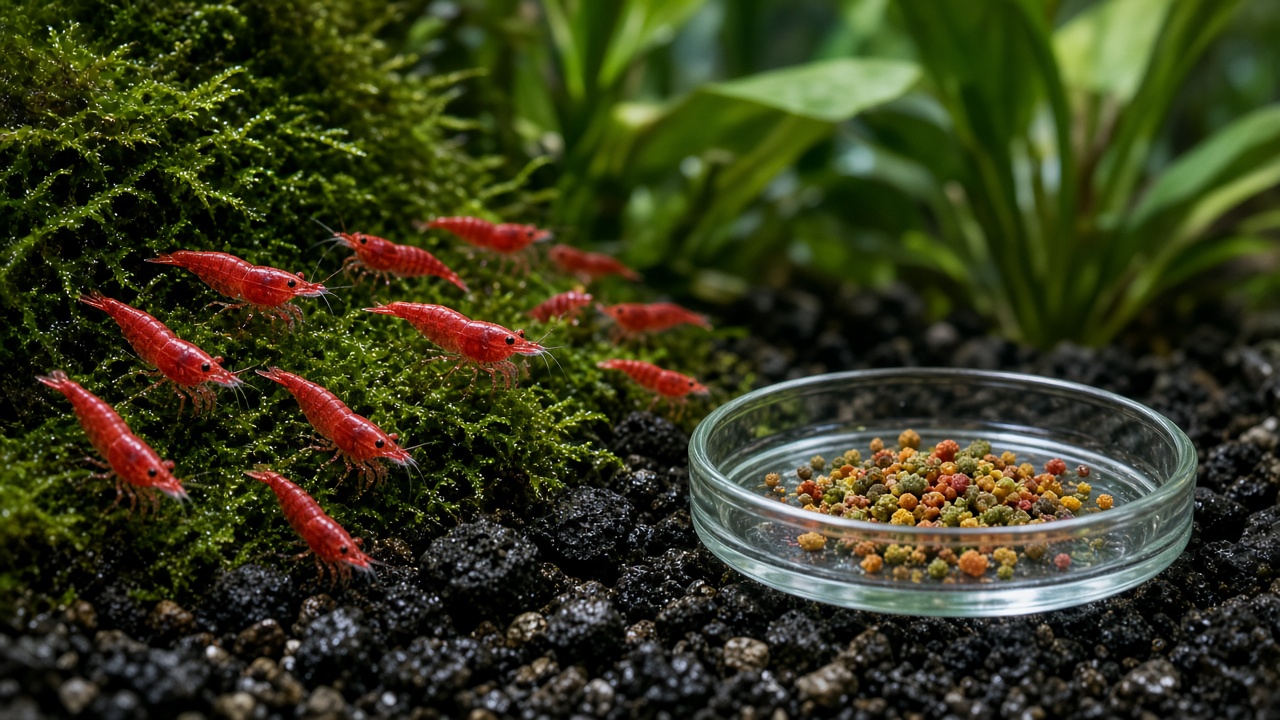
Quick answer: Cherry shrimp graze biofilm, algae, and detritus all day, then need calcium-rich shrimp foods a few times weekly. Remove leftovers within a few hours so overfeeding never spikes ammonia.
Feed the colony lightly; protect molts with minerals.
We compared published care data on Neocaridina davidi diet notes, biofilm grazing, and supplemental shrimp foods. Our research team analyzed calcium needs for molting, baby powdered foods, and overfeeding warnings. Owners consistently report steadier breeding when mature tanks supply aufwuchs and keepers add only small measured portions.
Comparing published specs, adults reach about 1–1.5 inches, or about 2.5–4 cm, with females usually larger. Comfortable temperatures often sit near about 72–76°F, or about 22–24°C, inside a wider about 60–82°F hobby band. pH notes commonly span about 6.5–8.5, with GH often at least about 6° and KH at least about 2°. This page covers natural grazing, prepared foods, schedules, baby feeding, botanicals, and overfeeding control.
Include mature biofilm, shrimp-specific calcium foods, blanched vegetables, and strict leftover removal. Leave out daily heavy dumps in tiny sterile tanks. Skip copper medications that belong in veterinary fish plans away from shrimp.
Scope board:
| Include | Leave | Skip |
|---|---|---|
| Biofilm, algae, detritus grazing | Sterile bare-glass hunger | Copper fish meds in-display |
| Calcium-rich shrimp pellets or gels | Daily mountains of wafers | Mystery “grow gel” dumps |
| Powdered foods for shrimplets | Ignoring leftover rot | Price comparison tables |
| Catappa leaves and light veggies | Feeder fish as shrimp food | Vet drug protocols in-tank |
Let mature biofilm and algae carry the daily graze
Detritivores work the glass, plants, and mulm between meals you see.
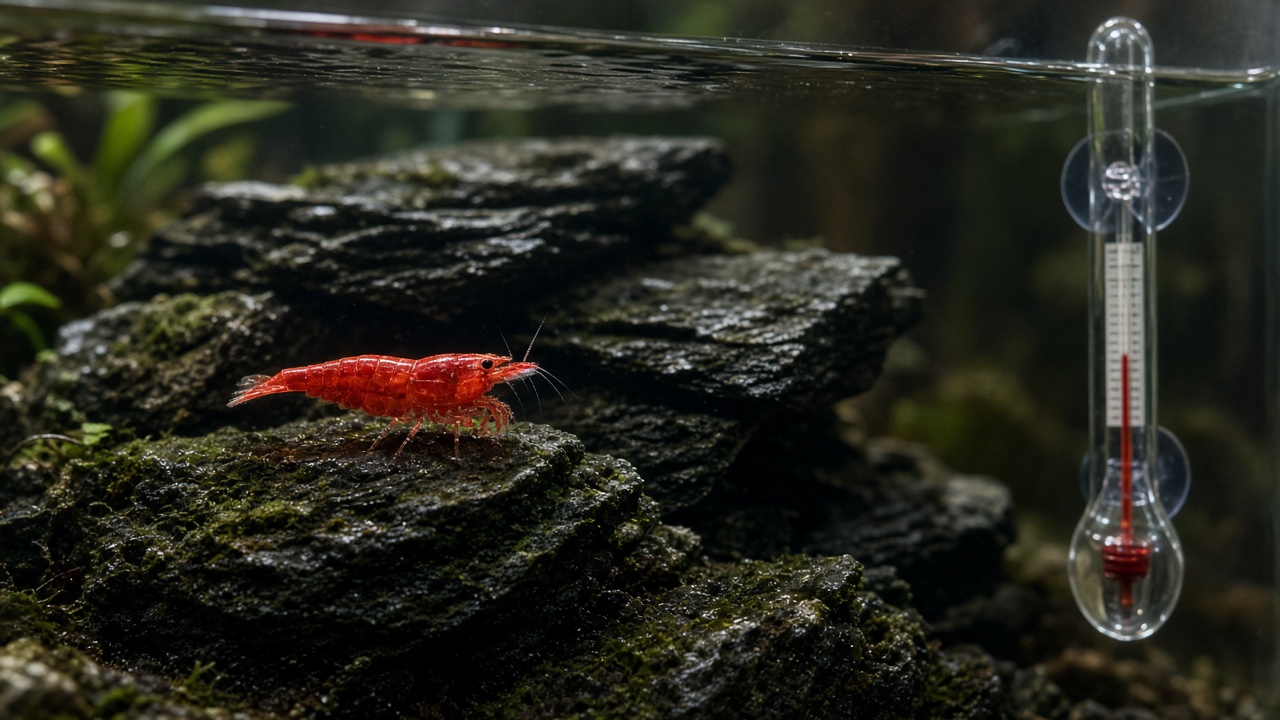
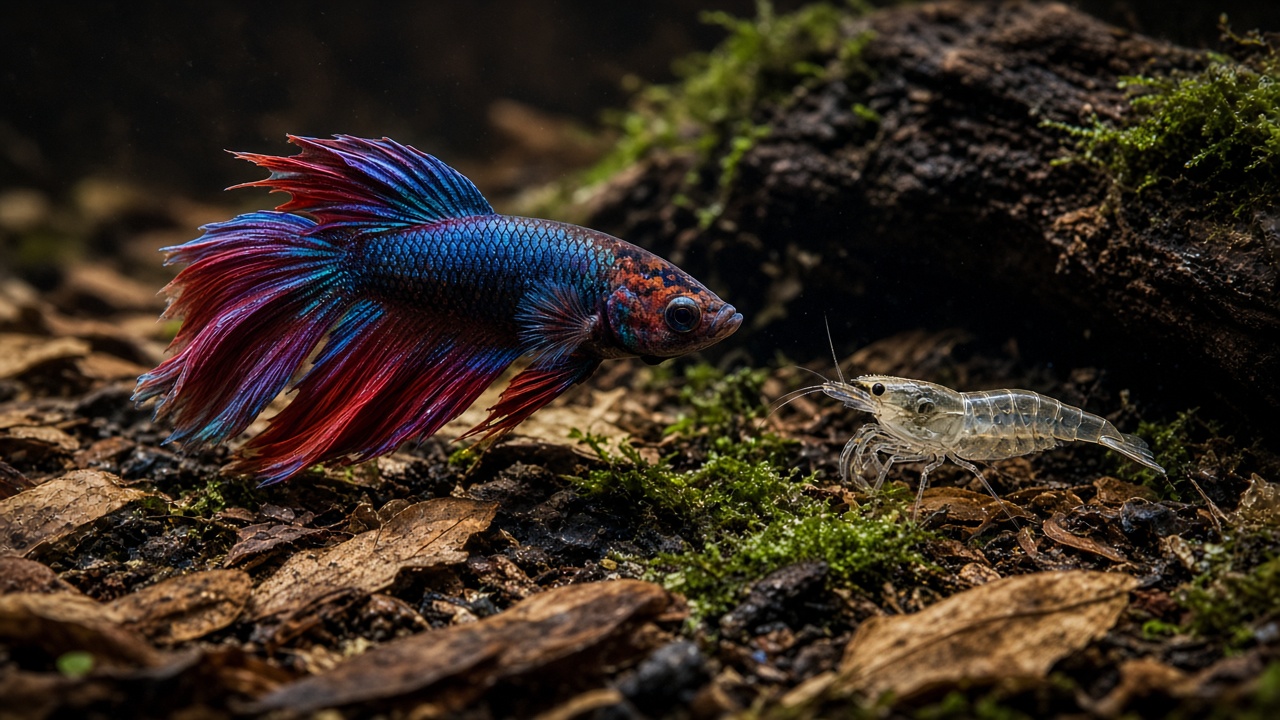
Cherry shrimp constantly scavenge algae, decaying plant matter, biofilm, and leftover organics. Mature tanks running for months feed them better than brand-new sterile cubes. Mosses and soft botanicals grow microfauna that babies can pick all day. Community fish leftovers help only when portions stay tiny. If shrimp cruise glass with empty guts and no film, the tank’s too clean to skip supplements.
Graze board:
| Natural item | Why it matters |
|---|---|
| Biofilm | Steady micro-meals |
| Soft algae | Everyday plant matter |
| Mulm and detritus | Protein scraps |
| Moss surfaces | Baby foraging lanes |
| Decaying botanicals | Long graze windows |
Our research team analyzed detritivore notes that reject “never feed” as unsafe in spotless nanos. Comparing published specs favors months of maturity before heavy stocking. Owners consistently report fatter colonies when film is visible on hardscape. Wipe only half the glass so food film remains. Edge case: heavy algae blooms still need nutrient control, not endless shrimp as the only plan.
Add shrimp-specific pellets, sticks, and gel foods for minerals
Prepared foods fill calcium and vitamin gaps biofilm may miss.
Shrimp cuisine style micro pellets and sinking sticks enriched with calcium support molting in many care notes. Gel foods mixed from powders stay water-stable for long graze windows. Community fish flakes are accepted, yet shrimp-focused formulas better target minerals for shells. Trace copper listed in some shrimp foods supports hemocyanin needs and differs from toxic copper medications. Rotate textures so babies and adults both reach particles.
Prepared checklist:
- Choose shrimp-labeled pellets or sticks with calcium
- Break portions to pea size for small colonies
- Offer gel foods that hold shape for hours
- Mix in occasional community sinking foods sparingly
- Read every manufacturer label for livestock cautions
Owners consistently report fewer failed molts when mineral-rich foods join biofilm. Our research team analyzed breeding notes that stress protein for juveniles and berried females. Comparing published specs favors variety over one miracle wafer. Skip copper disease treatments in the shrimp display. Store gels and pellets dry so they do not spoil.
Schedule small portions a few times weekly, not constant dumps
How often you feed depends on tank maturity and colony size.
In rich mature tanks, many keepers offer shrimp food about two or three times weekly. Sparse new tanks may need slightly more careful supplements while biofilm builds. A common portion theme is about pea-sized food per roughly twenty to thirty adults, then adjust by watching leftovers. Remove uneaten food after about two to three hours. Daily feeding is possible with tiny water-stable sticks, yet leftovers still demand removal.
Schedule board:
| Setup | Common feeding theme |
|---|---|
| Mature shrimp-only | About 2–3 times weekly |
| New sparse nano | Small supplements more often |
| Community tank | Account for fish leftovers |
| Portion cue | About pea size per 20–30 adults |
| Leftover limit | Remove after ~2–3 hours |
Our research team analyzed forum and guide notes that treat underfeeding as safer than ammonia spikes. Comparing published specs rejects “feed whenever they look cute” as a plan. Owners consistently report clearer water when leftovers leave on a timer. Increase food only after the colony finishes prior meals cleanly. Fast between planned days so grazing resumes on hardscape.
Feed babies powders and soft botanicals they can reach
Shrimplets barely move and lose contests with hungry adults.
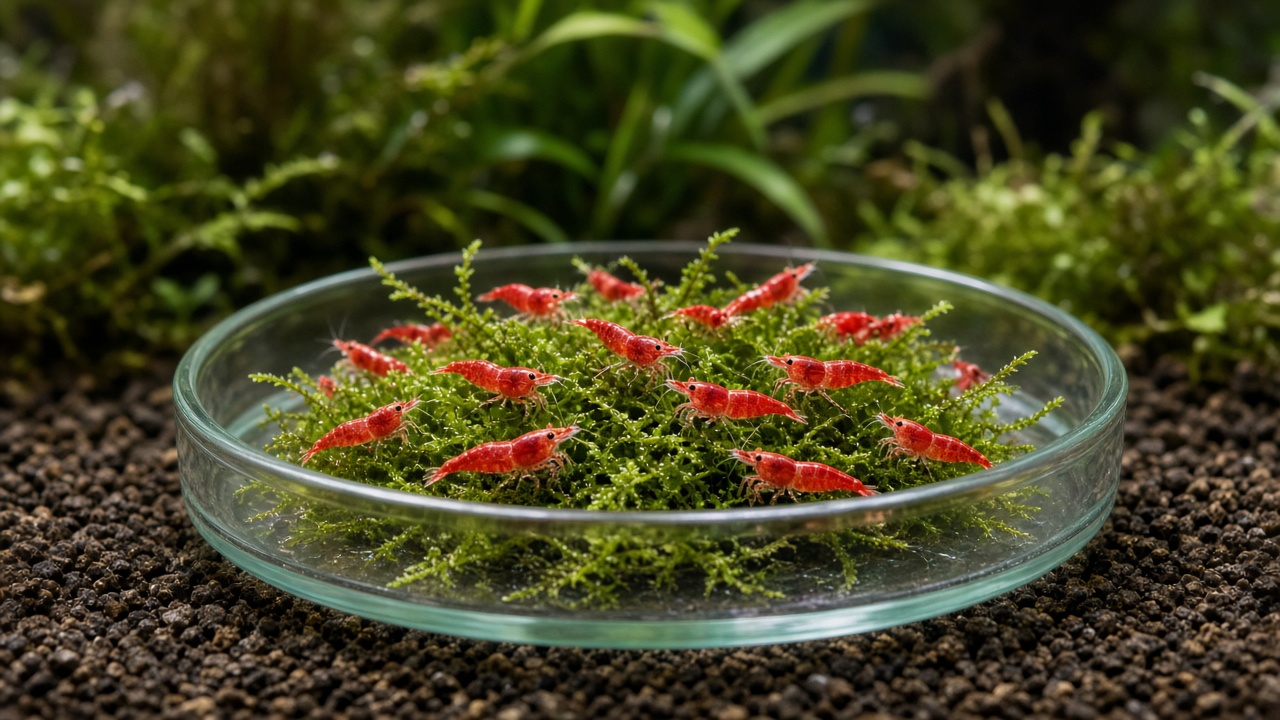
Powdered fry foods and specialized microbial powders drift toward newborns that cannot chase wafers. Indian almond leaves, also called catappa leaves, grow biofilm as they break down. Cholla wood offers similar graze surfaces in many shrimp rooms. Target one leaf near about twenty gallons as a starting botanical theme, then refresh as holes appear. Keep pre-filter sponges on intakes so babies aren’t sucked away from food zones.
Baby food rules:
- Dust powders lightly; stop before clouds linger
- Place leaves near moss where shrimplets hide
- Feed adults away from baby corners sometimes
- Avoid large melting wafers that spike waste
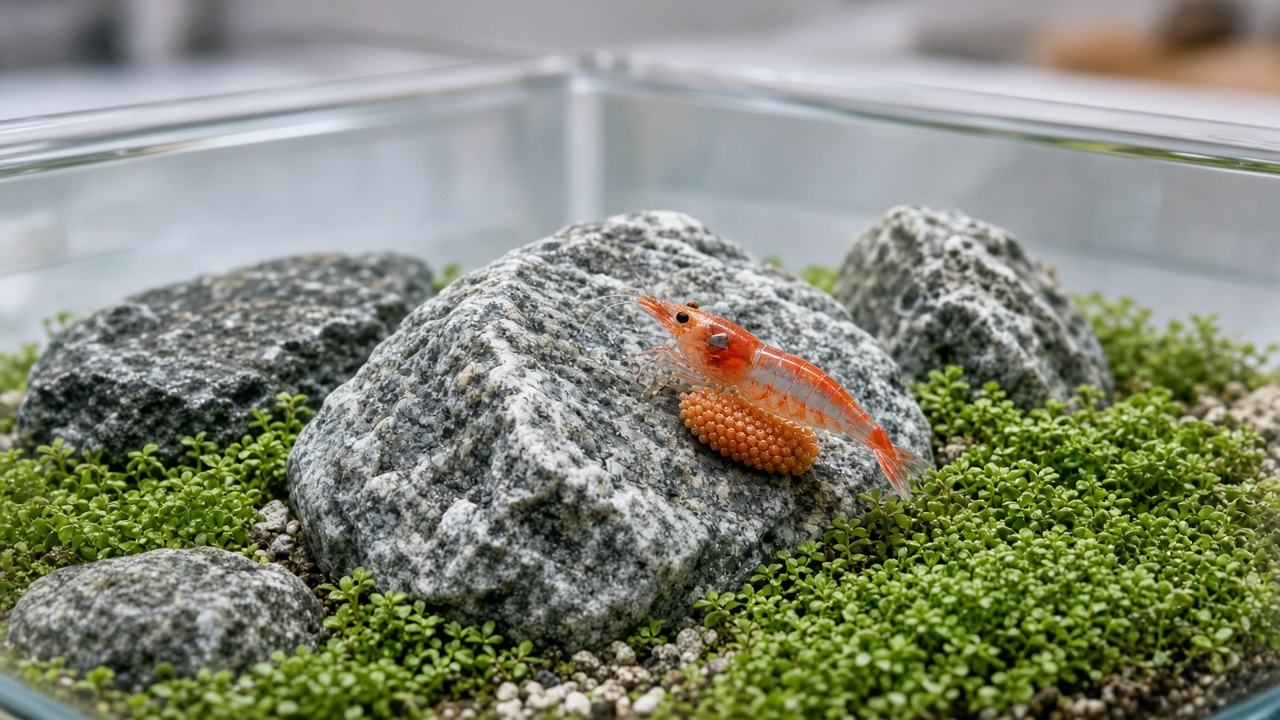
- Watch berried females for steady grazing energy
Owners consistently report higher baby survival when powders and leaves run together. Our research team analyzed newborn notes that stress low mobility in the first days. Comparing published specs favors biofilm farms over chasing adults’ pellets alone. Skip vacuuming every leaf the moment it browns. Leave spent leaves if shrimp still graze the film.
Offer blanched vegetables briefly for plant matter and color
Soft produce is a treat, not an all-day buffet.
Blanched zucchini, spinach, green beans, and carrots appear often as shrimp vegetables. Carrots’ beta carotene is linked to red-orange color support in hobby feeding notes. Blanch until soft, cool, and sink a small piece, then remove remains before they rot. Canned options without salt or sauce can work when rinsed. Limit vegetable days so tanks don’t turn into compost bins.
Vegetable board:
| Item | Keeper tip |
|---|---|
| Zucchini | Blanch, sink, remove same day |
| Spinach | Soft leaves; short sessions |
| Green beans | Rinse canned; no salt sauce |
| Carrots | Color support theme in notes |
| Overstay risk | Rot and ammonia |
Our research team analyzed produce notes that praise short graze windows. Comparing published specs still puts prepared shrimp foods ahead of salad alone. Owners consistently report mess when vegetables linger overnight. Clip pieces to a clip or rock so they do not vanish under sand. Match vegetable frequency to how fast your colony finishes them.
Prevent overfeeding because waste hurts shrimp faster than light hunger
Ammonia from rotting food stresses molts and can kill colonies overnight.
Every wafer adds organics that bacteria must process. Cloudy water, rising nitrate, and leftover piles are stop signs. Soft, newly molted shrimp hide and need clean mineral-rich water, not decaying feasts. If breeding slows in a packed tank, choices include careful feeding increases or moving shrimp out. Test water after you change the menu.
Overfeeding checklist:
- Start smaller than you think; raise slowly
- Remove leftovers after two to three hours
- Pause feeding after parameter spikes
- Keep copper medications out of the display
- Call a veterinarian for mass deaths or odd swimming
Owners consistently report crashes traced to generous weekend feeding, not missed meals. Our research team analyzed water-stability notes tied to shrimp rooms. Comparing published specs favors biofilm first and supplements second. Healthy shrimp stay active grazers between planned meals. Protect GH and KH so molts succeed while you keep portions modest.
FAQ
How often should I feed cherry shrimp?
In mature tanks, many keepers feed shrimp-specific foods about two or three times weekly while biofilm covers daily needs. New sparse tanks may need slightly more careful supplements. Watch whether portions vanish within about two to three hours. Increase only after clean finishes. Skip daily mountains of wafers that foul water.
What is the best everyday food for cherry shrimp?
Biofilm, algae, and detritus are the true everyday diet in planted mature aquariums. Supplement with calcium-rich shrimp pellets, sticks, or gels on a schedule. Rotate textures so babies and adults both eat. Community flakes help only in tiny amounts. Read manufacturer labels whenever you change brands.
Do cherry shrimp need vegetables?
Vegetables are optional plant-matter treats, not required daily staples. Blanch zucchini, spinach, beans, or carrots, then remove scraps before they rot. Carrot pieces are popular when keepers want red color support themes. Keep sessions short. Prioritize biofilm and shrimp foods before building a produce routine.
What should baby cherry shrimp eat?
Shrimplets need powders that drift to them plus biofilm on leaves and moss. They can’t compete well for large wafers adults claim. Catappa leaves grow useful film as they break down. Feed lightly many times rather than one heavy cloud. Protect intakes with sponges so babies stay near food.
How do I know if I am overfeeding shrimp?
Leftover food after a few hours, cloudy water, and climbing ammonia or nitrite are clear warnings. Shrimp that ignore fresh food while piles remain need less, not more. Remove leftovers on a timer every feeding day. Pause and water-change if parameters spike. Seek veterinary help if many shrimp die suddenly.
Why did my shrimp stop breeding after I cut food?
Colonies can stall when population outgrows the food the tank and you supply. Options include slightly more careful feeding, a larger tank, or rehoming extras. Confirm parameters and molt success before assuming diet alone. Keep calcium sources available. Breeding rebound often follows steadier micro-meals, not giant weekend dumps.
Is copper in shrimp food dangerous?
Trace copper in some shrimp formulas supports blood chemistry and differs from copper disease medications that can kill invertebrates. Never add copper fish treatments to a shrimp display. Read labels for both foods and medicines every time. Hospital fish separately when copper is required. When you’re unsure, ask a veterinarian before dosing anything.
This guide is informational only and does not replace advice from a qualified veterinarian.