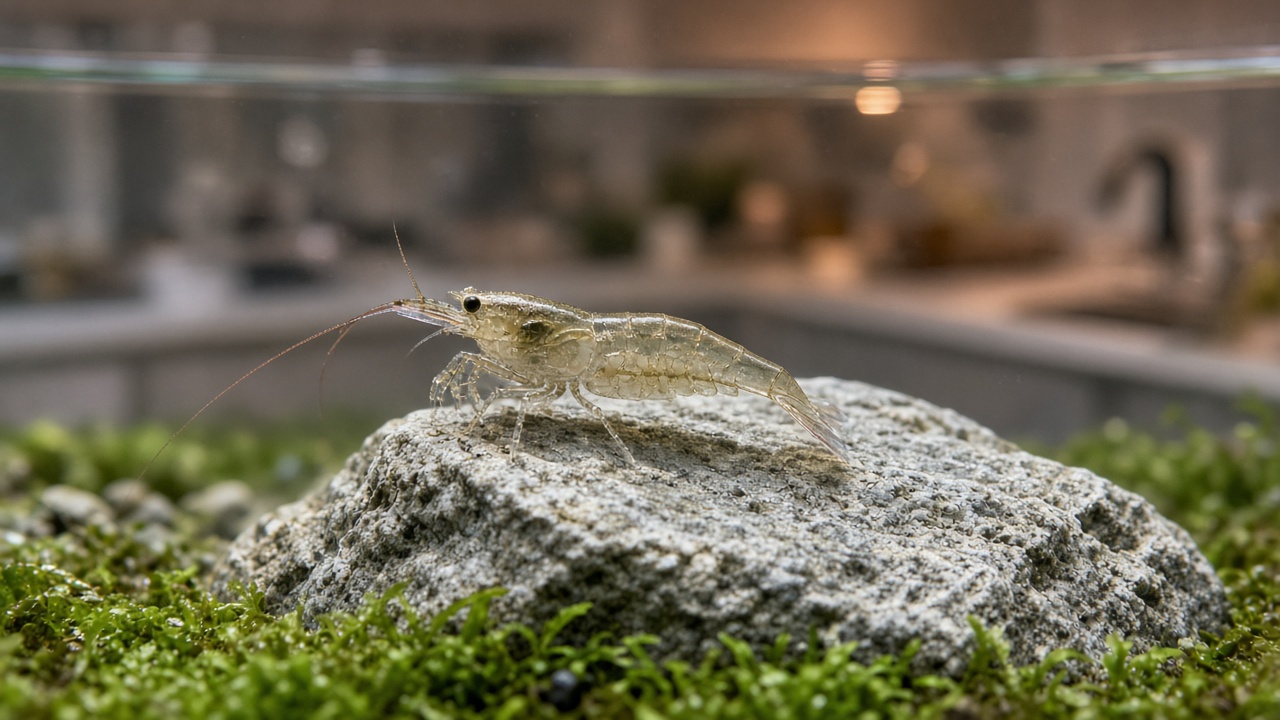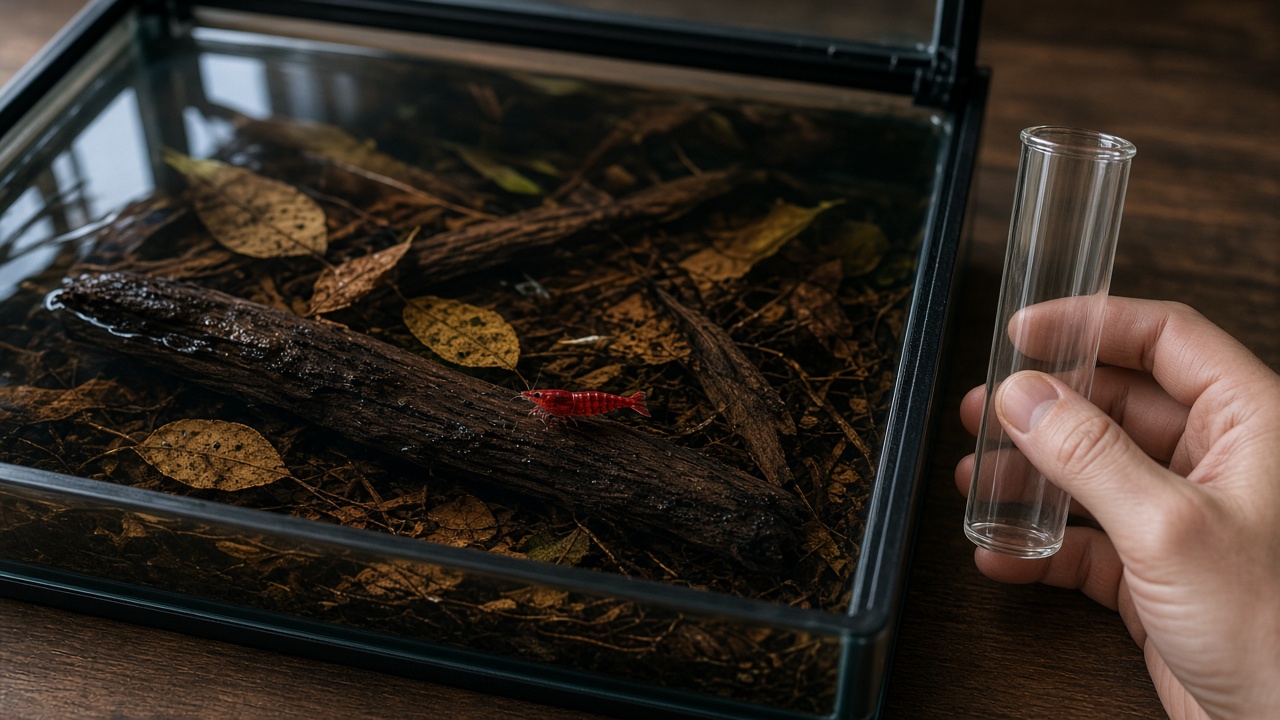
Quick answer: Cherry shrimp lifespan usually runs about 1 to 2 years in home tanks. Warm water and unstable chemistry shorten that window. Cooler, steady parameters and copper-free water help individuals reach the longer end.
Cherry shrimp usually live about 1 to 2 years, shortened by heat, copper, and unstable water.
We compared published care data and maker specifications to write this page. Our research team analyzed temperature, hardness, molting risk, and stocking habits that change how long Neocaridina davidi live. Owners consistently report colonies that look eternal while individual shrimp still age out within a couple of years.
Comparing published specs shows lifespan is a trade with breeding speed. Higher temperatures raise metabolism, growth, and breeding rate, then cut individual longevity. Cooler water slows the colony clock and often stretches life. This page separates biology from bad husbandry so you can pick the trade you want.
Include lifespan drivers backed by published Neocaridina care ranges for temperature, GH, KH, pH, colony size, and feeding. Leave out miracle longevity supplements, unverified extreme age claims without context, and fish medications that contain copper. Skip dosing advice that only a veterinarian should give for a sick animal.
What a normal cherry shrimp lifespan looks like
Most healthy cherry shrimp live about 1 to 2 years.
Many keepers see individuals land nearer 12 to 18 months. Reaching a full 2 years usually means stable water, mineral support for molts, and no copper accidents. Females grow larger, often near about 1.5 inches (4 cm). Males stay nearer about 1 to 1.25 inches (2.5 to 3 cm). A busy colony can hide aging because babies keep appearing.
Lifespan reality checks:
- Biology caps most shrimp near 2 years even in great care
- Colony success is not the same as one shrimp living forever
- Older colorful adults may already be past peak breeding age
- Opaque dead shrimp differ from clear discarded molts
- Count adults over months if you want true longevity data
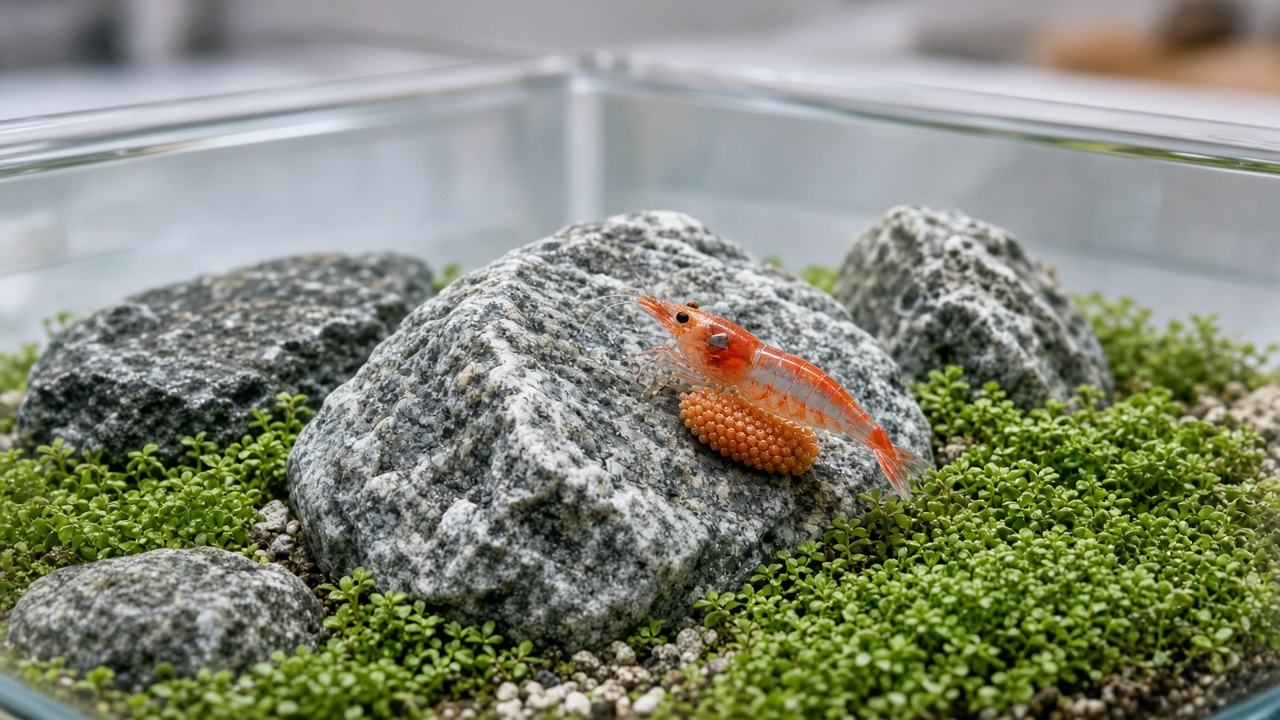
A tank that always looks full of red shrimp can still turn over its population twice a year. Log a few marked adults if you care about individual age. Owners consistently report surprise when a favorite shrimp fades while the colony still thrives. Berried females carry eggs for roughly a month depending on temperature, then release miniature copies of the adults. That cycle makes the display look permanent even when named adults quietly leave.
Temperature is the biggest lifespan lever you control
Heat speeds life. Cool slows it.
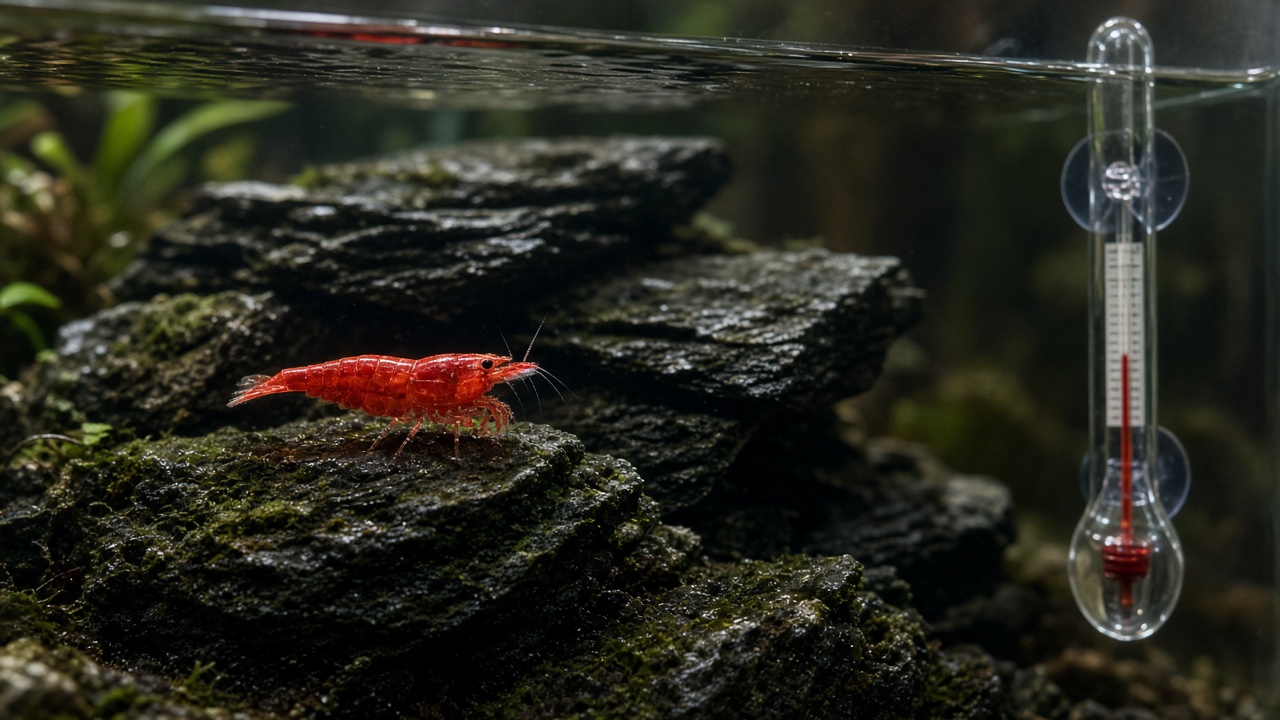
Neocaridina can live across about 60°F to 82°F (16°C to 28°C). Comfort often sits near 72°F to 76°F (22°C to 24°C). At the warm end they grow and breed faster, then age faster. At the cool end they breed less and often live longer. A heater is optional when room air stays in range, and useful when you want steady breeding warmth.
Temperature checklist:
- Measure water, not room air on the glass
- Avoid heaters that overshoot into the low 80s °F all day
- Prefer stability over chasing a perfect degree
- Expect fewer berries in a cool longevity tank
- Expect shorter adult lives in a hot breeding factory
If your goal is maximum shrimplet output, accept shorter adult lives. If your goal is keeping the same named shrimp longer, keep the tank on the cooler comfortable side and feed well. Comparing published specs on metabolism makes that trade explicit. Room swings of several degrees overnight stress small nano tanks more than larger volumes. Place heaters where flow spreads heat evenly so no corner cooks while another stays cold.
Unstable water and failed molts cut life short
Shrimp die from swings more often than from old age.
Aim for pH about 6.5 to 8.5. Keep GH at least about 6° (about 110 ppm) and KH at least about 2° (about 40 ppm) for healthier molts. Soft water without remineralization invites failed molts, sometimes called the white ring of death when a band shows behind the head. Ammonia and nitrite must stay at 0 ppm. Large, mismatched water changes shock them.
Stability steps:
- Cycle the tank fully before adding shrimp
- Match temperature and minerals on every water change
- Prefer small frequent changes over rare giant dumps
- Add mineral support if tap water is very soft
- Leave clean molts for shrimp to recycle calcium
A 10 gallon or larger colony tank usually swings less than a 2 gallon bowl. Nano tanks can work, but they punish skipped maintenance. Our research team analyzed care notes that treat mature biofilm tanks as safer homes than sterile new setups. After a molt the new shell stays soft for a while, so dense moss and caves give cover until hardening finishes. Crushed coral can raise KH. Products such as Seachem Equilibrium raise GH when tap water is too soft.
Copper, meds, and toxic accidents end colonies fast
Copper is a classic shrimp killer.
Many fish medications and some plant fertilizers carry copper. Invertebrates take lethal hits at doses fish shrug off. Snails and shrimp vanish after a treatment dose labeled safe for fish. Read every bottle before it touches the tank. When in doubt, treat fish in a hospital tank, not the shrimp display.
Toxic risk list:
- Copper-based meds and algaecides
- Untreated tap with metal spikes after pipe work
- Aerosol insecticides near the aquarium
- Overdosed ammonia detox products used as a crutch
- Contaminated nets from a medicated tank
Quarantine new plants if they came from copper-dosed stores. Rinse decor. Keep a dedicated shrimp net. One careless treatment can erase a year of colony growth overnight. Owners consistently report sudden colony wipeouts after one dose meant for ich or snails. That pattern is husbandry, not mysterious shrimp weakness.
Predation, hunger competition, and colony crowding
Fish eat babies. Adults still starve if food never reaches them.
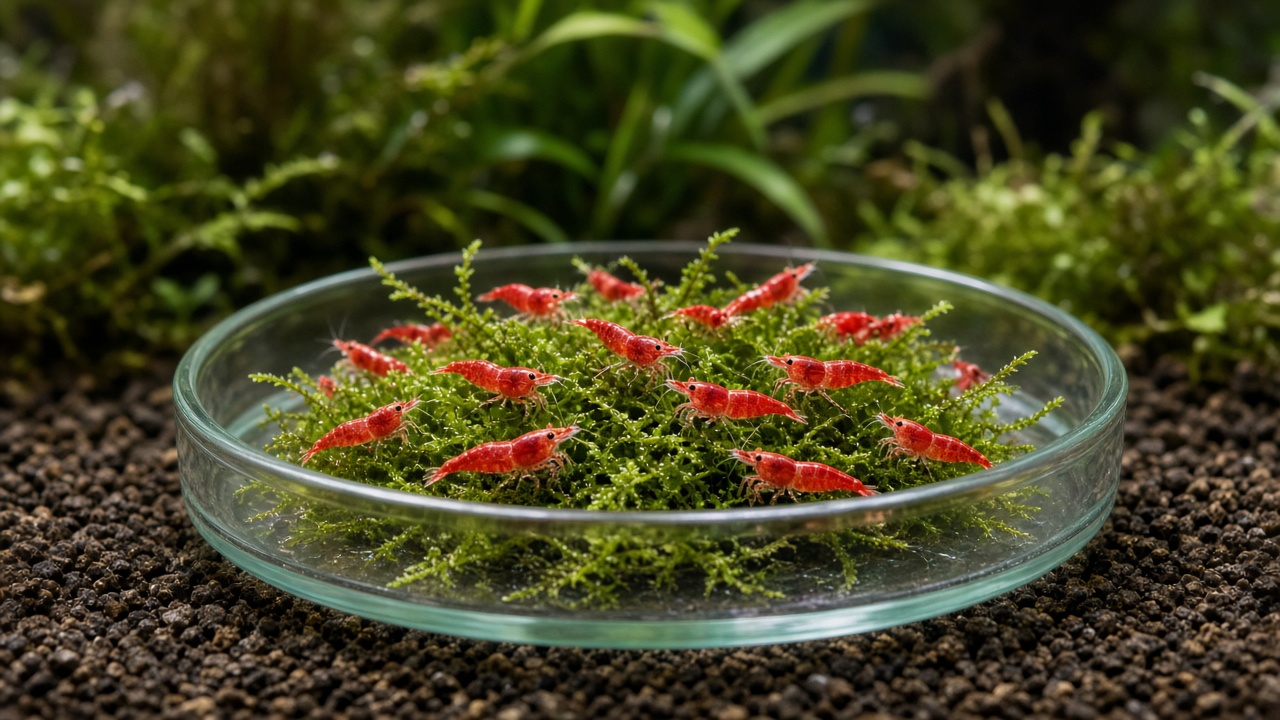
Species-only tanks protect shrimplets best. Peaceful nano fish may coexist with adults, but most fish hunt babies. Start breeding groups around 10 shrimp so both sexes are present. When breeding stops, the colony may have hit food limits for that tank size. Feed more, upgrade volume, or move shrimp out.
Colony pressure cues:
- Adults graze but berried females vanish
- Babies never appear despite mating dances
- Filter intakes lack sponge guards
- Only the boldest adults reach sinking foods
- Nitrate climbs as you add more shrimp without more plants or changes
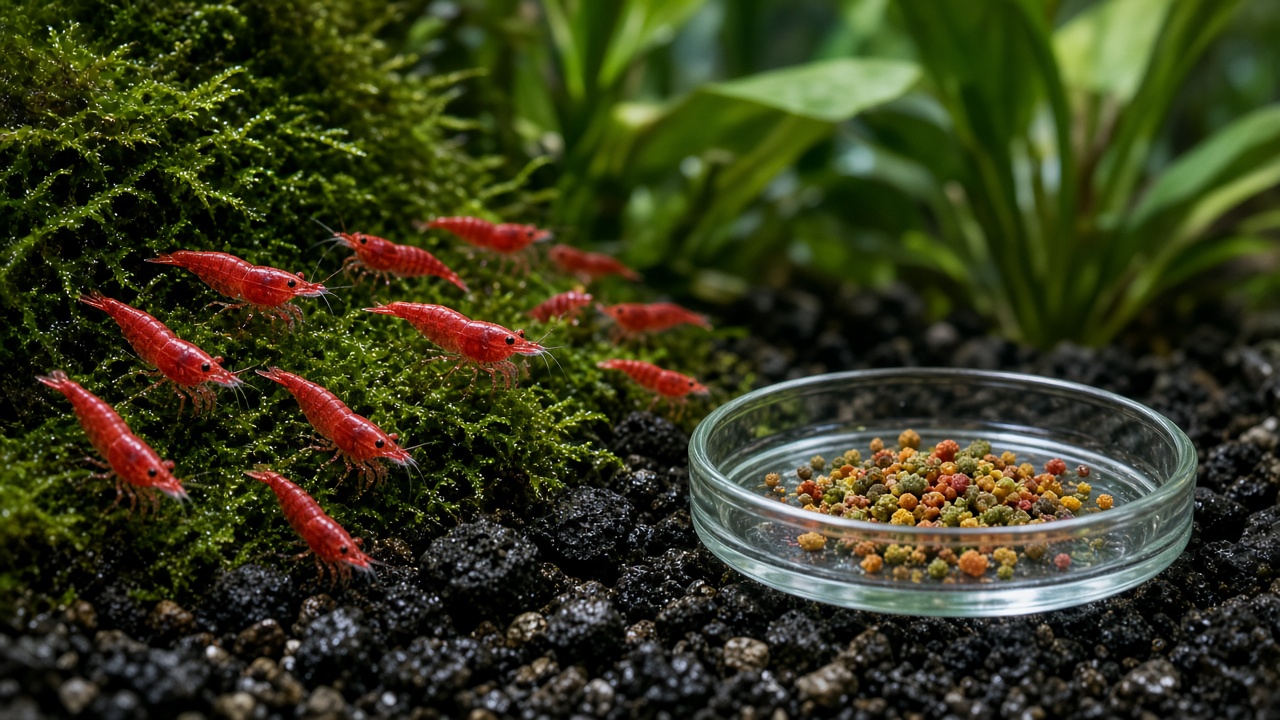
Powdered foods help newborns that cannot race adults. Botanicals and moss grow biofilm that feeds everyone between meals. Lifespan drops when chronic hunger and bullying stack on warm water. Cover filter intakes with sponge so babies are not sucked away. Females may carry about 20 to 30 eggs at a time, so predation pressure shows up as missing shrimplets long before adult counts fall.
Parameter table for longer cherry shrimp life
Use these as a working map, then stop chasing daily perfection.
| Parameter | Target cue | Lifespan note |
|---|---|---|
| Typical lifespan | About 1–2 years | Many land near 12–18 months |
| Temperature | About 60–82°F; comfort often 72–76°F | Warmer = faster life; cooler = longer life |
| pH | About 6.5–8.5 | Stability beats a perfect single reading |
| GH | At least about 6° (~110 ppm) | Supports molting |
| KH | At least about 2° (~40 ppm) | Buffers swings |
| Ammonia / nitrite | 0 ppm | Any readable level shortens life fast |
Hold nitrate modest with plants and water changes. Remineralize soft tap water before it hits the shrimp. Retest after filter media swaps so you do not create a mini-cycle under the colony. Record baseline numbers after a successful month so you notice drift early. Keep a glass thermometer in the water, not taped to the outside pane alone.
Practical habits that stretch individual lives
Pick cool stability, minerals, and predator control.
Keep the thermometer honest. Feed calcium-rich shrimp foods such as Hikari Shrimp Cuisine plus biofilm from leaves and wood. Guard filter intakes. Avoid copper. Cull only for color projects, not by starving weak shrimp. When you buy stock, mix sizes so you are not starting with only old show females.
Weekly habits:
- Glance at temperature and behavior daily
- Offer a mineral-rich shrimp food a few times a week
- Siphon leftovers without vacuuming every moss strand
- Check for opaque deaths versus clear molts
- Move excess adults before the tank overcrowds into waste spikes
Owners consistently report better longevity when they stop heating for maximum breeding and start heating only as needed for comfort. Your goal for cherry shrimp lifespan should match how you stock and feed. Blanched vegetables and gel foods that stay water-stable give slow grazers time to eat without fouling the tank. Protein matters for growth and egg production, so biofilm alone is not a complete plan in a dense colony.
FAQ
How long do cherry shrimp live in a home aquarium?
Most cherry shrimp live about 1 to 2 years with good care in a home aquarium. Many individuals land nearer 12 to 18 months rather than the full upper end. Reaching 2 years usually means cool-stable water, minerals for healthy molts, and no copper events. A booming colony is not proof that every adult shrimp is old.
Does warmer water really shorten cherry shrimp lifespan?
Yes, warmer water shortens individual lifespan for cherry shrimp in most published care comparisons. Higher temperatures raise metabolism, growth rate, and breeding output at the same time. That same metabolic speed ages adults faster than cooler comfort ranges. Cooler water slows breeding and often stretches life, so pick the trade that matches your goal.
What water hardness helps them live longer?
Keep GH at least about 6° and KH at least about 2° so molts complete more reliably. Soft water without remineralization raises failed molt deaths, including the white ring pattern keepers describe. Stability matters as much as the exact degree reading on your test kit. Retest after water changes so replacement water matches the tank minerals.
Can copper kill an otherwise healthy colony?
Yes, copper can wipe an otherwise healthy cherry shrimp colony quickly. Fish medications and some fertilizers that fish tolerate are often lethal to shrimp at the same dose. Treat sick fish in a separate hospital tank whenever copper is involved. Read every label twice before anything enters the shrimp display water.
Do cherry shrimp need a heater to live longer?
They do not need a heater if room temperature stays in their comfort band near the low-to-mid 70s °F. Heaters help when rooms run cold or when you want steady breeding warmth on purpose. Constant high heat aimed at maximum babies usually cuts adult lifespan. Measure water temperature, not just the air beside the glass.
Why did my favorite shrimp die while babies keep appearing?
Individual adults age out even when the colony keeps producing babies. Warm breeding setups turn over adults faster while shrimplets refill the display. Check for disease, copper, or crash signs, but expect natural replacement in busy tanks. Mark a few adults if you want true age tracking across months of colony growth.
What tank size supports longer lives?
A 10 gallon or larger mature tank usually holds chemistry steadier than tiny bowls that swing hard. Stability protects lifespan more than raw gallons alone when maintenance stays consistent. Guard filter intakes so babies are not lost, and keep minerals matched after every change. Upgrade volume when overcrowding drives waste spikes and constant hunger.
This guide is informational only and does not replace advice from a qualified veterinarian.