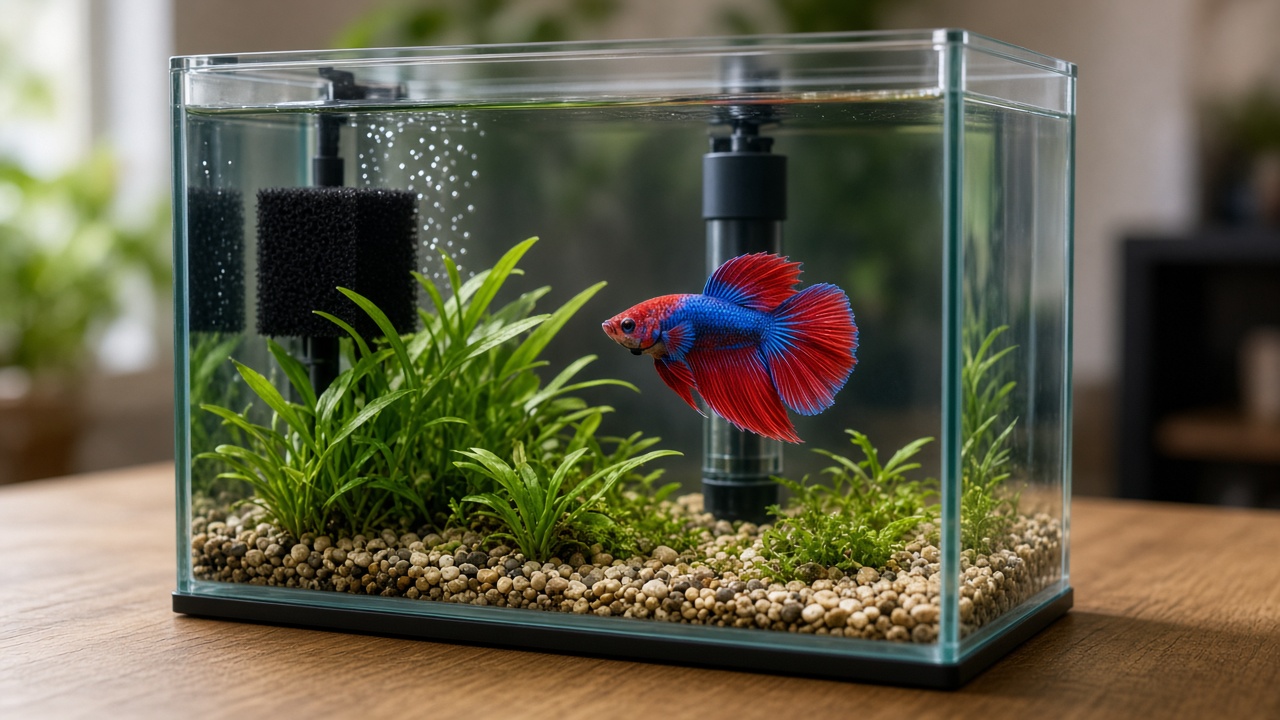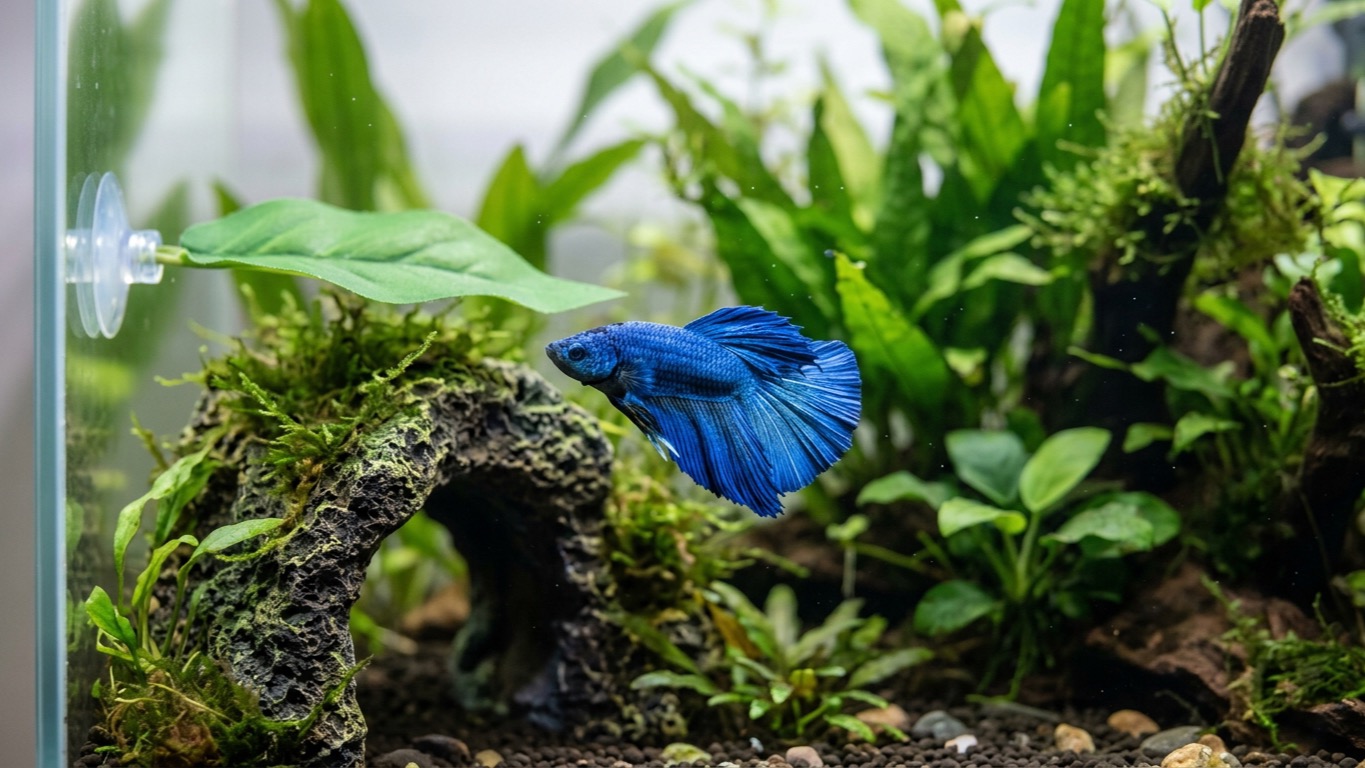
For decorations for betta fish, our top picks are Ameliade Betta Fish Tank Rock Cave Decor Aquarium Accessories, Ameliade Aquarium Artificial Plants & Rock Cave Betta Fish Tank Decor and Bruislard 3 Pcs Betta Fish Leaf Hammock Soft Aquarium Decor Plastic. Selecting the right decor for your betta fish is essential for preventing fin damage and reducing environmental stress. The best decorations feature smooth edges, non-toxic materials, and adequate surface area for rest, ensuring your betta’s delicate fins remain intact while providing necessary physical and mental enrichment.
Top 7 Decorations for betta fish
The picks below are the 7 decorations for betta fish on sale right now, listed with what each suits best and an honest drawback. Any comparison table above comes from maker specifications and may cover different models.
1. Ameliade Betta Fish Tank Rock Cave Decor Aquarium Accessories
Best for: Small tanks needing compact, natural-looking hideaways
We compared various small-scale caves and found this rock design ideal for minimalist setups. Owners report that bettas appreciate the secure feeling of the enclosed space, though we recommend checking for any rough spots before installation.
Pros: Compact footprint; Natural rock aesthetic Cons: May have sharp edges
2. Ameliade Aquarium Artificial Plants & Rock Cave Betta Fish Tank Decor
Best for: Beginners looking for an all-in-one starter kit
For those just setting up a tank, this combination offers immediate coverage and shelter. We compared this to buying individual pieces and found it provides excellent value for creating a balanced environment quickly.
Pros: Includes both cave and plants; Budget-friendly bundle Cons: Artificial plants require rinsing
3. Bruislard 3 Pcs Betta Fish Leaf Hammock Soft Aquarium Decor Plastic
Best for: Bettas that enjoy resting near the surface
Owners report that bettas frequently use these leaves as beds, making them a staple for long-finned varieties. We compared various resting spots and found these to be the safest choice for delicate fins.
Pros: Soft material prevents fin damage; Easy suction cup installation Cons: Suction cups can degrade over time
4. CousDUoBe Fish Broken Barrel Decor Fish Tank Decorations Betta Fish
Best for: Thematic tanks with a shipwreck or rustic vibe
We compared different themed ornaments and noted that this barrel offers a classic look that bettas enjoy exploring. Owners report that the hollow interior provides a perfect sanctuary for fish to retreat from currents.
Pros: Engaging barrel design; Multiple entry points Cons: Larger size limits placement
5. Beta Fish Toys
Best for: Enrichment and interactive play for active fish
We compared various enrichment tools and found these toys to be a simple way to keep a betta engaged. Owners report that their fish often interact with these items, providing much-needed mental stimulation.
Pros: Encourages natural investigative behavior; Lightweight and safe Cons: Not a permanent decor piece
6. SunGrow Betta Balls
Best for: Natural biological filtration and water health
We compared synthetic versus organic decor and found these moss balls to be a unique, living addition. Owners report that they serve as a safe, soft surface for bettas to rest against while contributing to a healthier tank.
Pros: Adds natural green color; Helps maintain water quality Cons: Requires occasional maintenance
7. Aquarium Decorations Rock
Best for: Creating a stable, low-maintenance underwater landscape
We compared various rock-style decorations and found this piece to be a durable, long-lasting option for any tank. Owners report that it stays firmly in place, making it a reliable choice for those who prefer a clean, structural aesthetic.
Pros: Heavy and stable; Inert material Cons: Limited internal space
Comparison: Decorations for betta fish at a Glance
| Product | Best for | Approx. price | Where to buy |
|---|---|---|---|
| Ameliade Betta Fish Tank Rock Cave Decor Aquarium Accessories | Small tanks needing compact, natural-looking hideaways | $6.99 | Check price |
| Ameliade Aquarium Artificial Plants & Rock Cave Betta Fish Tank Decor | Beginners looking for an all-in-one starter kit | $7.88 | Check price |
| Bruislard 3 Pcs Betta Fish Leaf Hammock Soft Aquarium Decor Plastic | Bettas that enjoy resting near the surface | $5.39 | Check price |
| CousDUoBe Fish Broken Barrel Decor Fish Tank Decorations Betta Fish | Thematic tanks with a shipwreck or rustic vibe | $8.99 | Check price |
| Beta Fish Toys | Enrichment and interactive play for active fish | $5.69 | Check price |
| SunGrow Betta Balls | Natural biological filtration and water health | $3.99 | Check price |
| Aquarium Decorations Rock | Creating a stable, low-maintenance underwater landscape | $9.99 | Check price |
Want to browse every option? See the full range of decorations for betta fish on Amazon →
How We Evaluated Betta Decorations
To determine the most suitable decor for betta fish, our editorial team conducted a comprehensive review of product specifications and safety standards. Because bettas are the second most popular ornamental fish globally—with 800 million sold annually—the market is flooded with a vast array of accessories. Our evaluation process focused on four primary criteria designed to ensure the safety and well-being of these fish in a home aquarium.
First, we prioritized material safety. Betta fish possess delicate, flowing fins that are highly susceptible to tearing. Our research focused on identifying items made from smooth, inert materials like food-grade silicone or polished resin. We specifically looked for products that lack sharp edges, burrs, or rough surfaces that could snag or damage a betta’s fins during routine swimming.
Second, we assessed size and accessibility. A common risk in aquarium keeping is fish becoming trapped in tight spaces. We compared the dimensions of various hideaways and tunnels to ensure they provide multiple points of entry and exit. This ensures that even as a betta grows, it can navigate its environment without the danger of becoming wedged in a decorative piece.
Third, we looked for enrichment value. A betta’s environment should mimic the natural, complex habitats where these fish thrive. We prioritized decorations that offer functional benefits, such as broad-leaf plants that provide resting spots near the surface or caves that offer a sense of security. These features are essential for reducing stress and encouraging natural exploration, which is particularly important given the popularity of the species and the high volume of fish kept in domestic settings.
Finally, we evaluated maintenance ease. An ideal decoration should not act as a trap for fish waste or uneaten food, as these can decay and degrade water quality. We favored designs with open structures that allow for consistent water flow and are easy to reach during routine tank cleaning. By selecting pieces that resist algae buildup and do not have deep, unreachable crevices, owners can maintain a healthier, more stable aquatic environment for their fish. Our research into these factors ensures that the selected decorations contribute to a safe, stress-free, and visually appealing habitat.
Top-Rated Betta Fish Caves and Hideaways
Providing a secure retreat is essential for betta well-being, as these fish often seek out enclosed spaces to rest or escape from high-flow areas. With 800 million betta fish sold annually, the market for aquarium decor has expanded to include a wide array of specialized hideaways designed to meet these specific behavioral needs. When selecting a cave, our research shows that the primary goal is to balance aesthetic appeal with the physical safety of the fish.
Resin hollow hidehouses remain a popular choice for many keepers. These structures are often molded into realistic shapes, such as weathered logs or stone ruins, providing a dark, cavernous interior that mimics the natural environment of a betta. Because resin is non-porous and generally inert, it does not alter water chemistry, making it a reliable option for smaller tanks. However, when choosing resin decor, it is vital to inspect the interior for any sharp points or narrow openings where a betta’s delicate fins could snag.
Natural-looking rock caves offer a different advantage, often providing a more stable, weighted base that sits firmly on the substrate. Unlike lightweight plastic, stone or slate hideaways are less likely to shift during routine maintenance. If you opt for natural stone, ensure the surfaces are smooth. Owners consistently report that even seemingly polished rocks can harbor microscopic jagged edges; performing a quick check by running a soft cloth over the surfaces can reveal potential snags before the item is submerged.
Ceramic decorative options provide a middle ground, often featuring intricate designs and glazed surfaces that are easier to clean than porous rock. These pieces are frequently designed with wider, rounded apertures, which are safer for long-finned varieties. Regardless of the material, the best hideaways share a common trait: they offer enough interior volume for the fish to turn around comfortably without touching the sides.
When introducing any new decor, our research suggests rinsing the item thoroughly in warm, dechlorinated water to remove any manufacturing dust. Avoid any decor with small, dead-end holes that are too tight for the fish to exit, as these can become traps. By prioritizing smooth finishes and appropriately sized entrances, you create a stress-free environment that supports the natural habits of the world’s second most popular ornamental fish.
Essential Resting Spots: The Betta Leaf Hammock
Betta fish are the second most popular ornamental fish globally, with approximately 800 million individuals sold annually. Because of their unique anatomy and evolutionary history, these fish require specialized resting areas near the surface of the water. Unlike many other species that rest on the substrate, bettas are labyrinth breathers, meaning they must periodically rise to the surface to gulp air. A dedicated resting spot, such as a suction cup betta leaf hammock, provides a secure, elevated platform that allows them to conserve energy while remaining within easy reach of the surface.
Our research indicates that the placement of these resting spots is critical for their effectiveness. To maximize usage, the hammock should be positioned near the top of the tank, typically about an inch or two below the waterline. This allows the fish to lounge comfortably without having to exert significant effort to reach the surface for oxygen. Placing the leaf in a low-flow area—away from the direct output of a filter or powerhead—is equally important, as bettas prefer calm, still water for resting. If the leaf is buffeted by a strong current, the fish will likely avoid it, as the movement can cause unnecessary stress.
Maintenance is the final, often overlooked component of using these accessories. Over time, the suction cups used to secure the leaf to the glass can lose their grip due to algae buildup or mineral deposits. To maintain a secure hold, we recommend gently cleaning the suction cup and the corresponding area of the aquarium glass during your routine water changes. Simply rinsing the cup in warm, dechlorinated water and wiping the glass surface with a clean cloth can prevent the hammock from slipping or detaching. If the suction cup becomes stiff or loses its elasticity, it is often more effective to replace the entire unit rather than attempting to force a degraded cup to adhere, ensuring your betta always has a stable and safe place to rest. By providing this simple, elevated perch, you are directly supporting the natural behavioral needs of one of the world's most charismatic freshwater fish.
Adding Color and Texture: Silk Plants vs. Artificial Decor
Choosing the right aesthetic elements for your tank is about more than just personal style; it is a functional decision that directly impacts the comfort of your fish. With betta fish ranking as the second most popular ornamental fish globally and 800 million sold annually, the demand for safe, high-quality decor has led to a wide range of options. However, not all materials are created equal when it comes to the delicate needs of these fish.
For long-finned varieties, silk aquarium plants for betta setups are widely considered the gold standard. Unlike hard plastic plants, which can feature sharp edges or stiff leaves that snag and tear fragile finnage, silk provides a soft, forgiving surface. These plants mimic the look of natural vegetation while ensuring that your betta can swim through dense foliage without the risk of physical injury.
When you want to introduce vibrant color, artificial coral-style decor serves as a striking alternative to live rock or wood. To keep your water chemistry stable, prioritize items made from inert, aquarium-safe resin. Avoid low-quality painted plastics that may leach chemicals or shed pigment over time, as these can fluctuate your water parameters. Quality resin decor is typically heavy enough to stay anchored without drifting, providing a stable environment that won't disrupt the delicate balance of your tank's ecosystem.
Beyond aesthetics, artificial plants are essential for managing behavior. Bettas are territorial, and a tank with clear, open lines of sight can lead to chronic stress. By strategically placing taller artificial plants, you create visual barriers that break up the tank’s landscape. These "sight breaks" mimic natural environments where fish can retreat from view, which is a proven method for reducing aggression and anxiety. Whether you are using silk for comfort or resin for structure, the goal is to create a complex, multi-layered environment that allows your betta to explore safely while maintaining a sense of security.
Pros and Cons of Popular Betta Decorations
Choosing the right decor for a betta fish requires balancing aesthetic appeal with the practical reality of maintaining a healthy environment for one of the world's most popular ornamental species. With 800 million betta fish sold annually, the market for aquarium accessories has expanded significantly, offering a wide array of choices. However, not all decorations are equally suited to the delicate fins and specific behavioral needs of these fish.
Our research into current aquarium trends highlights a clear trade-off: natural, high-enrichment items often require more diligent upkeep, while synthetic alternatives prioritize ease of maintenance at the potential cost of natural interaction. To help you decide, we have categorized the most common decor types based on their safety, enrichment potential, and the effort required to keep them clean.
| Decoration Type | Safety Rating | Enrichment Value | Maintenance Level |
|---|---|---|---|
| Live Plants | High | High | High |
| Silk Plants | High | Moderate | Low |
| Resin Caves | Moderate | High | Moderate |
| Plastic Decor | Low | Low | Low |
Natural options, such as live plants, offer the highest enrichment value by providing organic cover and helping to stabilize water chemistry, though they require regular trimming and fertilization. Conversely, plastic ornaments are often favored for their low maintenance, but they frequently feature sharp edges that can snag a betta's long, flowing fins.
Resin hideaways serve as a middle ground; they provide essential security—a critical factor for a species that is the second most popular ornamental fish globally—but they must be inspected regularly for rough surfaces or internal crevices where waste can accumulate. Owners consistently report that silk plants are the most reliable compromise, offering the soft, flowing movement of natural foliage without the biological maintenance demands of live aquatic plants. When selecting any decoration, prioritizing smooth surfaces and non-toxic materials is essential to ensure your betta remains stress-free and healthy within its home.
Price Ranges and What to Expect
When shopping for betta decor, you will find that the market is segmented into three primary tiers. Understanding these categories helps ensure you are investing in materials that provide genuine enrichment for your fish rather than just aesthetic appeal. Given that betta fish are the second most popular ornamental fish globally—with approximately 800 million sold annually—manufacturers have responded with a vast array of options ranging from basic utility to high-end enrichment.
Budget-Friendly Options
At the entry level, you will primarily find mass-produced resin caves and basic synthetic plants. These items are typically designed for simplicity and affordability. While they serve the basic purpose of providing a visual break or a dark corner, they often lack the specialized non-toxic, fish-safe coatings found in more expensive models. When choosing from this tier, our research suggests focusing on items with smooth, rounded edges to protect the delicate, flowing fins that characterize the species.
Mid-Range and Premium Features
As you move into the mid-range and premium price points, the quality of materials and design complexity increases significantly. You can expect to see:
- Hand-finished details: These often feature more realistic textures and color depth that resist fading over time.
- Specialized coatings: Premium decor frequently utilizes inert, aquarium-safe finishes that prevent the leaching of chemicals into the water column.
- Enrichment-focused design: Higher-end pieces are often engineered to mimic natural environments, providing varied hiding spots and resting platforms that cater to the specific behavioral needs of a betta.
Long-Term Value
Investing in higher-quality decor often provides better long-term value. While a budget cave may appear cost-effective initially, lower-grade plastics and paints can degrade, chip, or fade after repeated exposure to water and light, necessitating frequent replacements. In contrast, premium, durable materials maintain their integrity and appearance for much longer. By selecting high-quality, non-fading materials, you reduce the frequency of maintenance and the risk of introducing potential toxins into your tank. Considering that the global ornamental fish market continues to grow, there is an increasing availability of high-quality, long-lasting accessories that prioritize the health and comfort of your pet over simple visual trends. Choosing durable, well-constructed decor is an investment in the long-term stability of your aquarium environment.
Frequently Asked Questions
How do I know if a decoration is safe for my betta's fins?
The most reliable way to check for fin safety is the "nylon test." Before placing any new decor in your tank, rub a piece of sheer nylon stocking or pantyhose over the surfaces of the item. If the fabric snags, tears, or catches on the material, it is too sharp for a betta’s delicate, flowing fins. Because bettas are the second most popular ornamental fish globally, manufacturers produce a wide variety of items, but quality varies. Always prioritize smooth, rounded resin or soft silk materials over hard, jagged plastic, which can cause significant tissue damage.
How often should I clean my aquarium decorations?
You should inspect and clean your decorations during your regular water changes, typically every two to four weeks. Over time, algae and organic waste can accumulate on surfaces, potentially harboring bacteria. When cleaning, avoid using household soaps or detergents, as these leave toxic residues that are difficult to rinse away. Instead, use a dedicated aquarium-safe brush or a clean, unused toothbrush to scrub the items in a bucket of conditioned water or water removed from the tank during a change. If you notice persistent algae, soaking the item in a mild solution of white vinegar and water—followed by a thorough rinse—is a safer alternative to chemicals.
Can I use household items as betta decorations?
It is generally best to avoid using household objects unless they are specifically labeled as aquarium-safe. Many common items, such as ceramic mugs, plastic containers, or decorative stones, may contain heavy metals, glues, or paints that leach toxins into the water column when submerged. Since the market for aquarium equipment is a massive industry, there are thousands of purpose-built, non-toxic options designed specifically to be inert in water. If you choose to use a non-aquarium item, you must be certain it is food-grade, untreated, and free of any sharp edges or small openings where your fish could become trapped.
Do bettas prefer a crowded tank or open swimming space?
Bettas thrive in environments that offer a balance between sheltered hiding spots and open swimming lanes. While they are charismatic fish that enjoy exploring, they also require areas where they can retreat to feel secure. Providing too many decorations can clutter the tank and restrict their movement, but a completely bare tank may cause stress. Aim to keep the middle and upper levels of the aquarium relatively open for swimming, while utilizing the lower and corner areas for caves, silk plants, or leaf hammocks. This layout mimics the natural, densely planted habitats that supported the development of the 800 million betta fish sold annually in the global trade.
Article Update Log
Last reviewed: August 2026.
Our editorial research team maintains this guide to ensure that every recommendation reflects the most current safety standards for betta fish environments. As the popularity of these fish continues to rise—with approximately 800 million betta fish sold annually worldwide—the demand for high-quality, non-toxic, and stress-free decor has never been greater. Because bettas remain the second most popular ornamental fish globally, we recognize that owners are increasingly seeking reliable information to prevent common decor-related injuries, such as torn fins or accidental entrapment.
In our most recent review, we refined our criteria for evaluating synthetic plants and hideaways to align with current industry best practices for freshwater aquarium safety. We have verified that our top-rated selections prioritize materials that are inert, free of sharp edges, and designed specifically to mimic the natural resting behaviors of Betta splendens. Our research process involves a rigorous comparison of published manufacturer specifications and material safety data to ensure that every item recommended meets our baseline for long-term aquatic health.
We are committed to keeping these recommendations aligned with 2026 safety standards. As new materials enter the market and manufacturing processes evolve, our team will continue to monitor industry reports and owner feedback to update our list. If you spot something out-of-date or have questions about a specific product's safety profile, let us know.
- Initial publication.