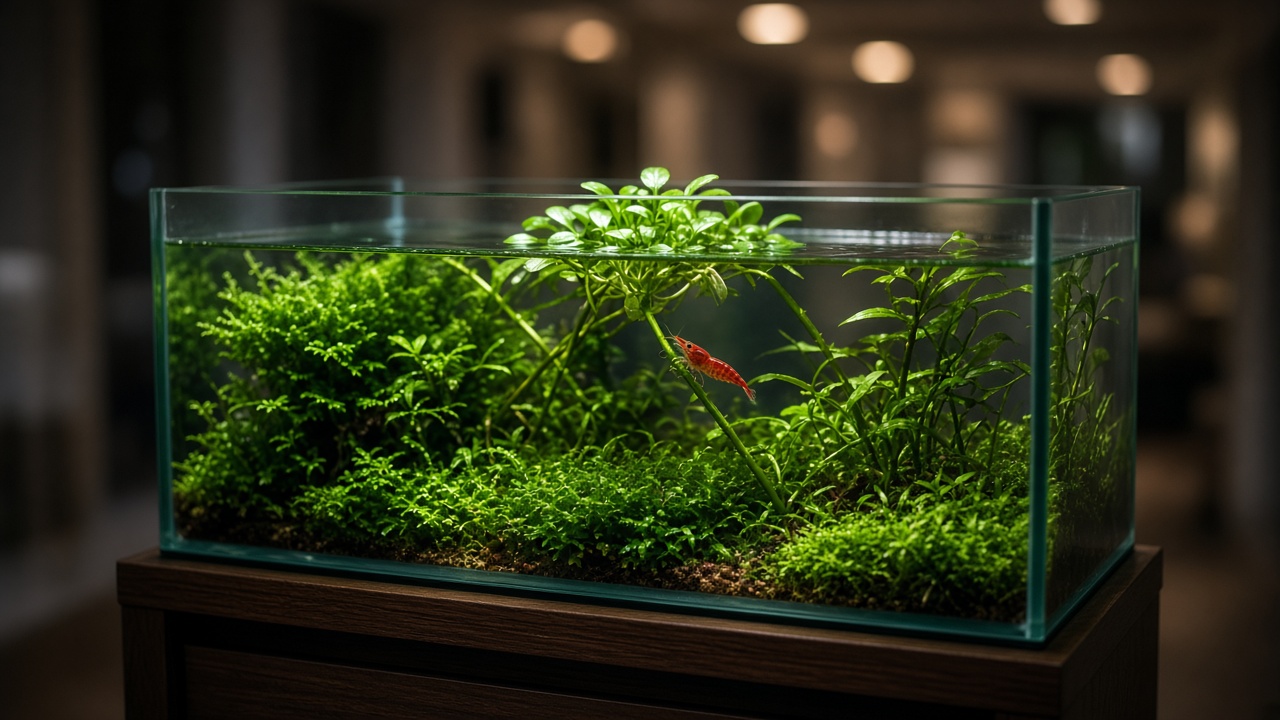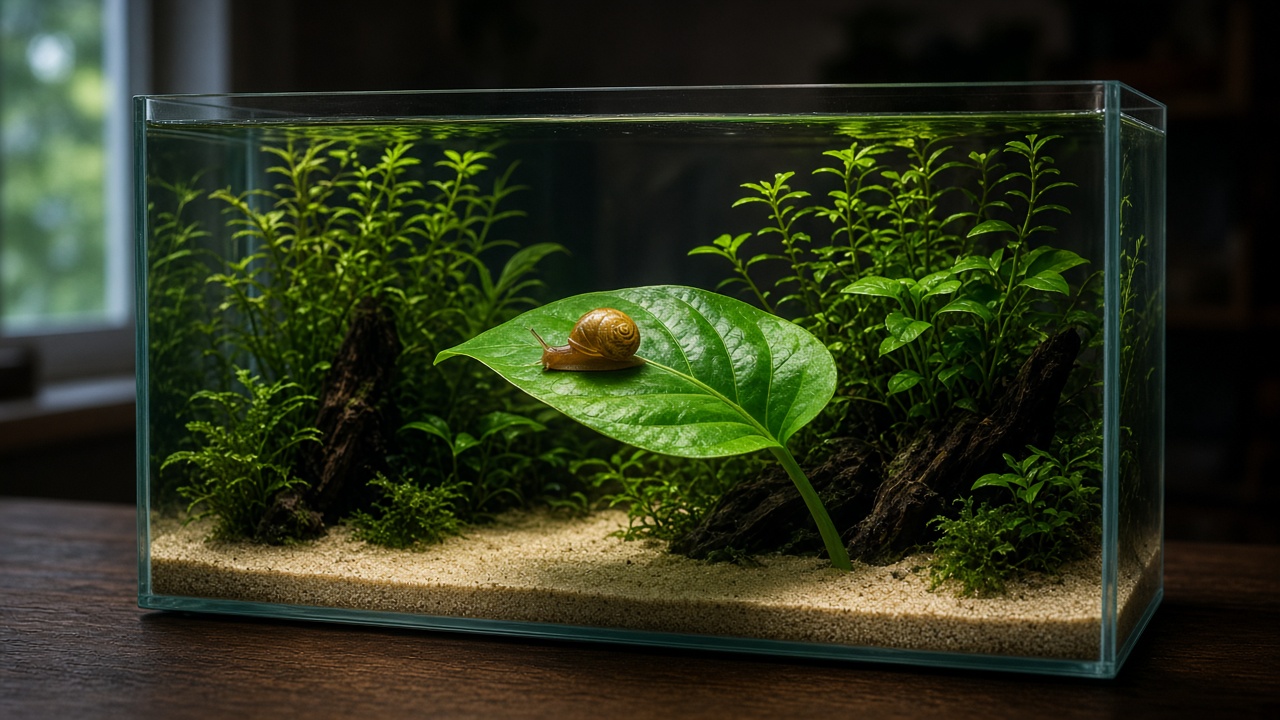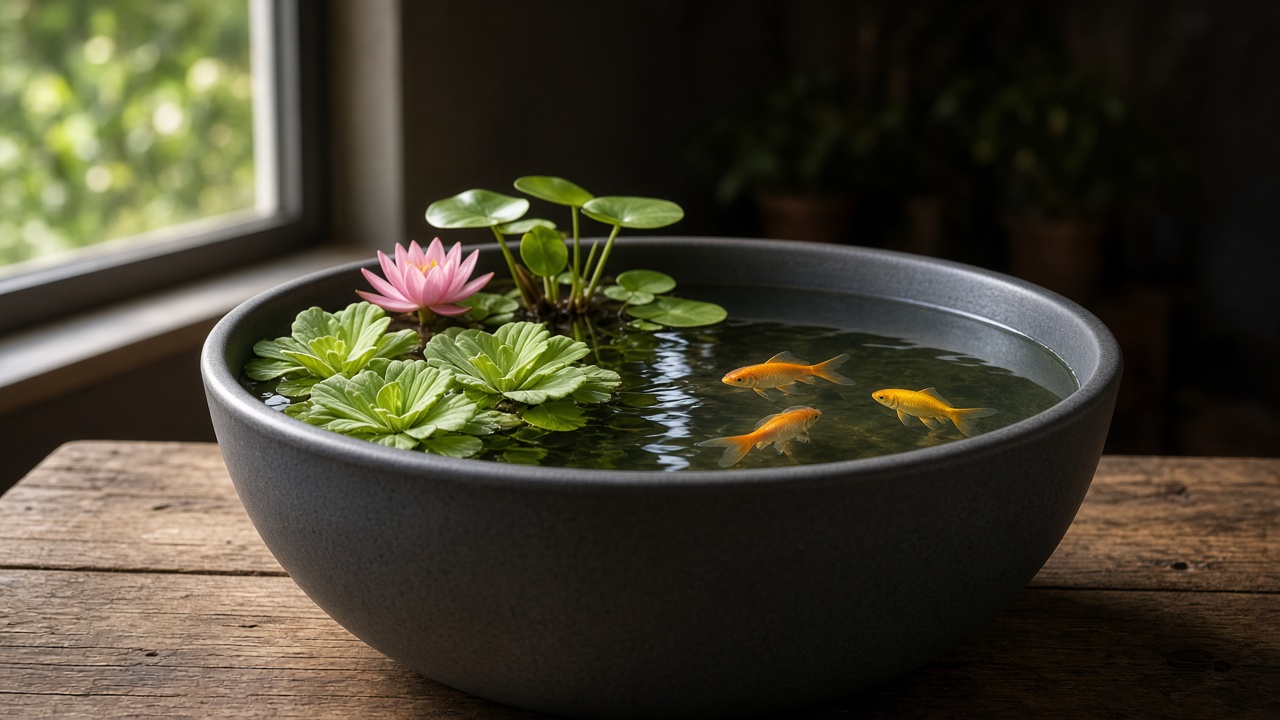
Quick answer: Build a container pond in a sealed tub from about 5 to 300 gallons. Add shade, plant cover near half the surface, and hardy fish for your climate. Condition the water. Use simple filtration or dense plants before stocking.
Shade, plants, and climate-matched fish make a container pond work.
We compared published care data and maker specifications to write this page. Our research team analyzed tub sizes, plant cover, fish choices, and predator steps for backyard and balcony water gardens. Owners consistently report calmer water when shade and plants cut temperature swings before livestock arrives.
Comparing published specs shows larger volume beats a tiny bowl for stable chemistry. Location and plant cover matter as much as the fish list. This page walks container choice, setup order, plants, stocking, and seasonal care without turning the tub into a stagnant bucket.
Include container size cues, shade and burial tips, plant mixes, hardy fish lists, filtration options, predator covers, and winter move-in cues. Leave out dug in-ground liner installs and koi palace plans for 1,000 gallon ponds. Skip veterinary treatment protocols for sick fish.
Choose a watertight container and honest volume
Bigger tubs swing less and forgive more mistakes.
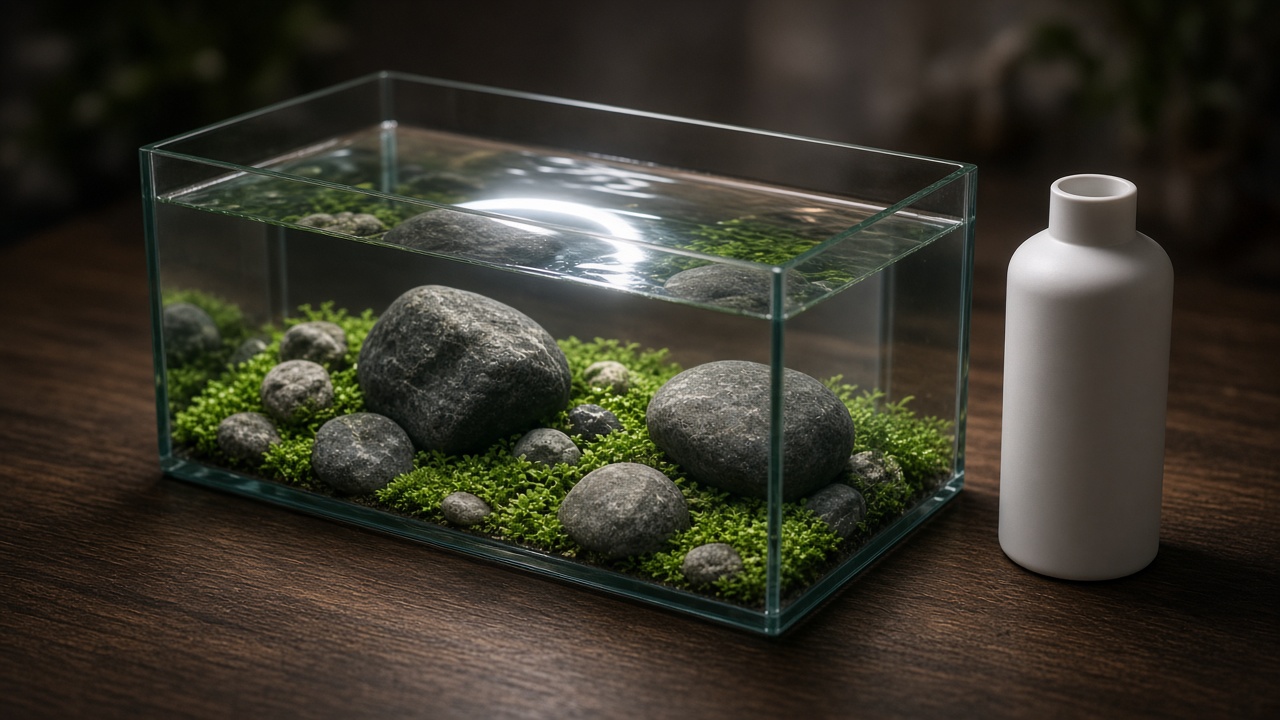
You can start with a 5 gallon bucket or step up to a 300 gallon stock tub from a feed store. Other options include old aquariums, resin barrels, and large decorative pots without drain holes. Metal tubs can leach traces that stress shrimp and snails. Larger water volume buffers heat, cold, and waste better than a shallow dish on a sunny deck.
Container checklist:
- Prefer food-safe plastic stock tubs when possible
- Skip drain holes or plug them fully before filling
- Line wood or porous pots with pond liner
- Avoid tiny bowls under about 5 gallons for fish
- Confirm the filled weight the patio or balcony can hold
Comparing published specs favors volume for water quality and temperature control. A half whiskey barrel look is fine when lined and sealed. Measure doorway and path clearance before you buy a giant tub you cannot move once full. Water weighs about 8.3 pounds per gallon before décor, so a 100 gallon tub is already a serious load.
Place the pond for shade and steady temperature
Sun management is habitat design, not decoration.
Place the container under shade when you can so daily highs stay milder and algae grows slower. Use shade cloth when no tree covers the tub. Partially bury the container so soil buffers summer heat and winter cold. Burying helps, yet it also needs child and pet safety fencing like any open water feature.
Placement rules:
- Favor morning sun and afternoon shade when possible
- Add shade cloth if the tub sits in full day glare
- Bury partly for thermal mass if your yard allows
- Keep cords and air pumps weather-sheltered
- Plan netting or lids before wildlife discovers dinner
Owners consistently report wild day-to-night swings in full-sun micro tubs. Our research team analyzed setup notes that put location before livestock every time. Move an empty tub now rather than a full one later. A thermometer floating in the tub teaches more than guessing from air temperature alone.
Fill, condition, and add simple filtration
Safe water and oxygen come before pretty plants.
Fill with tap water treated with a dechlorinating conditioner, or use rainwater you trust. Rain often replaces evaporation, yet drought weeks still need hose top-offs with conditioned water. A sponge filter plus air pump suits many mini ponds. Larger goldfish loads may need a pond filter or DIY bucket filter with weatherproof power protection.
Water and gear cues:
- Condition every new fill volume
- Shelter air pumps from rain and UV
- Run airline from a garage when outdoor power is messy
- Aim for surface ripple so oxygen stays high
- Skip mystery additives that claim to fix a new tub overnight
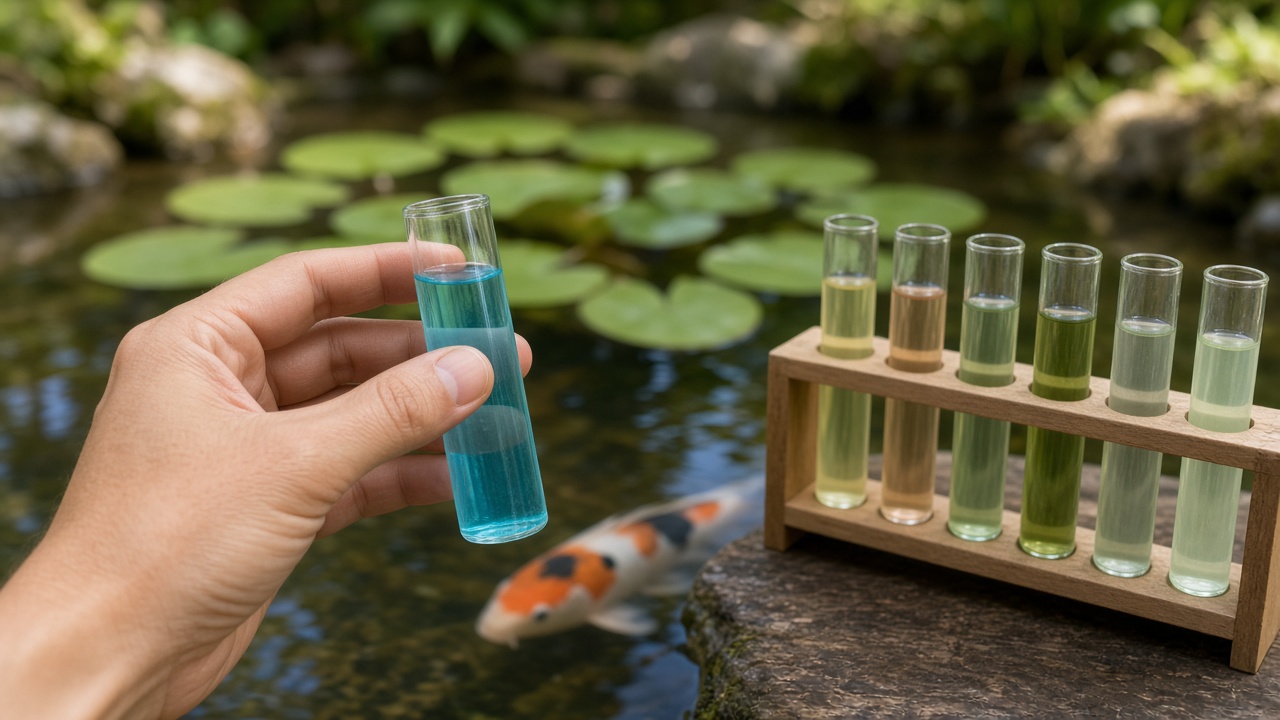
Comparing published specs still starts with chlorine removal and circulation. Clear water alone does not prove ammonia is safe. Cycle or plant heavily before you add fish that cannot leave when the bucket crashes. Weekly top-offs and occasional partial changes keep dissolved waste from stacking through hot weeks.
Plant for cover, shade, and nutrient uptake
Plants are the living filter in a small container pond.
Cover roughly up to half the surface with a mix of floaters, oxygenators, and marginals when depth allows. Water hyacinth offers long roots and shade for fry, though local rules may restrict it. Duckweed, water lettuce, and water lilies also help. Stem cuttings from aquarium plants often explode under outdoor light. Fallen leaves become part of the food web when plants and microbes process them.
Plant mix ideas:
- Floaters for shade and root cover
- Oxygenators in deeper zones over about 12 inches
- Marginals on shelves or pots near about 8 inches depth
- Dense roots as fry hideouts from dragonfly larvae
- Trim and share excess plants before they smother the surface
Our research team analyzed keepers who rely on plants more than gadgets in low-stock tubs. Owners consistently report clearer water once plant mass outpaces fish waste. Remove invasive floaters before they escape into local waterways. Pot soil for lilies should stay capped with gravel so mud does not cloud every windy day.
Stock hardy fish matched to your climate window
Match species to outdoor months, not store impulse labels.
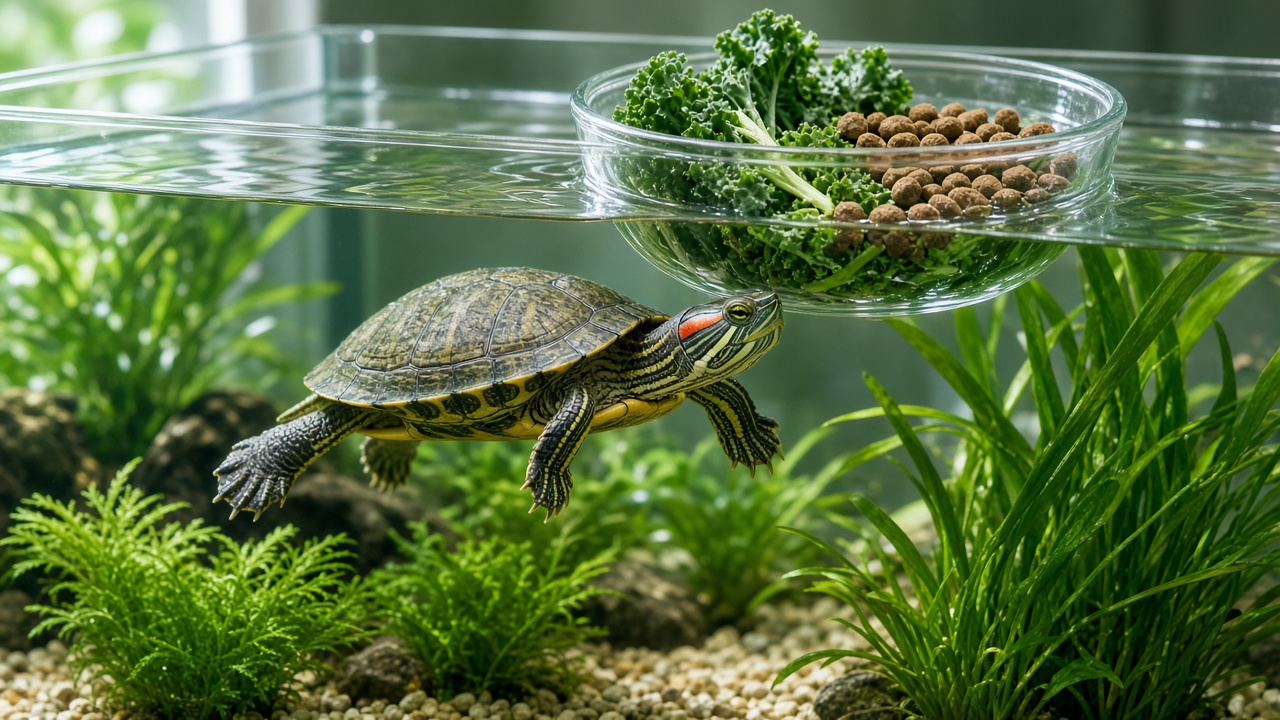
Temperate summers often give about 3 to 4 months of outdoor fun between roughly May and September in much of the United States. Subtropical yards that stay above about 50°F can run longer. Hardy picks include white cloud mountain minnows, ricefish, wild-type Endlers, variatus platies, killifish, and cherry shrimp. Goldfish and koi need far more volume than a balcony bowl. Bring tropical fish indoors when nights near about 65°F.
Stocking discipline:
- Prefer peaceful species that will not eat each other
- Plan where fry will go because outdoor breeding is common
- Skip giant koi for small containers under about 50 gallons
- Quarantine when you can before outdoor release
- Never dump livestock into wild waters at season end
Comparing published specs for mini outdoor ponds clusters on hardy, small, prolific fish. Owners consistently report overcrowding after one summer of livebearer babies. Write an exit plan before the first bag goes in. Feed lightly outdoors because insects, algae, and biofilm already supply snacks.
Protect fish from predators and winter cold
Open water invites cats, raccoons, birds, and dragonfly larvae.
Give fish plants, PVC pipe, and shelves to hide in during daylight raids. Add wire racks, mesh, netting, or fishing-line grids that still pass light. Bring tropical livestock indoors when temperatures dip toward about 65°F. Coldwater fish in large or buried tubs may overwinter with aeration if ice does not seal them airtight. Store perennial plants cool and damp for next season.
Seasonal safety list:
- Install covers before the first raccoon visit
- Keep deep hides under floating plants
- Move tropical fish indoors on cool nights
- Keep a small air stone running under winter ice when fish stay out
- Never release aquarium fish into local ponds or creeks
Our research team analyzed losses that were predation or cold, not mysterious disease. A lid you can lift for viewing still beats an open buffet. End the season with a rehoming plan for surplus fry and plants. Label indoor quarantine tubs early so September chaos does not strand fish in a cooling bucket.
Step-by-step first weekend build
Follow a calm order so power and water stay safe.
- Place the empty tub on a level, load-rated surface
- Rinse dust out without soap residues
- Add liner if the vessel is porous or wooden
- Install shelves, pots, and PVC hides before the fill
- Fill and condition the full volume
- Start the sponge filter or pond pump under weather cover
- Add plants and wait for green growth and stable tests
- Stock a small hardy group only after chemistry holds
Owners consistently report better summers when plants settle before fish. Comparing published specs will not replace watching a thermometer through the first heat wave. Your container pond is ready when shade, cover, and an exit plan exist on paper.
FAQ
How big should a container pond be for fish?
Larger is safer for stable temperature and waste control outdoors. Published hobby notes range from about 5 gallon starter buckets to 300 gallon stock tubs. Goldfish usually want well over 50 gallons in outdoor containers. Tiny decorative bowls work for plants alone more often than for fish long term.
Do I need a filter on a container pond?
Heavy plant cover and very light stocking can process waste in small tubs. Most fish-focused ponds still benefit from a sponge filter or small pond filter for oxygen and clarity. Goldfish and dense stocking need stronger filtration than plants alone. Conditioned water changes still matter either way through hot weeks.
What plants work best in a small container pond?
Mix floaters, oxygenators, and marginals when depth allows in the tub. Water hyacinth, duckweed, water lettuce, and lilies appear often in mini-pond notes. Aim for roughly half surface cover so fish get shade without total blackout. Check local rules before planting any restricted floaters outdoors.
Which fish can live in a backyard container pond?
Hardy warm-season picks include white clouds, ricefish, Endlers, platies, killifish, and shrimp in many climate windows. Match species to your outdoor temperature range and bring tropical fish indoors near about 65°F. Skip oversized koi for small tubs. Plan space for babies after outdoor breeding starts.
How do I keep raccoons and birds out?
Use mesh lids, wire racks, netting, or fishing-line grids that still admit daylight. Provide deep plant roots and PVC hides so fish can vanish fast. Partial burial helps temperature but does not stop hungry wildlife. Check covers after storms before you trust the setup again.
When should I winterize a container pond?
Move tropical fish indoors as nights approach about 65°F in many temperate zones. Drain or cover gear, and store hardy plants cool for spring. Coldwater fish may stay in large buried tubs with aeration if freezing risk stays managed. Never dump leftover fish into wild waterways at season end.
Can I keep a container pond on a balcony?
Yes when the structure can hold the filled weight and you control sun and splash. Use a sealed tub, shade, and a weather-safe power plan for any air pump. Start smaller than a yard stock tank at first. Neighbors appreciate drip trays and secure lids in windy high-rises.
This guide is informational only and does not replace advice from a qualified veterinarian.