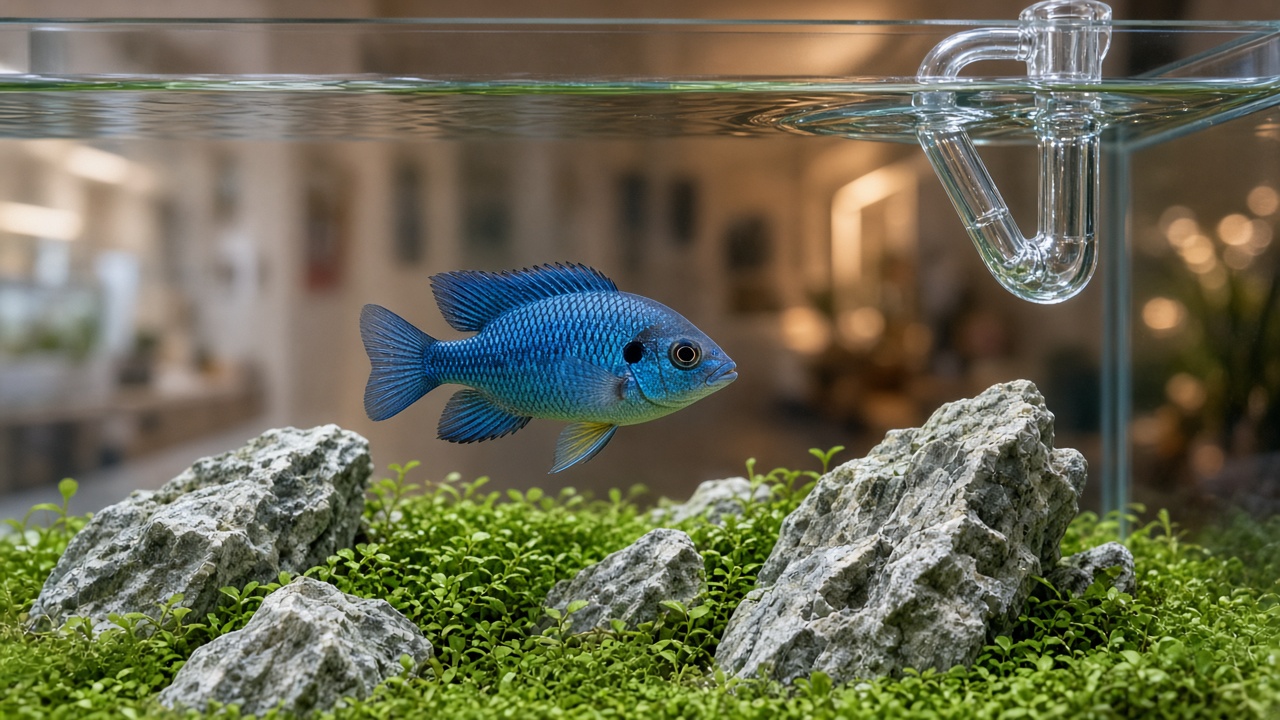
Quick answer: Cool freshwater picks range from 1 inch green neon tetras to 4 inch Boesemani rainbows and tall angelfish. Match adult size, school size, and tank length before you chase color. Planted cover and peaceful tank mates show these fish best.
Pick cool freshwater fish by adult size and tank length, not bag sparkle.
We compared published care data and maker specifications to write this page. Our research team analyzed adult lengths, school floors, and footprint needs for fifteen standout freshwater species. Owners consistently report better color when groups, plants, and swimming length match the fish—not a lonely impulse buy.
Comparing published specs shows “cool” means visible behavior and color under honest housing. Nano sparkle fish and larger showpiece fish need different footprints. This page lists fifteen picks with sizes and tank cues so shopping stays grounded.
Include fifteen species with adult size and tank cues, a comparison table, schooling notes, planted-tank fits, and coldwater options. Leave out saltwater reef fish and monster tankbusters over about 12 inches. Skip veterinary treatment protocols for sick fish.
Nano sparkle fish for planted small tanks
Tiny fish look brightest in dense plants and soft light.
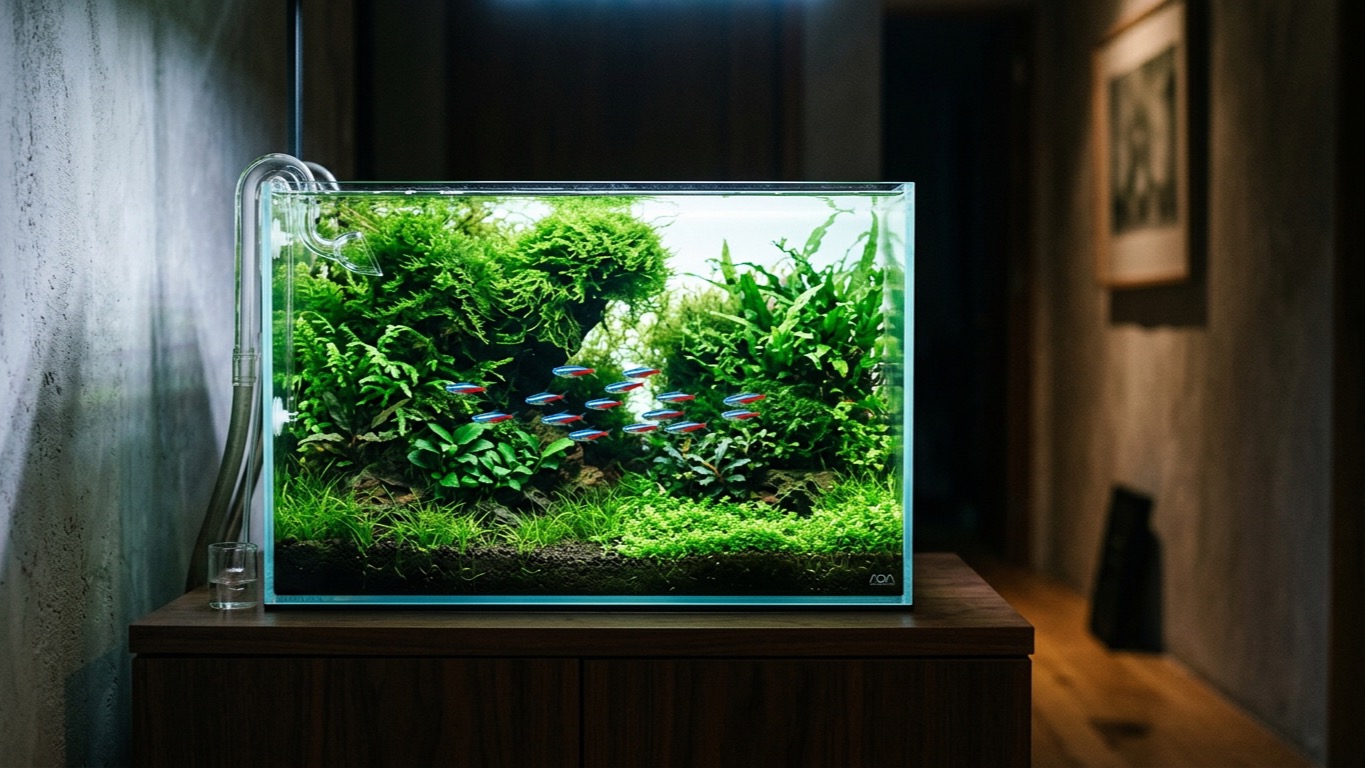
Green neon tetras reach about 1 inch and a school of six can start near 5 gallons. Celestial pearl danios stay near 1 inch and prefer about 72–76°F with plant cover. Pygmy corydoras hover midwater at about 1 inch and need groups plus soft sand. Jellybean tetras near 1.2 inches want schools of six or more in about 10 gallons. These fish need tiny foods that fit small mouths.
Nano checklist:
- Green neon tetra ~1 inch; school of 6+; from ~5 gallons
- Celestial pearl danio ~1 inch; cooler mid-70s °F
- Pygmy cory ~1 inch; midwater hover; soft sand
- Jellybean tetra ~1.2 inches; 10 gallon floor for a school
- Feed crumbled foods, micro pellets, and baby brine shrimp
Owners consistently report shy nanos hiding until school size rises. Our research team analyzed midwater guides that pair cover with group size. Skip large dither fish that outcompete tiny mouths at feeding time.
Classic community color in mid-sized tanks
Hardy midwater schools fill 20 to 40 gallon planted tanks with motion.
Harlequin rasboras reach about 2 inches; lambchop rasboras stay near 1.5 inches. Von Rio flame tetras run about 1.5–2 inches with calm community manners. Cherry barbs near 2 inches show strong red in males when kept in groups. Serpae tetras reach about 2 inches and need 8–10 fish plus fast tank mates to spread nipping. These species tolerate a wide parameter band in many home tanks.
Community midwater cues:
- Harlequin ~2 inches; lambchop ~1.5 inches
- Flame tetra ~1.5–2 inches; peaceful planted fit
- Cherry barb ~2 inches; groups show best color
- Serpae ~2 inches; larger schools reduce targeting
- Prefer 20+ gallons as schools grow past six
Comparing published specs for midwater staples returns to groups and plants, not lonely pairs. Owners consistently report serpae trouble when kept in tiny numbers. Match temperament so fin-shy fish are not roommates with rowdy tetras.
Showpiece shapes for longer aquariums
Longer tanks unlock fish that need laps and height.
Boesemani rainbowfish males near 4 inches need about 4 feet of length and often 75–82°F. Dwarf neon rainbowfish near 3 inches suit lively community tanks with open lanes. Congo tetras near 3 inches need medium-to-large tanks and non-nipping neighbors for their flowing fins. Freshwater angelfish reach about 6 inches tall in hobby form and want height plus calm tank mates. These fish punish short cubes even when gallons look fine on stickers.
Long-tank picks:
- Boesemani rainbow ~4 inches; 4 foot length floor
- Dwarf neon rainbow ~3 inches; active mid-upper swimmers
- Congo tetra ~3 inches; protect long fins from nippers
- Angelfish ~6 inches height class; tall calm tanks
- Tight lids because jumpers appear in open-top designs
Our research team analyzed rainbow and tetra care notes that put length before décor shopping. Comparing published specs for Boesemani schools favors six or more fish. Wait for adult color; juveniles often look washed out for months.
Personality cichlids and oddballs that stay manageable
Small cichlids and oddballs add character without a 200 gallon monster plan.
German blue rams typically reach about 2–3 inches and need pristine warm water near the upper 70s to low 80s °F. Peacock gudgeons near 3 inches flash color in pairs or small groups with caves. Bettas near 2.5–3 inches need space, heat, and no rival males in the same tank. Discus near 5–6 inches demand tall tanks, frequent water care, and experienced keepers. These picks are cool because behavior is visible, not because they are beginner-proof.
Oddball and cichlid notes:
- German blue ram ~2–3 inches; soft clean water
- Peacock gudgeon ~3 inches; caves and calm neighbors
- Betta ~2.5–3 inches; single males; heated space
- Discus ~5–6 inches; advanced water discipline
- Avoid mixing aggressive mouth sizes in tight footprints
Owners consistently report ram losses after ammonia spikes in new tanks. Our research team analyzed size notes that separate true dwarfs from tankbusters. Cool does not mean careless stocking.
Coldwater standouts without a tropical heater
Some of the coolest looks thrive below typical tropical dials.
White cloud mountain minnows near 1.5 inches prefer about 64–72°F for best color and can live without a heater in cool rooms. Rainbow shiners flash multicolor breeding dress and prefer temperatures below about 72°F with a 2–3 year lifespan window. Both suit outdoor summer tubs in mild climates when birds and heat are managed. Keep them out of hot 80°F community tanks that shorten vigor.
Coldwater cues:
- White cloud ~1.5 inches; school of 6+; unheated rooms
- Rainbow shiner; cool water under ~72°F
- Planted 10–20+ gallon long footprints help schools
- Outdoor mini ponds work in suitable seasons
- Skip mixing with high-heat discus or ram setups
Comparing published specs for cool-water minnows stresses temperature honesty. Owners consistently report faded white clouds in warm community tanks. Use these fish when your room runs cool, not as afterthoughts in a heated Malawi tank.
Comparison table for the fifteen picks
Use adult size and tank cues before you buy.
| Species | Adult size cue | Tank cue | Cool trait |
|---|---|---|---|
| Green neon tetra | ~1 in | 5+ gal school | Blue-green stripe |
| Celestial pearl danio | ~1 in | Planted nano | Pearl spots |
| Pygmy cory | ~1 in | Soft sand group | Midwater hover |
| Jellybean tetra | ~1.2 in | 10+ gal school | Pearly shimmer |
| Harlequin rasbora | ~2 in | Planted community | Orange triangle |
| Lambchop rasbora | ~1.5 in | Planted community | Compact harlequin look |
| Flame tetra | ~1.5–2 in | Peaceful community | Red rear half |
| Cherry barb | ~2 in | Grouped community | Male red flush |
| Serpae tetra | ~2 in | 8–10+ school | Bold red body |
| Boesemani rainbow | ~3–4 in | 4 ft length | Blue-orange split |
| Dwarf neon rainbow | ~3 in | Active community | Blue body, red fins |
| Congo tetra | ~3 in | Medium-large tank | Iridescent fins |
| German blue ram | ~2–3 in | Clean warm tank | Bright dwarf cichlid |
| White cloud minnow | ~1.5 in | Cool unheated | Coldwater schooler |
| Freshwater angelfish | Tall ~6 in class | Tall calm tank | Disc silhouette |
Skip rank columns and price talk. Match chemistry and temperament across rows before mixing lines. Our research team analyzed care ranges that reward planning over one-click stocking lists.
How to choose among cool fish without buyer’s remorse
Start from tank length, then temperature, then personality.
Measure your real footprint before you fall for a photo. Confirm whether the fish needs a school of six or a single show specimen. Match cool-water minnows to cool rooms and warm cichlids to stable heaters. Plant cover reveals shy color; bare tanks hide it. Quarantine new arrivals when you can so one bag does not crash a finished display.
Selection filter:
- Measure length and gallons honestly
- Pick tropical or cool-water band first
- Meet school-size floors for shoaling species
- Pair temperament so fins stay intact
- Budget filtration for the adult bioload
Owners consistently report impulse mixes that look pretty for a week and fight for a year. Comparing published specs will not replace a written stocking list on the cabinet door. Cool fish stay cool when housing is sized for adults.
FAQ
What is the coolest freshwater fish for a 10 gallon tank?
Green neon tetras, celestial pearl danios, pygmy cories, and jellybean tetras fit many 10 gallon planted plans in proper schools. Keep adult sizes near 1 to 1.2 inches and feed tiny foods. Skip Boesemani rainbows and angelfish in this footprint. Plant cover and gentle filter flow help shy nanos show color.
Which cool freshwater fish need the longest tank?
Boesemani rainbowfish are a clear example at about 4 inches with a 4 foot length floor. Congo tetras and active rainbow relatives also want open swimming lanes. Short tall cubes frustrate lap swimmers even when gallons match a sticker. Plan length before you buy a school of large midwater fish.
Are celestial pearl danios good beginner fish?
They are small and peaceful, yet they prefer cooler water near 72–76°F and dense plants. Timid fish need larger schools and calm tank mates to stay visible. They can live without a heater in some cool rooms. Beginners succeed when parameters stay steady and bullies stay out.
Can I mix rainbowfish with tetras?
Many keepers mix similar-sized, fast, peaceful midwater fish in long planted tanks. Match adult size so nobody becomes a snack later on. Avoid known fin-nippers with Congo tetras’ flowing fins. Confirm one shared temperature and pH plan works for every species on your written list.
What cool fish work in an unheated tank?
White cloud mountain minnows are a classic cool-room schooler near 1.5 inches. Rainbow shiners also prefer water below about 72°F for best color. Keep them out of hot tropical community tanks. Outdoor container ponds can host them in mild seasons with predator covers in place.
How many fish should be in a school?
Many tetras, rasboras, and rainbows look and behave best at six or more. Serpae tetras often need eight to ten to spread rough social energy. Tiny nanos also hide less in larger groups. Understocked schools look dull and stress more than fuller groups in adequate volume.
Should I buy juvenile Boesemani rainbows?
Juveniles are common in stores and often look pale at about 2 inches. Adult male color can take many months of good food and space to appear. Plan a 4 foot tank before the fish bulk up. Buying young works when the adult footprint already exists.
This guide is informational only and does not replace advice from a qualified veterinarian.