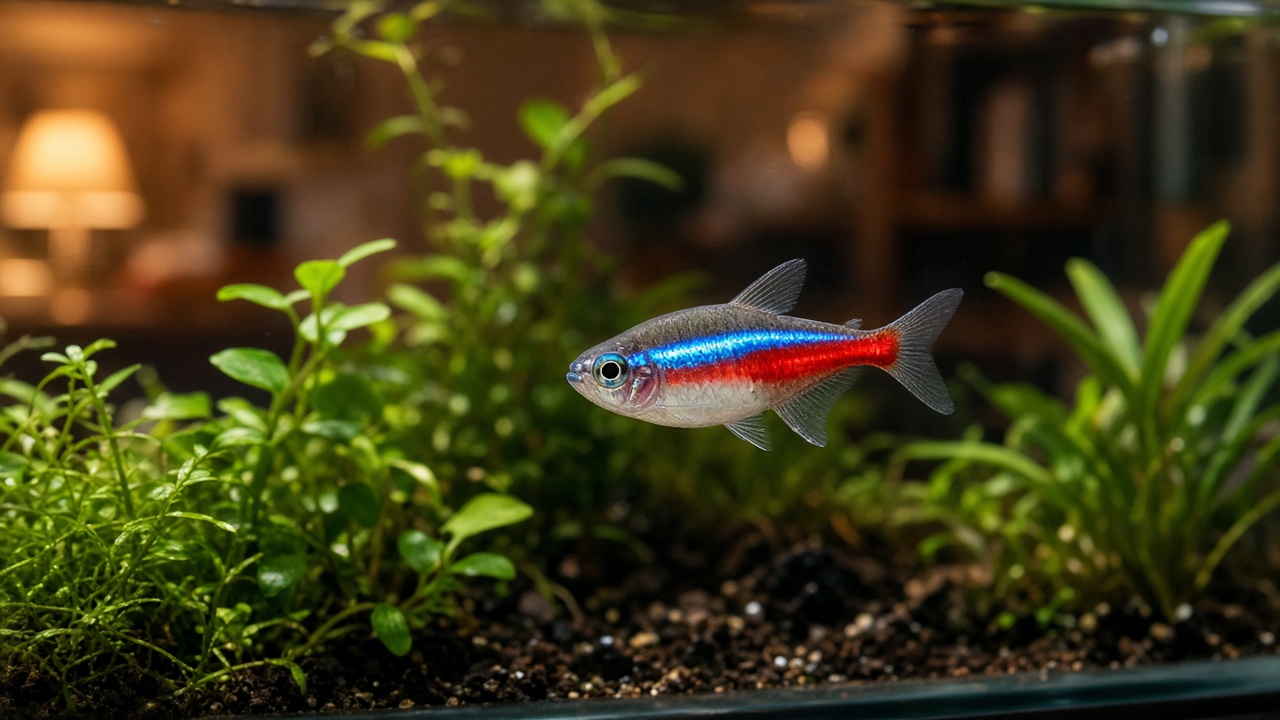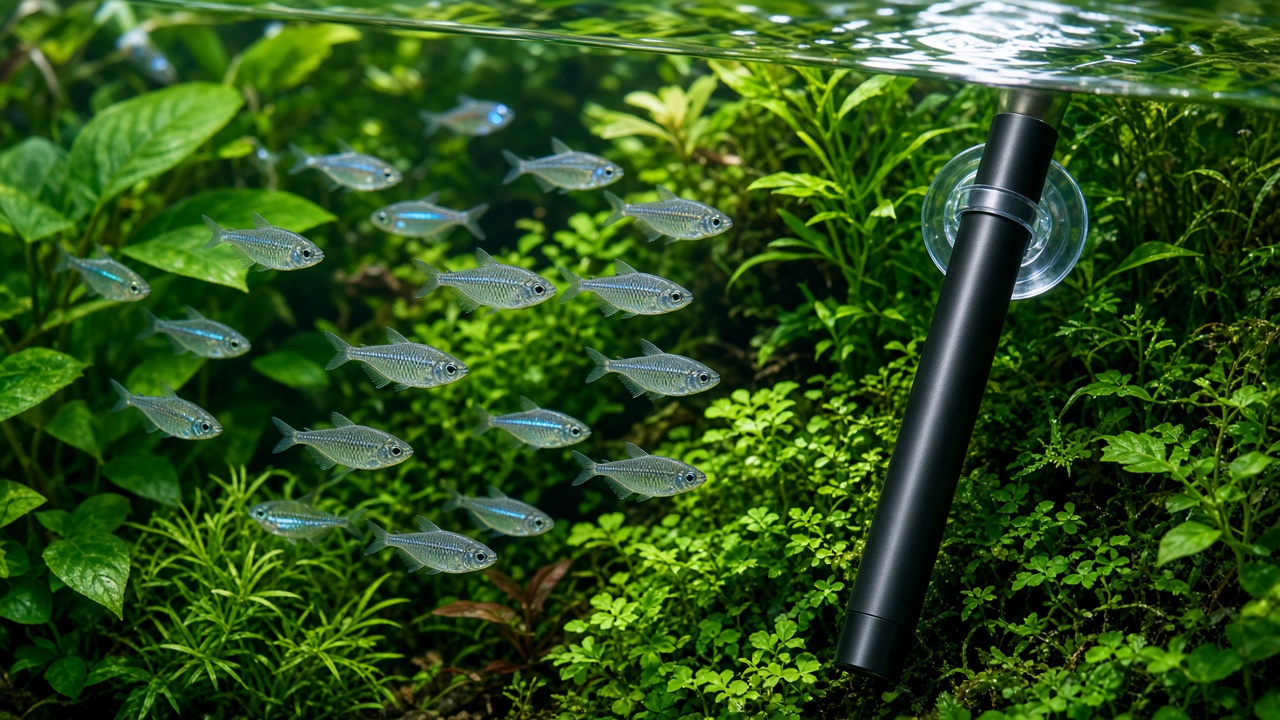
Quick answer: Diamond tetras (Moenkhausia pittieri) reach about 6 cm standard length. Keep a school of at least six to eight in a long 20 gallon or larger tank. Soft, slightly acidic water, varied micro foods, and peaceful mates show their sparkle.
School them in a long planted tank with dim light and soft water.
We compared published care data and database size notes to write this page. Our research team analyzed tank footprints, school floors, temperature bands, diet cues, and community mates for this Venezuelan characin. Owners consistently report bolder shimmer when groups are large enough and lighting stays subdued.
Comparing published specs shows adults near 6.0 cm SL with active midwater schooling. Wild fish come from the Lake Valencia basin; trade stock is usually captive-bred. This page covers tank size, school size, water, diet, mates, and display setup so you stock an honest group.
Include footprint and volume cues, school minimums, temperature and chemistry bands, omnivore diet rotation, peaceful tank-mate filters, and dim planted layout tips. Leave out advanced commercial breeding racks and wild-collection ethics audits. Skip veterinary treatment protocols for sick fish.
Plan tank length before you count gallons
Horizontal swimming room matters more than a tall nano cube.
Database aquarium notes list a minimum length near 80 cm for groups. Species profiles also describe a footprint near 24 × 15 × 12 inches. That is about 60 × 37.5 × 30 cm, or roughly 70 liters for a small group. Many hobby care guides start at about 20 gallons and prefer about 30 gallons for a full school in a community. Choose a long tank so adults can turn and school without bouncing off glass.
Tank cues:
- About 80 cm minimum length as a database floor
- Roughly 70 liters for a small starter group
- About 20 gallons as a common hobby minimum
- About 30 gallons preferred for 8–10 fish plus mates
- Secure lid; tetras may jump when startled
Owners consistently report cramped cubes create nervous fish that hide. Our research team analyzed footprint notes that put length ahead of height. Comparing published specs favors open midwater lanes beside planted edges. Measure the stand before you buy a school of juveniles that will grow.
Keep a real school, not a lonely pair
Numbers calm nerves and reduce nipping within the group.
Hobby guidance commonly starts at six fish and looks best at eight to ten. Database keeping notes mention groups of five or more. Larger schools show shimmering turns and male fin displays more clearly. Sparse pairs stay shy and may chase more. Buy matching sizes from one source when possible so the school settles together.
School cues:
- At least six adults for community confidence
- Eight to ten for fuller schooling displays
- Same-species group, not one diamond with random tetras
- Extra length when the school shares the tank with other midwater fish
- Watch for bullying if the group is too small
Owners consistently report color and activity rising after they add more diamonds. Our research team analyzed schooling notes that treat tiny groups as stressful. Comparing published specs keeps the floor honest even when store bags hold only three. Plan the adult headcount on day one.
Match temperature and soft, stable water
Tropical warmth with soft, slightly acidic chemistry suits them best.
Published ranges often sit about 75–82°F, or about 24–28°C. Soft water near pH 5.5–7.5 and modest hardness near about 5–12 dGH appear in species care summaries. Captive-bred fish tolerate harder shop water better than wild stock, yet colors often look best nearer neutral or below. General tetra care notes also cite about 75–80°F with regular conditioned water changes.
Water cues:
- About 75–82°F as a working tropical band
- Soft to moderately soft hardness targets
- Slightly acidic to near-neutral pH
- 0 ppm ammonia and nitrite always
- Small frequent water changes over rare huge dumps
Owners consistently report stress after abrupt parameter swings during moves. Our research team analyzed chemistry bands from species profiles and community tetra guides. Comparing published specs does not require pure blackwater, yet soft stability helps. Acclimate slowly when bag water differs from your tank.
Feed an omnivore rotation of fine foods
Tiny mouths want varied flakes, micro pellets, and frozen treats.
Database biology notes list worms, crustaceans, and insects in the wild diet. Aquarium menus rotate quality tropical flakes, micro granules, and frozen daphnia or bloodworms. General tetra feeding advice offers meals fish clear in under two minutes, once or twice daily. Fast midwater fish need measured portions so leftovers do not foul the bed. Occasional plant matter or spirulina flakes rounds an omnivore plan.
Diet cues:
- Daily flake or micro pellet base
- Frozen or live micro foods several times weekly
- Finish meals in under about two minutes
- One or two feedings per day for most tanks
- Skip large wafers meant for big cichlids
Owners consistently report richer iridescence on varied protein-plus-flake menus. Our research team analyzed diet notes that reject single-food boredom. Comparing published specs keeps portions short to protect water quality. Watch bellies after feeding so dominant fish do not monopolize every bite.
Choose peaceful community mates with similar manners
Calm tetras, rasboras, and small catfish share space well.
Compatible neighbors include other peaceful tetras, rasboras, small danios, Corydoras, and smaller loricariids when water matches. Many gouramis and dwarf cichlids work in larger planted tanks with cover. Avoid large mouth predators and chronic fin-nippers. Serpae-type tetras can nip when understocked; keep their schools honest or skip them. Shrimp may lose shrimplets to curious midwater hunters.
Mate filters:
- Peaceful similar-sized characins and rasboras
- Corydoras on soft sand
- Calm dwarf cichlids only with space and cover
- No large aggressive cichlids or predatory catfish
- Lid-friendly jumpers kept with matching energy levels
Owners consistently report best displays beside quiet midwater schools. Our research team analyzed community lists from species profiles. Comparing published specs keeps intimidation off the shopping list. Add diamonds to a cycled tank, not to an ammonia spike.
Build a dim planted layout that shows the sparkle
Dark substrate and soft light make diamond scales flash.
Bright cool LEDs wash adults pale. Floating plants, tall stems, and wood create shade lanes. Dark sand or fine gravel frames silver-gold flashes as fish turn. Leave an open midwater corridor for schooling. Leaf litter and botanicals suit soft-water themes when you manage tannins and cleaning. Gentle filter flow matches stream margins better than a powerhead blast.
Layout cues:
- Dim or diffused lighting with floaters
- Dark substrate for contrast
- Planted edges plus open swimming lane
- Wood and leaf cues for cover
- Mild current and high dissolved oxygen
Owners consistently report juveniles looking plain until mature fins elongate. Our research team analyzed display notes that reward patience through adolescence. Comparing published specs for adult size near 6 cm SL explains why tiny nano tanks fail later. Design for adults, not bag snapshots.
Know adult size, lifespan, and conservation context
Plan furniture for 6 cm fish that live several years.
Database summaries list a maximum standard length of 6.0 cm for this species. That is about 2.4 inches without the caudal fin. Males often show longer dorsal and anal fins with stronger violet sheen as they mature. Hobby lifespan notes often cite about three to five years with steady care. Wild populations face pressure; IUCN lists the species as endangered, while captive-bred fish supply most shops.
Life cues:
- About 6.0 cm SL maximum adult size
- Males with elongated, more colorful fins
- Multi-year lifespan under stable care
- Captive-bred stock preferred for the hobby
- Conservation status noted once for context
Owners consistently report surprise when “small tetras” need real length. Our research team analyzed size database entries against community tank advice. Comparing published specs keeps stocking honest for adults. Buy for the fish you will have in a year, not the juvenile shimmer today.
Maintain with gentle changes and steady routines
Small habits protect schooling fish more than gadgets.
Change about 10% weekly or about 25% every two weeks as a common tetra rhythm when bioload allows. Condition all tap water. Keep nitrate low with planting and cleaning. Vacuum gently so you do not shred plant roots or panic the school. Quarantine new fish when you can. Watch for clamped fins, flashing, or refusal to school as early stress flags.
Routine cues:
- Scheduled conditioned water changes
- Filter maintenance that preserves beneficial bacteria
- Quarantine for new arrivals when possible
- Daily observation of school cohesion
- Stable heater with a separate thermometer check
Owners consistently report fewer losses when parameters barely move week to week. Our research team analyzed community tetra maintenance ranges alongside species-specific soft-water notes. Comparing published specs still puts school size and footprint first. Write targets on the stand for anyone who feeds while you travel.
FAQ
How many diamond tetras should I keep?
Plan at least six, and prefer eight to ten for confident schooling; database notes mention groups of five or more as a floor. Tiny groups stay shy and may show more chasing. Size the tank for the adult school before you buy, and choose matching sizes when you can.
What tank size do diamond tetras need?
Aim for a long footprint near 80 cm minimum length. Profiles describe about 70 liters for a small group, while hobby guides often cite about 20 gallons and prefer about 30 gallons for fuller schools. Length beats height for active midwater fish, so add volume when mates share the space.
What temperature and pH suit diamond tetras?
Target about 75–82°F with soft, slightly acidic to near-neutral water; species summaries often list pH near 5.5–7.5 and modest hardness. Captive-bred fish handle shop water better than wild imports. Avoid sudden swings during water changes, because stable chemistry matters as much as the set point.
What do diamond tetras eat?
They are omnivores that take flakes, micro pellets, and frozen or live micro foods, matching wild notes on worms, crustaceans, and insects. Feed only what they clear in under about two minutes, once or twice daily. Rotate foods for better color, and skip oversized pellets that choke small mouths.
Which tank mates work with diamond tetras?
Peaceful tetras, rasboras, small danios, Corydoras, and calm dwarf cichlids in larger planted tanks are common fits. Avoid large predators and notorious nippers, and keep other tetra schools large enough to stay polite. Match water needs across the community, and add fish only to a cycled aquarium.
Why do my diamond tetras look dull?
Bright lighting and tiny schools wash out shimmer, so use darker substrate, floating plants, and a proper group of six or more. Varied foods and soft stable water improve condition over weeks. Juveniles stay plain until fins mature, so give adults time and dim lanes before you judge color.
Are diamond tetras hard to keep?
Care is moderate when school size, length, and water stability are right, and soft-water preference plus need for numbers matter more than fancy gadgets. Captive-bred fish simplify chemistry compared with wild stock. They suit planted community tanks with peaceful mates if you can offer a long school tank.
This guide is informational only and does not replace advice from a qualified veterinarian.