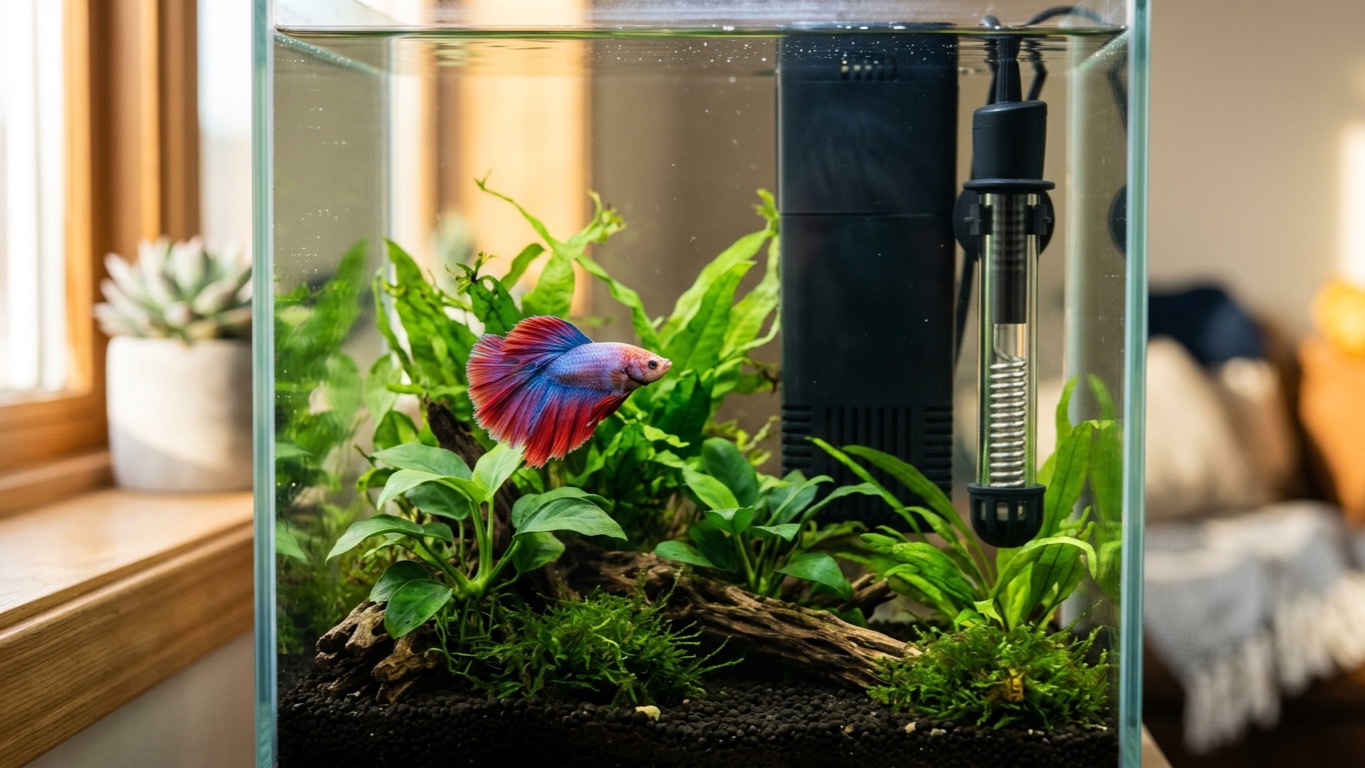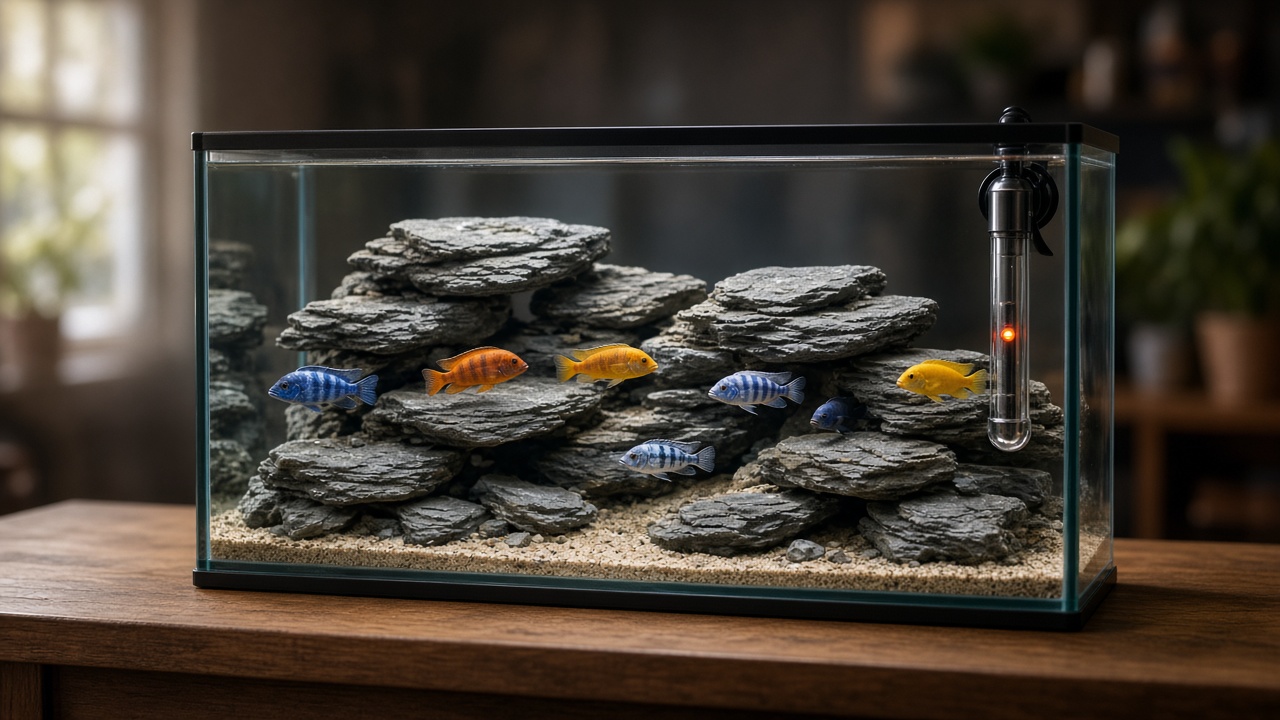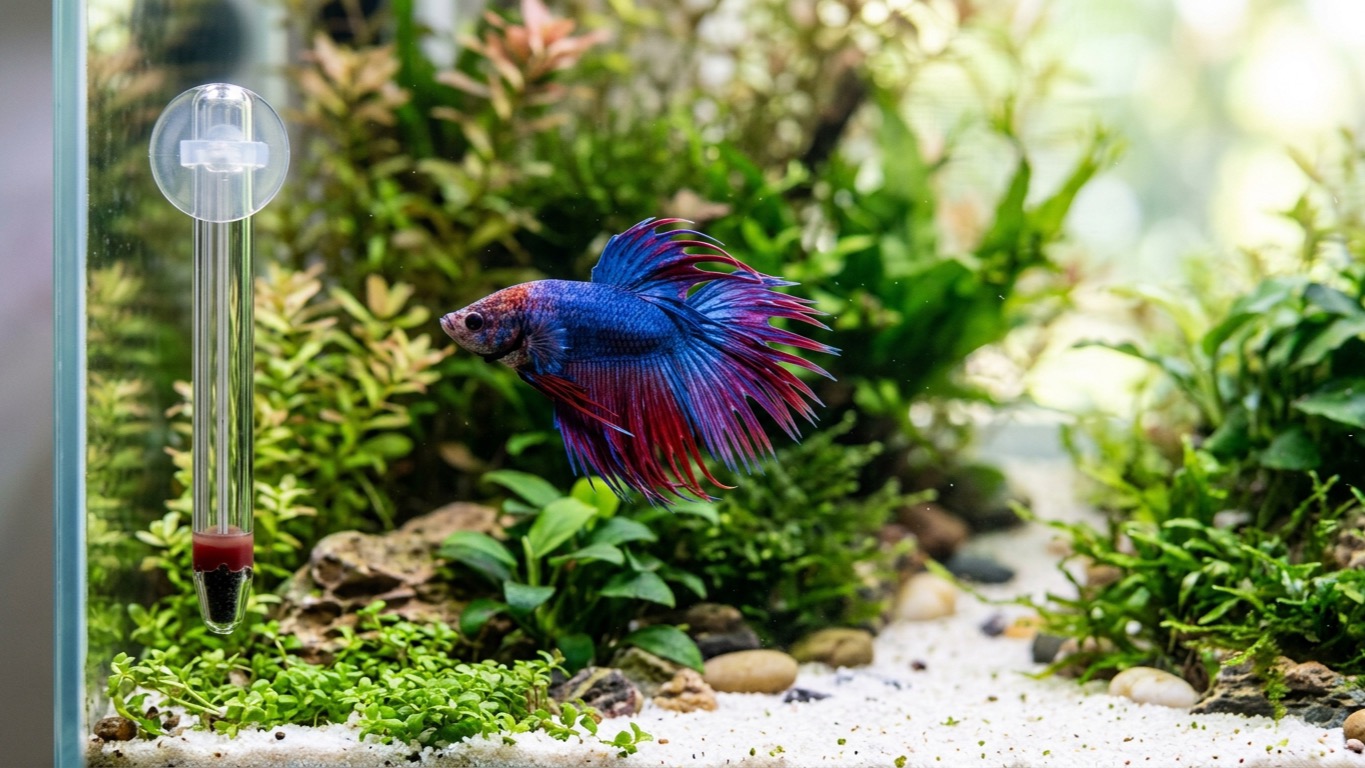
Selecting the right fish for a classroom requires balancing student engagement with the practical needs of a school environment. Bettas are the top choice for individual responsibility tasks, while Guppies provide excellent opportunities for observing community dynamics. These species are ideal due to their hardiness, manageable size, and distinct personalities, which simplify maintenance for busy educators.
The Ideal Classroom Fish: A Quick Verdict
For educators seeking to integrate aquatic life into the curriculum, the best candidates are species that thrive in smaller, stable environments while offering high educational value. Research into classroom-based aquaculture suggests that Betta fish and Zebra Danios are the most reliable options for teachers just beginning their journey. A simple 5-gallon tank, equipped with a standard internal filter and heater, provides a sufficient habitat for these species.
If your goal is to teach complex biological concepts, Zebrafish are an exceptional choice. These freshwater fish are widely available and notably share 70% of their genes with humans, making them a unique bridge to lessons on genetics and biomedical research. For teachers interested in community behavior rather than individual care, Guppies and Swordtails are frequently recommended. These species allow students to observe social interactions and reproductive cycles in a controlled, freshwater setting.
Beyond the species themselves, the equipment you choose serves as a teaching tool. A successful classroom aquarium requires more than just a tank; it acts as a living laboratory. Essential components include a floating thermometer for monitoring temperature, an undergravel filter to keep the substrate clean, and an air pump to maintain oxygen levels. By incorporating test kits for nitrate, pH, and dissolved oxygen, you transform routine maintenance into a practical lesson in chemistry.
Our research indicates that the most effective classroom setups are those that allow students to participate in the care process. Whether it is performing a 25% water change—which serves as a practical exercise in fractions and percentages—or tracking water quality data over a month, these activities foster a sense of responsibility. By choosing hardy, low-maintenance fish, you ensure that the aquarium remains a positive, stress-free educational asset rather than a burdensome chore.
Selection Criteria: How We Evaluated Classroom Species
Selecting the right aquatic inhabitants for a learning environment requires balancing the biological needs of the animals with the logistical constraints of a school day. Our research team evaluated various freshwater species by filtering them through four primary pillars: hardiness, temperament, activity levels, and the total time commitment required for the educator to maintain a healthy ecosystem.
Hardiness and Resilience A classroom is a dynamic environment, often subject to temperature fluctuations and varying levels of activity. We prioritized species known for their ability to tolerate minor shifts in water parameters, which can occur during school breaks or if a scheduled maintenance task is slightly delayed. Species like the Zebra Danio and the Betta fish are frequently cited in educational guidance for their robust nature, making them suitable candidates for beginners learning to manage a 5-gallon or larger setup.
Temperament and Observation For a classroom pet to be an effective teaching tool, it must be observable without exhibiting aggressive behavior that could disrupt the tank's social structure. Our research focused on community-friendly species, such as guppies and swordtails, which are generally peaceful and allow students to observe natural behaviors like schooling or foraging. This is essential, as the goal is to foster an appreciation for animal husbandry and responsibility rather than managing territorial disputes.
Activity Level and Visibility We looked for species that remain active during daylight hours, ensuring that students can engage with the aquarium during their lessons. Whether the goal is to teach biology, chemistry, or even mathematics—such as calculating a 25% water change—the fish must be visible to serve as a focal point. Zebrafish, which are noted for being easily maintained and sharing 70% of their genes with humans, are particularly effective for this purpose, as their consistent movement provides a reliable subject for observation and scientific inquiry.
Maintenance Requirements The final, and perhaps most critical, criterion is the maintenance burden. An ideal classroom fish should thrive with standard equipment, such as a basic internal filter, a heater, and a floating thermometer. We evaluated species based on their compatibility with these straightforward setups, ensuring that the educator can focus on integrating the aquarium into the curriculum—using tools like nitrate and pH test kits to teach the Nitrogen Cycle—rather than spending excessive time on complex tank upkeep. By choosing species that fit these parameters, teachers can create a sustainable, educational, and rewarding experience for their students.
Fish Species for Classroom Success
Selecting the right inhabitants is vital for a successful classroom aquarium. Our research indicates that the best species are those that combine hardiness with educational value, allowing students to observe biological processes in real time.
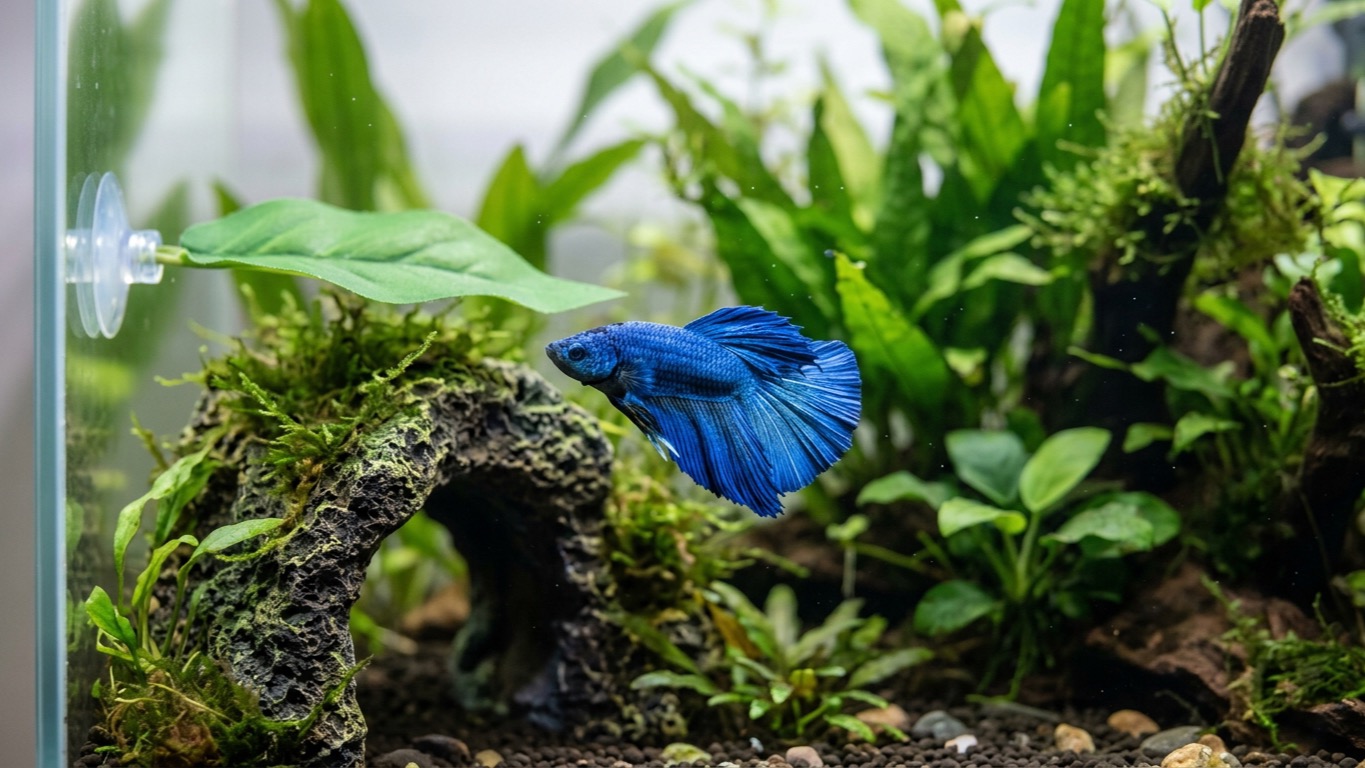
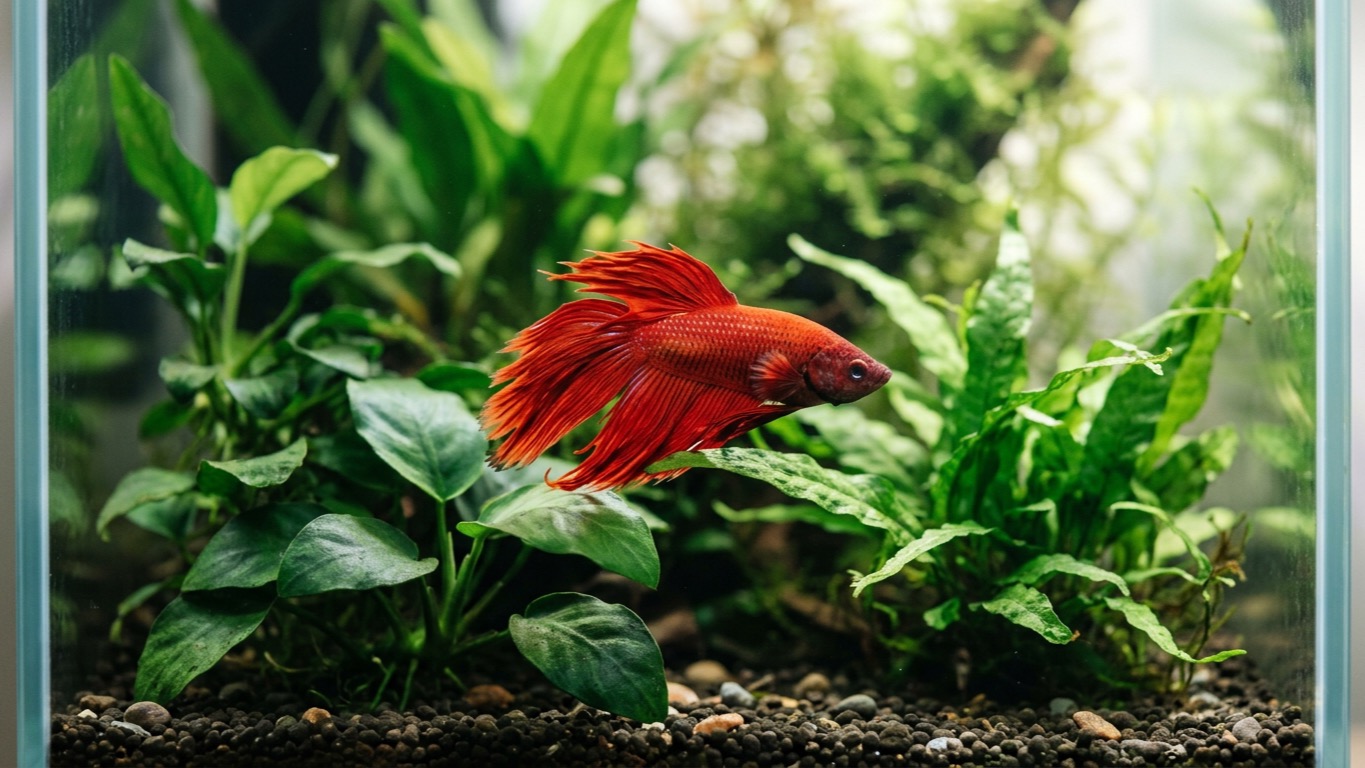
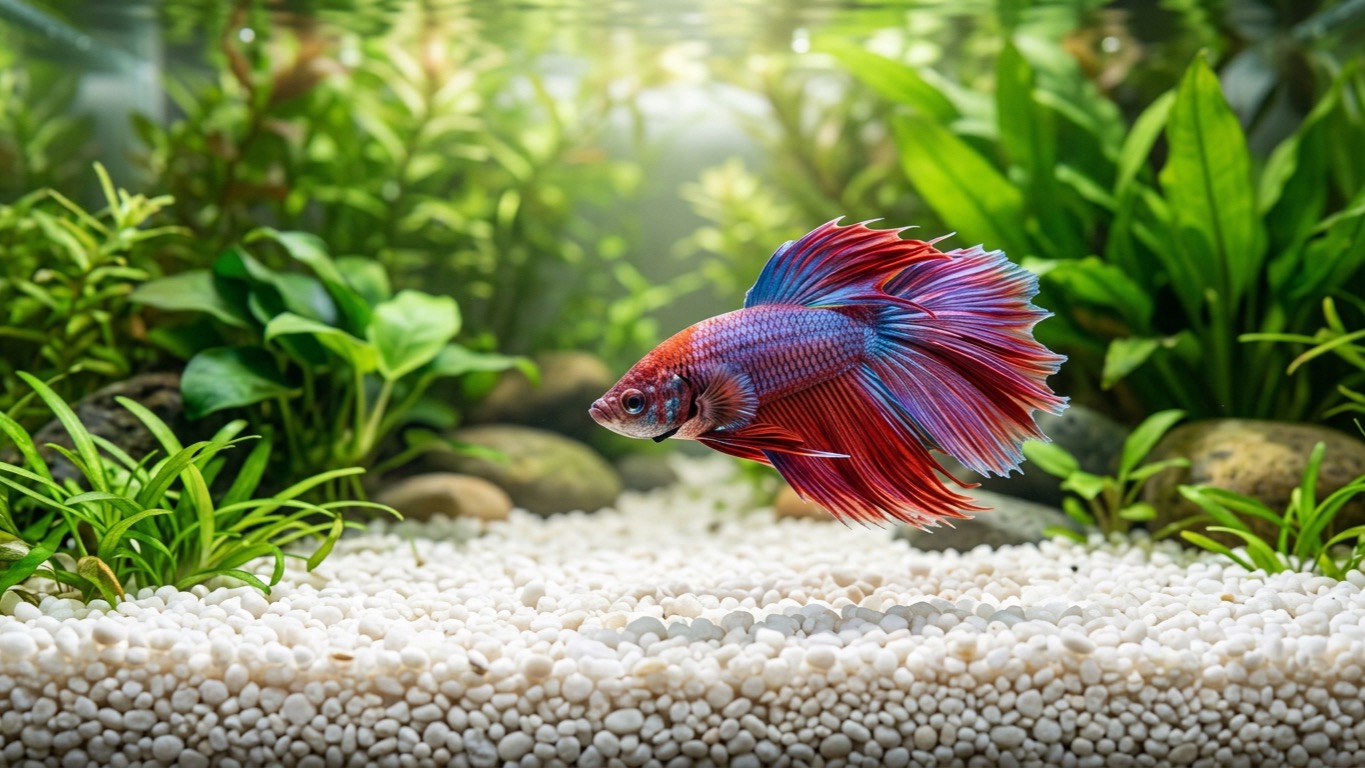
1. Betta Splendens (Betta Fish) The Betta is arguably the most popular classroom pet, favored for its solitary nature and vibrant appearance. Because they thrive alone, they are ideal for a 5-gallon starter aquarium kit. These fish provide a perfect entry point for younger students to learn about daily care routines, such as feeding and monitoring water temperature.
2. Guppies Guppies are excellent for biology lessons. Their prolific breeding habits offer students a front-row seat to life cycles and genetics. Because they are active and social, they bring constant motion to a classroom tank. They are highly adaptable, making them a reliable choice for teachers who are just beginning their journey with classroom ecosystems.
3. Zebra Danios If you want to teach students about genetics, Zebra Danios are a standout choice. These fish share 70% of their genes with humans, providing a unique bridge for middle school science curricula. They are hardy, high-energy schooling fish that require a bit more horizontal swimming space, making them a lively addition to larger classroom setups.
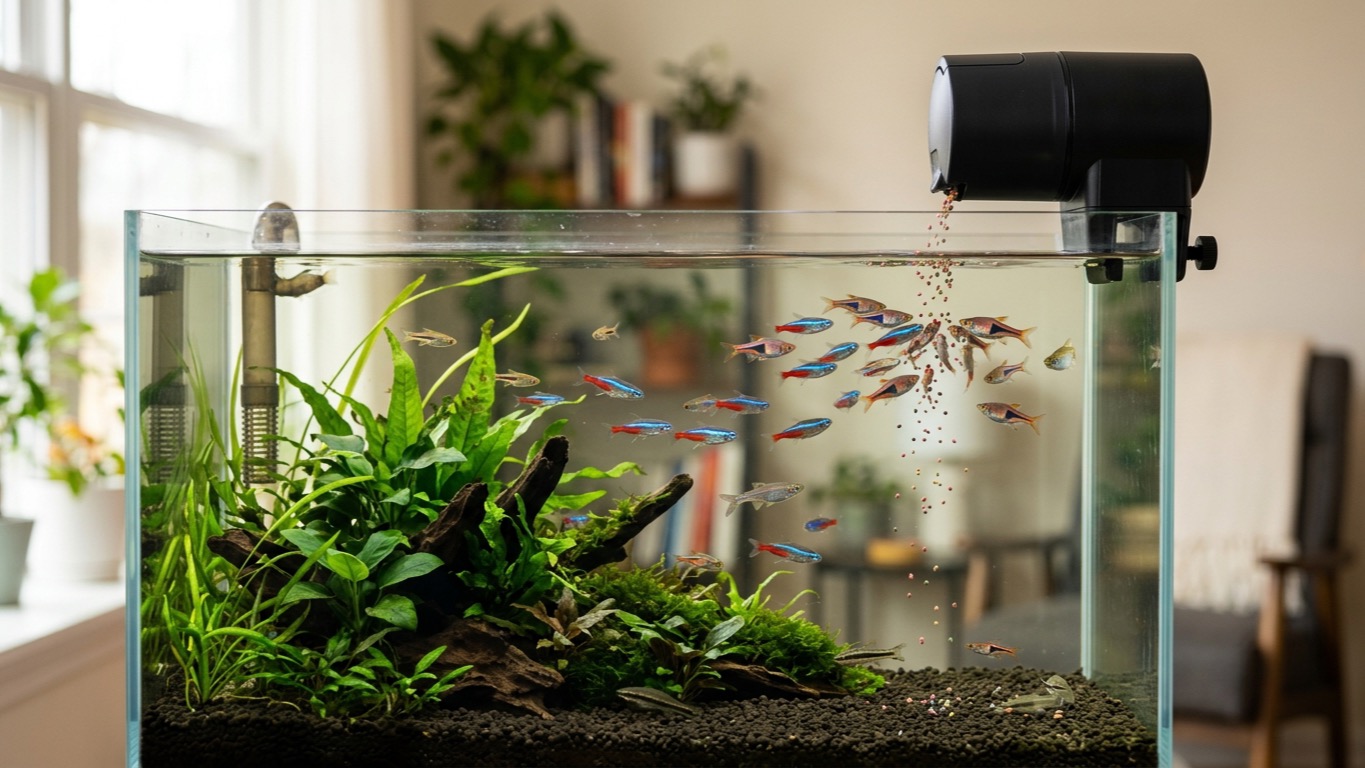
4. Neon Tetras Neon Tetras are prized for their striking color, which can help draw students' interest toward the study of aquatic ecosystems. They are schooling fish that demonstrate the importance of group dynamics and environmental balance. Maintaining a school of these fish allows teachers to demonstrate water quality management through regular testing of nitrate and pH levels.
5. Corydoras Catfish Often referred to as the "cleanup crew," Corydoras are bottom-dwelling fish that teach students about waste management and the interconnectedness of an ecosystem. By observing these fish, students learn how different species occupy different niches within a habitat. They are peaceful and work well in community tanks, provided the environment is kept clean with proper filtration and regular maintenance.
When setting up these species, remember that a 5-gallon tank is the absolute minimum for Betta or Zebra Danio setups. Regardless of the species chosen, your equipment list should include a reliable heater, an internal or undergravel filter, and essential monitoring tools like a floating thermometer and test kits for nitrate, pH, and dissolved oxygen levels to ensure a stable, healthy environment for your classroom companions.
Pros and Cons at a Glance
| Species | Tank Size* | Difficulty Level | Key Strength | Watch‑out |
|---|---|---|---|---|
| Betta | 5 gal (minimum) | Easy | Bright colors and tolerant of small spaces; perfect for teaching responsibility | Can be aggressive with other finned fish; needs a heater to stay above 78 °F |
| Zebra Danio | 5 gal (minimum) | Easy | Active schooling behavior makes it ideal for lessons on group dynamics | Requires a filter and good water flow; may jump out of uncovered tanks |
| Guppy | 5 gal (minimum) | Easy‑Moderate | Livebearer reproduction offers a hands‑on genetics project | Fast breeding can lead to over‑population if not managed |
| Swordtail | 5 gal (minimum) | Easy‑Moderate | Striking tail shape adds visual interest for art‑based projects | Males can become territorial; needs stable water parameters |
| Zebrafish | 5 gal (minimum) | Moderate | Shares ~70 % of genes with humans, great for biology and genetics demos | Sensitive to temperature swings; benefits from a reliable under‑gravel filter and dissolved‑oxygen test kit |
\*All listed species thrive in a minimum 5‑gallon aquarium when equipped with a gravel or sandy substrate, an internal filter, and a heater—components consistently recommended for simple classroom setups.
Why the table matters – The tank‑size column reminds teachers that even the “small‑space” Betta still needs at least a 5‑gallon basin, preventing overcrowding that could derail a lesson. The difficulty level helps match a species to the class’s age and experience; Betta and Zebra Danio are truly beginner‑friendly, while Zebrafish introduce a modest step up in care but open doors to genetics discussions because they share 70 % of their DNA with humans.
Educational payoff – Each fish brings a distinct teaching angle. A 25 % water change, for example, doubles as a practical math exercise, letting students calculate exact volumes and see the nitrogen cycle in action. Guppies and swordtails illustrate live‑bearing reproduction, sparking conversations about heredity. Zebrafish, with their research pedigree, let teachers explore real‑world biomedical concepts without leaving the classroom.
Potential pitfalls – Aggression (Betta), jumping (Danio), rapid breeding (Guppy), territorial disputes (Swordtail), and temperature sensitivity (Zebrafish) are the primary concerns. Mitigating these issues is straightforward when the required equipment—floating thermometer, under‑gravel filter, air pump, and nitrate, pH, plus dissolved‑oxygen test kits—is already part of the classroom aquarium kit. By weighing the key strength against the watch‑out, educators can pick the species that best aligns with their curriculum and the amount of care they can realistically provide.
Price Ranges and What to Expect
Setting up a classroom aquarium requires balancing your educational goals with your available budget. Our research into classroom setups suggests that costs generally scale with the complexity of the ecosystem you intend to maintain. Whether you are aiming for a simple, low-maintenance Betta habitat or a more complex community tank, planning for both initial hardware and ongoing maintenance is essential.
Budget-Friendly Setups
The most accessible entry point for teachers is a single-specimen tank, such as a Betta aquarium. These setups prioritize simplicity and are ideal for primary school classrooms where the focus is on teaching basic responsibility. A 5-gallon tank serves as the standard minimum for this tier. To keep costs low, look for starter kits that bundle the aquarium with a basic internal filter and heater. Because these systems are smaller, they require less substrate and fewer decorative elements, keeping your initial investment focused on the essential life-support equipment.
Mid-Range Community Setups
If your curriculum involves teaching ecology or the nitrogen cycle, you may opt for a community tank featuring species like Guppies, Swordtails, or Zebra Danios. These setups typically require larger tanks—often 10 to 20 gallons or more—to ensure adequate space for multiple fish. The increased volume necessitates more robust filtration, such as undergravel filters paired with dedicated air pumps, and more precise heating equipment. While the initial hardware cost is higher, these tanks provide a more stable environment for complex biological lessons, such as monitoring dissolved oxygen levels or tracking nitrate cycles.
Hidden Costs and Ongoing Maintenance
Beyond the initial purchase of the glass and equipment, teachers should allocate funds for consistent operational expenses. These are often overlooked but are critical for the health of the classroom pet:
- Water Chemistry Monitoring: You will need reliable test kits for nitrate, pH, and dissolved oxygen. These are not just maintenance tools; they are essential teaching aids for chemistry and biology lessons.
- Maintenance Hardware: Essential tools include algae scrapers, gravel siphons for performing regular 25% water changes, and a floating thermometer to ensure the heater is maintaining a consistent temperature.
- Consumables: High-quality fish food and replacement filter media are recurring costs that ensure your classroom aquarium remains a healthy, long-term educational asset.
By accounting for these variables early, you can create a sustainable, engaging environment that supports your lesson plans throughout the entire school year.
Integrating the Aquarium into Your Lesson Plan
A classroom aquarium serves as far more than a decorative focal point; it is a living laboratory that bridges the gap between theoretical concepts and real-world application. By incorporating the tank into your existing curriculum, you provide students with a tangible way to engage with complex scientific and mathematical principles.
Chemistry and the Nitrogen Cycle
One of the most effective ways to teach ecological science is to track the biological processes occurring within the tank. Students can learn about the nitrogen cycle by using an aquarium water test kit to monitor ammonia, nitrate, and pH levels over time. Rather than simply memorizing textbook diagrams, students can record daily or weekly data to visualize how waste products are processed by beneficial bacteria. This hands-on approach transforms abstract chemical cycles into a visible, daily reality, helping students understand how ecosystems maintain balance.
Applied Mathematics
The maintenance requirements of your classroom tank offer a practical, low-stakes environment for students to practice essential math skills. For example, when it is time for routine maintenance, you can task older students with calculating the exact volume of water to remove for a 25% water change. This exercise requires students to determine the total capacity of their 5-gallon or larger aquarium and apply percentage calculations to reach the correct volume. Such tasks reinforce the utility of fractions, decimals, and volume measurements in a way that feels meaningful and immediate.
Biology and Genetics
Beyond chemistry and math, the tank provides a window into biological diversity and genetics. If you choose to keep zebrafish, you can introduce students to the fascinating reality that these fish share 70% of their genes with humans. This connection often sparks genuine curiosity about genetics and biomedical research. For younger students, the focus may shift toward life cycles and animal husbandry, as they learn to observe behavioral patterns and the specific habitat needs of species like guppies, swordtails, or bettas. By assigning responsibilities such as monitoring the floating thermometer or ensuring the filter is functioning correctly, you foster a sense of stewardship and scientific literacy that extends beyond the classroom walls. Whether you are teaching ecology or basic arithmetic, the aquarium acts as an enduring, interactive tool that keeps students invested in their own learning journey.
Frequently Asked Questions
What should I do with the classroom fish during school breaks?
Fish such as Bettas, Zebra Danios, or guppies do not require daily human interaction to remain healthy, provided their environment is stable. Before an extended break, ensure your aquarium is equipped with a reliable heater and an internal filter to maintain water quality and temperature. It is often safest to have a trusted colleague or a designated school staff member check on the tank once or twice a week to verify the equipment is functioning and to provide measured feedings. Avoid using "vacation blocks" or excessive food supplies, as these can rapidly degrade water quality in smaller 5-gallon setups.
How do I manage feeding over the weekend?
Most hardy species suitable for classrooms, including swordtails and Danios, can comfortably go two days without food. If you are concerned about the fish missing a meal, you can use a simple, pre-portioned daily feeder to ensure they receive the correct amount of food without risking overfeeding, which is the leading cause of poor water quality in school tanks. Always ensure the aquarium lid is secure to prevent any accidents, and perform your routine maintenance, such as a 25% water change, on a Friday afternoon so the ecosystem remains stable while students are away.
Are classroom aquariums safe for students with allergies?
Freshwater aquariums are generally considered safe for the classroom environment because they do not involve airborne dander or fur, which are the primary triggers for common classroom allergies. Unlike small mammals or birds, fish remain entirely within their aquatic habitat. However, if you or your students have sensitivities to aquarium supplies—such as specific types of fish flakes or water treatment chemicals—it is best to keep these items stored in a sealed container and handle them in a well-ventilated area. If a student has a known history of severe contact dermatitis or respiratory issues, consult with the school nurse to review the specific products and materials you plan to use in your setup.
How can I turn aquarium maintenance into a learning opportunity?
Maintenance tasks are perfect for demonstrating scientific concepts in real-time. For example, calculating the volume of water needed for a 25% water change is an excellent way to teach fractions and percentages. You can also involve students in the nitrogen cycle by having them use test kits for nitrate, pH, and dissolved oxygen levels. Tracking these metrics over a month allows students to visualize how an ecosystem functions, turning routine chores into a hands-on chemistry and biology lesson that aligns with standard curriculum goals.
Article Update Log
Last reviewed: August 2026. If you spot something out-of-date, let us know.
- Initial publication.
Our editorial team maintains this guide by monitoring shifts in classroom-based fishkeeping practices and evolving educational standards. Because the inclusion of live animals in a learning environment requires ongoing attention to husbandry and equipment reliability, we periodically revisit our recommendations to ensure they remain aligned with current best practices for classroom safety and student engagement.
Our research process involves synthesizing data from academic and institutional guidelines to ensure that the equipment we highlight—such as the 5-gallon minimum tank size for Betta or Zebra Danio setups—remains the industry-accepted standard for maintaining healthy water parameters. We also track updates regarding the specific species frequently utilized in educational settings, including the common freshwater options like guppies, swordtails, and zebrafish. Given that zebrafish are now recognized for sharing 70% of their genes with humans, we continue to prioritize these species for educators looking to bridge the gap between simple animal care and more advanced biological concepts.
As we update this guide, we focus on the practical tools necessary for a successful classroom ecosystem. This includes verifying the continued relevance of essential maintenance gear, such as the use of nitrate, pH, and dissolved oxygen test kits, which are critical for lessons involving the nitrogen cycle. We also evaluate the pedagogical applications of these setups, ensuring that our guidance on using aquarium maintenance tasks—like calculating a 25% water change—remains a viable and effective method for teaching practical mathematics and chemistry to students.
Future updates to this article will reflect changes in recommended equipment, such as advancements in internal filtration systems or heater reliability, as well as any new insights into the behavioral needs of the fish species mentioned. Our goal is to provide teachers with a stable, fact-based resource that supports both the welfare of the aquatic inhabitants and the educational objectives of the classroom. If you notice a broken link or have a suggestion for an additional species that meets the low-maintenance criteria for a school environment, please reach out so we can keep this resource accurate and helpful for the teaching community.
Looking for the right one? Check current options for automatic fish feeder.