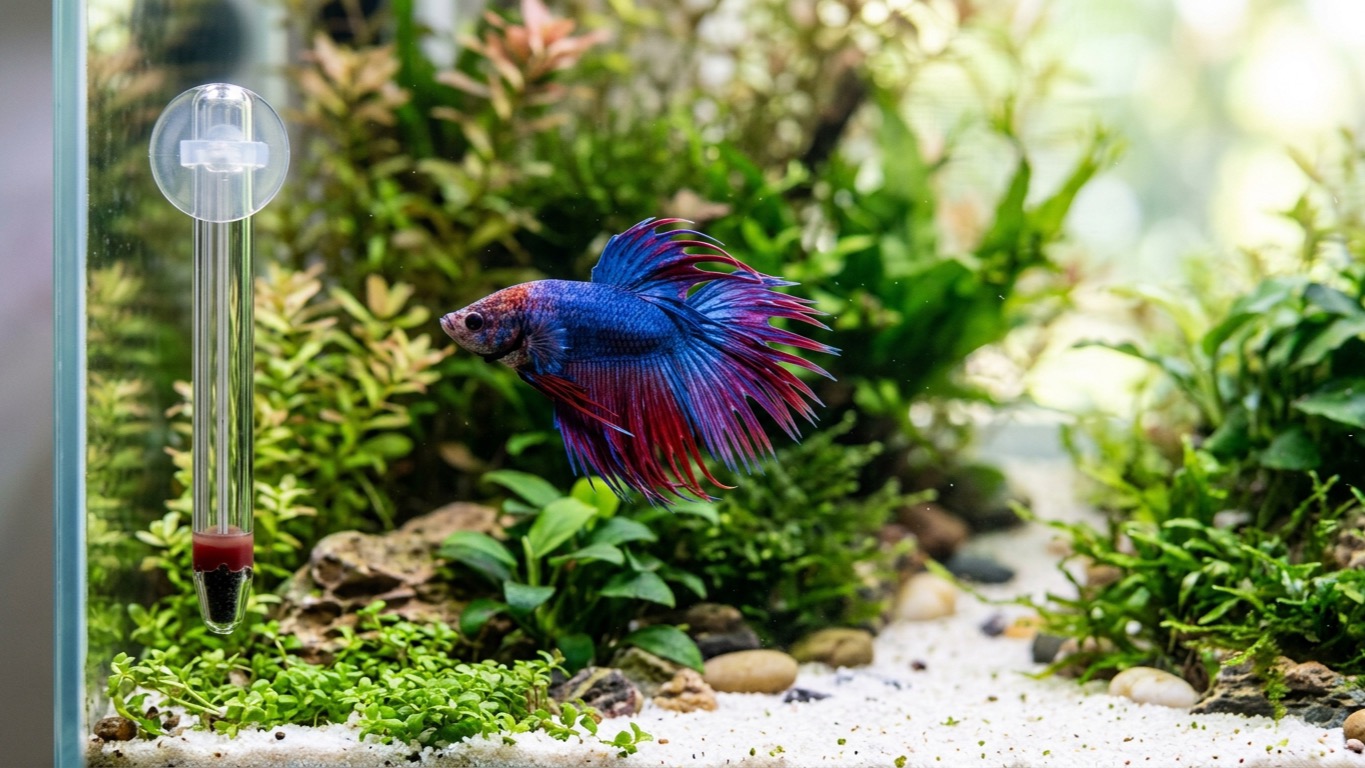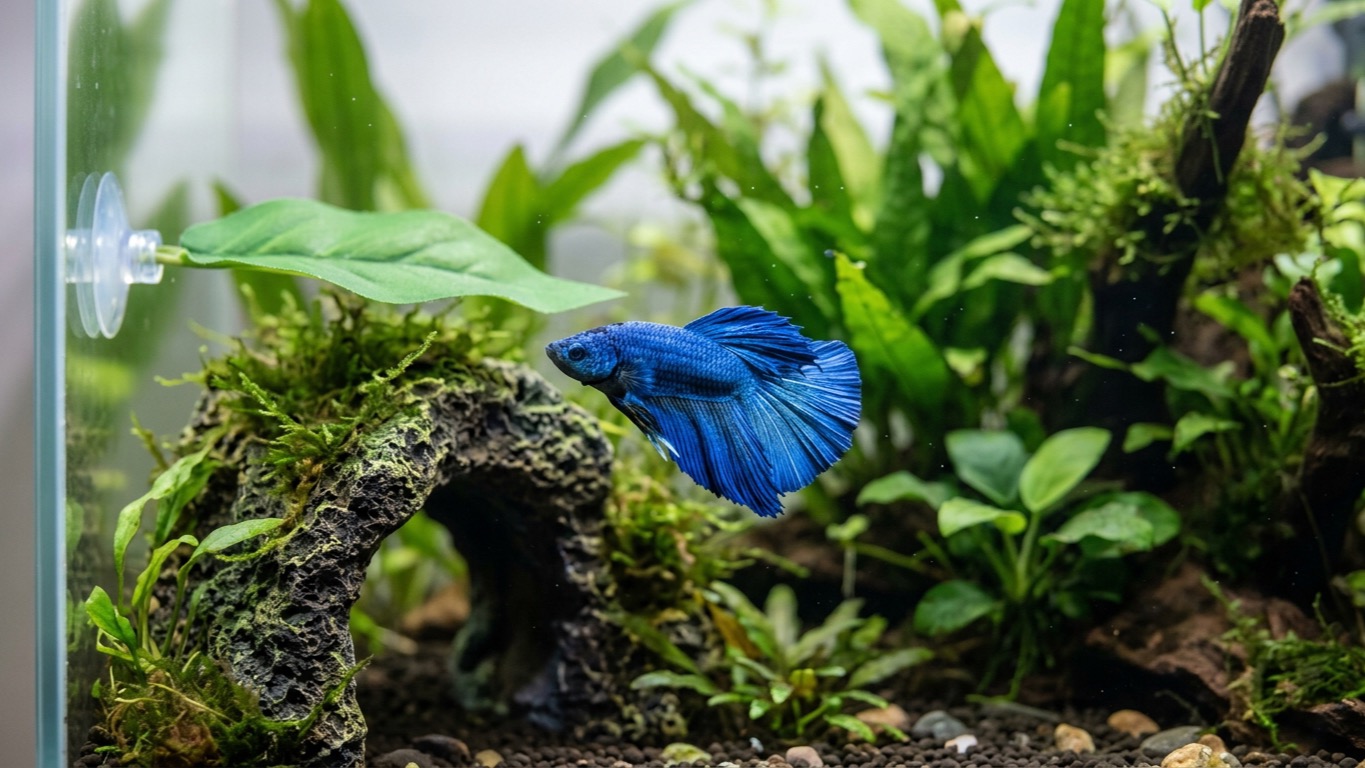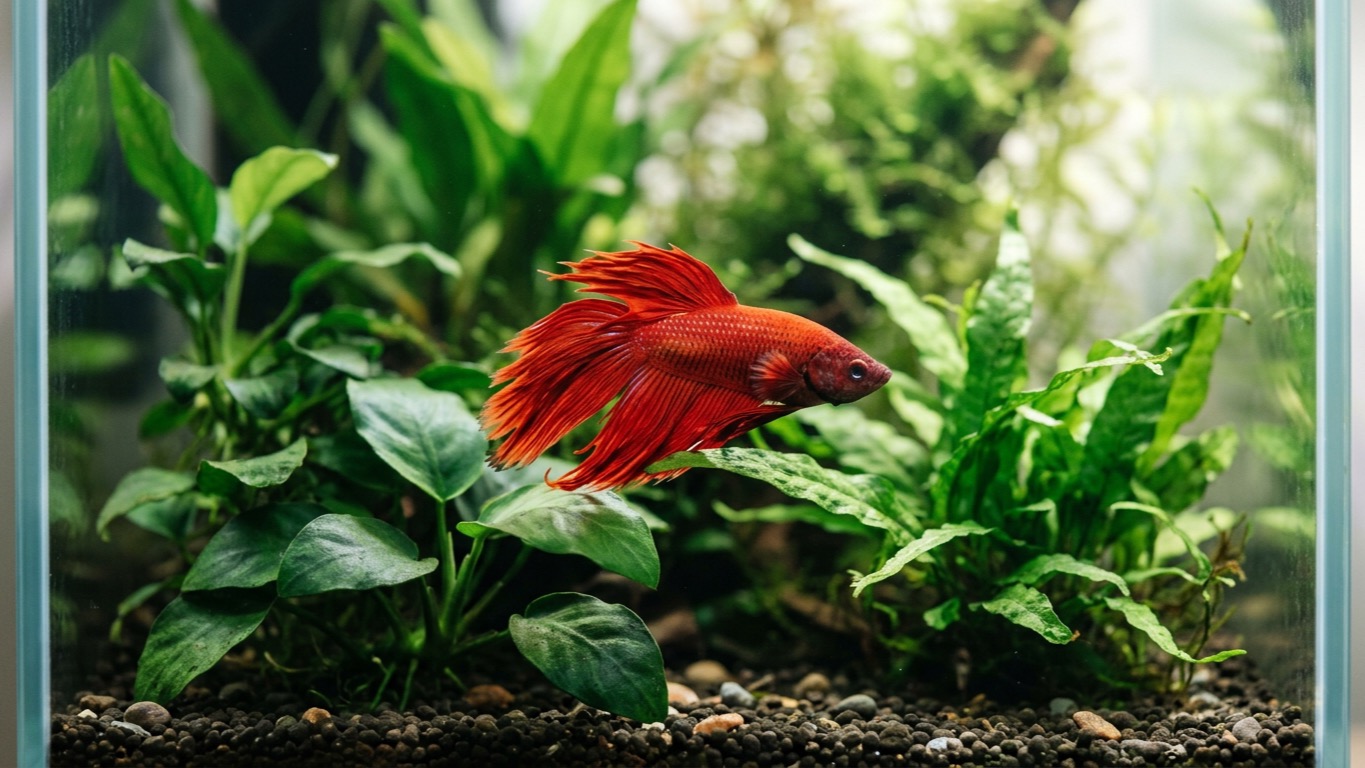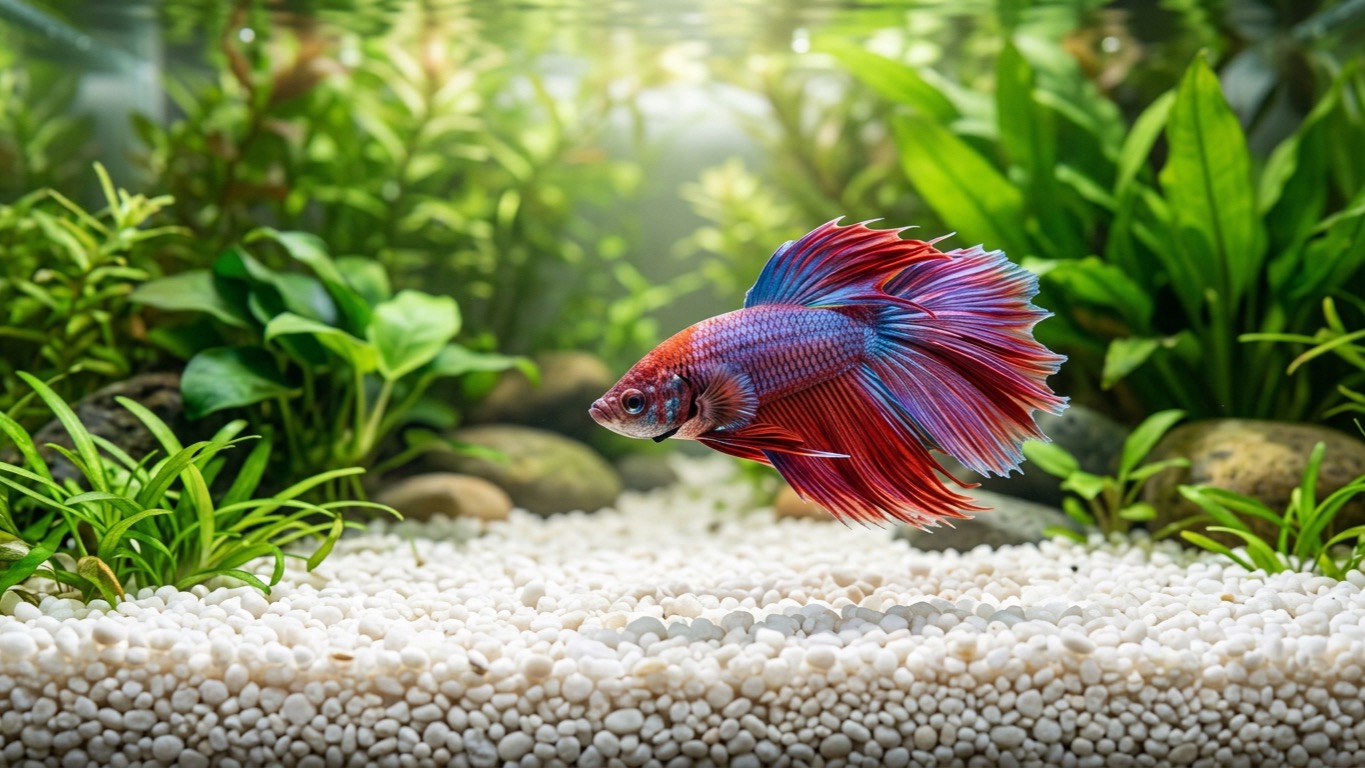
The best fish for your home depend on your experience level and tank size. For solo keepers, the Betta is the most popular choice for its hardiness. For community tanks, Tetras are ideal, while Corydoras serve as excellent, peaceful bottom-dwellers for keeping your aquarium clean.
The Verdict: Which Fish Is Right for Your Home?
Fishkeeping has evolved into a major domestic hobby, with approximately 9.6 million U.S. households maintaining freshwater tanks. This popularity places fish as the third most common pet in the country, trailing only dogs and cats. Whether you are drawn to the hobby for the aesthetic appeal of a planted tank or the documented health benefits—such as the potential for reduced blood pressure and heart rate—selecting the right species is the most critical step for long-term success.
Our research into current ownership trends suggests a clear hierarchy for new keepers. If you are looking for a centerpiece fish for a smaller setup, the Betta stands out as the most favored freshwater species in the U.S. Their popularity is driven by their vibrant coloration and relative hardiness, making them an excellent entry point for individuals.
For those interested in building a community, Tetras offer a schooling behavior that brings dynamic movement to larger aquariums. These fish are staples of the hobby, fitting well into the 75% of U.S. households that prefer freshwater species like danios and mollies. To maintain a healthy environment, we recommend pairing these mid-level swimmers with Corydoras. These bottom-dwelling fish are widely regarded for their peaceful nature and their role in scavenging leftover food, which helps keep the substrate clean.
With over 12.5 million households in the U.S. now keeping fish, the infrastructure for the hobby is more robust than ever. Because 70% of the fish entering the U.S. market are now captive-bred, new keepers have better access to healthy, acclimated livestock. When choosing your first fish, prioritize species that match your tank’s volume and your ability to commit to regular maintenance. By starting with proven, resilient species like Bettas, Tetras, or Corydoras, you align your setup with the most successful practices in modern fishkeeping.
How We Evaluated the Best Pet Fish
Selecting the best fish to have as pets requires a balance between biological reality and the practical limitations of a home environment. Our editorial research team evaluated potential species by synthesizing long-term hobbyist success rates with 2026 industry market data. Because fish rank as the third most popular pet in the United States, with approximately 139 million freshwater fish residing in domestic aquariums, we prioritized species that demonstrate high survivability and adaptability for the average keeper.
Our evaluation criteria focused on three primary pillars of aquarium success:
- Hardiness and Disease Resistance: We prioritized species that are biologically robust and less susceptible to common environmental stressors. This is particularly important given that 70% of U.S. ornamental fish imports now come from captive-bred sources, which often exhibit better acclimation to standard aquarium conditions than wild-caught specimens.
- Temperament and Community Compatibility: A successful tank relies on the peaceful coexistence of its inhabitants. We filtered our recommendations to include species that thrive in group settings or community tanks without displaying aggressive territorial behavior, ensuring a stable and low-stress ecosystem.
- Space and Environmental Requirements: We examined the spatial needs of each species relative to the typical home setup. With over 12.5 million U.S. households currently keeping fish, we focused on species that can thrive in the standard tank sizes favored by the majority of hobbyists, rather than those requiring specialized, high-volume marine systems.
Our methodology involved cross-referencing these biological requirements against current market trends. These fish are favored by roughly 75% of U.S. hobbyists for their resilience and ease of care. By focusing on species that align with these established success patterns, our guide provides a data-backed foundation for new keepers to build a thriving, long-term aquarium. We avoided species with extreme dietary or water-parameter demands, focusing instead on those that offer the most rewarding interaction for the average household.
Best Fish for Pets: Species Breakdown
Selecting the right aquatic companion is a major decision, especially considering that approximately 139 million freshwater fish currently reside in domestic aquariums across the United States. Our research identifies the following seven species as the most reliable choices for new keepers, balancing ease of care with vibrant personality.
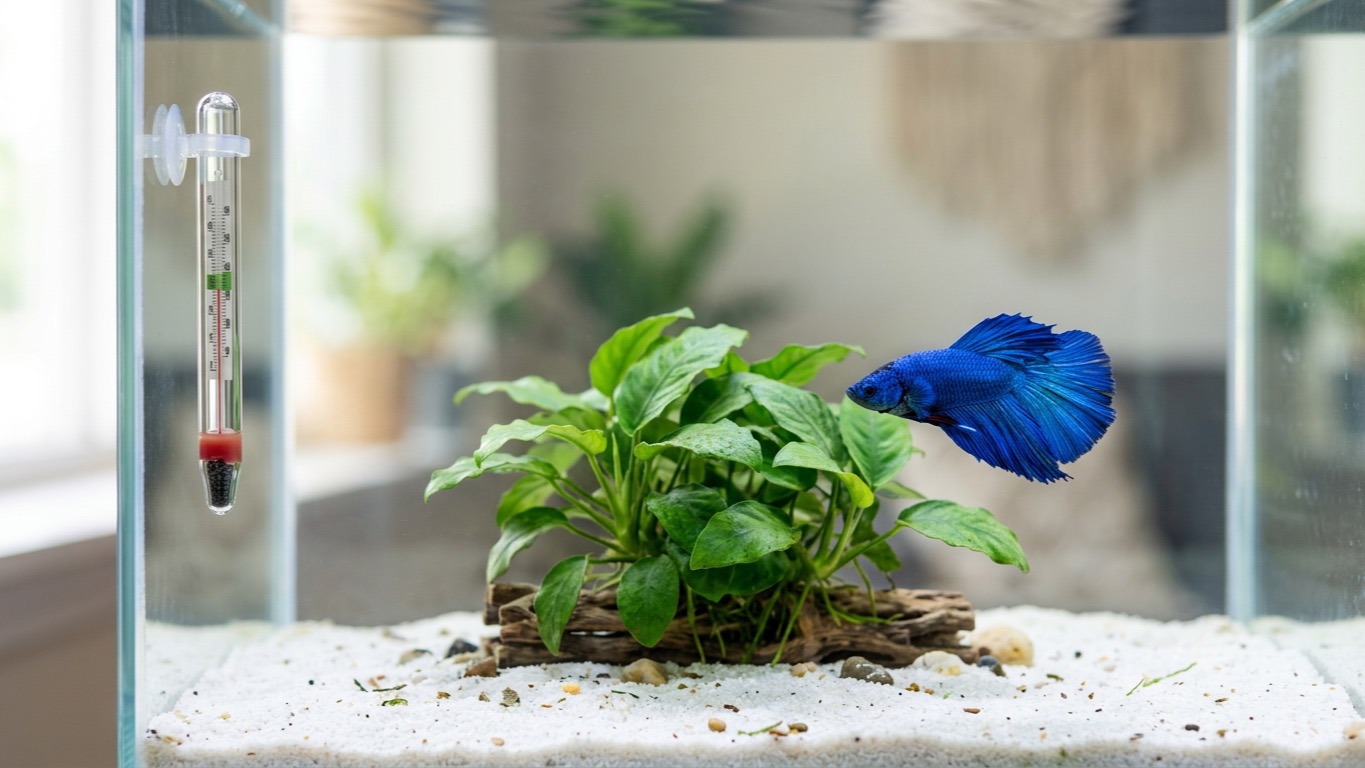
1. Betta Splendens (Betta Fish) Widely recognized as the most popular pet fish in the U.S., the Betta is a charismatic solo companion. Their ability to thrive in smaller environments makes them ideal for a 5-gallon starter aquarium kit with LED lighting. Their striking fin shapes and intelligence make them a standout choice for those looking for a single, interactive pet.
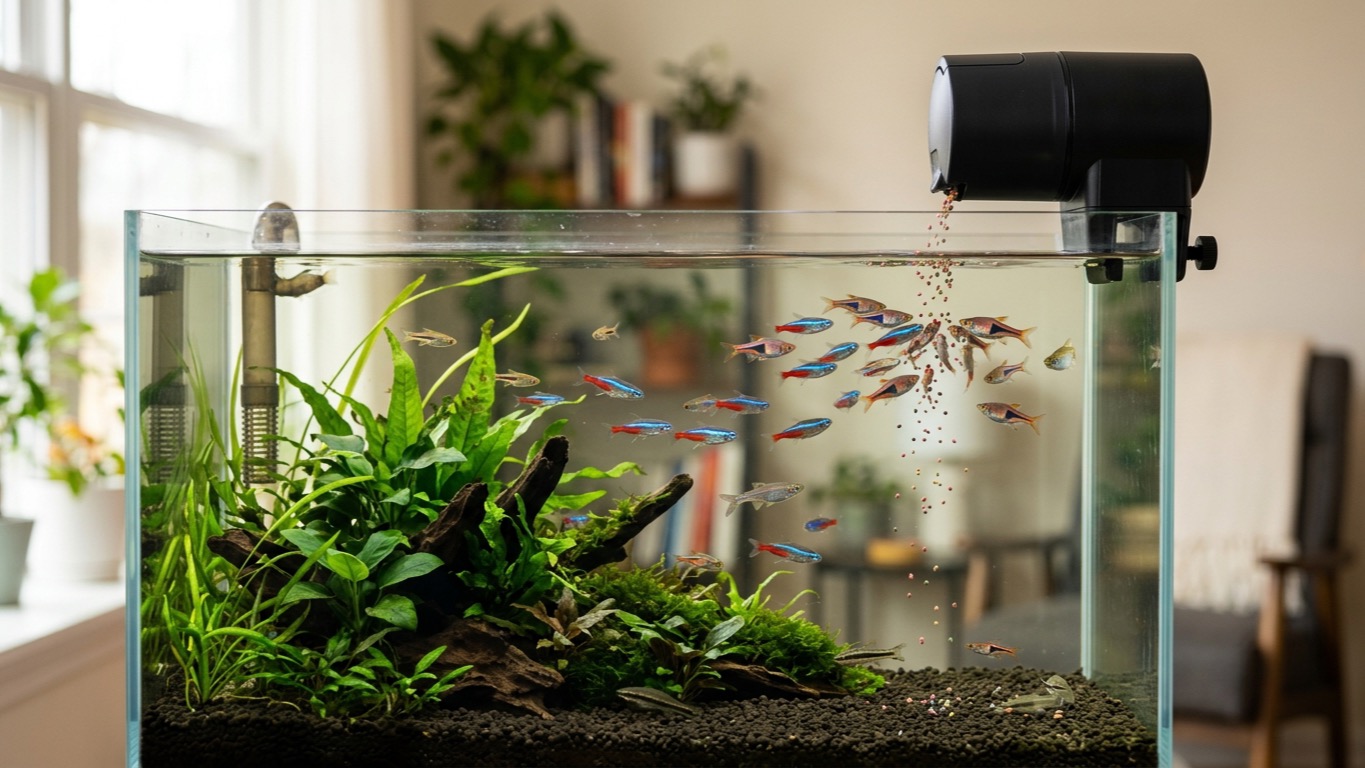
2. Neon Tetras These schooling favorites are essential for community setups. When kept in groups of six or more, they exhibit fascinating social behaviors and create a shimmering, active display. They are highly adaptable to various community tank conditions, provided the water quality remains stable.
3. Corydoras Catfish Often referred to as the "janitors" of the aquarium, these bottom-dwelling fish are indispensable for maintaining a clean substrate. They are peaceful, hardy, and spend their time scavenging for leftover food, which helps keep the tank ecosystem balanced.
4. Platies Platies are exceptionally beginner-friendly due to their hardy nature and vibrant color variations. They are active swimmers that bring constant movement to the mid-levels of your tank, making them a staple for those who enjoy a lively, colorful aquarium.
5. Swordtails Closely related to platies, swordtails are named for the elongated lower tail fin found on males. They are robust, energetic, and highly social, making them excellent candidates for community tanks where they can interact with other peaceful species.
6. Zebra Danios If you are looking for high-energy survivors, Zebra Danios are a top-tier option. They are incredibly resilient and known for their rapid, darting swimming patterns. Because they are schooling fish, they are best kept in groups to ensure they remain active and stress-free.
7. Guppies Rounding out our list are guppies, which are prized for their immense variety of tail shapes and patterns. They are prolific breeders and very easy to manage, making them a classic entry point for new hobbyists who want to see their aquarium population grow over time.
These species represent the core of the freshwater hobby, which currently accounts for the vast majority of the 12.5 million U.S. households that keep fish. By focusing on these established, captive-bred species—which make up 70% of U.S. imports—you ensure a higher likelihood of success and a more stable aquarium environment.
Pros and Cons at a Glance
Choosing the right fish requires balancing your available time, your budget, and the specific environmental needs of the species. While some fish are hardy and forgiving for beginners, others require specialized equipment and precise water parameters that demand a higher level of commitment. Our research indicates that nearly 17% of U.S. adults own a fish tank, and with over 12.5 million households keeping fish, there is a wide spectrum of species available to suit different experience levels.
The following table compares the most popular options to help you determine which species aligns with your home environment.
| Species | Tank Size Requirement | Temperament | Primary Care Difficulty |
|---|---|---|---|
| Betta | 5+ Gallons | Territorial | Low |
| Guppy | 10+ Gallons | Peaceful | Low |
| Molly | 20+ Gallons | Active/Peaceful | Low |
| Neon Tetra | 20+ Gallons | Schooling | Moderate |
| Corydoras | 20+ Gallons | Social/Bottom-dweller | Moderate |
| Goldfish | 30+ Gallons | Social/Messy | Moderate |
| Discus | 50+ Gallons | Shy/Sensitive | High |
Understanding the Trade-offs
When selecting your first fish, the primary trade-off is between ease of maintenance and the level of interaction the fish provides. Species like the Betta are highly popular because they are relatively hardy and thrive in smaller setups, which is ideal for those just starting out. Conversely, larger or more sensitive species, such as Discus, require significant investment in filtration and water quality management.
It is important to note that the vast majority of the hobby currently favors freshwater setups; data shows that roughly 75% of U.S. hobbyists opt for freshwater species like danios and mollies. This is largely due to the lower barrier to entry and the fact that 70% of ornamental fish imports are now captive-bred, making them more accessible and generally healthier for home aquariums. If you are looking for a low-maintenance start, stick to the species categorized as "Low" difficulty in the table above, as these are better suited to the natural fluctuations of a new aquarium. Regardless of the species you select, remember that fish are living animals that require consistent monitoring of water quality and diet to thrive in a domestic setting.
Price Ranges and What to Expect
Entering the aquarium hobby involves two distinct financial phases: the initial capital investment to establish a stable ecosystem and the ongoing commitment to maintain it. Because nearly 12.5 million U.S. households currently keep pet fish, the market offers a vast array of equipment tiers to suit different budgets. However, our research into industry trends suggests that viewing your setup as a long-term investment rather than a one-time purchase is the most effective way to avoid recurring costs.
Budget Tier (Entry-Level) For those just starting, the budget tier focuses on essential functionality. This typically includes standard glass aquariums, basic hang-on-back filtration, and simple LED lighting. While these setups have a lower barrier to entry, they often lack the efficiency of higher-end gear. Beginners should expect to spend more on water conditioners and frequent replacement filter cartridges, which can add up over time.
Mid-Range (Balanced Performance) This tier is where most hobbyists find their footing. It often involves upgrading to a quiet aquarium canister filter, which provides superior biological filtration compared to budget models. Investing in a reliable, adjustable heater and a more robust lighting system at this stage can prevent the common "upgrade cycle" where hobbyists replace cheap equipment within the first year.
Premium Tier (Advanced Systems) Premium setups are characterized by high-quality materials, such as low-iron glass for better clarity, automated nutrient dosing systems, and precision controllers that monitor water parameters in real-time. While the upfront cost is significantly higher, these systems are designed for longevity and reduced maintenance labor.
Why Quality Gear Saves Money The primary difference between budget and premium equipment is the cost of ownership over time. Cheap heaters are notorious for failing, which can lead to temperature fluctuations that stress or kill livestock. Conversely, premium equipment is often built with replaceable parts and higher energy efficiency, which lowers your monthly utility footprint. Given that 70% of U.S. ornamental fish imports are now captive-bred, ensuring your equipment provides a stable environment is crucial for the health of these sensitive animals. By selecting durable components initially, you reduce the likelihood of needing to replace entire systems, ultimately protecting your investment in both your equipment and your aquatic life.
Frequently Asked Questions
Can I keep different species together?
Mixing species in a single aquarium requires careful planning to ensure compatibility. Our research into aquatic care suggests that you should prioritize species with similar water parameter requirements, such as temperature and pH levels. While some fish are peaceful community members, others are territorial or predatory. For instance, while you might see many freshwater tanks housing multiple types of fish, it is essential to research the specific temperament and size of each species before introducing them to the same environment. Always ensure your tank is large enough to accommodate the combined adult sizes of all your fish to prevent stress and aggression.
How often do I really need to clean the tank?
Maintaining a clean aquarium is the most effective way to keep your fish healthy, but the frequency depends on your tank size, the number of fish, and your filtration system. Industry guidance suggests performing partial water changes—typically 10% to 25% of the total volume—on a weekly or bi-weekly basis. This helps remove accumulated nitrates and organic waste that filters alone cannot eliminate. Because there are approximately 139 million freshwater fish kept in U.S. homes, many keepers rely on regular maintenance schedules to ensure their aquatic environments remain stable. If you notice cloudy water or if your fish appear lethargic, consult with a local aquatic professional to determine if a diagnostic water test is needed to identify a chemical imbalance.
Do fish actually recognize their owners?
While it may seem like fish are simply swimming in circles, many species exhibit signs of recognition and intelligence. Owners consistently report that fish often become more active or approach the glass when a specific person enters the room, particularly during feeding times. Because 70% of aquarium fish are now captive-bred, many are accustomed to human interaction from a young age. While they may not form bonds in the same way a dog or cat might, their ability to associate specific movements or individuals with the delivery of food suggests a level of cognitive awareness that many new keepers find surprising and rewarding.
What is the best way to start a new aquarium?
Starting your first tank is a significant commitment, but it is a manageable process when you follow established biological principles. Research shows that 17% of U.S. adults already own a fish tank, suggesting that the hobby is widely accessible. The most important step for any new keeper is the "cycling" process, which allows beneficial bacteria to establish themselves in your filter and substrate to process toxic waste. Never add all your fish at once; start with a small number of hardy species to allow the tank's ecosystem to stabilize. If you are unsure about your water quality or the health of your fish, a licensed veterinarian specializing in aquatic life can perform diagnostic tests, such as a water chemistry analysis or a skin scrape, to ensure your environment is safe.
Article Update Log
Last reviewed: August 2026.
Keeping pace with the rapidly evolving aquarium hobby is a core component of our editorial process.
Our research team monitors shifts in ownership demographics and species availability to ensure this guide remains relevant for both new keepers and seasoned aquarists. We track metrics such as the prevalence of freshwater ownership, which currently accounts for approximately 9.6 million households in the United States, as well as the increasing reliance on captive-bred specimens, which now make up 70% of U.S. ornamental imports. By focusing on these verified industry trends, we can better anticipate which species are becoming more accessible and which care requirements are standardizing across the hobby.
We are committed to updating this guide annually or whenever major shifts in husbandry standards or market availability occur. Future updates will incorporate:
- Refined Species Recommendations: As captive-breeding programs expand, we will update our list to favor species that are increasingly sustainable and easier for the average household to maintain.
- Updated Ownership Statistics: We will continue to pull from the most recent national surveys to reflect the current landscape, including the average number of fish per household—currently estimated at 12—and shifting trends in tank technology.
- Technological Advancements: As premium equipment becomes more standard for the 17% of U.S. adults who own a tank, we will adjust our "Price Ranges and What to Expect" section to reflect the latest market costs for filtration, lighting, and automated maintenance systems.
If you spot information that appears out-of-date or have a suggestion for a species we should research for a future update, let us know.
- Initial publication.