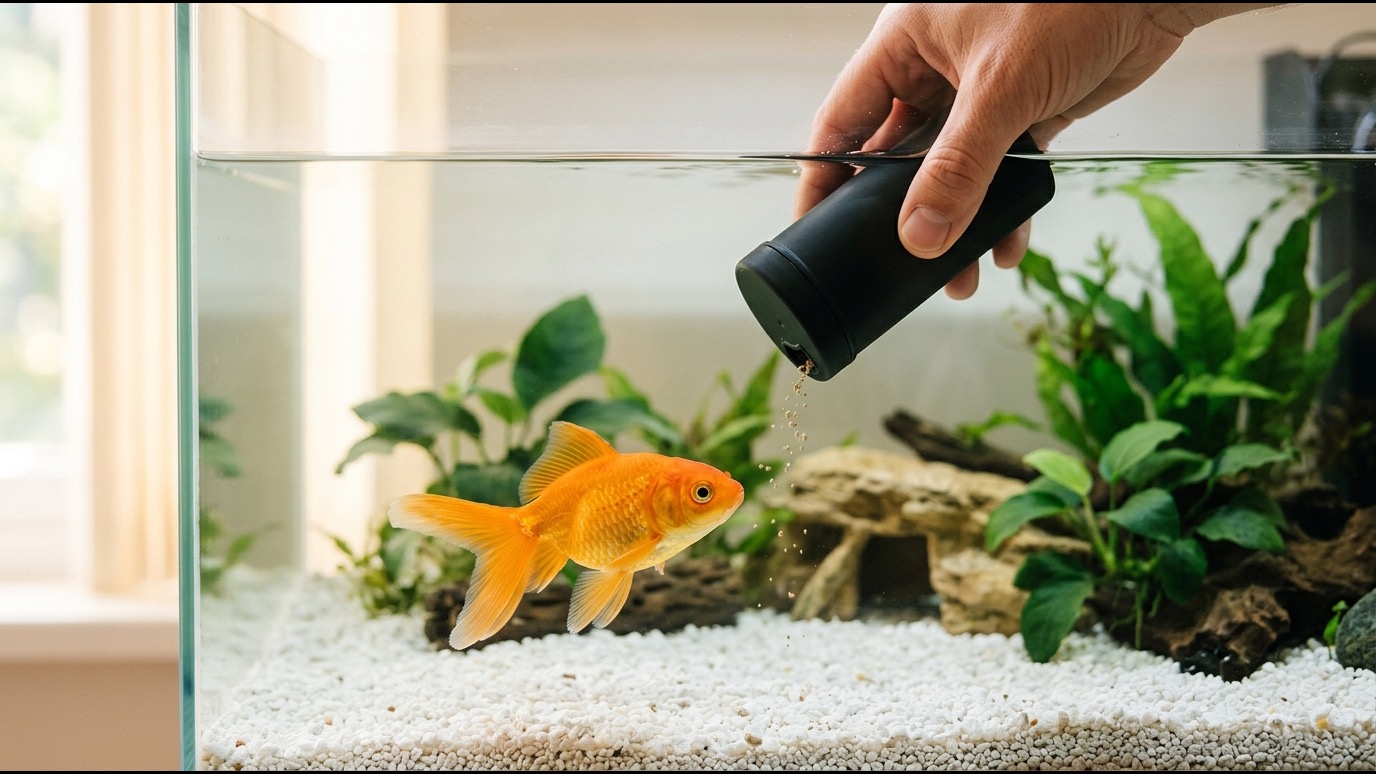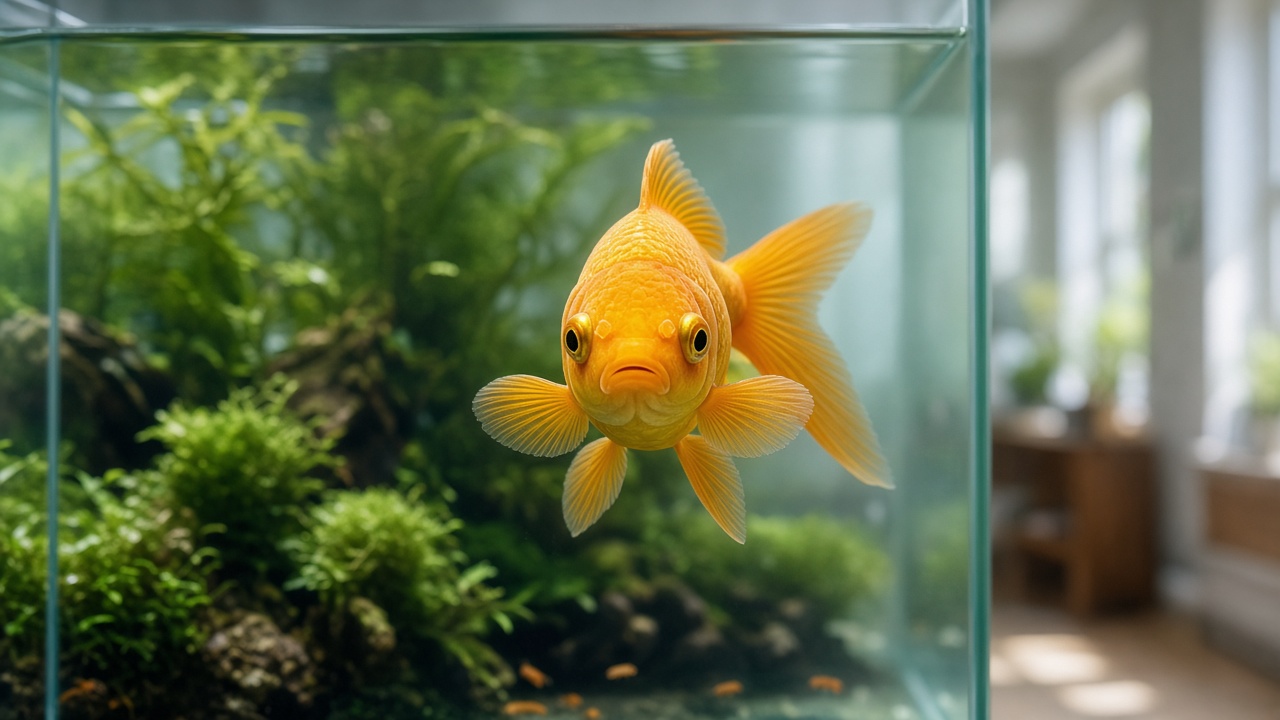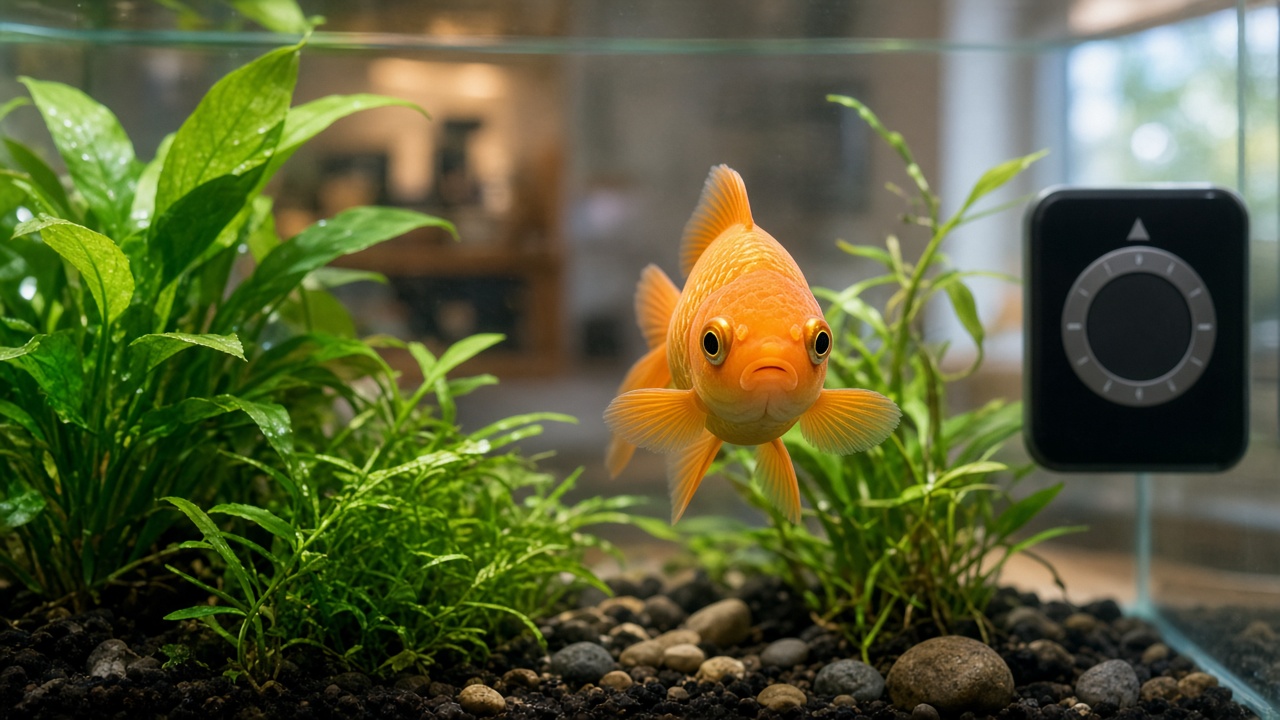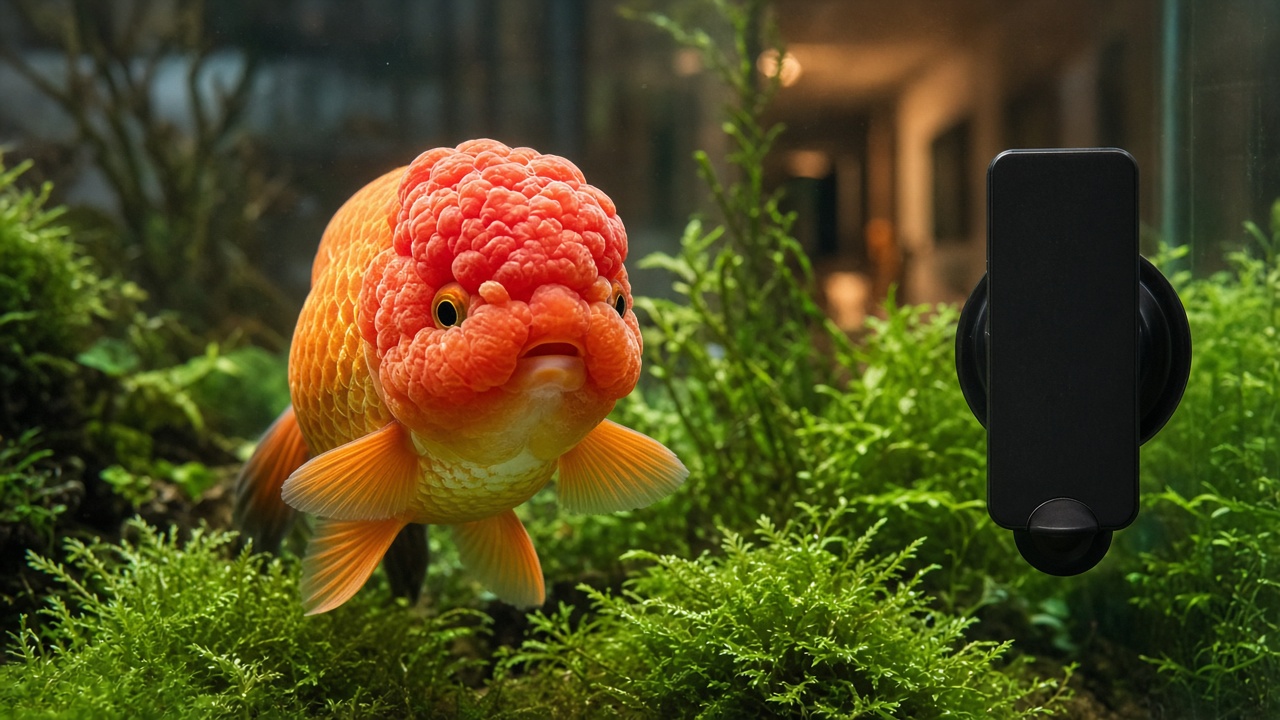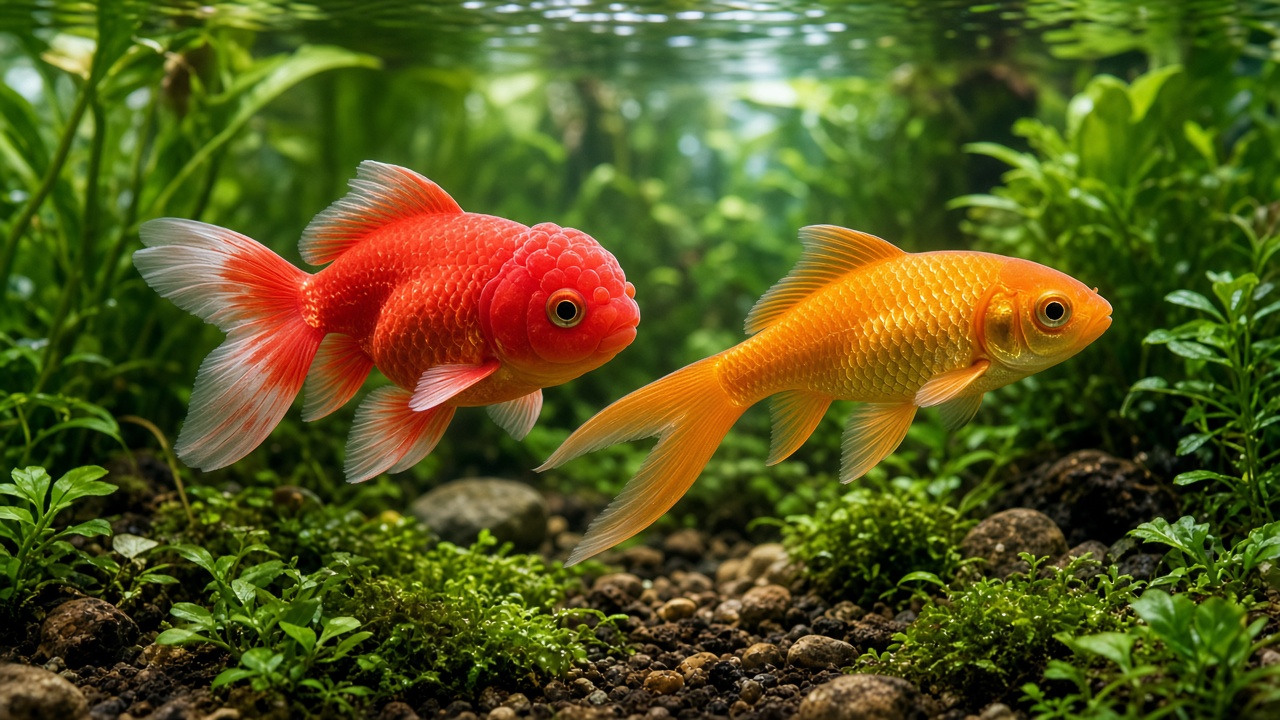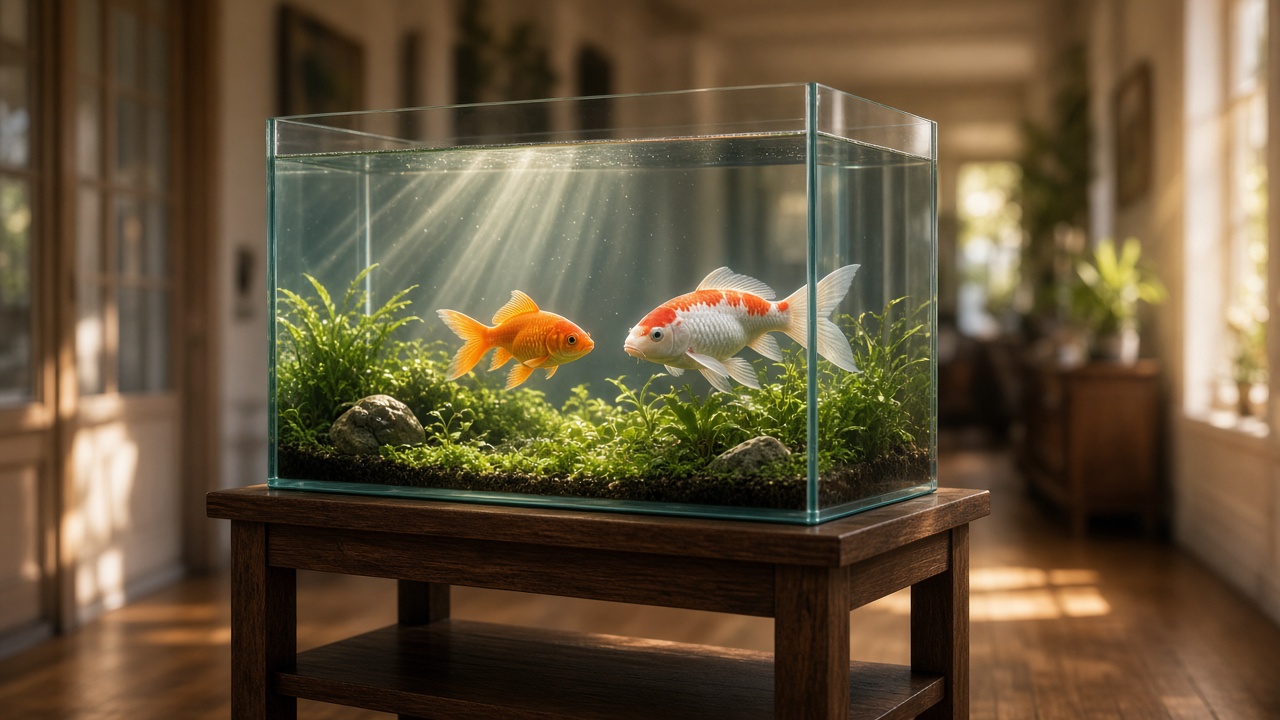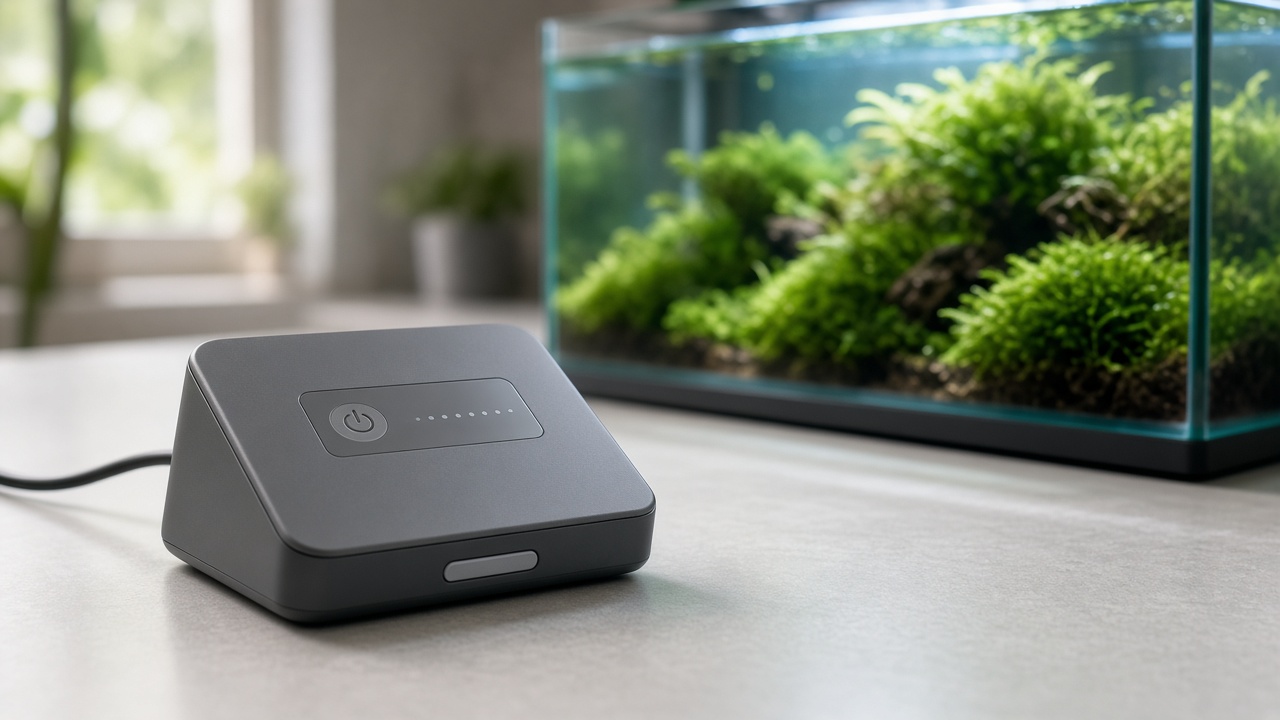
Quick answer: Yes. Goldfish rest by slowing down in the dark and staying upright. Keep nights dark and quiet, and feed during the light period.
Yes, goldfish rest at night, and day-fed fish did 80 percent of their swimming in the light. This desk brief compares published clock data and maker specs; we did not house goldfish, film rest, or record brain waves.
How we chose what this page covers
A product stays here only if the maker page lists a timer, a 24-hour cycle, or a manual off switch.
That selection rule is the Waterpuppy Dark-Night Gate. It decides which lights we name.
Our research team analyzed one Frontiers in Physiology goldfish paper and one OATA care sheet. We also compared published specs on four lights still sold for home tanks.
We left out foods, medicines, heaters, pond wintering, and lights with no published way to go dark. Those cases do not change the first home job: a dark night and a daytime meal.
What rest looks like, and what it is not
Rest in goldfish is a slow, still stretch, not a flop on the gravel.
A 2018 Frontiers in Physiology paper kept goldfish on 12 hours of light and 12 hours of dark. Fish fed in the middle of the light period did 80 percent of their swimming while the lights were on.
That same paper still recorded movement at night. Rest is a drop in motion, not a full stop, and gills should keep moving while the fish stays upright.
OATA’s goldfish care sheet treats some still poses as warning signs, not rest. Check water if you see any item on this list:
- Sitting on the bottom
- Hanging at the surface
- Erratic swimming
- Color that is darker or paler than normal
- Hiding more than usual
- Gill covers moving faster or slower than normal
A fish that is still, upright, and breathing, then swims off when you walk up, is the usual rest picture. A fish on its side or upside down is not resting.
Test the water first. OATA lists ammonia at zero mg per litre and nitrite at zero mg per litre.
Nitrate should not sit more than 20 mg per litre above your tap water. A lasting pale or dark shift is a different problem.
See why goldfish turn black and why goldfish turn white.
The light-and-feed clock that sets rest
Light and meal time both set the goldfish daily clock.
The Frontiers in Physiology paper used 60-liter tanks at 21 ± 2°C. The goldfish weighed 24 ± 5 grams.
Lights went on at 8 a.m., and each group had 36 fish.
One group was fed at the middle of the light period, and those fish stayed clearly day-active.
They did 80 percent of their swimming in the light and showed food-seeking movement 3 to 4 hours before the meal.
The other group was fed at the middle of the dark period. Those fish still swam more in the light, at 60 percent of total movement.
They did not flip into a night-active life. Night feeding flattened the day-night swim pattern.
The same paper measured the stress hormone cortisol in blood.
- Day-fed fish averaged 126.95 ± 23.06 ng/ml of cortisol.
- Night-fed fish averaged 202.19 ± 22.78 ng/ml of cortisol.
- Day-fed fish kept a daily cortisol rhythm with a 143.8 ng/ml swing.
- Night-fed fish lost that daily rhythm.
A 12-hour shift in meal time also shifted body clocks by different amounts.
- The brain clock moved 4 to 5 hours.
- The liver clock moved about 12 hours.
- One kidney clock gene moved 6 hours.
The home rule from that paper is plain. Keep the dark period dark, and feed in the light.
Do not set the only meal for the middle of the night.
How to set a dark night at home
OATA’s care sheet says over-tank lighting should hold a correct day-night cycle.
OATA also says the tank should sit away from loud noise, vibration, sudden movement, drafts, heat sources, and direct sun. Those cues can break rest even when the lamp is off.
Use this setup list.
- Put the tank where people do not slam doors or bump the stand.
- Use a hood light or a fixture you can turn off.
- Match the Frontiers in Physiology split: 12 hours on, 12 hours off.
- Feed once in the light period, not at midnight.
- OATA says feed only what the fish finish in a few minutes, once a day.
OATA’s space and water clocks keep the fish well enough to rest.
- Give one adult at least 100 liters, plus 50 liters for each extra adult.
- Change 25 percent of the water each week.
- Test ammonia, nitrite, nitrate, pH, and hardness each week.
- Keep pH between 6.0 and 8.0.
- Keep temperature between 4°C and 25°C.
- Keep hardness between 5 and 19°dH.
A cramped, dirty, or noisy tank can look like a sleepy fish. It is often a stressed fish.
Fix the water before you add a cave or a new lamp. OATA says tank goldfish often reach 25 cm and need that 100-liter floor, not a bowl.
Lights that can create a dark period
Comparing published specs, only two of the four lights on this table list a built-in 24-hour cycle.
The other two still pass the Dark-Night Gate. One has a soft-touch off switch. One lists size and power so you can pair it with a separate outlet timer.
Use the table as an attribute grid, not a rank list. We did not assign scores.
| Product | Maker-listed dark control | Size and power on the maker page | Other listed specs |
|---|---|---|---|
| hygger Planted 24/7 Clip-on (HG990) | Default 24/7 cycle; DIY 6 h, 10 h, or 12 h | 14 W for 12–20 in freshwater tanks | Clip for glass under 0.9 in; 50,000-hour lamp life |
| Aqueon Freshwater Clip-On LED Light | Soft-touch on/off; no timer on the maker page | 21 LEDs; tanks up to 20 gallons | SKU 100533612; 1-year warranty |
| Nicrew ClassicLED Plus | No timer listed on the product page | 22 W; sizes from 12–18 in to 48–60 in | 6500 K; 1150 lm; 117 LEDs |
| Current USA Satellite Freshwater LED Plus Pro (4010) | Inline digital 24-hour timer | 25 W; 18–24 in tanks | 16.8 × 3.5 × 0.44 in; IP65; 12 V DC |
hygger’s page for the Planted 24/7 Clip-on lists a default clock.
- Orange sunrise runs from 6 a.m. to 8 a.m.
- White light runs from 8 a.m. to 6 p.m.
- Blue moonlight runs from 6 p.m. to 10:50 p.m.
- The light is off in the remaining hours.
That default night is not the 12-hour dark block in the Frontiers in Physiology paper. If you use this fixture, the DIY 12-hour timer is the closer match.
Aqueon’s Clip-On LED Lights page lists 21 LEDs on the freshwater model for tanks up to 20 gallons. The page does not list a timer.
You must add an outlet timer or switch it off by hand. OATA wants 100 liters for one adult. Treat a 20-gallon box as a grow-out tank, not the adult floor.
Nicrew’s ClassicLED Plus page lists 22 W, 6500 K, 1150 lumens, and 117 LEDs. It says the fixture is 25 percent brighter than Nicrew’s ClassicLED light.
It does not list a timer on that page. Pair it with a timer if you want a set dark period.
Current USA’s page for the Satellite Freshwater LED Plus Pro, model 4010, lists an inline digital 24-hour timer. The 18-inch fixture draws 25 W and fits 18–24 inch tanks.
It is IP65 rated and runs on 12 V DC. Pick the fixture that matches tank length, then confirm you can turn it off for 12 hours.
A bright light that never goes dark fails the Dark-Night Gate.
When stillness is a water problem
Long stillness plus a bad water test is illness risk, not a long nap.
OATA says goldfish are dirty fish. Waste raises ammonia and nitrite.
Even small amounts of those two can stress fish and open the door to disease. Use the same weekly test bands listed above when a fish “sleeps” all day.
OATA also flags feeding as a waste source. Feed once a day, and give only what the fish eat in a few minutes.
Leftover food breaks down and fouls the water. If the fish is still all day, test before you dim the room more.
A dark tank with dirty water is not rest. It is low light on a sick system.
OATA says healthy fish have clear bright eyes, intact scales, and steady breathing. Clamped fins, flicking on gravel, or a wobbling swim are disease signs on that sheet.
Those fish need water work and retailer advice, not a longer night. OATA reports many goldfish live 6 to 8 years, and some live 20 years or more.
Color shifts, tankmates, and other interruptions
Rest can fade color a little, but a lasting color change is a different brief.
OATA lists a darker or paler color than normal as a watch sign. A brief fade at lights-out, then a return in the morning, can sit with rest.
A fade that stays through the day needs a different brief. Use goldfish turning black or goldfish turning white.
Tankmates can steal the dark period. Fast fish that chase at night keep a goldfish swimming.
OATA says not to keep comet goldfish with fancy goldfish. Comets swim faster, often take the food, and may nip slower fins.
That chase does not stop just because you want a quiet night. Read what fish can live with goldfish before you add another species.
Skip any fish that stays busy after lights-out. OATA also says the tank should sit away from loud noise and sudden movement.
A TV, a slamming door, or a tapping child can wake a resting fish. The Dark-Night Gate covers the lamp, but the room still has to stay calm.
FAQ
These questions cover the checks keepers ask after they already see a still goldfish.
Do goldfish sleep with their eyes open?
They rest while they look awake, because the usual rest pose is upright and still. The Frontiers in Physiology paper tracked swimming, not eyelids.
A fish that stares and then swims off when you approach is the common rest picture.
How many hours of darkness do goldfish need?
The Frontiers in Physiology paper used 12 hours of light and 12 hours of dark. That split is the only hour count we can attribute on this page.
hygger’s default 24/7 clock leaves the light off after 10:50 p.m. until 6 a.m. Use the 12-hour DIY timer if you want the study split.
Is my goldfish dead or sleeping?
Look for gill movement and an upright body. OATA says hanging at the surface, sitting on the bottom, or erratic swimming are watch signs.
A fish on its side or upside down is not the rest pose in that care sheet. Test ammonia and nitrite at once.
Can goldfish rest if the tank light stays on?
They can slow down, but the Frontiers in Physiology paper built the whole clock around a 12-hour dark block. OATA also calls for over-tank lighting that holds a day-night cycle.
A lamp that never shuts off fights both of those published setups.
Why is my goldfish still at the bottom all day?
OATA lists sitting on the bottom as a problem sign, not a rest label. Run the weekly water tests on that sheet.
Check ammonia, nitrite, nitrate, pH, and temperature. Fix any reading outside the bands above before you change the light clock.
Do goldfish need a cave to rest?
OATA says plant pots or model caves can supply shelter if you skip live plants. Shelter is optional on that sheet.
A dark, quiet, clean tank is the required set. A cave in dirty water does not create rest.
Can other fish stop a goldfish from resting?
Yes. OATA warns that comets can out-swim and fin-nip fancy goldfish.
Night chase looks like a fish that “never sleeps.” Move mismatched fish before you add another species.