Quick answer: Match loach type to adult size, temperature, and group needs before you buy. Clown and dojo loaches outgrow small tanks. Nano species such as rosy and dwarf chain loaches fit planted homes when kept in groups.
Pick loaches by adult size, temperature band, and school needs.
We compared published care data and species profiles to write this page. Our research team analyzed size, temperature, and tank cues for twelve freshwater loach types sold in home aquariums. Owners consistently report calmer, more visible fish when groups match each species’ social needs.
Comparing published specs shows loaches are not one care recipe. Adults range from about one inch to near one foot. Some prefer warm tropical water above 80°F. Others stay healthier in cooler ranges. This page covers twelve types with a comparison table, group rules, substrate, diet, and mate filters.
Include species that fit your footprint, temperature, and budget for a school. Leave out impulse buys based on tiny juveniles alone. Skip veterinary drug protocols for sick fish.
Match the loach to adult size before the cute juvenile stage ends
Loaches sold small can become football-sized adults.
Clown loaches may reach about 12–13 inches in long-term care, with database maxima near 30.5 cm TL. Dojo or weather loaches often span about 6–11 inches, with published maxima near 28 cm SL. Yoyo loaches commonly reach about 5–6 inches, with database notes near 15.5 cm SL. Horseface loaches often approach about 8 inches, with maxima near 20–25 cm. Plan the tank for the adult, not the store juvenile.
Size reality list:
- Clown loach: about 12–13 in / ~30 cm class
- Dojo loach: about 6–11 in / up to ~28 cm
- Yoyo loach: about 5–6 in / ~15 cm SL
- Horseface loach: about 8 in / ~20–25 cm
- Angelicus loach: about 4 in hobby notes; profiles to ~15 cm SL
- Kuhli and silver kuhli: about 3–4 in / up to ~12 cm TL
- Skunk loach: about 3–4 in / up to ~10 cm TL
- Zebra loach: about 3.5 in / ~7.8 cm SL
- Hillstream loach: about 2.5 in / ~6.4 cm
- Dwarf chain loach: about 2–2.5 in / ~5–6 cm
- Rosy loach: about 1–1.25 in / ~2.5–3 cm
Owners consistently report regret when a “small” clown outgrows a 20 gallon display. Our research team analyzed growth notes that treat slow clown growth as a trap, not a solution. Comparing published specs puts footprint first.
Use this 12-type comparison table for size, temp, and tank cues
Read across before you stock.
| Loach type | Adult size cue | Temp cue | Tank cue |
|---|---|---|---|
| Clown loach | ~12–13 in; FB max ~30.5 cm TL | Prefer ~82–86°F; FB ~25–30°C | ~55 gal juveniles; plan 100–125+ gal adults |
| Kuhli loach | ~3–4 in; FB max ~12 cm TL | ~72–82°F; FB ~24–30°C | ~20 gal for a group; sand and hides |
| Silver kuhli | Similar to kuhli ~3–4 in | Match kuhli tropical band | Same sand-and-group plan as kuhli |
| Reticulated hillstream | ~2.5 in / ~6.4 cm | ~65–80°F accepted | ~20+ gal; lid; oxygen and clean water |
| Dwarf chain loach | ~2–2.5 in / ~5–6 cm | ~75–82°F / ~24–28°C | ~20 gal long; group of 6+ |
| Yoyo loach | ~5–6 in; FB ~15.5 cm SL | ~66–82°F / ~19–27.5°C | ~55 gal class for a school |
| Angelicus / polka-dot | ~4 in hobby; to ~15 cm SL | ~72–82°F / ~22–28°C | Long base ~120×45 cm for groups |
| Zebra loach | ~3.5 in; FB ~7.8 cm SL | ~73–79°F / ~23–26°C | ~30 gal or larger |
| Rosy loach | ~1–1.25 in / ~2.5–3 cm | Nano tropical community band | ~5 gal+ planted for a group |
| Dojo / weather loach | ~6–11 in; max ~28 cm class | Keep below ~80°F; cool water | ~55+ gal; goldfish-style cool setups |
| Horseface loach | ~8 in; ~20–25 cm | Cooler bands ~61–75°F common | ~55+ gal; deep soft sand; long footprint |
| Skunk loach | ~3–4 in; FB max ~10 cm TL | ~75–84°F; FB ~26–30°C | ~30–40 gal class; caves; group of 6+ |
Hold ammonia and nitrite at 0 ppm for every row. Nitrate control still needs water changes. Re-check temperature when you mix cool hillstreams with warm clown tanks.
Keep social loaches in real groups, not lonely pairs
Most botia-type loaches need company of their own kind.
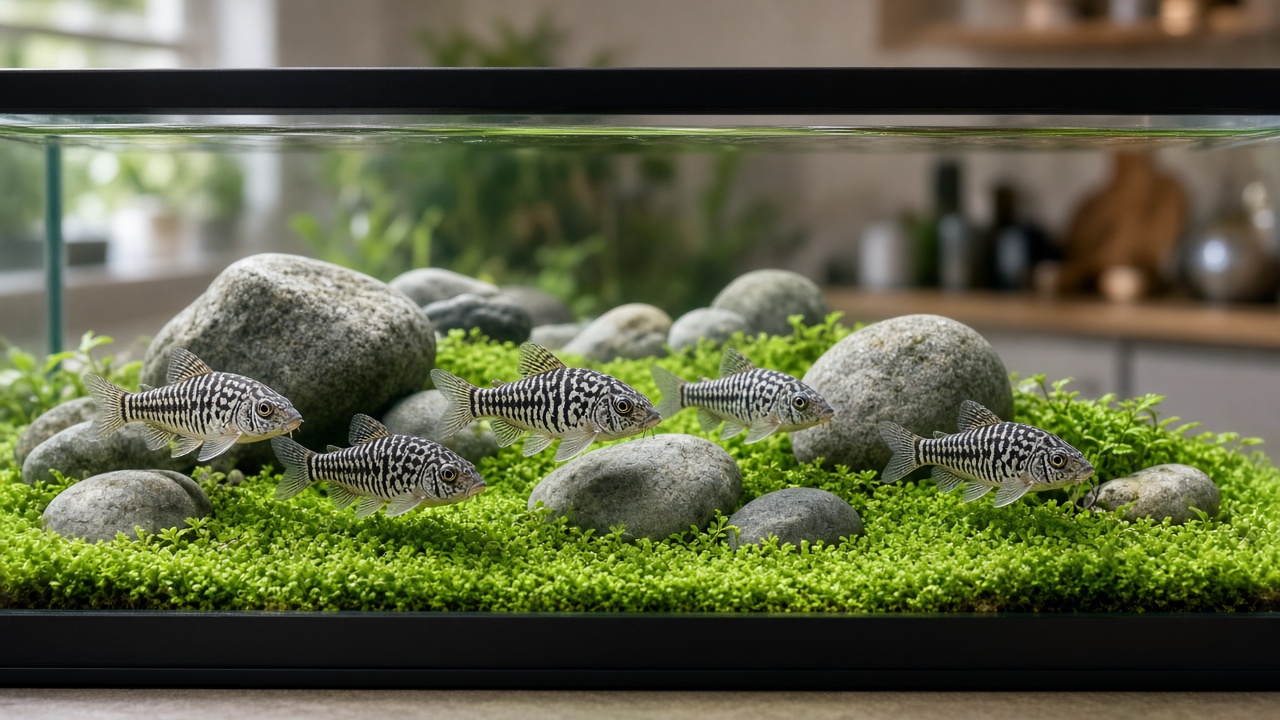
Published hobby guidance repeatedly calls for six or more clown, yoyo, zebra, angelicus, dwarf chain, and skunk loaches. Small groups often hide or pick on one weak fish. Kuhli and silver kuhli loaches also settle better in groups of about six or more. Hillstreams often do best as one or three-plus, not a tense duo. Rosy loaches stay active in nano groups with cover.
Group checklist:
- Six-plus for most Botia and clown schools when space allows
- Six-plus kuhlis on soft sand
- Avoid two hillstreams if one bullies over food
- More caves than fish for skunk and yoyo tanks
- Never stock a lone social loach “for snails only”
Owners consistently report outgoing behavior once group size rises. Our research team analyzed aggression notes that treat understocked botias as stress, not savings. Comparing published specs favors schools over showcase singles.
Build substrate, flow, and hides for the mouth you bought
Barbels and burrowing habits set the hardscape.
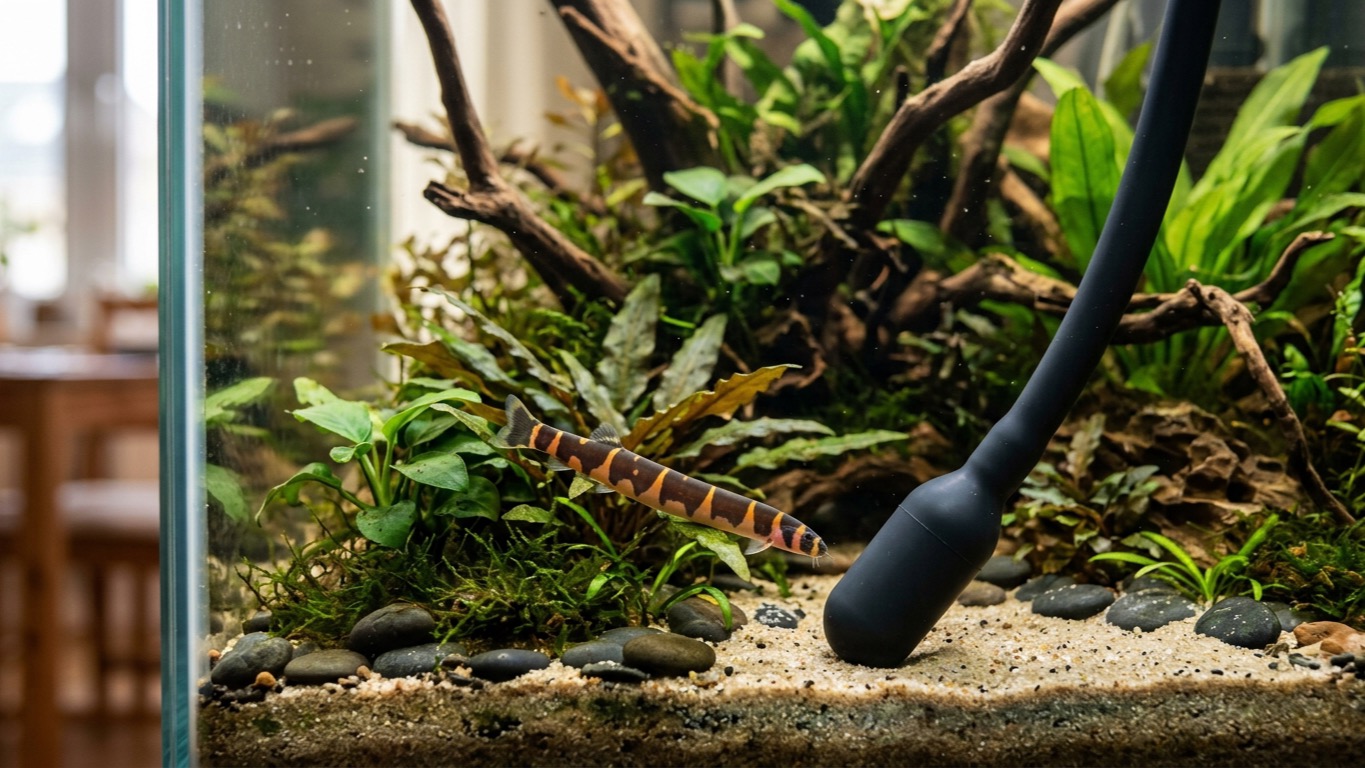
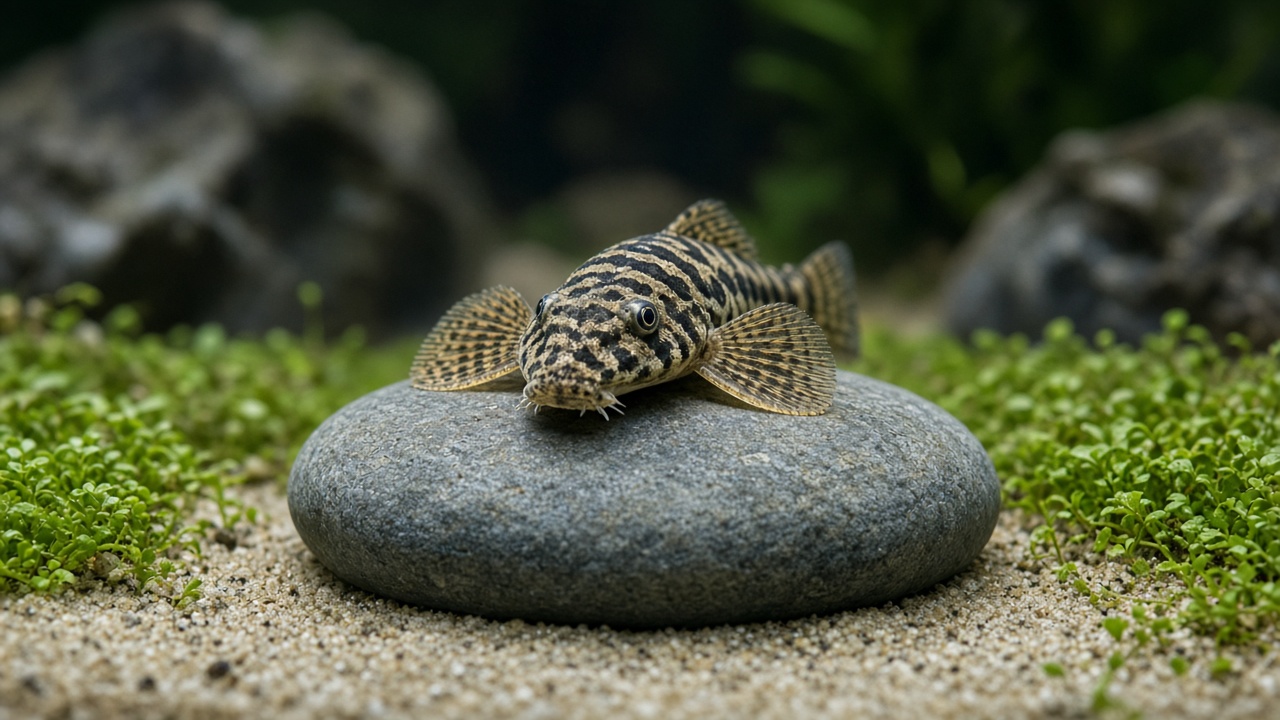
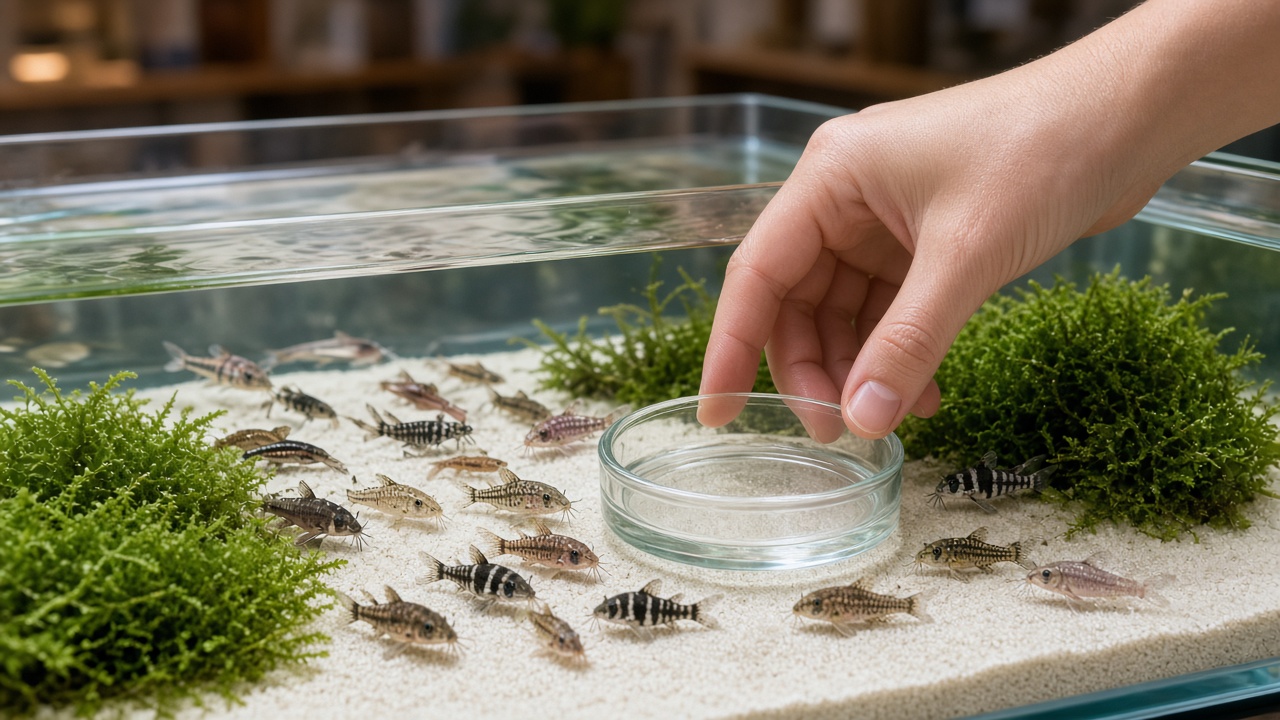
Kuhli, silver kuhli, horseface, and dojo loaches need soft sand they can dig without scraping. Sharp gravel damages barbels. Hillstreams need smooth rock or glass they can cling to, plus a secure lid because they climb. Clown and botia groups use caves, tubes, and wood to break sight lines. Soft leaves and dim corners help shy nocturnal kuhlis emerge after lights-out.
Hardscape list:
- Fine sand for burrowers
- Smooth river rock for hillstreams
- Secure lid on climb-capable species
- Caves and PVC for botia schools
- Soft flow for kuhlis; stronger oxygen for hillstreams
Owners consistently report missing hillstreams inside filters or on the floor after escapes. Our research team analyzed lid and filter notes that treat climbing as normal. Comparing published specs keeps décor matched to snout and fin shape.
Feed for scavengers without trusting leftover flakes alone
Loaches forage, yet they still need dedicated sinking meals.
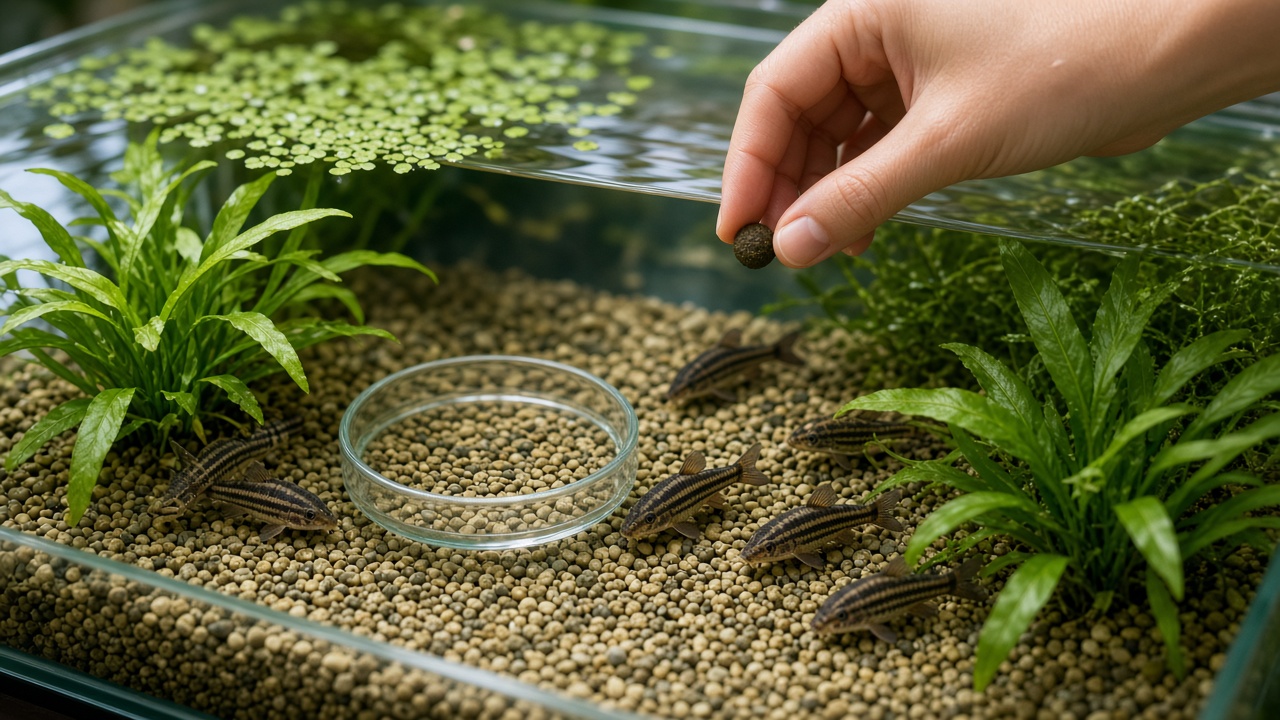
Offer sinking pellets or wafers, frozen bloodworms, and other meaty foods that reach the sand. Clown loaches often take snails and benefit from warm-water metabolism with frequent feeding. Hillstreams graze algae but still need gel foods, wafers, and vegetables. Dojo loaches scavenge widely in cool tanks. Feed after lights dim if kuhlis stay buried all day.
Diet cues:
- Sinking staples that hit the bottom
- Frozen or live worms on a rotation
- Blanched veg for some larger loaches
- Extra portions for warm clown tanks
- Watch so midwater fish do not steal every bite
Owners consistently report plump loaches when night feedings are scheduled. Our research team analyzed omnivore notes that reject “they’ll find scraps” stocking. Comparing published specs keeps snails as optional snacks, not the only meal.
Filter tank mates by manners, fins, and temperature overlap
Peaceful midwater fish work; delicate fins often fail.
Clown loaches can share large tanks with robust community fish too big to swallow. Yoyo and skunk loaches may bother shrimp, snails, and long-finned slow fish. Zebra and dwarf chain loaches also hunt snails and baby shrimp. Hillstreams usually accept peaceful community mates when water stays clean. Dojo loaches fit cool goldfish-style tanks, not hot discus setups. Match temperature bands before you mix species from opposite rows of the table.
Mate filters:
- Skip shrimp with snail-hunting botias
- Skip bettas and fancy long fins with feisty loaches
- Use dither schools to draw shy clowns out
- Quarantine wild-caught arrivals when possible
- Never mix cool dojos with 86°F clown water
Owners consistently report fin damage when skunk loaches meet slow fancy fish. Our research team analyzed temperament notes that treat group size as the aggression diffuser. Comparing published specs keeps temperature overlap non-negotiable.
Watch ich risk, spines, and cool-versus-warm mismatches
Loach husbandry fails most often on temperature and handling.
Clown loaches are often kept hotter, about 82–86°F, partly because cooler shipping and cool tanks raise ich risk. Dojo loaches prefer staying below about 80°F and can suffer when rooms run tropical-hot. Hillstreams accept a wide band near 65–80°F yet still need stable, clean water. Many loaches carry a suborbital spine that snags nets. Move fish with containers when you can. Quarantine new stock before they meet a display school.
Risk checklist:
- Hotter targets for clown groups
- Cooler targets for dojo and many horseface setups
- Net caution around eye spines
- Quarantine before mixing schools
- Stable chemistry over daily parameter chasing
Owners consistently report healthier clowns after warm quarantine. Our research team analyzed disease-risk notes tied to cool transport. Comparing published specs treats temperature as a primary filter, not a footnote.
FAQ
Which freshwater loach is best for a 20 gallon planted tank?
Kuhli loaches, dwarf chain loaches, and rosy loaches are the usual small-tank fits when grouped properly. Hillstreams can work in about 20 gallons with a lid and clean water. Skip clown, yoyo, dojo, and horseface loaches at this volume. Measure adult size before you fall for a juvenile’s charm.
Do clown loaches really need huge tanks?
Yes for adults. Juveniles may start near 55 gallons, yet adults near a foot long need monster aquariums often cited in the 100–125+ gallon class. Schools of six-plus multiply space needs further. Buy clowns only if you can grow into that footprint over the next decade.
Will loaches eat my pest snails?
Many botia-type loaches, including clown, yoyo, zebra, dwarf chain, and skunk loaches, readily eat snails. Kuhli loaches are poorer snail hunters by comparison. Don’t add prized ornamental snails to snail-eating loach tanks. Feed dedicated sinking foods so snail control stays a bonus, not starvation management.
Can I keep one loach alone?
Most social loaches do poorly alone and may hide or harass tank mates. Hillstreams are sometimes kept singly, or in three-plus groups to avoid duo bullying. Plan groups that match the species row in the table. A lone “cleanup crew” loach is usually the wrong plan.
What temperature should I set for mixed loaches?
You usually cannot mix warm clown targets near 82–86°F with cool dojo targets below 80°F. Pick one temperature band for the whole tank from the start. Hillstreams tolerate a broad band, yet still dislike dirty, low-oxygen water. Match the most sensitive species first every time.
Do kuhli loaches need sand?
Yes, soft sand or a very fine, smooth bed supports burrowing and protects barbels. Sharp gravel scrapes them and reduces foraging confidence. Add leaf litter, caves, and plants so nocturnal fish feel safe. Feed after lights-out if they stay buried by day in bright tanks.
Are hillstream loaches only for river tanks?
Not necessarily. They appreciate oxygen and clean water, and many keepers succeed in planted community tanks across about 65–80°F. Strong manifolds help but are not the only workable path for healthy fish long term. Keep a tight lid because they climb glass walls and filters readily.
This guide is informational only and does not replace advice from a qualified veterinarian.